See how George RR Martin draws tragic parallels between Baelor Breakspear and Oberyn Martell, reverberating fate & honor throughout the history of Westeros.
If you have ever found yourself buried deep in the lore of George RR Martin — A Song of Ice and Fire, or you just have a passing interest in Game of Thrones, you are probably familiar with the popular phrase “History doesn’t repeat itself, but it often rhymes.”
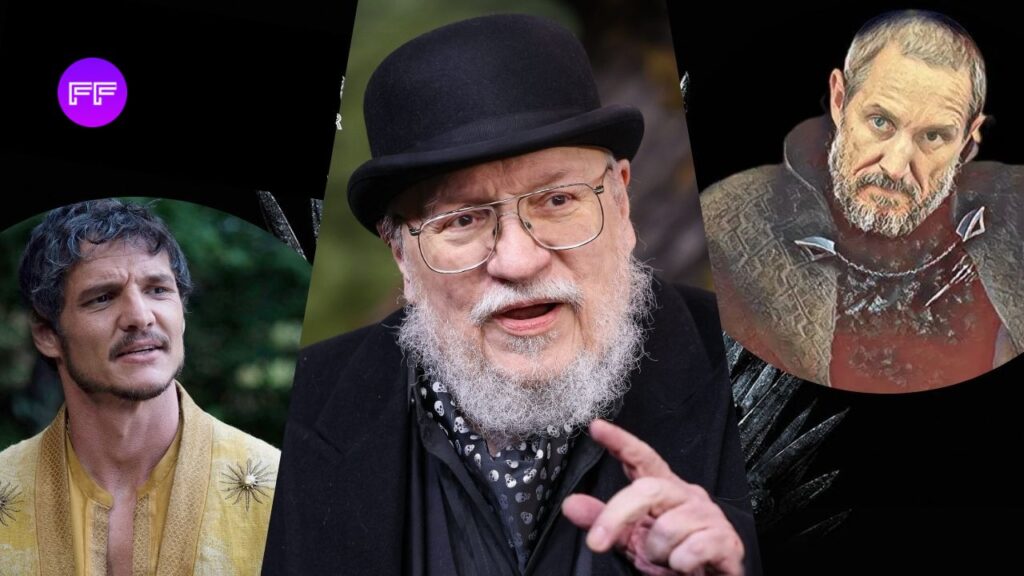
In Westeros, this is more than just a clever saying. How the George RR Martin whole story is built around it. George RR Martin has a penchant for retroactively playing out events of the past in the present, but often with a grimmer, more twisted result. But of all his books’ historical “rhymes,” there are none quite so heartbreaking or headache-inducing as the link between Prince Baelor “Breakspear” Targaryen and Prince Oberyn “The Red Viper” Martell.
Almost a hundred years apart, these two men were the rockstars of their times. They were the top fighters, the coolest princes, the dudes everyone wanted to be. Yet, both of them died in virtually the same way: trial by combat against a giant, intimidating rival with a gory, skull-crushing ending, in a result that altered the destiny of the George RR Martin Seven Kingdoms for all time.
So let’s get down to the fascinating, tragic and completely brutal comparisons between the George RR Martin Dragon and the Viper.
The Coolest Guys in the Room
Before discussing how they died, we need to talk about why what they died for hurt so much. “In a George RR Martin narrative tragedy it must hit home, so you make the audience fall in love with the character first.” Martin did this to perfection with both Baelor and Oberyn.
The Perfect Prince: Baelor Breakspear
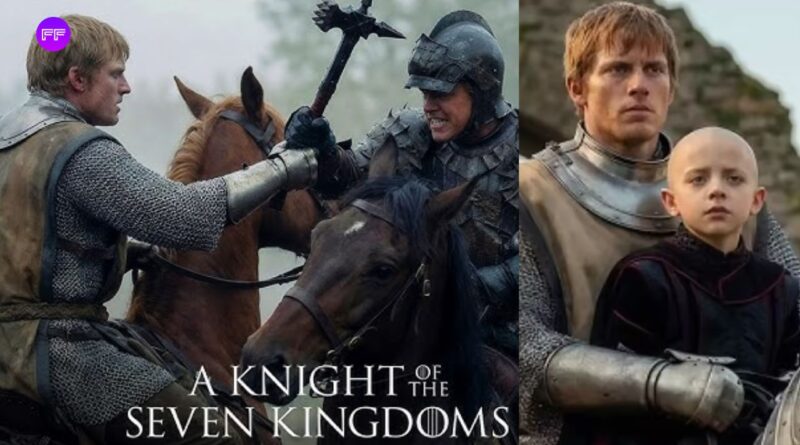
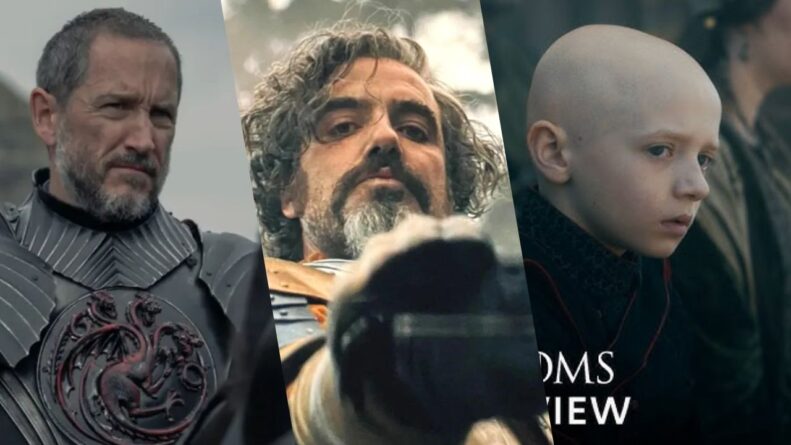
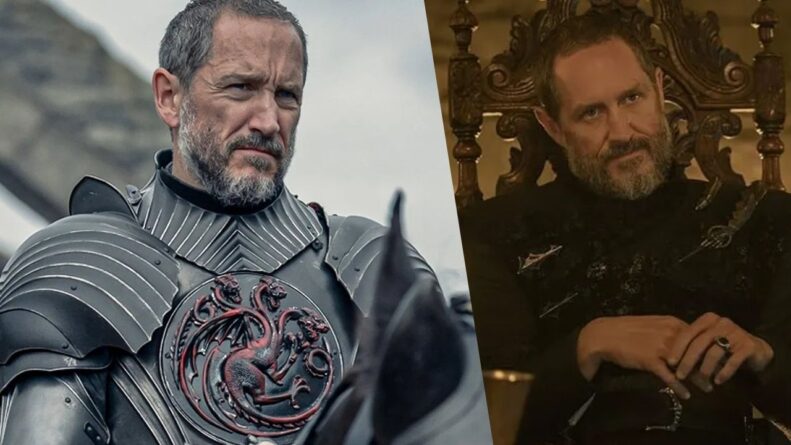
Baelor Targaryen as seen in The Hedge Knight is the very picture of the perfect prince. He was crown prince and Hand of the King, and also a legendary warrior. Not only was he a man of strength and power, but his character was so good that he was looked upon as a shining light of virtue and leadership in the land.
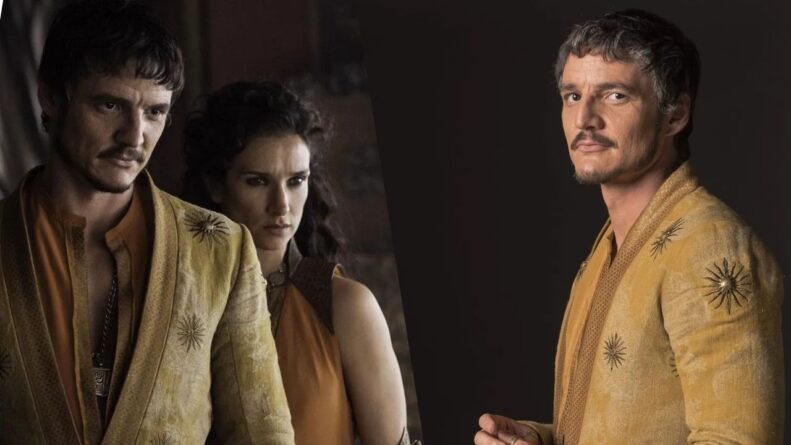
In addition, he was both the Hand of the King and the crown prince, and a fighter so famous that he was the subject of ballads. He wasn’t just strong; he was good. He was the kind of leader who made people feel safe. Had Baelor ascended the throne, the Targaryen rule might have persisted for an additional thousand years or so.
The Bad Boy: Oberyn Martell
A century and change from there to the main series. Oberyn Martell was Baelor’s polar opposite in personality, but his equal in charisma. He’s the “Red Viper” – a second son who lives in the world, fighting in mercenary companies, learning poisons, and basically doing whatever he wants. He was dire, capricious, and that Shot-in-the-dark Really Cool, Just as Baelor stood for the best House Targaryen could offer, Oberyn stood for the prickly, fiery, indomitable soul of Dorne.
Both were what we call “Era Parents.” When they entered a room, they demanded respect. When they pulled out a gun, you knew something amazing was about to happen.
Fighting for the Little Guy
The similarities really start to emerge when you examine the causes of their deaths. Neither prince died in a grand war or a serendipitous mishap. They each took part in a judicial duel—a trial by combat to rescue someone who was being annihilated by the system.
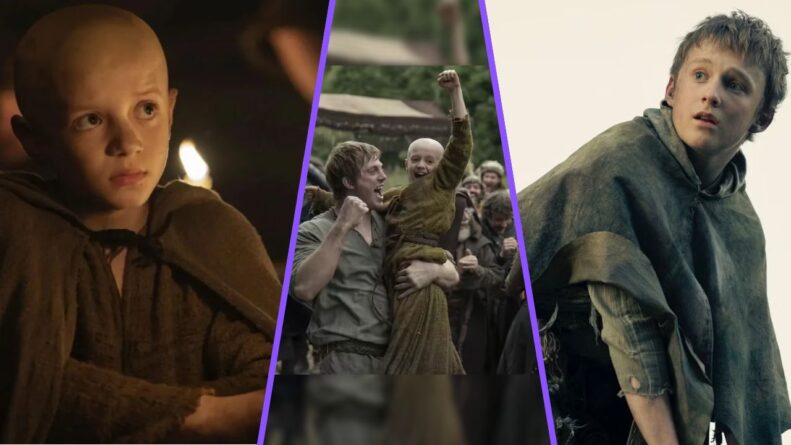
Baelor Breakspear shocked the whole realm when he backed a hedge knight named Duncan the Tall (Dunk). Dunk was charged with attacking a royal prince (who actually deserved it), and Baelor saw that his own family was wrong. In an act of idealistic chivalry, Baelor practically staked his life on a nobody’s honor. He battled for the helpless against the mighty.
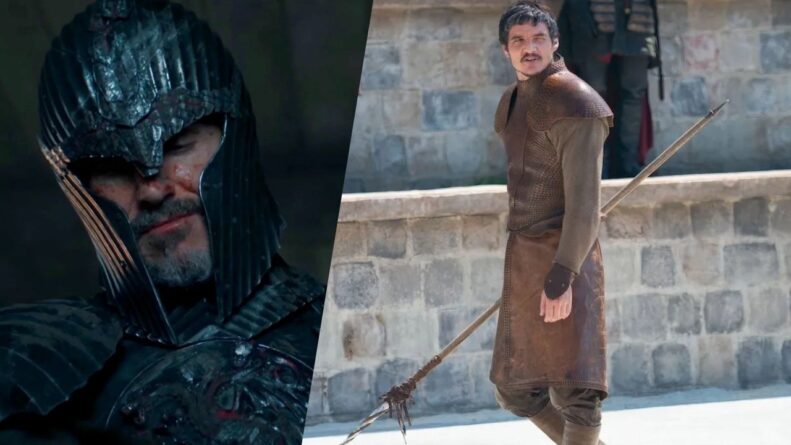
Oberyn Martell advances to champion Tyrion Lannister. However Oberyn’s motivation was slightly different, he craved the chance to kill Gregor Clegane (The Mountain) for the murder of his sister, Elia. But it’s the same: a scion of high-born nobility takes up his rapier in the ring, now defending a man whose fate has been decided by the crown.
Here again, we have a champion confronting a beast for a small fry, in both cases. And in both cases the story tricks us into thinking they’re going to win.
The Crunch Heard ‘Round the World’
This is the part that makes everyone cringe. George RR Martin didn’t simply kill those characters — he dismembered them, in ways that are specific, graphic, and medically horrifying.
The “head-crush” is a very specific motif in Westeros. It is the beheading of a family or movement’s “head.”
Baelor’s “Walking Ghost” Death
The Hedge Knight tells the tale, and Baelor appears fine at the end of the fight. He’s sitting up, chatting, and instructs his maester to attend the other injured men first. But then, he complains about a headache. The horror is revealed when he removes the helmet.
His brother, Maekar, had clubbed him with a mace in the scramble. The blow had crushed the back of Baelor’s skull. The helmet was the only thing holding his head together. Baelor collapsed when the helmet was removed and the pressure relieved. The “red blood and pale bone” that is poured out here is one of the most memorable images in fantasy literature. Baelor was exhausted as a “walking ghost” – alive only thanks to his armor and force of will.
Oberyn’s Explosive End
Oberyn’s death is the violent, fast-paced rhyme to Baelor’s slow tragedy. We all know the scene. Oberyn has the Mountain pinned. He has won. But his arrogance gets the better of him. He wants a confession.
The Mountain trips him, punches his teeth out, gouges his eyes and then— in a moment sextillions of TV viewers will rerun in their heads that crushes his skull with his bare hands. The “sickening crunch” described in the books is a direct echo of the noise Baelor’s skull emitted when his helmet was taken off.
Both men were inches away from survival. Both men were the superior fighters. And both men were left broken on the tourney grounds.
The Physicality of Tragedy (Armor vs. Hubris)
If we investigate a little, there turns out to be an interesting “technical” reason why they both died, and it says a lot about what kind of men they were.
Baelor died because of bad equipment.
He raced late into the melee without any armor of his own. He had to borrow armor from his son, Prince Valarr. The problem? Valarr was smaller and slimmer than Baelor. The helmet was too tight.
A helmet must be padded and have some space in front to play the shock of the hit in medieval fights. The death of Baelor Toesdrinker was a tragic example of what can happen when armor is ill-fitting. That which should have protected him from harm, was what killed him, underscoring the need for accuracy and caution when making protective equipment.
Oberyn died because he had no equipment.
Oberyn was known to fight without a helmet. He wanted to be quick, light, and to have everything in sight. This was his hubris. He thought his ability was sufficient protection. If Oberyn had been wearing a heavy helm like a regular knight, the Mountain would not have been able to gouge out his eyes and crush his skull so easily.
The “Dead Dragon,” Prophecy
Baelor is one of the coolest lessons on how to read prophecies George RR Martin Game of Thrones can teach us.
In The Hedge Knight, Daeron the Drunkard has a “dragon dream.” He says to Dunk:
“I dreamed a great red dragon fell upon you, but you were living and the dragon was dead.”
Everyone is initially under the impression that Dunk is going to kill a prince in the fight. But that’s not what happens. Baelor (the “great red dragon”) dies from a blow to the head and collapses over Dunk, who is crying on the ground. The prophecy was fulfilled, but not as anyone expected.
Tragedy is the source of great wisdom that audiences can learn from in this tale. When Daenerys has visions, or Cersei hears prophecies, it is a signal to treat such pronouncements with a grain of salt and a generous helping to understand the “falling dragon” is not an actual monster that drops from the sky but it’s the fall of a great man. Baelor’s death is the key to understanding the magical logic of the whole George RR Martin series.
How Baelor’s Death Screwed Everything
You might be thinking: “So a prince died 90 years ago, big deal. Where’s the relevance to the main storyline?”
But this is why we have the Mad King, thanks to Baelor Breakspear’s death.
Let’s see how the dominoes fall:
- Baelor Dies: The “perfect” heir is gone.
- The Sickness: Baelor’s children soon die in a plague (the Great Spring Sickness).
- The Weak Kings: Baelor’s bookish brother Aerys I takes the throne, then his warrior brother Maekar, who killed Baelor and was horrified by it.
- Egg becomes King: Ultimately, the throne is inherited by Aegon V (Egg), the boy Baelor saved.
- The Tragedy of Summerhall is the event in which King Aegon V Targaryen, “Egg,” sought to harden dragon eggs by arcane means. His fascination with re-creating dragons through egg-heating rituals caused a devastating fire that took his life and countless others.
- Afterward, the Targaryens spiraled even more into chaos under Aerys II Targaryen, more infamously known as the Mad King. His rule was one of paranoia and cruelty, with a taste for immolation, as he burnt alive, among others, some of his subjects. His deeds – not least the executions of Rickard and Brandon Stark – sparked rebellion all over the realm. This led to for Robert’s Rebellion, a civil war that resulted in Robert Baratheon defeating Aerys and taking the Iron Throne.
The succession to the throne would have been secure. There would be no Mad King Aerys, no Robert’s Baratheon, and no Ned Stark losing his head.
Baelor’s death was the “hammer blow” that shattered the foundations of House Targaryen. When we reach Oberyn’s death in the novels, we are simply witnessing the end of the house.
Read More 👉 ‘The Mandalorian and Grogu characters’: Mandoverse Steps Into Cinema Differently with Mercenary Guard Droid
The “Dornish Curse.”
Baelor Targaryen, by birth, looked very different from most Targaryens. His mother was Mariah Martell of Dorne the source of his Dornish heritage, he inherited her black hair and black eyes. It gave him a decidedly Doran look, and some quietly commented that Baelor was “more Martell than Targaryen.”
Pattern George RR Martin Created
- Baelor: Looks like a Martell. Gets his skull crushed in a trial by combat.
- Elia Martell: A Martell princess. Gets her head smashed against a wall by the Mountain.
- Oberyn Martell: A Martell prince. Gets his skull crushed by the Mountain.
Particular, grotesque fate for the Martell line Martin has reserved, it seems like. It’s almost a “blood-rhyme.” The ones who have the blood of Dorne with fierce, proud, rebellious to keep ending up crushed by the likes of what the Iron Throne can put its enforcers, blunt force.
Conclusion
So the next time you see that gruesome scene of Oberyn Martell in Season 4, or The Hedge Knight, keep in mind that you’re not just watching a fight. You are watching a cycle of history repeating itself.
George RR Martin connected these two men across time to reveal to us that the “Game of Thrones” consumes even its best players. Baelor was the fire of the past, and Oberyn was the hope of the present. They both crumbled under the burden of their own decisions, and the cruelty of their world.
The death of Baelor broke the Targaryen dynasty, and that of Oberyn shattered the peace between the Lannisters and Dorne. They are the two “crushed crowns” of Westeros that testaments to how even the brightest stars can go out swiftly, violently.
Get all the updates on Fandomfans from your favorite franchise and movies/series and celebrity news. Our goal is simple, focusing on the marvel and dc theories to provide you stories.