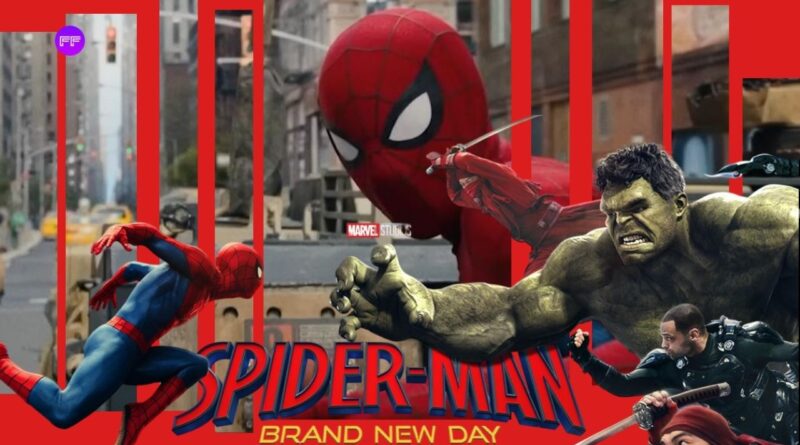
Spider-Man: Brand New Day Ending Explained – 6 Marvel Loose Threads
Spider-Man: Brand New Day ending explained! Discover the 6 biggest Marvel loose threads, hidden clues, post-credits details, and what they mean for Peter Parker’s future.
You sat through the entire credits crawl for eleven seconds of app-interface footage, and you still don’t know what you watched. That’s exactly what Marvel did to leave you with an exciting Cliffhanger. Spider-Man: Brand New Day, which hit theaters July 31, 2026 under director Destin Daniel Cretton, hands you six loose threads and dares you to pull on them before Avengers: Doomsday arrives this December.
Here’s what actually happens in each one, separated from what fans are just hoping happens.
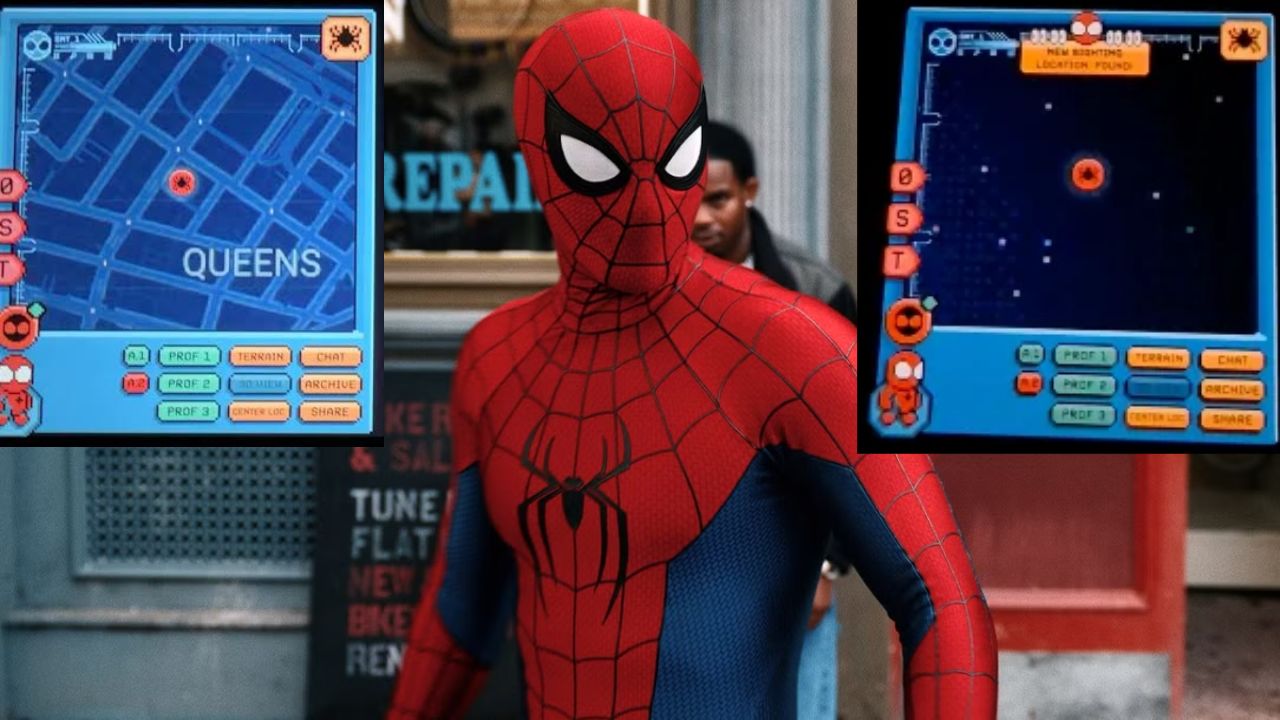
There’s no mid-credits scene this time, only one sequence after the full credits roll. It circles back to the Spidey Tracker, the in-universe app Ned Leeds (Jacob Batalon) built to log Spider-Man sightings across New York after losing his memory of Peter. The app pings with a new detection. The camera pulls back from the city, past the Earth, past the moon — and after a brief glitch, a second Spider-Man marker appears out in deep space. No actor, no dialogue, no confirmation of whose signal it is.
Marvel isn’t announcing anything on the Brand New Day’s post credit scene, leaving fans wondering whether that’s Peter, or Spider-Man from another universe. This scene matches the timeline of the Thunderbolts* post-credit scene where Yelena Belova’s tablet flagged an extradimensional ship entering Earth-616’s orbit. That craft looks exactly like Fantastic Four’s Earth-828 ship and these two parallel events suggest that they are connected somehow.
Spider-Man: Brand New Day slightly set up Peter Parker’s entry into Avengers: Doomsday on December 18, 2026, instead of holding his return until Avengers: Secret Wars.
Nothing in the film states this outright; it’s the most logical read of two scenes stitched together across separate movies.
When Peter’s spidey sense gets heightened and he is scared to lose himself more than a villain, in that moment, he decides to suppress his dark impulses by destabilizing spider-DNA. When he accidentally hits the cop while fighting with Scorpion (who is possessed by Jean Grey), he’s not himself at the time his personality shifts.
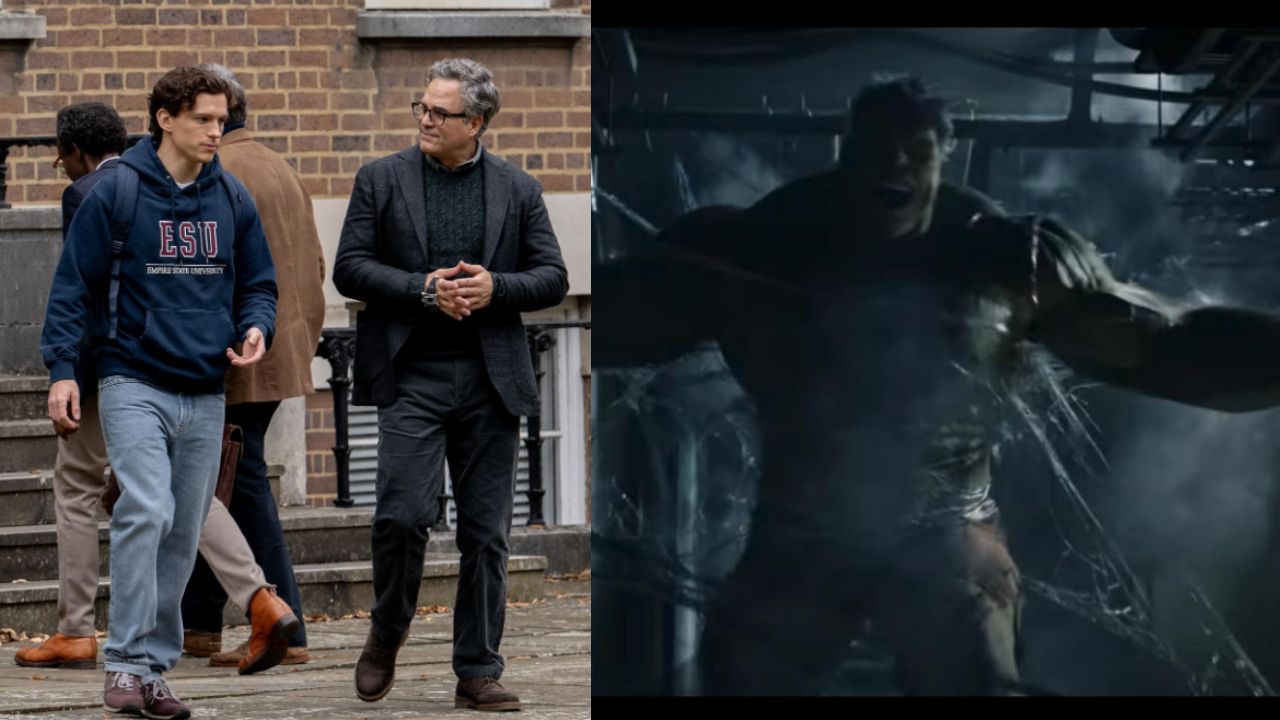
He goes to Bruce Banner for advice, because he also uses calibrated tech to keep his gamma mutation suppressed and prevent him turning into a Hulk. Banner also warns Spider-Man that deciding which parts count as “wrong” and suppressing them is an ethical minefield, not an engineering problem.
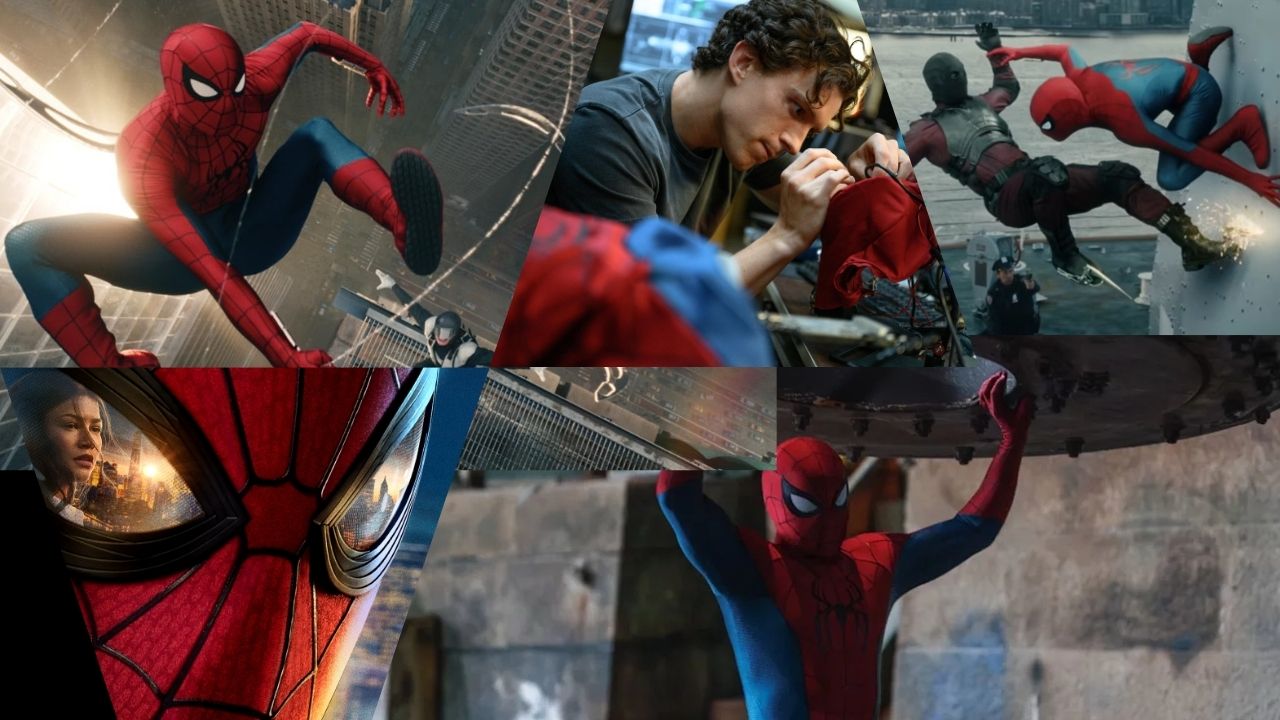
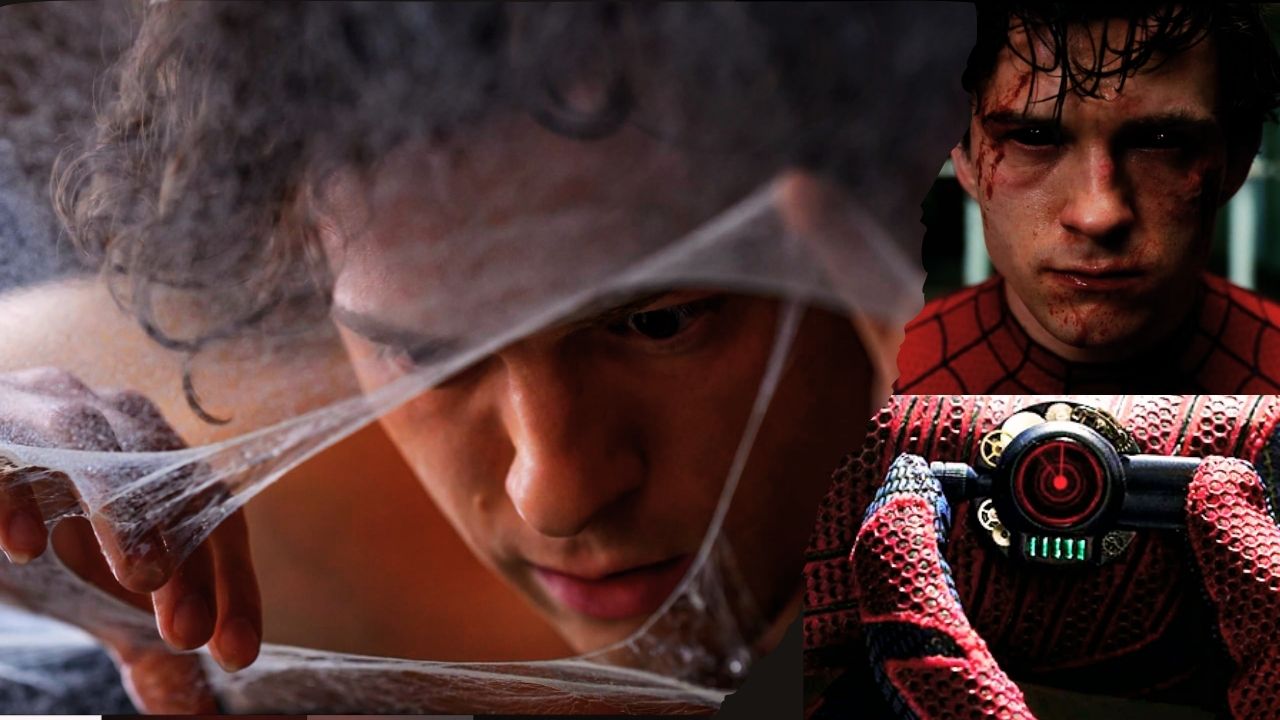
Peter Parker didn’t listen to him and built that chip for himself and one, a universal one to use on anyone who has special powers. Jean Grey is a genetically enhanced person and Peter uses that universal inhibitor to help Damage Control detain her. Later when Jean removed it from herself since it was destabilized by Metzger, Spider-Man tried to slap it on Hulk but failed because of its tight skin.
The Department of Damage Control gets its hands on the tech afterward and starts modifying it. Bill Metzger (Tramell Tillman), whose anti-mutant leanings are already on screen, escapes with knowledge of how it works.
In the comics, inhibitor-chip technology evolves into the collars used to neutralize mutants in Days of Future Past. If the MCU is heading toward the same device, not a villain, not a government agency acting alone — Peter Parker is the one who designed the prototype. That’s a rough legacy for a guy trying to do the responsible thing.
Sadie Sink’s Jean Grey spends the movie jumping between minds of Damage Control agents, MJ, Banner while chasing something called V-Max in Damage Control’s systems, tied to whatever experiments Metzger ran on her. Her telepathy escalates into full telekinetic control over a chunk of Manhattan when her grief over her sister overwhelms her, and she nearly kills Metzger before Peter talks her down by sharing a memory of Aunt May’s death rather than fighting her.
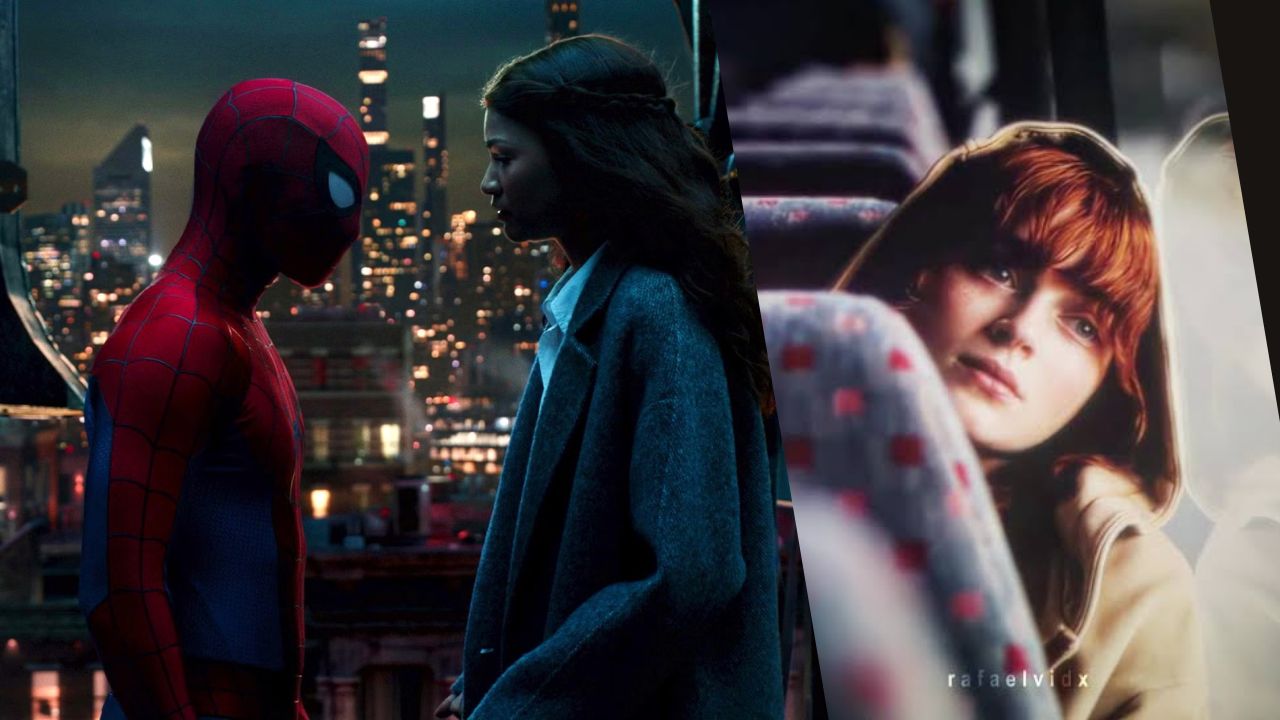
By the film’s end she’s escaped Damage Control custody entirely and is shown on a bus heading toward upstate New York — geographically consistent with Xavier’s school, though the film never names it. Her arc here plays as the connective tissue between the Spider-Man corner of the MCU and Jake Schreier’s upcoming X-Men movie, more than a resolved storyline of its own.
Read More 👉 Spider-Man: Brand New Day Latest Update: What’s Really Happening?
Frank Castle (Jon Bernthal) is Peter’s only real ally at the start of the film, and their rapport plays almost entirely as comic bickering — a running gag references some unexplained incident on Staten Island that the movie never fully unpacks. That changes in the climax. Castle (Punisher) fires at Jean Grey; Spider-Man throws himself in front of the shot to save her. Castle is the one who gets him to a hospital and sits at his bedside until he wakes up, and in the process, he learns Spider-Man’s real identity.
That single act of Peter, sacrifice instead of retaliation — reframes Castle’s whole relationship to vigilante justice for the rest of the film. It’s a lighter, more brotherly dynamic than anything Castle’s had in a Marvel project before, including his own Punisher: One Last Kill. Whether that softening holds in future appearances is unconfirmed, but the emotional reset by the credits is unmistakable.
When Jean Grey hopped into Banner’s mind and turned him into a full uncontrollable Hulk. Spider-Man tries to talk him down by saying ‘I’m Peter’, Hulk hesitates and something happens in that scene that leaves Hulk go down.
Which brings us to a question about Jean’s mind control, is that what causes the hesitation? Jean’s telepathy doesn’t plant new thoughts, it just brings back the memory that was suppressed by Doctor Strange’s spell.

Now, if the Hulk’s brain — a radically altered neurological state than Banner’s — still contains a spark of recognition for Peter, the film is subtly suggesting that the No Way Home spell caused memories to be suppressed instead of erased. That’s a genuinely different premise for a sequel to build on.
On screen, MJ (Zendaya) directly tells Peter that she has no memory of him or what they had, she only remembers him as he’s her saviour, not the person she fell for but there are other scenes that state the opposite without stating anything at all.
When Jean controls MJ’s mind on the rooftop, she has Peter and behaves as if she knows him as her lover but then she doesn’t have any memories of those actions later on in the film. Again when Jean releases her full power from the Damage Control which holds the entire block of about one-kilometer shows that MJ sheds tears for no reason.
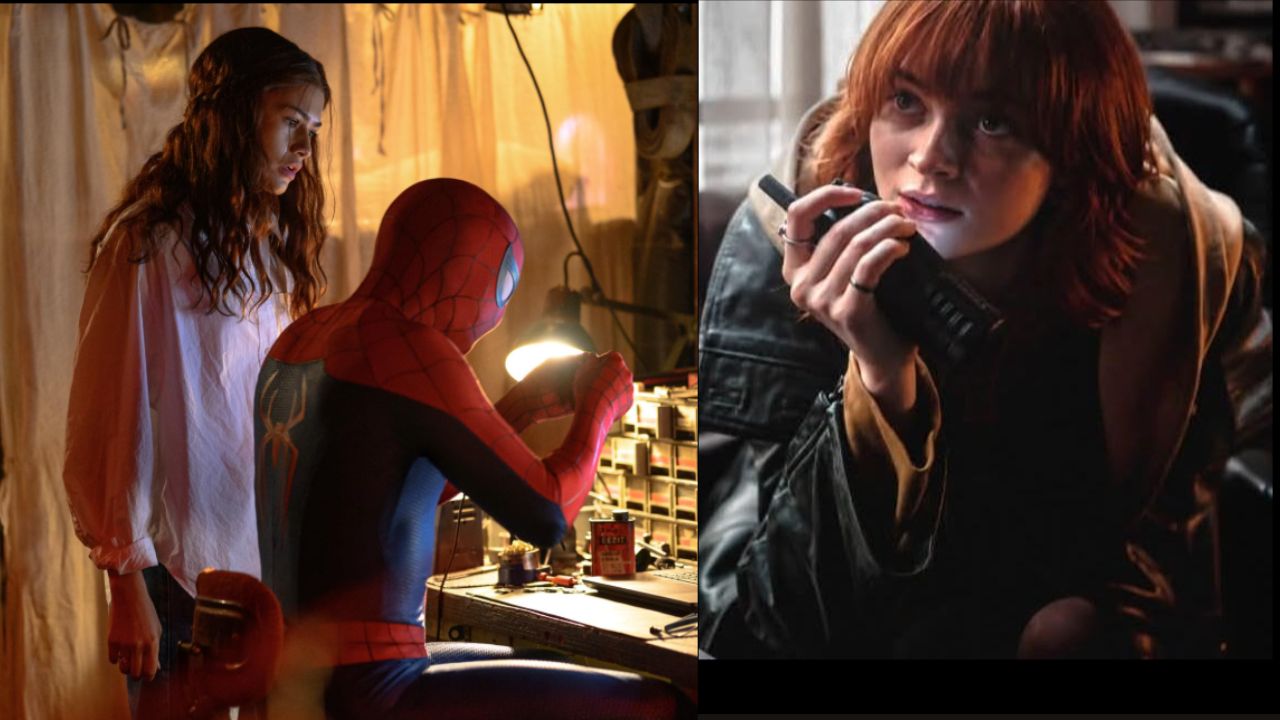
After that hold breaks, the film’s final scene featured MJ sitting on the same Midtown High rooftop where she, Peter, and Ned stood at the end of No Way Home and she holding that broken black dahlia necklace Peter gave her back in Far From Home which she has no memory of.
The movie never tells us why she held onto it, or why she’s there. That ambiguity is sufficiently clear to allow the story to remain “MJ doesn’t remember” for now, yet provides a visual hook for a sequel to grab onto down the road without contradicting anything said on screen.
The very last moment of the movie, right before the credits roll, is when Peter bumps into Ned in the cafe. They revert to their old go-to handshake from muscle memory, and as they break Ned’s face lit up — he says Peter’s name to him, half-question, half-recognition.
Fan theories split into three camps.
Cretton has not confirmed any of these, and the movie is constructed so all three remain technically possible.
Rrad More 👉 How Did Wolverine Get His Adamantium Skeleton in X-Men ’97? Explained
Not a single one of these plots is wrapped up within Spider-Man: Brand New Day, and that’s obviously by design. The inhibitor chip lays the groundwork for the tech side of the Mutant Saga. Jean Grey’s bus ride sets her up for Schreier’s X-Men. The post-credits message sets up Spidey’s return to the broader Avengers team. And the Ned/MJ ambiguity hints at whatever Peter has in store personally — be that Doomsday, Secret Wars or a fifth solo film.
If you’re wondering how much weight to give each of these: the inhibitor and the Castle friendship are established, on-screen plot points. Memory-restoration theory is a fan theory based on suggestive imagery, not something that film or Marvel have confirmed.
Watch the Banner fight and rooftop scene again with that distinction in mind, and the ending feels less like a cliffhanger and more like a movie that already knows exactly what it showed — and what it’s saving up for later.
Fandomfans delivers latest updates from movies, series, and celebrities directly to you so stay tuned.

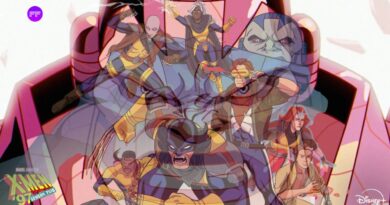
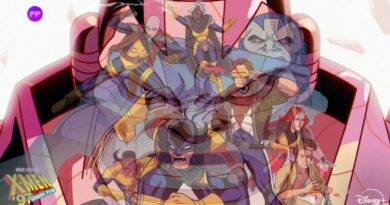
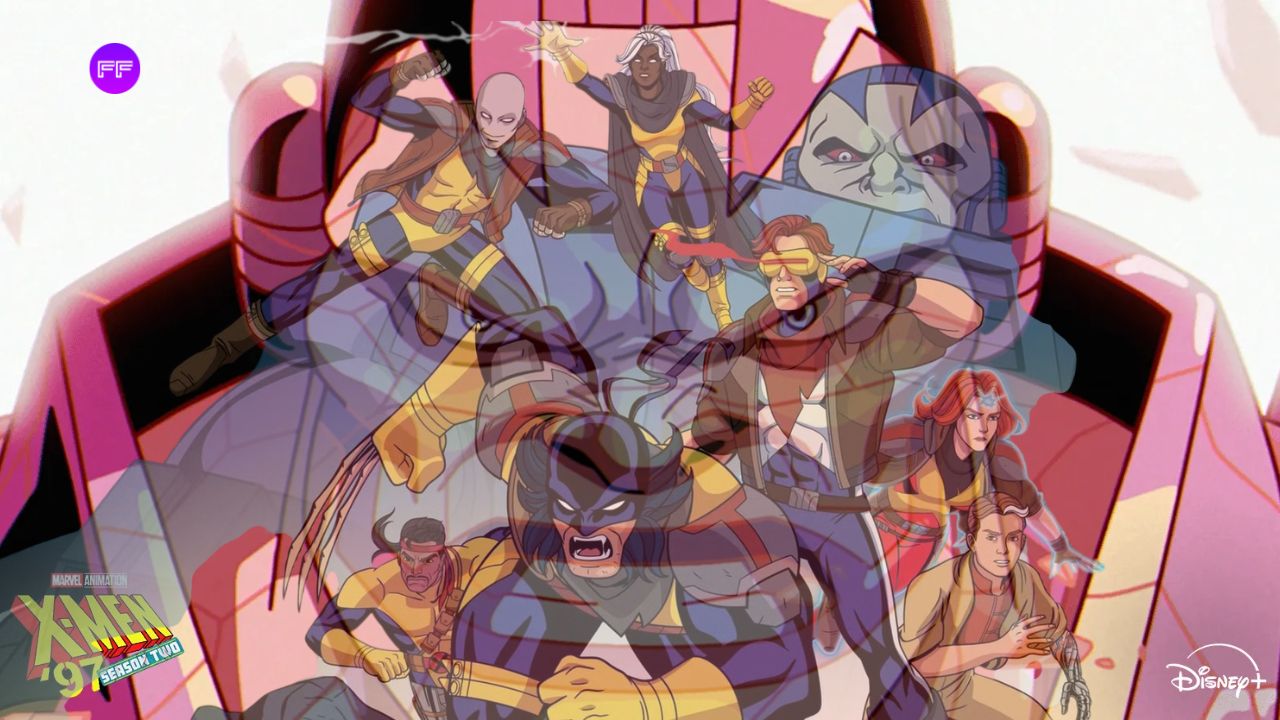
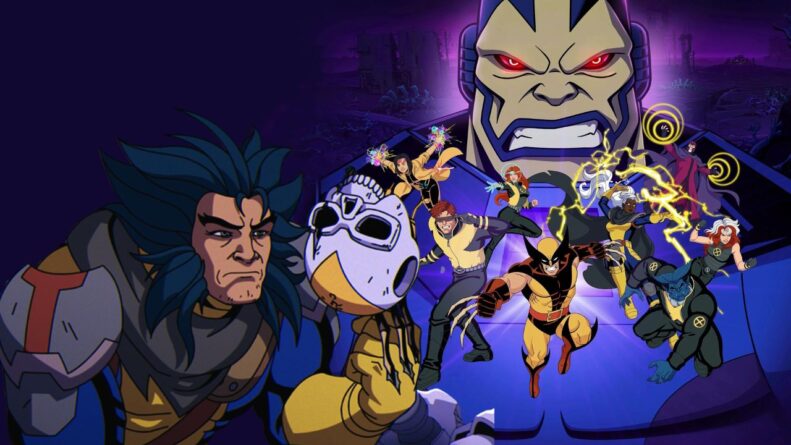
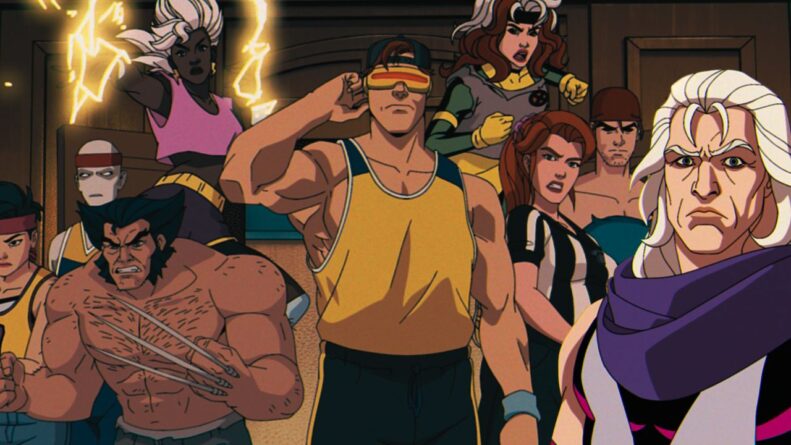
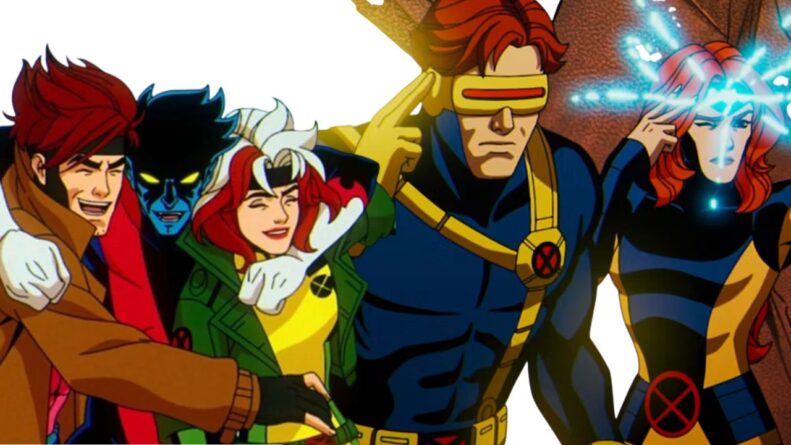
Discover who really sent the XMen through time in XMen 97 Season 2 Episodes 1-3, Mother Askani's true identity, and what it means for Apocalypse's rise.

Season 1 of XMen 97 ended with the team getting blown apart on Asteroid M, and not in the way anyone expected. They didn’t die. They scattered across time. Some woke up centuries in the future. Others opened their eyes in ancient Egypt, thousands of years before Apocalypse became Apocalypse. For three episodes, nobody on the show, and nobody watching, knew who was pulling the strings. Xmen 97 Season 2 spends its opening act making you sit with that mystery before finally answering it.
So who actually did it? A woman named Mother Askani. And by the time episode 3 ends, you find out she’s not just some new mystic dropped into the story for convenience. She’s family.
The beginning of Episode 1 shows Forge and Storm trying to gather their missing teammates by building up a new time machine. Forge traveled into the future to bring Cyclops, Jean, Storm, Morph, and Wolverine back into the present where they’re reunited with someone they thought they’d lost: their son, Nathan. In Season 1, Scott and Jean sent baby Nathan into the future to cure him of a techno-organic virus. What they didn’t know is who raised him on the other side.
That’s Mother Askani. She’s the mysterious figure who has spent Nathan’s entire life preparing him to become Cable. Mother Askani made him a battle-hardened soldier who is ready to defeat Apocalypse. However, when news of this prophecy reaches Apocalypse, he sends four horsemen after the boy but Askani and Storm reach at the right time to save the Summers.

They crash into the Citadel and Mother Askarni reveals herself to Storm as Mother Askani, and when the hood comes off, longtime comic readers will recognize the face: Rachel Summers, daughter of Cyclops and Jean Grey from another timeline entirely.
She’s the family the Summers don’t know they have yet, and she’s been rewriting the timestream on purpose, placing both halves of the team at the exact moments that could stop Apocalypse for good. On the other hand, Apocalypse gets more angry and tries to strike the X-Men at their vulnerable time.
It’s a rough, honest episode, where Scott and Jean are stuck choosing between the son they just found and the world they still have to save. And it sets the emotional stakes before the show even explains the mechanics of the time split.
Apocalypse failure angers him more and decides to strike X-Men at their vulnerable, XMen 97 Season 2 steps away from the past and future entirely and checks in on the present, where the X-Men who didn’t get pulled through time are left picking up the pieces. Two factions form: X-Force, led by a fully grown Cable, and X-Factor, a group that’s chosen to work alongside the government instead of against it. Jubilee and Sunspot get pulled into Cable’s crew, and the episode uses their recruitment to show just how much the world has changed since the team went missing.
It’s important to understand who sent X-Men in the past and future because Apocalypse is the most dangerous villain and he wants to destroy all mutants. The one who has the remote can actually help the team to fight.
Traveling roughly 5,000 years into the past, the other half of the team—Professor Xavier, Magneto, Rogue, Nightcrawler, and Beast are in ancient Egypt with a young En Sabah Nur, the mutant who eventually becomes Apocalypse. Magneto hatches a bold scheme: to raise Nur under Xavier’s ideals and not hunger for domination. Meanwhile, they intend to use the high technology of Rama-Tut to return to their time.

Nur leads his Sandstormers against Logos and his robotic army of Rama-Tut where his powers as a mutant fully emerge, enabling him to destroy the mighty machines and defeat Logos. However, he stops before blowing up entirely since he is following Magneto’s advice and spares his enemy that shocked Professor Xavier. Magneto is determined to keep believing that Nur’s future can still be changed.
That doesn’t go well until Nur finds out about X-Men’s hidden lab that made Nur lose its control with rage. Rama-Tut strikes X-Men with his army right before they prepare to escape, leaving a cliffhanger for the fans which leads to raise many questions among them. The show is stepping forward into a more darker and twisted storyline which sets the character’s emotional stakes higher.
Read More :- XMen 97 Reading Guide: Every Marvel Comic You Need to Read
Because one shot wasn’t enough. Askani needed Nathan trained and ready to become Cable, and she needed someone in Nur’s life early enough to change his path before Apocalypse’s ideology ever took root. Splitting the X-Men across both timelines wasn’t an accident of the Bastion fight. It was the plan the entire time.

There’s another important comic detail to keep in mind. Rama-Tut, the pharaoh of ancient Egypt in Nur’s day, is in fact one of Kang the Conqueror’s aliases in Marvel Comics. If XMen 97 Season 2 follows that storyline, it’s possible the show could be setting up for a grander multiversal dispute — one that goes well beyond.
XMen 97 Season 2 has already answered its central mystery, but it’s opened up a dozen new ones. Can Scott and Jean actually walk away from Nathan a second time?

What happens when Magneto’s plan to “fix” Nur inevitably collides with Nur’s own free will? And how much does Askani actually know about a future she’s trying to prevent?
These three episodes of XMen 97 Season 2 are much more than explain who sent the X-Men through time. The answer is easy, Mother Askani sent X-Men in different timelines to achieve the goal: destroy Apocalypse. With one team set in the future and the other in ancient Egypt, the series converts time travel into a profoundly personal tale of family, sacrifice and the belief that even the worst evils in history can find an alternate way.
XMen 97 Season 2 promises that the battle ahead won’t just decide the fate of the X-Men, it could determine the future of the entire Marvel universe.
Dive into the world of entertainment with Fandomfans and get latest updates from the movies, series and celebrities.
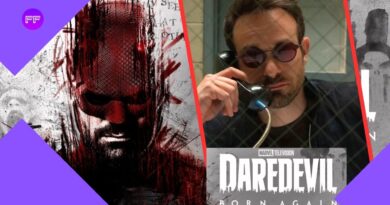
Delve into the way Daredevil: Born Again Season 2 blurs the lines of fiction & reality with its politics, Matt Murdock’s transformation, and Fisk’s ascension.

There is a point in the narrative when the fiction becomes part of the real world and even the makers of the story are left breathless. And that’s exactly where Daredevil: Born Again is set to be as it gears up to debut for its highly anticipated second season on Disney+. What was once a meticulously planned storyline about Wilson Fisk’s rise to power in politics has evolved into something much more terrifying — a show that now seems to be chronicling current events, not just predicting them.
Recently, Dario Scardapane, the showrunner, had the chance to talk about scenes that were written and shot over a year ago and then watch near-identical scenes play out on the evening news. The Anti-Vigilante Task Force that Mayor Fisk unleashes in season 2 — all-black agents, nondescript vans, detention facilities looks and feels like the Immigration and Customs Enforcement (ICE) raids that have dominated headlines as of late. The resemblance is not by chance, and not by accident. Instead it is a creative team who went to the history books for inspiration and found , much to their mutual frustration, that history was about to do just that.
“We were attempting to construct a narrative of a rise to power and a resistance, and it was less about the headlines and more about looking back in history, Now did we know that the imagery we captured would be on the news in two months? No. It’s humbling. It’s chilling. You derive no pleasure from that.” Scardapane said in a recent interview with USA Today.
That sense, both unsettling and humbling and strange unfulfillment creatively, are the perfect encapsulation of what it feels like to put out politically charged art in 2018. We live in an era when the distinction between fiction and reality seems more blurred than ever. It hasn’t seemed like the cast and crew of Born Again that they’ve been forecasting the future—more that they’ve been coming to terms, a little uncomfortably, with the fact that the modes of authoritarian control aren’t all that different, even across centuries.
As Marvel Television started working on the second season of Daredevil: Born Again, showrunners were intent on wrapping up the Mayor Fisk arc that kicked off in season one and carried over from the Echo series. Fisk’s martial law and he-war on vigilantes gave way to a classic resistance gestalt—albeit one with foundations that could be traced all the way back to the dawn of superhero genre storytelling. What they didn’t expect was how the aesthetic language of that resistance would connect with today’s audiences.
Executive producer Sana Amanat has been open about the show’s political nature, describing the story as a study on how authoritarian leaders use institutional power to target marginalized communities. In a chat with Entertainment Weekly, Amanat and Scardapane admitted they knew people were going to “make comparisons” between the Anti-Vigilante Task Force and today’s immigration enforcement tactics. The black uniforms, the paramilitary-style raids, the rounding up of people with no due process — it all builds a visual lexicon that reads like it was plucked from recent news, even though it predates them by several months.

Scardapane has been especially vocal on the historical roots of the parallels. He doesn’t pretend to know what the future holds, only what the past has shown before, citing historical personages such as Nero, Pinochet and Franco as leaders who “follow a script” when they gain power. The series also includes nods to real history such as the 1974 Turkish invasion of Cyprus tying its fictional disputes to real-world, documented instances of authoritarianism. “You tend to get ‘History repeating itself,” noted the creative team, implying what feels topical is actually timeless — the same mechanisms of control and resistance playing out in different times and places.
That’s a tightrope to balance for Marvel. The studio, on the other hand, has embraced the political implications of the source material, recognizing that superhero stories have always functioned as stand-ins for real-world wars. The X-Men were born out of the civil rights movement, Captain America was beating up Nazis in World War II, and the Black Panther books tackled colonialism and its fall-out. Daredevil: Born Again is part of that tradition, in depicting how the engines of power can be taken over by those who would rule, not serve.
Conversely, there’s the danger of simplification of political complexities into a superhero pageantry. The ICE parallels, while powerful visually and emotionally, also risk compressing the particular lived experiences of immigrant communities into a generic “resistance” narrative. The show’s creative team appears to have a sense of this push and pull, with Scardapane stating that their object was never to make a statement on any particular current-day policies, but rather to look at the “timeless power dynamics — corruption, and the moral resistance.”
The political climate of Season 2 isn’t just for show — it serves as a substantial catalyst for Matt Murdock’s journey. As of “Street” at the close of Season 1, Matt was still struggling to balance his two identities, still attempting to play by the rules even as the system was being used as a weapon against him. But for Season 2, he is in a very, very different place.
Matt is officially a “missing person” after his apartment is bombed, and he can no longer go about as an ordinary lawyer. The very identity he’d been desperately clinging to for much of the first season — Matt Murdock, blind attorney and crusader for justice — has been taken from him by circumstance. Now, he’s Daredevil full-time, a fugitive living in the shadows, hunted not only by Fisk’s Anti-Vigilante Task Force but by his friends.
Charlie Cox, who has played Matt Murdock for more than ten years across the Netflix and now Disney+ version of the character, summed up this evolution with an oddly mundane comparison. “Does that come to mind for you when you were losing your baby teeth and there was one tooth that was wobbly for what felt like a decade and it just wouldn’t go?” Cox asked in a recent interview. “It was just a constant irritation and a pain in your mouth, and it wouldn’t go. That’s how Matt feels about Wilson Fisk. He’s inhabited this man, and he can’t get away from this person.”

This aching body is a reflection of what Matt has actually become is the mind-shattering psychological reality of his new reality. Previously he had been able to go back to his law practice, to his friendships with Foggy Nelson and Karen Page, to the relative normalcy of Hell’s Kitchen living, but now there’s just the mission. The suit is more than just a costume, it is a second skin, which both characters wear in almost every scene – a practical challenge for Cox that results in an emotional weight for the role.
One especially moving scene in season 2 captures this erosion of self. When Karen Page asks Matt if he ever misses “being Matt Murdock,” the query lands with the emotional power of the iconic final scene in The Graduate—that moment of lucidity following the adrenaline rush, when the leading man realizes that winning and losing are indistinct. “It’s a fun thing to be able to be the full Daredevil and almost forget who Matt Murdock is and what he is and how he operates,” Cox said, balancing both the freedom and tragedy of that evolution.
This is the same arc in Fisk’s own story that we are seeing play out in this character evolution. Where Matt has been forced to lean into his darker identity, Fisk is now letting his real self as the Kingpin peel back the layers of Mayor Wilson Fisk. Vincent D’Onofrio who portrays a menacing yet pitiable Fisk has called the dynamic between the two characters symbiotically obsessive for “a piece of corn stuck in his teeth” which Fisk nervously picks at.
Mentions to both heroes and villains are a constant in the show runner aana Amanat, who describes them as having “spent a lot of the first season in denial of who they were” before Season 2 where they are “finally wearing their suits” – both literally and figuratively. This symmetry throws into relief how the Daredevil/Kingpin battle has left straight hero/villain war behind: it is now a mirror-match, two men who have embraced their natures, both for good and evil.
Daredevil: Born Again would be as empty as if not for Season 1: Foggy Nelson dies and presses this-jawbiting madness home. From the time the original Netflix show debuted in 2015, Elden Henson’s character has been Matt’s best friend, law partner, and his moral compass. His death in the first few minutes of the Disney + reboot makes clear right away that this is going to be a very different Daredevil tale — one that’s personal, permanent, and catastrophic.
Season 2 picks up after that loss for Matt, who is now dealing with grief and PTSD that impact not only how he feels but also the tactical choices he makes on the battlefield, how he works with his team, and even how he suits up as Daredevil. “He will never be the same again,” Cox said emphatically. “There will be not a day in his life when he doesn’t think about him and think about what he did.” From an actor’s point of view it’s kind of a dream, because it just gives it so much texture.”

The reappearance of Foggy Nelson in Season 2 teased in trailers and confirmed by Henson’s inclusion in marketing materials opens up all sorts of questions about how the show will address this mourning. Flashbacks? Dream sequences? Or something more metaphysical? Against all odds what’s matters the most is Foggy is a presence that reminds Matt with other methods to what he’s lost and what he’s still fighting for.
That emotional core is what grounds the political allegory of Season 2 in personal stakes. The crusade against Fisk is not an abstraction—it is about keeping people from losing their lives in the way that has defined Matt’s life. The Anti-Vigilante Task Force is not only a metaphor for institutional overreach, but also a real threat to the community Foggy risked everything to save.
While the Season 2 political thriller has been dominating headlines, the season also serves as a send-off of Marvel Television’s Netflix legacy as Krysten Ritter returns as Jessica Jones. The hard-drinking, super-powered PI, who had three seasons on her own show, teams up with Matt in his fight against Fisk, bringing them together in a reunion fans have been longing for since the original Defenders miniseries.
Scardapane has been effusive about Ritter rejoining the fold, describing it as “top of the checklist” for the season. “I love the work that Melissa [Rosenberg] did in Jessica Jones,” he told GamesRadar+. “It’s one of the best genre television shows you’ll ever see. Krysten has created an amazing character,”I think she’s done an amazing job.”

This comeback is a multipurpose one. It’s for those viewers who have been along for the ride through the Netflix Marvel universe, a confirmation of that continuity and a reward for their investment in these characters. In terms of the Born Again story, Jessica is a different kind of hero – a less burdened by catholic guilt and legal ethics, more pragmatic and self-preserving. Her interactions with Matt, who has wrestled with the ethics of vigilantism, will certainly give both of them some tension and unexpected camaraderie.
Amanat emphasized that Jessica’s return was “a desire we’ve had right from the beginning,” suggesting that the creative team sees the Netflix characters not as orphaned IP, but rather as integral elements of the Marvel landscape. “It’s exciting to see where she is now many years later,” Amanat said, teasing how time and experience have altered the character since we last saw her.
Maybe the biggest among the recent Scardapane interviews is what it revealed not about S2, but what lies beyond it. The Mayor Fisk arc, which has been the spine of Born Again and its related series, will reach its “inevitable conclusion” at the end of the second season. This political phase of Daredevil’s life is drawing to a close, and the series has planted its feet to shift course for Season 3.
“The playbook is pretty well established,” Scardapane told SFX Magazine. “So when we were writing this stuff we’re like, ‘This is what he does.’ The anti-vigilante taskforce is the comic book. And we built them and costumed them from the comics.”
Yet, while the political thriller aspects have been fun to delve into, Scardapane has said she’d like to bring the character back to his roots. “Going into politics, New York politics, Game of Thrones back-stabbing, allying, and betraying behind the scenes. That’s a good bit of fun, but when it starts to become almost too topical, it feels like it’s moving away from the big, mythological genre stuff,” he observed. “So as we wind down the Mayor Fisk run in season 2, as that story arc comes to its inevitable end, what we’re doing going forward has definitely more of a [Frank] Miller-era comics feeling to it. So yeah, I had a good time playing in the world of politics, but I prefer something a little more street level, personally.”
That is a very brazen artistic declaration. Frank Miller’s 1980s Daredevil is the definitive, dangedest, noirest, morally questionable version of the character we’ve seen more enmeshed in the world of Hell’s Kitchen organized crime than the political machinations at City Hall. Miller introduced Elektra, turned the Kingpin into a Daredevil rather than a Spider-Man villain, and established the visual and thematic lexicon that the Netflix series and now Born Again have borrowed from.

A return to Miller-era storytelling provides a number of intriguing options for season 3. The addition of Bullseye – Wilson Bethel’s Benjamin Poindexter made an appearance in the original Netflix series and is expected to return – would go hand in hand with this aesthetic. I would say that Elektra showing up is just as fitting and one could even see Elodie Yung return. And for what it’s worth, Scardapane hasn’t ruled anything out, and given the Miller era’s penchant for bold narrative gambits, that means there’s at least a chance that Foggy Nelson’s demise might not have been as final as it seemed.
At its core, the change in tone is an admission that Daredevil is at his best when telling a street-level crime story, as opposed to a political thriller. The character’s powers — enhanced senses, martial arts expertise, legal understanding — are really best suited for smaller-scale skirmishes, rather than big political movements. The Netflix series got that, earning its reputation on grounded storytelling about crime, morality and the boundaries of what’s legal. Born Again has opened things up to city-wide politics, but Season 3 is set to bring the focus back down to the neighborhoods and the criminal organizations and personal vendettas that have always been the truest home for Daredevil.
The creative choices confronting Daredevil: Born Again are symptomatic of wider pressures within super hero storytelling in the 2020s. This is not to say these characters have not always been political—Superman took on corrupt landlords in his first ever stories, Captain America whose first cover appearance is punching Hitler, the X-Men function, since their very inception, as allegories for marginalized groups. To suggest that superhero narratives play out in a political void is to deny both their past, and their power.
But there is storytelling wise a difference between timeless allegory and then and there commentary. When you tie superhero stories too closely to narrow, specific current events, they have a tendency to age poorly, alienate some of their audiences, and oversimplify complex political matters into good guy/bad guy dynamics. The ICE analogues in Born Again Season 2 straddle that line, quite literally by invoking historical patterns of authoritarian conduct while inevitably engaging with the present.
Scardapane’s declared desire for “something a little more street level” reflects an understanding that Daredevil is at its best when the politics are implied rather than shouted when the narrative fixates on the human toll of corruption and violence over the nuts and bolts of political power. The Miller-era comics on which Season 3 will be based were undoubtedly political, but their politics was rooted in character and atmosphere rather than explicit statements on the politics of the day.
That doesn’t say Born Again will eschew its discussions of real-world concerns. The finest crime tales from the comics, movies or television always reveal something about the culture that spawned them. But, in retaking the streets of Hell’s Kitchen as its setting, the show can address those concerns in terms of character and community, rather than the spectacle of political confrontation.
As Daredavil: Born Again Season 2 is coming out on 24 March, 2026, this series stands at a mid-point. The political thriller aspects that have defined this chapter of the character are coming to an end, making way for a return to the noir-tinged street-level stories that have always been Daredevil’s best meat and potatoes. The ICE analogs, which have become the focus of so much pre-release discussion, will give way to new antagonists maybe including Bullseye, Elektra, and the criminal underworld that has long been the true battlefield for Matt Murdock’s soul.
What stays the same, though, is the core connection between Matt Murdock and Wilson Fisk, a feud that has now defined a decade of television narrative. Charlie Cox and Vincent D’Onofrio have matured in these roles, discovering new layers in a rivalry that could well have stale in lesser hands. The two actors still are able to mine new angles out of this dynamic — they compare it to wobbly teeth and corn kernels indicates there’s still life left in their antagonism even as the political storyline winds down.

To the viewer, the promise of a Frank Miller-run Season 3 feels like the best possible compromise: political nuance that has ultimately defined Born Again-era Marvel and street-level grit that made the original Netflix run a must-watch. If Scardapane and his team can pull off this transition, they’ll have proven that Daredevil is still one of Marvel’s most flexible and enduring characters able to talk to the political moment and be grounded in the timeless themes of justice, corruption, and what it costs to fight for what’s right.
That’s what superhero stories do best, in the end. They don’t so much forecast the future or provide direct comment on the present as remind us of the patterns that shape human experience — the ascent of authoritarianism, the resistance of the downtrodden, the personal toll of moral engagement. Daredevil: Born Again has serendipitously become a topical series, but its real power is in rising above those concerns to locate in its very particular Hell’s Kitchen disputes something universal about the battle between power and justice.
Read More:- The Sinister Six That Never Was: How a Cyberattack Killed Drew Goddard’s Spider-Man Dream
As the series leaves behind the Mayor Fisk era and returns to the streets, it has the heft of that political experiment — the acknowledgment that even when we take our cues from history, we’re confronted with the present. The Anti-Vigilante Task Force is a comic book invention, but the anxieties it embodies are real. And Daredevil’s superhuman will improbable as it is speaks to something just as real: the tenacious, unyielding belief that one man can take on the system, that the devil of Hell’s Kitchen can still make a dent in a world that more and more seems to be throwing up its hands.
Fandomfans delivers deeper details from your favorite movies, series and characters directly to you.