Will There Be Another Spider-Man Movie? Here’s Everything Confirmed So Far
Will There Be Another Spiderman Movie? Explore the latest news, expected release timeline, cast updates, and what fans can expect next.
Published: August 4, 2026, 9:33 am

Will There Be Another Spiderman Movie? Explore the latest news, expected release timeline, cast updates, and what fans can expect next.
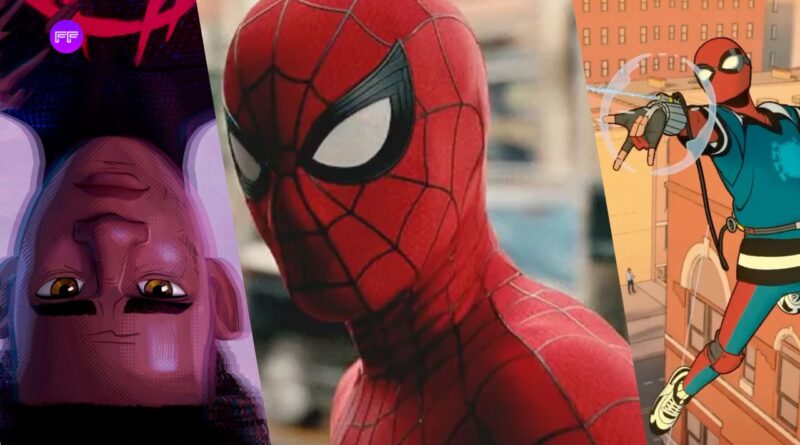
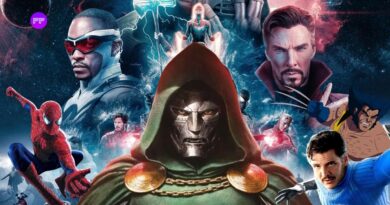
Fans who have watched Spider-Man: Brand New Day wondering if they get to see Peter Parker again, or not. The film already broke records during its release on July 31, 2026. The speculation is surrounding “Will there be another Spider-Man Movie?” There’s no official confirmation of Spider-Man 5 yet, but there are projects already in motion.
Taking everything Brand New Day has given us suggests that it is just an entry door for the bigger MCU and Peter Parker connection in Avengers: Doomsday.
Sony and Marvel had no plan to let Spider-Man rest with the success of $355 million, directed by Destin Daniel Cretton. “Brand New Day” became the second-biggest domestic debut and first is still the “Avengers: Endgame’s” $357 million. Spider-Man crossed $927 million worldwide in just three days because fans liked this movie and also gave it a 98%score online.
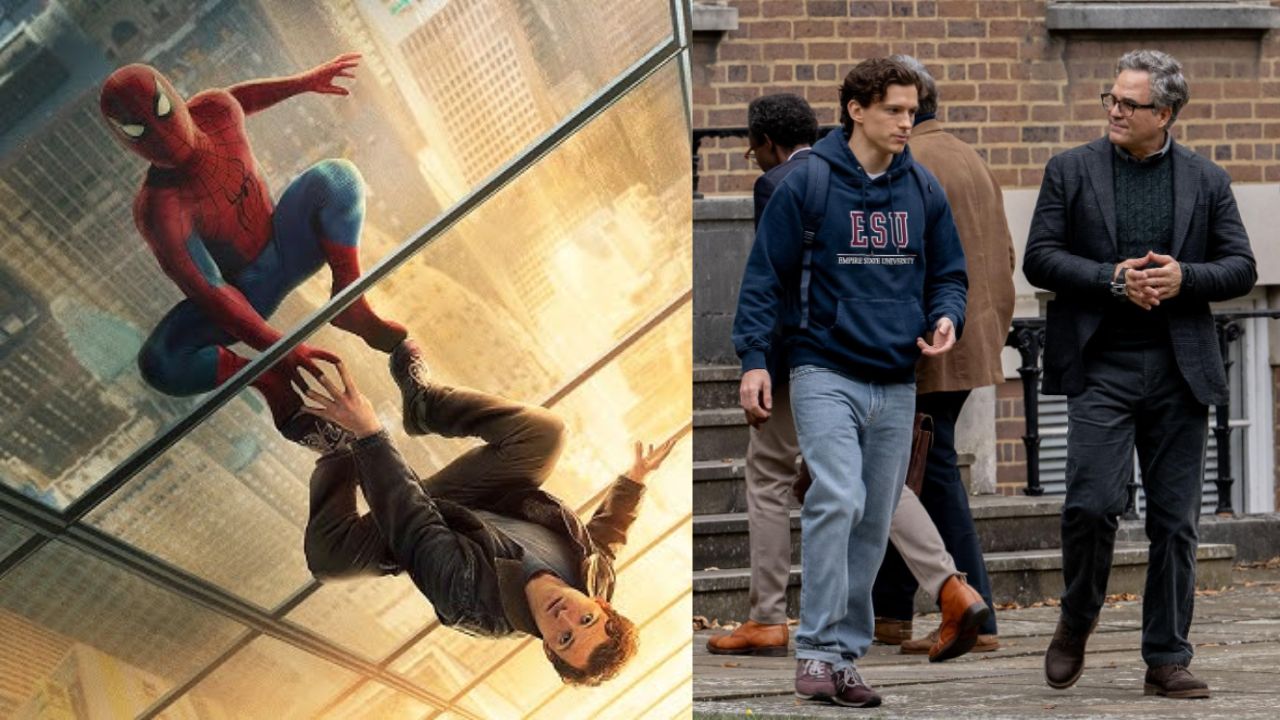
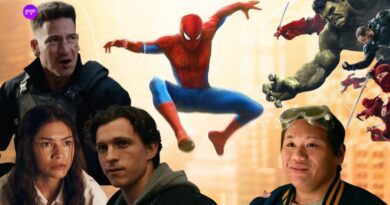
This film was also backed by critics with a 90% score. Tom Holland returned as Peter Parker alongside Zendaya, Jacob Batalon, Sadie Sink as Jean Grey, Jon Bernthal’s Punisher, Florence Pugh’s Yelena Belova, and Mark Ruffalo’s Bruce Banner. The film closes on Peter reintroducing himself into a world that had forgotten him, and the post-credits scene simply reads “Spider-Man Will Return” — no title, no date attached. That vagueness is the whole reason this question is worth answering properly.
“Spider-Man: Beyond the Spider-Verse,” the final part of Miles Morales’s trilogy which started with “Into the Spider-Verse” and continued with “Across the Spider-Verse,” was announced for June 18, 2027 at CinemaCon 2026.
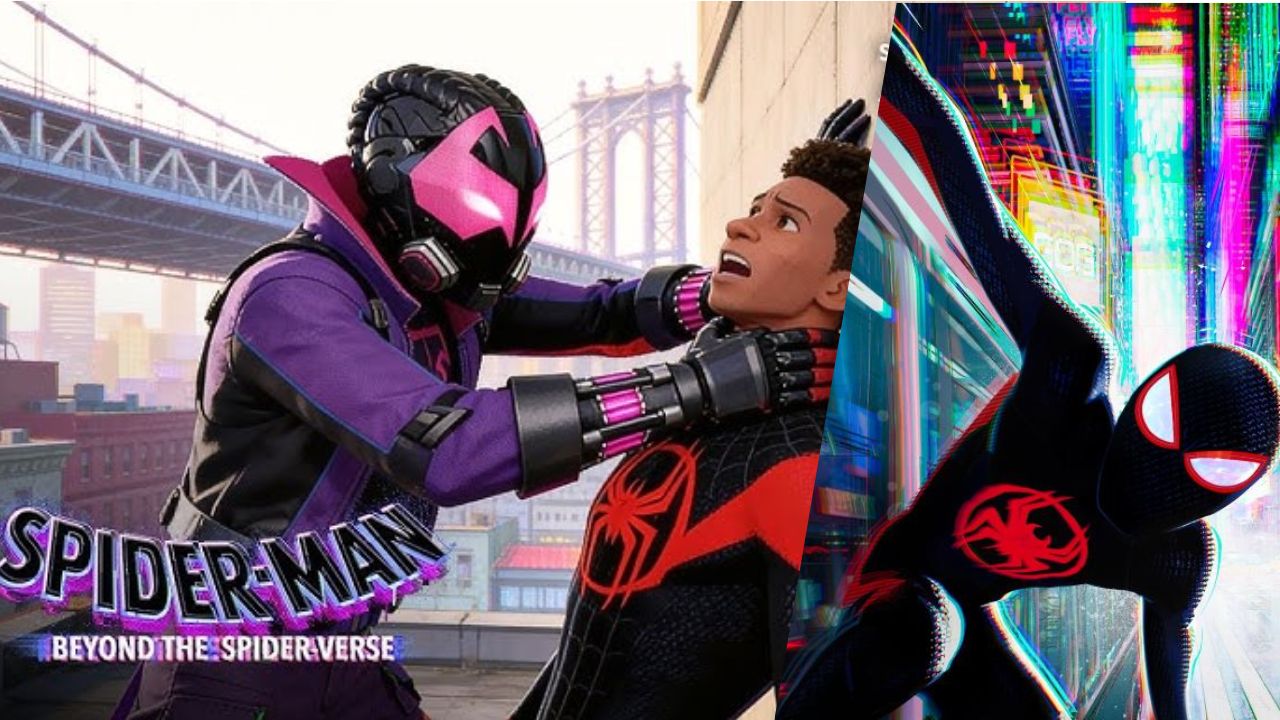
Bob Persichetti and Justin K. Thompson is once again helming, with Phil Lord, Christopher Miller and David Callaham penning the screenplay. One caveat for any eagle-eyed watchers: this release date has already been shifted at least three times since 2023, initially moving from March 2024 to an indefinite delay, then to three separate dates in 2027, and now June 18. Given that history, take this as the “current plan” and not a firm date.
Read More 👉 Spider-Man: Brand New Day Ending Explained – 6 Marvel Loose Threads
Apart from the movies, Marvel is also delivering “Your Friendly Neighborhood Spider-Man” Season 2 to screens at the end of 2026, with Hudson Thames as the new voice of Peter Parker, replacing Holland.
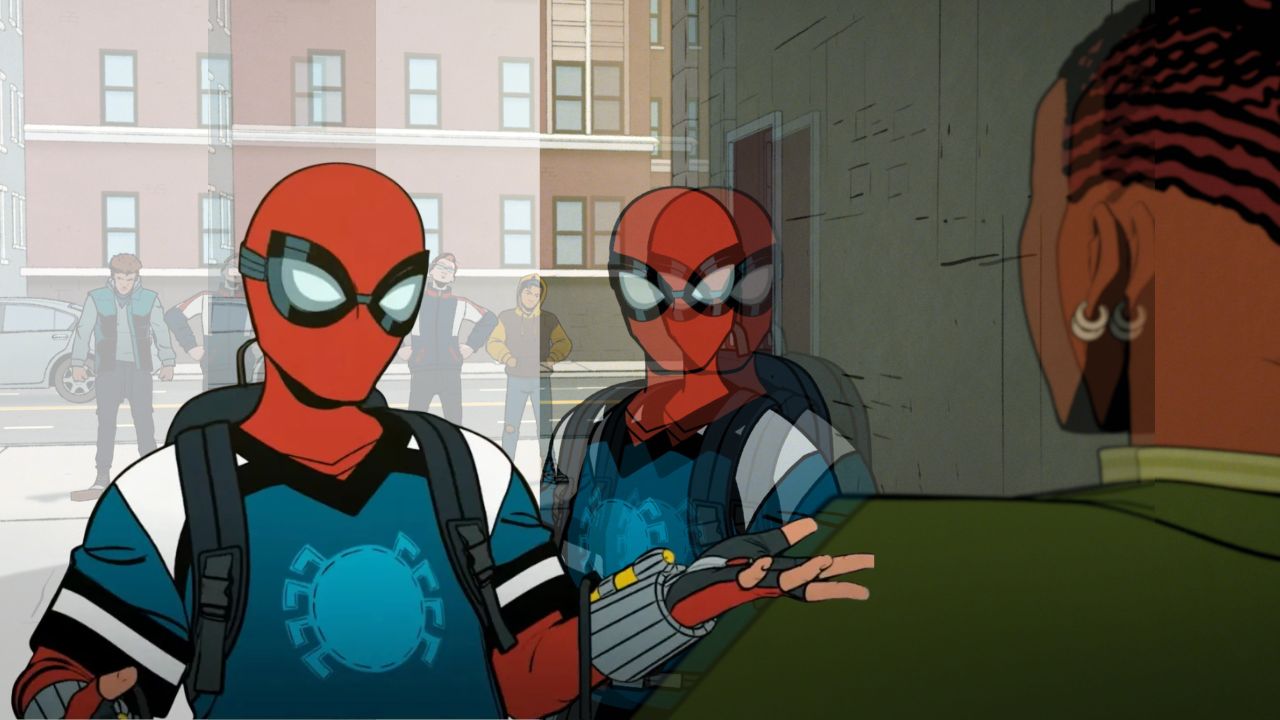
It’s a more intimate project than the theatrical films, but it matters for search intent — a lot of people searching “new spider man” are going to end up on this one not realizing Holland isn’t in it.
Read More 👉 How Did Wolverine Get His Adamantium Skeleton in X-Men ’97? Explained
Tom Holland has stated that he plans on playing Peter Parker as long as Marvel wants him to, but he has also mentioned the possibility of Peter passing on his mantle to a protégé — Miles Morales, Silk, Spider-Gwen, and Spider-Woman have come up as options in his statements.
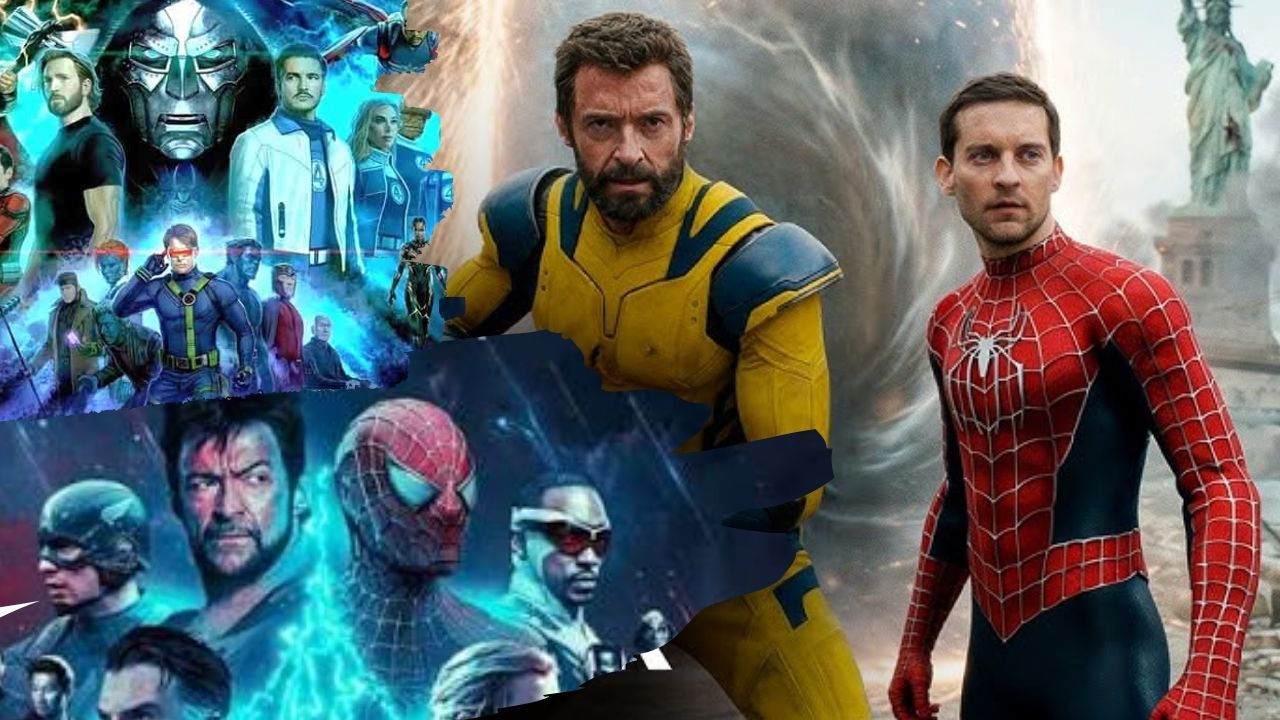
If you’re searching for Will there be another Spider-Man Movie? Then there have been no announcements. What is confirmed is the rest of the MCU slate surrounding him: “Avengers: Doomsday” hits the big screen on December 18, 2026, from the Russo brothers, with “Avengers: Secret Wars” landing in December 2027.
Each of those crossovers would be a likely spot for Spider-Man to show up again, but Marvel never said he would be involved in either.
A few entertainment writers, such as Forbes’ Paul Tassi, have made the case that the success of “Brand New Day” means a live-action Miles Morales is all but confirmed, probably kicking off with a Peter-and-Miles team up before Miles gets his own solo run.
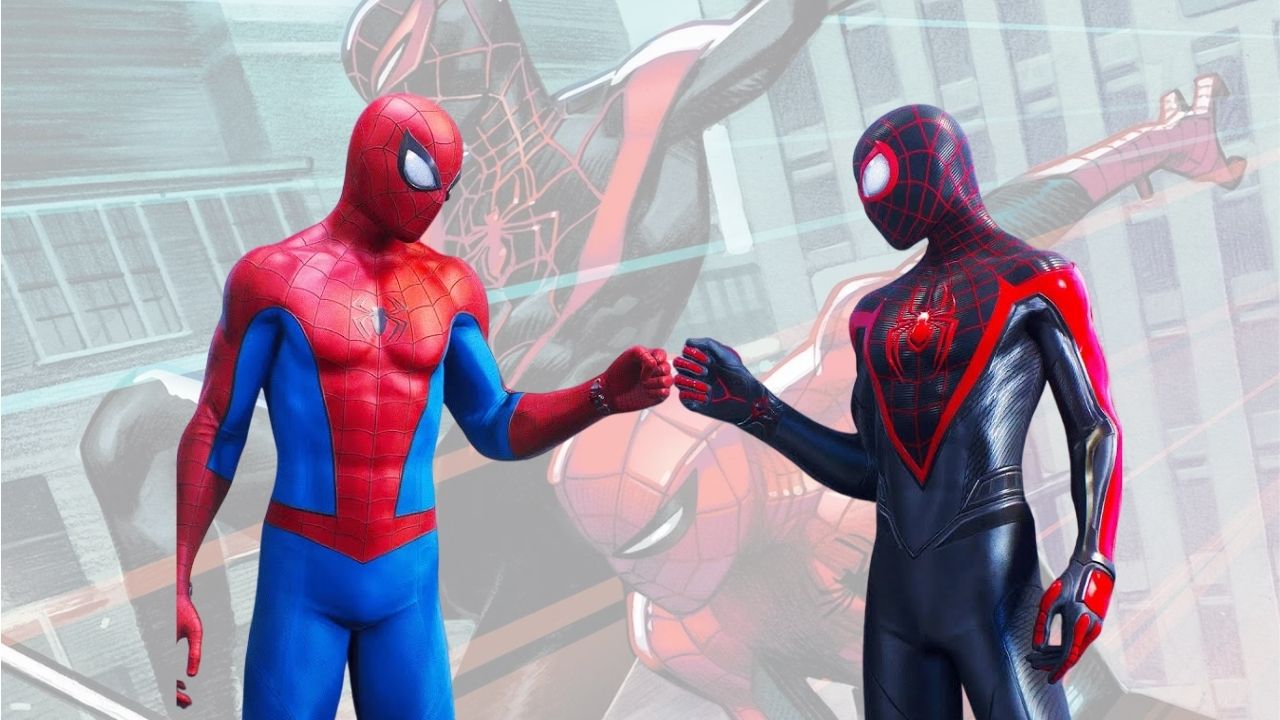
Will there be another Spider-Man Movie? Is what most people would wanna know. That’s industry analysis and speculation based on how much the character has earned, not a confirmed announcement from Marvel or Sony — probably worth being upfront about if you’re citing it.
Read More 👉 Who Is the New Editor-in-Chief of Marvel Comics? Stephen Wacker Explained
There’s no official fifth live-action Peter Parker film as of now, but if you’re wondering “Will there be another Spider-Man Movie?” calling this a drought would be an exaggeration. “Beyond the Spider-Verse” arrives June 18, 2027, “Your Friendly Neighborhood Spider-Man” debuts later this year, and two Avengers team-ups within the next 18 months give Marvel a bunch of time to bring Holland back before a proper fifth solo film even gets announced.
Get the latest updates from movies, series, and celebrities on Fandomfans.

Spider-Man: Brand New Day ending explained! Discover the 6 biggest Marvel loose threads, hidden clues, post-credits details, and what they mean for Peter Parker’s future.
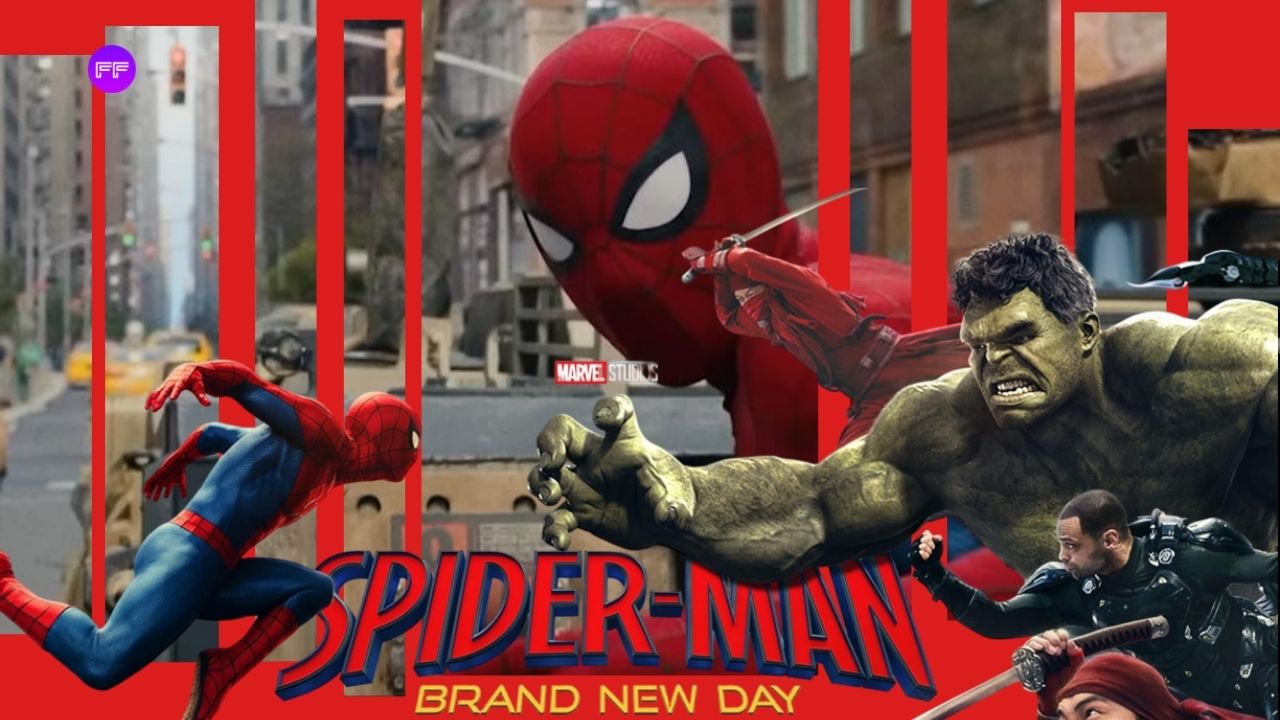
You sat through the entire credits crawl for eleven seconds of app-interface footage, and you still don’t know what you watched. That’s exactly what Marvel did to leave you with an exciting Cliffhanger. Spider-Man: Brand New Day, which hit theaters July 31, 2026 under director Destin Daniel Cretton, hands you six loose threads and dares you to pull on them before Avengers: Doomsday arrives this December.
Here’s what actually happens in each one, separated from what fans are just hoping happens.
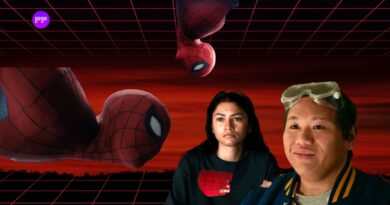
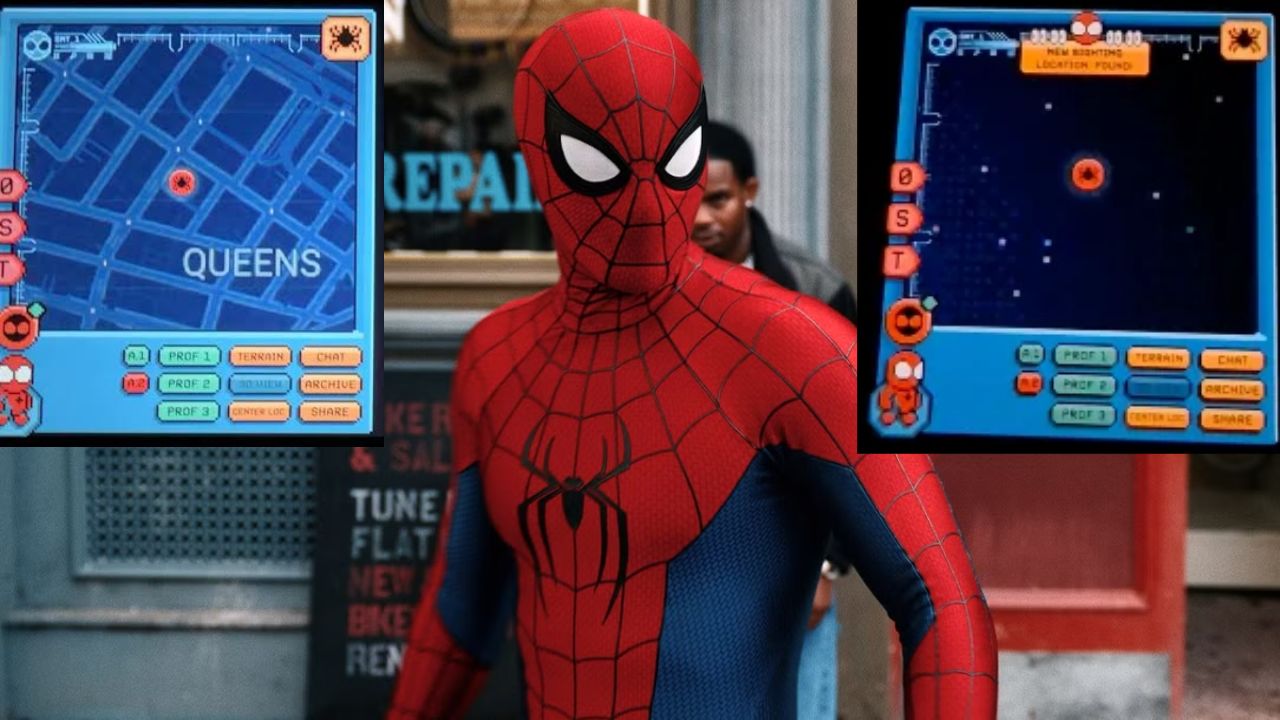
There’s no mid-credits scene this time, only one sequence after the full credits roll. It circles back to the Spidey Tracker, the in-universe app Ned Leeds (Jacob Batalon) built to log Spider-Man sightings across New York after losing his memory of Peter. The app pings with a new detection. The camera pulls back from the city, past the Earth, past the moon — and after a brief glitch, a second Spider-Man marker appears out in deep space. No actor, no dialogue, no confirmation of whose signal it is.
Marvel isn’t announcing anything on the Brand New Day’s post credit scene, leaving fans wondering whether that’s Peter, or Spider-Man from another universe. This scene matches the timeline of the Thunderbolts* post-credit scene where Yelena Belova’s tablet flagged an extradimensional ship entering Earth-616’s orbit. That craft looks exactly like Fantastic Four’s Earth-828 ship and these two parallel events suggest that they are connected somehow.
Spider-Man: Brand New Day slightly set up Peter Parker’s entry into Avengers: Doomsday on December 18, 2026, instead of holding his return until Avengers: Secret Wars.
Nothing in the film states this outright; it’s the most logical read of two scenes stitched together across separate movies.
When Peter’s spidey sense gets heightened and he is scared to lose himself more than a villain, in that moment, he decides to suppress his dark impulses by destabilizing spider-DNA. When he accidentally hits the cop while fighting with Scorpion (who is possessed by Jean Grey), he’s not himself at the time his personality shifts.
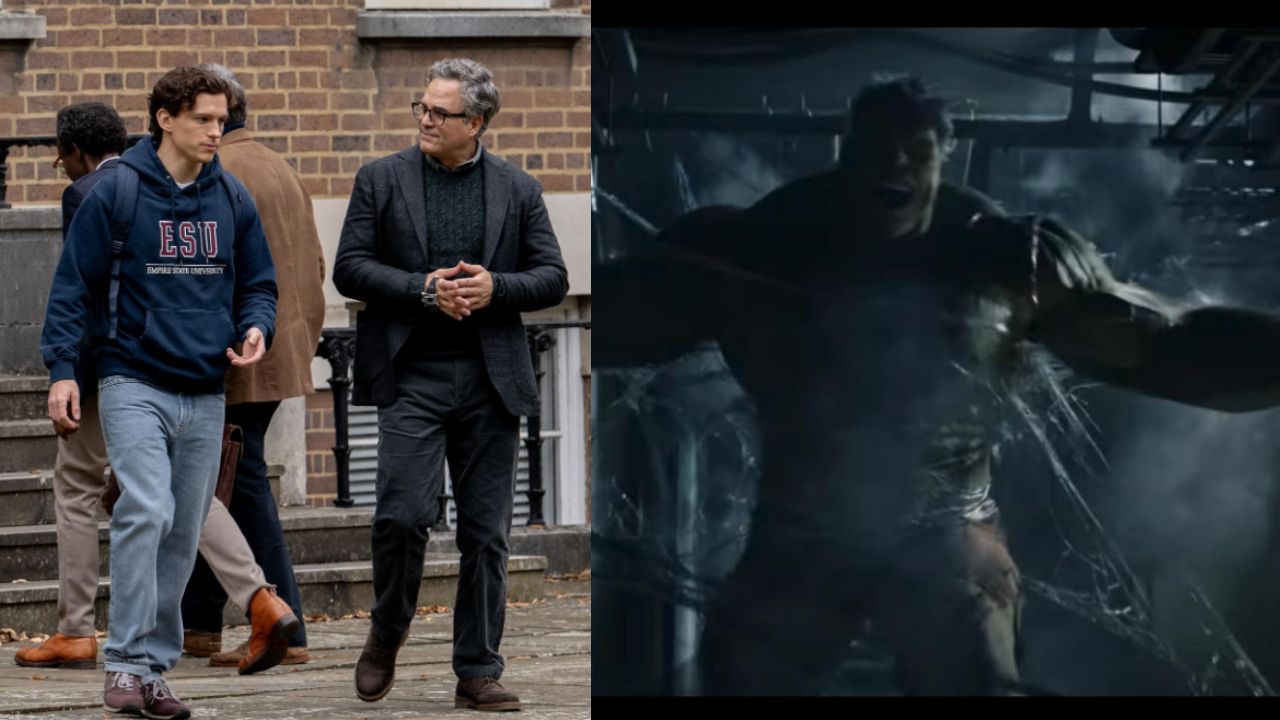
He goes to Bruce Banner for advice, because he also uses calibrated tech to keep his gamma mutation suppressed and prevent him turning into a Hulk. Banner also warns Spider-Man that deciding which parts count as “wrong” and suppressing them is an ethical minefield, not an engineering problem.
Peter Parker didn’t listen to him and built that chip for himself and one, a universal one to use on anyone who has special powers. Jean Grey is a genetically enhanced person and Peter uses that universal inhibitor to help Damage Control detain her. Later when Jean removed it from herself since it was destabilized by Metzger, Spider-Man tried to slap it on Hulk but failed because of its tight skin.
The Department of Damage Control gets its hands on the tech afterward and starts modifying it. Bill Metzger (Tramell Tillman), whose anti-mutant leanings are already on screen, escapes with knowledge of how it works.
In the comics, inhibitor-chip technology evolves into the collars used to neutralize mutants in Days of Future Past. If the MCU is heading toward the same device, not a villain, not a government agency acting alone — Peter Parker is the one who designed the prototype. That’s a rough legacy for a guy trying to do the responsible thing.
Sadie Sink’s Jean Grey spends the movie jumping between minds of Damage Control agents, MJ, Banner while chasing something called V-Max in Damage Control’s systems, tied to whatever experiments Metzger ran on her. Her telepathy escalates into full telekinetic control over a chunk of Manhattan when her grief over her sister overwhelms her, and she nearly kills Metzger before Peter talks her down by sharing a memory of Aunt May’s death rather than fighting her.
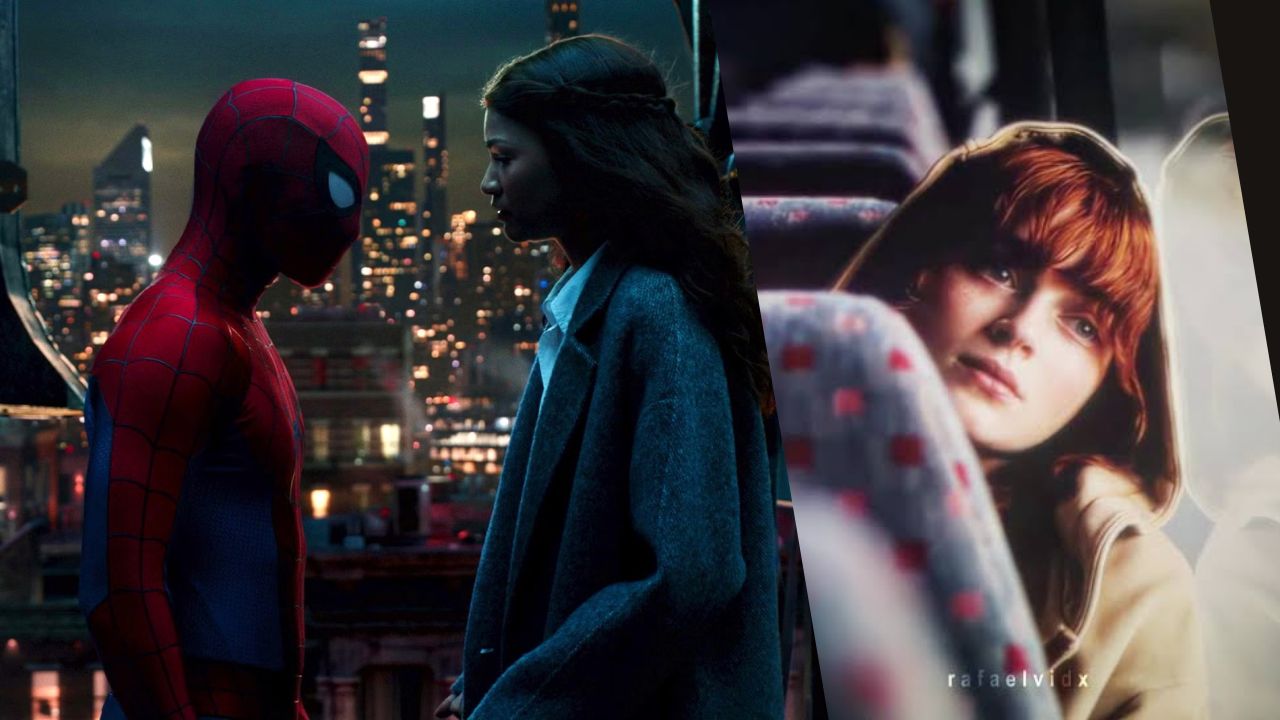
By the film’s end she’s escaped Damage Control custody entirely and is shown on a bus heading toward upstate New York — geographically consistent with Xavier’s school, though the film never names it. Her arc here plays as the connective tissue between the Spider-Man corner of the MCU and Jake Schreier’s upcoming X-Men movie, more than a resolved storyline of its own.
Read More 👉 Spider-Man: Brand New Day Latest Update: What’s Really Happening?
Frank Castle (Jon Bernthal) is Peter’s only real ally at the start of the film, and their rapport plays almost entirely as comic bickering — a running gag references some unexplained incident on Staten Island that the movie never fully unpacks. That changes in the climax. Castle (Punisher) fires at Jean Grey; Spider-Man throws himself in front of the shot to save her. Castle is the one who gets him to a hospital and sits at his bedside until he wakes up, and in the process, he learns Spider-Man’s real identity.
That single act of Peter, sacrifice instead of retaliation — reframes Castle’s whole relationship to vigilante justice for the rest of the film. It’s a lighter, more brotherly dynamic than anything Castle’s had in a Marvel project before, including his own Punisher: One Last Kill. Whether that softening holds in future appearances is unconfirmed, but the emotional reset by the credits is unmistakable.
When Jean Grey hopped into Banner’s mind and turned him into a full uncontrollable Hulk. Spider-Man tries to talk him down by saying ‘I’m Peter’, Hulk hesitates and something happens in that scene that leaves Hulk go down.
Which brings us to a question about Jean’s mind control, is that what causes the hesitation? Jean’s telepathy doesn’t plant new thoughts, it just brings back the memory that was suppressed by Doctor Strange’s spell.
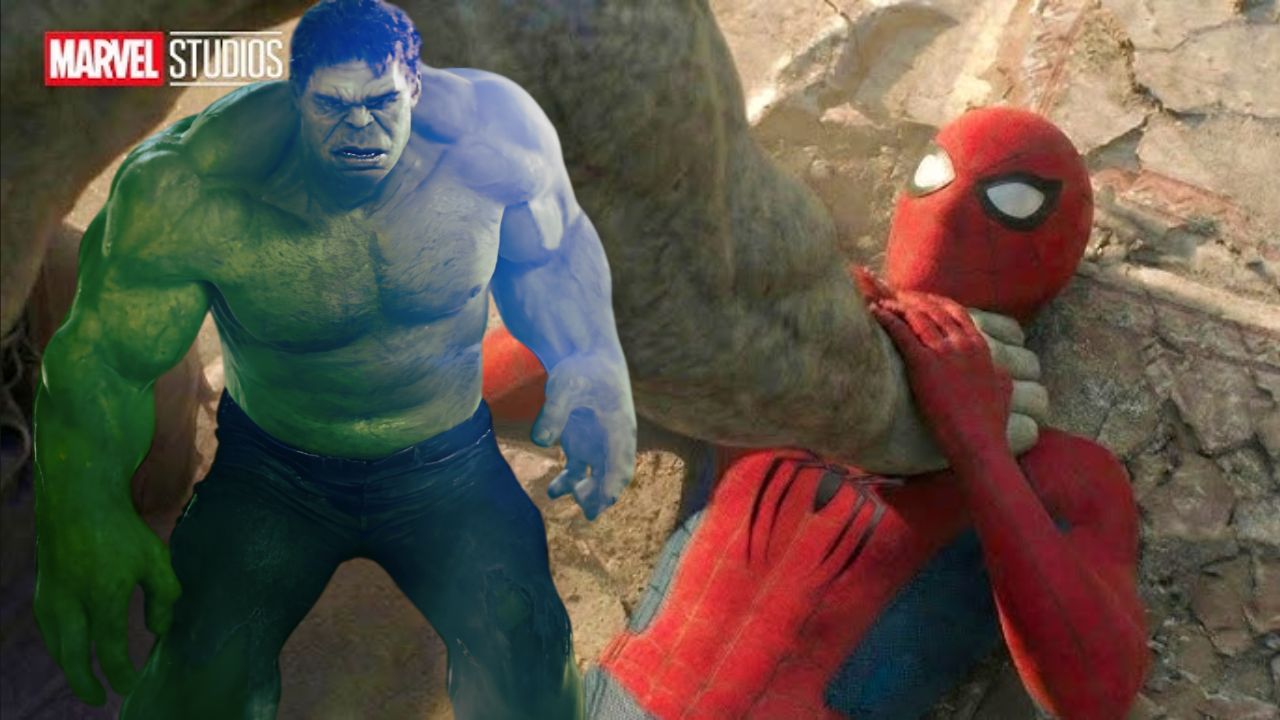
Now, if the Hulk’s brain — a radically altered neurological state than Banner’s — still contains a spark of recognition for Peter, the film is subtly suggesting that the No Way Home spell caused memories to be suppressed instead of erased. That’s a genuinely different premise for a sequel to build on.
On screen, MJ (Zendaya) directly tells Peter that she has no memory of him or what they had, she only remembers him as he’s her saviour, not the person she fell for but there are other scenes that state the opposite without stating anything at all.
When Jean controls MJ’s mind on the rooftop, she has Peter and behaves as if she knows him as her lover but then she doesn’t have any memories of those actions later on in the film. Again when Jean releases her full power from the Damage Control which holds the entire block of about one-kilometer shows that MJ sheds tears for no reason.
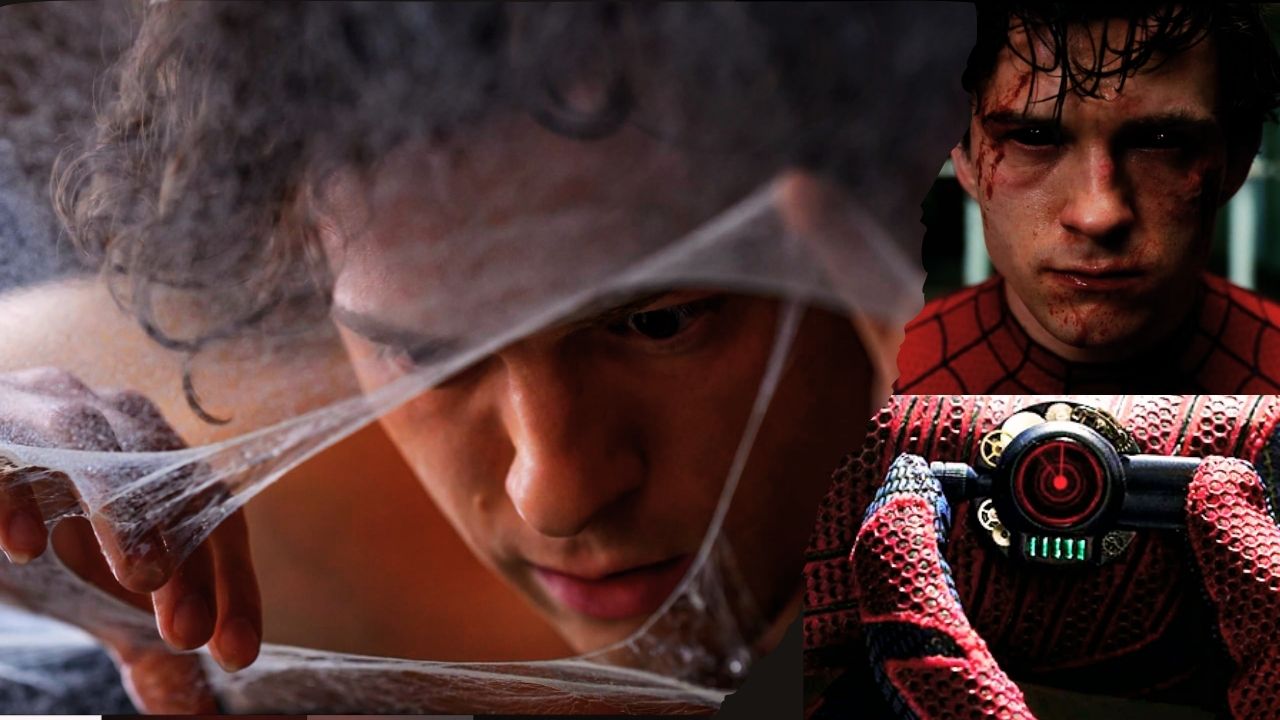
After that hold breaks, the film’s final scene featured MJ sitting on the same Midtown High rooftop where she, Peter, and Ned stood at the end of No Way Home and she holding that broken black dahlia necklace Peter gave her back in Far From Home which she has no memory of.
The movie never tells us why she held onto it, or why she’s there. That ambiguity is sufficiently clear to allow the story to remain “MJ doesn’t remember” for now, yet provides a visual hook for a sequel to grab onto down the road without contradicting anything said on screen.
The very last moment of the movie, right before the credits roll, is when Peter bumps into Ned in the cafe. They revert to their old go-to handshake from muscle memory, and as they break Ned’s face lit up — he says Peter’s name to him, half-question, half-recognition.
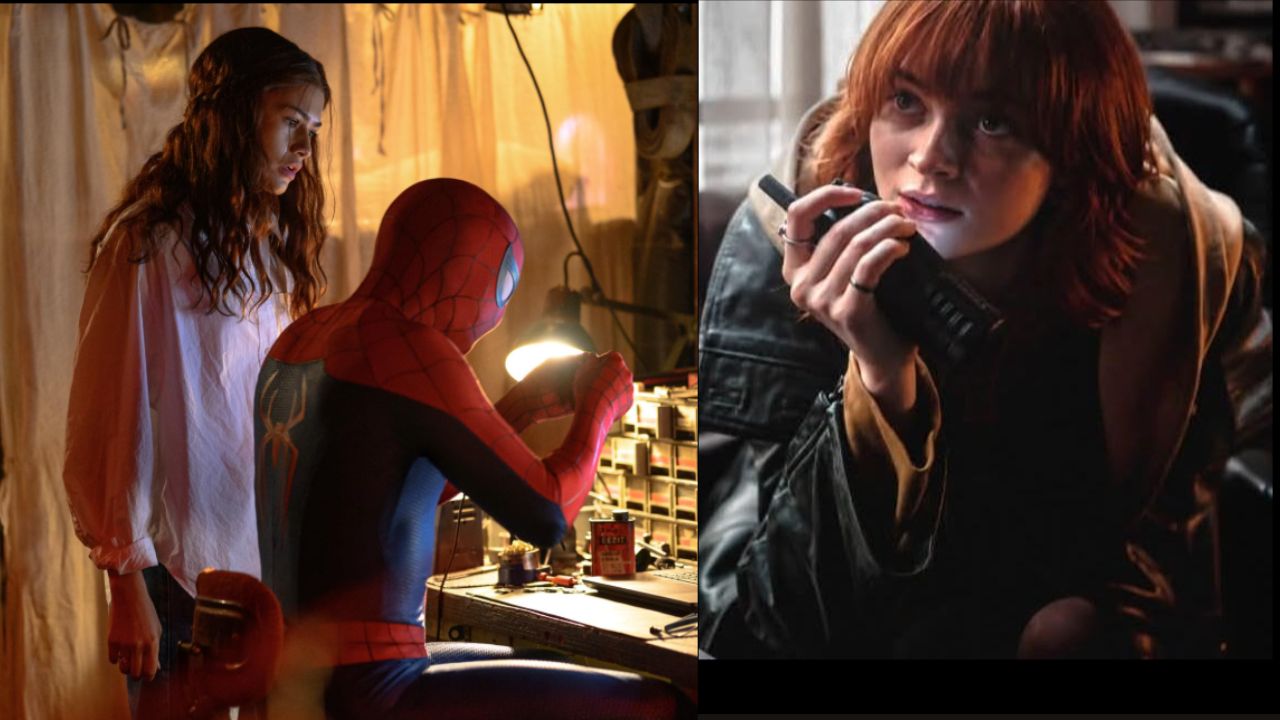
Fan theories split into three camps.
Cretton has not confirmed any of these, and the movie is constructed so all three remain technically possible.
Rrad More 👉 How Did Wolverine Get His Adamantium Skeleton in X-Men ’97? Explained
Not a single one of these plots is wrapped up within Spider-Man: Brand New Day, and that’s obviously by design. The inhibitor chip lays the groundwork for the tech side of the Mutant Saga. Jean Grey’s bus ride sets her up for Schreier’s X-Men. The post-credits message sets up Spidey’s return to the broader Avengers team. And the Ned/MJ ambiguity hints at whatever Peter has in store personally — be that Doomsday, Secret Wars or a fifth solo film.
If you’re wondering how much weight to give each of these: the inhibitor and the Castle friendship are established, on-screen plot points. Memory-restoration theory is a fan theory based on suggestive imagery, not something that film or Marvel have confirmed.
Watch the Banner fight and rooftop scene again with that distinction in mind, and the ending feels less like a cliffhanger and more like a movie that already knows exactly what it showed — and what it’s saving up for later.
Fandomfans delivers latest updates from movies, series, and celebrities directly to you so stay tuned.

Discover why Chris Evans Captain America casting was the perfect choice. Learn what made him the ideal actor to portray Marvel's iconic superhero.
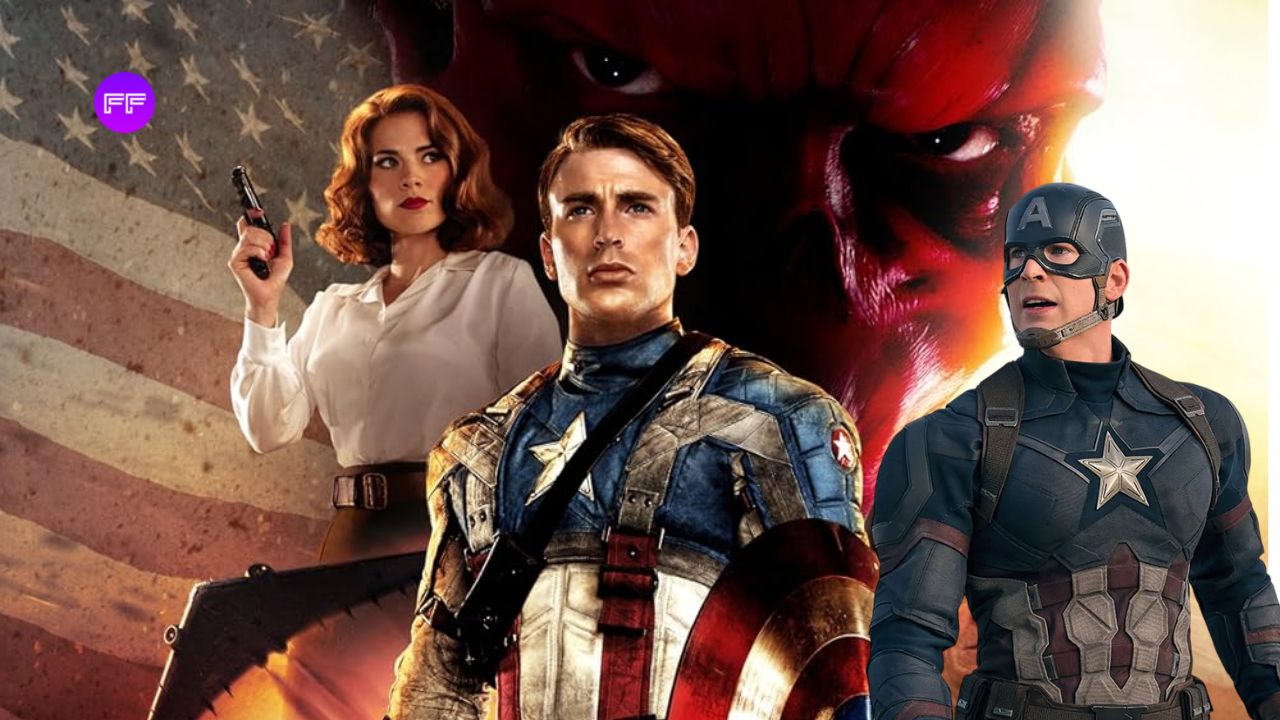
The actor who became the most obvious casting choice in Marvel history almost wasn’t cast at all. The Chris Evans Captain America role isn’t a simple casting. He is an actor who turned down this role but the studio didn’t take no for an answer. Casting directors bend down their rules to make it happen.
Looking back now, it’s hard to remember that the actor destined to define Steve Rogers had no interest in picking up the shield. And Marvel Studio just proved, casting really matters as Hollywood comeback could anchor a superhero blockbuster, Robert Downey Jr. back into the MCU as Doctor Doom is an example.
Casting director Sarah Halley Finn ran a genuinely exhausting search for Captain America. She sat through round after round of screen tests that just didn’t land. The specific blend of old-classic style decency and body structure is hard to see in anyone. And Even isn’t in that line up because he already played a Marvel character, Johnny Storm.
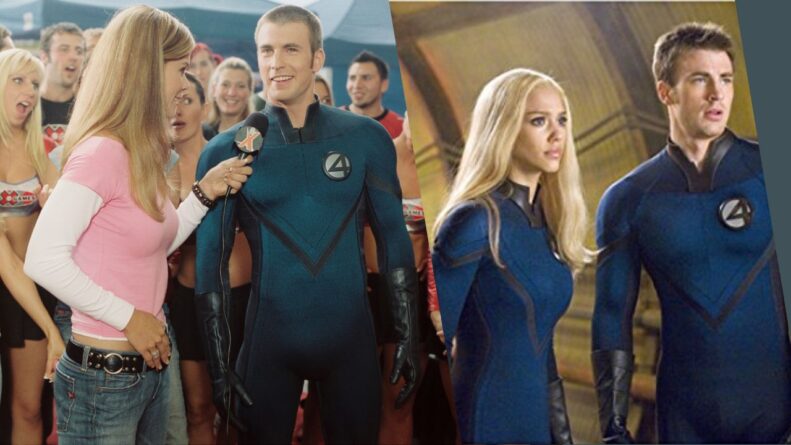
Yeah, that Sue Storm’s brother in the Fantastic Four movies from 2005 and 2007. And there was a rule in Marvel Studio at the time that the same actor can’t play the two different comic-book roles. It muddies the brand. Finn knew Evans might fit Steve Rogers, but she sat on that instinct because of the rule.
It took a string of underwhelming screen tests before she finally said it out loud in a casting meeting:
Why not consider Chris Evans?
The room agreed almost instantly. People already liked him as an actor. They’d seen the work. And enough of what makes Chris Evans Captain America tick — earnestness, a kind of stubborn decency — was already visible in how Evans carried himself on-screen. Marvel broke its own rule for him.
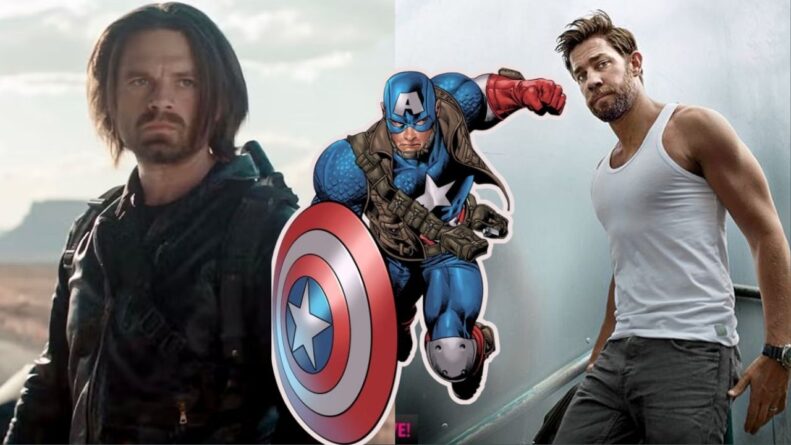
Two names come up constantly when fans dig into the Captain America casting search, and neither of them ended up wearing the suit.
John Krasinski was in serious contention. Years later, he’d say he heard through his agent that Marvel had gone with Chris Evans Captain America instead and his reaction wasn’t bitterness, it was recognition. He basically said the same thing every fan says now:
Of course it’s him, look at the guy.
Sebastian Stan came even closer, in a stranger way. He sent in three audition tapes for Steve Rogers, then canceled a trip home to Romania to fly back for an in-person Marvel meeting. He didn’t get the part. What he got instead was Bucky Barnes — a role that turned into a decade-plus career inside the MCU, arguably richer and stranger than Cap’s arc ever was.
But Stan is happy because losing that role turned out to be the better outcome for him. He got a more satisfying job that he deserved.
Evans said no. More than once because the commitment terrified him. Marvel’s initial offer was a nine-picture deal. It eventually got negotiated down to six, but even six films was an enormous chunk of a career to hand over to a single character, with no real way to predict how the movies — or his life — would turn out.
Evans’ reason to say no for the role isn’t the heavy work and action but he knows after signing it would permanently change his life in ways he couldn’t take back.
There was also something more personal underneath it. Evans has since described dealing with anxiety around fame and public attention, and the jump from “working actor” to “face of a global franchise” was the exact kind of exposure that made him uneasy. Turning down Captain America wasn’t a business calculation. It was closer to self-preservation.
Marvel didn’t let it go. Kevin Feige and director Joe Johnston brought Evans back in for a second meeting, and this time they didn’t just pitch a contract — they pitched the actual story. The character’s arc of Chris Evans Captain America across the franchise is a real concept art. This is not a job for Evans, director said:
Here’s the character we think only you can play.
Evans has said he took the weekend to think it over, and that it was one of the hardest decision-making stretches of his life. He said yes anyway. And in interviews since, he’s called it the best professional decision he ever made — which is a fairly remarkable thing to hear from someone who almost walked away from it entirely.
Read more 👉 Who Is the New Editor-in-Chief of Marvel Comics? Stephen Wacker Explained
Finn and Feige were searching for qualities in an actor who can bring the genuinely kind, quietly confident, and grounded enough on the screen to make audiences believe he was an ordinary kid from Brooklyn before he ever became Captain America. It is more important for them rather than the shield, costume and the super-soldier physique. Evans captured those qualities in a way that couldn’t be taught or faked.
His hesitation actually worked in his favor. Finn has said the reluctance itself became a kind of evidence — an actor who didn’t chase fame for its own sake was exactly the temperament they wanted radiating off a character whose entire identity is putting the mission ahead of himself.
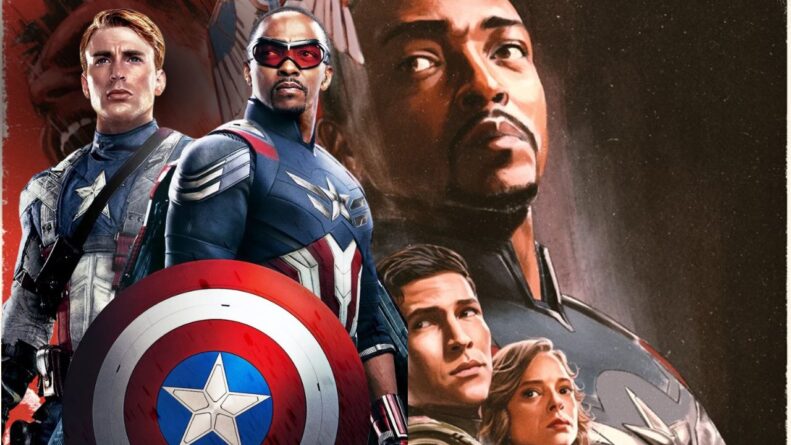
There was also a practical acting challenge nobody talks about enough. Steve Rogers is really two roles stitched into one performance: the fragile, undersized guy from the pre-serum scenes, and the peak-physical-condition soldier after. Johnston was blunt about it at the time — whatever the visual effects team did to sell the “before” version, the performance itself, the internal logic of the character, had to be Evans from start to finish.
That’s not a small ask. It’s asking one actor to make an audience believe in the same soul wearing two very different bodies.
Captain America: The First Avenger landed in theaters in July 2011, with no guarantee Steve Rogers would resonate with audiences but Evans made Steve Rogers heart of the MCU forever. He wasn’t just delivered an outstanding performance but he actually turned into the franchise’s emotional backbone. Marvel took that risk and delivered The Avengers, both Captain America sequels, and eventually Avengers: Endgame in 2019.
What made the casting work wasn’t that Evans looked the part. Plenty of actors look the part. It’s that his real hesitation — the anxiety, the reluctance, the fear of losing himself to the role — is basically the same internal conflict Steve Rogers wrestles with across ten years of movies. A guy who never wanted the spotlight, carrying a responsibility he didn’t ask for, because it mattered more than his own comfort. Marvel didn’t just cast an actor who could play that. They cast an actor who, at least for one nerve-wracking weekend, actually lived a smaller version of it.
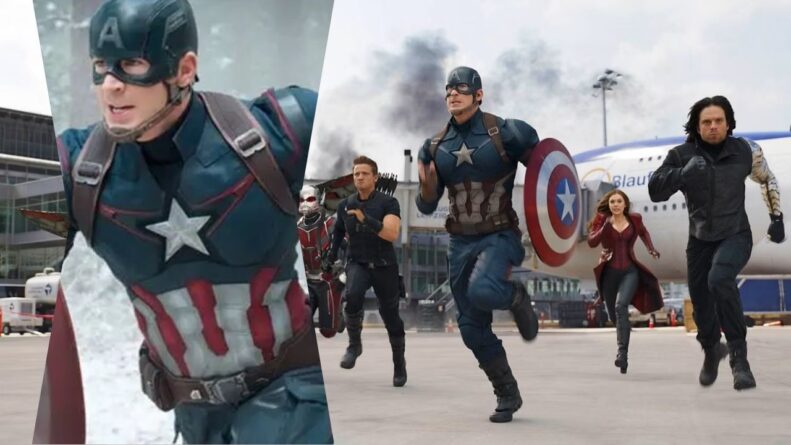
Even after stepping away from the shield, Evans hasn’t distanced himself from the character. When Anthony Mackie took over as Captain America following Sam Wilson’s arc in the comics and MCU timeline, Evans publicly backed the change, saying flatly that Sam Wilson is Captain America now. That’s not the reaction of someone who resents the role he almost turned down. It’s the reaction of someone who understood, eventually, exactly what he’d said yes to.
The next time someone says a casting choice of Chris Evans Captain America was “obvious,” it’s worth remembering this one wasn’t obvious at all. It was rejected, reconsidered, nearly given to two other actors, and only worked because Marvel refused to accept the first no.
Read More 👉 Why Marvel Comics Launching the Midnight Universe Variant Cover Program?
The casting of Chris Evans Captain America was not the obvious choice people recall today—it was a risk that nearly didn’t get taken. Between Marvel contravening its own casting rule, Evans saying no to the part multiple times, and various other actors almost being cast, the path to Steve Rogers was far from easy.
Ultimately, Marvel didn’t just find a guy who looked like Captain America — they found an actor who captured his humility, bravery, and selflessness. That move helped make Steve Rogers the emotional center of the MCU and stands as one of the best casting wins in superhero movie history.
Fandomfans delivers latest updates from movies, series, and celebrities to you directly.