Home > Web Series > ‘Breaking Bad’ Creator Vince Gilligan’s Release a New..
‘Breaking Bad’ Creator Vince Gilligan’s Release a New Sci-Fi Series ‘PLURIBUS’ Trailer
Watch the trailer for Pluribus, a thrilling sci-fi drama from Breaking Bad creator Vince Gilligan. Starring Rhea Seehorn, streaming on Apple TV+from Nov, 2025.
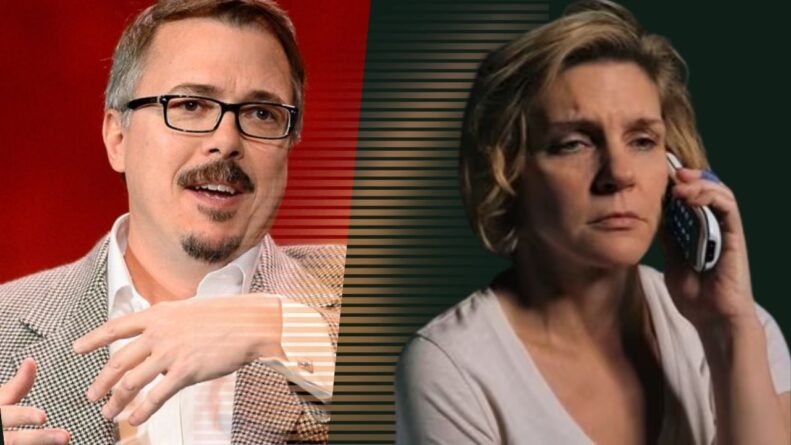
Apple TV+ has posted the trailer for PLURIBUS, the much anticipated new series from the Emmy Award-winning creator of Breaking Bad and Better Call Saul, Vince Gilligan. The nine-episode sci-fi drama, which is Gilligan’s first big project outside of the Breaking Bad universe in 17 years, will debut on November 7, 2025, and is already causing a stir within the US entertainment industry.
Trailer Details and Plot Revelations
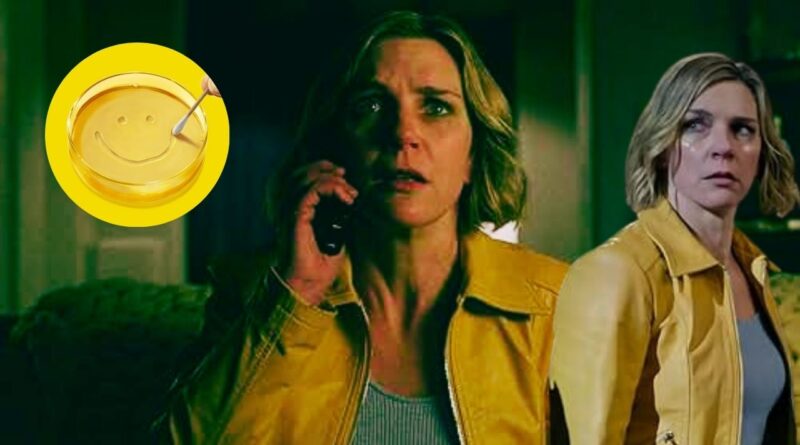
The two-minute official trailer, debuting October 21, 2025, gives a peek at an incredibly disturbing world revolving around Carol Sturka (Rhea Seehorn), who’s “the most miserable person on Earth” and has to “save the world from happiness.” The trailer shows that Carol is the only who appears to be immune to the virus, which has turned the entire global population into perpetually content, optimistic and unnervingly cheerful individuals.
The trailer shows the environment around Carol is unrealistic, everyone is enjoying an ultra level of joy and helpfulness that covers the entire horrible psychology under the wrap of positivity. US President (Peter Bergman) reaches out to Carol through television to turn her into one of them because she is the only one who wasn’t affected by the virus.
Thematic Suspense of Pluribus
As Deadline reports, the series is full of action with explosions, plane crashes, dead bodies, and chaos of marching hordes. The most captivating scene occurs in the 2 minute trailer — Carol asked for a grenade, bazooka, and tank from one of the DHL workers and he said “Oh, sure”.
Carol is alone in her misery and trying to reverse all of this but her head is full of confusing thoughts. It’s the kind of thing that messes with your head but keeps you hooked with its dark humor and sci-fi suspense.
What Bob Odenkirk of Breaking Bad Is Saying About The Series
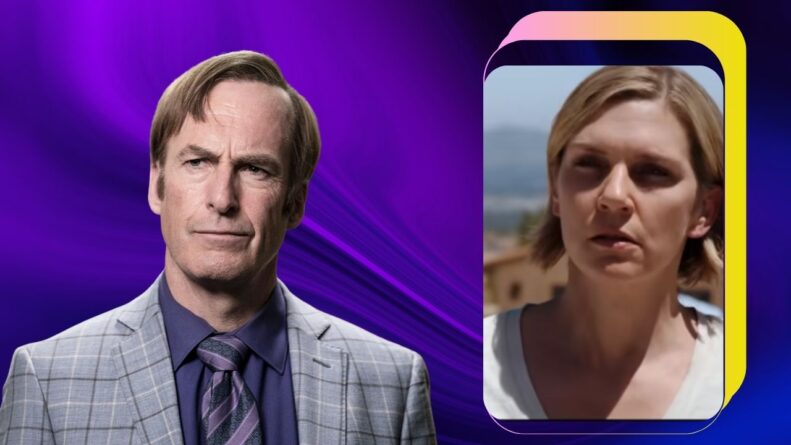
Bob Odenkirk is Gilligan’s trusted partner in crime, and the one who plays the great Saul Goodman in Breaking Bad and Better Call Saul. Screenrant mentioned Odenkirk told The Hollywood Reporter in an interview: “I don’t know a goddamn thing. But I know it’s going to be massive. Giant! It’s going to be the biggest thing, well, since sliced bread, but really since Game of Thrones.”
Odenkirk also compared PLURIBUS to the Apple TV+ prestige hit Severance, saying, “I think that [PLURIBUS] is going to be the next big show, and I can’t wait”.His excitement is especially interesting as he is not involved with the project at all, which implies honest belief in Gilligan’s vision.
IndieWire also raved on Gilligan’s turn to Twilight Zone – and it asks if happiness is “actually a good thing when it’s universal and unquestioned. The series delves into themes of coerced conformity, the worth of genuine feeling and if the uniform happiness removes the need for humanity.
Critics have praised the trailer as it delivers fascinating, strange sequences in the series. It shows the level of Gilligan’s signature cinematography once again after Breaking Bad.
Gilligan revealed the conceptual origins of PLURIBUSwith Entertainment Weekly, Gilligan said the concept initially confused him: “I’m still not exactly sure what it means.” But the relevance of the concept to the divided society we live in today was obvious to him: “There’s no question that we live in a very divided nation. What I love about this series and that potential is the hope that people watching may say, ‘What would that be like, if we all got along?’ There’s probably an element of wish fulfillment in that idea.”
Apple TV+ had already ordered two seasons prior to premiere—a rare move demonstrating extraordinary confidence in Gilligan’s vision. The early renewal can be taken as a sign that Apple sees PLURIBUS as a potential flagship show in the vein of Ted Lasso and Severance.
Conclusion
“When you smile the whole world smiles with you— and Rhea Seehorn is finding out the reverse is also true.” This inversion of optimism into terror marks PLURIBUS as perhaps Gilligan’s most philosophically daring episode to date, posing the question of whether a reality devoid of suffering, strife and genuine feeling is one that deserves salvation—or if, through Carol, misery makes her the last real human being on the planet.
This series will air on 7 November, 2025 on Apple TV with a total of nine episodes in one season. Rhea Seehorn, Karolina Wydra, and Carlos Manuel Vesga are lead actors in the series who take this one on the top of the list.
Alpana
Articles Published :
156
Alpana is Fandomfans Senior Editor across all genres of entertainment. She evolved in the media industry since a very long time, she manages the content strategy and editing of all the blogs. Her focus on story development, review analysis, and research is well-equipped that ensures every article meets the standards of accuracy and depth.
Monarch Legacy of Monsters Season 2 Trailer Released by AppleTV+
Watch now Monarch Legacy of Monsters Season 2 trailer. Apple TV+ airs a glimpse of Skull Island, a new Alpha Titan, timelines shift, and MonsterVerse ties.
AppleTV+ has at last released the official trailer for Monarch Legacy of Monsters Season 2 at their Press Day event, and to say the MonsterVerse fanbase is going haywire would be an understatement.
The series has returned after a breakout first season that demonstrated you can blend high-prestige human drama with city-stomping kaiju. But this time, they’re not just holed up in bunkers, they’re going to the most dangerous place on Earth. With a new “Alpha” threat on the horizon and the timelines in flux, Season 2 looks to start to connect the dots between the small screen and the huge cinematic battles we know are coming in 2027.
Release Date & Availability
The Monarch Legacy season itself starts with a world premiere on Friday, February 27, 2026, leading into what seems like a regular weekly obsession.
Over the course of 10 episodes, the story will be revealed one chapter at a time, with new episodes released every Friday. The journey ends on May 1, 2026; just enough time for fans to fan theories, argue online, and countdown between every reveal.
Theme: The main theme this season appears to go from “discovery” to “consequence.” The trailer shows a series of ripple effects of the past hitting the present. It’s about the trauma passed between generations of living in a world where “Gods” exist, and the corporate greed (hello, Apex Cybernetics) vying to control them.
Image Credit: Fandomfans
Setting: The story scope has gone through the roof. We are presented with a split timeline:
The 1950s: The early, messy days of Monarch.
2017: The new “present day,” happening chronologically near the events of Kong: Skull Island and leading toward King of the Monsters.
Skull Island: They’re returning the franchise to its spiritual home. Expect lush jungles, terrifying local fauna, and Iwi culture.
Director, Writer & Creative Team
The original Monarch Legacy Season 1 hitmakers are back to captain the ship:
Showrunners: Chris Black (Severance) and comic book legend Matt Fraction. Their Presence assures we have that blend of bureaucratic realism and off-the-walls, comic-book heart.
Executive Producers: Joby Harold, Tory Tunnell, and Matt Shakman (director of WandaVision).
Studio Oversight: Toho Co., Ltd. continues to keep a close eye which is key. They are the keepers of the Godzilla legacy — making sure the Titans look and move exactly as they should.
Plot Overview
Season 1 concluded with a massive cliffhanger, leaving our heroes stranded in the time-bending dimension of Axis Mundi. Season 2 is going to be piecing things back together. The timeline has jumped to 2017 and the Randa siblings (Cate and Kentaro) aren’t just searching for their father now – they are fighting to stay alive.
Image Credit: Fandomfans
The trailer shows a “Titan Event” coming. Monarch is scrambling, but a rival group, Apex Cybernetics, is making a name for itself on Skull Island. The narrative will probably follow the race to discover “buried secrets” beneath the island that ties into the 1950s timeline, and a new, ancient danger emerges from the deep.
Cast & Characters
The casting for this show is still one of its best selling points, especially when it comes to the “Legacy” gimmick of the Russell father-son duo.
Returning Favorites:
Kurt Russell as the elder Lee Shaw (the man who knows too much).
Wyatt Russell as the young Lee Shaw (1950s timeline).
Takehiro Hira as Hiroshi Randa.
New Faces:
Amber Midthunder (Prey): She adds to the cast as a character named “Isabel,” presumably an action-heavy part based on her past work.
Cliff Curtis: Role TBC, but reports say a senior villain or military leader.
Dominique Tipper reprises her role as Brenda Holland, the public face of Apex Cybernetics’ corporate dreams.
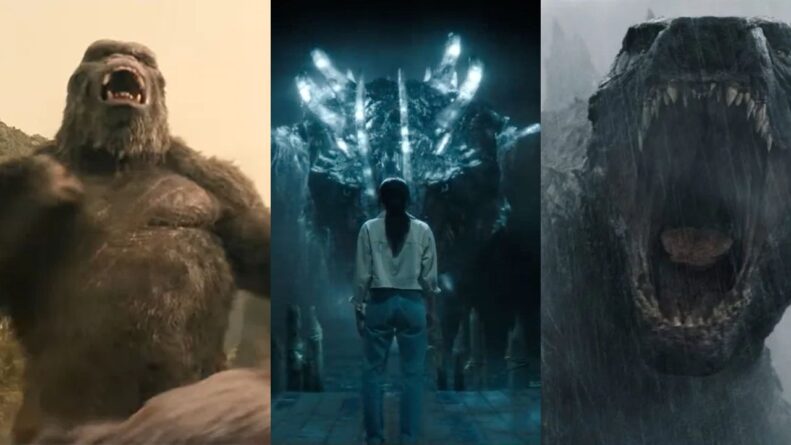
The New Monster: Titan X – Billed as a ”living cataclysm”, Titan X is an aquatic, tentacled drake with bioluminescent blue/red scales and “sideways 8” pupils. It can create huge storms.
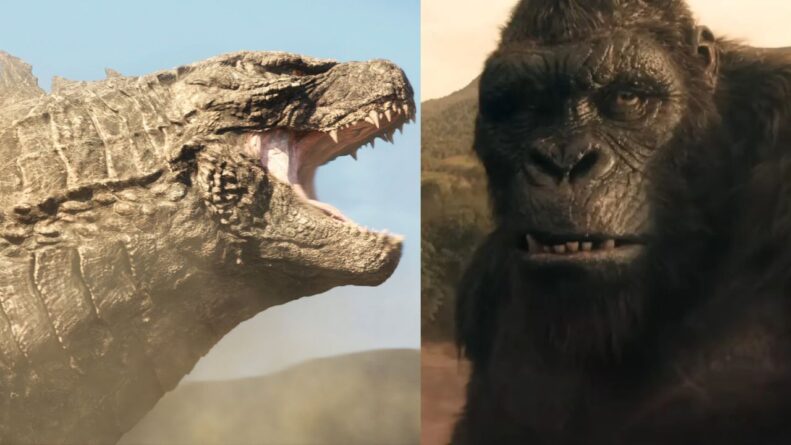
The Rivalry: The trailer implies that the solution to stopping this thing is to throw Godzilla and Kong at it.
Crossovers: We’re really part of a slow burn this season and laying the groundwork for the international geopolitical muscle flexing that will really heat up in Godzilla x Kong: Supernova, and again we’re talking 2027.
Production Details
Apple isn’t holding back the purse strings. The VFX for Titan X and the Skull Island sequences are feature-film quality.
Production: Location shooting for a tough approximation of Skull Island was extensive.
Sound Design: The trailer featured a particular acoustic weapon/sound emanating from Titan X that causes fear. The sound designers are weaponizing the audio in the narrative.
The rating is expected to be TV-14, but it’s intense. With the Titan attacks, heavy psychological horror aspects, it’s really pushing the boundaries of the rating. Parents should be aware that while it’s not R-rated, danger seems very real.
Distribution & Platform Details
Platform: Exclusively on Apple TV+.
Global Reach: The series will air simultaneously in over 100 countries worldwide, allowing the huge international fanbase — particularly in Japan and the US to watch together.
Audience Expectations
The bar is set very high this time. It’s not monster-sized battles fans want anymore—they want answers. The story is now scheduled to reveal the lore: how Apex Cybernetics went underground to become the creators of Mechagodzilla.
Questions about the time skip also hang heavily—what is Axis Mundi, really, and how long has Lee Shaw been gone?
Image Credit: Fandomfans
Let’s not forget Skull Island, which also teases larger mysteries. Are we going to see a younger Kong learning his way, or is the titular “King” already grown up in 2017?
It’s all got that Lost-meets-Godzilla vibe, cloaked in secrecies, timelines and slow-burn revelations. Should the writers really nail the mystery side of things, they could easily be in the running for best sci-fi series of 2026. You can find these answers by watching the full series on Apple TV+ after its release.
Conclusion
Monarch Legacy of Monsters Season 2 appears to be leveling up from “spinoff” to “must-watch” pillar of the MonsterVerse. By relocating the action to Skull Island and bringing in a frightening new antagonist, Apple TV+ is upping the ante. The February 27countdown is on.
Fandomfans is delivering every update from Hollywood Entertainment Industry directly to you
Alpana
Articles Published :
156
Alpana is Fandomfans Senior Editor across all genres of entertainment. She evolved in the media industry since a very long time, she manages the content strategy and editing of all the blogs. Her focus on story development, review analysis, and research is well-equipped that ensures every article meets the standards of accuracy and depth.
Fallout Season 2 Ending Explained: How It Sets the Stage for Fallout Season 3
Fallout Season 2 ending explained with Enclave reveal, Hank’s fate, Liberty Prime Alpha and how it sets up a darker Fallout Season 3. Read more visit website!
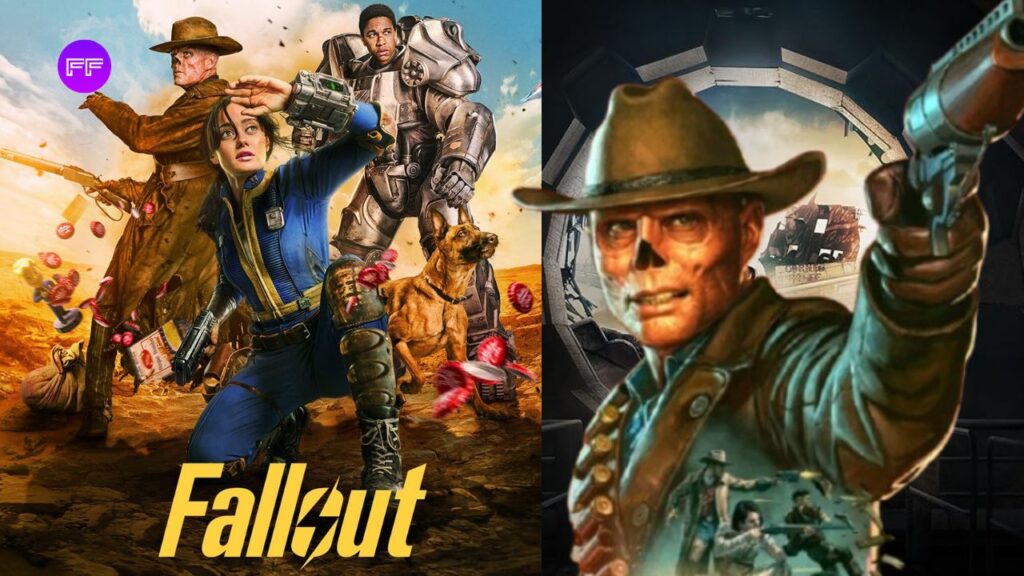
If Fallout season 1 was a siren wailing, Fallout season 2 ending explainedwas a giant bomb that exploded across the wasteland. Its story doesn’t end so much as transform, adding layers of vault politics, estranged families, and secretive syndicates to a brutal, unforgettable ride. When the finale ends, you’ll know Season 2 isn’t simply an end, but a jumping-off place. With revelations, long-teased game lore coming into play, and a post-credits scene that screams escalation, Fallout Season 2 sets the stage for an even darker, deadlier Fallout Season 3.
The MacLean Family Tree Just Got Weird
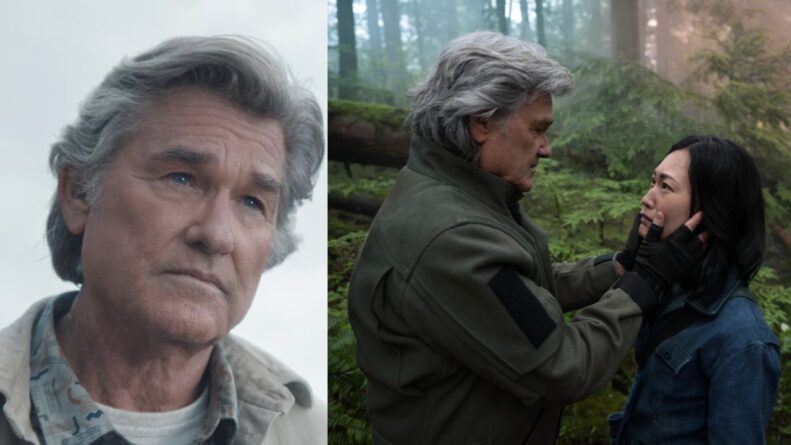
Hank MacLean (Kyle MacLachlan) wasn’t really the “Father of the Year,” but the pleasure ended with a final shock: Steph Harper is his wife. In the prewar Vegas days, Hank was head over heels and they married on a processed-meat-catered journey to the altar.
Image Credit: Fandomfans
Because of the unusual physics of cryo-stasis, Hank was defrosted long before Steph, allowing him to live in Vault 33 while his real wife was still on ice. It seems it explains a lot of the power plays we have witnessed in vault this season —- turns out “management” is literally a family affair.
Hank’s “Hard Reset”
In a moment of pure poetic justice, Lucy finally gets the drop on her father. She attempts to make use of a Vault-Tec implant to make him submissive, basically trying to make the “Company Man” into a marionette.
Image Credit: Fandomfans
But Hank, from the loyal corporate soldier standpoint, opts for a literal mind-wipe instead of betrayal. He initiates a manual override in his suit, erasing his memories and preserving his “loyalty to the mission.” He’s still a threat, but the man Lucy once called Dad is essentially gone, replaced by a blank slate programmed for Vault-Tec’s endgame.
The Real Big Bad: The Enclave
After two seasons spent lobbing stones at Vault-Tec, the finale reveals they were just the middle managers. The Enclave—the shadowy traces of the pre-war government—are the real puppeteers.
They’re responsible for the Forced Evolutionary Virus (FEV). They engineered the Deathclaws.
They are the ones Hank truly answers to. And now, all of a sudden, the world feels so much smaller and so much more frightening.
Where in the World is Cooper Howard?
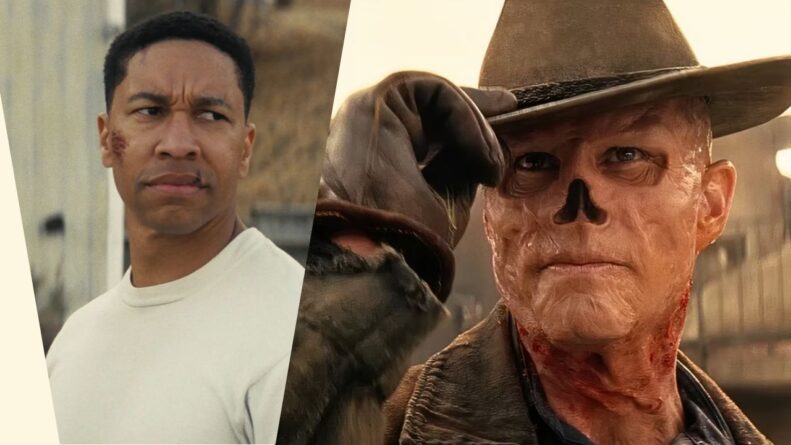
The Ghoul’s two-century hunt for his kin came up against a heartbreaking dead end when he located their cryo-pods… and found them empty.
Image Credit: Fandomfans
However a postcard from “Colorado” with a note from his wife Barbara implies that his family is still out there. Season 3 looks to be a cross-country road trip, as Cooper heads for the Rockies to locate what’s left of his heart.
Robert House: The Ghost in the Machine
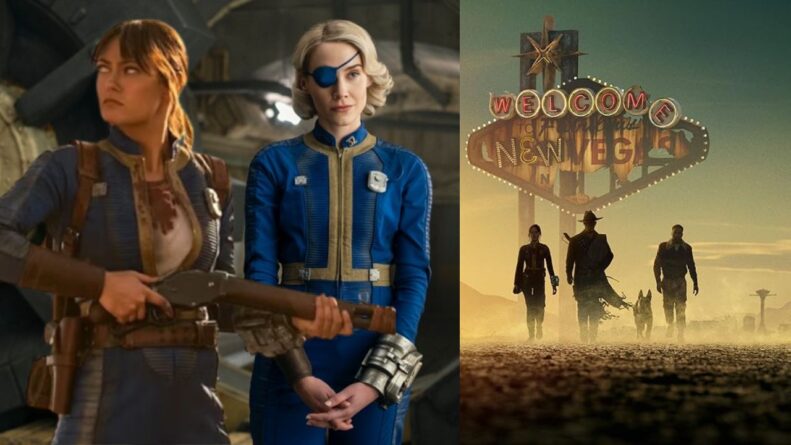
The legendary Robert House was never dead; he was just… digital. Carried in a Pip-Boy by The Ghoul, House’s consciousness is now back on the “cloud.” When Lucy and Maximus get to his penthouse and see the “Signal Lost” message, don’t be deceived. That small flicker on screen confirms that the smartest man in the wasteland is still playing the long game.
The Post-Credits Scene: Liberty Prime Alpha
If you sat through the credits, you were treated to a chilling turn for the Brotherhood of Steel. Quintus has now completely turned his back on the notion of “saving” the Brotherhood. He wants to be a destroyer.
Image Credit: Fandomfans
He unveils blueprints for Liberty Prime Alpha. For those who don’t know: that’s a skyscraper-size, communist-hating, laser-shooting mega-robot. If Quintus makes this machine, the balance of power in the Wasteland will not merely shift – it will be smashed under a giant metal boot.
Get Ready For Fallout Season 3
Amazon Prime Video had already greenlit a Fallout Season 3 several months before Fallout Season 2 ending explained was even released. So the streamer is already committed to continuing the story beyond this season. The storylines and shocks at the end of Series 2 (including massive world-shocking revelations) are rumoured to be leading into Series 3 as a bigger narrative chapter.
Fallout Season 2 ending explained doesn’t just raise the stakes—it resets the stakes, and invites Fallout Season 3 to play the game with the ruins of civilization as its makeshift board. Family secrets blast apart for good, erstwhile allies become weapons, and every key faction is shown to be a pawn in a grander final game.
Enclave daringly returns to the limelight, Robert House quietly reactivates his long game, Cooper Howard literally searches for hope outside the Mojave, and Liberty Prime Alpha threatens to deliver mechanized cataclysm—never before has the wasteland been quite so shaky, or so stirring. Survival is no longer enough. Fallout Season 3 is coming into view as a full scale struggle for the future of humanity, and as every Fallout fan knows, clean is not how you finish.
Dive deeper into the world of your favourite series with Fandomfans to know about new seasons and their details.
Mariyam
Articles Published :
76
Mariyam Khan is Fandomfans Content Writer and providing reports and reviews on Movie Celebrities, and Superheroes particularly Marvel & DC. She is covering across multiple genres from more than 4+ years, experience in delivering the timely updates.