The Hunting Wives, Netflix’s surprise thriller, is now making all the right headlines — with the announcement of auteurs to die for joining an already stellar cast in its second season which is hotly anticipated. Three well-established TV and film veterans are coming to stir things up in Maple Brook, Texas, and honestly, we could not be more excited about what that means for the show’s second season.
New Characters Enter Maple Brook
John Stamos is joined by Dale Dickey, who portrays Zelda Moffitt, and Cam Gigandet as Gentle John Moffitt. The Wrap hasn’t divulged any other information on their characters at this point, but the very announcement says that Season 2 is focused on taking things even further than where Season 1 left us hanging—literally, with Sophie running over Margo’s brother Kyle in that unforgettable cliffhanger.
John Stamos Steps Into Darker Territory
What stands out about the casting announcement is the quality of the stars Netflix has assembled. John Stamos – best known for playing the iconic role of Uncle Jesse on Full House (and its later Netflix revival Fuller House) — has been tactically expanding his resume over the years.
John Stamos and Dale Dickey and Cam Gigandet Image Credit: Fandomfans
His trips to darker, more intricate minds, such as his unforgettable recurring role as Dr. Nicky in Netflix’s You, prove that he’s fully capable of exploring the moral gray areas of The Hunting Wives. It’s very different from the family-friendly image that he once had, but that’s why this casting is so interesting.
Dale Dickey and Cam Gigandet Add Serious Depth
Dale Dickey offers her own no-nonsense presence to the proceedings. The actress, who broke out in indie cult classic Winter’s Bone with a bone-crushing performance as Merab, has built a career on playing big-character roles in well-regarded projects like HBO’s True Blood and the upcoming Fallout adaptation.
Her addition indicates that Season 2 will focus even more on character work. Meanwhile, Cam Gigandet, who rose to fame with his recurring role in The O.C. and later starred in movies such as Twilight, Burlesque and Violent Night, adds an appeal that could be either likable or intimidating or perhaps both in the twisted world of Maple Brook.
These castings are hugely important. The Hunting Wives Season 1 proved to be a breakout success for Netflix, premiering in July 2025 and soaring quickly into the top ranks of the platform. The production had a five-week run on the worldwide English Top 10 and garnered over 20 million views even though it was limited to the US. With figures like that, it’s easy to see why Netflix is focusing even more on star power.
Featuring familiar faces like Stamos attests to the platform’s faith in the series and underscores its potential for an even bigger cultural moment.
Story Clues and a Possible New Setting
The timing of this announcement also raises interesting questions about the direction the story is going. Showrunner Rebecca Cutter has previously dropped hints about Season 2 taking place in a new location, with the official synopsis stating that
“Sophie and Margo are at odds. But before too long, ancient secrets and new enemies unite them.”
And these three newcomers are likely to figure into whatever new mess the writers have dreamed up for our ethically challenged leads.
Episode Count, Showrunners, and Returning Cast
Currently in development, Season 2 will consist of eight episodes, following the same format as its popular first season. Executive producers Cutter and Leslie Greif will serve as showrunners, with Greif co-showrunning on Hightown and on this series from the outset, Cutter having recently come off on Hightown after delivering stellar results and Euphoria creator Sam Levinson.
Image Credit: Fandomfans
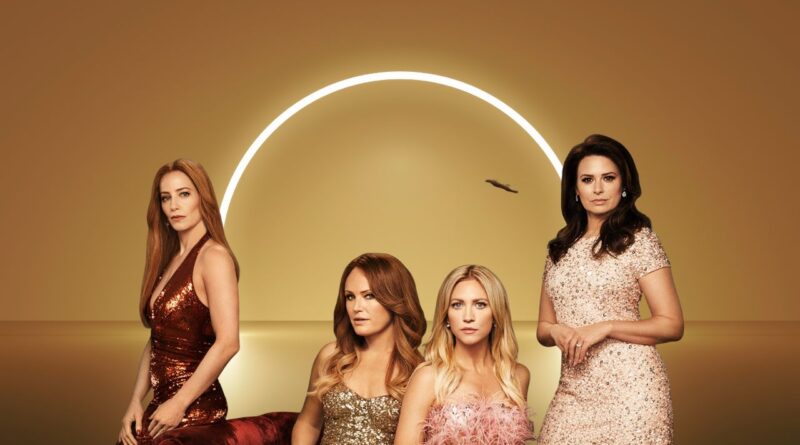
The main-line stars, Brittany Snow and Malin Akerman, will also be returning for Season 2 (as will these exciting new additions!) It’s looking to be quite the rollercoaster!
Conclusion
The Hunting Wives Season 2 is imminent and the excitement is palpable. Now Netflix hopes to up the ante by reviving the intense drama of season one with new energy and a fresh, powerful cast. If the secrets, obsession, and high-risk romance got you before, Season 2 is shaping up to give you even more.
Welcome to Fandomfans where you’ll get latest updates on entertainment, gaming, celebrities.
Mariyam
Articles Published :
76
Mariyam Khan is Fandomfans Content Writer and providing reports and reviews on Movie Celebrities, and Superheroes particularly Marvel & DC. She is covering across multiple genres from more than 4+ years, experience in delivering the timely updates.
‘God of War’ Live-Action Series: Amazon’s Adaptation Could Be the Next Prestige TV Phenomenon
Amazon’s God of War live-action series looks to be TV’s next big epic with an A-list director attached a two-season plan and huge world-building ambitions.
We live in an era of unparalleled video game movie adaptation. A live-action God of War series a few years ago would have likely been met with skepticism. After the breakthrough success of HBO’s The Last of Us and Amazon’s very own Fallout, the format has been figured out: honor the source material like it’s a Pulitzer-winning novel.
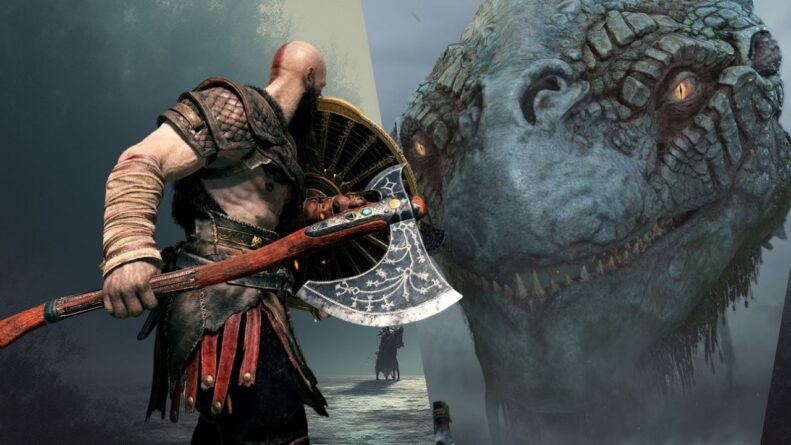
Now Amazon MGM Studios is grabbing the Leviathan Axe. The live-action adaptation of Kratos’ Norse saga has been greenlit for late 2025. And this is why the show, right now based on a close reading of the project’s stage, is poised to be the next big prestige TV event.
The “Shōgun” Connection
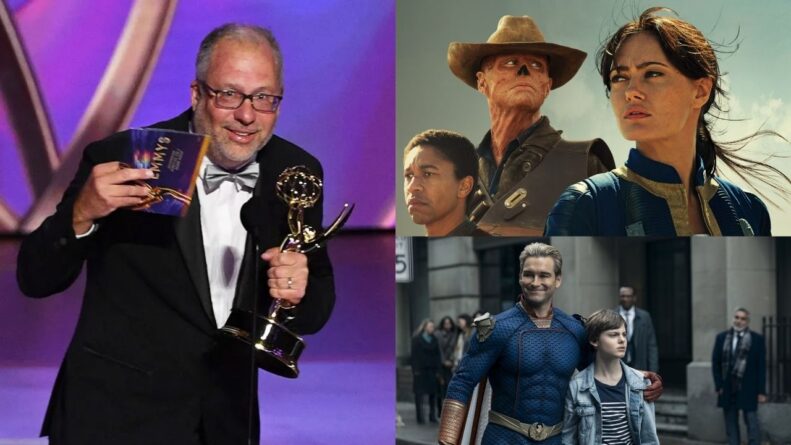
It’s the biggest news this week that director Frederick E.O. Toye will helm the first two episodes. Does that name ring any bells? He Platonically recently won an Emmy for directing the “Crimson Sky” episode of FX’s Shōgun.
Image credit: Fandomfans
This is a huge get. Shōgun showed Toye could manage the precise balance God of War demands and epic world-ending stakes interlaced with intimate, high-stakes drama. God of War (2018) isn’t just about killing dragons, it’s a chamber drama about a grieving father and son on a road trip. Toye’s work on The Boys and Fallout shows he has the chops when it comes to violence and “game logic,” but Shōgun proves he also has the soul.
The Narrative Architecture of dark political war drama
Perhaps the most interesting, controversial and surprising! The decision is the selection of Ronald D. Moore as showrunner. Moore is a sci-fi legend, the man who turned the cult ’70s Battlestar Galactica into a dark political war drama.
“I’m not a gamer. I knew the title but I didn’t really know what the story was, but I said, yeah, I’d love to do it.” —Moore chuckled.
Moore has admitted he isn’t a gamer. That may make armchair fans nervous, but it actually means he’s got one hell of an ear for that simple and stark it sounds to listen to, but the sonics of Vivec’s workshop managed to pierce saltwater-invoked Shellback ears.
Image credit: Fandomfans
We don’t want a showrunner who’s obsessed about making loot boxes or RPG mechanics. We need someone who understands the family of “broken” concept.
Moore’s (Outlander, For All Mankind) is a career defined by fractured families. He does not see God of War as a hack-and-slash but as a story for a widower becoming a dad. That is the right way to go.
The Two-Season Gamble
Amazon is placing a big bet. Reports confirm that there is a two-season commitment before cameras start rolling. This is unusual in the realm of streaming but it’s financially sound. Construction of the Nine Realms — including the frozen Wildwoods and fiery Muspelheim is really pricey.
They know they have two seasons, and so that gives them the ability to spread those costs out and more importantly spread the story out. It means they don’t have to cram the complicated Norse saga into mere eight hours.
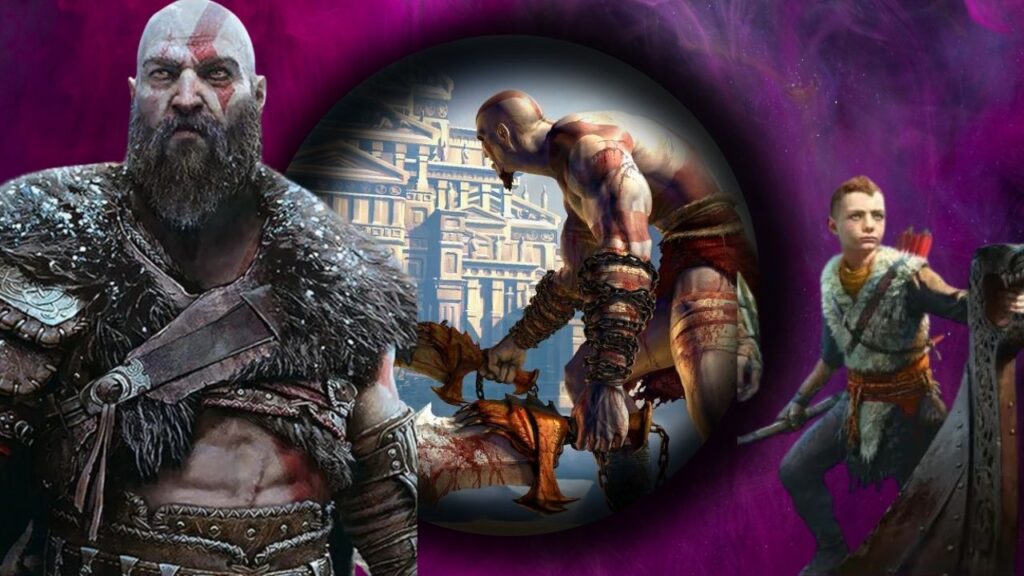
Production is scheduled to start in Vancouver (which stands in for Midgard perfectly) in March 2026, and that gets us to the most important question—- Who is Kratos? The casting call for “Zion” ( which is the code name for Kratos) requests a physically imposing man who has dramatic skills. While fans want Christopher Judge (the game’s voice actor), the real-life toll of live-action TV—14-hour days and hard stunt work, makes casting a 60-year-old with a history of back surgeries a pretty big insurance risk.
Image credit: Fandomfans
Reported shortlists reportedly include the powerhouse Winston Duke, but Amazon appear to be trying to find that elusive combination of “action star physique” and “prestige drama acting.”
Even more telling is the casting for the part of Atreus. It is a One-Year Series Regular. This strongly suggests Amazon will do a time jump for Season 2, likely recasting Atreus with an older actor to match the aging process in Ragnarök, similar to how House of the Dragon handled its leads.
Release Date of God of War Amazon’s live-action series
Having said that, production on this series is scheduled to commence in the year 2026 and there will be quite a massive post-production period due to the VFX required, so we probably will not be seeing Kratos in live-action until late 2027, early 2028. It’s a long wait, but considering the talent involved and the scope of the production, Amazon isn’t just making a TV show, they’re attempting to create the next Game of Thrones.
Amazon’s live-action God of War series is more than just another video-game adaptation — it’s becoming a cinematic event. With a powerhouse director attached, an Emmy-winning showrunner, a two-season commitment, and massive world-building ambition, this is a project being developed for long-term storytelling. The wait until 2027-28 may be a bit long, but every new update indicates it’s going to be worth it.
Fandomfansbring you the latest updates about the movies, actors and directors. Keep connected to get every detail from the entertainment industries.
Babita
Articles Published :
25
Babita is Fandomfans Editor, experience in managing content. Her focus in general movies and web series. She is having a deep interest in TV shows and 90s movies - particularly Lord of the Rings, Harry Potter, & Rom-Com. Babita also covers psychological thrillers and major releases in current time and concern with deep interest in them.
Love, Lies, and OMG Twists: Why XO, Kitty Is Netflix’s Most Addictive Teen Drama Yet!
XO, Kitty’s drama is irresistible! Romance, secrets & identity struggles make this Netflix spin-off binge-worthy. Discover why fans can’t get enough! Learn more
Netflix is known for its campy teen dramas. XO, Kitty is a To All the Boys I’ve Loved Before spin-off. This show has gone on to be one of Netflix’s most binge-watched series. It has exciting characters and complex love stories.
It keeps you glued to the screen with unexpected turns. People worldwide are into it. What is so special about XO, Kitty? Why do people of all ages like it? There must be something magical about this show. Let’s see why XO, Kitty has captivated so many people!
A Fresh Take on a Familiar World
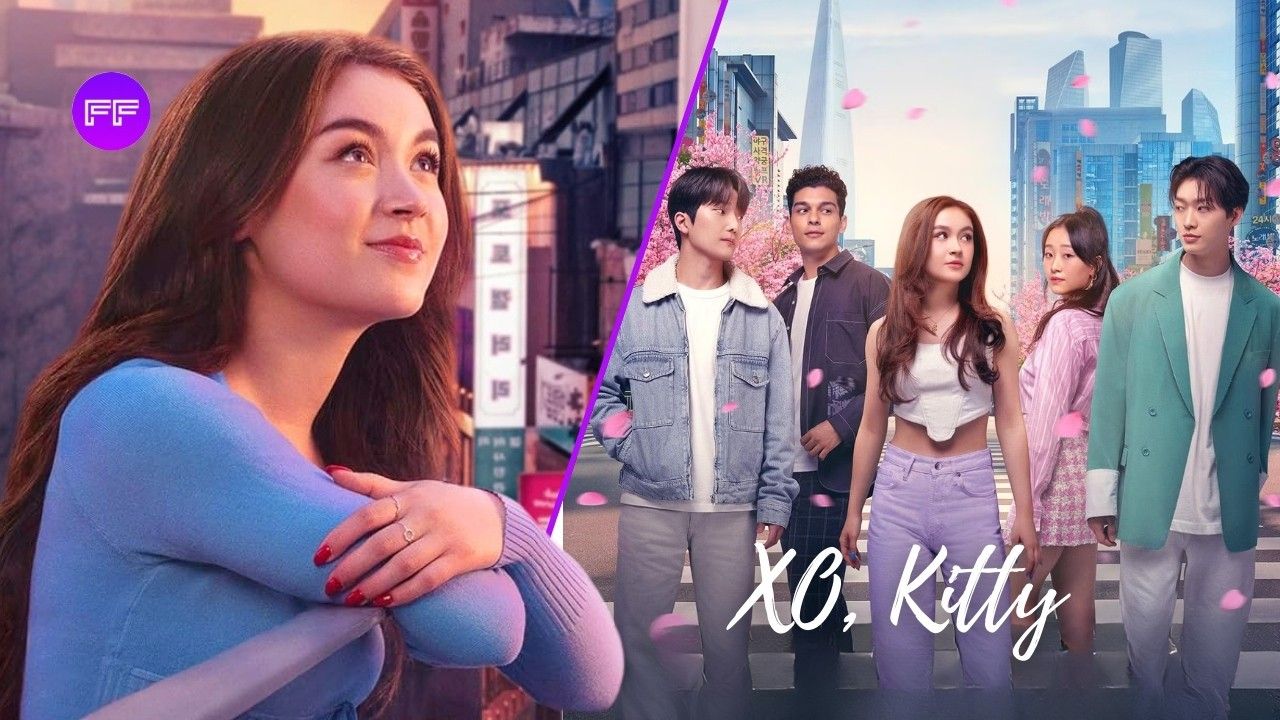
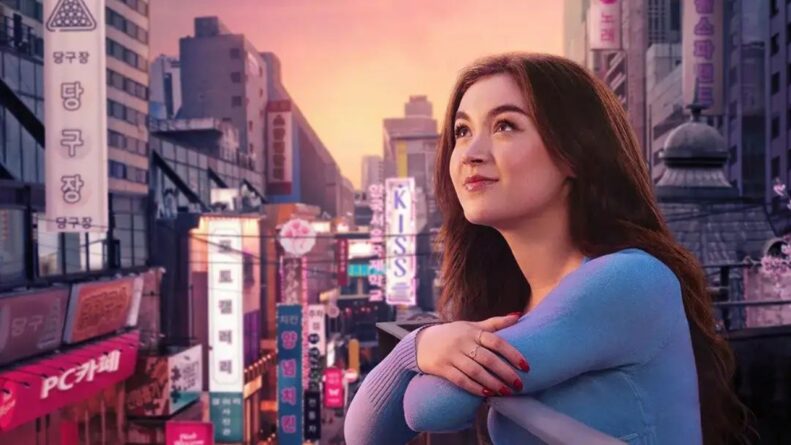
XO, Kitty stands out as a new story that lives up to the To All the Boys I’ve Loved Before charm. It combines the familiar with the unexpected to create a narrative that’s warm and thrilling. The series centers around Kitty Song Covey, portrayed by Anna Cathcart. She is Lara Jean’s little sister. Kitty embarks on her own journey of love and self-discovery.
Her journey leads her to Seoul, South Korea. She enrolls at the Korean Independent School of Seoul (KISS). Her late mother also attended. This new locale introduces cultural adventure. It allows Kitty to break out of her sister’s shadow. Now she has the opportunity to carve out her own path.
A Love Story with a Twist
Once We Were Slaves at the heart of XO, Kitty is a love story. But it isn’t a straightforward one. Kitty goes to Seoul to meet up with her boyfriend, Dae. She’s excited to see him, again. But she gets a surprise when she arrives at KISS. Dae is staging a fake relationship with the principal’s daughter, Yuri.
Image Credit: Business Insider
Yuri is actually in love with her girlfriend, Juliana. Dae assists Yuri in keeping their relationship a secret. The effect is to add drama and thrill. Kitty conflicts with her emotions for Dae. However, she also begins to fall for Yuri.
She starts to have doubts about who she is. Hers is an emotional and powerful journey of self-discovery. The series addresses bisexuality in an honest, meaningful way. This extra layer adds depth and authenticity to the story. And it resonates with viewers who value diverse experiences.
More Than Just Romance: Exploring Identity and Family
XO, Kitty is not simply a romantic comedy. It’s also about identity, family and grief. Kitty does not attend KISS just for Dae. She’s also looking for her deceased mother. She attends the same school as her mother did to connect to her mother more deeply in an attempt to learn more about where she came from and their history together.
At KISS, she discovers shocking truths about her mom, unraveling what had been the very fabric of her family and what she thought was real. They leave her struggling with a new reality, and how she sees her past. This trip rounds out the emotional content of the story. It’s hotter than your average teen romance. The series also touches on cultural issues.
Kitty (Khloé Kardashian) is an American who encounters a myriad of challenges in South Korea. Language barriers and unfamiliar customs make living difficult for her. She needs to adapt and evolve. Her experiences lead her to question her own ideology. She discovers things about herself she never would have expected to know.
Characters You Can’t Help But Love (or Love to Hate)
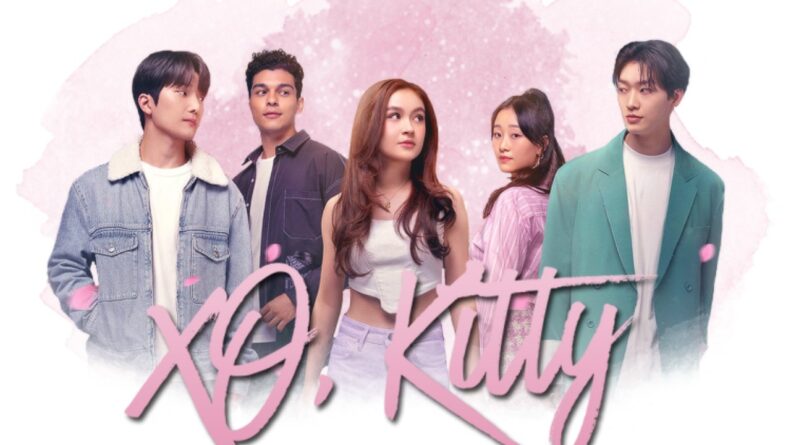
They seem authentic and enjoyable to relate to. Anna Cathcartis the right Kitty. She captures Kitty’s vivacity, humor, and vulnerability. Audiences delight in watching her evolve.
Image Credit: inkl
The rest of the cast have distinct characters and stories. Yuri is enigmatic, layered. Min Ho is charming and kind. Q is devoted and dependable. Even apparent villains have layers. Dae isn’t just an adversary – he’s fighting his own battles.
All of the characters feel real, and it’s all as important as the main character’s experience. There’s no one who’s just a background character. This robust character development has viewers invested. They’re invested in everyone’s story. The show ensures that every student at KISS gets a story of some kind. That’s why people won’t stop watching.
A Second Season Packed with Even More Drama
It’s not surprising that a second season of XO, Kitty was confirmed. The ground floor season has already made it to the top of the trending charts and Netflix is giving an early renewal. In season 2, there is more drama, more romance, more shocks are promised. Kitty returns to KISS for a further term. She’s going to school, this time.
Image Credit: RRI
But love gets in the way, as always. She still loves Yuri. Yuri, however, currently resides with his girlfriend, Juliana. This complicates matters even more. Praveena, a new student, takes over at KISS. Kitty dates her to try to get over Yuri. Meanwhile, Min Ho’s affection for Kitty intensifies.
Dae also has a hard time moving on from their break-up. New love and old feelings collide. All are tangled up in love and heartbreak. With so many twists and turns, The Reckoning season 2 keeps fans glued. This season is going to be even more fun and surprising!
Why XO, Kitty Is So Addictive?
What’s addicting about XO, Kitty? Plenty of elements in this series that keep the fans glued to the screen. Some of them are as follows:
Image Credit: Fan Forum
Relatable Characters: Viewers see themselves in the characters. Their struggles seem authentic and emotional.
Engaging Storylines: There are so many twists in the story line. It makes fans wonder and eager for the next one.
Identity Exploration: The program deals with issues of identity, family and culture. It treats the subject matter with sensitivity and depth.
Escapism: The series provides an escape from reality. It transports the audience to a romantic and adventurous world.
Binge-Worthy Format: The short episodes end with cliffhangers. Fans just can’t get enough.
Conclusion
XO, Kitty is not a teen drama. It’s a Love, identity, and family coming of age story. The characters are real and the plots are thrilling. You can tell it’s going to be addictive from the get-go. It also runs risks and plumbs emotional depths.
It’s a difference that makes it stand out from other teen shows. Whether you are a fan of the Boys or you just want to see what all the fuss is about, this show is definitely worth the watch.
Stay connected withFandomfansfor more updates on your favorite character analysis and unique storylines.
Emma
Articles Published :
36
Emma Miller is an entertainment enthusiast who is focusing on crafting storytelling blogs across all genres. Her special focus is build up around superheroes, thrillers, & historical dramas and movies. Her experience of delivering sharp review analysis and interview podcasts is helping fans to get transparency about their favorite cinema.