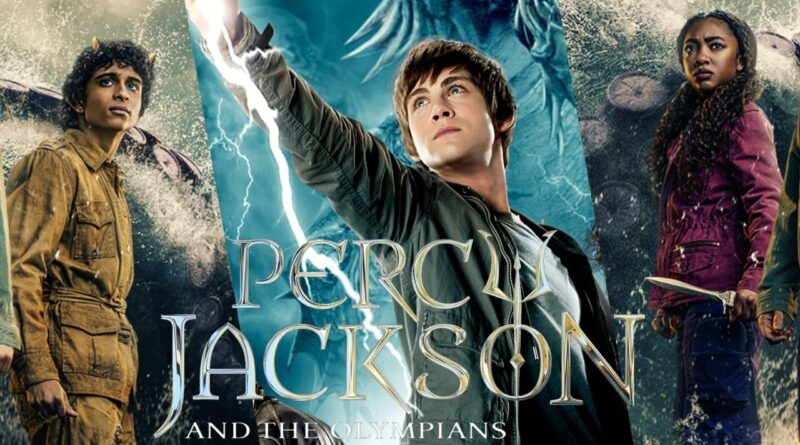
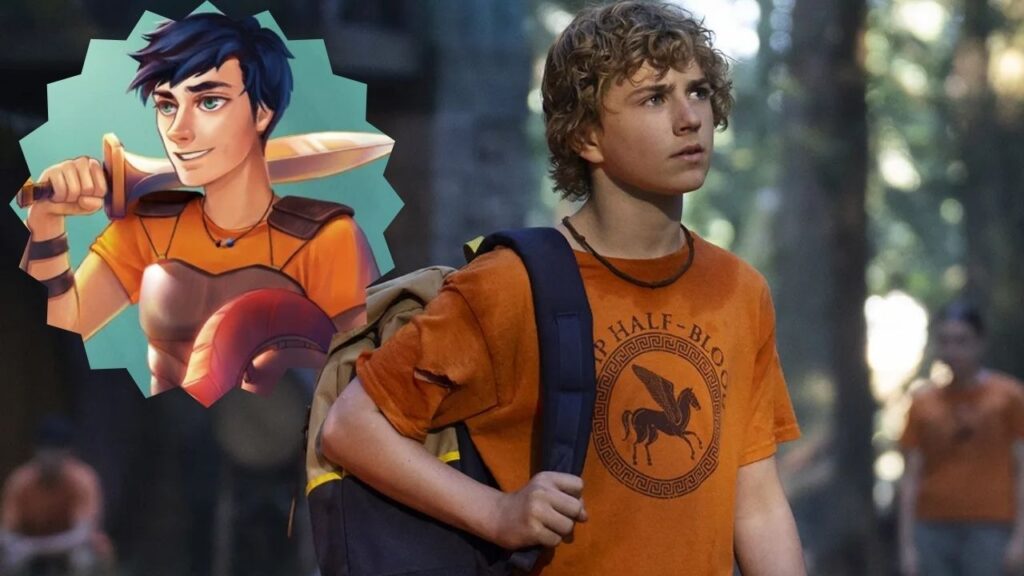
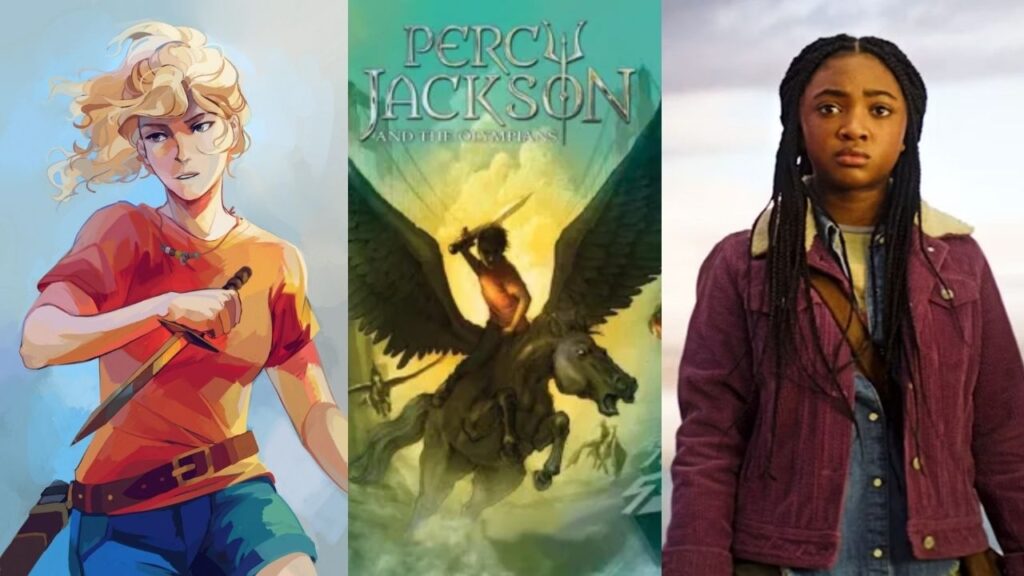
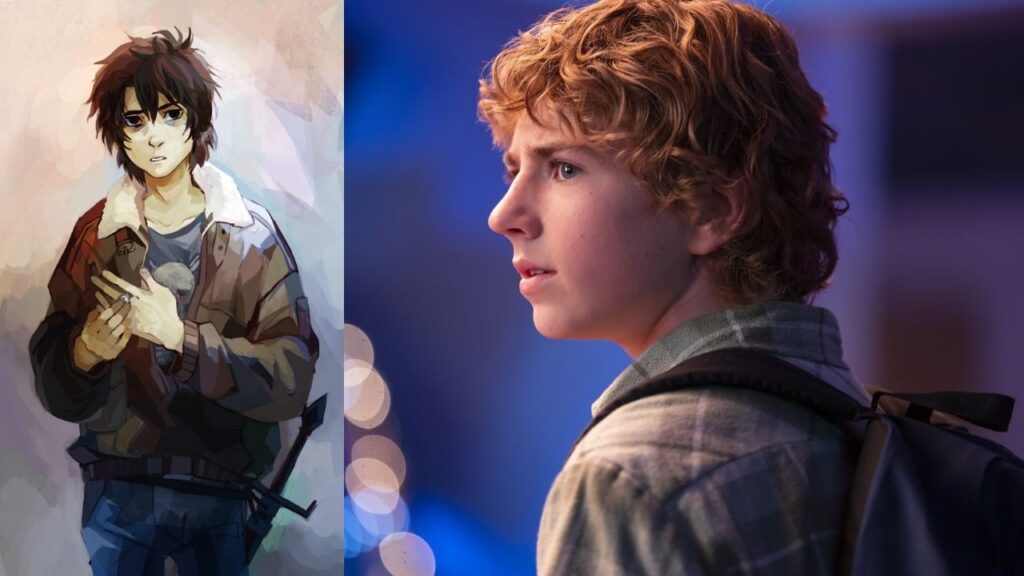
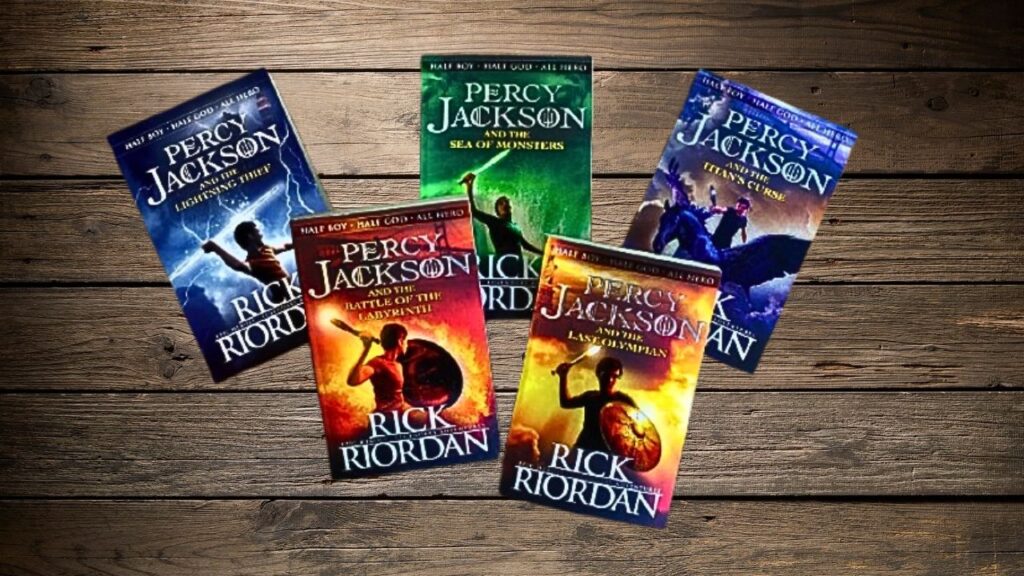
The narrative terrain that Rick Riordan lays out is a tremendous shift in modern mythic storytelling particularly in its portrayal of the “Hero’s Journey” as an experiential, unfolding psychological journey. As opposed to classical mythology where heroes are often static and embody a single pillar of virtue, Riordanverse characters such as Perseus Jackson, Annabeth Chase, and Nico di Angelo are the quintessential definition of “upgradation.”
This evolution is more than just a tit for tat accumulation of supernatural talents, but instead engulfs a radical transfiguration of their psychic constructs, social stations, and metaphysical essences. Venturing from the foundational Percy Jackson and the Olympians (PJO) saga to the Heroes of Olympus (HoO) cycle and then the “Senior Year Adventures,” we detect a systematic shift in reflections of what it means to be a hero, how traumatization impacts this, and moving into “adulthood.”
The Escalation of Perseus Jackson
The power scaling in this universe is based on the main character Perseus Jackson. He evolves from unthinking, and frequently uncontrollable, bursts of power into a sophisticated, telekinetic control of the hydrosphere. Originally portrayed as a 12-year-old with ADHD and dyslexia — qualities that were later reframed as “battle reflexes” and a natural inclination toward the Ancient Greek language — Jackson performed early feats that were localized and reactive.
The Kinematics of Power
A thorough check on both Jackson’s physical feats and metaphysical ones show a consistent growth. In the earliest (PJO) books he used his hydrokinesis mainly for he and his friends’ protection. By the end of the PJO series, he had reached ”Building Level” power.
A notable “buff” to his baseline power occurred in the transition to the Heroes of Olympus series. His battle with the storm goddess Kymopoleia, which involved the formation of watery fists 150 meters tall— towering among current day skyscrapers.
Developmental Phase
Notable Feat
Scale Measurement
Early PJO
Summoning a wave from 0.5 miles away
Sub-Building
Late PJO
Williamsburg Bridge Destruction
Building Level (8-C)
Early HoO
Shaking Hubbard Glacier (75×7 miles)
Mountain/Island Level
Late HoO
Skyscraper-sized watery fists (150m)
City Block (8-B)
Senior Year
Controlling millions of tons of river water
Continental/High-Scale
The escalation has caused “Westernization Theory,” which means that demigod powers in the Riordanverse are simply a product of today’s culture obsessed with superheroes. The theory suggests that as humanity’s view of what constitutes a “hero” has changed to incorporate the “super-person” mythos, the gods have given their children increasingly elaborate and destructive powers to reflect this cultural evolution.
The Restructuring of Annabeth Chase
Annabeth Chase is a conceptual shift that tips more toward intellectual and psychological terms rather than pure kinetic ones. Her “upgrades” are determined by how she navigates and ultimately balances her fatal flaw: hubris.
From Architect to “Administrative” Wisdom
Over the course of the PJO series, Chase’s growth is focused on her conviction that she’s capable of “doing things better than anyone else.” Yet the Battle of the Labyrinth was a crucial developmental choke point. She couldn’t solve the Labyrinth with Raw Logic, and she had to face the boundaries of her divine nature.
In the most recent installments – including The Chalice of the Gods – Chase’s character has become controversial. Though she is still the “wise strategist,” her character has been recast as a more homebound, “administrative” figure. Some say it’s “one-dimensionalised” her, but psychologically, this is the “Shadow of Athena” taking shape as a yearning for order and stability in the aftermath of two world wars.
The Growth of Nico di Angelo
Nico Di Angelo’s story arc is the most incisive trauma and identity in the Riordanverse. It progresses from “Mythomagic-obsessed” child to grim necromancer and then to a hero who has embraced his “shadow.”
The Integration of the Cacodemon
A significant upgrade takes place as Nico descends into Tartarus. On this quest, he must face the “cacodemons” — physical representations of his worst fears and guilt. Instead of trying to kill these demons, di Angelo makes the radical move to “embrace and release them” — in other words, to live with his past trauma. It’s a “power-up” for the mind, and superior to any new necromantic talent.
The “Senior Year” Metamorphosis: Themes of Aging
The current stage of the Riordanverse, colloquially referred to as the “Senior Year Adventures,” is a thematic evolution from “Cosmic Conflict” to “Existential Maturation.” The central conflict has ceased with Titans war —-now a mortal world.
The Denial of Mortality
Immortality is explicitly turned down as a motif that is revisited. Jackson, now eighteen, is challenged by gods, such as Ganymede and Hebe, who are “disgusted by the idea of growing old.” The growth of Jackson’s character is solidified on his understanding that ”living one full complete life is better than an eternity stuck in one place.”
The narrative shift in these new titles is that mundane objectives — such as securing letters of rec for New Rome U. act as the basis for mythic adventures.
Ganymede’s Chalice: The burden of eternal youth.
Hecate’s Pets: The “haunted” quality of history.
Letters of Recommendation: Institutional validation vs. individual value.
To be sure, there is a unique and necessary “upgradation” in the series, which is the explicit naming of mental health problems. Although earlier books alluded to trauma in demigod existence, the newest series names particular mental health disorders.
The Diagnosis of the Seven: The impact of the “Great Prophecy” on mental health is a significant motif. These ”involuntary dreams” that demigods have are now interpreted as a form of intrusion, one of the symptom clusters of PTSD.
For those such as Nico di Angelo, trauma generates empathy. This “psychological upgrade” moves the hero archetype away from brute strength and toward resiliency and the power of choice.
Conclusion
The development of these personas is indicative of myth’s continual evolution in relation to the human situation. From the early 2000s “Building Level” combatants to the 2025 “Trauma-Informed” adults, the shifts undergone by these characters are overwhelmingly centered on emotional intelligence in place of divine invulnerability.
Jackson’s decision to embrace the god of old age, and di Angelo’s accepting his inner demons, mark a final “upgradation”: the understanding that a hero’s greatest strength is his or her ability to evolve, transform, and, ultimately, grow old. This keeps the Riordanverse as a “living mythology,” and role models a generation that values empathy and the bravery to confront the mundane in a chaotic world.
Fandomfansis a platform where you can find details on deep theories behind the legendary characters.
Alpana
Articles Published :
153
Alpana is Fandomfans Senior Editor across all genres of entertainment. She evolved in the media industry since a very long time, she manages the content strategy and editing of all the blogs. Her focus on story development, review analysis, and research is well-equipped that ensures every article meets the standards of accuracy and depth.
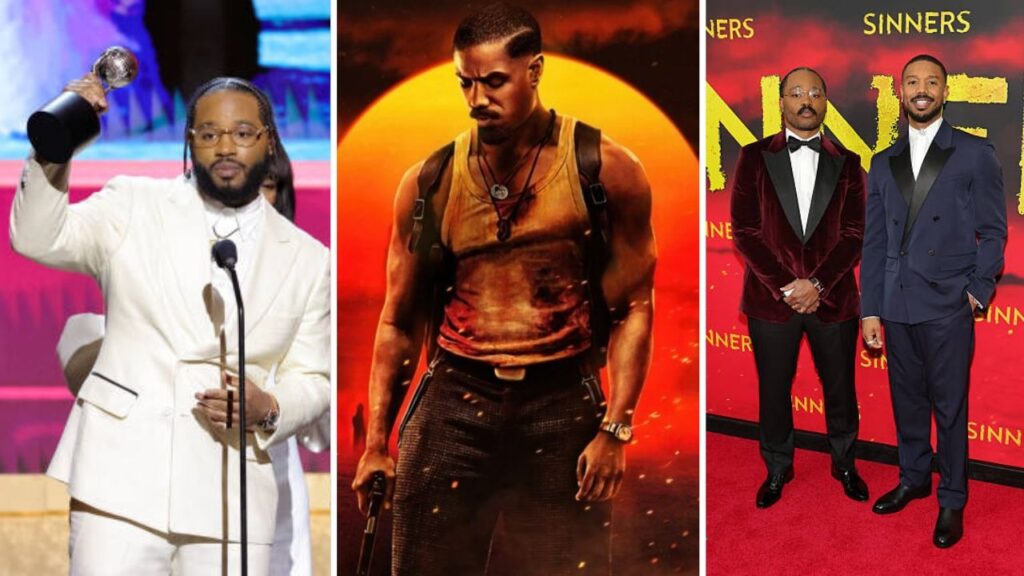
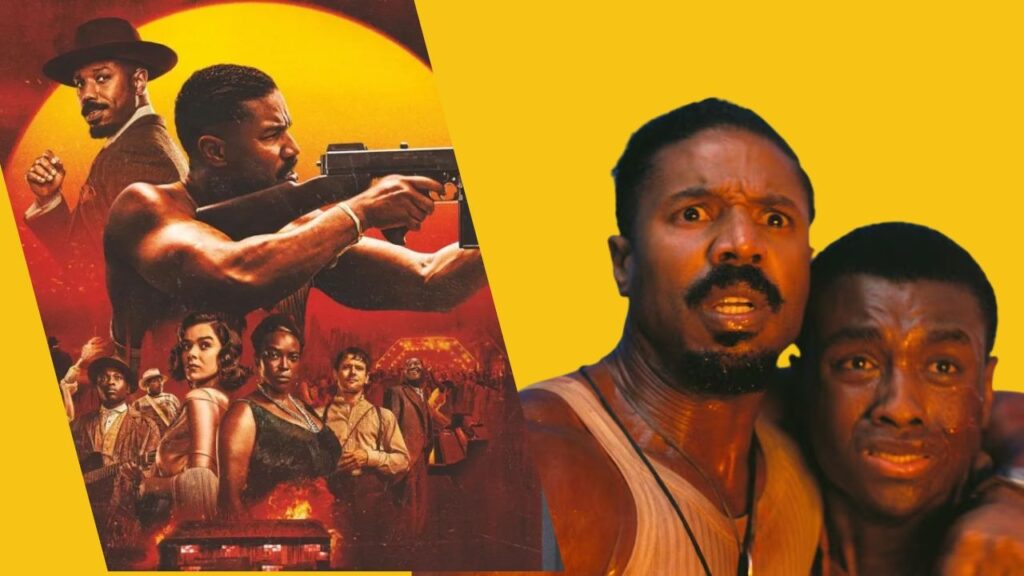
The narrative of ‘Sinners,’ a supernatural Southern Gothic tale from Michael B. Jordan and Ryan Coogler, is evolving further, and now, the hype is surrounding the music. The movie, which has already broken box office records and received high praise for its fearless delving into Black horror and spirituality, just managed to snag a historic five nominations at the 68th Annual Grammy Awards, solidifying its position as one of the most-nominated films in Grammy history.
This isn’t just about counting awards; it is a strong statement about the film’s sound ambition and how the music is integrated in the story telling of the film. The Grammy nods celebrate ‘Sinners’ in key visual media categories, showing that its influence goes well beyond the silver screen.
“Ryan and I, from the very beginning, wanted Sinners to sound like the South remembers — the pain, the hope, the hymns in the dark. These Grammy nods aren’t just for us; they’re for the generations whose voices built that sound. ” — Michael B. Jordan, in an interview with Variety.
A Soundscape That Haunts and Heals
Behind this achievement is the film’s music department, spearheaded by composer Ludwig Göransson. Göransson (who has worked with Coogler previously on Black Panther and Creed) also scored an individual nomination for Best Score Soundtrack for Film/TV. His work on Sinners has been called “haunting” (featuring a desperate gospel sound in the background connecting you into the 1930s Mississippi environment and channeling faith, sin, and survival with every note)The background music isn’t listening noise — it’s emotional, music character that defines the film.
Impact the film had on music is underscored further with three nominations for Best Song Written for Film/TV. The nominations highlight the extraordinary range of the soundtrack, which transitions seamlessly from raw, confessional spiritual blues to cinematic anthems and even poignantly emotional ballads such as I Lied to You.
This hat-trick of awards is a strong indication that the individual songs are connecting with audiences and critics both, and that they capture both the heart and feel of the film.
Also on the list is a nod for Best Compilation Soundtrack for Film/TV. This album is a powerful, generational statement that fuses traditional Southern music, gospel, blues, and contemporary voices.It’s a musical extension of the film’s world, providing a unique, culturally definitive sound rooted in the Black southern experience.
The blockbuster Grammy acknowledgement rounds out an amazing run for Sinners, which has effectively reimagined contemporary Black horror space and showcased where music, identity, and storytelling converge. It joins the ranks of legendary movies such as The Bodyguard and Purple Rain whose music outgrew their medium to become cultural landmarks.
With the 68th annual Grammy Awards coming up on 2/1/26, the pressure is all on Coogler and Jordan’s searing drama. No matter how many golden gramophone trophies it gathers, the film has already established itself as one of the sonically most ambitious and culturally significant works of its era.
At FandomFans, we believe ‘Sinners’ has done more than redefine horror and spirituality on screen — it’s transformed the way we hear them. With Ludwig Göransson’s hauntingly soulful score and a soundtrack that dares to blend genres, the film resonates with emotion and cultural depth far beyond the cinema. Its five Grammy nominations aren’t just recognition; they mark a shift in how Black narratives and music intertwine to express identity, struggle, and faith. Win or lose, ‘Sinners’ has already earned its place among culture-shaping films — one whose sound will echo long after the lights fade.
Alpana
Articles Published :
153
Alpana is Fandomfans Senior Editor across all genres of entertainment. She evolved in the media industry since a very long time, she manages the content strategy and editing of all the blogs. Her focus on story development, review analysis, and research is well-equipped that ensures every article meets the standards of accuracy and depth.
‘Wake Up Dead Man’ Review: A Bold Mystery but Missing the Knives Out Spark
"Wake Up Dead Man review: Superb performances and a bold storyline, but this Knives Out follow-up lacks the complex twists of the originals." Learn more..!
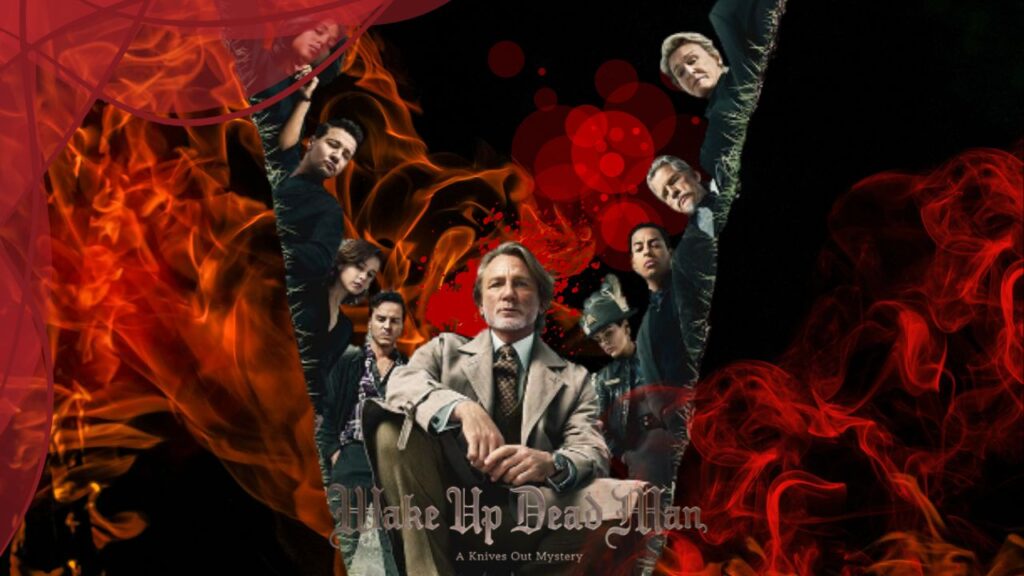
The late 2025 launch of Wake Up Dead Man: A Knives Out Mystery is a high-stakes moment for one of the greatest IPs in modern moviemaking. Taking its place as the crown jewel amongst writer-director Rian Johnson’s body of work, the Knives Out franchise hasn’t simply breathed new life into the “whodunit” genre, it has transformed it into a tool for sharp social commentary, adapting the warm tropes of Agatha Christie to unpack the unsettling realities of 21st-century American class relations.
Coming off the sleeper theatrical success of Knives Out (2019) and the opulent, streaming-centered cultural moment of Glass Onion (2022), this third entry arrives with the weight of an inherently high-stakes legacy and the burdensome $450 million payday by Netflix.
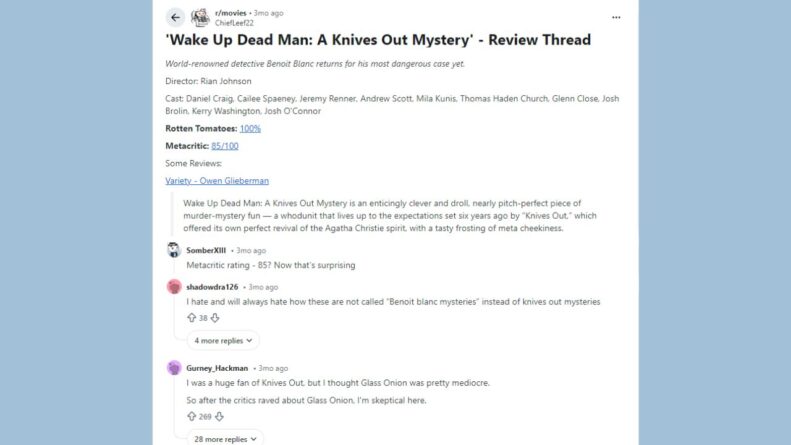
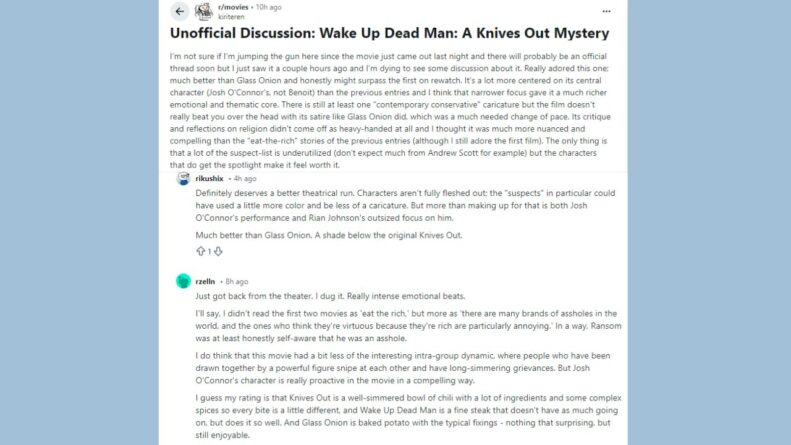
Although the film has received overwhelmingly positive ratings—for example, it currently has a Rotten Tomatoes rating of 96% to 100% in the wake of its premiere at the Toronto International Film Festival—a close read of the reviews reveals a series struggling to find new energy in its satirical bite and its narrative mechanics.
The biggest departure in Wake Up Dead Man and the cause of most critical dissent is its bold structure. Johnson seeks to destabilize the standard whodunit paradigm not in the question of who did it, but in the mode of storytelling.
Bold Structural Shift: Blanc Arrives Too Late
Everything has been turned on its head in what is being called a “subversive” and “harmful” marketing move: The franchise centerpiece, Benoit Blanc (Daniel Craig), does not show up until the 45-minute mark. This decision in narrative style changes the whole DNA of the whodunit.
Image credit: IMDb
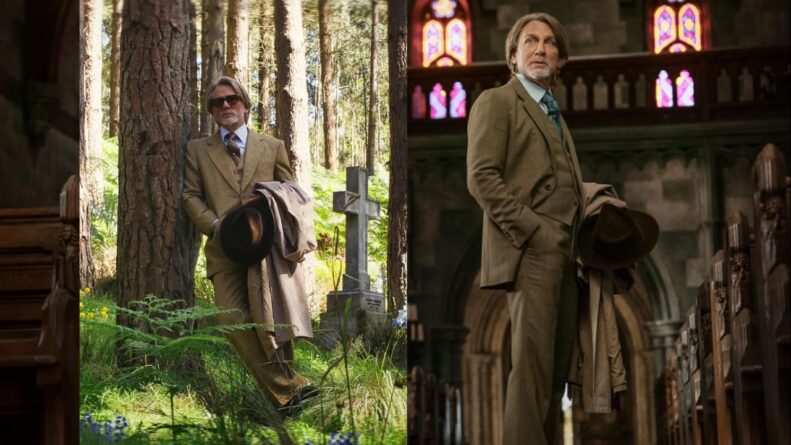
The movie devotes its whole first act to introducing the “victim,” Monsignor Jefferson Wicks (Josh Brolin), and the main protagonist/suspect, Father Jud Duplenticy (Josh O’Connor). The viewer is so deeply ensconced in the personalities of the Chimney Rock group, the history of the church and even the philosophical divide between Jud and Wicks that the arrival of law enforcement feels intrusive. The point of this construction is to give the mystery an emotional charge — the murder is not simply a brainteaser, but a tragedy involving characters the audience has come to know.
Reviewers said the first two reels of the film are slow. By the time the detective, Blanc, finally makes his appearance, most of the puzzles are already set on the table, so he’s not quite as active and important as he was in previous entries. He’s more like a “buddy cop” partner to Father Jud than the main engine of the narrative.
Image credit: IMDb
With Blanc arriving so late, the first act becomes a drama — nicely acted, but lacking the strong mystery “hook” that normally pulls audience in. That’s why they thought it was “far too long” to get truly started.
Classic Locked-Room Mystery With Predictable Twists
The movie borrows from a classic play, “the locked room” mystery, in which a murder takes place inside a church during a service and only the congregants could be suspects. The premise is entertaining — a seemingly impossible murder with no weapon or assailant in sight, inspired by old-school authors like John Dickson Carr.
Reviewers enjoyed the classic Christie-style tone, but many thought the answer was both a little too complex and still too easy to guess. Since the killer could be identified by the audience rather early on, the mystery was not very surprising and some considered the film to have lost the unpredictable energy that made the previous Knives Out films so exciting.
The film’s primary antagonist Monsignor Wicks is a gaunt, terrorized priest who wields religion as a tool of oppression, placing him among the more blatant political extremism and faith abuse in the stacked deck of the film. The movie even sets him up against the gentler Father Jud to illustrate the difference between poisonous institutions and real spirituality. But manyreviewers found the satire too on the nose and “safe.”
The portrayal of Wicks is made so blatantly villainous that the satire feels toothless and uninspired, especially when compared to the cutting, dangerous satire of the earlier Knives Out films. It makes the criticism feel routine and less hard-hitting.
Reviews say the movie is bigger than Knives Out but not as sharp as Glass Onion, and many feel it doesn’t have the tight, focused writing of the first film. It also plays it safe, leaning on well-worn mystery tropes rather than attempting to surprise or outsmartits audience.
Although the storyline can appear to be baffling at the beginning, the twists are quite predictable, which causes the mystery to be foreseeable and less emotional. Without a clever, mind blowing reveal, the ending just feels mundane.
Conclusion
Wake Up Dead Man is a “safe” triumph—a film that refines the form but loses the anarchic, punk-rock energy that made Knives Out a sensation. It’s a mystery that insists on being watched for its craft, if not one that will be viewed again and again as its antecedents have been.
Moving forward with the franchise, Johnson has a choice— he can continue his journey toward introspection and “cinema,” or he can come back to the tight, aggressive storytelling that made the original a searing experience. The “Knives” may still be out, but this time, they seem a little less sharp.
Fandomfans is an entertainment source which delivers consistently every movie reviews analysis and audience reception for a Wake Up Dead Man movie.
Mariyam
Articles Published :
75
Mariyam Khan is Fandomfans Content Writer and providing reports and reviews on Movie Celebrities, and Superheroes particularly Marvel & DC. She is covering across multiple genres from more than 4+ years, experience in delivering the timely updates.