Five Nights at Freddy 2 Is All About What Survival Takes From You

Five Nights at Freddy 2 explores the dark cost of survival, inherited trauma, and the tragic split between Mike and Vanessa in Emma Tammi’s brutal sequel.

Published: January 2, 2026, 12:55 pm

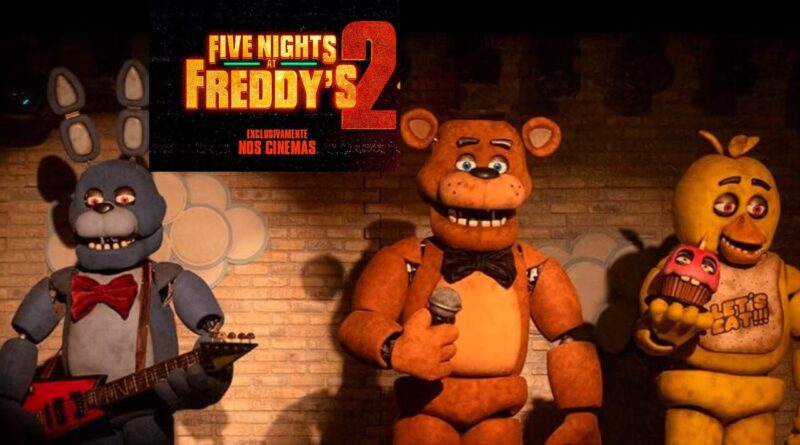
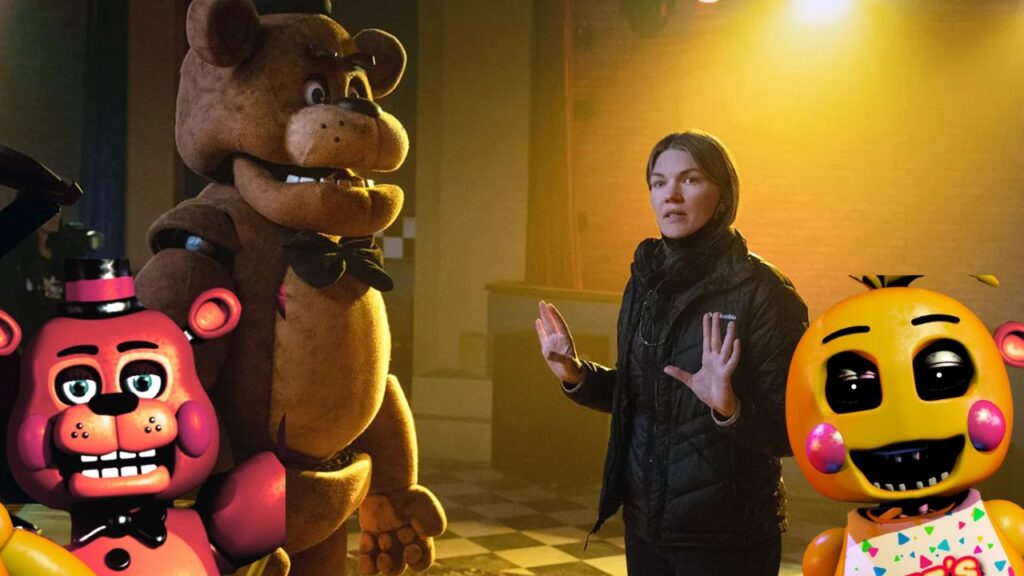
The first Five Nights at Freddy’s movie was all about survival, the sequel is a brutal education on what that survival costs. Five Nights at Freddy 2, directed by Emma Tammi, leaps beyond jump scares to unpack a far more terrifying idea: inherited trauma. At the center of this story is the deteriorating relationship between Mike Schmidt and Vanessa Afton — which evolves from a mutual “trauma bond” into an unfortunate, tragic separation.

In a bold gesture, the film takes a wrecking ball to the relationship formed in the first episode, demonstrating that occasionally, shared suffering doesn’t make for a future. 

Mike Schmidt’s Quiet Transformation

Mike Schmidt’s Quiet Transformation
Image Credit: Fandomfans

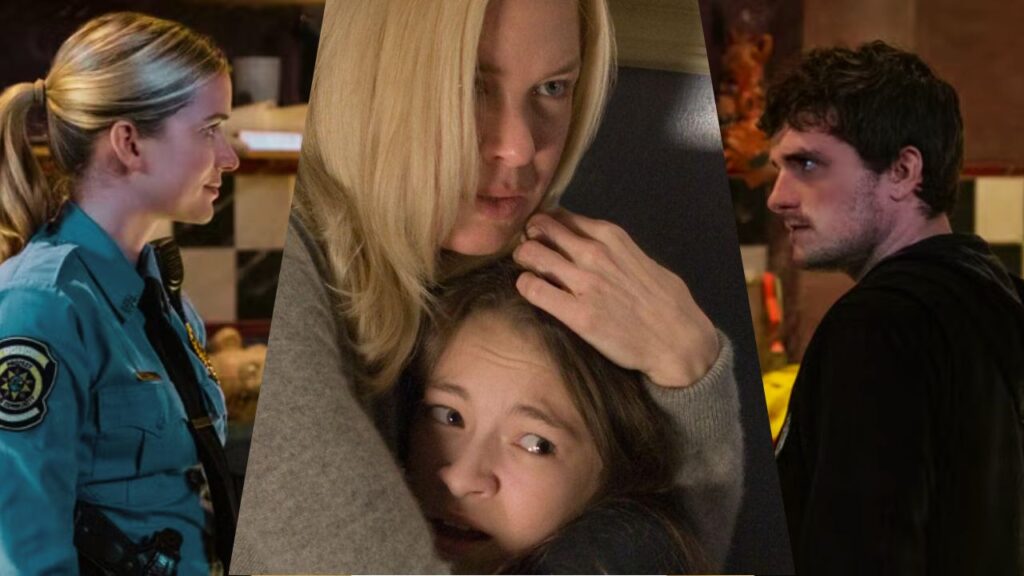
To understand the tragic ending, we have to take a look at how Mike Schmidt (Josh Hutcherson) has evolved. In the first film, Mike was frozen in time, overcome with guilt for his brother Garrett’s vanishing. Two now, the Mike we know is not the same. He has traded his obsession with the past for a fierce presence in the “now”.

Abby Changes Everything

Abby Changes Everything
Image Credit: Fandomfans

Now, he is all about Abby. This growth is necessary because it provides the reason for his final choice. Mike doesn’t want answers anymore; he wants protection. When the supernatural danger moves up from the backroom of the industrial pizzeria into Mike’s own home, Mike’s protective instincts trump his compassion. He isn’t just a brother anymore; He’s a protector who realizes he can’t save them all. 

The Fragility of a Trauma Bond

A trauma bond when the relationship between Mike and Vanessa is explicitly described by director Emma Tammi as such. 

The toughest reality those characters had to deal with was learning to trust one another again. They were the only two people who had been through what they had, and that made a bond between them like nothing else.

— Emma Tammi said

It suggests that they are also the only two people who have been through the terror of the animatronics. They feel themselves, naturally, drawn to each other. But the sequel reveals fissures in this base.

Mike vs Vanessa — Their Emotions Divide

Mike vs Vanessa — Their Emotions Divide
Image Credit: Fandomfans

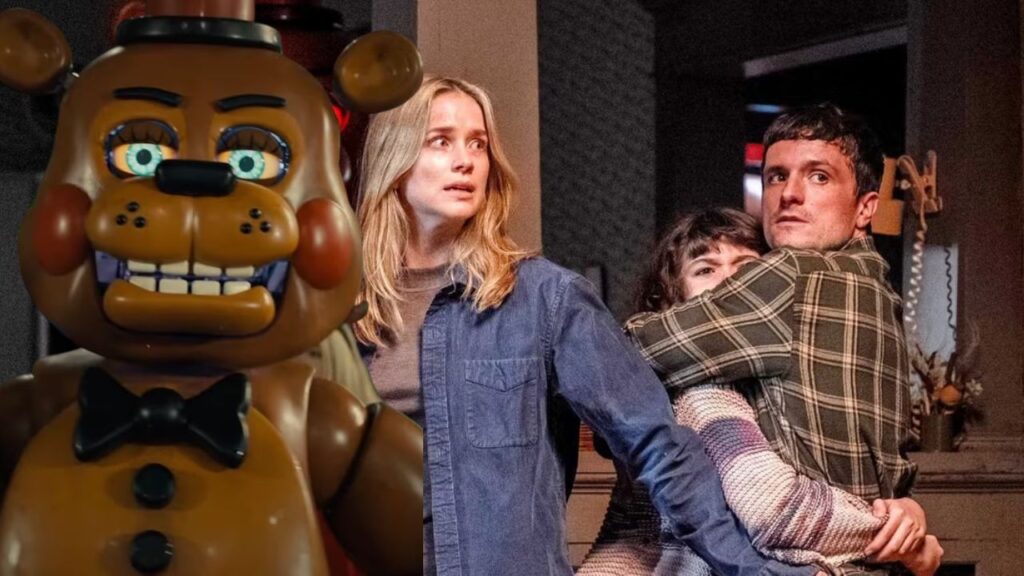
Mike recognizes that Vanessa is a victim of her father, William Afton, but he also blames her for the secrets she’s keeping. The movie asks the hard question: Is it possible to trust when what you share is fear? 

CharacterPrimary Driver (Movie 1)Primary Driver (Movie 2)
Mike SchmidtGuilt and ObsessionResponsibility and Safety
Vanessa AftonFear and ComplianceRedemption and Truth
Abby SchmidtLonelinessConnection and Agency

Fazfest Massacre Confirms Mike’s Worst Fear

The point of no return is reached with the arrival of Michael Afton (Vanessa’s brother, who has been missing for a very long time). When Michael surfaces as the heir to William’s violence, orchestrating the massacre at Fazfest, it affirms Mike Schmidt’s deepest fear: the Afton family is a “magnet for problems.”

Fazfest Massacre Confirms Mike’s Worst Fear
Image Credit: Fandomfans

In the aftermath Mike makes a controversial decision that has divided the fanbase. He tells Vanessa to “stay away.” It seems a bit cold, especially after she saved him twice, but she has to following narrative logic. “Afton rot,” as Mike calls it, is contagious. He knows that while Vanessa—as well as whatever baggage her family has—is still out there, Abby will never be safe. As Tammi put it, that was a “bridge too far.” Mike achieved his breaking point. 

The Marionette and the Ultimate Loss of Agency

The tragedy of the film’s finale is not that they separate, it’s that Vanessa is taken from her so soon. Disowned by her (surrogate) parents (Mike and Abby) and afraid of her biological heritage, she is defenseless.

“I never thought the Marionette was scary—until I saw it in person. It was huge, unsettling, and its wiggly limbs made it genuinely terrifying.”

— Piper Rubio said

As Collider shared, Vanessa, in a cruel reversal of fortune, is possessed by the Marionette, the essence of Charlotte Emily, William Afton’s inaugural victim. Vanessa had been trying to regain some of her power, to get as far away from her father’s shadow as possible for the whole movie. Instead, she is made the vessel for the violence he initiated in 1982. The final shot of her turning into the Marionette is the ultimate failure of being unable to escape legacy. 

Conclusion

Five Nights at Freddy 2 concludes on a sad note. The original specter children might have been laid to rest, but the living are left holding the pieces. Mike makes it to survival over sentimentality by cutting ties with Vanessa. It’s a brutal human moment in a movie about haunted robots.

Now the sequel informs us that trauma is cyclical. Mike breaks the cycle by leaving, but Vanessa is consumed by it. As the credits end, we’re struck by the disquieting fact that the doors to Freddy Fazbear’s Pizza never actually close — they just wait for a lull in activity to open once more. 

Fandomfans delivers the latest updates from movies, series and TV shows directly to you. For more updates, stay connected.

Mariyam

Articles Published : 50

Mariyam Khan is Fandomfans Content Writer and providing reports and reviews on Movie Celebrities, and Superheroes particularly Marvel & DC. She is covering across multiple genres from more than 4+ years, experience in delivering the timely updates.

Leave a Comment

Your email address will not be published.

Zach Cregger’s Weapons Redefines Modern Horror

Weapons Redefines Modern Horror brings a fresh wave to modern horror with methodical tension, psychological depth and bold storytelling mastery.

Written by: Alpana
Published: October 30, 2025, 11:21 am
Zach Cregger's

Zach Cregger’s Weapons Redefines Modern Horror, writer-director of the excellent first solo feature The Package, proves himself once again with Weapons in that it is one essential element that separates this film from the majority of horror movies and that is methodical, merciless dread building leading up to the shock moment. The critical consensus largely agrees that none of the film’s intensity is down to any cheap, jarring jump scares, but rather lies in the bravura skill of maintaining such high levels of tension for so long – a style that packs a real punch on screen. 

The Jump Scare as a Thematic Release

Zach Cregger’s Weapons Redefines Modern Horror ability to slowly ratchet up tension has garnered him much acclaim. It’s psychological manipulation by way of infrastructure, rather than merely a stylistic maneuver. The jump scare, a device that’s often dismissed as cliche, is intentionally employed in Weapons. A “release of all the tension that has been ratcheted up to this point” is how analysis characterises shock, which is experienced as an earned narrative climax and not a cheap jolt. This careful timing makes the scare seem inevitable, thematically significant, and according to him forever tied to the technique of building up tension. 

The film’s critical acclaim becoming evident in its high scores including a 96% rating from the critics on Rotten Tomatoes is naturally associated with the way such a cliché like the jump scare has been converted into an intellectual and emotional climax. The shock is completely justified because you need a long, often five-minute buildup before the scare, and that builds its thematic punch way beyond its passing visceral wallop. 

Weapons owes much of its place in the vanguard of contemporary genre criticism to this method. This is a wildly satisfying antidote to the last 10 years of horror movies about grief and trauma, critics have lauded. Cregger channels the genre toward an externalized terror that is viscerally immediate and relevant in today’s world by focusing its horror apparatus on urgent, collective, and existential thematic drama, as opposed to simply resting on metaphorical grief. 

The Mechanics of the Five-Minute Fear

Zach Cregger’s Weapons Redefines Modern Horror buildup is a deliberate act of mind games, using tools meant to train the audience to expect something non-stop. The director takes advantage of multiple fakeouts before the real scares, which are described as the warm up

The Mechanics of the Five-Minute Fear

Zach Cregger’s Weapons Redefines Modern Horror, in particular, parallels the characters’ emotional vulnerability with this physical immersion. The camerawork emphasizes the isolation and paranoia of Justine. Following a harrowing and emotional monologue in which he is sorry for his failings as a dad, Archer then gets a jump scare. In this way, the camera work upholds the movie as a cerebral, meticulously rendered drama in which technical fear serves thematic purposes by mutating the shock of a conventional fright into a highly personal violation of an aspect of the character’s internal struggle. 

The Thematic Weight of Weapons

The horror works because it stems from a mass psychological unraveling, which also offers an explanation for the movie’s endless sense of dread. Cregger’s eye is on the resulting disintegration and decay of the social order, how the town breaks apart and goes on witch hunts against suspects, including the teacher Justine Gandy. The complete isolation endured by Justine, with no community to back her up, offers a powerful exemplification of the film’s main thesis: isolation can drive people mad, and the communal response to trauma is where a second round of horror arises. 

The Thematic Weight of Weapons

By frequently changing perspectives and depicting the menace as having an impact on several, diverse individuals, Cregger maintains the audience’s engagement with the trauma experienced by the town as a whole, allowing tension to be drawn out during the length of the movie. Terror is thus understood as a society-wide infectious disease, which is far more disconcerting than a regional monster. 

Narrative Function of the Villain

The origin of the supernatural horror is none other than Aunt Gladys (Amy Madigan), who orchestrates the weaponization of the children. Amy Madigan’s performance has garnered critical acclaim, with some critics lobbying for award recognition. That’s partly because her performance is so effective that the villain isn’t just a monster, but a searing, shockingly tangible instrument for psychological torment. 

Read More:- What Brings Colin Farrell Back to Matt Reeves’ Batman Universe

Conclusion

Domestic terror Weapons gets an even better kind of shock because Zach Cregger purposefully creates and maintains an intense sense of dread until he wields the jump scare like a precision instrument. The film’s scare factor is born of its method, not its madness. 

Weapons confirms Zach Cregger’s Weapons Redefines Modern Horror as a powerhouse voice in horror whose brilliance comes from his dedication to inserting deeply emotional relationships into terrifying survival and mystery narratives that makes the genre feel both immediate and intelligent. The film’s strong business and critical success, as a big-budget, original outing by a major studio, demonstrates that this intellectual, meticulously paced brand of horror is not only sustainable, but perhaps a major new template for top-notch, high-budget event horror pics going forward. 

Alpana

Articles Published : 91

Alpana is Fandomfans Senior Editor across all genres of entertainment. She evolved in the media industry since a very long time, she manages the content strategy and editing of all the blogs. Her focus on story development, review analysis, and research is well-equipped that ensures every article meets the standards of accuracy and depth.

Leave a Comment

Your email address will not be published.

‘Spiderman 4’ Official Synopsis Revelation of Theme of “Peter Parker is no more”

The revelation of the official synopsis for Spiderman 4 "Peter Parker is no more." creates a buzz around the MCU fandom before Spider-Man: Brand New Day trailer

Written by: Mariyam
Published: February 23, 2026, 5:49 am
Spiderman 4

History’s largest movie franchise, the Marvel Cinematic Universe (MCU) is going through a massive shift as it nears the end of its Multiverse Saga. Topping this change is Marvel’s biggest and best-loved hero: Spider-Man. Spiderman 4 to be released worldwide theatrically on 31 July 2026, the fourth MCU Spider-Man movie has been officially named Spider-Man: Brand New Day.

It isn’t just “another sequel” — it’s the 38th film in MCU timeline, and a direct lead-in to the big crossover event Avengers: Doomsdays.

A flurry of excitement was unleashed when the movie’s official synopsis was inadvertently revealed via a product listing for a Penguin Random House art book, Spider-Man: Brand New Day – The Art of the Movie. The line that caught everyone’s attention was a haunting: 

“Peter Parker is no more.”

That one sentence sent tremors through fans, the media, and those within the industry. It’s pointing to more than the usual character arc and it’s pointing to a total identity change, emotionally and psychologically. This is more than Spider-Man growing up now, isn’t it? Not killed, died, it’s just the disappearance of Peter Parker, it’s more terrifying than the end of Spider-Man. 

Direction and Production

Under the direction of Destin Daniel Cretton, the film will be darker and grounded, more vigilante and less friendly neighborhood hero. Based on early production details and story speculation, Spiderman 4: Brand New Day will be an extremely emotional tale of loneliness, and identity. Peter isn’t just battling bad guys anymore — he’s battling his own humanity.

What Marvel is building here is so much more than action and spectacle. Marvel Studios and Sony Pictures seemingly are “resetting” Spider-Man’s emotional core, at least intentionally. The familiar high-school coming of age story is being eschewed for something heavier, rawer and more adult — a story about trauma, sacrifice and psychological survival. 

What Official Synopsis of Spiderman 4 Says

The synopsis has it clear that this is definitely not anyday Spider-Man tale. Spider-Man: No Way Home was four years ago, and the now-locatable Peter Parker is a mere memory on the other side of the world. Only Spider-Man, no family, friends, or corporeal identity. 

In New York, he’s now working alone. Gone are his friends, his family, his name – all that’s left is Spider-Man. “Without a personal life to protect, he is quicker, more ruthless and more experienced than ever.

Official Synopsis of Spiderman 4 Says

He’s no longer a confused teenager — he’s now a hardened, full-time vigilante. The time jump is realistic too. It is a natural progression for Tom Holland’s aging and for maturing Peter to make the transition into early adulthood, skipping the emotional chaos that comes after the memory spell. Rather than showing his collapse, the narrative shows the damage: a tougher, emotionally distant Spider-Man, hardened by years upon years of isolation. 

Plot Centered on Detective Spiderman

There are fewer threats at the multiverse level within the narrative itself. The movie deals with a cloak-and-dagger crime spree, not a world-demolishing bad guy, so this is going to be more solid, detective fiction. Besides punching, this spider-man is investigating, following leads, and going undercover in mob organizations. It’s closer to home, street and noir.” 

Plot Centered on Detective Spiderman

Doctor Strange has rendered Peter Parker a stranger to all’s memory, but the past is still not forgotten. The consequences of what Spider-Man has done in his past are coming back to get him. His superhero history is authentic, and those he hurt, or who were aided by that, still haven’t forgotten Spider-Man.

That’s where guys like Mac Gargan (Scorpion) from Spider-Man: Homecoming comes back into focus. It suggests that his old enemies, past business and past pain could return to haunt him. 

Peter Parker Lost His Way Home

The line “Peter Parker is no more” is not meant to be read literally—it is psychological. Peter isn’t murdered as a human, but he has emotionally erased himself. Instead of starting over, Peter refuses to start over. He’s lost faith in the idea that loving people doesn’t just lead to them getting hurt — the safest recourse is to stop being human and exist only as Spider-Man.

Now, he doesn’t try to live a normal life. No college, no relationship, no friendship. He lives a double life no longer — the mask is the man now. To be Spider-Man is his way of coping, his punishment and his salvation. Fighting crime is the only thing he has to live for. 

Peter Parker Lost His Way Home

That’s why the story is deeper and feels darker. This Spider-Man belongs much more to the characters Batman or Daredevil are: lonely, obsessive, isolated and anxious, shaken by trauma not inspired by hope. It’s a big shift from the light, teenage, fun version of Spider-Man we saw before.

Even Tom Holland has said that this film is like a rebirth and not just a sequel — it’s the start of a new chapter for the character.

Fans are divided. Some have embraced the darker tone, more mature writing(yes, that’s definitely subjective), and want to see a Spider Man forged through actual loss and sacrifice. Others fear the loss of what made Peter unique – his warmth, his kindness, his human quality. Many expect the real emotional fight of the film to not be battling bad guys but answering one question:

Could Spider-Man Live Without Peter Parker? 

Destin Daniel Cretton Vision That Change Spider-Man’s world

The darker, moodier tone of Brand New Day has its roots in one man: Destin Daniel Cretton. Following Jon Watts’ departure, Marvel handpicked Cretton – intentionally, not to revisit the old style, but to alter the very tone of Spider-Man’s universe.

Cretton (Shang-Chi and the Legend of the Ten Rings, the upcoming Wonder Man) has said that the goal was to build something that “feels different”. 

The earlier Spider-Man movies were brightly lit and colorful and fast and fun — teen comedies with giant action scenes and global adventures. 

Cretton’s point of view is entirely different. His direction is always character based and personal and with a grounding in reality. Spiderman 4 will be darker and leaner and more personal and taking place primarily in the streets, shadows, and the unvarnished actuality of New York. Swap the dazzling graphics and global chaos of the original for a more laid-back style. 

Spiderman Facing Street Criminals This Time

What Brand New Day wants to do is bring Spider-Man back to his roots. No mystical portals, no alien invasions, no multiverse business. This is a story of crime and double-cross in the underworld of the city.

Spider-Man is up against a whole crime organization – a tiered system of gangs, mercenaries, and crime lords – not just one supervillain. “It’s just not about cosmos anymore.” The plan is to take over and demolish New York’s subterranean, rack by rack. 

Spiderman Facing Street Criminals This Time

The threat is Michael Mando’s version of Mac Gargan (Scorpion) He’s unresolved business, not just a baddie. His hatred towards Spiderman 4 was established in Spider-Man: Homecoming and now that Peter Parker is dead, his rage is only directed at the mask. This is personal, physical, and emotional danger. 

Then there is the Lonnie Lincoln (Tombstone) — the mob boss persona. He is predicted to be the brains of the city’s criminal world: savage, potent, organised and strategic. He is “the system that Spiderman 4 is fighting, not just some guy.” Well, yes he is …

And then there are other villains adding layers to the peril:

  • Boomerang – a mercenary type, better known as a criminal and thief
  • Tarantula is a deadly fighter who engages Spidey in savage hand-to-hand combat.
  • Mister Negative – alleged to be the secret power behind the throne, the corrupter of men and disseminator of moral rot as opposed to just violence.

No More CGI Battles

They’re a crime buffet, not a single entree of serving an adversary. Spider-Man isn’t going to go up against one villain, he’s going to go up against a crimelord organisation. 

It changes everything about the action and tone. The fights won’t be flashy CGI battlegrounds; they’ll be raw and tiring and physical and dirty. Without Stark tech and without Avengers backup, Peter has only his body, his mind, and his will. 

The Thematic Foils

Spiderman 4 is emotionally isolated in his own world, but not in the MCU. Brand New Day (the second arc in Spider-Man’s new ongoing series) will introduce two major Marvel characters — and they aren’t cameos.  

Hulk: Losing Control

Hulk reverting into the Savage version is an interesting choice for Marvel to go with, especially in light of Spider-Man’s own dilemmas. The change that Bruce Banner undergoes to become an unstoppable force is similar to the metamorphosis Peter Parker goes through from ordinary teenager to masked avenger. It’s a poignant examination of how the measures of heroism shift-morphe-and eat-up-hero. 

Spider-Man vs. the Hulk two men down and struggling with their own inner demons, not a contest of muscle. Given that they are both struggling with issues of identity and control, their battle may be a meaningful metaphor for trauma and holding on to your humanity even when your world is shaking. 

This narrative possibility is above the action – it looks at the cost, emotionally and psychologically, of being a hero and is a winning narrative for either character’s fans. 

Punisher: The Boundaries Spider-Man Must Respect

The ultimate in unhinged vengeance is the Punisher, Frank Castle, a deadly vigilante. He’s not a cagey or runner type, but more of a kill-em, throw-em, take-em, be-his-merciful-breath guy, which definitely is not Spider-Man’s style. What he does is a horrifying version of what trauma can do. 

The Punisher is to Spider-Man what Venom is to Spider-Man – a dark reflection, what he might be if he had no morals. Three times over, Peter Parker is lonely, angry and heartbroken, and that blur between hero and executioner becomes terrifyingly real if grief turns into rage. 

The Punisher is a warning: a stark cautionary tale about what happens when you lose yourself in vengeance and anger. For Spider-Man, the thing that kept him from doing that, even when believing that life had the value, even – for those who do wrong – was Why Won‘t You Punish Them. 

Sadie Sink Casting Enigma in Spiderman 4

One of the great enigmas in Spiderman 4: Brand New Day is Sadie Sink and who she’s portraying. Marvel has kept her role under wraps and that silence has only fueled the speculation. Industry insiders even suggest her character could influence the future of Marvel in a big way, hence the internet’s obsession over this casting.

There are a bunch of theories, but they can be sum up as two main zones:

The “Big Multiverse” Theories

Others say she could be some big cosmic or multiversal figure — such as Shathra or even Jean Grey. These concepts derive from leaked dialog and Marvel’s plans for mutants and multiverse arcs long-term. 

Adding omega-level or godlike mutants would completely disrupt the tone of the movie. It was going to be so wide-ranging, so cosmic,and too disconnected from the personal, poignant story that Spider-Man tells. 

The “Grounded Street-Level” Theories

There are other theories that are far more appropriate to this film’s vibe. Characters such as Rachel Cole-Alves, Kitty Pryde or Firestar would fit right in in a street-level Spiderman 4 book. These are officials in the Punisher world, mutant plots, or classic Spider-Man lore — but they never overpower the narrative.

The coolest theory isn’t that she’s a cosmic goddess or multiversal entity — it’s that marvel is purposely misdirecting people. Fake dialogue, managed leaks, and misinformation are part of the ruse to keep the actual narrative from being spoiled.

What sounds most like this is:

Sadie Sink doesn’t play a character who will be blasting the multiverse to bits, she’ll be blasting Peter. If anyone was going to question the line “Peter Parker is no more”, it would be this character and the challenge won’t be for power, but for connection. 

Read More  👉 George RR Martin Narrative Parallels Between Baelor Breakspear and Oberyn Martell

From One More Day to ‘Brand New Day’

The Spiderman 4: Brand New Day title isn’t just title whiplash, it actually does have a basis in Marvel Comics history. That title brings back many memories for Spidey fans, plus it’s a pun on the Brand New Day comic arc. 

The Comic Story Fans Hated

In the comics, Brand New Day was set after a story arc called One More Day and the fans despised it. Because: 

In that story, Peter bargains with Mephisto (Demon) for Aunt May. And for that wish he had to sacrifice his marriage to Mary Jane Watson annulled, and erased the world’s knowledge of his secret identity.

The character reset Spider-Man’s life back to the days when he was single, broke and struggling — but fans said it was lazy and forced and disrespected the growth of Peter’s character. It resolved major emotional troubles via a way-too-easy magical fix instead of real storytelling. 

MCU Did It the Right Way

Peter Parker exemplifies the heroism of the greater good by sacrificing not just his identity, but the personal relationships that he had cultivated with MJ, in doing so showing what it truly means to be a hero. 

That decision adds much more weight to the narrative, making his death not just a handful to keep the plot moving, but a genuine, impactful gut punch to the story. 

Why the Title Matters

By using the ‘Brand New Day’ title, Marvel is making it clear that there is a clean slate Spider-Man story starting now. It’s about a new day, a new start crafted with emotional resonance and purpose, and with absolute respect for the history of the character. It gave the fanbase the assurance that these changes were well thought out and true to the spirit of Spider-Man’s journey. 

Why Brand New Day Official Trailer Missed from Super Bowl

The Spider-Man 4 story was not announced with a big Marvel press release – it leaked out via a Penguin Random House listing for a Marvel art book. Instead of damaging the film, the leak only increased hype, with fans swarming Reddit, X, YouTube, and news sites with theories and excitement and none of it actually paid for by Marvel.

Marvel has also intentionally postponed the release of the trailer. It didn’t run in the Super Bowl because of that. This is a plan, not an incident of happenstance. They’re creating a hype before the launch of its trailer just like they did before with Spider-Man: No Way Home 

Conclusion

Spiderman 4 ensures a full, uncompromising, exploration of the mind-bending effect of heroism, revealing in brutal honesty that although the public may desperately need a saviour, the act of saving forces the self to be completely destroyed. 

With the July 2026 release date of Spiderman 4: Brand New Day now only around the corner, the global entertainment industry is eagerly watching to see if this bold psychological and tonal shift will catch an audience presumably expecting the traditional, friendly neighborhood Spider-Man, or instead be met with a shattered man grasping at a mask. 

Fandomfans delivers the updates from movies that cover every corner of the story.

Mariyam

Articles Published : 50

Mariyam Khan is Fandomfans Content Writer and providing reports and reviews on Movie Celebrities, and Superheroes particularly Marvel & DC. She is covering across multiple genres from more than 4+ years, experience in delivering the timely updates.

Leave a Comment

Your email address will not be published.