Harlan Coben is back with a new thriller series on Netflix, and this time he’s leading you into the secret, distorted world of Run Away. ‘Run Away’ is adapted from the 2019 novel of the specified name, with a stellar cast bringing its complex characters to life. Limited to one season of eight episodes, the series has held the attention of viewers by way of compelling storytelling and performances. If you’ve already watched the show or are about to watch the show, the cast and their characters will definitely make an impact.
The Core Cast
James Nesbitt is at the forefront as Simon Greene, whose life appears perfect until his oldest daughter Paige disappears. Nesbitt, who has played winning roles in other Coben adaptations like Missing You and Stay Close, lends a remarkable depth to a desperate father. Coben also commented on Nesbitt’s versatility, saying:
“There’s a naturalness to him that comes with an ease and warmth, so that you find yourself rooting for Simon — even when you know he’s making all the wrong choices.”
Minnie Driver is Ingrid Greene, Simon’s wife, who keeps the family stable as her husband descends in peril. Driver (The Serpent Queen, the iconic Good Will Hunting) brings emotional heft to the home front chaos at the core of this thriller.
Ellie de Lange is the daughter who had runaway, now a character with addiction issues and secrets, Paige Greene. Coben personally chose de Lange from a multitude of audition tapes, and lauded her strength and vulnerability as an actress – a fine balance key to Paige’s character arc.
Ruth Jones stars as Elena Ravenscroft, an ex-cop-turned-private-eye. Her new case, a missing person, intersects with Simon’s own desperate mission and sends them both hurtling into a labyrinth of mystery and intrigue.
Alfred Enoch (Dean Thomas in Harry Potter) stars as Detective Isaac Fagbenle, who is looking into the murder of a drug dealer, Aaron Corval. When a viral video puts Simon at the center of the crime, Isaac’s pursuit gains momentum—especially as secrets from his past threaten to compromise the case.
Lucian Msamati (Conclave, Gangs of London) is Cornelius Faber, a former soldier now residing in the Marinduque Estate. Cornelius ends up becoming Simon’s friend and confidante, but the unpredictable nature of the former makes for some nervous moments. Msamati describes the character as “a storm waiting to happen.”
The Darkest Elements of ‘Run Away’ on Netflix
The show manages to bring genuinely unsettling characters to life, thanks to Jon Pointing as Ash and Maeve Courtier-Lilley as Dee Dee — two assassins who were raised in foster care and now run around the country wreaking havoc together. Coben characterizes them as
Like a couple plucked from True Romance or Bonnie and Clyde, they’re clearly off the rails — but the way they make their getaway is completely spellbinding.”
Conclusion
The ensemble is further bolstered by Tracy-Ann Oberman as Simon’s barrister Jessica Kinberg, Annette Badland as Lou, and Amy Gledhill as Detective Ruby Todd. Each character in this elaborate web of secrets and lies is needed to bring the story together in ‘Run Away’ on Netflix.
Run Away, the latest from Netflix based on the novels of Harlan Coben, shows us once again why he’s the king. With this all-star cast riveting performances, viewers are taken on an unforgettable journey into darkness and despair. The series is now available to stream on Netflix, which is ready to you keep you busy on your next binge-fest.
Dive deeper into the details of movies and series with Fandomfans. Keep connected to get the latest updates.
Alpana
Articles Published :
167
Alpana is Fandomfans Senior Editor across all genres of entertainment. She evolved in the media industry since a very long time, she manages the content strategy and editing of all the blogs. Her focus on story development, review analysis, and research is well-equipped that ensures every article meets the standards of accuracy and depth.
‘The Hunting Party’ Returns for Season 2 With Melissa Roxburgh
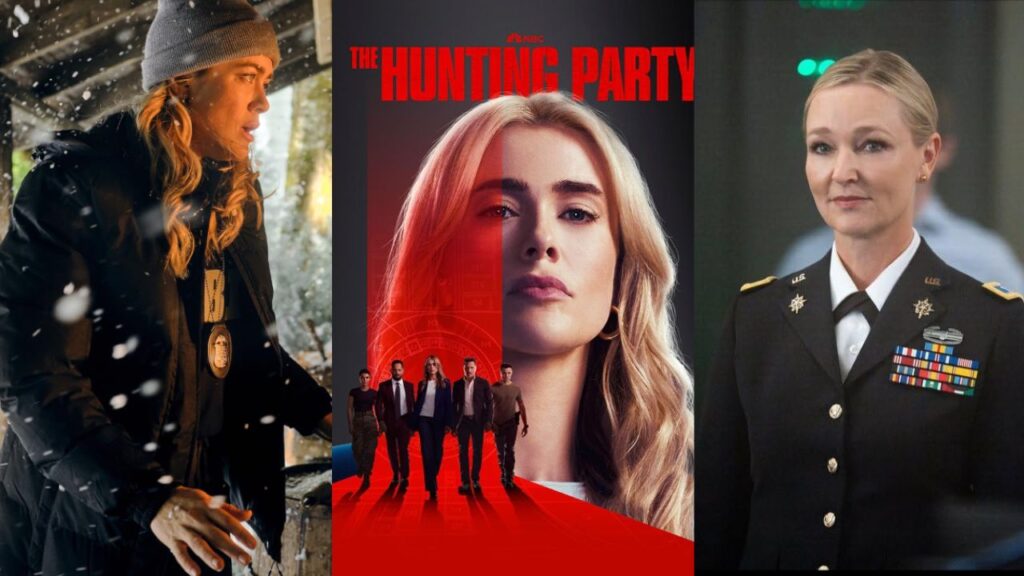
The Hunting Party Season 2: NBC’s The Hunting Party season 2 will come 2026 for the fans as Melissa Roxburgh responds to the reviews, Reddit opinions, more!
The Hunting Party Season 2: If you were on Reddit last year, you probably caught the headlines: NBC had a new thriller, and it was at a rare 0% on Rotten Tomatoes. For the majority of programmes, a score that is “perfectly bad” will mean the end. But The Hunting Party didn’t just survive—it thrived, amassing a devoted following that bolstered its ratings to the mid-4-million range and secured it a second season.
Now that the series is coming back to NBC (January 8, 2026), leading lady Melissa Roxburgh is at last addressing that bumpy beginning, and her perspective is refreshingly blunt.
Melissa Roxburgh on Critics: “It’s Not High Art”
In a recent sit-down with ScreenRant, Roxburgh (who plays FBI profiler Rebecca “Bex” Henderson) was unflinching about the critical planning. In fact, she laughed it off.
“Everything will get criticized, people are owners of opinions, But it’s “not like it’s high art.”
—-Roxburgh said.
Her philosophy shows that series stays “entertained” by serial killers and true crime genres. It’s a “spook before bed,” with killers who are, in her words, “weird as heck.”
In giving itself over to the campy, dark and often batshit crazy antics of its “super-predator” baddies, the show carved out a niche that professional reviewers initially overlooked.
Reddit’s Split Verdict — From Hate-Watching to Loyalty
The schism between the two camps could not be more clearly illustrated than here on r/television. Some users branded the first season “embarrassing” or a “bootleg version of Criminal Minds,” but as the season went on a small group of defenders began to coalesce.
Many fans said the series hits its stride around the fourth episode. On Reddit, popular threads on the show include:
The “So Bad It’s Good” Factor: Someone called it “Warehouse 13 but with serial killers,” pinning it as “dumb, but I like it.”
Stick with it for the first three episodes — that’s when the show finally finds its feet, and starts coming together.
The “Manifest” Vibes: Fans of Roxburgh’s previous hit, Manifest, have flocked to the series, defending her performance to detractors that labeled it “wooden.”
Season 2 Raises the Stakes With Stranger Killers and Bigger Mysteries
Season 1 concluded with the large question of what would happen to Oliver Odell (Nick Wechsler) and what exactly the Lazarus’ intentions were.
NBC has greenlit the second season of this drama with a larger episode order and production moving from Los Angeles to New York City. We can expect:
More ‘Odd’ Cases: Roxburgh teased that the killers are even more bizarre this season, noting
One case involves victims being “trapped in resin.”
Star Power: Travelers and Will & Grace star Eric McCormack joins the cast as a serial killer who targets women seeking love.
The Mystery of “The Pit”: The would-be all out vigilante team is going more and more rogue to expose the secret prison that is at the heart of the government conspiracy.
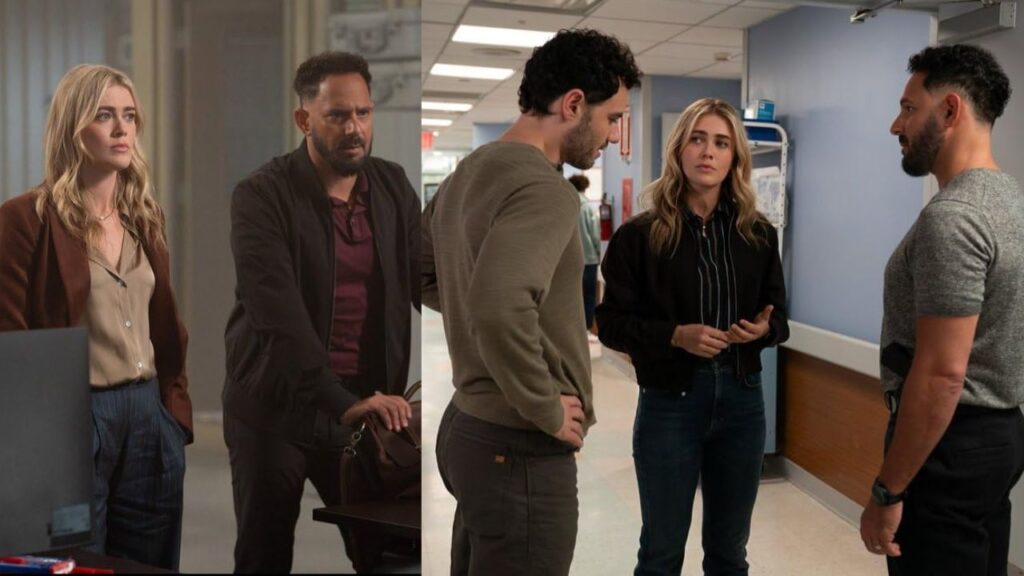
FBI Team in The Hunting Party
Whether The Hunting Party will ever win over the critics remains to be seen, but for the fans who love a good, creepy procedural, the hunt is just getting started.
Conclusion
The Hunting Party Season 2 would never be a darling among critics, but its survival and revival demonstrates audience connection means more than initial reviews. It found its audience by embracing its pulpy, true-crime-meets-camp identity and viewers were going to have to accept the show’s flaws and oddness. With an extended second season, weirder cases, and a further exploration of its central conspiracy, Season 2 can really cut what already works. For those who enjoy their dark procedurals with a bit of chaos on the side, the chase isn’t over — it’s just getting a little crazier.
Fandomfans provide all the latest updates from movies, series and celebrities directly to you.
Mariyam
Articles Published :
77
Mariyam Khan is Fandomfans Content Writer and providing reports and reviews on Movie Celebrities, and Superheroes particularly Marvel & DC. She is covering across multiple genres from more than 4+ years, experience in delivering the timely updates.
The oil fields in Texas aren’t the only things rumbling — Season 2 of Landman has arrived to a whirlwind of reactions. In a new interview with Collider’s Steve Weintraub, lead stars Demi Moore and Ali Larter discussing the high stakes of the new chapter and the controversy surrounding it. The audience score, however, is pretty brutal at just 35% on Rotten Tomatoes. But Moore and Larter insist that Season 2 “gets rid of Taylor Sheridan’s biggest criticism,” promising more character development at the center of the story.
Dispelling the Static Character Critique
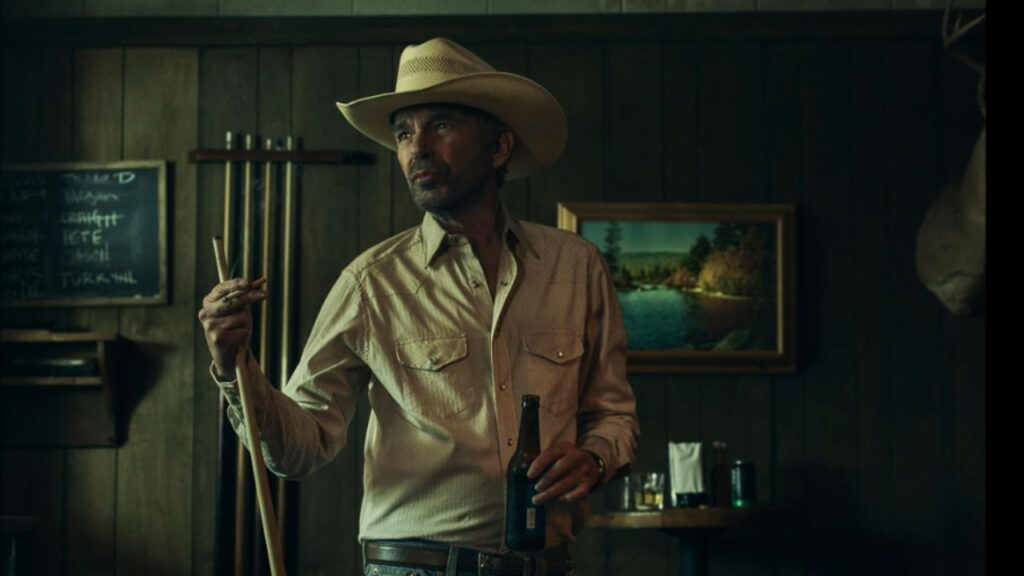
A recurring criticism that is made about the “Sheridan-verse” is that its supporting characters, and specifically the women, are subject to stagnation.This was made a particular point of criticism in Landman Season 1 documentation, with Ali Larter’s Angela Norris—ex-wife of lead protagonist Tommy Norris (Billy Bob Thornton)—and her daughter Ainsley noted they changed (relatively) little despite upheavals.
“Larter and Moore have said that the first impression is a long game to have the biggest dramatic effect with it.”
The characters, in particular Angela — who is back home on a more permanent basis are revealed at their most unstable, a creative decision that has occasionally turned off early viewers who let loose with uncontrollable reactions to certain scenes in the premiere. Co-star Michelle Randolph (Ainsley) on her character’s journey.
Image credit: IMDb
This arrangement frames initial disappointment as a purposeful narrative groundwork for subsequent, more satisfying development, suggesting the characters’ complexities are a slow burn that anticipates viewer buy-in.
“Then you’re able to watch 2 women who are fierce in different ways on the same show and that’s something I think that we love and kind of relate to.”
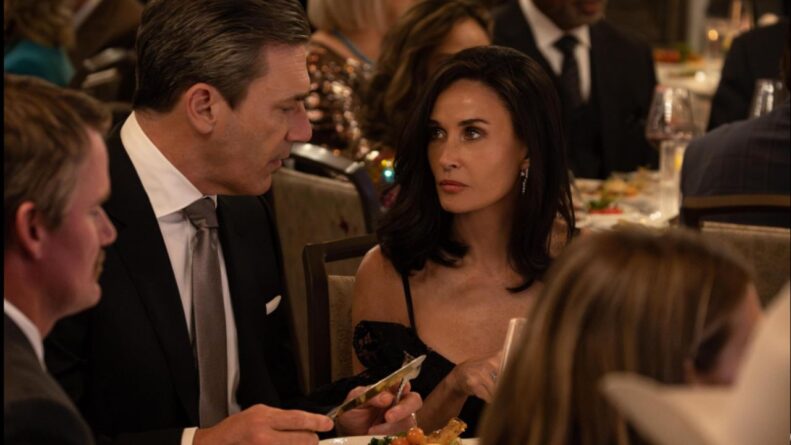
Most importantly, the show is quick to address what seemed like a waste of Demi Moore in the previous season. In Season 1, her recurring role as Cami Miller was minimal, which prompted “flak” from viewers. After a death, Cami assumes a powerful new post as co-head of M-Tex Oil with Tommy Norris, which gives Moore not only the spotlight but the professional freedom her character had never before enjoyed. The change of focus is a clear signal that it intends to grow the range of female leaders and complexity within the cutthroat Texas setting.
An Upcoming Emotional and Heartbreaking Journey
More to do with the structure-defense of the writing itself, but Moore and Larter did vow that the payoff for viewer patience would be well worth it. They echoed the sentiment that fans need to
“brace themselves for an extremely intense, heartbreaking journey ahead”.
The story in Season 2 is largely a clash between the “high stakes competitive oil business” and a “fragile family dynamic.” Cami’s rise into corporate power and Angela’s fraught reunion with her familial unit are the central conflicts. In the boomtown economics of West Texas, where a single “gusher can build empires or shatter lives overnight,” the emotional toll is high.
Image credit: IMDb
By calling the season “heartbreaking,” the actors are signaling that the growth of the characters will be hard-fought and that the brutal realities of the business will be tied to personal upheaval for the protagonists.
Crossover Wishes and Career Foundations
In the interview, the stars also talked about their past and what they wanted for the future of the linked Taylor Sheridan world.Larter and Mooreprovided anecdotes about the “projects that changed them as actors and people” that they bring into their current Landman roles.
“that was such an interesting script in the way that he approached that world. It was raw, and it was edgy, and it was vulnerable. I’m going there.”
Moore’s Landman appearance comes on the heels of a career-defining moment, having received praise and an Oscar nod for her turn in the 2024 horror film The Substance. This outside affirmation serves to reinforce the dramatic heights she takesCami Miller to in the expansion of Season 2.
The discussion naturally came around to the possibility of crossovers with other Sheridan series. And although Billy Bob Thornton has previously expressed interest in a darker crossover with Mayor of Kingstown, co-creator Christian Wallace has expressed interest in bringing back 1883 stars Tim McGraw and Faith Hill with Thornton in Landman , illustrating the recirculating talent pool and how easily these stories cross paths.
The message Demi Moore and Ali Larter want to send is clear, Landman Season 2 is all about building on character. Though the initial audience score is low, the actors promise that the characters are not static, changing dolorously and dramatically through the season. The critical consensus, calling Season 2 “stronger than the first”, supports the expectation that emotional and developmental payoff for Cami and Angela’s high-stakes journey is around the corner. Fans who are patient enough to travel the difficult road from “point A” to “point Z” will find their patience rewarded.
Fandomfans love diving deep into the worlds that fans obsess over. We deliver breakdowns, character guides, reviews, and updates that help you stay ahead of the curve.
Alpana
Articles Published :
167
Alpana is Fandomfans Senior Editor across all genres of entertainment. She evolved in the media industry since a very long time, she manages the content strategy and editing of all the blogs. Her focus on story development, review analysis, and research is well-equipped that ensures every article meets the standards of accuracy and depth.