Home > Movies > Best Sci-Fi Fantasy Movies of 20th Century with..
Best Sci-Fi Fantasy Movies of 20th Century with High-Concept Philosophy
Explore the Best Sci-Fi fantasy movies in 20th century, such as The Matrix and Blade Runner, that combine philosophy, originality and timeless storytelling.
The best sci-fi fantasy movies grain late in the 20th century is wonderful, there’s no denying it. It was a time for practical effects combined with high-concept philosophy, and when “Science Fiction” and “Fantasy” weren’t just about spaceships or swords—they were about what it means to be human.
When we look at some of the absolute giants in the genre, these not only are movies – they are our collective cultural dreams. Take a stroll down a curated list of masterpieces that defined generations.
The Reality Shapers
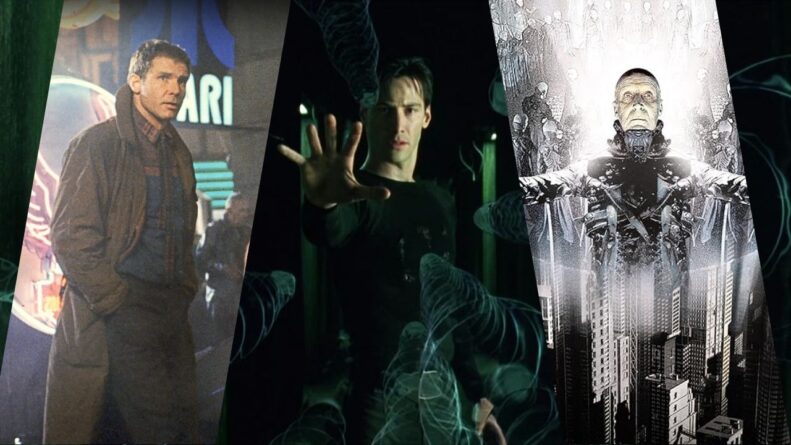
The Matrix—1999
Aspect
Details
Directors
Lana Wachowski /Lilly Wachowski
Release Date
31/March/1999
Runtime
136 minutes
Genre
Science fiction, Action
Neo
Protagonist, hacker turned “The One” who bends Matrix rules; played by Keanu Reeves
Trinity
Skilled hacker and fighter, Neo’s ally and love interest; played by Carrie-Anne Moss
Before smartphones and everyday online availability existed, The Matrix was an audience mind-melter: What if none of this is real? The film was memorable not just because of its iconic leather trench coats, or pioneering “bullet time” sequences.
Image Credit: Fandomfans
Its real power was in the concept of waking up to a secret truth. Neo’s choice of the Red Pill has become a potent symbol that continues to hold sway. The film was a perfect distillation of the changing of the guard from the gritty, analog 90s “street” culture to the unknown, but pique-inducing digital culture.
Dark City—1998
Aspect
Details
Directors
Alex Proyas
Release Date
27/February/1998
Runtime
100 minutes
Genre
Science fiction, Mystery, Neo-noir
John Murdoch
Amnesiac protagonist discovering his psychic powers to fight the Strangers; played by Rufus Sewell
Emma/Anna
Murdoch’s wife, central to his identity quest and emotional arc; played by Jennifer Connelly
Frequently overlooked in comparison to The Matrix, this noir-infused jewel ought to have a place under the sun (or, more suitably, the perpetual darkness). It’s a visually beautiful mystery about memory and who you are. If The Matrix is about escaping a digital prison, Dark City is about the human spirit surviving an existence where the world is constantly rearranged by extraterrestrials. It’s dark, moody, and off the wall unique, to say the least.
Blade Runner hunting rogue replicants, questions his own humanity; played by Harrison Ford
Rachael
Advanced replicant with implanted memories, love interest; played by Sean Young
Ridley Scott’s Los Angeles was a rainy, neon-lit cauldron that defined the cyberpunk look. It’s just that if you peel away the flying cars you’ve got a deeply tragic, beautiful poem about death. Roy Batty’s “Tears in Rain” speech is more than just a well-written piece of sci-fi, it is a cry for life. It just goes to show you, even artificial life can long for meaning as much as we do.
The Space Epics in Best sci-fi fantasy movies
Image Credit: Fandomfans
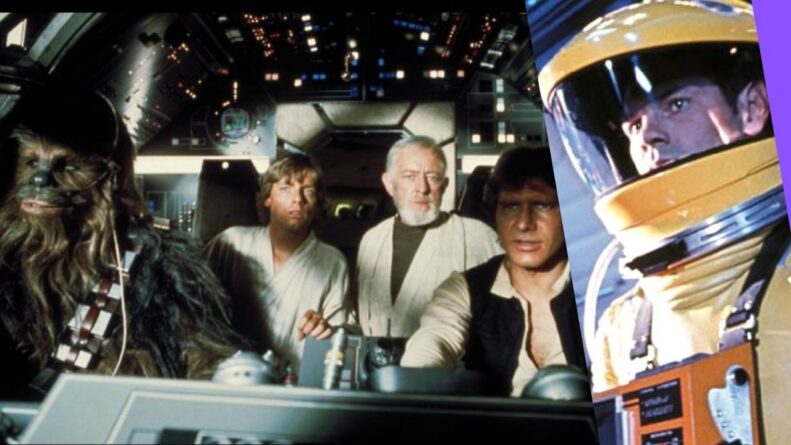
Star Wars—1977
Aspect
Details
Directors
George Lucas
Release Date
25/May/1977
Runtime
121 minutes
Genre
Space & Science fiction
Luke
He was as a legendary Jedi Knight who embodied hope, courage and redemption.
Leia
The prisoner princess turned inspiration for the Resistance, Carrie Fisher splendidly plays.
Nothing about the original movie is overrated. George Lucas wasn’t just one of the Best sci-fi fantasy movies, he brought timeless myth into the modern world, the stars. There are mystical warriors like the Jedi, shining swords called lightsabers and a memorable dark knight in Darth Vader. At its core, it’s a film that tells a tale of hope and is a classic hero’s journey – one for everyone who’s ever gazed at the night sky in awe.
2001: A Space Odyssey—1968
Aspect
Details
Directors
Stanley Kubrick
Release Date
6/April/1968, wide release May 1968
Runtime
149 minutes
Genre
Science fiction
Dave Bowman
Astronaut leader on Discovery One mission; confronts HAL and transcends via monolith; played by Keir Dullea
Frank Poole
Bowman’s fellow astronaut killed by HAL during the Jupiter voyage; played by Gary Lockwood
Star Wars is the fantasy of space in Best sci-fi fantasy movies, 2001 is the wonder and fear of it. Stanley Kubrick made a film which is more a religious experience than a movie. From the dawn of man to the chilling calm of HAL 9000, it dares the audience to just watch and think. It’s still the gold standard for “hard” sci-fi.
The Intense Nightmares
Image Credit: Fandomfans
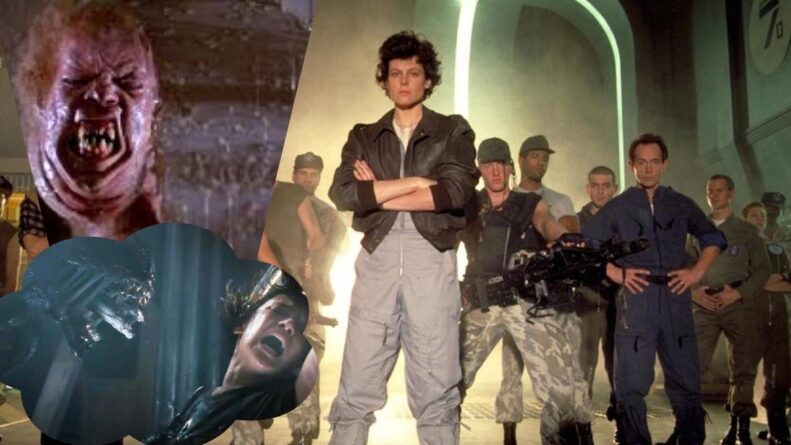
Aliens—1986
Aspect
Details
Directors
James Cameron
Release Date
18/July/1986
Runtime
137 minutes
Genre
Science fiction, Action, Horror
Ellen Ripley
Survivor turned leader guiding marines against alien hive; played by Sigourney Weaver
Newt
Lone child survivor of the colony massacre, bonds with Ripley; played by Carrie Henn
It is one of the best film in Best sci-fi fantasy movies. James Cameron made a haunted house film in space (Alien) and turned that sequel into the ultimate war movie. But among the pulse rifles and xenomorphs, the heart of the movie is the connection between Ripley and Newt. It roots the blast-a-minute action in a maternal, ferocious, protective instinct. It shows us that sci-fi action can have a big heart.
The Thing—1982
Aspect
Details
Directors
John Carpenter
Release Date
25/June/1982
Runtime
109 minutes
Genre
Science fiction, Horror
R.J. MacReady
Helicopter pilot turned leader testing for the alien infiltrator; played by Kurt Russell
Childs
Station mechanic, key survivor in final standoff against the Thing; played by Keith David
Paranoia has never been so brilliantly captured. John Carpenter’s classic is tension incarnate. How do you know who to trust when the enemy could be your best friend? The practical effects — fleshy, nauseating hold up better than most modern CGI because they are real. It’s a harsh, drab and dazzling study in how fear erodes trust.
Timeless Mythic Fantasy
Excalibur—1981
Aspect
Details
Directors
John Boorman
Release Date
10/April/1981
Runtime
140 minutes
Genre
Fantasy/Adventure
King Arthur
Nigel Terry portrait as a bastard son who pulls Excalibur from the stone, but faced many struggles
Guinevere
The queen of arthurian legend played by Cherie Lunghi.
Unlike contemporary clean fantasy, Excalibur is the stuff of nightmare dark age fever dreams. It conveys the tragedy of Camelot and the disappearing magic of the world in a way very few films have been able to.
We revisit Best sci-fi fantasy movies not only for nostalgia’s sake but because they dared to take chances. They used the impossible settings of outer space or magical kingdoms to tell very grounded stories about love, fear, identity and hope.
They show us that no matter how much our technology evolves, the human story remains constant.
Fandomfans give you a well-crafted list of old legendary movies that’s worth watching.
Babita
Articles Published :
25
Babita is Fandomfans Editor, experience in managing content. Her focus in general movies and web series. She is having a deep interest in TV shows and 90s movies - particularly Lord of the Rings, Harry Potter, & Rom-Com. Babita also covers psychological thrillers and major releases in current time and concern with deep interest in them.
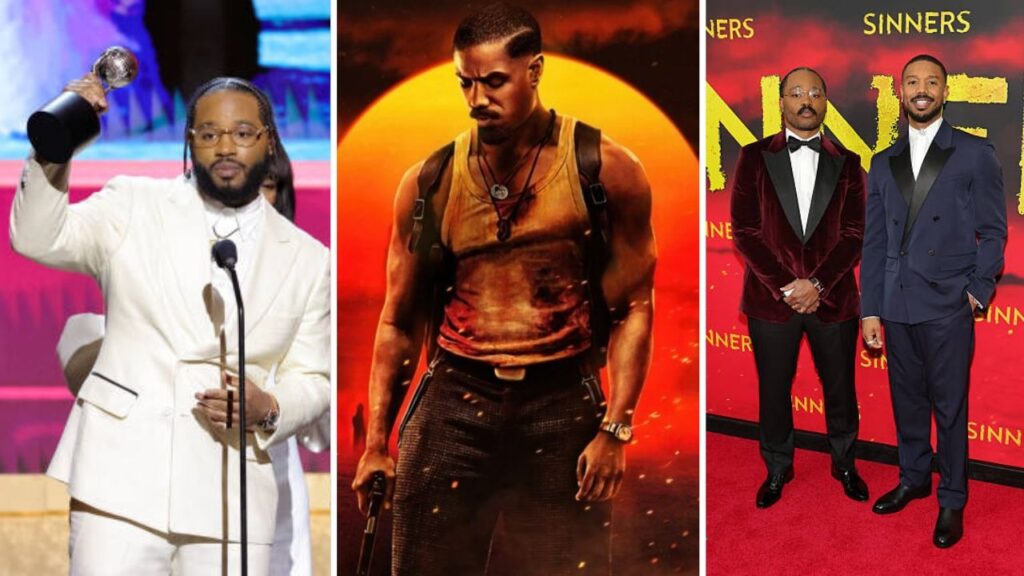
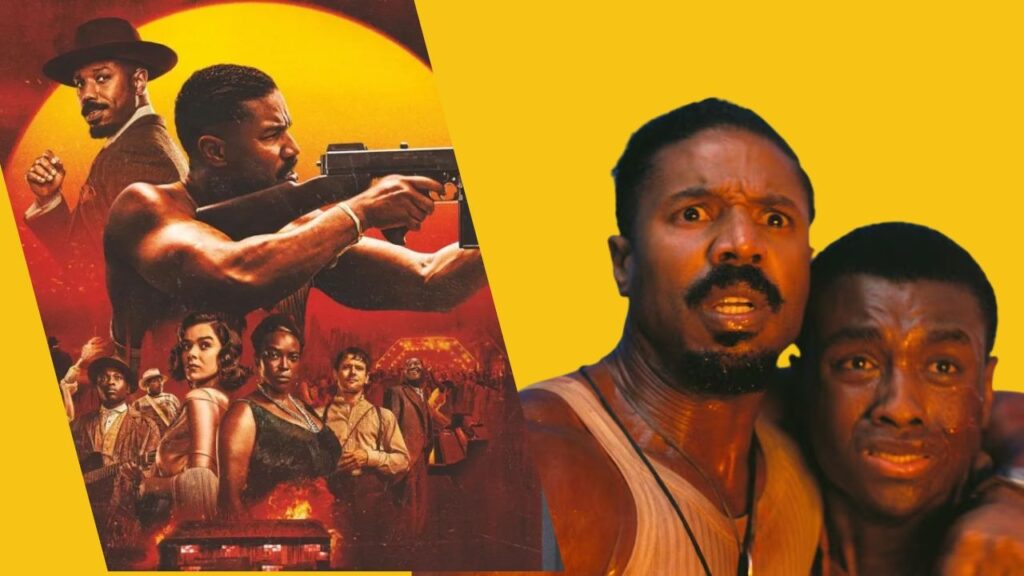
The narrative of ‘Sinners,’ a supernatural Southern Gothic tale from Michael B. Jordan and Ryan Coogler, is evolving further, and now, the hype is surrounding the music. The movie, which has already broken box office records and received high praise for its fearless delving into Black horror and spirituality, just managed to snag a historic five nominations at the 68th Annual Grammy Awards, solidifying its position as one of the most-nominated films in Grammy history.
This isn’t just about counting awards; it is a strong statement about the film’s sound ambition and how the music is integrated in the story telling of the film. The Grammy nods celebrate ‘Sinners’ in key visual media categories, showing that its influence goes well beyond the silver screen.
“Ryan and I, from the very beginning, wanted Sinners to sound like the South remembers — the pain, the hope, the hymns in the dark. These Grammy nods aren’t just for us; they’re for the generations whose voices built that sound. ” — Michael B. Jordan, in an interview with Variety.
A Soundscape That Haunts and Heals
Behind this achievement is the film’s music department, spearheaded by composer Ludwig Göransson. Göransson (who has worked with Coogler previously on Black Panther and Creed) also scored an individual nomination for Best Score Soundtrack for Film/TV. His work on Sinners has been called “haunting” (featuring a desperate gospel sound in the background connecting you into the 1930s Mississippi environment and channeling faith, sin, and survival with every note)The background music isn’t listening noise — it’s emotional, music character that defines the film.
Impact the film had on music is underscored further with three nominations for Best Song Written for Film/TV. The nominations highlight the extraordinary range of the soundtrack, which transitions seamlessly from raw, confessional spiritual blues to cinematic anthems and even poignantly emotional ballads such as I Lied to You.
This hat-trick of awards is a strong indication that the individual songs are connecting with audiences and critics both, and that they capture both the heart and feel of the film.
Also on the list is a nod for Best Compilation Soundtrack for Film/TV. This album is a powerful, generational statement that fuses traditional Southern music, gospel, blues, and contemporary voices.It’s a musical extension of the film’s world, providing a unique, culturally definitive sound rooted in the Black southern experience.
The blockbuster Grammy acknowledgement rounds out an amazing run for Sinners, which has effectively reimagined contemporary Black horror space and showcased where music, identity, and storytelling converge. It joins the ranks of legendary movies such as The Bodyguard and Purple Rain whose music outgrew their medium to become cultural landmarks.
With the 68th annual Grammy Awards coming up on 2/1/26, the pressure is all on Coogler and Jordan’s searing drama. No matter how many golden gramophone trophies it gathers, the film has already established itself as one of the sonically most ambitious and culturally significant works of its era.
At FandomFans, we believe ‘Sinners’ has done more than redefine horror and spirituality on screen — it’s transformed the way we hear them. With Ludwig Göransson’s hauntingly soulful score and a soundtrack that dares to blend genres, the film resonates with emotion and cultural depth far beyond the cinema. Its five Grammy nominations aren’t just recognition; they mark a shift in how Black narratives and music intertwine to express identity, struggle, and faith. Win or lose, ‘Sinners’ has already earned its place among culture-shaping films — one whose sound will echo long after the lights fade.
Babita
Articles Published :
25
Babita is Fandomfans Editor, experience in managing content. Her focus in general movies and web series. She is having a deep interest in TV shows and 90s movies - particularly Lord of the Rings, Harry Potter, & Rom-Com. Babita also covers psychological thrillers and major releases in current time and concern with deep interest in them.
James Cameron Revealed About Avatar: Fire and Ash Scripting Details
James Cameron reveals essential Avatar: Fire and Ash information: split script, Ash People warfare, release day updates, and holdoff for Avatar 4. Learn more !
James Cameron is all about big. Avatar: The Way of Water dominated the box office in 2022, fans naturally assumed the next sequel was right around the corner. But when we look at the release schedule, there’s a lot of confusion.
The next journey to Pandora is Avatar: Fire and Ash (aka Avatar 3), arriving in US cinemas on December 19, 2025. Avatar 4 is a whole other animal, lurking in the wings until 2029. We have to look into the Bullet Train problem before talking about its sequel.
The Two-Billion-Dollar Gamble In the beginning, Cameron intended just a straightforward trilogy. But when writing the second film, he hit a wall. The script was huge — stuffed full of world-building, character arcs and more.
“it was like a “bullet train,” so fast that viewers couldn’t even care about the characters.” —He said
So, he takes a decision to split the script in two parts:
The first part of his script is The Way of Water (2022). It was actually a single movie before splitting up.
The latter is on Fire and Ash (2025).
When the studio started to panic about the cost of this expanded roster, Cameron’s response became Hollywood legend. He reportedly inquired of the executives,
“What part of you getting another chance to make $2 billion is in question here?”
The success of Avatar’s second part,The Way of Wateris becoming the most grossed film with a $2.3 billion hit that continued to cement James Cameron status as a box office hitmaker.
What to Expect: Avatar: Fire and Ash
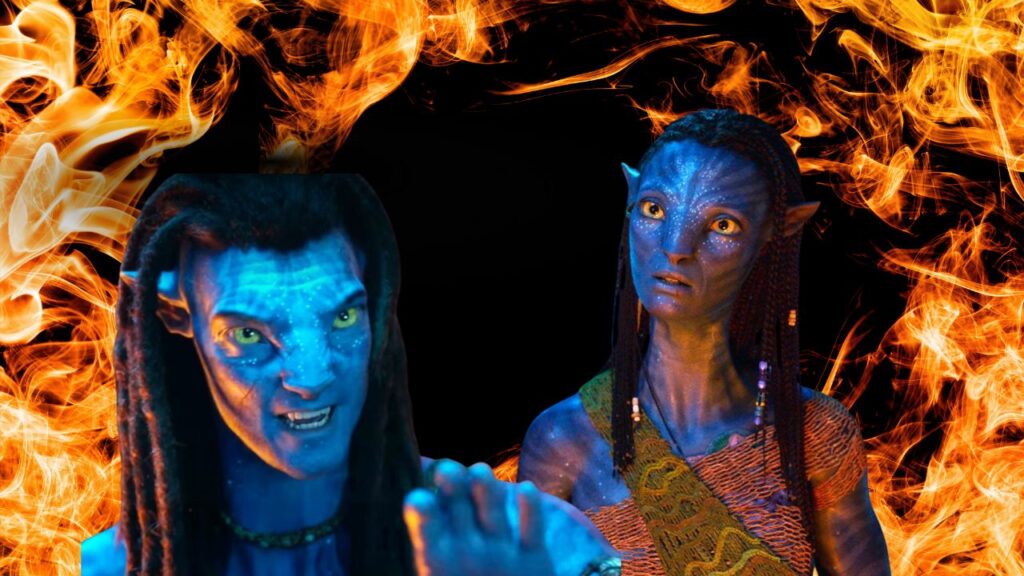
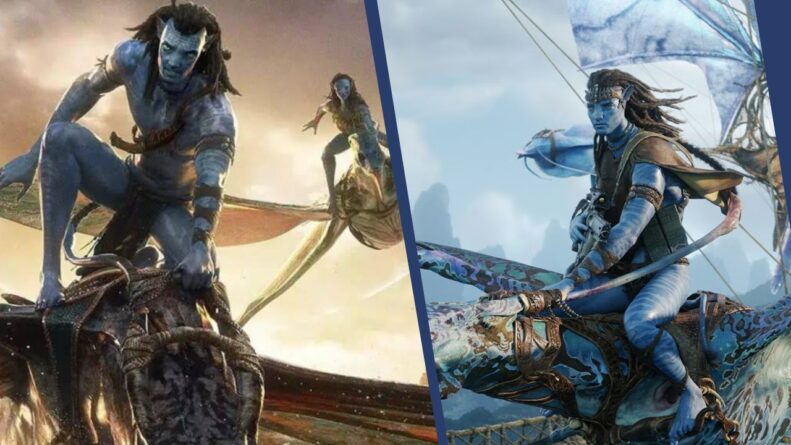
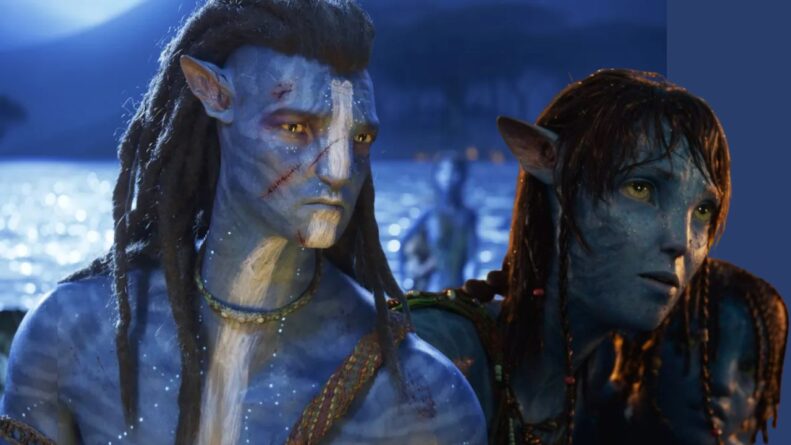
If the previous movie was about the stillness of the water, this one is about the rage of the fire. People mentioned, The Ash People (the Mangkwan Clan), led by Varang (Oona Chaplin) are introduced in Fire and Ash.
Image Credit: Fandomfans
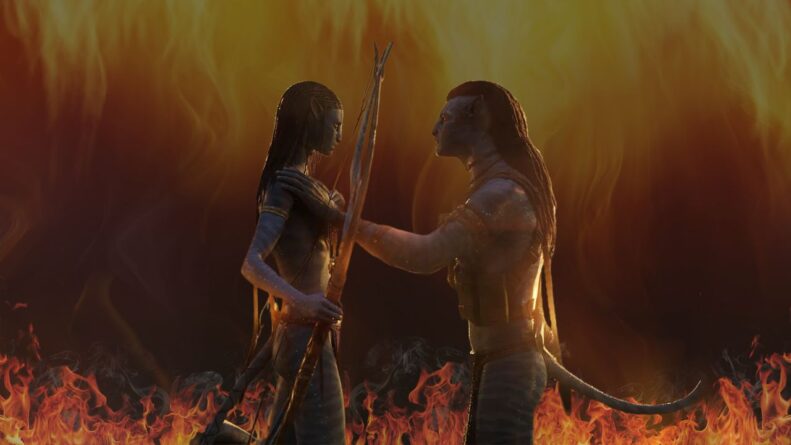
In contrast to the tranquil forest and reef tribes that we’ve seen, the Ash People are hostile and antagonistic – they have a “villainous” role. Cameron is flipping the script: instead of “Good Na’vi vs. Bad Humans,” we’re getting Na’vi antagonists. Anticipate a shift in the visual palette from cool blues to background reds, volcanic rock, and skies filled with ash.
Real-World Impact: The Hong Kong Delay
Though the US release is late in 2025, the film is encountering a unique obstacle in Hong Kong. In the wake of the tragic fire in the Wang Fuk Court in Tai Po, distributors have taken the delicate step to postpone the release to 2026.
Image Credit: Fandomfans
The subtitle (Fire and Ash) is said to be removed entirely in that region so as not to be seen as disrespectful while people are grieving. It’s a rare reminder that even massive global blockbusters must reckon with the impermanent world into which they arrive.
The Long Wait for Avatar 4 (2029)
So, why the four-year wait after Fire and Ash? That’s because Avatar 4 breaks the timeline. Cameron has said that at the 35 page mark in the script of Avatar 4 there is a huge six year time jump. The first act was shot years ago so the child actors actually look young.
Image Credit: Fandomfans
But the rest of the movie is the cast playing young adults. Production breaks also allow the actors to age naturally and the VFX team time to develop the technology necessary to bring the saga to its final act.
Cameron Received only two words in his email from the studio after submission of Avatar 4 script, ‘Holy fuck.’ and after that the question arises:
“Cameron asked, ‘So… where are the notes’? The executive said, ‘That is the note.’”
This suggests that the response was overwhelming and it was not just good – it was earthshattering and they were left speechless and in wonder at how audacious and brilliant it was. A moment that shakes up expectations and stays with you long after that.
For now, everything is about 19 December 2025. The Ash People are coming, and if history is any indicator, James Cameron is poised to prove the doubters wrong.
James Cameron isn’t putting off Avatar 4 just because — he’s working toward a decade-spanning, time leaping epic that needs both narrative room and real world aging to land its emotional punch. With ”Avatar: Fire and Ash” scheduled for release in December 2025, the franchise is on the cusp of its most intense and visually provocative chapter to date, introducing the Ash People and altering the moral compass of Pandora.
The long wait until 2029 is not a setback — it’s the strategy behind Cameron’s biggest jump. And if history teaches us one thing, it’s: never bet against James Cameron.
Fandomfans is a platform which provide every details on the movies franchise and directors deep voice during interview
Babita
Articles Published :
25
Babita is Fandomfans Editor, experience in managing content. Her focus in general movies and web series. She is having a deep interest in TV shows and 90s movies - particularly Lord of the Rings, Harry Potter, & Rom-Com. Babita also covers psychological thrillers and major releases in current time and concern with deep interest in them.