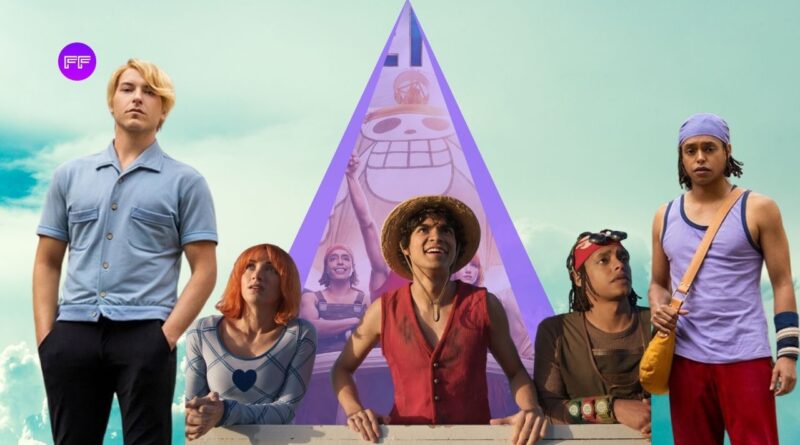
Netflix’s One Piece Season 2 Introduced Early Cameo From Original Manga by Eiichiro Oda 

Netflix One Piece Season 2 teases fans with early appearances of Sabo, Brook, and Bartolomeo. Learn how Eiichiro Oda sanctioned the timeline twist.  Read more!

Published: March 16, 2026, 12:18 pm

The team of One Piece Season 2 has stated that the quick-paced cameos of multiple characters were far more difficult to animate than fans would think. Sabo, Brook, Bartolomeo, and Yorki make brief appearances in Season 2. These characters make their actual appearance much later in the original manga, though the show used them early on in cameo roles.

From editor Eric Litman Such a jump of characters into the story early on was a lot of planning. The writers, producers and directors collaborated closely to ensure that these events embraced the narrative and would not contradict the source material written by Eiichiro Oda. 

For a long time, adapting manga and anime into Western live action was essentially a Disaster Waiting to Happen. Fans and critics even referred to it as a “curse.” Between the absolute disaster of Dragonball Evolution and the lukewarm reception of Cowboy Bebop, it just wasn’t in the industry’s stars. 

The problem, as usual, was that the executives wanted to “Westernize” the narratives, purging the strange, amazing soul of the originals so they could feel more “mainstream” like Netflix’s One Piece. 

By embracing the complete ridiculousness of Eiichiro Oda’s world instead of apologizing for it, the show changed everything. “Into the Grand Line,” the second season, proves the series wasn’t just a one-hit-wonder. It did the unthinkable, lived in a world where physics and logic didn’t exist — fleshing out a universe based on characters who were little more than sticks of gum. 

The Secret Sauce One Piece Season 2 Foreshadowing

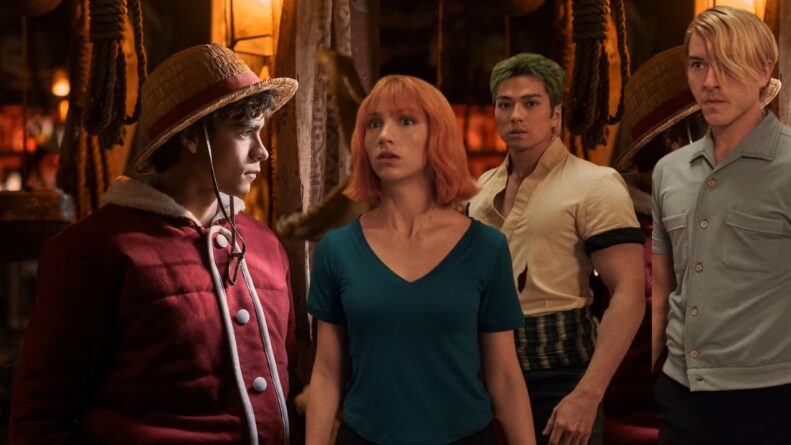
One of the things that makes One Piece Season 2 so good is the way it goes about building its world. The showrunners rolled out a huge (but fantastic) gamble in unveiling characters like Sabo, Brook, Bartolomeo and Captain Yorki well in advance of their introduction in the original story. 
The Secret Sauce One Piece Season 2

These fan favorites never appeared in the manga for years. By incorporating them into the narrative now the show is accomplishing two things:

  • Rewarding Long-Time Fans: It gives the “die-hards” those “Leonardo DiCaprio pointing” moments of excitement.
  • Fixing the Timeline: It lets (hide) the world feel from connected and alive day one, rather than just introducing random people 50 episodes later.

This approach not only “corrects” the narrative, it respects Oda’s original vision by applying hindsight to make the live-action adaptation seem like a unified, epic jigsaw. 

How the Show Actually Works

The reasoning behind One Piece Season 2’s success can be attributed to a straightforward yet fortuitous  and probably unrepeatable  alignment between the showrunners and the original creator. In order to make those early character cameos work without shattering the story, all departments needed to be aligned perfectly. 

The Showrunner Vibe: “Stay Weird”

Co-showrunners Matt Owens and Joe Tracz have a few things to say about the old Hollywood way of doing things. Typically when a studio adapts a manga, the question is: “How do we make this less weird for our Western audience?”

Owens and Tracz went in the opposite direction. Their rule? Don’t change a thing. They made no apologies for the giant campy telepathic snails (Transponder Snails). 

  • They didn’t attempt to make the talking animals look “real” or gritty.
  • They had faith that if they were faithful to the internal logic of the world, the audience would be with them.

Since they embraced the absurdity, they could shove characters like Sabo or Brook into the background early on. To someone seeing it for the first time, these characters just feel like cogs in a huge, living world. But to the fan for years, they are massive “Easter eggs” that indicate the writers know exactly where the story is going. 

Eiichiro Oda: The Creative “Guard Dog”

One cannot discuss this series without discussing Eiichiro Oda, the man behind the One Piece Season 2 creator. Unlike the vast majority of authors who simply sign a contract and then get out of the way, Oda is the ultimate gatekeeper on this project.

Netflix and the studios established a “veto” policy: Nothing is released without approval from Oda. 

  • Canon Control: He ensures that making a character debut earlier linear don’t ruin the story ten seasons down the road.
  • Visual Accuracy: The producers take his original manga pages as the “bible” for how frames should look.
  • The “Vibe” Check: He has to approve the editing on Oda. If a sequence is too relaxed, or isn’t ticking with that frenzy manga adrenaline vibe, he orders them to reshoot it. 
Leader Role The Contribution
Eiichiro Oda The Creator The ultimate authority. He ensured to keep the story true to the manga.
Matt Owens Co-Showrunner The long-time superfan who fought to get this made and keeps the long-term story on track.
Joe Tracz Co-Showrunner The Season 2 addition who pushed the “unapologetic” philosophy—no censoring or watering down the fantasy.

Behind the Scenes Netflix’s One Piece Season 2

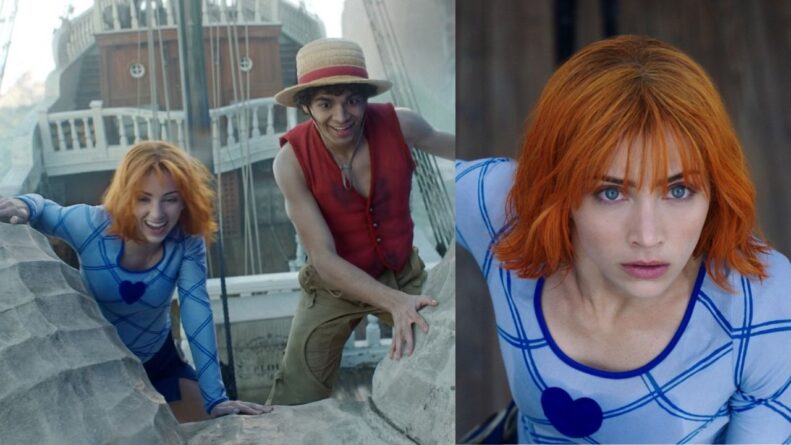
Most of the success of One Piece Season 2 was actually a product of the editing room, in large part thanks to Eric Litman. If you’re wondering who he is, he’s worked on big things including Marvel’s Agents of S.H.I.E.L.D. and the pirate drama Black Sails.
the Scenes Netflix’s One Piece Season 2

It was his expertise that helped the show find its footing, mixing heartfelt character moments with the big action and craziness that fans of One Piece are used to. 

Building the World Before the Cameras Roll

Since One Piece Season 2 relies so much on special effects, the editors couldn’t just wait for the footage to come in. They utilized something called Pre-Visualization (Previs) in essence a 3D animated storyboard to map out each scene well in advance.

This was huge for those “early cameos” we talked about. For instance, during the Loguetown scenes, Litman and the VFX crew had to work out how to hide characters such as Sabo or Bartolomeo in the background. 

  • They charted where Sabo could peek out of a doorway.
  • They calculated the exact moment when Bartolomeo would come into contact with Nami.
  • And the most important thing is that they made all this happen so it felt like a normal part of the world, as opposed to a jarring “Hey, look at me!” moment that distracted from Luffy. 

The “Giant” Problem: Scaling Up the Grand Line

Netflix’s One Piece Season 2’s biggest technical nightmare? The Giants. Episode 4 introduces Dorry and Brogy, two gigantic warriors from the island of Elbaph. If the proportions were ever skewed for a split second, the whole production would start looking like a cheap B-movie. Litman and his team had to become obsessed with “forced perspective” to ensure the math worked out:

  • When a human looks up at a giant, the eye contact has to be perfect.
  • The pace of the dialogue has to take into account that a minuscule person is talking to a 70-foot-tall warrior.

If the group can get you to believe in 70-foot Vikings, then a talking skeleton or a time-traveling revolutionary will be easy sells down the road. The technical triumph of the giants actually facilitates accepting the strangest parts of the tale. 

The Show is Playing The Long Game” by Moving Plot Twists

The showrunner of One Piece Season 2 understood that manga readers can wait a decade for a payoff, but television audiences have to have stakes now. To remedy that, they’ve moved the narrative from a “linear” timeline to a “layered” one. They brought in huge fan favorite characters like Bartolomeo and Sabo years before they were supposed to. This not only rewards the fans, it makes the world seem like one giant interconnected puzzle beginning with the first episode. 

Why These Cameos Matter

Bartolomeo: From Background Extra to Best Friend

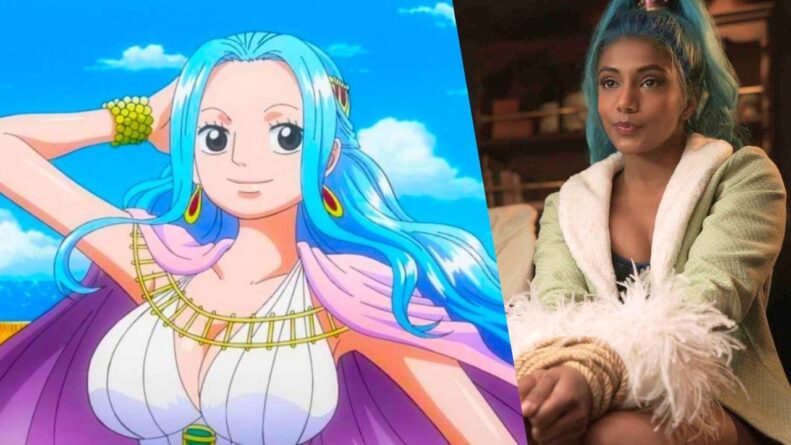
In the original, Bartolomeo was just a random fan who witnessed Luffy survive an execution and rose to become his #1 fan. In One Piece Season 2, however, they made him a real character we actually care about.
These Cameos Matter

He begins life as a street rat who tries to pickpocket Nami. When the villains capture Luffy, Bartolomeo has to watch the six-pack execution from the front row. But now he really knows Luffy, so when the lightning blasts him and saves him, that miracle isn’t just some cool thing to happen in the world — it’s a soul-shaping event. He even picks up Luffy’s discarded hat in awe. 

Sabo: Finally Solving an Old Mystery

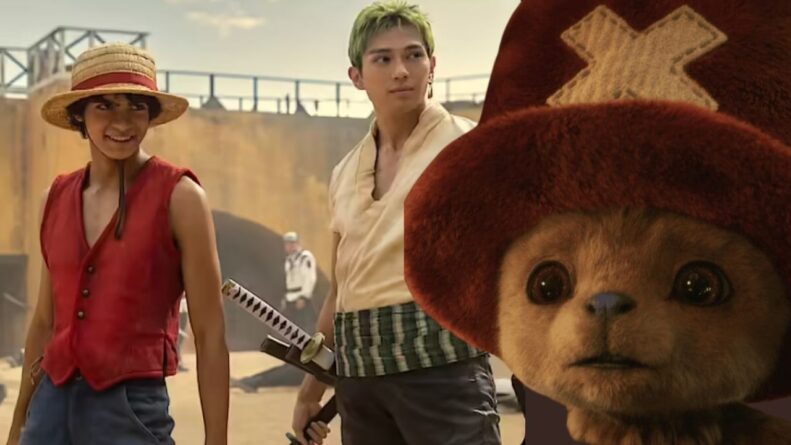
There has almost been a One Piece fan upheaval the size of Marineford following the appearance of a small silhouette that was in one single manga panel in the year of 1999. Many thought it might be Luffy’s supposedly “dead” brother Sabo, quietly watching from the shadows. That minor detail would lead to years of theories and speculation among the fan community. 
Finally Solving an Old Mystery

The Reveal: The series eventually confirmed it. In One Piece Season 2, a man in a top hat and goggles appears with Dragon.

Hunting for that twist: Fans know the story is going to end tragically at some point. He is literally standing there watching his brother escape, but he has no idea who Luffy is. 

Brook and the Ghost of Laboon

The show also connects with the story about Laboon, the giant whale that wait at the doorway of the Grand Line. We don’t learn who Laboon is waiting for in the manga until much later. In teasing the Rumbar Pirates and their skeleton musician Brook now, the series is making the world feel lived in and heartbreakingly real right from the jump. 

Aspect Original Manga Canon Netflix Adaptation Output
Initial Debut Chapter 705 (Dressrosa Arc) Season 2, Episode 1 (Loguetown) Narrative Establishes early season to grab interest 
Relationship to Luffy Passive spectator at the execution; retroactive “fanboy” Active participant; personal interaction prior to the execution. Deepens the emotional weight of his eventual loyalty; makes his motivation character-driven rather than coincidental.
Execution Scene Role Distant crowd member Forced to watch by Buggy from the “front seat”. Highlights the contrast between Luffy’s optimism and true villainy.
Symbolic Resolution Witnessed the lightning strike Picks up Luffy’s straw hat in awe. Provides a visual, cinematic anchor to his transition into piracy.

Eric Litman Receives Critical Appreciation for his Logic Twist

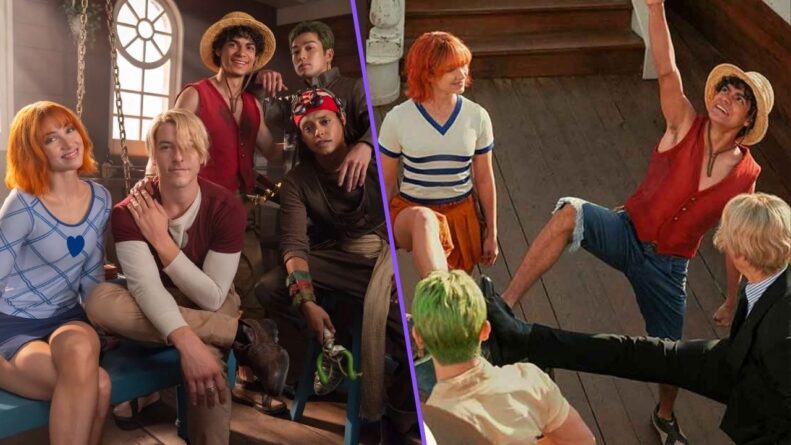
The silent cameos in One Piece Season 2 serves as an excellent payoff for longtime fans that reward Oda’s detailed pre-planning, and it doesn’t require any dialogue or context that might alienate curious non-fans. Some critics noted that in an era when movies are increasingly laden with heavy-handed cinematic universe cross-promotion, Sabo’s is a welcome bit of underplaying. 

It’s not a nod to the camera curt instructing the audience to know how important he is, to a new viewer, he’s just “some other weirdo in the background” of a bustling pirate city. For the fandom though it is a ground shaking event that spans decades of theorizing. 
Eric Litman Receives Critical Appreciation

Editor Eric Litman and the showrunners acknowledged that bringing in Brook sooner was essential to selling the emotional weight behind Laboon’s story. By turning the vague “lost crew” concept into concrete, highly sympathetic characters, the adaptation instantly elevates the emotional stakes. 

Most likely Oda when writing the Reverse Mountain arc back in the late 1990s did not have Brook or the Rumbar Pirates fully made up yet. The live-action series benefits from hindsight, and is able to integrate those elements from the beginning. 

One Piece Season 2 Hit The Streaming 

  • The Gender Split: The audience is 69% male.
  • The Age Gap: Actually most viewers are on the older side with 63% are aged 30 and up.

This indicates that the series had a very strong start, especially among the readers who were already familiar with the manga since 1997. Still, the audience can be drawn in by more complicated concepts of teamwork, leadership, and what it means to have a “found family,” instead of just keeping an eye out for punches and kicks. 

On the other hand, Two years later, on March 10, 2026, One Piece Season 2 was also a massive success. It regained the top spot in about 50 countries within a few days after release, including key markets such as Germany, Brazil, and Japan. Early reports indicate the viewership numbers are rising around 30% faster than they did in Season 1. 

The Critical Score

One Piece Season 2 is declared as a masterclass by critics because of its outstanding timeline twist. Season 2 received 9/5 Critics (so far), its high as Season 1 get 86% from Critics and 90% from the Audience.

The highest praise? The show “accidentally” manages to be a dense fantasy epic without turning your brain to mush. You don’t need to have watched a single episode of the anime to enjoy the show as a blockbuster. 

The Fan Debate

Even having all this success it seems that the hardcore community is split into two camps when it comes to those early character cameos.

The Hype Camp (The Majority)

Most fans with long memories are about to have a collective aneurysm. Spotting Sabo’s top hat or hearing Brook’s laugh for the first time were huge rewards for years of loyalty.

  • The Logic: These fans say that a 1:1 adaptation of the manga is not achievable for TV.
  • The “Oda” factor: Since the creator, Eiichiro Oda, approved of the changes, most fans trust the process. They’d rather have a world that feels “full” and connected right now. 

The Purist Camp (The Minority)

On the flip side, there are some purists who are a tad nervous. Their concerns are mostly pragmatic:

  • The “Reveal” Impact: Some argue that seeing Sabo or Bartolomeo now cheapens the impact they had when revealed in the original story years later.
  • Character Developments: In the manga, Bartolomeo is initially an utter jerk before we learn he’s a fanboy. The show makes him likable from the start, which some argue misses out on a neat character arc.
  • The “Aging” Issue: Will the actors still look the part if the series presents Brook or Sabo in 2026 But doesn’t require them for the “main” story until 2030?
  • The Cut Material: Some fans were rather attached to the wackier scenes— such as the doctor living inside a whale’s stomach—that the series removed in order to make the story a bit more “grounded.” 

At a Glance: Season 2 Reception

Metric Result Why?
Viewership 30% Growth High retention of old fans + new “mainstream” interest.
Critical Score 100% Flawless integration of complicated lore.
Main Audience 69% Male / 63% 30+ Taps into nostalgia and mature themes of leadership.
Fan Sentiment Mostly Positive “Easter eggs” are winning over the “purist” complaints.

Strategy to Save One Piece Season 2

The early appearance of characters like Bartolomeo, Sabo, Brook and Yorki isn’t just shallow pandering to the fans, it’s a deliberate structural engineering move. 

With guidance from executive producers showrunners Matt Owens and Joe Tracz and under the ultimate authority and blessing of Oda, through the painstaking editorial management of Eric Litman—these cameos serve to deepen the theme of the current story while setting up future sagas in an elegant fashion. 

Read More:- Monarch Season 2 Twist Explained: What It Means for the Monsterverse

Conclusion

The One Piece Season 2 is evidence that those surprise cameos weren’t just some random fan service. Characters such as Sabo, Brook, and Bartolomeo, were deliberately seeded earlier in the narrative to connect different story arcs and to expand the world.While collaborating closely with the manga written and illustrated by Eiichiro Oda, the production team was able to keep the adaptation faithful, yet still generate excitement for later seasons. 

Stay connected with Fandomfans to get the latest updates from movies, series and celebrities.

Mariyam

Articles Published : 56

Mariyam Khan is Fandomfans Content Writer and providing reports and reviews on Movie Celebrities, and Superheroes particularly Marvel & DC. She is covering across multiple genres from more than 4+ years, experience in delivering the timely updates.

Leave a Comment

Your email address will not be published.

George RR Martin Narrative Parallels Between Baelor Breakspear and Oberyn Martell

See how George RR Martin draws tragic parallels between Baelor Breakspear and Oberyn Martell, reverberating fate & honor throughout the history of Westeros.

Written by: Alpana
Published: February 19, 2026, 7:07 am
George RR Martin

If you have ever found yourself buried deep in the lore of George RR Martin — A Song of Ice and Fire, or you just have a passing interest in Game of Thrones, you are probably familiar with the popular phrase “History doesn’t repeat itself, but it often rhymes.” 

In Westeros, this is more than just a clever saying. How the George RR Martin whole story is built around it. George RR Martin has a penchant for retroactively playing out events of the past in the present, but often with a grimmer, more twisted result. But of all his books’ historical “rhymes,” there are none quite so heartbreaking or headache-inducing as the link between Prince Baelor “Breakspear” Targaryen and Prince Oberyn “The Red Viper” Martell. 

Almost a hundred years apart, these two men were the rockstars of their times. They were the top fighters, the coolest princes, the dudes everyone wanted to be. Yet, both of them died in virtually the same way: trial by combat against a giant, intimidating rival with a gory, skull-crushing ending, in a result that altered the destiny of the George RR Martin Seven Kingdoms for all time.

So let’s get down to the fascinating, tragic and completely brutal comparisons between the George RR Martin Dragon and the Viper. 

The Coolest Guys in the Room

Before discussing how they died, we need to talk about why what they died for hurt so much. “In a George RR Martin narrative tragedy it must hit home, so you make the audience fall in love with the character first.” Martin did this to perfection with both Baelor and Oberyn. 

The Perfect Prince: Baelor Breakspear

Baelor Targaryen as seen in The Hedge Knight is the very picture of the perfect prince. He was crown prince and Hand of the King, and also a legendary warrior. Not only was he a man of strength and power, but his character was so good that he was looked upon as a shining light of virtue and leadership in the land. 

The Perfect Prince

In addition, he was both the Hand of the King and the crown prince, and a fighter so famous that he was the subject of ballads. He wasn’t just strong; he was good. He was the kind of leader who made people feel safe. Had Baelor ascended the throne, the Targaryen rule might have persisted for an additional thousand years or so. 

The Bad Boy: Oberyn Martell

A century and change from there to the main series. Oberyn Martell was Baelor’s polar opposite in personality, but his equal in charisma. He’s the “Red Viper” – a second son who lives in the world, fighting in mercenary companies, learning poisons, and basically doing whatever he wants. He was dire, capricious, and that Shot-in-the-dark Really Cool, Just as Baelor stood for the best House Targaryen could offer, Oberyn stood for the prickly, fiery, indomitable soul of Dorne.

Both were what we call “Era Parents.” When they entered a room, they demanded respect. When they pulled out a gun, you knew something amazing was about to happen. 

Fighting for the Little Guy

The similarities really start to emerge when you examine the causes of their deaths. Neither prince died in a grand war or a serendipitous mishap. They each took part in a judicial duel—a trial by combat to rescue someone who was being annihilated by the system.

Baelor Breakspear shocked the whole realm when he backed a hedge knight named Duncan the Tall (Dunk). Dunk was charged with attacking a royal prince (who actually deserved it), and Baelor saw that his own family was wrong. In an act of idealistic chivalry, Baelor practically staked his life on a nobody’s honor. He battled for the helpless against the mighty. 

Fighting for the Little Guy

Oberyn Martell advances to champion Tyrion Lannister. However Oberyn’s motivation was slightly different, he craved the chance to kill Gregor Clegane (The Mountain) for the murder of his sister, Elia. But it’s the same: a scion of high-born nobility takes up his rapier in the ring, now defending a man whose fate has been decided by the crown. 

Here again, we have a champion confronting a beast for a small fry, in both cases. And in both cases the story tricks us into thinking they’re going to win. 

The Crunch Heard ‘Round the World’

This is the part that makes everyone cringe. George RR Martin didn’t simply kill those characters — he dismembered them, in ways that are specific, graphic, and medically horrifying.

The “head-crush” is a very specific motif in Westeros. It is the beheading of a family or movement’s “head.” 

Baelor’s “Walking Ghost” Death

The Hedge Knight tells the tale, and Baelor appears fine at the end of the fight. He’s sitting up, chatting, and instructs his maester to attend the other injured men first. But then, he complains about a headache. The horror is revealed when he removes the helmet.

His brother, Maekar, had clubbed him with a mace in the scramble. The blow had crushed the back of Baelor’s skull. The helmet was the only thing holding his head together. Baelor collapsed when the helmet was removed and the pressure relieved. The “red blood and pale bone” that is poured out here is one of the most memorable images in fantasy literature. Baelor was exhausted as a “walking ghost” – alive only thanks to his armor and force of will. 

Walking Ghost

Oberyn’s Explosive End

Oberyn’s death is the violent, fast-paced rhyme to Baelor’s slow tragedy. We all know the scene. Oberyn has the Mountain pinned. He has won. But his arrogance gets the better of him. He wants a confession.

The Mountain trips him, punches his teeth out, gouges his eyes and then— in a moment sextillions of TV viewers will rerun in their heads that crushes his skull with his bare hands. The “sickening crunch” described in the books is a direct echo of the noise Baelor’s skull emitted when his helmet was taken off.

Both men were inches away from survival. Both men were the superior fighters. And both men were left broken on the tourney grounds. 

The Physicality of Tragedy (Armor vs. Hubris)

If we investigate a little, there turns out to be an interesting “technical” reason why they both died, and it says a lot about what kind of men they were.

Baelor died because of bad equipment.

He raced late into the melee without any armor of his own. He had to borrow armor from his son, Prince Valarr. The problem? Valarr was smaller and slimmer than Baelor. The helmet was too tight.

A helmet must be padded and have some space in front to play the shock of the hit in medieval fights. The death of Baelor Toesdrinker was a tragic example of what can happen when armor is ill-fitting. That which should have protected him from harm, was what killed him, underscoring the need for accuracy and caution when making protective equipment.  

Oberyn died because he had no equipment.

Oberyn was known to fight without a helmet. He wanted to be quick, light, and to have everything in sight. This was his hubris. He thought his ability was sufficient protection. If Oberyn had been wearing a heavy helm like a regular knight, the Mountain would not have been able to gouge out his eyes and crush his skull so easily. 

The “Dead Dragon,” Prophecy

Baelor is one of the coolest lessons on how to read prophecies George RR Martin Game of Thrones can teach us.

In The Hedge Knight, Daeron the Drunkard has a “dragon dream.” He says to Dunk: 

“I dreamed a great red dragon fell upon you, but you were living and the dragon was dead.”

Everyone is initially under the impression that Dunk is going to kill a prince in the fight. But that’s not what happens. Baelor (the “great red dragon”) dies from a blow to the head and collapses over Dunk, who is crying on the ground. The prophecy was fulfilled, but not as anyone expected. 

Tragedy is the source of great wisdom that audiences can learn from in this tale. When Daenerys has visions, or Cersei hears prophecies, it is a signal to treat such pronouncements with a grain of salt and a generous helping to understand the “falling dragon” is not an actual monster that drops from the sky but it’s the fall of a great man. Baelor’s death is the key to understanding the magical logic of the whole George RR Martin series. 

How Baelor’s Death Screwed Everything

You might be thinking: “So a prince died 90 years ago, big deal. Where’s the relevance to the main storyline?”

But this is why we have the Mad King, thanks to Baelor Breakspear’s death.

Let’s see how the dominoes fall:

  1. Baelor Dies: The “perfect” heir is gone.
  2. The Sickness: Baelor’s children soon die in a plague (the Great Spring Sickness).
  3. The Weak Kings: Baelor’s bookish brother Aerys I takes the throne, then his warrior brother Maekar, who killed Baelor and was horrified by it.
  4. Egg becomes King: Ultimately, the throne is inherited by Aegon V (Egg), the boy Baelor saved.
  5. The Tragedy of Summerhall is the event in which King Aegon V Targaryen, “Egg,” sought to harden dragon eggs by arcane means. His fascination with re-creating dragons through egg-heating rituals caused a devastating fire that took his life and countless others. 
  6. Afterward, the Targaryens spiraled even more into chaos under Aerys II Targaryen, more infamously known as the Mad King. His rule was one of paranoia and cruelty, with a taste for immolation, as he burnt alive, among others, some of his subjects. His deeds – not least the executions of Rickard and Brandon Stark – sparked rebellion all over the realm. This led to for Robert’s Rebellion, a civil war that resulted in Robert Baratheon defeating Aerys and taking the Iron Throne. 

The succession to the throne would have been secure. There would be no Mad King Aerys, no Robert’s Baratheon, and no Ned Stark losing his head.

Baelor’s death was the “hammer blow” that shattered the foundations of House Targaryen. When we reach Oberyn’s death in the novels, we are simply witnessing the end of the house. 

Read More 👉 ‘The Mandalorian and Grogu characters’: Mandoverse Steps Into Cinema Differently with Mercenary Guard Droid

The “Dornish Curse.”

Baelor Targaryen, by birth, looked very different from most Targaryens. His mother was Mariah Martell of Dorne the source of his Dornish heritage, he inherited her black hair and black eyes. It gave him a decidedly Doran look, and some quietly commented that Baelor was “more Martell than Targaryen.” 

Pattern George RR Martin Created

  • Baelor: Looks like a Martell. Gets his skull crushed in a trial by combat.
  • Elia Martell: A Martell princess. Gets her head smashed against a wall by the Mountain.
  • Oberyn Martell: A Martell prince. Gets his skull crushed by the Mountain.

Particular, grotesque fate for the Martell line Martin has reserved, it seems like. It’s almost a “blood-rhyme.” The ones who have the blood of Dorne with fierce, proud, rebellious to keep ending up crushed by the likes of what the Iron Throne can put its enforcers, blunt force. 

Conclusion

So the next time you see that gruesome scene of Oberyn Martell in Season 4, or The Hedge Knight, keep in mind that you’re not just watching a fight. You are watching a cycle of history repeating itself.

George RR Martin connected these two men across time to reveal to us that the “Game of Thrones” consumes even its best players. Baelor was the fire of the past, and Oberyn was the hope of the present. They both crumbled under the burden of their own decisions, and the cruelty of their world.

The death of Baelor broke the Targaryen dynasty, and that of Oberyn shattered the peace between the Lannisters and Dorne. They are the two “crushed crowns” of Westeros that testaments to how even the brightest stars can go out swiftly, violently. 

Get all the updates on Fandomfans from your favorite franchise and movies/series and celebrity news. Our goal is simple, focusing on the marvel and dc theories to provide you stories. 

Alpana

Articles Published : 98

Alpana is Fandomfans Senior Editor across all genres of entertainment. She evolved in the media industry since a very long time, she manages the content strategy and editing of all the blogs. Her focus on story development, review analysis, and research is well-equipped that ensures every article meets the standards of accuracy and depth.

Leave a Comment

Your email address will not be published.

HBO Hard Launches 2026: Euphoria S3, House of the Dragon S3, Dune: Prophecy & More

HBO Max Hard Launch 2026 with a hard launch featuring Euphoria Season 3, House of the Dragon S3, Dune: Prophecy and more event TV redefining streaming.

Written by: Mariyam
Published: December 15, 2025, 8:02 am
HBO Max Hard Launch 2026

The worldwide streaming market is beginning to experience its most pronounced realignment since the emergence of direct-to-consumer services. The late 2025 acquisition of Warner Bros. Discovery for a mind-boggling $82.7 billion by Netflix practically brought an end to the so-called “Streaming Wars.” Amidst this wave of mergers and acquisitions, HBO Max—downgrading to the less intuitive “Max” branding stages a come-back in 2026 with its content slate. And this isn’t just a programming note. It’s a statement of who they are.

HBO Max
Image Credit: Fandomfans

Instead of pursuing scale, HBO Max is focusing on what it’s done best all along: event television series that rule cultural conversations, spark debate, and seem impossible to skip watching. Led by the return of Euphoria and House of the Dragon, and bolstered by ambitious franchises Lanterns and Dune, the 2026 slate aims to make HBO Max a must-have. 

Consolidation Without Homogenization

Netflix–Warner Bros. Discovery combination raised immediate worries about creative dilution. Could HBO’s prestige DNA survive within the world’s largest algorithm-driven streamer? Early signals suggest yes.

Netflix executives have already committed to a federated platform model, so that HBO Max will exist as an independent, curated, prestige destination within the broader Netflix ecosystem. The logic is clear: Netflix delivers on scale and breadth, HBO Max is the home for high-value subscribers who seek auteur-driven storytelling. Rather than a battle with each other inside a siloed business, the two platforms are now a strategic “barbell” — mass appeal on one side, cultural authority on the other. 

Read More:- The Supergirl Costume Evolution: Milly Alcock vs Melissa Benoist

Why the Name “HBO Max” Matters

Restoring the HBO name in 2025 was not simply a cosmetic choice, but a corrective one. The previous “Max” branding watered down a name that is synonymous around the world with quality, trust and ambition. Senior executives were clear that audiences do not want more content, but better content.

the Name “HBO Max” Matters
Image Credit: Fandomfans

Formerly Warner Communications, it showed a similar myopia in 1984 in its bullying marketing for The Cotton Club. In a similar vein, HBO Max also took a more tongue-in-cheek approach on social media, emphasizing the confusion around its name and inviting viewers to laugh along with it. Instead of undermining trust, this openness eventually boosted it.   

The 2026 Slate: Event Television by Design

All the signs indicate a strong 2026 for HBO Max. New content will also create considerable disruption. The biggest attraction is Euphoria’s third season, returning after a long hiatus. It leaps forward five years, and dark noir style and twisty, grim plots are still very much in evidence. The show ditches teen drama roots for psych thriller vibes — and it’s a daring change. HBO is at its best when it bets big. 

The 2026 Slate Event Television by Design
Image Credit: Fandomfans

House of the Dragon Season 3 embraces full-scale war. Season 2 was criticized for being too slow, this one will include non-stop fighting, culminating in the technically gargantuan Battle of the Gullet. Every two years may feel like a long wait, but the scale does require it.

Lanterns marks a DC television genre shift. Designed after True Detective, the series roots cosmic mythology in a gritty rural murder case. It’s less about spectacle and more about tone, character, and atmosphere — an intentional break from superhero excess.

Dune Prophecy Season 2
Image Credit: Fandomfans

Dune: Prophecy Season 2 is perfectly timed to coordinate with the theatrical release of Dune: Part Three, offering a consolidated “Year of Dune.” This synergy allows HBO Max to ride the cultural momentum of the big screen while deepening franchise lore. 

Retention, Rhythm, and Churn Control

Outside of prestige dramas, the 2026 lineup is wisely packed with comedies and procedurals to give subs a reason to keep watching all year. Revivals such as The Comeback, star-powered projects from Bill Lawrence and Larry David, and reliable procedurals like The Pit and Industry mean there are no “dead zones” in the release schedule.

That exact scheduling is a manifestation of what churn psychology—give the viewer a reason to be subscribed every month for your service. 

Conclusion

HBO Max’s 2026 plan isn’t “to pour more and more stuff into the market.” It’s about owning attention.

Through its commitment to high-risk reinvention, cinematic scale and high concept/genre-bending storytelling — while also reinforcing the power and prestige of the HBO brand — the service is carving a space for itself as the best-b-value in the entertainment world, at a time when the business world has been consolidated. With competitors presenting their own massive suites of content, HBO Max is making a different promise: Not more. Better. And in the post-consolidation era, that distinction may matter more than ever. 

Fandomfans is a platform where you can learn about the next movie and series seasons. Our goal is to deliver cinema reinvention fast and in an understanding way.

Mariyam

Articles Published : 56

Mariyam Khan is Fandomfans Content Writer and providing reports and reviews on Movie Celebrities, and Superheroes particularly Marvel & DC. She is covering across multiple genres from more than 4+ years, experience in delivering the timely updates.

Leave a Comment

Your email address will not be published.