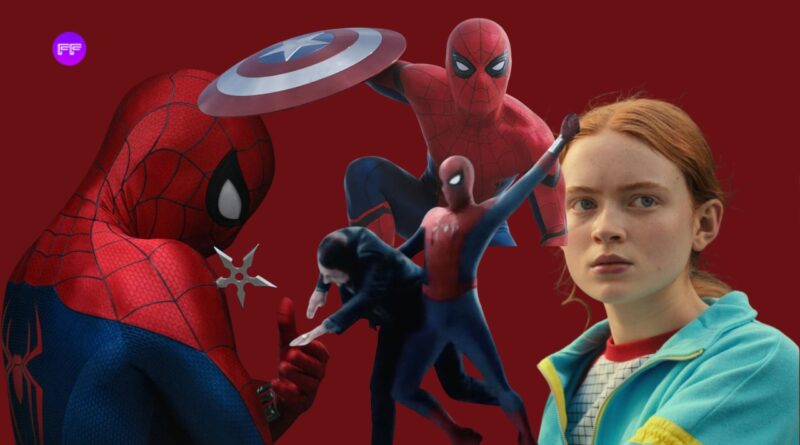
Spider-Man: Brand New Day Settles the Debate: Peter Parker Has What Jean Grey Never Could
Spider-Man: Brand New Day settles a long-running Marvel debate, showing why Peter Parker possesses a key strength that Jean Grey never truly had.
Jean Grey almost seems to have powers, a woman who has hosted the Phoenix Force itself which has given her access to cosmic-level abilities capable of destroying entire star systems, the most powerful telepaths and telekinetics in Marvel history. Spider-Man, by contrast, has proportional strength, sticky hands, and a knack for one-liners. Comparing them is impossible but Spider-Man: Brand New Day has quietly made the case that Peter Parker has something Jean Grey has never fully had, and probably never will.
Spider-Man’s greatest strength is not his powers, but his ability to stay in control. And in a shared universe where power without control has repeatedly ended in catastrophe, that single trait might be the most underrated superpower in the entire Marvel roster.
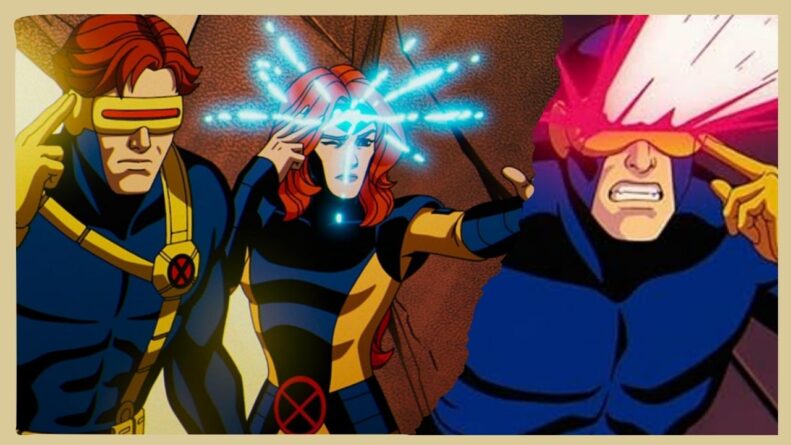
Jean Grey’s entire publishing history is, in some sense, a story about a woman who keeps losing herself. The Dark Phoenix Saga did not happen once. It has echoed across decades of X-Men storytelling because the underlying problem was never solved, only postponed. Jean’s power is cosmic in scale, but her ability to regulate that power has always been fragile, dependent on external safeguards: Professor X’s psychic shielding, the M’Kraan Crystal, death and resurrection cycles that reset the clock without actually fixing the wiring.
This is not a criticism of Jean as a character. It is the entire point of her tragedy. Her strength is inseparable from her vulnerability. Her challenge of controlling grows as her power grows. This tension has defined many of her most important storylines since Chris Claremont has had to grapple with the same unresolved question: what if Jean Grey won’t be able to handle the Phoenix force under control?
Read More 👉 Deadpool and Punisher Big Guns Crossover: Marvel’s Deadliest Heroes Collide
Unlike Jean Grey, Spider-Man’s powers are always in control by the man behind the mask. Peter Parker has fought with powerful symbiotes and villains but his core abilities of strength, agility, spider-sense, never put his senses at risk. Spider-Man’s powers have never threatened to take control of who he is.
This matters more than it sounds like it should. A huge amount of Spider-Man’s appeal, and a huge amount of his narrative stability, comes from the fact that his power has a ceiling Peter himself can actually manage. He gets stronger gear, smarter tactics, better web fluid formulas, but he is never one bad day away from accidentally incinerating a solar system. His mistakes are human-scale. They cost lives sometimes, devastatingly so, but they don’t threaten cosmic annihilation.
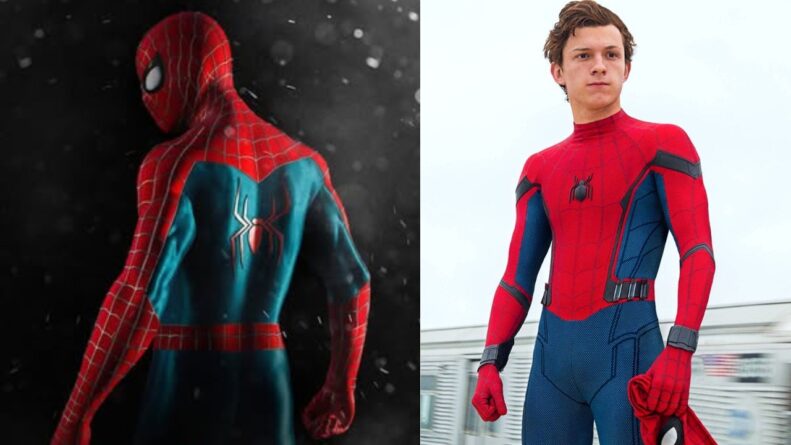
Brand New Day leans directly into this. The new arc strips Peter back down to fundamentals: a guy with a job, a strained personal life, and a set of powers he understands inside and out after two decades of trial and error. There’s no cosmic entity riding shotgun in his nervous system. There’s no countdown clock to a forced transformation into something unrecognizable. Whatever goes wrong in his life goes wrong because of choices, not because his own biology turned against him.
Jean Grey raw power is not actually the most valuable trait in a long-running superhero but a Control over itself. A superhuman who can bend their abilities according to their morale rather than being consumed by it is structurally more stable and more heroic and easier to write more consistently for that character.
Spider-Man’s advantage isn’t that he could beat Jean Grey in a fight. He almost certainly couldn’t, and no serious reading of either character pretends otherwise. The advantage is narrative and psychological. Peter Parker has never needed an entire team of telepaths standing by in case his own power turns on him. He has never needed to die and come back just to reset a corrupted internal system. His worst-case scenario has always been “Peter makes a bad call,” not “Peter becomes an extinction-level event.”
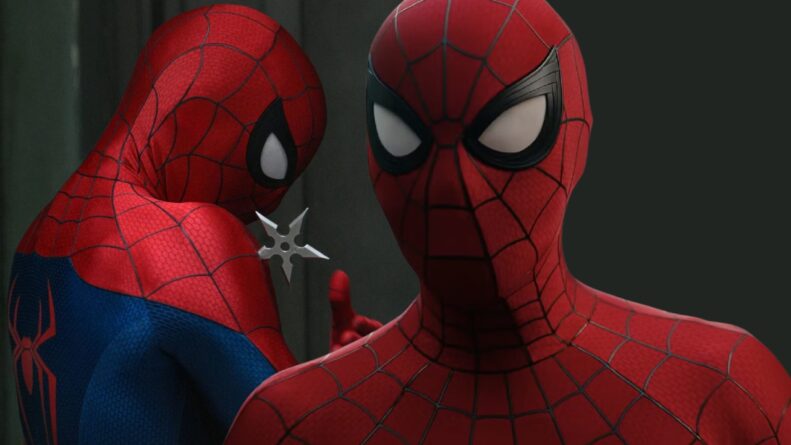
That distinction sounds abstract until you actually compare the stakes of their respective failure states. When Spider-Man fails, a building falls, someone gets hurt, a relationship breaks. When Jean Grey fails at containing the Phoenix, planets have died. Those are not the same category of risk, and the gap between them is exactly what makes Peter’s failures recoverable in a way Jean’s sometimes aren’t.
Read More 👉 What Marvel’s X-Men Lineup Could Look Like in the MCU
The current Brand New Day run doesn’t make this argument through a crossover fight or a direct confrontation between Peter and Jean. It makes the argument through restraint. The storyline deliberately resets Peter to a stripped-down status quo, no recent cosmic baggage, no Venom symbiote drama bleeding into every page, no marriage retcon hanging over his head. Just Peter, his powers, and his choices.
And the story works specifically because Peter’s powers don’t need a leash. There’s no subplot about him losing control of his own abilities. There’s no ticking clock toward Peter “going dark.” Every conflict in the arc comes from his decisions, his relationships, his double life catching up with him, not from some internal force threatening to hijack his body.
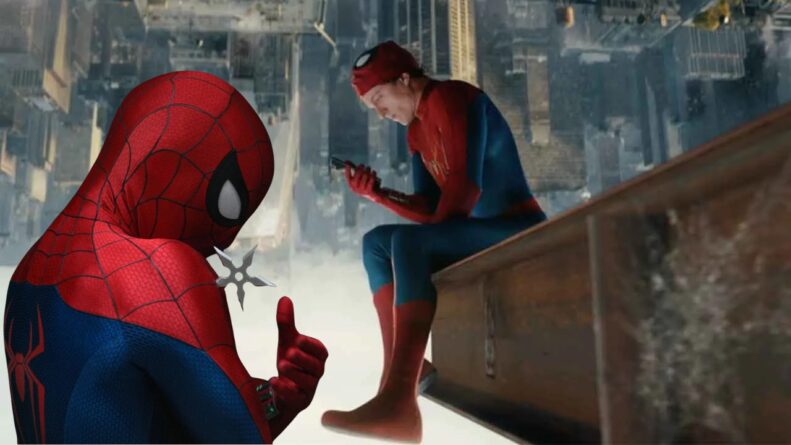
Compare that to how X-Men stories involving Jean almost always need a containment plan built into the premise. Cerebro shielding. Phoenix suppression tech. A team on standby specifically because Jean’s own power is treated as an ongoing risk factor, not just a tool she uses. Brand New Day never needs any equivalent safety net for Peter, because his powers were never written as a threat to himself in the first place.
It’s quite a premise that Marvel can build an entire arc around Spider-Man’s powers without once treating those powers as the danger. Try writing a major Jean Grey arc with the same constraint, and you will find it almost impossible to avoid touching the Phoenix question at all.
It’s easy to chalk this up to “Spider-Man is more relatable because he’s just a regular guy.” That’s true, but it understates the point. Reliability is an advantage here rather than Relatability.
Spider-Man can show up in street-level crime stories without a containment problem, that’s the type of self-control hero put into a story. His power scales to the situation because his control over it never wavers. Jean Grey, on the other hand, often has to be deliberately written around her own ceiling. Writers either avoid pushing her power to its limits, or they commit to another Phoenix arc and accept that the story is now, on some level, about her losing herself again.
Peter never forces that choice. That flexibility is the direct result of the advantage Brand New Day highlights: power that stays in proportion to the person holding it.
Read More 👉 X-Men ’97 Season 2: Marvel’s Legendary Mutants Return
A fair counterargument is that Jean Grey struggles to control her power because Phoenix is far beyond anything Spider-Man has ever encountered. Spider-Man’s control looks easy because he never loses himself, so comparing their situations isn’t entirely equal. That’s made the perspective more interesting as Jean’s constant battle with immense power makes her character remains one of the most compelling tragic figures in the X-Men mythos.
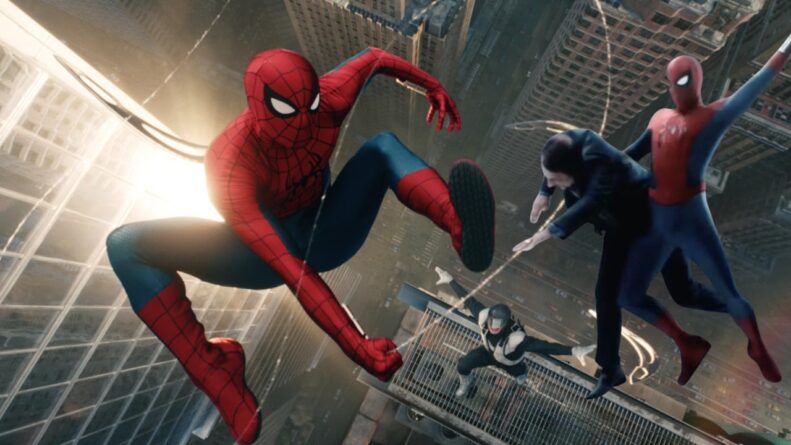
But that argument actually reinforces the original point rather than undercutting it. The advantage isn’t that Peter is stronger or braver. It’s that his power was built at a scale he can actually master. Jean was handed power at a scale no one, arguably not even her, can fully master. One of those setups produces a hero who can be trusted with almost any story. The other produces a recurring tragedy that has to be written carefully every single time. Both can be great storytelling. Only one of them is a genuine advantage in the practical, day-to-day sense of “can this character function without a built-in failure mode.”
Jean Grey will always be the more powerful character on a raw numbers basis, and nothing about Brand New Day changes that math. But power was never the category where Spider-Man had a shot at winning this comparison. Control was. And Brand New Day proves, almost by omission, that Peter Parker’s powers have never needed a leash, a containment plan, or a reset button.
Stability is more important than strength. And in a universe built on cosmic stakes and constant escalation, a hero who never has to be the thing his own team worries about might be rarer, and more valuable, than anyone gives him credit for.
Dive into the world of entertainment with Fandomfans to get the latest updates from movies, series, and celebrities.

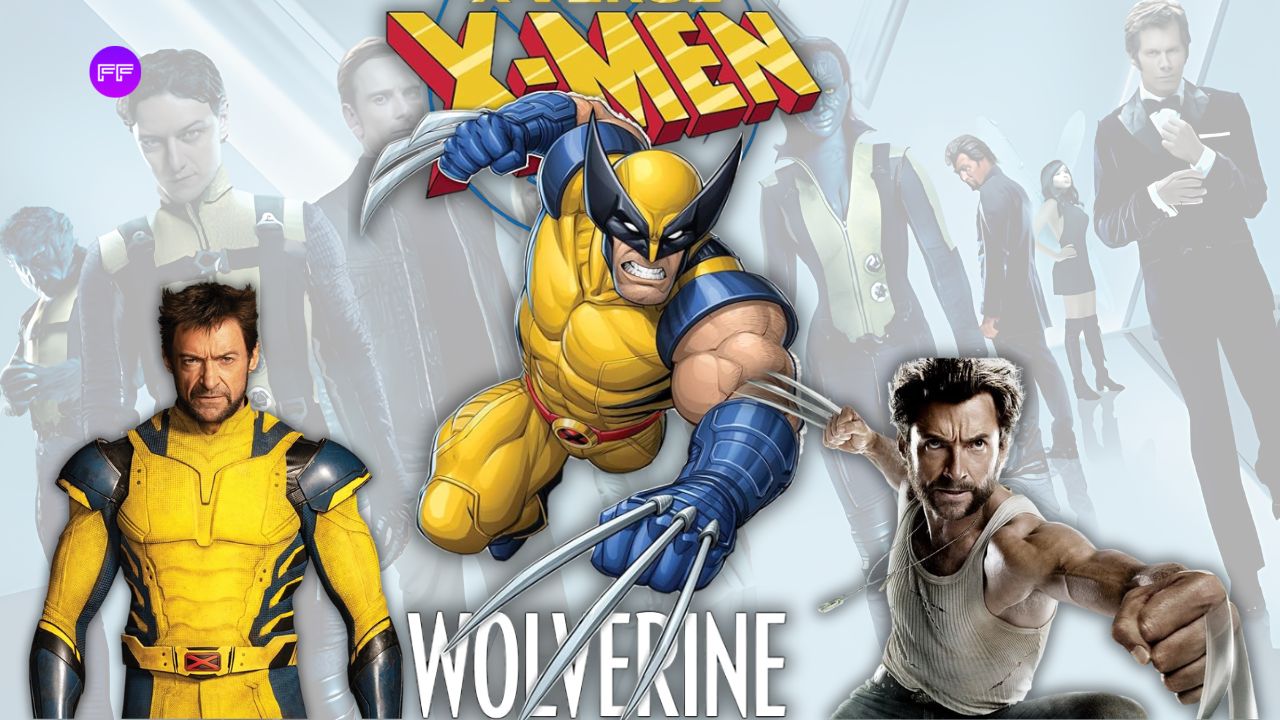
Marvel X-Men '97 Season 2 brings Marvel's iconic mutants back with new adventures, returning heroes, and fresh challenges on Disney+.

Marvel X-Men ’97 Season 1 success brings the next season on July 1, 2026. Marvel’s X-Men ’97 season 2 trailer hints at a very very dark plot and new characters joining with continuing the story after the season 1 finale with the most dangerous villain Apocalypse.
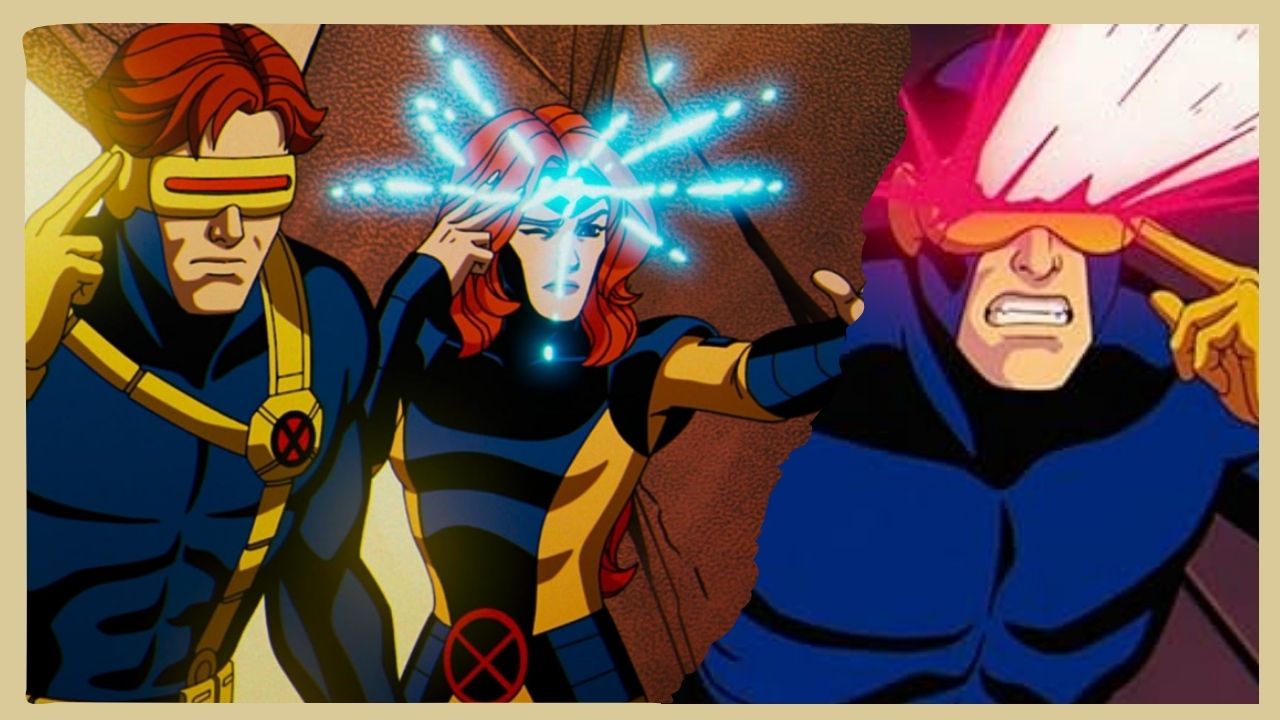
Season 1 ends with a timeline-shattering finale in May 2024, leaving a baggage of questions for fans. Everyone is end up in different time of period, Cyclops and Jean Grey were in 3960 A.D. and Rogue, Beast, Nightcrawler, Professor X, and Magneto found themselves in ancient Egypt, circa 3000 B.C., facing young En Sabah Nur who later become the worlds most dangerous person — Apocalypse. He also appeared in the gut-wrenching mid-credits scene and picked up Gambit’s charred playing card with a smile.
The wait is almost over. Marvel X-Men ’97 Season 2 is set to deliver on every promise — with a nine-episode run, a sprawling cast of new and returning mutants, and the most terrifying villain in X-Men history taking center stage.
| Premiere Date | July 1, 2026 |
| Season | 2 |
| Episodes | 9 |
| RT Score S1 | 99% |
| Main Villain | Apocalypse (En Sabah Nur) |
| Stakes | All time |
Before watching Season 2, a recap of X-Men ’97 season 1 is crucial to understand the storyline. It picked up from the 1997 finale of X-Men: The Animated Series, it was one of the best superhero cartoons ever. The revival series is penned by Beau DeMayo who is head of Writers and produced by Marvel Studios Animation, the series premiered its first season on Disney+ in March 2024 and was widely praised by fans and critics.

Marvel X-Men ’97 Season 1 episode 5 was the main emotional core of the whole season that genuinely shocked audiences by the attack of Sentinel on the mutant safe haven of Genosha. In order to protect others, Gambit sacrifices himself in that explosion which raises the stakes of “Remember It” as the most emotional episode. It was the kind of bold, unflinching storytelling rarely seen in animated television.
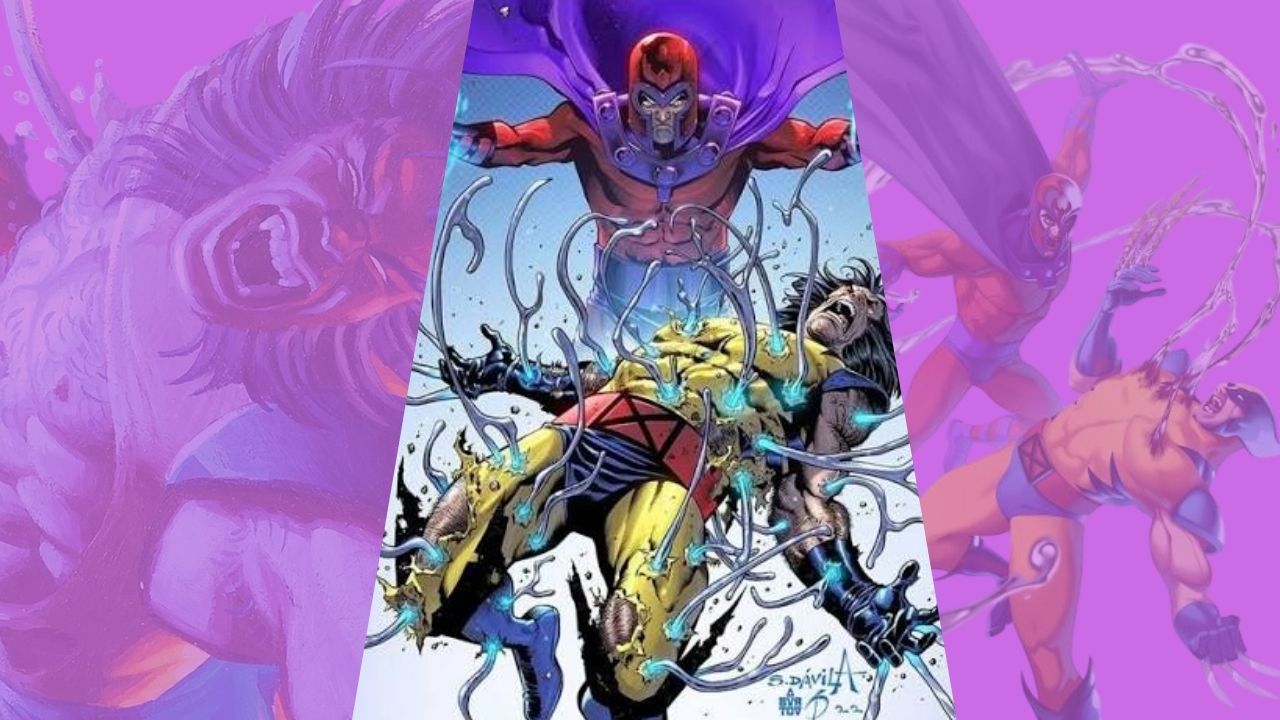
In the three-part finale “Tolerance Is Extinction” the real villain is revealed to be Bastion, a human-mutant-machine hybrid who became a representative of the next evolution in anti-mutant warfare. The X-Men won the fight at the end, but at a personal cost. During the conflict, Magneto, in-charge of the X-Men after Professor X created a blackout and tears the adamantium out of Wolverine’s body, leaving Logan in a catastrophic state.
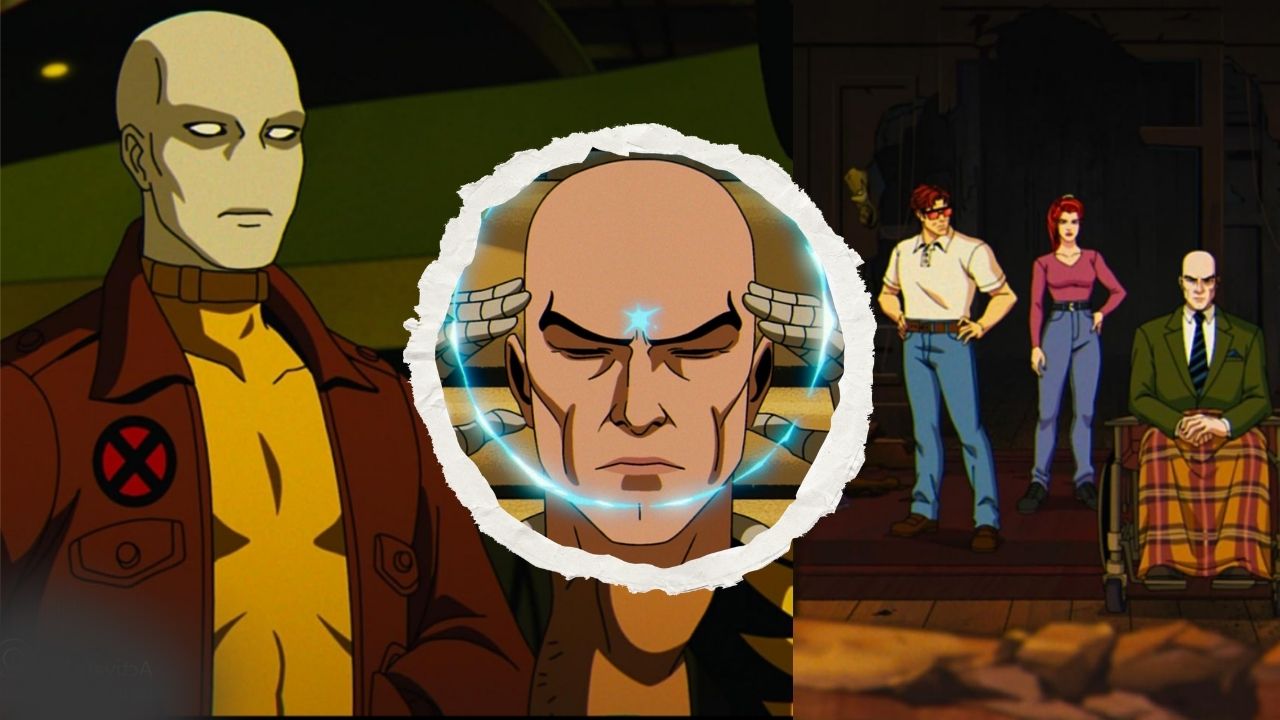
A key moment between Magneto and Professor X when he entered into Magneto’s mind with his Psychic power that nearly destroyed them. This causes a possibility of the terrifying entity born from the darkest corners of both psyches – Onslaught which could become a major threat in future seasons.
In the end of season 1, the X-Men were flung across time. Cyclops and Jean Grey are separated and thrown from the rest of X-Men and end up in 3960 A.D. where they have adopted son Nathan (Cable). Magneto and Professor X are end up in 3000 B.C. in ancient Egypt along with Rogue, Beast, and Nightcrawler. In their timeline, Apocalypse was just a young child En Sabah Nur, who was outcast because of his mutant ability to the brutal tribe. In the mid-credits scene, Apocalypse visits Genosha and smiles while looking at Gambit’s playing card which means he has plans for him.
According to Disney’s official synopsis, the X-Men are scattered across different eras in time and busy finding their way to come back home. Meanwhile, back in the 1990s, new enemies were rising in their absence who have strong hate against mutants.
Marvel X-Men ‘97 Season 2 trailer dropped in May 2026 and gathered million views. It featured Rogue mourning Gambit’s death with Nightcrawler then scenes shifts to X-Men across every era of history. The trailer ends with Apocalypse declaring war:
“I must strike them at their most vulnerable — the 1990s!”
The one major subplot is confirmed that draws from the 1994 comic The Adventures of Cyclops and Phoenix. As the finale showed Scott and Jean, they will raise their adopted son Nathan (Cable) in the far future, while Apocalypse remains a growing threat. Meanwhile, back in the ancient past, Bishop and Forge are trying to fix the fractured timeline. Professor X actor Ross Marquand said:
“He was surprised the season was approved because it is so dark and many die.”
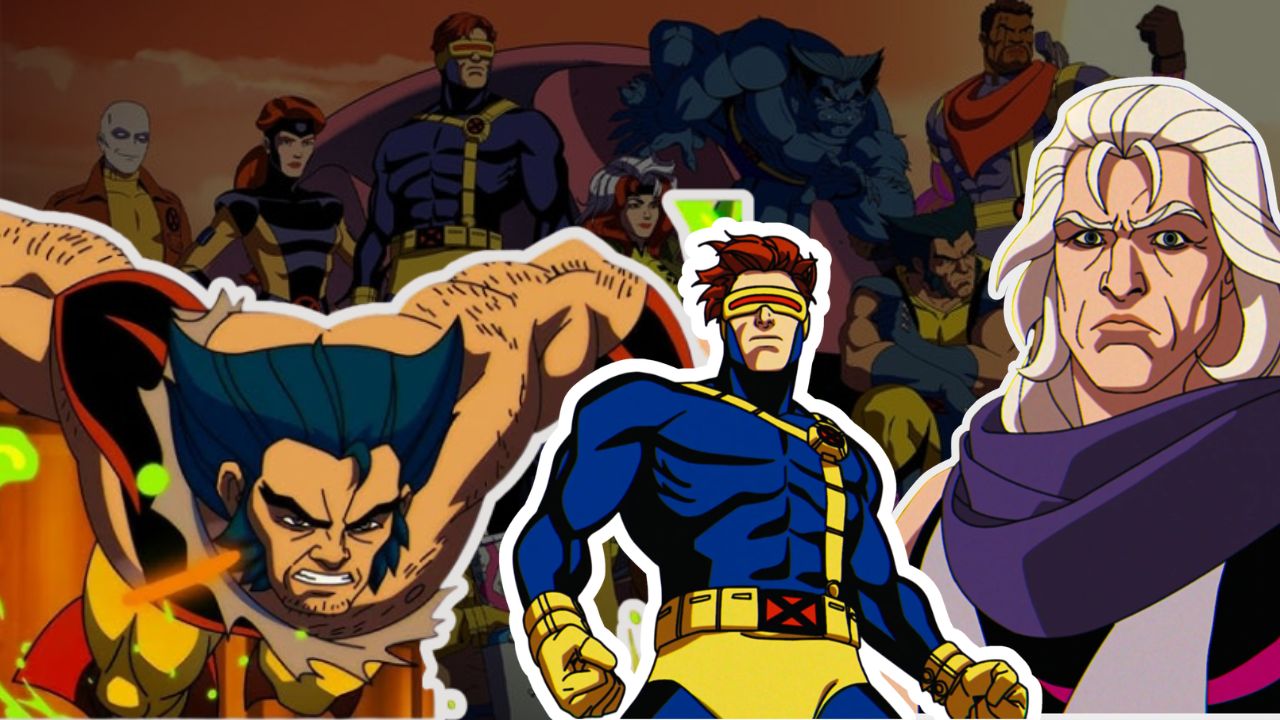
Marvel X-Men ‘97 Season 2 showcases every character being separated and thrown in different centuries.
| 3960
A.D |
Cyclops & Jean Grey | They end up in the far future when Apocalypse is already rising with power. It is based on The Adventures of Cyclops and Phoenix comic. |
| 3000
B.C |
Rogue, Beast, Nightcrawler, Professor X & Magneto | They end up in the past (ancient Egypt) where Apocalypse is young, a grey-skinned outcast with the Sandstormers tribe. |
| 1990s
Present |
Wolverine, Bishop, Forge & Others | Holding on to the present day while Apocalypse plans to strike on mutants at their weakest era. |
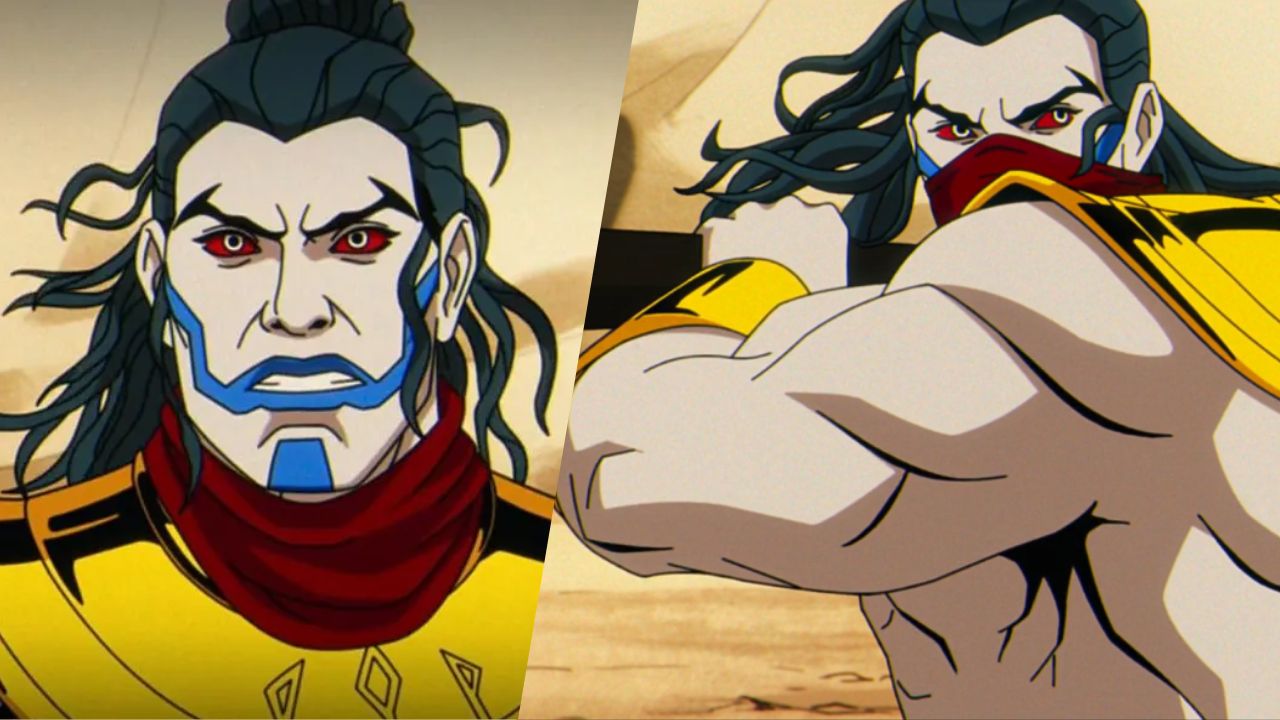
En Sabah Nur, born thousands of years ago in ancient Egypt where Rogue, Professor X and Magneto find him as a grey-skinned outcast, was taken in by a tribe called the Sandstormers, who brainwashed him with a brutal belief that only the strong one survive. And he enhanced his mutant abilities with celestial technology after growing up and created himself as the powerful judge to decide who was worthy to survive.
We only watched his young version as En Sabah Nur in 3000 B.C. in the X-Men ’97 Season 1’s finale. But Marvel X-Men ‘97 Season 2 will showcase his past, present and future simultaneously. Whether it’s only a child or a dangerous villain he becomes, one thing is sure that he is too powerful. And he is planning to erase all mutants at their weakest time.
The Season 1 mid-credits scene strongly suggests that Apocalypse came to the ruins of Genosha to resurrect Gambit for making him a Death, one of his Four Horsemen.
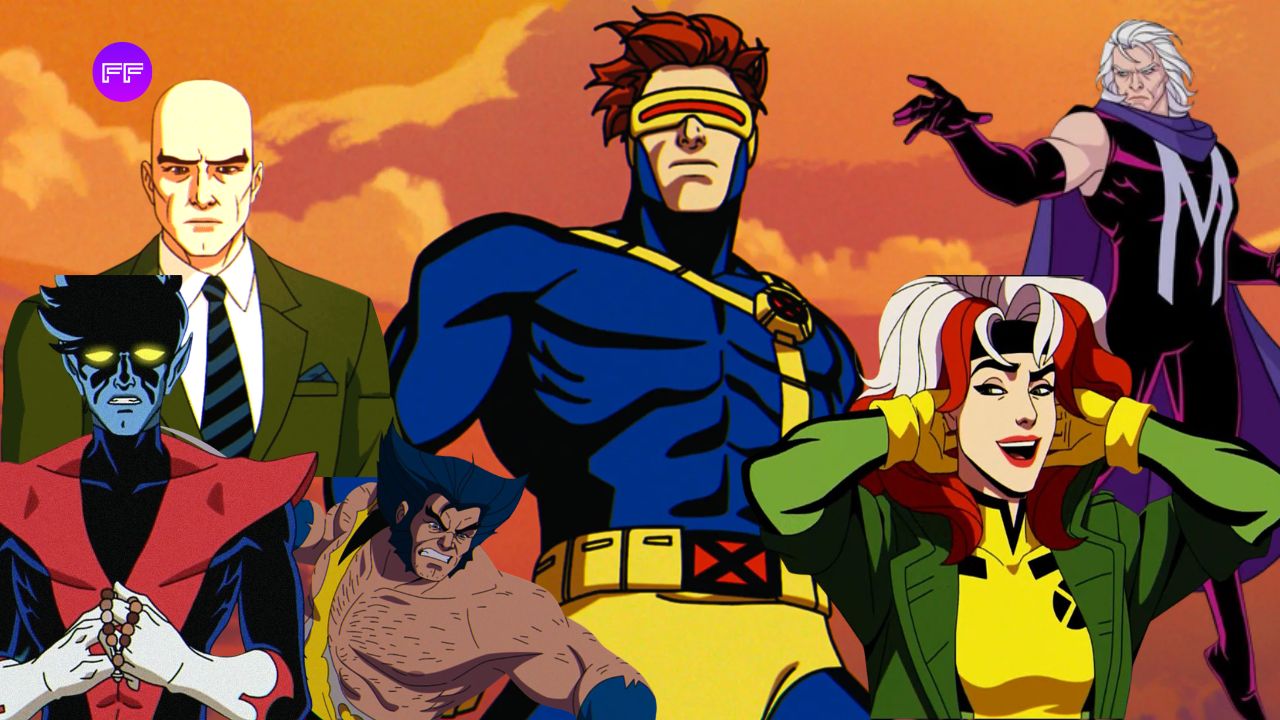
Season 2 brings back the full core voice cast while introducing a significant roster of new mutants — many of them deeply meaningful to long-time comics readers.
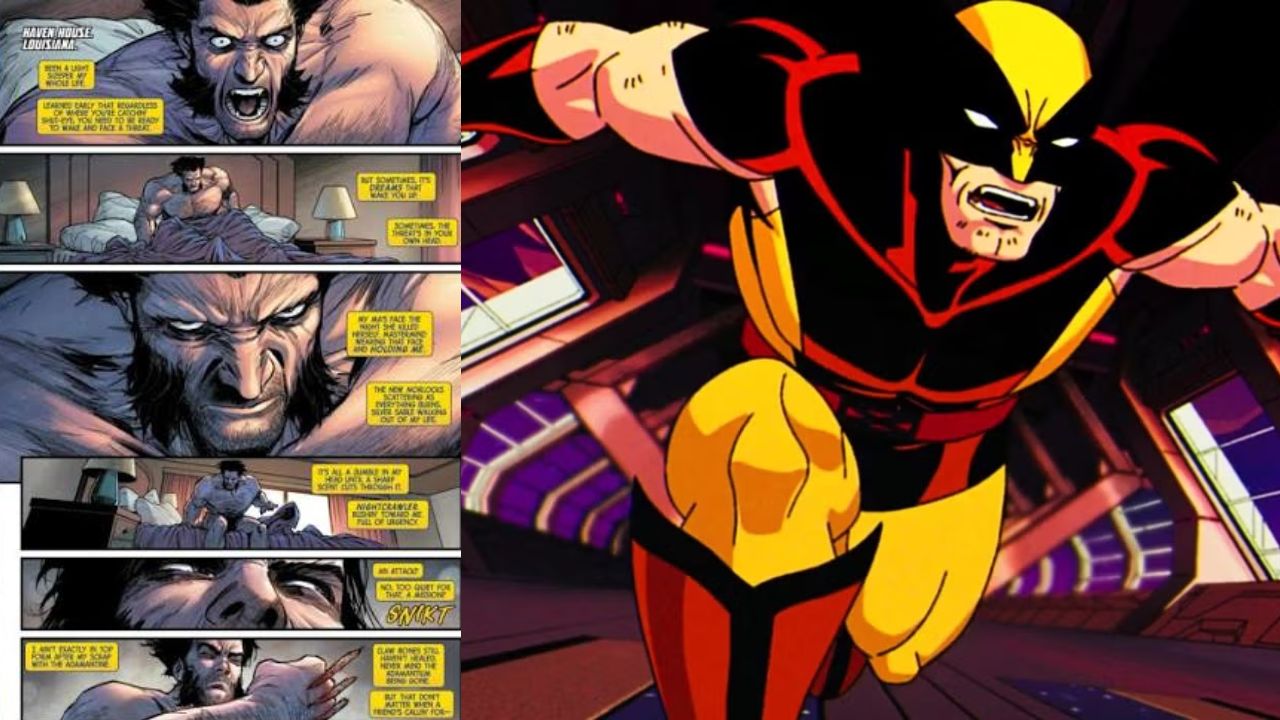
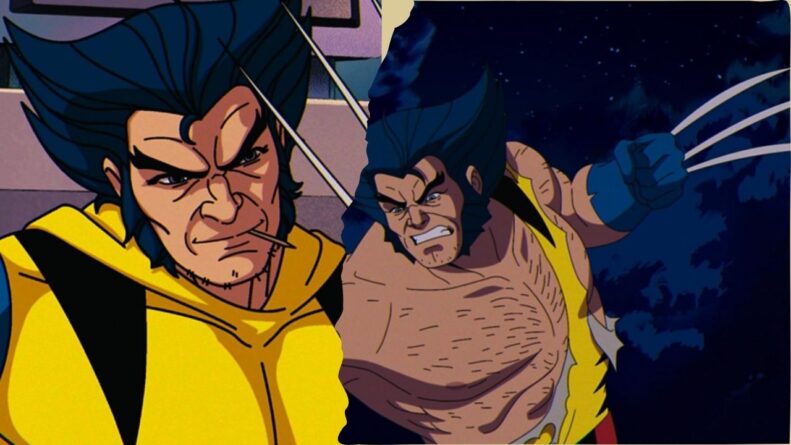
Somehow alive and fully functional after having his adamantium ripped out. How he recovered is one of Season 2’s central mysteries.
Stranded in the far future of 3960 A.D. alongside Jean — facing Apocalypse at the height of his reign.
In the distant future with Scott — the Phoenix residue she carries may be crucial to their survival and escape
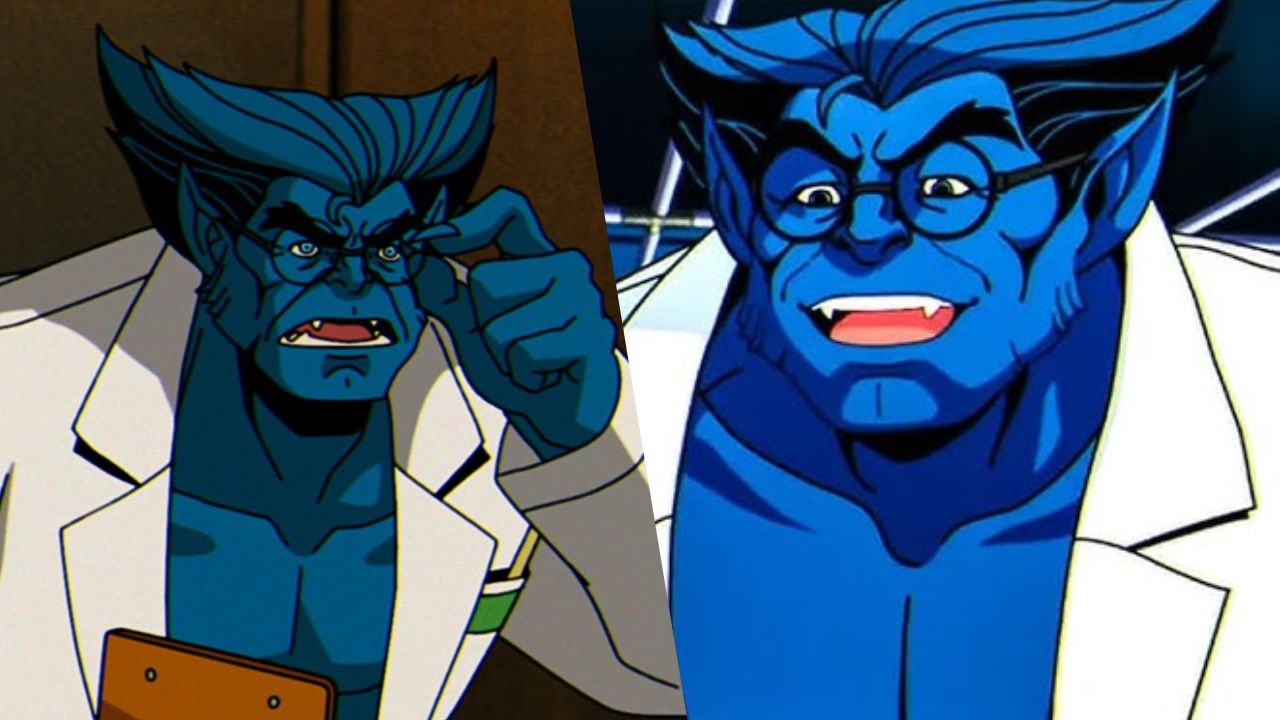
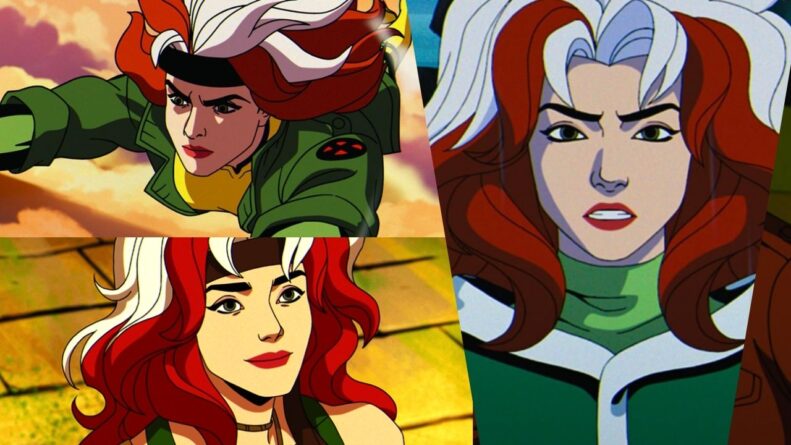
Emotionally shattered by Gambit’s death. The trailer opens on her grief — and she’s trapped in ancient Egypt with Nightcrawler and Beast.
The weather goddess returns to the fray with her signature combination of power, grace, and moral authority.
Caught in ancient Egypt, psychically weakened after his confrontation with Magneto. His survival is far from guaranteed.
Stranded in 3000 B.C., facing the man he helped create through the violent philosophy he once shared: En Sabah Nur.
Gets the trailer’s most crowd-pleasing moment — briefly shapeshifting into Deadpool, sending social media into a frenzy.
Teased in the trailer’s final seconds with a claw reveal. Victor Creed’s appearance signals a brutal personal reckoning for Logan.
Returns to the animated series with a storyline that reflects current comic continuity around Kwannon and identity.
His dark metallic wings hint at a possible past as one of Apocalypse’s Horsemen — a deeply significant connection to the season’s villain.
Magneto’s daughter makes her animated series debut — her complicated family legacy will matter enormously given the stakes of Season 2.
Read More 👉 What Marvel’s X-Men Lineup Could Look Like in the MCU
The steel-skinned Russian mutant joins the fray, adding raw power to a team desperately in need of it across every timeline.
Adamantium claws and a vendetta against Wolverine — her arrival adds a personal, physical threat that Logan is in no shape to handle.
The living embodiment of the X-Men’s VR training facility — a deeply strange and compelling addition from Joss Whedon’s comics run.
The telepathic powerhouse makes her Season 2 appearance — whether as ally or antagonist remains one of the season’s intriguing question marks.
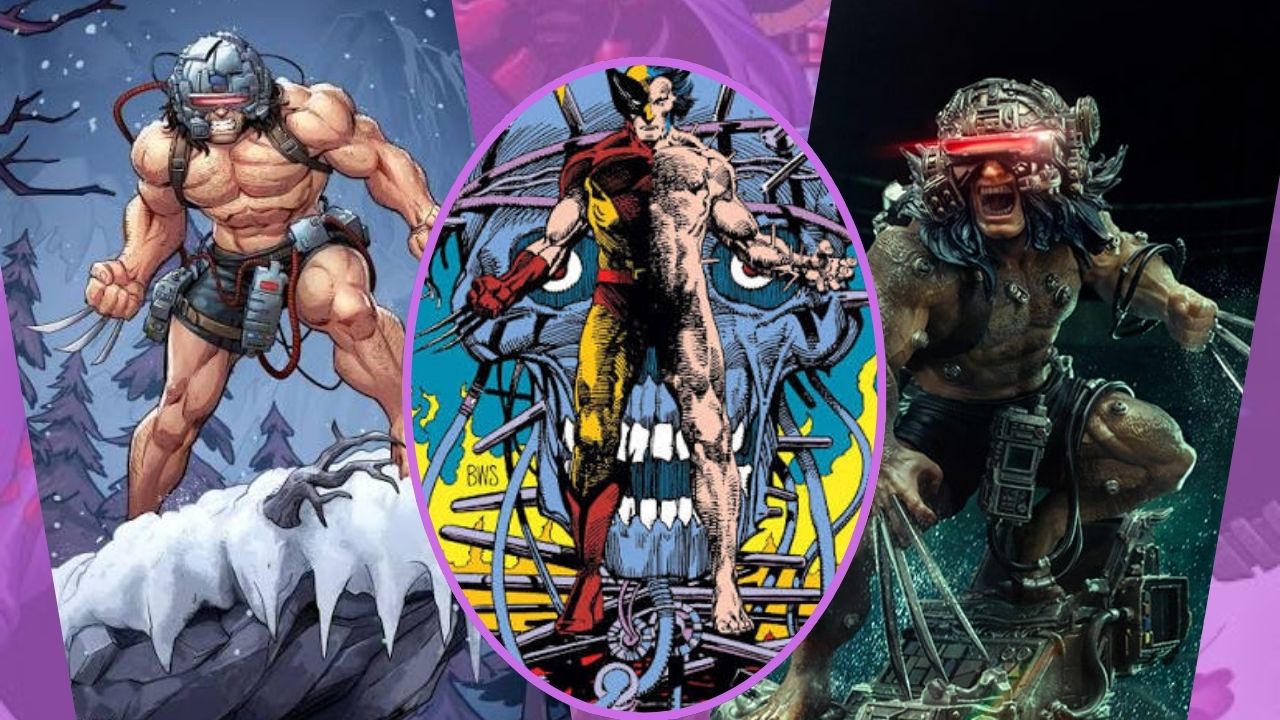
When Magneto left Wolverine heavily injured and close to death in the last moment of finale, left fans wondering if he ever survived or not. The scene directly connected to the famous 1993 “Fatal Attractions” comic storyline.
Marvel X-Men ’97 Season 2’s trailer answers one question that Logan is alive but leaves everyone wondering how he survived that state. He appears fully restored, adamantium claws and all. How? The show has not yet explained his recovery, which may be one of the central revelations of the new season.

Theories range from the Weapon X programme, to a future/past intervention by time-displaced allies, to Apocalypse himself — who has been known in the comics to “enhance” mutants for his own purposes.
“The trailer shows a different situation. Wolverine appears alive and fully functional again — his adamantium claws restored. The trailer does not explain how.”
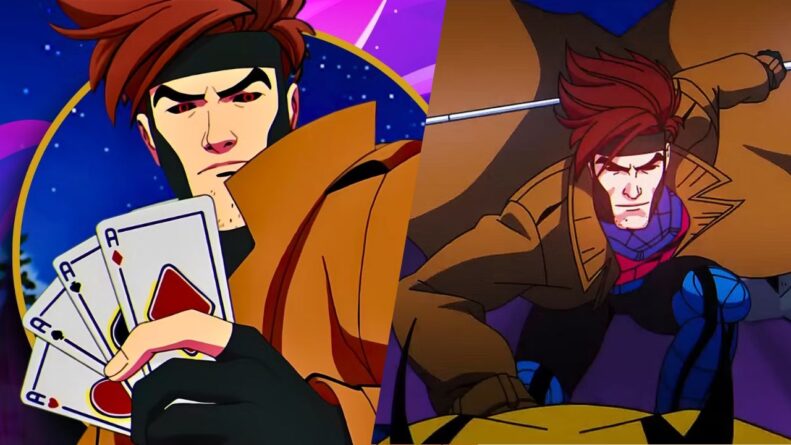
In episode 5 of season, Gambit died in order to protect everyone from the explosion to destroy an army of Sentinels and make its audience highly overwhelmed. Remy LeBeau — the Cajun reformed thief, the man who loved Rogue more than life itself — sacrificed himself which was magnificent and heartbreaking.

But in the X-Men comics, few deaths are permanent — and Gambit’s least of all. The Season 1 mid-credits scene indicates that Apocalypse plans to resurrect Remy as Death, one of his Four Horsemen. And this storyline directly adapted from the comics, adding more emotional core in the Season 2 of the series. Rogue is not drowning into grief only but the horrifying possibility of facing the man she loves turning into a monster which makes fans more excited.
Nothing has been officially confirmed, but Ross Marquand’s comments about the season being “very, very dark” and featuring a significant body count suggest the show is not pulling its punches. A resurrected Death-Gambit would be the kind of devastating narrative Marvel X-Men ’97 Season 2 has proven itself fully capable of delivering.
The long-term future of X-Men ’97 is looking extremely bright. At New York Comic Con in October 2025, Marvel officially confirmed that Season 3 has been greenlit — announced even before Season 2 had a release date. Brad Winderbaum, Marvel’s Head of Streaming, Television, and Animation, has made clear that the goal is for the series to run for the long haul.

Marvel X-Men ’97 Season 2 was written by a team that includes original showrunner Beau DeMayo — who completed work on both Season 1 and Season 2 scripts before departing the project. Matthew Chauncey has since stepped in as writer to carry the series forward into Season 3 and potentially beyond.
Marvel X-Men ’97 Season 2 arrives with nearly impossible expectations — and every sign suggests it intends to exceed them. With Apocalypse as a multi-era threat, a team fragmented across thousands of years, Wolverine’s mysterious recovery, the spectre of a resurrected Gambit, and an already-confirmed Season 3, Marvel Animation’s crown jewel is only getting started. Clear your Disney+ queue. The mutants are coming home.
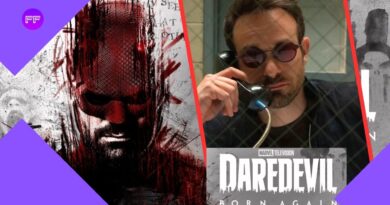
Daredevil Born Again returns Matt Murdock to the MCU. Check out crossovers, Kingpin’s ascension, courtroom showdowns and Daredevil’s new street-level legacy.

Matt Murdock’s ascent as the ultimate TV comeback tale with Daredevil Born Again. After his grim Netflix show was axed after three seasons in 2018, it seemed like the “Devil of Hell’s Kitchen” might be out of luck for good. Instead, Marvel pulled a master class in character rehabilitation.
Splitting him (and his arch-enemy, Kingpin) across four very distinct series — Spider-Man, She-Hulk, Hawkeye, and Echo — Marvel connected the dots between his grim, street-level beginnings and the bigger, flashier MCU.
Daredevil Born Again neighborhood hero became more than that now. He’s been raised to the ethical and legal foundation of the whole franchise. It’s not just a Season 4; it’s a character study of a man caught between the law and the mask, searching for justice in a New York still grooving to the chaos of the Blip.
The Road to Daredevil Born Again is a meticulously crafted “what-have-you-done-for-me-lately?” Marvel made four deliberate cameos to convince us that Matt Murdock could leave his first dark, solitary Netflix pocket and step out into the wider, stranger battlefield of the Avengers and then get his own show again.
The Movie Star Moment (Spider-Man: No Way Home): This was the “official” handshake. Catching a brick and standing in for Peter Parker, Matt demonstrated that he and Marvel live in the same universe as the Avengers. It presented him as a “really good lawyer” who still had keen super-senses and was ready for the big leagues.
The Vibe Check (She-Hulk): That was our first time seeing Matt—cute, fun, and draped in a throwback yellow suit. It showed him as more than “a brooding guy in a hallway” but an experienced warrior who could square off against beings like “Hulk-level” villains and still maintain his composure.

The Villain Upgrade (Hawkeye): This focused on Wilson Fisk. Raising the stakes Marvel elevated the stakes by making Kingpin durable against explosions and car crashes. Now he wasn’t just a mob boss he was a “global threat,” and his shadow stretched over the whole city.
The Final Link (Echo): Daredevil Born Again brought everything full circle. In a savage battle and an extended view into Fisk’s history, it served as a reminder that Matt didn’t stop fighting during the “Snap” years. It culminated with Fisk’s bid for Mayor, which paved the way nicely for the new series.
For ages fans were fretting that Marvel was going to force a “reset button” on Daredevil Born Again, retconning everything that made the Netflix show great. But after a sweeping creative shakeup at the top, Marvel made a pivot that encompassed everything: they were going to look to the past instead of running away from it.
The “Hard Continuation” Victory: Although Daredevil Born Again was going to be a “soft reboot.” However, Marvel replaced the original creative team with a new showrunner to continue as a direct sequel to the original three seasons. Matt’s past – his scars, his faith, his feud with Fisk – still matters. We already are into the deep end of the main story where it originated.
Matt survival from Thanos: It turns out that both Matt and Wilson Fisk survived Thanos’s Snap. With the Avengers either off-planet or mourning, Hell’s Kitchen was unraveling. This gap of five years is the “secret sauce” of the new story. It gave Fisk a chance to reestablish himself as a power in the collapsing world, turning his criminal empire upside down and presenting himself as a “savior” for a broken city.
A New Kind of Crisis: For Matt the Blip wasn’t just a simple logistical nightmare, it was a spiritual one. Daredevil Born Againcompounded his “crisis of faith.” If the laws of nature can just extinguish half the population, how is a blind lawyer supposed to believe in the “rule of law” on Earth? He’s starting this new chapter in his life with what has been the heaviest burden of a decade’s worth of ups and downs.
Daredevil Born Again renders stark reality in its depiction of a disease-ridden, drug-addled Matt Murdock that no one could ever forget. He has laid down the brass knuckles and picked up the gavel in his election as mayor of New York City, and is now using the entire city government as a weapon against Matt Murdock.
The “Kingpin Squeeze”: Fisk isn’t just dispatching thugs to Matt’s home anymore. He’s making being a hero illegal through the Anti-Vigilante Task Force (AVTF). By painting Daredevil as a public menace, he’s employed the “rule of law” to chase his nemesis with a badge and a siren.

The Ultimate Strongman: Fisk’s ascent is a masterclass in manipulation. He preys on the anxieties of regular New Yorkers who feel the city has deserted them, not the Avengers. He presents himself as the only person who can restore order in a post-Blip world, and is taking advantage of “good optics” — even as he’s blackmailing the police commissioner and threatening martial law.
A Criminal “State-Within-a-State”: Behind the scenes of Daredevil Born Again, Fisk is working on the “Free Port,” in Red Hook. He’s attempting to establish a special-trade zone outside federal reach. If he pulls it off, he will have created a legal “black hole” through which the Five Families can move whatever they want without the law’s pesky interference.
Matt Murdock is basically a man serving two masters, and Daredevil Born Again, that strain is at last beginning to break. He’s a lawyer who takes an oath to uphold the law by day, but at night, he’s a vigilante who violates just about every ethical rule in the book. This isn’t just a “cool secret identity” this is a deep professional and moral crisis.
Here is what the “legal nightmare” Matt is facing right now:
The Threat of Disbarment: If a Bar Association in the real world got wind of what Matt does by night, he would be disbarred immediately. Rule 4.2 prohibits Attorney from communicating with a “represented party” without the party’s attorney being present. Anytime he has a Daredevil pin a criminal and punch the truth out of them, Lawyer-Matt is making a huge ethical error. He is basically using his mask to violate the legal rights which he is obliged to honor.
The Conflict of Interest: Matt frequently represents clients not to aid them but to gather intelligence for his missions. This makes it a “material risk” that he isn’t acting in the best interests of his client — which is the worst thing you can do as a lawyer.
The Hector Ayala Meltdown: This firestorm touches off Matt’s meltdown. To exonerate Hector (the White Tiger) from a murder charge, Matt stakes everything: he unmasks Hector in court to prove his innocence. It works—they win the case but what’s the victory but a hollow victory. Hector is assassinated by a corrupt cop right after leaving the courtroom.
The transition to the main MCU is not just a change of location; it’s a solidifying of Matt Murdock’s world. The people around him aren’t simply ”background characters”—they are the scars and the fuel for his new mission.
Here’s how the inner circle has changed in this “older and harder” reality:
The Heartbreak: The Death of Foggy Nelson. Foggy wasn’t just Matt’s law partner; he was his moral anchor. His death at the hands of Bullseye (by order of Vanessa Fisk) is the ruthless “catalyst” for the series as a whole. It shatters the “Nelson, Murdock & Page” trinity forever, and sends Matt into a year-long tailspin. In fact, he temporarily retires the mask, worried that his rage might make him a murderer.

The Evolution: Karen Page as a Peer. Karen is a long way from, you know, the secretary. Daredevil Born Again she’s basically a lawyer in her own right, a professional equal who challenges Matt to be better. She’s the one who pulls him back into the fight, with her investigation skills, she digs to what was left by Foggy. “She Feeds Matt his Humour-Detecting BS and Then Keeps Him Human“: As far as who the true Page is in the gloves is concerned, that would be Karen Page.
The Dark Mirror: Frank Castle (The Punisher). The two used to spend all their time arguing about the “morality of killing.” Now they’re a “reluctant duo. The rupturing effect of Foggy’s death and the city’s decay soup on Matt is so palpable (NOT in the traditional sense!) that he is seriously considering Frank’s brutal approach. This is a heartbreaking indication of how much Matt has dropped, he cannot have a flawless sense of morality in a world that seems to be inherently rigged.
Now that the MCU is blasting off to space and multiverse madness, Matt Murdock is becoming the man who keeps the franchise’s feet planted firmly on the ground. He’s gone from “that blind guy in Hell’s Kitchen” to a cornerstone of Phase 5 and 6—essentially the Captain America of the Streets.
Here’s how Matt is assembling his “Street-Level Avengers”:
The Strategic Lead: The Avengers may deal with cosmic gods, but Matt makes the most sense to head up an organized opposition to Wilson Fisk. His legal brilliance, his “human lie detector” talent, and his tactical expertise make him the MCU’s connection from the city’s merciless truth to its sky-high heroics.

Mentoring Spider-Man: This is the partnership that everyone is eager to see. Following their short encounter in No Way Home, Matt now has the perfect place to show Peter Parker that you can’t just win every war with webs. He is the mentor Peter needs to survive in a world where the bad guy (Fisk) has a law degree and a mayor’s office.
The “Grounded” Anchor: Amid a world of magic and aliens, Matt ensures the stakes stay Earth-bound. He lets us know that though the galaxy is locked down, the block still might be rotting from within.
Matt Murdock isn’t just a supporting character now — he’s the head of a spin-off narrative arm that delves into corruption, systemic breakdown, and what it really means to be a “neighborhood” hero in a world buzzing with superheroes.
Read more:- The Green Lantern’s Guy Gardner Became the Heart of James Gunn’s New DC Universe
Ultimately, Matt Murdock’s story is not just about a hero returning: it’s about him coming home as the MCU’s streets’ cornerstone. He’s graduated from being a “neighborhood outlier” on Netflix to the moral compass of the entire franchise.
The cameos were the warm-up, Daredevil Born Again is the headliner. It is a definitive declaration that the Man Without Fear is exactly where he belongs right in the middle of the battle for the soul of the Marvel Cinematic Universe.
Dive deeper into the world of cinema with Fandomfans to get all the latest updates from movies, series, and celebrities.