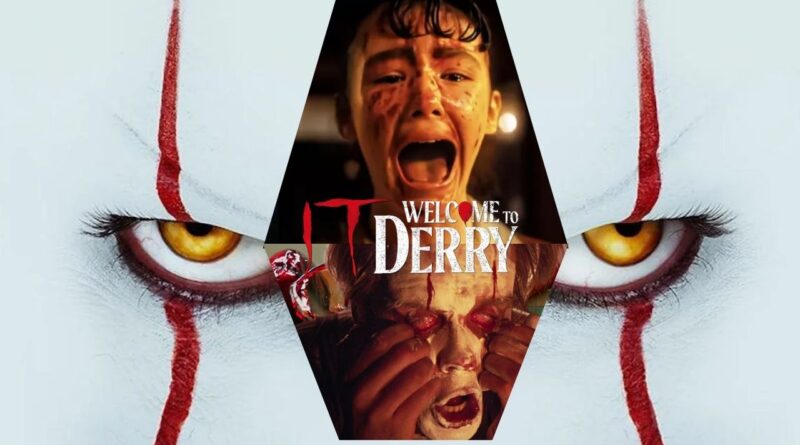
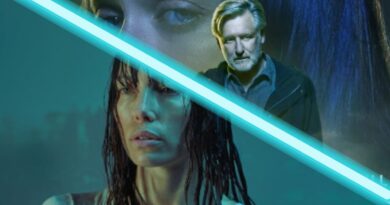
When IT: Welcome to Derry aired on HBO at the end of 2024, fans of the genre thought it was going to be a new version of Stephen King’s horrifying world. But in its opening episode, the series offered something else — a very familiar (and not in a good way) experience. The very thing that made IT (2017) a triumph is what turns the prequel’s opening moments into a warning: the misapplication of horror principles that plagued IT: Chapter Two. And if you’re wondering where things went haywire, strap in — because it’s a lesson the franchise should have gotten the first time around.
The Opening That Should’ve Been Iconic
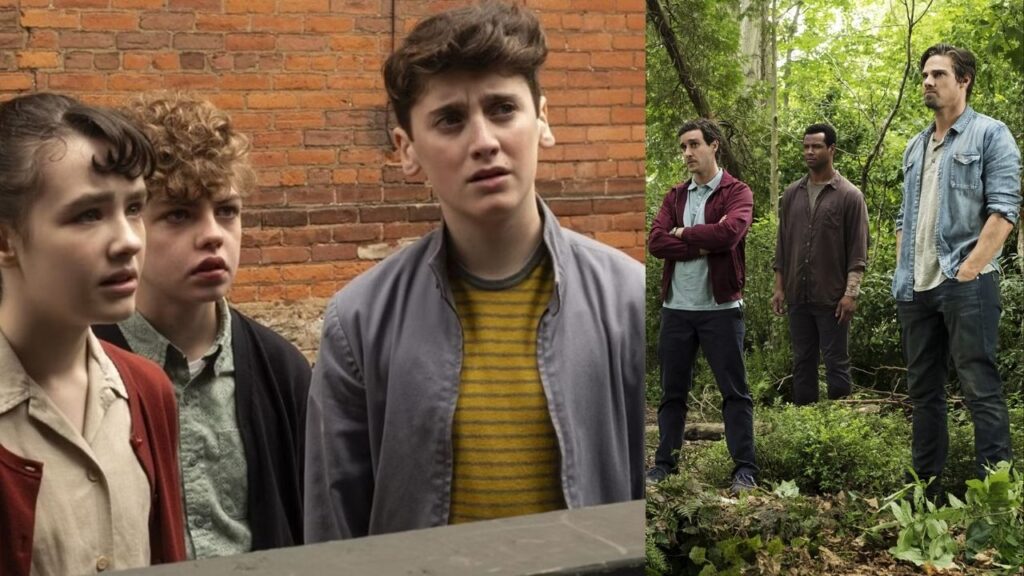
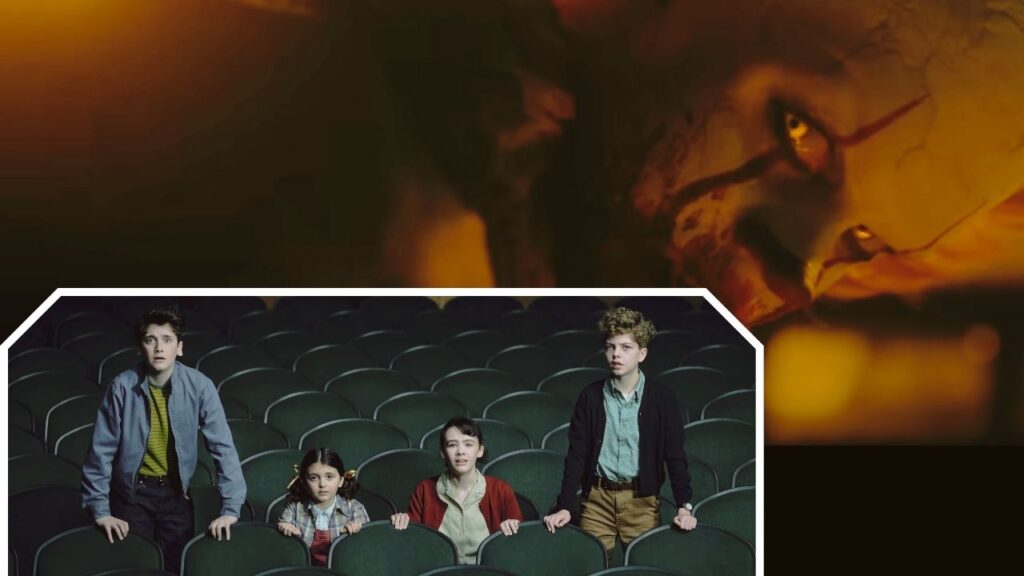
“Young Matty Clements” The Original Story begins on the night of a snowstorm, a boy called Matty Clements running from his abusive father with nothing else but hope, young Matty Clements. He is taken in by a seemingly warm family, and for a fleeting moment the audience experiences genuine relief for him. Then everything goes horribly wrong. A grotesque, computer generated, winged thing explodes out of the car in a welter of blood. It’s supposed to echo Georgie’s death in the original movie — a chilling first taste of Pennywise’s real form. But here is the problem: it couldn’t be more wrong.
Image Credit: Fandomfans
Compare with Georgie’s’s iconic death in IT (2017). Director Andy Muschietti choreographed that scene with surgical precision. Bill Skarsgård’s Pennywise was this chillingly intimate, yet threateningly expansive. The Georgie and clown talk gained genuine dread through conversation and psychology rather than spectacle. Every second seemed well-earned, every shock felt intimate. Pennywise took advantage of Georgie’s particular weakness — his faith in strangers, his wish to get back his boat. That’s efficient terror.”
The IT: Chapter Two Mistake We Should Have Seen Coming
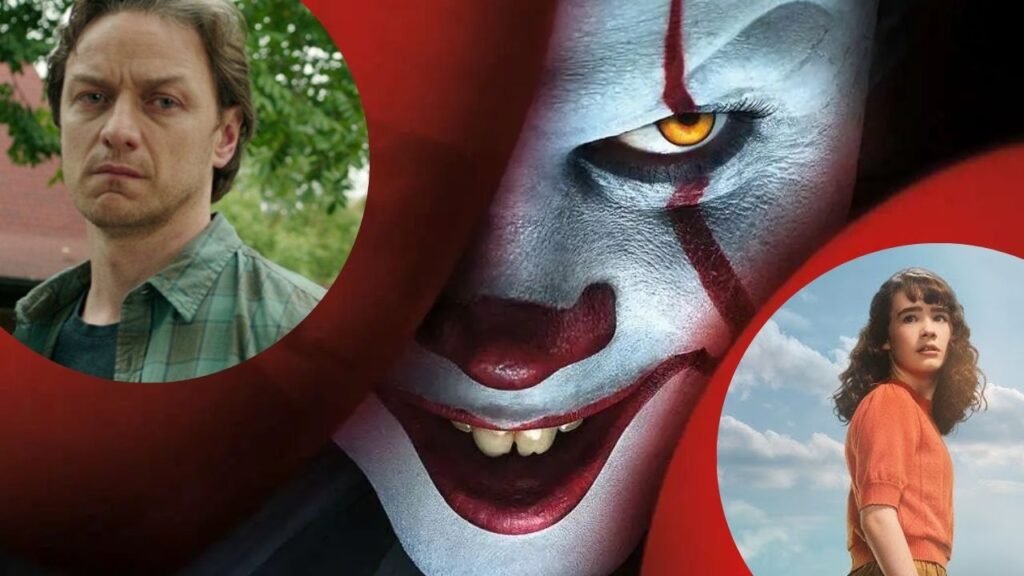
That’s when it gets frustrating. IT: Chapter Two (2019) in particular was derided for eschewing the psychological horror that made the 1990 version so effective. The sequel padded itself out with a two-hour-and-forty-nine-minute running time, repetitive solo missions for every Loser Club member, and most damningly a dependence on cartoonish CGI monster moments. Critics were not shy about it—the attack on the Paul Bunyan statue, the grotesquerie creature designs, the visual spectacle that is not actually scary. It was like someone told the filmmakers: Bigger means better, and they darted off blindly downhill.
Image Credit: Fandomfans
Chapter Two’s Rotten Tomatoes rating fell 23 points from the original. Box office receipts plummeted by more than $230 million. The message from the crowd was plain: we don’t want spectacle, we want atmosphere.
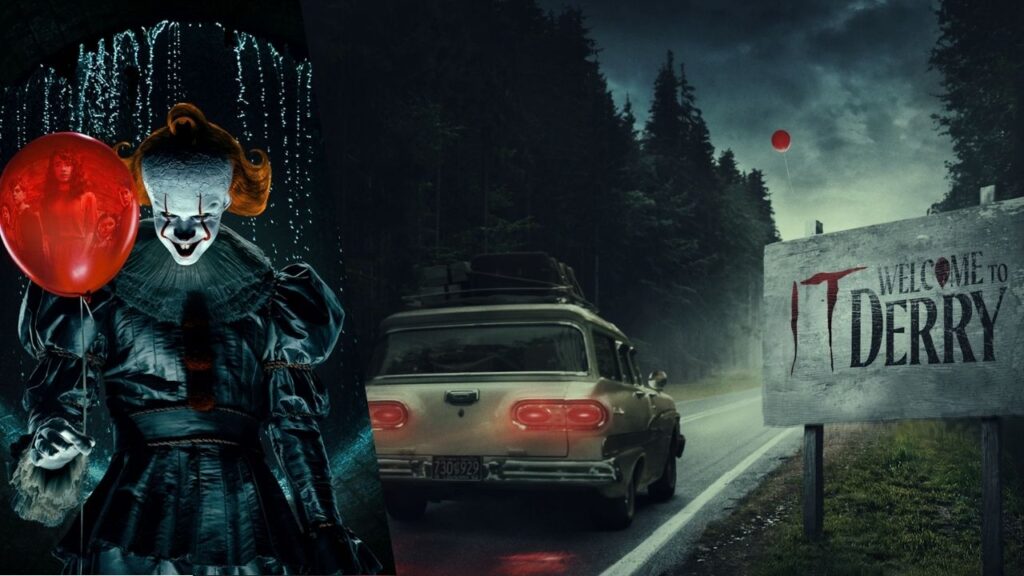
So what Welcome to Derry accomplishes in its first few minutes? It’s the exact same error. That demon baby on the fly, that horrific beast bursting out of the family vehicle, the extended gore set piece — it’s all Chapter Two’s playbook, dusted off and amazon prime-ready. The scene goes on uncomfortably long, giving up slow-building suspense for cheap scares.The winged creature reappears at the end of the episode and that moment works better narratively, though it can still not come close to the real terror of the opening of the original film.
This isn’t just one badly staged scene. It’s a matter of philosophy.” IT worked because it knew something fundamental: Pennywise is scariest when horror feels close and personal. The warped Judith painting that plagues Stan, the leper that represents Eddie’s hypochondria, Georgie’s guilt-induced visions — these are mental terrors sculpted around each character’s unique fears.
Image Credit: Fandomfans
Welcome to Derry had the formula for greatness. It was allowed to roam in the characters, new traumas, and the societal canvas of ’60s Derry, free from the constraints of a single Stephen King novel. It got a chance to fix Chapter Two’s mistakes. Instead, it fell all over itself, hurrying for a big monster moment without cultivating the mood of dread that makes Pennywise really scary.
The Silver Lining
Welcome to Derry has already made beats of learning this lesson in later episodes. Hallucination sequences customized to characters’ fears, atmosphere-building scenes using lighting and suspense, and sequences that prey on mental fragility have far outperformed those big CGI set pieces.
Image Credit: Fandomfans
If the show continues on this path – sacrificing spectacle to pummel us with character-specific horror – maybe it’ll break its cycle for once. Because the big lesson isn’t that bigger is better. It’s that personal psychological terror will always stand the test of time over a computer-generated creature, no matter how cool it looks on screen.
Conclusion
IT: Welcome to Derry doesn’t come up short for lack of concepts, it wavers because it abandons what made IT so terrifying to begin with. The franchise was at its weakest when Pennywise ballooned into giant CGI monstrosities; it was at its best when fear tiptoed in silently, cloaked in guilt, trauma, and anxieties so personal they couldn’t be named. Instead of building suspense, the series starts with spectacle in what briefly amounts to the exact mistake that undermined IT: Chapter Two.
That’s not to say the show is irredeemable. Its succeeding episodes point to a more comprehensive approach to psychological horror derived from building atmosphere, character-based dread and the gradual disintegration of safety. If Welcome to Derry keeps playing to those strengths, it can still do right by Stephen King’s legacy instead of watering it down. Because Pennywise, at the end of the day, does not need wings, or blood sprays, or extra run time in order to be frightening — he just needs to get close enough to whisper.
Dive deeper into the cinematic world with Fandomfans to get all the details from your favorite genre.
Mariyam
Articles Published :
77
Mariyam Khan is Fandomfans Content Writer and providing reports and reviews on Movie Celebrities, and Superheroes particularly Marvel & DC. She is covering across multiple genres from more than 4+ years, experience in delivering the timely updates.
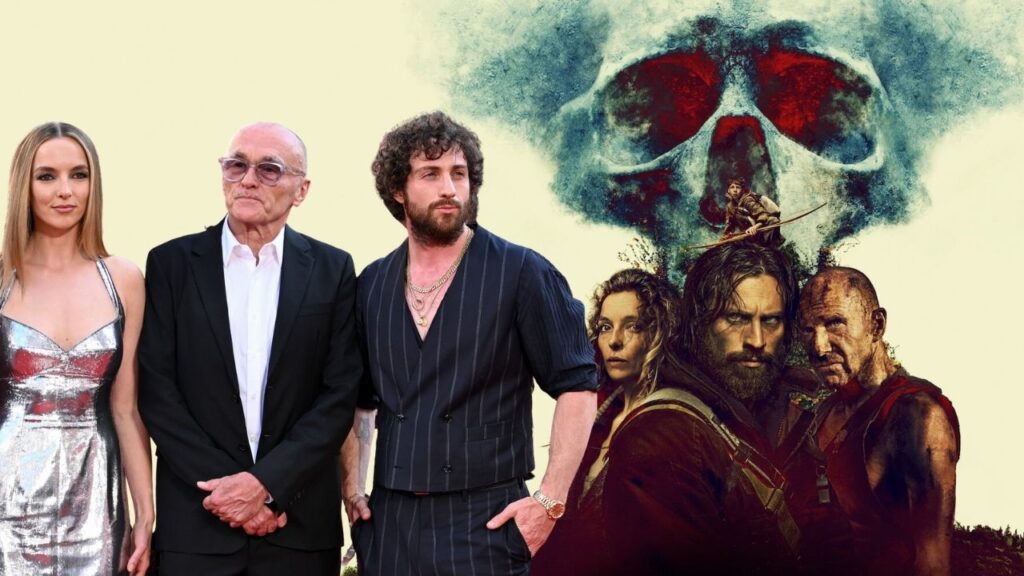
The overall cinematic output for 2026 seems an entirely new prospect. Ender’s game trailer We have gone beyond the generation of the predictable jump-scare and established ourselves in a more cerebral place of “high horror,” a change led by the long overdue revival of the 28 Days Later universe. With 28 Years Later releasing in June 2025, and its direct sequel, 28 Years Later: The Bone Temple, releasing in January 2026, the creative team of Danny Boyle and Alex Garland has not merely brought a franchise back to life – they have redefined how horror can speak to what it means to be human.
A Legacy Born from “Development Hell”
For almost 20 years, fans speculated about 28 Months Later. It turned into a development hell myth, held up by rights issues and creative changes. The wait, though, served a purpose.
Skipping ahead almost three decades, the filmmakers leave behind the panic of a viral outbreak and delve into “post-progressive” societal decay. In this new world, the end of the world isn’t a tragic event—it’s the only reality the current generation has ever known.
The Technical Radicalism of the iPhone 15 Pro Max
Perhaps what has most people talking about the 2026 comeback is the technical decision to shoot mostly on the iPhone 15 Pro Max. This wasn’t a gimmick. Boyle took the Canon XL1 and turned it into a grainy, digital realism. In 2026, he adapted this “guerrilla” style on a new scale with multi-camera megasuites.
By placing iPhones into “Beastgrip” cages with professional-grade cinema lenses, the team captured a high-shutter-speed energy. This technical decision removed the infected from ‘cinematic motion blur’ and as a consequence their movements look staccato, hyperactive, and terrifyingly real.
Evolutionary Biology: The Mutations of Rage
The “high horror” tag derives from the trilogy’s immersion in evolutionary biology. Rage Virus is not a static disease; it took biological forms:
The Slow-Lows: Fat and bloated dead, in this case terminal stage creatures that are aftermath survivors of the original outbreak.
The Alphas: They are intelligent, sentient hunters on a higher plane of thinking and do possess some form of strategic thought albeit intermittent and social hierarchy.
This change re-centers the horror from the mindless zombies to a more understanding-if-distorted on the human experience of pain and suffering. The infected are depicted as martyrs to an “unthinkable fate,” rendering the films to “tone poems” that are profane yet emotionally stirring.
Socio-Political Echoes and “The Bone Temple”
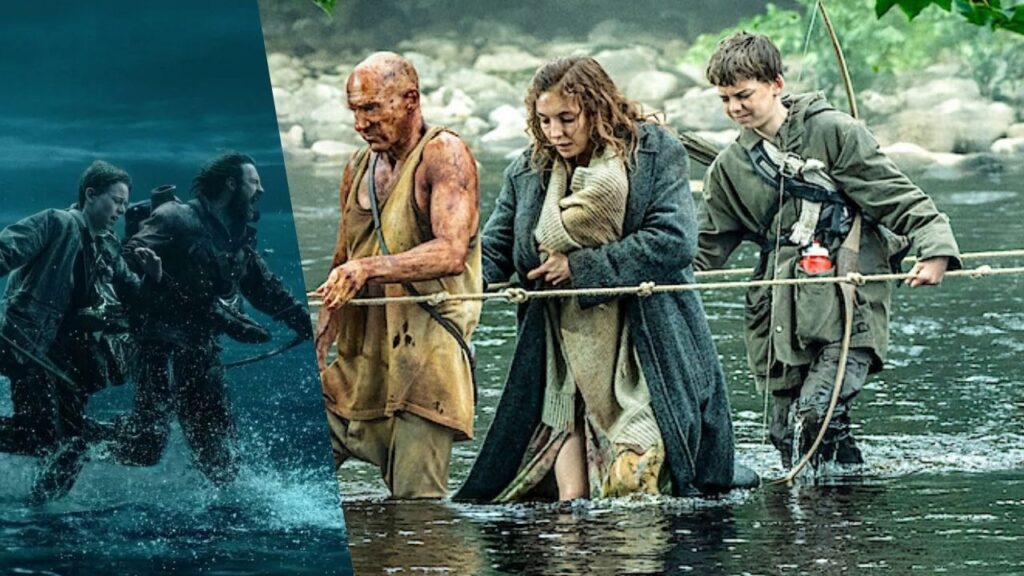
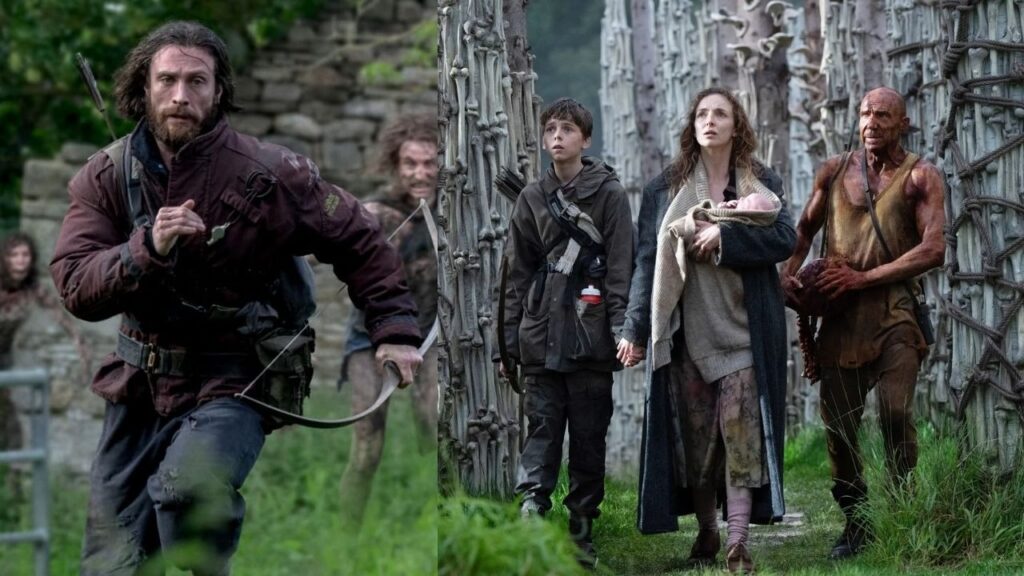
While the 2025 film was set among the isolationist society of Holy Island (Lindisfarne), the 2026 sequel, The Bone Temple, directed by Nia DaCosta, turns its gaze to human cruelty. The addition of “The Jimmies” — a cult based on the more shadowy recesses of British cultural history conjures a society sliding back into nostalgic myth and “strategic derangement.”
Ralph Fiennes turns in a career-defining performance as Dr. Ian Kelson, a man running a mausoleum to the fallen human. His viral “death-metal dance” to Iron Maiden is already the defining meme of early 2026, embodying the trilogy’s mash-up of high art and visceral madness.
As 2026 begins to approach, the 28 Years Later trilogy is the narrative equivalent of looking up in awe. It has demonstrated that horror can be a serious instrument for social commentary, addressing anxieties of the Brexit era and the “denial of death” through the prism of the Rage Virus.
Conclusion
The arrival of 28 universe is more than just nostalgic it’s a cultural recalibration of what modern horror could be. With 28 Years Later and The Bone Temple, Danny Boyle and Alex Garland have re-imagined the once–genre-defining zombie blast as a philosophical rumination on survival, memory, and generation trauma.
The trilogy, which can be seen as a response to fulfilling and confronting socio-political anxieties brewing in a crumbling Britain, alongside utter terror grounded in evolutionary biology and filmmaking radicalism, transforms horror into something far more intimate and unsettlingly human.
If 2026 is any indication, these films are testimony to the fact that fear doesn’t need to resort to cheap shocks to survive, but can instead find nourishment in ideas, mood, and the quiet recognition that the real horror isn’t the end of the world — it’s learning to live after it.
Dive deeper into the world of cinema with Fandomfans to get the latest update from your favorite movie, shows, and celebrity.
Babita
Articles Published :
25
Babita is Fandomfans Editor, experience in managing content. Her focus in general movies and web series. She is having a deep interest in TV shows and 90s movies - particularly Lord of the Rings, Harry Potter, & Rom-Com. Babita also covers psychological thrillers and major releases in current time and concern with deep interest in them.
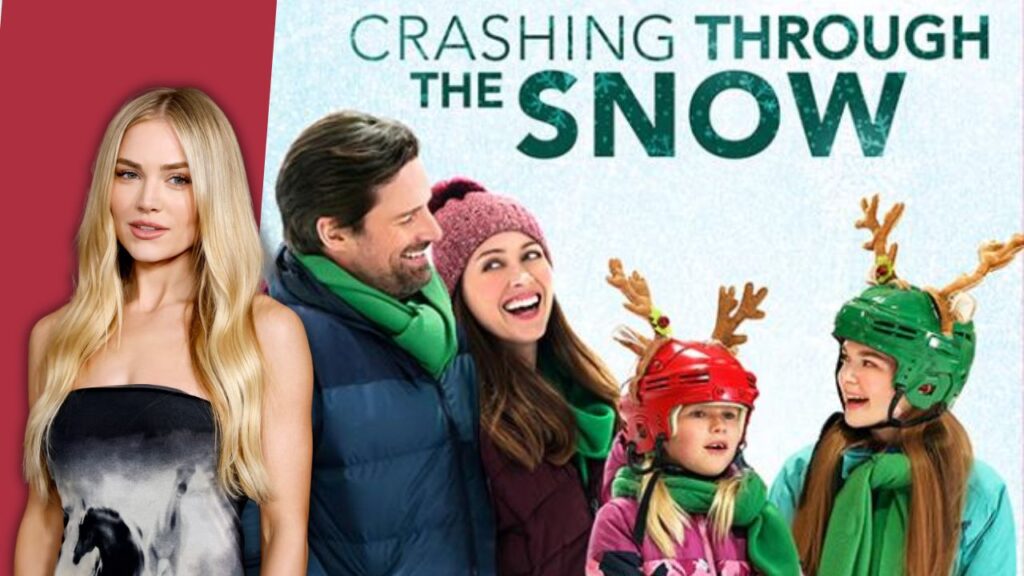
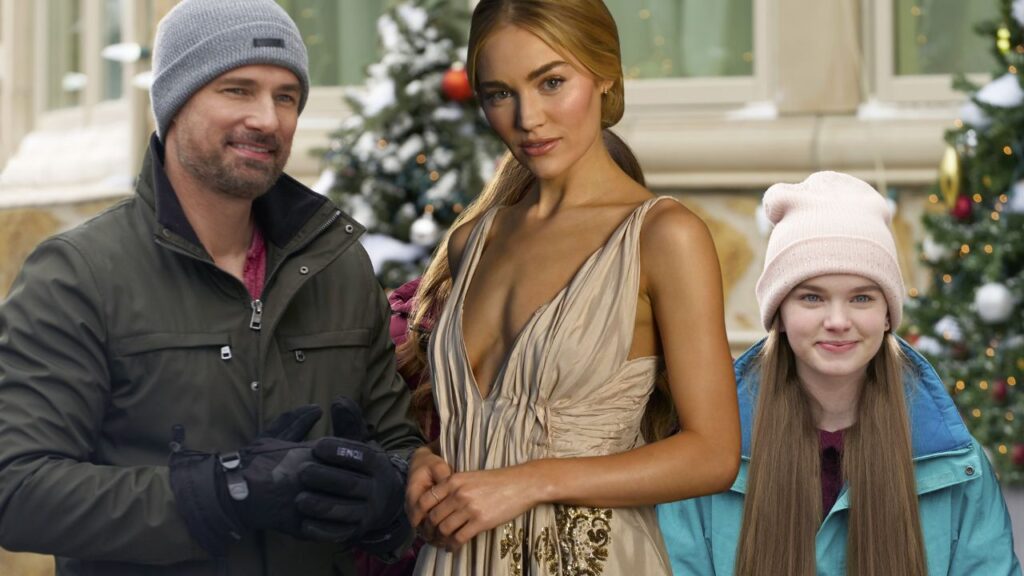
Michelle Randolph is officially stepping into the light. After making a name for herself with her breakout roles in Taylor Sheridan’s hit dramas, the up-and-coming actress has been cast as the female lead in Amazon MGM Studios’ holiday rom-com, Clashing Through the Snow. She stars opposite The Summer I Turned Pretty favorite Christopher Briney in her first major feature film role. This is a major career moment for Randolph and fans can’t wait to see what she does next.
Michelle Randolph’s Rise Through Taylor Sheridan’s Prestige TV Universe
When Randolph made a splash in 1923, a spinoff of Yellowstone, opposite Hollywood legends Harrison Ford and Helen Mirren, she was an unknown herself. Her performance as a determined young woman finding her way through the social-political landscape of the post-war era won her critical praise and a devoted following.
That success led directly to her booking Landman-here she’s the rebellious, beguiling Ainsley Norris, the daughter of the character played by Billy Bob Thornton. The series became Paramount+’s largest global premiere week for originals, with Randolph’s character becoming an instant fan favorite.
Michelle Randolph Opens Up About Impostor Syndrome
The thing that’s most incredible about Randolph’s journey isn’t even the roles she’s landed, it’s the confidence she’s gotten along the way. She’s also been refreshingly candid in recent interviews about battling impostor syndrome while appearing alongside some of Hollywood’s most venerable veterans.
“I have worse imposter syndrome,”
—she confessed
Though she’s getting better about being less hard on herself when she sees that actors whose work is the most celebrated in this industry have doubts like hers. This vulnerability is one of the reasons she has gone on to be beloved by viewers who find her refreshingly real in a business often characterized by meticulously constructed personas.
Clashing Through the Snow Plot, Director, and Creative Team
Directed by Carlson Young (the lovely rom-com Upgraded), the film is set to give you a treat. Amazon is presenting Clashing Through the Snow as Planes, Trains and Automobiles for the new age—a contemporary take on the classic 1987 John Hughes film that starred Steve Martin and John Candy. Written by Love Hard’s Daniel Mackey and Rebecca Ewing, the script combines smart, relatable banter with genuine feeling, all framed by a festive holiday setting.
‘The Summer I Turned Pretty’ Impacted Christopher Briney’s Role
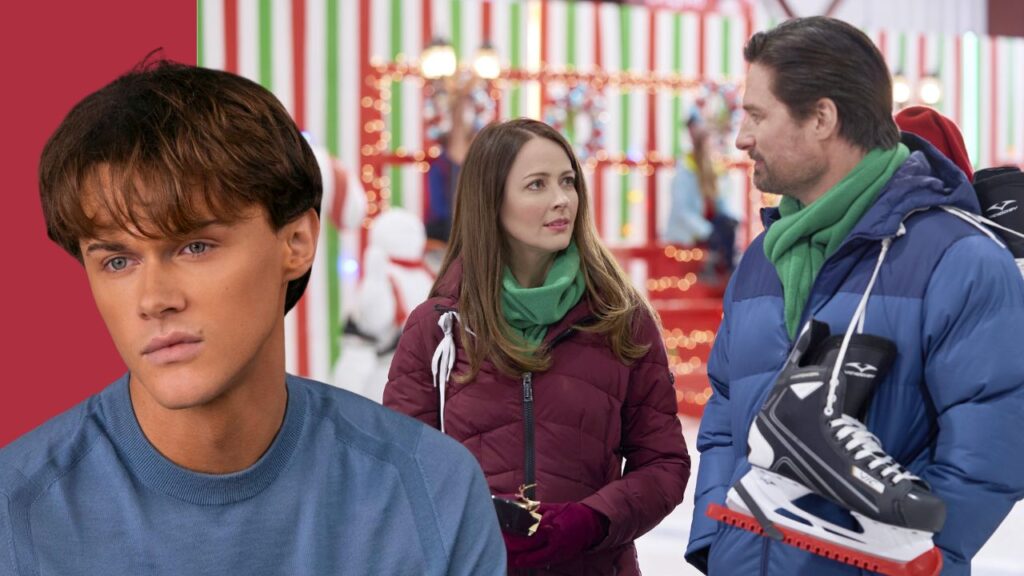
Christopher Briney is at a turning point in his career with the age-appropriate lead role, after breaking through as Conrad Fisher in the hit series The Summer I Turned Pretty. After enchanting young viewers for three seasons, Briney is now taking on different projects, eager to prove his versatility outside of the darling teen romance series. His casting opposite Randolph has also created a buzz, with fans looking forward to their on-screen chemistry.
Production will begin in February for a planned holiday 2026 release ― which is just right for audiences looking for some good vibes around the winter holidays. This is a big step career-wise for both leads, but especially for Randolph, whose trajectory from unknown to co-starring in a major streaming holiday movie demonstrates the power of steady, captivating work.
As the landscape of entertainment shifts, Michelle Randolph is a testament to the fact that those performers who are truly able to be both strong and vulnerable will eventually have their moment. Crashing Through the Snow seems to belong to her.
Conclusion
The path Randolph’s taken seems less like a sudden ascendant storyline, and more the culmination of an incredible amount of hard work. From competing with iconic attorneys in 1923 to becoming a Landman favorite, she has earned straight-faced, hardened, and genuine connections with audiences.
Clashing Through the Snow is more than just another holiday rom-com—it’s a pointed signal that Randolph can carry a story, not just support one.
Dive into the cinema world with Fandomfans to get the latest update from your favorite celebrities.
Mariyam
Articles Published :
77
Mariyam Khan is Fandomfans Content Writer and providing reports and reviews on Movie Celebrities, and Superheroes particularly Marvel & DC. She is covering across multiple genres from more than 4+ years, experience in delivering the timely updates.