Priyanka Chopra Jonas’ ‘The Bluff’ Inspired From The Real Life Pirate Queens
Priyanka Chopra Jonas’ The Bluff draws inspiration from real pirate queens like Grace O’Malley, Anne Bonny, and Ching Shih.
Published: January 9, 2026, 12:10 pm

Priyanka Chopra Jonas’ The Bluff draws inspiration from real pirate queens like Grace O’Malley, Anne Bonny, and Ching Shih.

Hollywood’s depiction of a woman pirate was, for many years, a romanticized caricature-a corseted sidekick or the occasional option roguish lead surrounded by familiar hearth and home arcs. But as we get ready to see Priyanka Chopra Jonas step into the shoes of Ercell Bodden in The Bluff, the narrative is at long last shifting.
As anyone who bothers to look at history will tell you, women pirates didn’t just “go along for the ride.” These were ruthless, calculating, and sometimes more horrifying malevolent forces than the men they led. Chopra Jonas’s take on Ercell, a woman who must reclaim her “warrior identity,” and is inspired by four legendary women who genuinely ruled the waves.
If Ercell Bodden is defined by her “maternal ferocity,” she rests on the foundation of Grace O’Malley. But not only was O’Malley a pirate who had come to command a fleet at a title that made her the “Pirate Queen of Connacht,” she was the ruler of an empire.

She reportedly gave birth on a ship and was back on deck a few hours later armed with a blunderbuss to help defend her men. Like Ercell, O’Malley was never really a greedy pirate – it was just about staving off hunger for her family and people. She even had a famous confrontation with Queen Elizabeth I, dispelling the myth that a pirate couldn’t be a canny political operator and a mother at the same time.
In The Bluff, we witness Ercell’s transformation from a deadly assassin to a suburban mom and the violent “unmasking” that follows. This is in the lives of Anne Bonny and Mary Read.
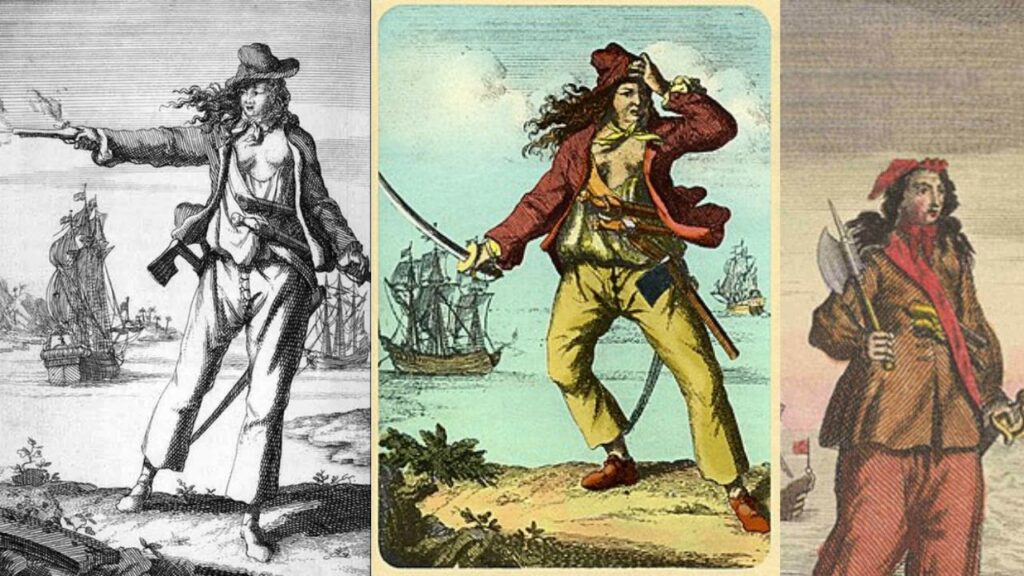
These 18th century pirates spent much of their lives passing as men, making their way in a world that offered them no place at the table. In the heat of battle they were said to be more “bloodthirsty” than the males. They are the “feral” energy Ercell must recapture to defend her home.
While Ercell battles on behalf of a tiny community in the Cayman Islands, her tactical prowess is a mirror image of Ching Shih (Madame Cheng). As the admiral of the Red Flag Fleet consisting of 1,500 ships and 80,000 pirates—Shih was perhaps the most prosperous pirate ever.

Significantly, she is also one of the few who actually managed to “retire” and live to tell the tale. That is the essential tension at the center of The Bluff: Ercell has found her peace, but as Ching Shih knew, your past is a shadow that never quite goes away.
Referred to as “Back from the Dead Red,” the biography of Jacquotte Delahaye is survival at its highest degree. faked her death to get away from the government, and then came back to the water with a vengeance.

This motif of “reanimation” is at The Bluff’s heart. Ercell is essentially “dead” to her former life until the wicked Captain Connor arrives and she must once again embrace her warrior spirit.
| Feature | Historical Reality | The Bluff (2026) |
| Weaponry | Improvised, heavy, and practical. | Conch shells, tactical traps, and “dirty” fighting. |
| Motivation | Political autonomy and family. | Maternal ferocity and redemption. |
| Outcome | Usually a short life or a quiet exile. | A focused, muscular 101-minute survival arc. |
The Bluff is more than just a survival thriller, it’s a celebration of women who survived against the odds in the face of the unforgiving ocean. Priyanka Chopra Jonas gives a portrayal that bleeds into fiction of the fiercest women in history.
Dive deeper into the world of Fandomfans, a platform where you can get the stories of inspiration behind the character

Five Nights at Freddy 2 explores the dark cost of survival, inherited trauma, and the tragic split between Mike and Vanessa in Emma Tammi’s brutal sequel.
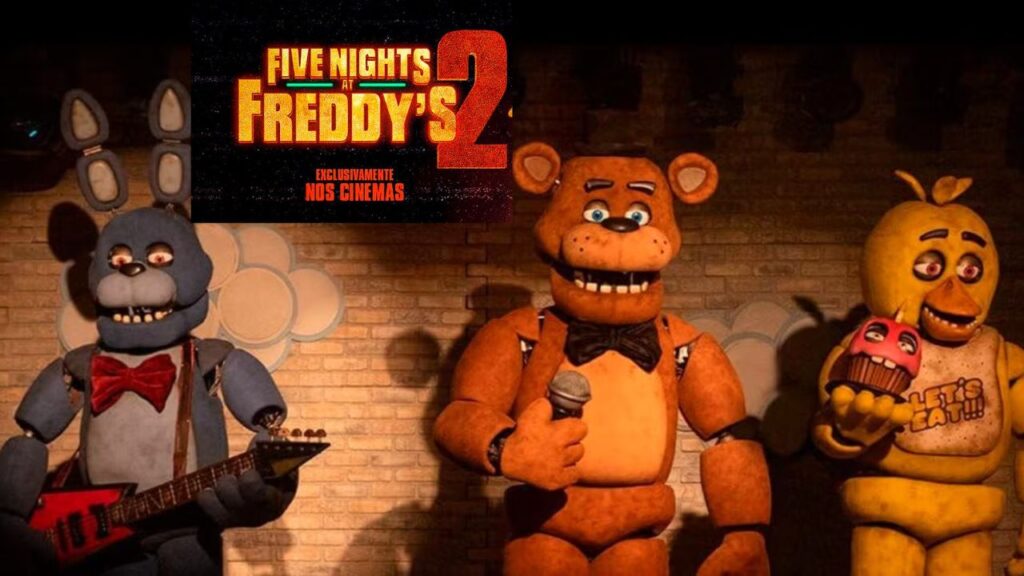
The first Five Nights at Freddy’s movie was all about survival, the sequel is a brutal education on what that survival costs. Five Nights at Freddy 2, directed by Emma Tammi, leaps beyond jump scares to unpack a far more terrifying idea: inherited trauma. At the center of this story is the deteriorating relationship between Mike Schmidt and Vanessa Afton — which evolves from a mutual “trauma bond” into an unfortunate, tragic separation.
In a bold gesture, the film takes a wrecking ball to the relationship formed in the first episode, demonstrating that occasionally, shared suffering doesn’t make for a future.
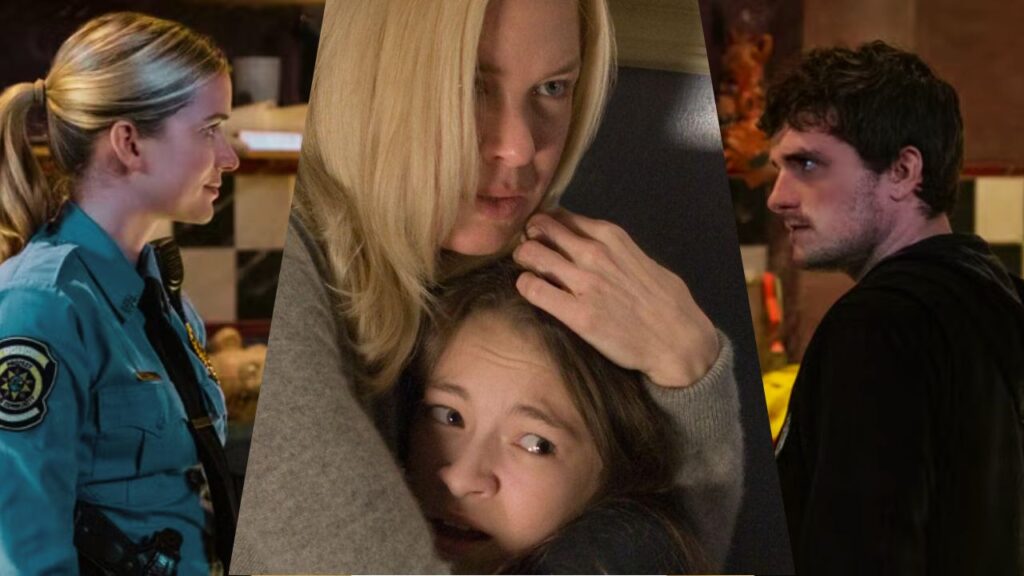
To understand the tragic ending, we have to take a look at how Mike Schmidt (Josh Hutcherson) has evolved. In the first film, Mike was frozen in time, overcome with guilt for his brother Garrett’s vanishing. Two now, the Mike we know is not the same. He has traded his obsession with the past for a fierce presence in the “now”.
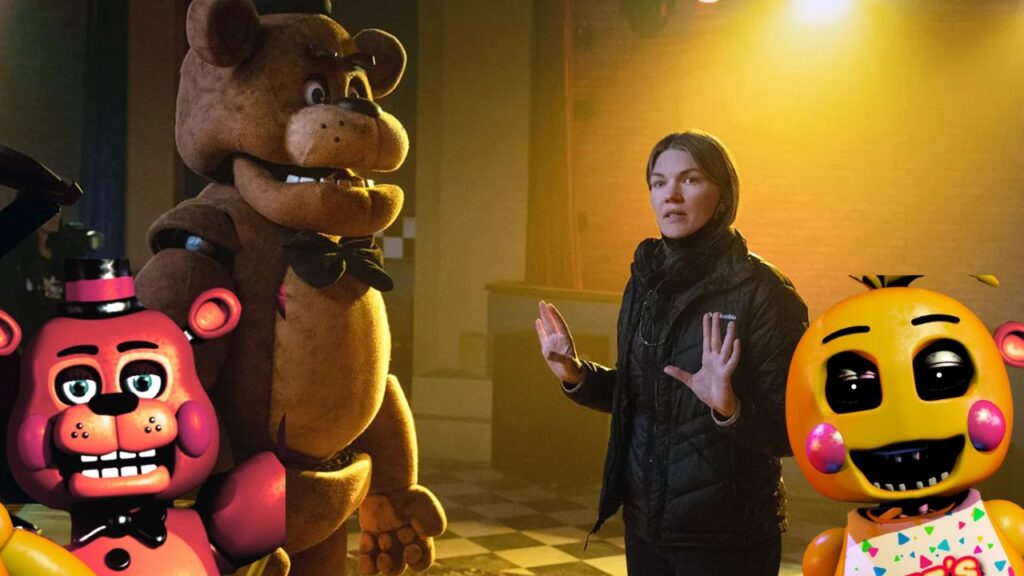
Now, he is all about Abby. This growth is necessary because it provides the reason for his final choice. Mike doesn’t want answers anymore; he wants protection. When the supernatural danger moves up from the backroom of the industrial pizzeria into Mike’s own home, Mike’s protective instincts trump his compassion. He isn’t just a brother anymore; He’s a protector who realizes he can’t save them all.
A trauma bond when the relationship between Mike and Vanessa is explicitly described by director Emma Tammi as such.
The toughest reality those characters had to deal with was learning to trust one another again. They were the only two people who had been through what they had, and that made a bond between them like nothing else.
— Emma Tammi said
It suggests that they are also the only two people who have been through the terror of the animatronics. They feel themselves, naturally, drawn to each other. But the sequel reveals fissures in this base.

Mike recognizes that Vanessa is a victim of her father, William Afton, but he also blames her for the secrets she’s keeping. The movie asks the hard question: Is it possible to trust when what you share is fear?
| Character | Primary Driver (Movie 1) | Primary Driver (Movie 2) |
| Mike Schmidt | Guilt and Obsession | Responsibility and Safety |
| Vanessa Afton | Fear and Compliance | Redemption and Truth |
| Abby Schmidt | Loneliness | Connection and Agency |
The point of no return is reached with the arrival of Michael Afton (Vanessa’s brother, who has been missing for a very long time). When Michael surfaces as the heir to William’s violence, orchestrating the massacre at Fazfest, it affirms Mike Schmidt’s deepest fear: the Afton family is a “magnet for problems.”
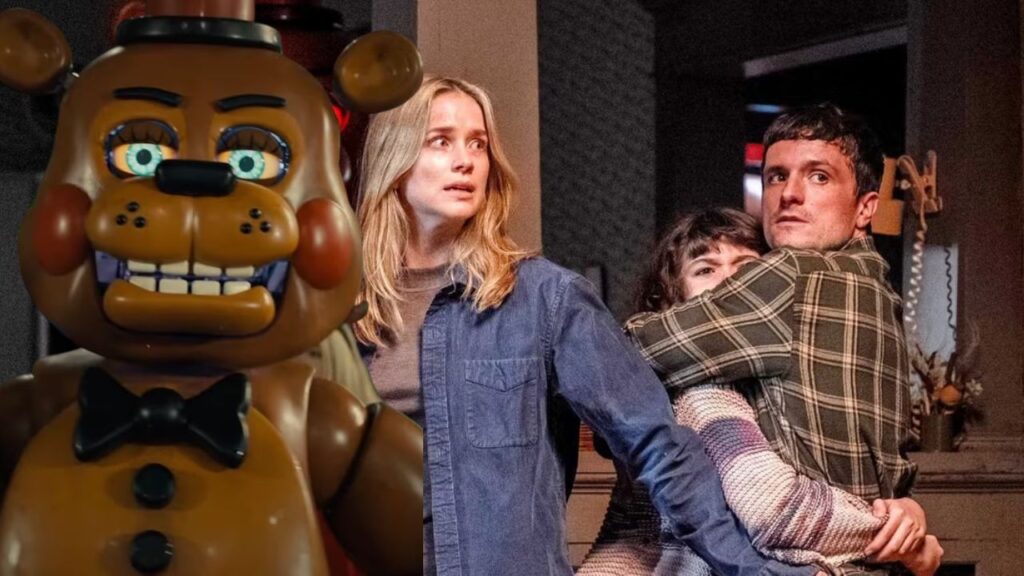
In the aftermath Mike makes a controversial decision that has divided the fanbase. He tells Vanessa to “stay away.” It seems a bit cold, especially after she saved him twice, but she has to following narrative logic. “Afton rot,” as Mike calls it, is contagious. He knows that while Vanessa—as well as whatever baggage her family has—is still out there, Abby will never be safe. As Tammi put it, that was a “bridge too far.” Mike achieved his breaking point.
The tragedy of the film’s finale is not that they separate, it’s that Vanessa is taken from her so soon. Disowned by her (surrogate) parents (Mike and Abby) and afraid of her biological heritage, she is defenseless.
“I never thought the Marionette was scary—until I saw it in person. It was huge, unsettling, and its wiggly limbs made it genuinely terrifying.”
— Piper Rubio said
As Collider shared, Vanessa, in a cruel reversal of fortune, is possessed by the Marionette, the essence of Charlotte Emily, William Afton’s inaugural victim. Vanessa had been trying to regain some of her power, to get as far away from her father’s shadow as possible for the whole movie. Instead, she is made the vessel for the violence he initiated in 1982. The final shot of her turning into the Marionette is the ultimate failure of being unable to escape legacy.
Five Nights at Freddy 2 concludes on a sad note. The original specter children might have been laid to rest, but the living are left holding the pieces. Mike makes it to survival over sentimentality by cutting ties with Vanessa. It’s a brutal human moment in a movie about haunted robots.
Now the sequel informs us that trauma is cyclical. Mike breaks the cycle by leaving, but Vanessa is consumed by it. As the credits end, we’re struck by the disquieting fact that the doors to Freddy Fazbear’s Pizza never actually close — they just wait for a lull in activity to open once more.
Fandomfans delivers the latest updates from movies, series and TV shows directly to you. For more updates, stay connected.

Paul Dano joins Javier Bardem and Penelope Cruz in Florian Zeller's new psychological thriller Bunker, which will be a major cinematic release in 2026.

Paul Dano has been the subject of some, not all of it boring Dolby-drama-based Hollywood chat heat. After Quentin Tarantino’s inflammatory comments about the actor last week, the industry came out in support of Dano, showing that sometimes the loudest voices are not everyone’s. Instead of retreating from the public eye, the lauded actor is going straight into something truly extraordinary: Oscar-winning director Florian Zeller’s next film, the psychological thriller Bunker.
It’s worth taking a moment to appreciate what this casting actually is. Zeller, whose credentials include the beloved play The Father (which won Hopkins the Oscar for Best Actor and earned Zeller himself one for Best Adapted Screenplay), is renowned for getting the best out of his performers.
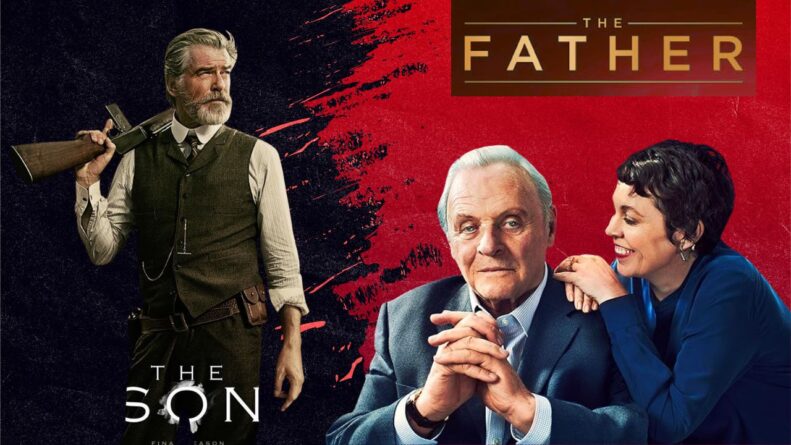
His second film, The Son, may have divided critics, but it still garnered Hugh Jackman a Golden Globe nomination. Now, with Bunker, Zeller is putting together what can only be described as a powerhouse ensemble.
The cast is a veritable who’s-who among Hollywood stars. Dano is teaming with Oscar-winning real life couple Javier Bardem and Penélope Cruz, whose on and off-screen chemistry is already legendary.

Stephen Graham, gritty, intense actor famous for his role in the television series “Justified,” and Patrick Schwarzenegger complete the cast. This is not some film being made under the radar — this is a prestige title that plans to make a splash in 2026 cinema.
Bunker follows an architect whose life and marriage are complicated when he takes on the design of a survival bunker for a wealthy tech tycoon. When this secretive building project starts to penetrate the family’s life, things begin to disintegrate. The premise alone indicates the psychological heights that Zeller has been known for.

This is a director who knows that genuine tension is not a byproduct of jump scares or external threats — it’s born when relationships break down under duress, in probing the ethical compromises we make and examining how fear informs our decisions.
Read More 👉 James Cameron Revealed About Avatar: Fire and Ash Scripting Details
The director was inspired by their real-life nearly seventeen year marriage and he’s created a narrative that addresses the challenges of long term relationships in an increasingly volatile world. That type of writing intentionality leads to more real, strong performances. When Zeller spoke about recruiting Dano to the project, his words were effusive.
“From Little Miss Sunshine to There Will Be Blood, Paul has never ceased to surprise me as an actor,”
–he said.
That’s not the kind of recommendation that is bandied about. This is a director who has directed some of the most acclaimed performances of recent film, and when he talks about working with Dano, he sounds genuinely excited.
“He has a remarkable singularity - something truly unique – and in that respect he is irreplaceable.”
—He also said
The film is now in its second week of production, shooting in Madrid, and London. Blue Morning Pictures and the Spanish company MOD Producciones are producing, with international sales by Film Nation Entertainment. Everything about the set-up indicates a film that’s being treated as a substantial artistic effort and not just another genre piece.
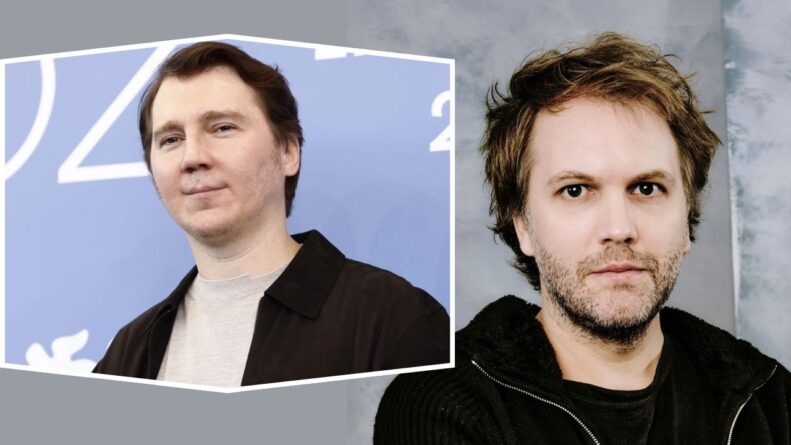
What that timing makes especially intriguing is how it positions Dano’s career going forward. Instead of being defined by recent controversy, he has attached himself immediately to an art house project and a director known for eliciting complex, nuanced performances. Take Tarantino’s assessment with a degree of salt if you want, but Dano is clearly in demand by the filmmakers who really matter.
As we approach 2026, Bunker is becoming another film to keep an eye on. With Zeller at the helm, a cast that strong, and a premise that insinuates genuine psychological depth, this very well could be the film that ignites discussions and the kind of performances that stick with audiences well beyond the credits.
Fandomfans provides every detail on the upcoming movies and projects of the industries that keeps you evolving with the entertainment.