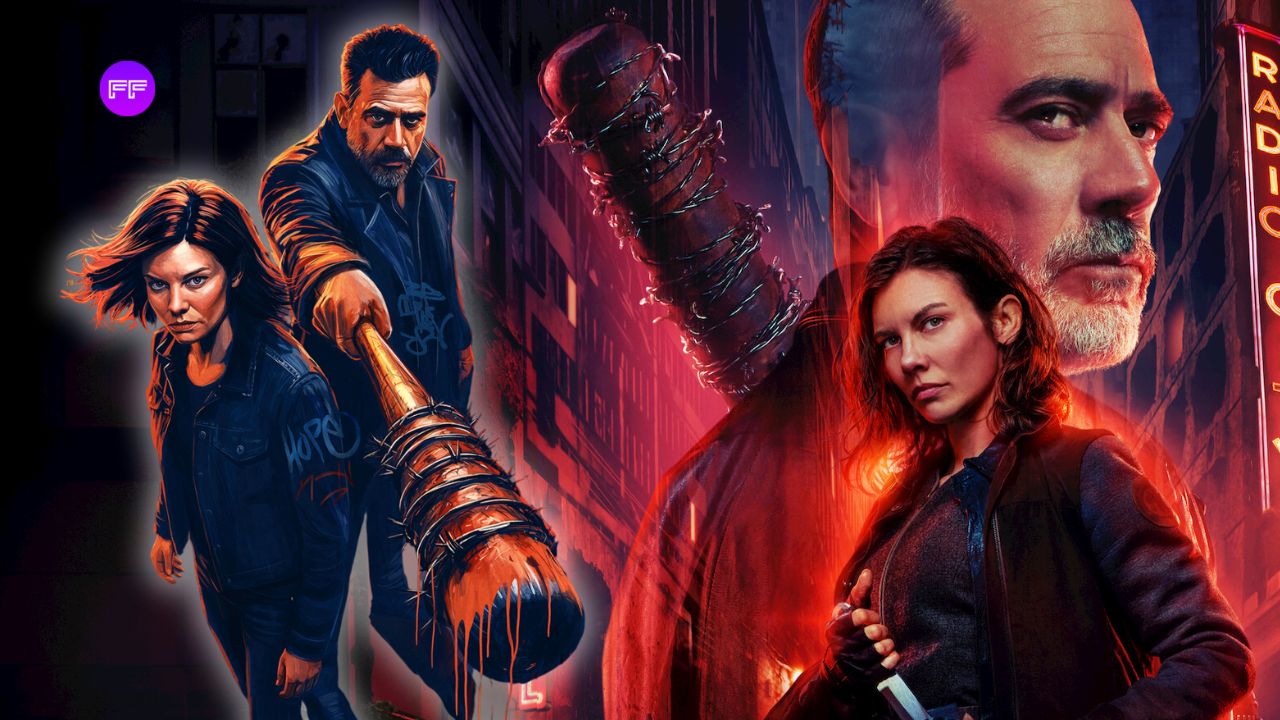
What Happened to Maggie in The Walking Dead: Dead City Season 3?
What happened to Maggie in The Walking Dead: Dead City Season 3? Explore her biggest challenges, shocking twists, and what lies ahead.
Maggie Rhee spent the Season 3 premiere of The Walking Dead: Dead City handing Negan a knife and telling him to use it. This is something she hasn’t done in three seasons. That’s the scene that opens “Trillium,” and it tells you everything about where her head is at as this show tries letting these two people actually be at peace which is something that never quite pulled off before. If you’re catching up after the July 26 premiere and wondering what happened to Maggie in The Walking Dead: Dead City Season 3.
So here’s the full rundown — what went down in the season opener, what it means for her going forward, and what AMC has already confirmed for the episodes still to come.
Seasons 1 and 2 of Dead City built Maggie and Negan’s relationship around a debt neither of them wanted to owe. Season 1 was about finding her kidnapped son Hershel (Logan Kim), who Negan helped rescue despite being the man who killed her husband Glenn.
Season 2 dragged that arrangement into a war over Manhattan’s methane supply, with the New Babylon Federation and a mysterious power broker called the Dama pulling strings from the shadows. By the finale, the feud between Maggie and Negan had cooled into something more like exhausted tolerance than trust, and the Dama’s people had seized control of the city’s methane facility — the resource everyone in Manhattan needs to survive.
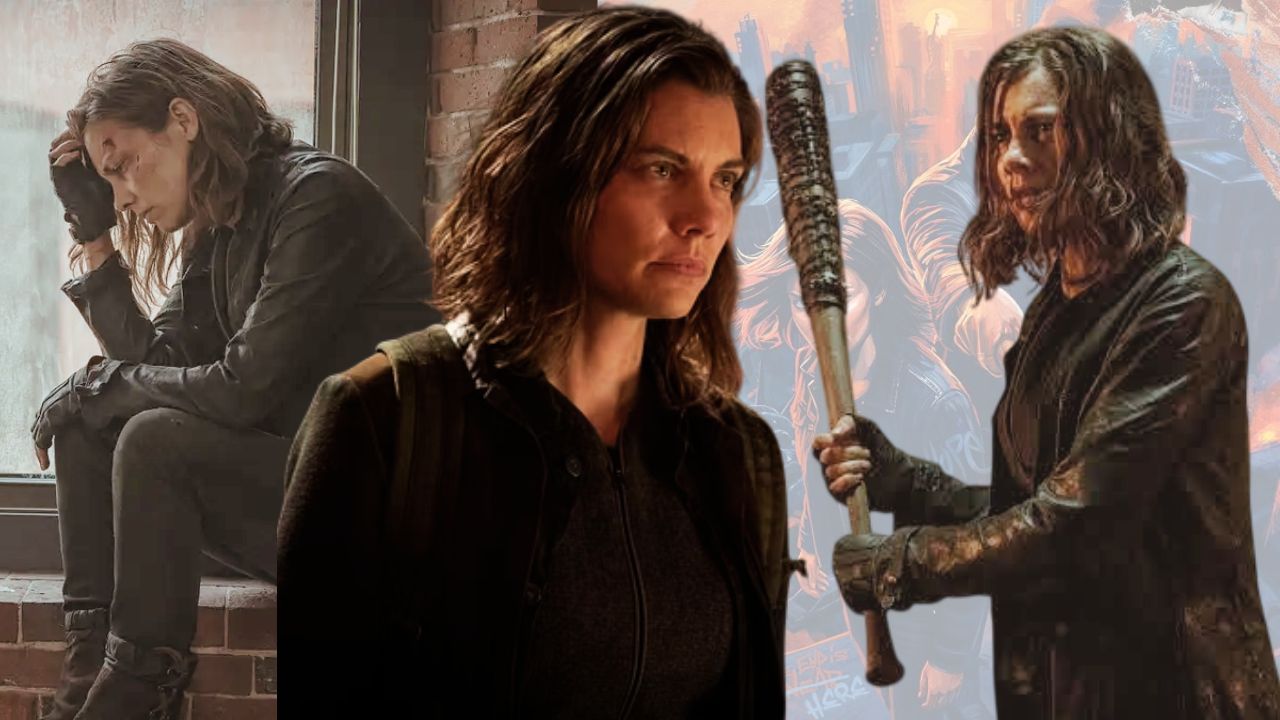
The Dama herself has been the show’s most persistent mystery since Season 1 — a shadowy leader running New Babylon’s operation from a distance, using the Croat as her enforcer on the ground. Maggie spent most of Season 2 caught between protecting Hershel and getting pulled deeper into that power struggle, and the finale left the Dama’s larger plan unresolved even as her people took the methane facility.
That’s the wreckage Season 3 opens on. And it’s also where the show’s biggest behind-the-scenes shift comes in: Seth Hoffman took over as showrunner heading into this season, and both Lauren Cohan and Jeffrey Dean Morgan have been vocal in press about how different the tone feels as a result. Cohan described it simply as a “new vibe” going on, and that shift is obvious from the first ten minutes of the premiere.
The episode, which aired July 26, 2026, wastes no time putting Maggie back at the emotional center of the show.
“Trillium” opens with Maggie digging a grave for Ginny, the young girl whose death at the end of Season 2 has left Negan hollowed out. He finds her mid-dig and reads it as another betrayal — he wasn’t there, wasn’t consulted, and he’s furious about it. What follows is the same argument this show has been having since Season 1: Glenn’s murder, Ginny’s death, years of blame neither of them can fully let go of.
Except this time, Maggie doesn’t defend herself. She tells Negan she’d undo it if she could, admits she can’t, and then does something new — she hands him a knife and dares him to finish what their history has been building toward since he killed her husband.
He doesn’t take it. Not because the show chickens out, but because Renata and Luis, two new survivors, interrupt before he has to decide. It’s a genuinely tense beat, and it works precisely because the show has spent two seasons convincing you it might not end any other way.
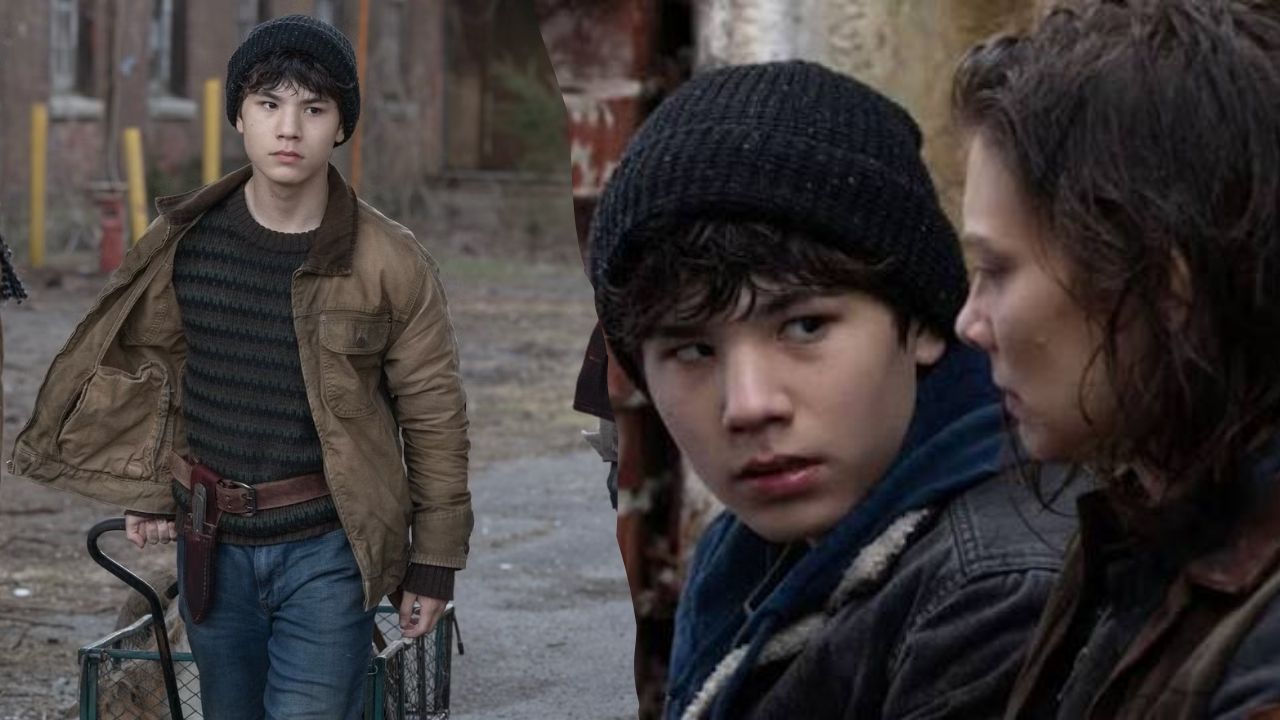
The interruption isn’t just a plot device. Renata and Luis run a small hospital community and need help recovering a stolen methane tank to power an incubator for a newborn. Maggie agrees to help make up their numbers, and her son Hershel shows up in the middle of the chaos, having finally turned on the Dama after she ordered him to kill his own mother. That’s a meaningful shift for Hershel’s arc — he ended Season 2 still loyal to the Dama’s cause, and this premiere closes that door for good.
The episode also puts a bow on the Croat (Željko Ivanek), the season-long antagonist whose menace defined much of Season 2. Renata and Luis capture him mid-episode and discover he’s been bitten. Flashbacks fill in how he terrorized their community using tactics he picked up serving under Negan — a detail that lands harder given who’s standing next to him when he dies. By the episode’s end, it’s Negan himself who puts the Croat out of his misery, closing out a storyline that had run since the start of the show.
Read More 👉 Westeros Is Not Done Yet: A Knight of the Seven Kingdoms Brings a New Legacy
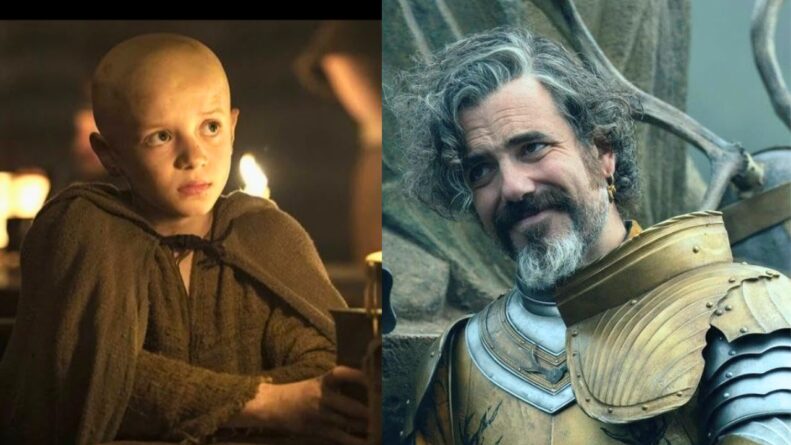
While Maggie is dealing with Renata’s group, Negan wanders off and stumbles into a fully intact bar run by a survivor named Dillard, played by Jimmi Simpson. Dillard has somehow kept a functioning watering hole running through the apocalypse, complete with two walkers he’s defanged and tethered to bar stools for company. It’s the strangest new element the show has introduced in three seasons, and it gives Negan somewhere to retreat to when Ginny’s death gets too heavy. Dillard chooses to stay behind at the bar rather than join the group, but given how much screen time Simpson gets in the trailer for future episodes, this almost certainly isn’t the last we see of him.
By the time the pregnant woman and her baby are safely rescued and the methane tank secured, Maggie and Negan end the episode somewhere neither of them has been before — actually laughing together. Negan even tells her,
“I don’t think I’ve ever seen you smile. It suits you.”
It’s a small moment, but after two seasons of these two barely tolerating each other, it’s the clearest signal yet of what Season 3 is trying to do differently.
Dead City has always worked best when it treats Maggie and Negan’s relationship as unresolved rather than fixed, and the premiere seems to understand that too. The show doesn’t pretend Glenn’s murder is forgiven. Negan still can’t fully let Maggie off the hook for Ginny. What’s changed is that both of them seem to have run out of energy for the fight — which is a more honest place for this story to land than a clean redemption arc would’ve been.
AMC’s own synopsis for the season backs this up directly: Maggie and Negan are trying to build the first genuinely thriving community in Manhattan since the outbreak, with the central question being whether they’ve actually learned from their history or whether it’s going to sink the whole city with them.
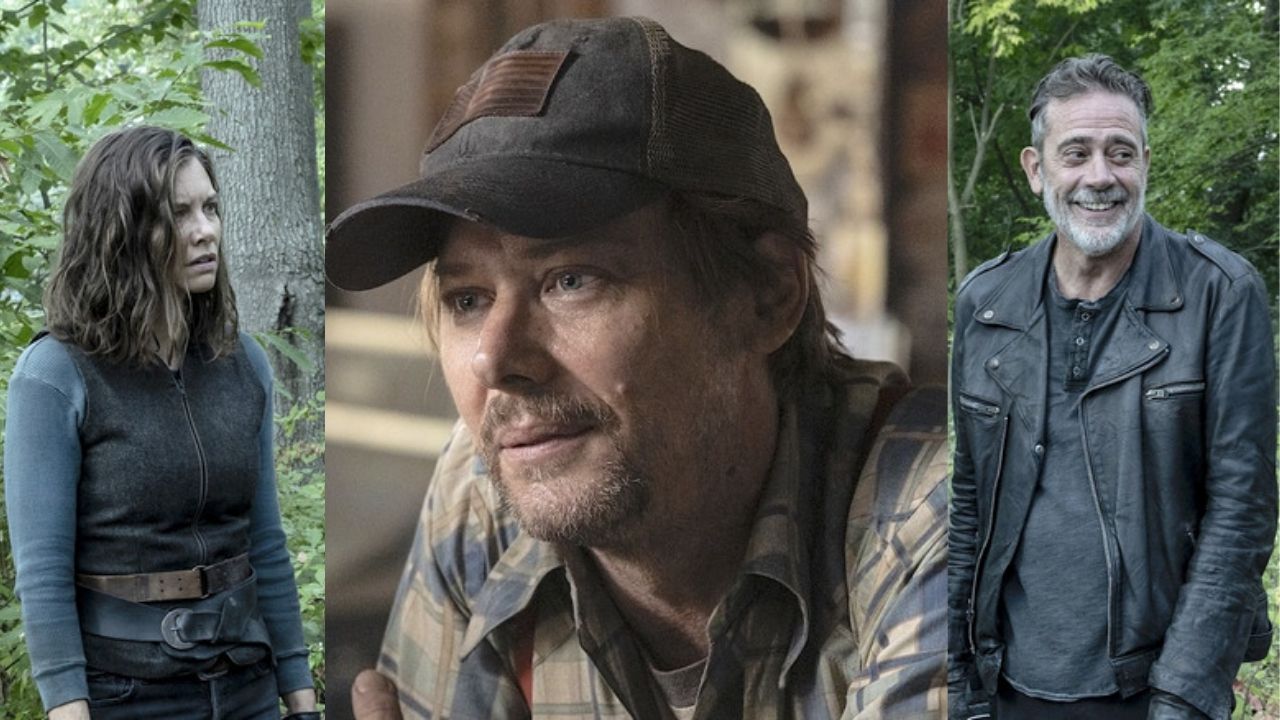
Jeffrey Dean Morgan has been blunt in interviews that this is the best season of the show yet, calling the dynamic between the two characters fundamentally different from anything in the first two seasons. Whether that holds up past the honeymoon period of episode one is the real test — and it’s worth remembering the Dama is still out there, and Season 2 already proved how fast this show can pull the rug out from under a fragile peace.
Fans are curious about what happened to Maggie in The Walking Dead? Early reaction to “Trillium” has landed somewhere between warm and skeptical, which tracks with how divisive Season 2 turned out to be. Some coverage has embraced the softer, more hopeful direction — framing it as the first time the show has let Maggie actually be happy rather than just surviving.
Other critics have pushed back on the pacing, arguing the Maggie-and-Negan argument-then-reconciliation structure is starting to feel repetitive after three seasons of the same emotional beats. What both camps agree on is that Jimmi Simpson’s Dillard is the premiere’s biggest new asset, and that closing out the Croat’s storyline was the right call heading into a season that clearly wants to move past Season 2’s unfinished business.
For what it’s worth, that split reaction might actually work in the show’s favor. Dead City has never been the flashiest corner of the Walking Dead universe, but it’s also never pretended Maggie’s arc is simple — and a fanbase arguing over whether she’s earned this peace is a healthier sign than one that’s stopped caring.
Read More 👉 The Witcher 3: Nobody Can Agree on Geralt’s Greatest Line
The Walking Dead: Dead City Season 3 Episode 2, titled “Haven,” is confirmed to air Sunday, August 2, 2026, exactly one week after the premiere, continuing the show’s usual weekly Sunday rollout on AMC at 9 p.m. ET, with early access on AMC+. Plot specifics for “Haven” haven’t been detailed yet, but early previews suggest the show intends to keep experimenting with format and structure as the season goes — a notable departure for what’s historically been the most straightforward entry in the Walking Dead universe.
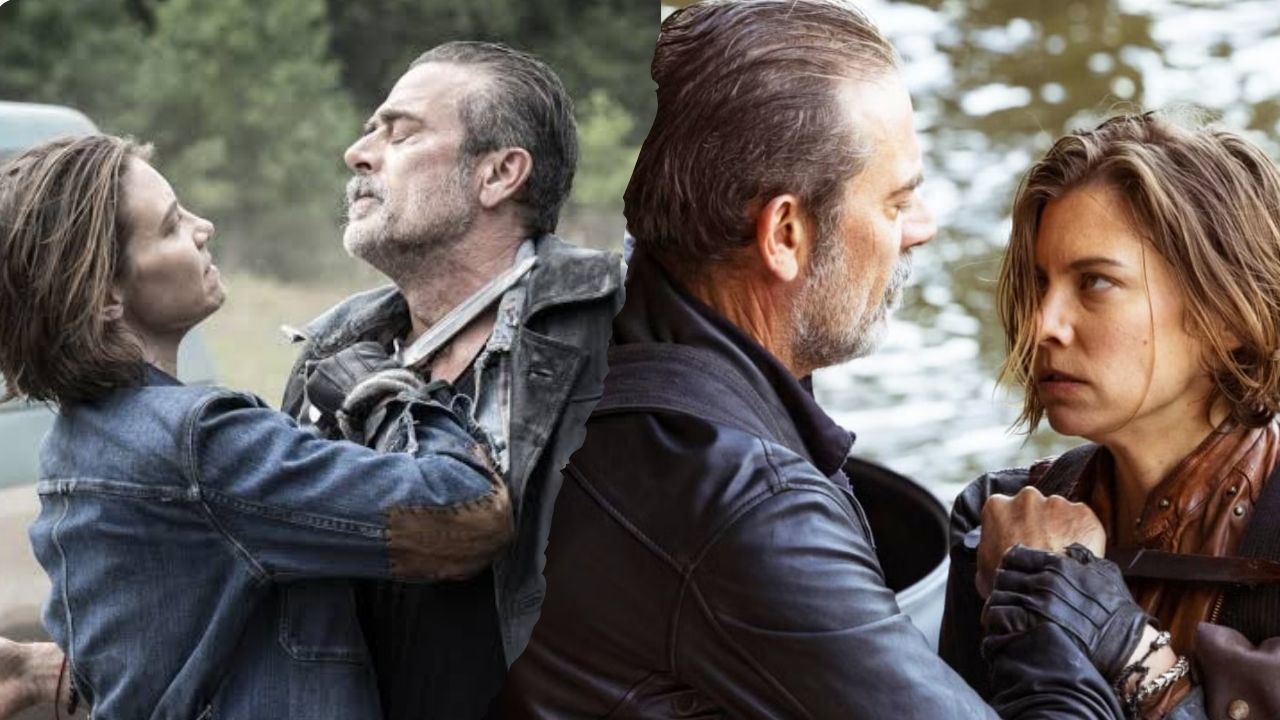
The trailer released after the premiere shows Maggie working to bring her people from the Bricks across the water into Manhattan to build a life alongside Hershel, alongside teases of a major walker invasion threatening both Renata’s hospital community and the group’s expanded territory. It also hints that tensions inside the new alliance, not just outside threats — are going to test whether Maggie and Negan’s truce actually holds.
AMC hasn’t officially confirmed the total episode count for Season 3 the way it did for Season 2’s eight-episode run. Some outlets have projected the season running into mid-September based on the weekly release pattern, but until AMC confirms a finale date, treat that as an estimate rather than a fact. It’s hard for fans to wait to know what happened to Maggie in The Walking Dead but it’ll be worth it.
Dead City Season 3 brings back Lauren Cohan as Maggie and Jeffrey Dean Morgan as Negan, alongside Logan Kim as Hershel, whose shift away from the Dama makes him one of the premiere’s more consequential storylines.
New to the main cast this season are Jimmi Simpson as Dillard, the bar-owning survivor who’s turned companionship with defanged walkers into a coping mechanism; Aimee Garcia as Renata, the leader of the hospital community who becomes Maggie’s new confidante; and Raúl Castillo as Luis, Renata’s brother and the group’s doctor. Michael Emery also joins the ensemble this season.
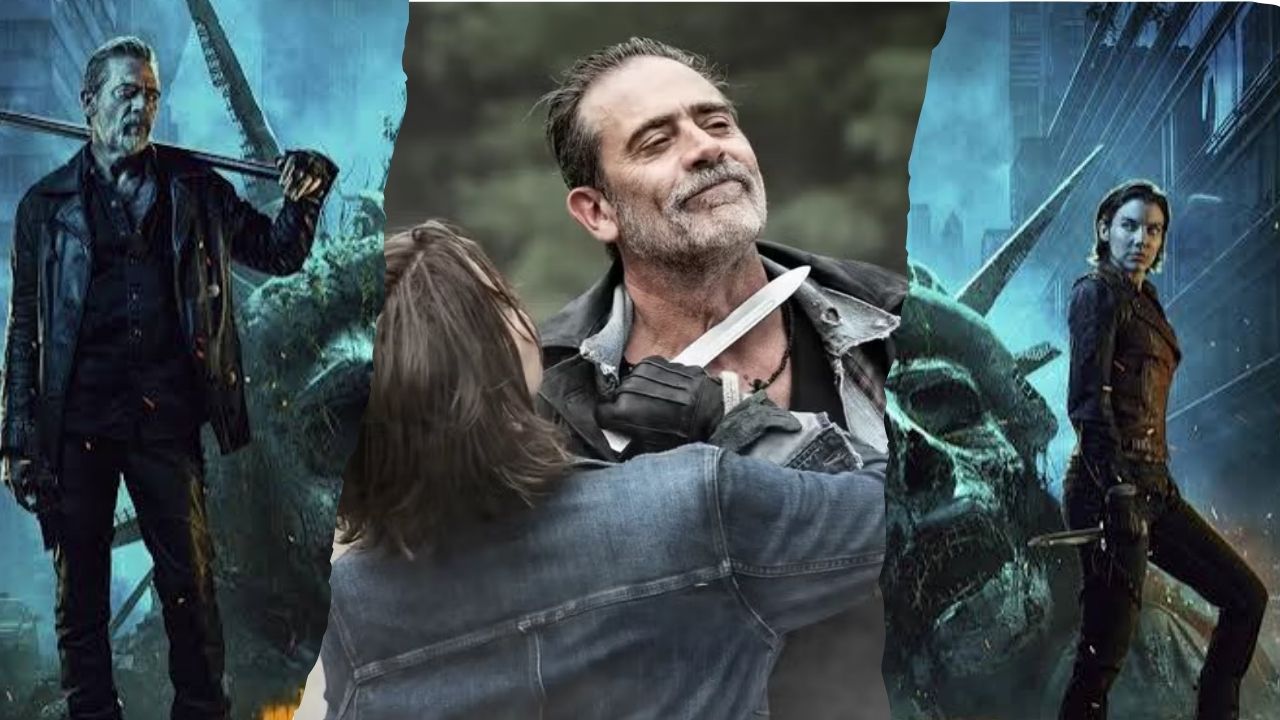
Filming took place in Boston, Massachusetts, standing in for a post-apocalyptic Manhattan, with production starting in fall 2025 — the first season to shoot without the Croat actor’s storyline still open, since Željko Ivanek’s arc wraps in the premiere itself.
New episodes of The Walking Dead: Dead City Season 3 stream early on AMC+ each week, with the cable broadcast following on AMC at 9 p.m. ET / 8 p.m. CT on Sundays.
If you’re catching up, the short version of what happened to Maggie in The Walking Dead: Dead City Season 3 so far is this: she’s chosen partnership over grief, at least for now, and the show is finally letting her and Negan exist as something other than adversaries.
Whether that survives contact with the Dama and whatever’s coming for Renata’s community is the question The Walking Dead Season 3 is clearly building toward and with “Haven” landing August 2, we won’t have to wait long to find out.
Get the latest details from movies, series, and celebrities on Fandomfans and stay connected for more deeper theories.
The Boys season 5 titled "Scorched Earth" arrives in 2026 with an explosive final battle, dark twists and high stakes as Butcher and Homelander face off.

After all the years of being spectators to the cruelest, perhaps least moral superhero drama on any screen, small or big, we’re at last coming to an ending we didn’t know we desperately wanted. “The Boys” Season 5 (tentatively titled “Scorched Earth”) lands in 2026, and honestly, it’s never going to be the same for the world of superheroes.
Let’s be honest, Season 4 ravaged us. According to Tomsguide, Billy Butcher has lost all humanity and is now a literal monster, who wants to kill every supe – bad or good, guilty or not. He’s stolen a virus that can kill superheros, and he’s embraced the darkest path possible. Meanwhile, Homelander has basically taken over the US government via martial law (and the majority of The Boys are in jail), and Homelander. What about all that positivity we latched onto in the earlier seasons? Gone. Obliterated. “Scorched Earth.”
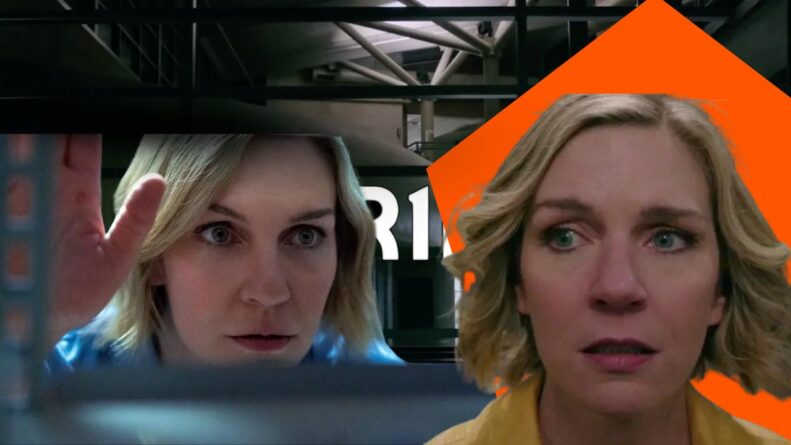
According to Deadline, Showrunner Eric Kripke has perfectly set the stage for a fluid final act. We don’t have a day for it just yet, but filming is complete and the team is halfway through post-production, which will consist of visual effects and color grading. Season 5 promises eight more episodes of pure, unadulterated chaos.
What makes Scorched Earth such a perfect title is that its meaning encapsulates the desperation that every character is feeling as they head into this finale. According to The Direct, Scarred and broken because of what he has been through, Butcher embodies the ‘scorched earth’ – wipe everything out, consequences be damned.

Homelander, wielding even more power than before, is the authoritarian government that blossoms in the ashes. And The Boys? They’re smack-dab between two immovable objects and just trying to survive, not win.
The thematic arc of The Boys has always been about: how power corrupts, how vengeance devours, and how even those heroes become the villains. According to IGN, Billy Butcher’s arc in particular is tragic, as we’ve seen him slowly strip away his humanity, the one thing his wife Becca made him vow to hold on to.

Kripke has teased that Hughie will “learn what it really means to be human” in season 5 and he also suggested Hughie might find redemption where Butcher has none.
There are no higher stakes. Ryan appears to have sided with his father Homelander, which destroyed Butcher’s final hope. Sister Sage was the architect behind Homelander’s ascension with ruthless efficiency. Starlight got away from the cops and is the only member of THE BOYS still at large. Ashley actually got superpowers. And somewhere, amid all this warped terrain, maybe, there’s still a super virus that could do everything.
Read More 👉 Avatar Trilogy Changed Cinema: Each Avatar Film Redefined Modern Blockbusters
What we’re most looking forward to about ”Scorched Earth” isn’t just the prospect of an explosive final battle between Butcher and Homelander. It’s that anyone can come out on top with their humanity intact. In a series that has taken five seasons to delve deep into the darkness that lies within all of us, the final season might finally answer the question that’s been on our minds the entire time —- Can we be redeemed, or are we all just fated to burn?
Fandomfans keep eyeing every update about movies, films and industry decisions, to provide you with the fastest conclusion on the reports.
Netflix One Piece Season 2 teases fans with early appearances of Sabo, Brook, and Bartolomeo. Learn how Eiichiro Oda sanctioned the timeline twist. Read more!

The team of One Piece Season 2 has stated that the quick-paced cameos of multiple characters were far more difficult to animate than fans would think. Sabo, Brook, Bartolomeo, and Yorki make brief appearances in Season 2. These characters make their actual appearance much later in the original manga, though the show used them early on in cameo roles.
From editor Eric Litman Such a jump of characters into the story early on was a lot of planning. The writers, producers and directors collaborated closely to ensure that these events embraced the narrative and would not contradict the source material written by Eiichiro Oda.
For a long time, adapting manga and anime into Western live action was essentially a Disaster Waiting to Happen. Fans and critics even referred to it as a “curse.” Between the absolute disaster of Dragonball Evolution and the lukewarm reception of Cowboy Bebop, it just wasn’t in the industry’s stars.
The problem, as usual, was that the executives wanted to “Westernize” the narratives, purging the strange, amazing soul of the originals so they could feel more “mainstream” like Netflix’s One Piece.
By embracing the complete ridiculousness of Eiichiro Oda’s world instead of apologizing for it, the show changed everything. “Into the Grand Line,” the second season, proves the series wasn’t just a one-hit-wonder. It did the unthinkable, lived in a world where physics and logic didn’t exist — fleshing out a universe based on characters who were little more than sticks of gum.
One of the things that makes One Piece Season 2 so good is the way it goes about building its world. The showrunners rolled out a huge (but fantastic) gamble in unveiling characters like Sabo, Brook, Bartolomeo and Captain Yorki well in advance of their introduction in the original story.

These fan favorites never appeared in the manga for years. By incorporating them into the narrative now the show is accomplishing two things:
This approach not only “corrects” the narrative, it respects Oda’s original vision by applying hindsight to make the live-action adaptation seem like a unified, epic jigsaw.
The reasoning behind One Piece Season 2’s success can be attributed to a straightforward yet fortuitous and probably unrepeatable alignment between the showrunners and the original creator. In order to make those early character cameos work without shattering the story, all departments needed to be aligned perfectly.
Co-showrunners Matt Owens and Joe Tracz have a few things to say about the old Hollywood way of doing things. Typically when a studio adapts a manga, the question is: “How do we make this less weird for our Western audience?”
Owens and Tracz went in the opposite direction. Their rule? Don’t change a thing. They made no apologies for the giant campy telepathic snails (Transponder Snails).
Since they embraced the absurdity, they could shove characters like Sabo or Brook into the background early on. To someone seeing it for the first time, these characters just feel like cogs in a huge, living world. But to the fan for years, they are massive “Easter eggs” that indicate the writers know exactly where the story is going.
One cannot discuss this series without discussing Eiichiro Oda, the man behind the One Piece Season 2 creator. Unlike the vast majority of authors who simply sign a contract and then get out of the way, Oda is the ultimate gatekeeper on this project.
Netflix and the studios established a “veto” policy: Nothing is released without approval from Oda.
| Leader | Role | The Contribution |
| Eiichiro Oda | The Creator | The ultimate authority. He ensured to keep the story true to the manga. |
| Matt Owens | Co-Showrunner | The long-time superfan who fought to get this made and keeps the long-term story on track. |
| Joe Tracz | Co-Showrunner | The Season 2 addition who pushed the “unapologetic” philosophy—no censoring or watering down the fantasy. |
Most of the success of One Piece Season 2 was actually a product of the editing room, in large part thanks to Eric Litman. If you’re wondering who he is, he’s worked on big things including Marvel’s Agents of S.H.I.E.L.D. and the pirate drama Black Sails.

It was his expertise that helped the show find its footing, mixing heartfelt character moments with the big action and craziness that fans of One Piece are used to.
Since One Piece Season 2 relies so much on special effects, the editors couldn’t just wait for the footage to come in. They utilized something called Pre-Visualization (Previs) in essence a 3D animated storyboard to map out each scene well in advance.
This was huge for those “early cameos” we talked about. For instance, during the Loguetown scenes, Litman and the VFX crew had to work out how to hide characters such as Sabo or Bartolomeo in the background.
Netflix’s One Piece Season 2’s biggest technical nightmare? The Giants. Episode 4 introduces Dorry and Brogy, two gigantic warriors from the island of Elbaph. If the proportions were ever skewed for a split second, the whole production would start looking like a cheap B-movie. Litman and his team had to become obsessed with “forced perspective” to ensure the math worked out:
If the group can get you to believe in 70-foot Vikings, then a talking skeleton or a time-traveling revolutionary will be easy sells down the road. The technical triumph of the giants actually facilitates accepting the strangest parts of the tale.
The showrunner of One Piece Season 2 understood that manga readers can wait a decade for a payoff, but television audiences have to have stakes now. To remedy that, they’ve moved the narrative from a “linear” timeline to a “layered” one. They brought in huge fan favorite characters like Bartolomeo and Sabo years before they were supposed to. This not only rewards the fans, it makes the world seem like one giant interconnected puzzle beginning with the first episode.
In the original, Bartolomeo was just a random fan who witnessed Luffy survive an execution and rose to become his #1 fan. In One Piece Season 2, however, they made him a real character we actually care about.

He begins life as a street rat who tries to pickpocket Nami. When the villains capture Luffy, Bartolomeo has to watch the six-pack execution from the front row. But now he really knows Luffy, so when the lightning blasts him and saves him, that miracle isn’t just some cool thing to happen in the world — it’s a soul-shaping event. He even picks up Luffy’s discarded hat in awe.
There has almost been a One Piece fan upheaval the size of Marineford following the appearance of a small silhouette that was in one single manga panel in the year of 1999. Many thought it might be Luffy’s supposedly “dead” brother Sabo, quietly watching from the shadows. That minor detail would lead to years of theories and speculation among the fan community.

The Reveal: The series eventually confirmed it. In One Piece Season 2, a man in a top hat and goggles appears with Dragon.
Hunting for that twist: Fans know the story is going to end tragically at some point. He is literally standing there watching his brother escape, but he has no idea who Luffy is.
The show also connects with the story about Laboon, the giant whale that wait at the doorway of the Grand Line. We don’t learn who Laboon is waiting for in the manga until much later. In teasing the Rumbar Pirates and their skeleton musician Brook now, the series is making the world feel lived in and heartbreakingly real right from the jump.
| Aspect | Original Manga Canon | Netflix Adaptation | Output |
| Initial Debut | Chapter 705 (Dressrosa Arc) | Season 2, Episode 1 (Loguetown) | Narrative Establishes early season to grab interest |
| Relationship to Luffy | Passive spectator at the execution; retroactive “fanboy” | Active participant; personal interaction prior to the execution. | Deepens the emotional weight of his eventual loyalty; makes his motivation character-driven rather than coincidental. |
| Execution Scene Role | Distant crowd member | Forced to watch by Buggy from the “front seat”. | Highlights the contrast between Luffy’s optimism and true villainy. |
| Symbolic Resolution | Witnessed the lightning strike | Picks up Luffy’s straw hat in awe. | Provides a visual, cinematic anchor to his transition into piracy. |
The silent cameos in One Piece Season 2 serves as an excellent payoff for longtime fans that reward Oda’s detailed pre-planning, and it doesn’t require any dialogue or context that might alienate curious non-fans. Some critics noted that in an era when movies are increasingly laden with heavy-handed cinematic universe cross-promotion, Sabo’s is a welcome bit of underplaying.
It’s not a nod to the camera curt instructing the audience to know how important he is, to a new viewer, he’s just “some other weirdo in the background” of a bustling pirate city. For the fandom though it is a ground shaking event that spans decades of theorizing.

Editor Eric Litman and the showrunners acknowledged that bringing in Brook sooner was essential to selling the emotional weight behind Laboon’s story. By turning the vague “lost crew” concept into concrete, highly sympathetic characters, the adaptation instantly elevates the emotional stakes.
Most likely Oda when writing the Reverse Mountain arc back in the late 1990s did not have Brook or the Rumbar Pirates fully made up yet. The live-action series benefits from hindsight, and is able to integrate those elements from the beginning.
This indicates that the series had a very strong start, especially among the readers who were already familiar with the manga since 1997. Still, the audience can be drawn in by more complicated concepts of teamwork, leadership, and what it means to have a “found family,” instead of just keeping an eye out for punches and kicks.
On the other hand, Two years later, on March 10, 2026, One Piece Season 2 was also a massive success. It regained the top spot in about 50 countries within a few days after release, including key markets such as Germany, Brazil, and Japan. Early reports indicate the viewership numbers are rising around 30% faster than they did in Season 1.
One Piece Season 2 is declared as a masterclass by critics because of its outstanding timeline twist. Season 2 received 9/5 Critics (so far), its high as Season 1 get 86% from Critics and 90% from the Audience.
The highest praise? The show “accidentally” manages to be a dense fantasy epic without turning your brain to mush. You don’t need to have watched a single episode of the anime to enjoy the show as a blockbuster.
Even having all this success it seems that the hardcore community is split into two camps when it comes to those early character cameos.
The Hype Camp (The Majority)
Most fans with long memories are about to have a collective aneurysm. Spotting Sabo’s top hat or hearing Brook’s laugh for the first time were huge rewards for years of loyalty.
The Purist Camp (The Minority)
On the flip side, there are some purists who are a tad nervous. Their concerns are mostly pragmatic:
| Metric | Result | Why? |
| Viewership | 30% Growth | High retention of old fans + new “mainstream” interest. |
| Critical Score | 100% | Flawless integration of complicated lore. |
| Main Audience | 69% Male / 63% 30+ | Taps into nostalgia and mature themes of leadership. |
| Fan Sentiment | Mostly Positive | “Easter eggs” are winning over the “purist” complaints. |
The early appearance of characters like Bartolomeo, Sabo, Brook and Yorki isn’t just shallow pandering to the fans, it’s a deliberate structural engineering move.
With guidance from executive producers showrunners Matt Owens and Joe Tracz and under the ultimate authority and blessing of Oda, through the painstaking editorial management of Eric Litman—these cameos serve to deepen the theme of the current story while setting up future sagas in an elegant fashion.
Read More:- Monarch Season 2 Twist Explained: What It Means for the Monsterverse
The One Piece Season 2 is evidence that those surprise cameos weren’t just some random fan service. Characters such as Sabo, Brook, and Bartolomeo, were deliberately seeded earlier in the narrative to connect different story arcs and to expand the world.While collaborating closely with the manga written and illustrated by Eiichiro Oda, the production team was able to keep the adaptation faithful, yet still generate excitement for later seasons.
Stay connected with Fandomfans to get the latest updates from movies, series and celebrities.