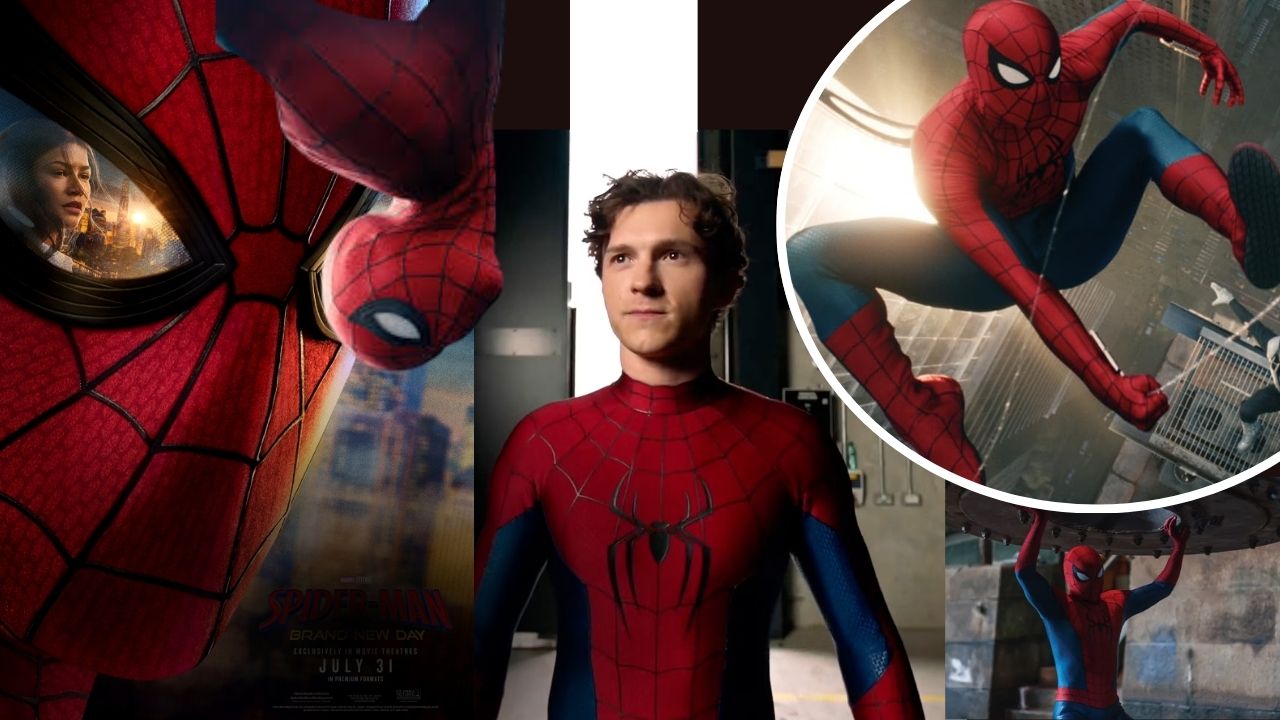
Why Spider-Man: Brand New Day Just Changed Everything for the MCU

Discover how *Spider-Man: Brand New Day* could reshape the MCU with major changes, new challenges, and a fresh direction for Peter Parker’s future.

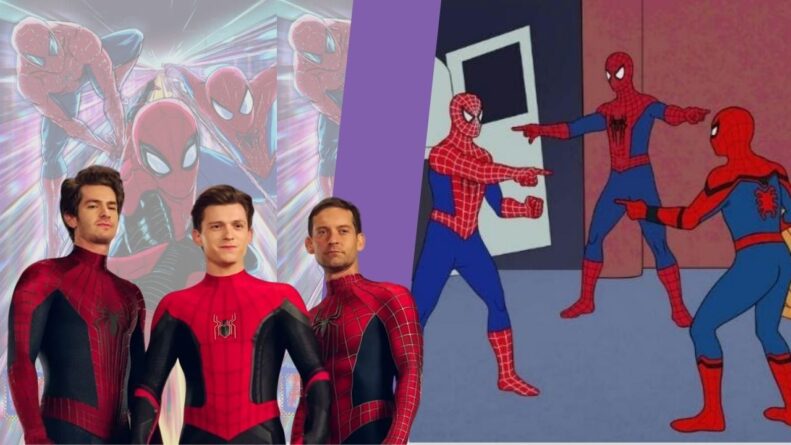
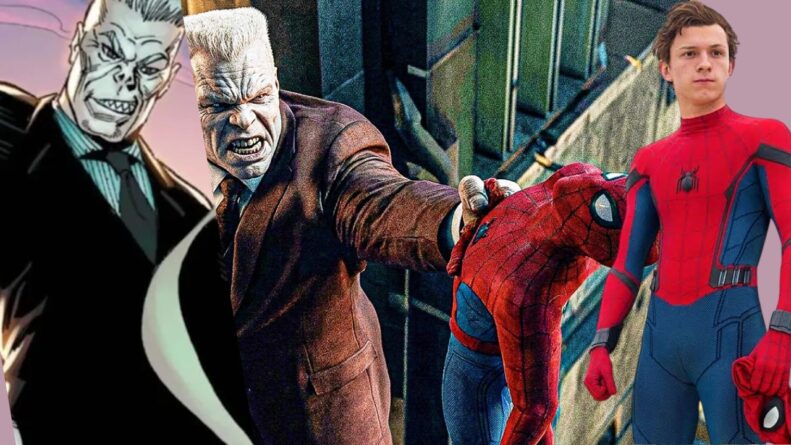
Marvel made us wait for five years between Spider-Man: No Way Home and Spider-Man: Brand New Day. No one could think of at the time that the next Spidey movie would strip away the multiverse, kill the celebrity cameos, and go full street-level with Peter Parker who has been completely erased from everyone’s memory.

But fans who actually read the comics said it would’ve been thrilling. And they were right because Spider-Man: Brand New Day isn’t just another sequel dropping into a theater but a first door of what Marvel Studios looks like after it stopped chasing spectacle for spectacle’s sake.

Spider-Man: Brand New Day Plot Details

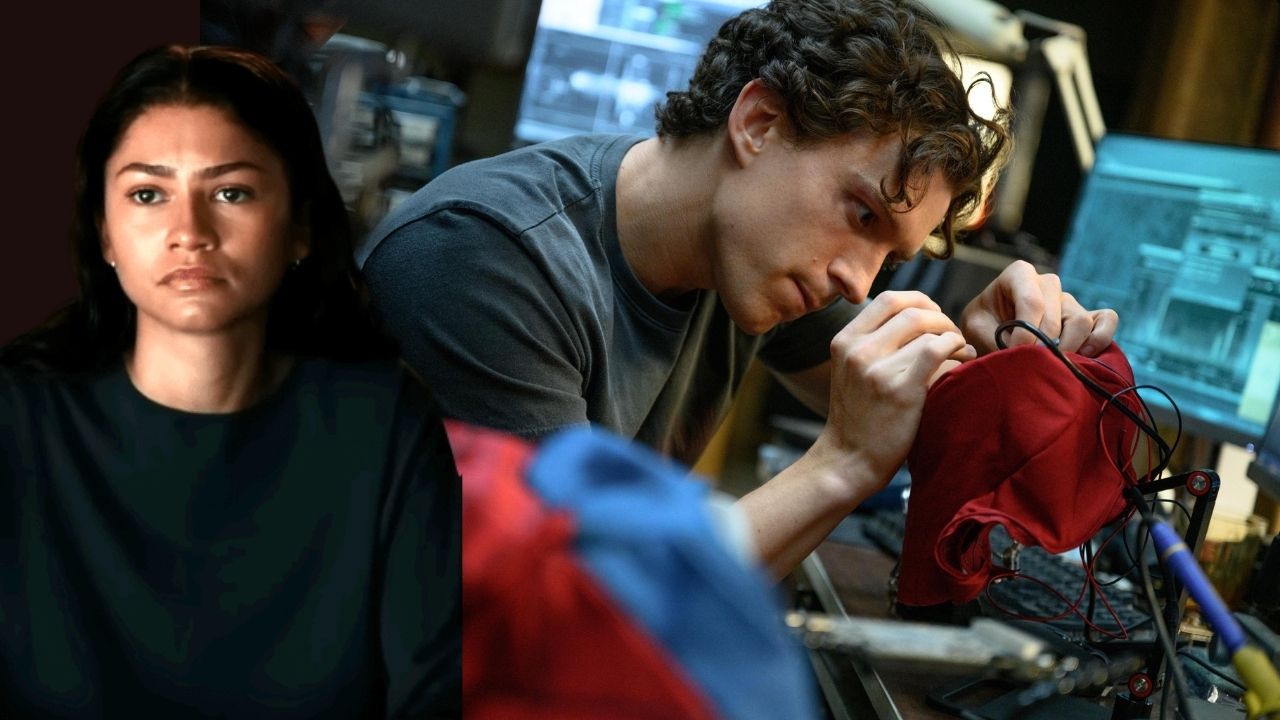
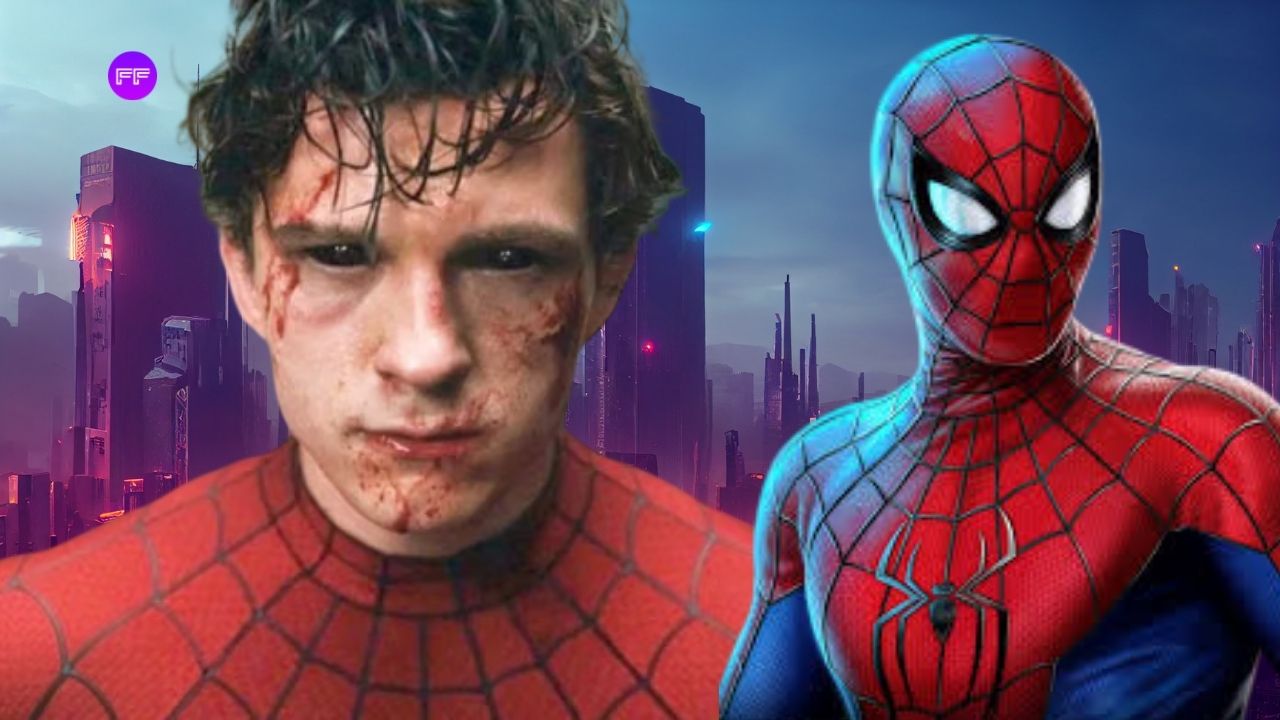
Director Destin Daniel Cretton — the guy who turned Shang-Chi into one of the more confidently made MCU entries picks up four years after the reality-bending ending of No Way Home. Peter Parker is alone. He voluntarily erased himself from the memories of everyone he loves, which means MJ, Ned, and the rest of his world have moved on without a clue he ever existed to them. He’s still swinging around New York fighting crime full-time, just as a stranger to the very people he used to call family.

That premise alone is a swing. Marvel could’ve played it safe and found a plot device to reset the status quo in the first act. Instead, loneliness is the engine of the whole story — watching Ned build tech, watching MJ live her life, watching Peter hover at the edges of it, is apparently what triggers the “change in Peter he may not be able to control” that the official synopsis teases. Whatever that transformation actually looks like on screen, it’s tangled up with a new villain the marketing has kept deliberately vague: a threat so powerful “no one can even see” it. Take that description at face value for now — Sony has been unusually disciplined about not spoiling this one.

Spider-Man: Brand New Day

Worth noting for anyone who’s been half-following the rumor mill: there’s been chatter, including comments attributed to musician Steve Lacy at a red carpet event, suggesting Sadie Sink’s character might be connected to Jean Grey or the X-Men corner of the Marvel universe. That is not confirmed by Marvel or Sony as of this writing — it’s rumor-stage speculation, and it should be treated that way until the studio or an official credits list says otherwise.

A Star-Studded Cast With Roles Yet Comes With a Twist 

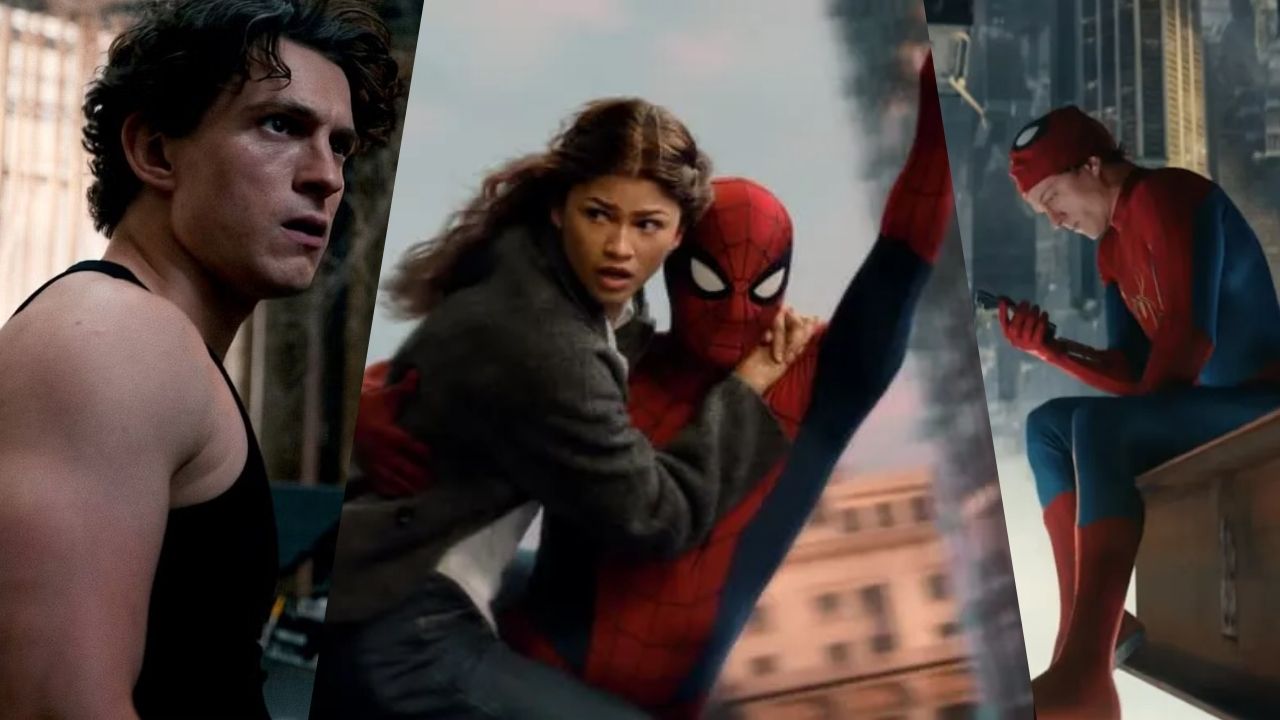
How Brand New Day uses its ensemble is quite different: it’s not another No Way Home multiverse reunion tour. Tom Holland is back for his fourth solo outing as Peter, joined by Zendaya as MJ and Jacob Batalon as Ned Leeds — the only returning trio from the trilogy. The rest of the cast is new blood layered into the existing MCU rather than pulled from a different franchise entirely. 

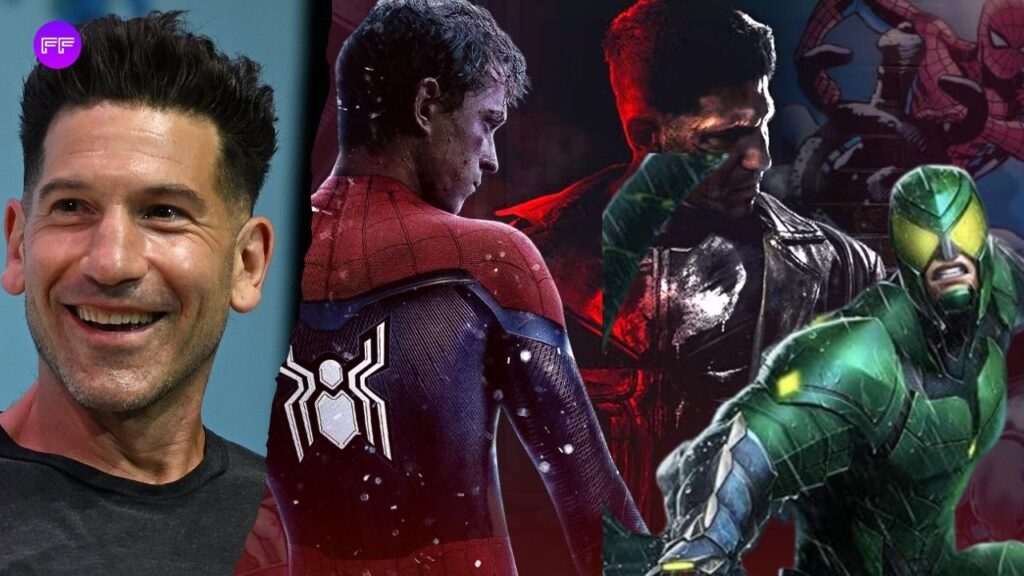
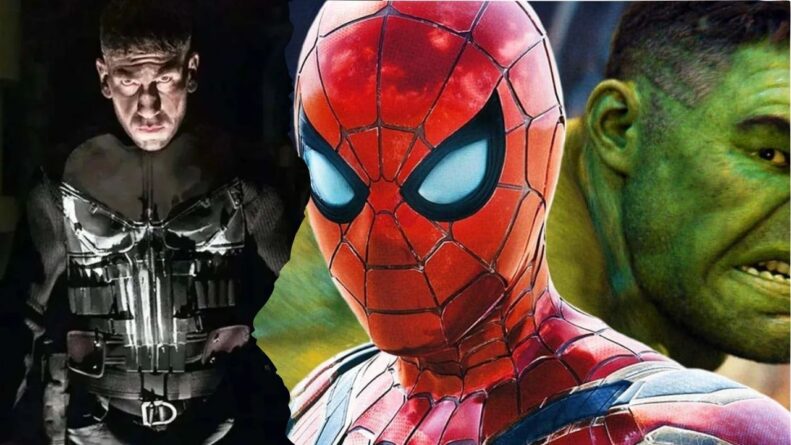
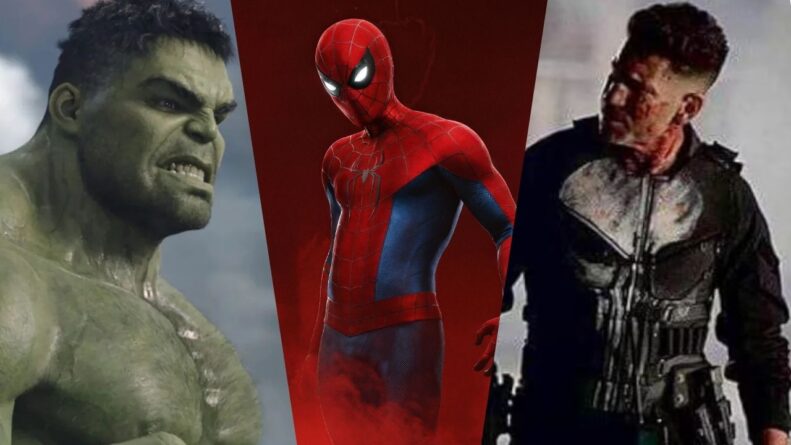
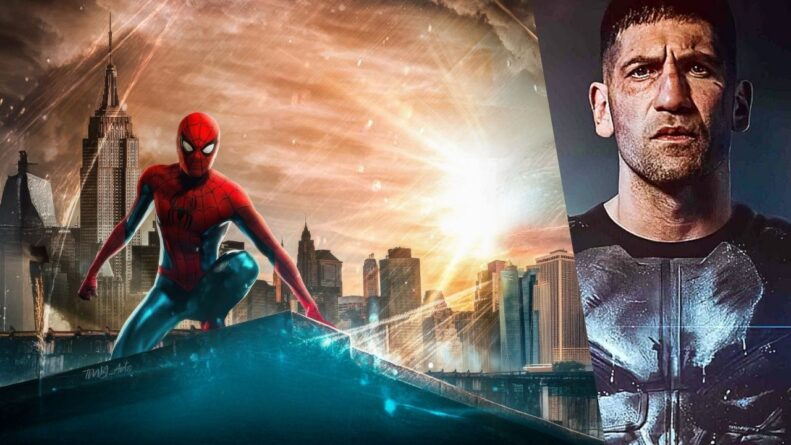
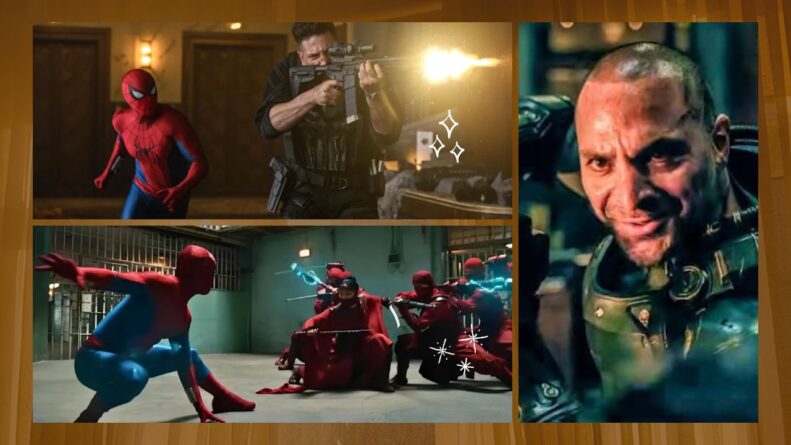
The Punisher entry in Spiderman 4 is the best twist as now everyone can think what kind of tone this film is going to deliver. Jon Bernthal reprises Frank Castle after his Netflix run, and this street-level vigilante going toe-to-toe with a hero who still, mostly, refuses to kill. 

Fans will see the Hulk after four years on the screen. Mark Ruffalo is back as Bruce Banner and he is tying the story directly to the biggest blockbusters crossovers — Avengers: Doomsday and Secret Wars. 

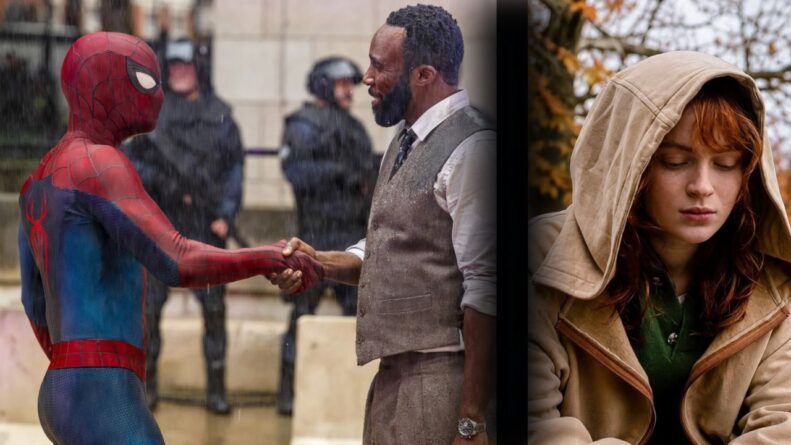
The most dangerous villain — Scorpion — is also creating a hype among fans. Michael Mando returns as Mac Gargan, after his cameo in Homecoming back in 2017. Then there’s Sadie Sink and Liza Colón-Zayas, they are totally new to the MCU and their roles are still under wraps. Marvel Studios isn’t opening up to more details, plus Tramell Tillman, Marvin Jones III as Tombstone, and Marisa Tomei returning as Aunt May.

Kevin Feige, Amy Pascal, and Avi Arad produce, Chris McKenna and Erik Sommers — writers on all three prior Holland Spidey films — handle the script, and Michael Giacchino is back scoring it. That’s about as much creative continuity as Marvel could keep while still handing the directing chair to someone new.

Read More 👉 Why Chris Evans Was Chosen as Captain America

Early Reviews Suggest the Film Exceeds Expectations 

This is the part that actually matters for anyone deciding whether to see it opening weekend. The review embargo lifted this week, and Brand New Day landed at roughly 90-91% on Rotten Tomatoes across well over 100 reviews — Certified Fresh, and squarely in line with the Holland trilogy’s reputation as the best-reviewed run the franchise has had. 

For context, Homecoming sits at 92%, Far From Home at 91%, and No Way Home at 93%. So yes, Brand New Day is technically the “lowest” of the four by a couple of points but we’re talking about a rounding error, not a decline.

Spider-Man: Brand New Day

What’s more interesting than the number is what critics keep saying about the movie’s tone. The word “grounded” shows up in review after review — critics are crediting Cretton for trading the multiversal chaos of the last film for something more personal and street-level. 

The Bernthal-Holland dynamic keeps getting singled out as a highlight, and Sink’s performance is drawing near-universal praise even with her role still under wraps. Not every outlet loved it — Variety leaned negative, calling it an “arduous adventure” that tries too hard, and a handful of other critics dinged pacing or an overstuffed final act. But the consensus, for a franchise five films deep, is that Marvel found a way to make this one feel different instead of just bigger.

The Box Office Could Shape What Comes Next 

Before a single ticket was sold, this movie was already breaking records. The first trailer, released March 18, 2026, pulled in 718.6 million views in 24 hours and crossed 1.1 billion within four days, according to Sony — one of the biggest trailer debuts ever recorded for any movie. 

Combine that with tracking estimates in the $180-190 million range for opening weekend, and Brand New Day is shaping up as the biggest Marvel opener since No Way Home’s historic run, which finished its theatrical life at nearly $1.92 billion worldwide. 

Getting anywhere close to that number would be a stretch — No Way Home had the multiverse-cameo hook that made it feel like an event nobody wanted to miss — but even landing at half that total would make Brand New Day the clear box office champion of 2026’s superhero slate.

Read More 👉 Will Spider Man Brand New Day Bring Back MJ and Ned? Do You Know

Spider-Man: Brand New Day Could Change Marvel’s Next Chapter 

Marvel has spent years leaning on multiversal gimmicks and cameo bait to paper over shakier scripts. Brand New Day, at least according to early reactions, does the opposite — it bets on character work and a director with a clear voice, in a story explicitly building toward what Amy Pascal has called a new trilogy for Peter, separate from whatever the Multiverse Saga wraps up to be. 

Spider-Man: Brand New Day

If that holds, and if the reviews translate into the kind of audience love No Way Home got, this is Marvel proving it can still make a movie people care about without needing three other franchises to show up and bail it out. 

The big stakes are not in Peter beating the villain, but rather in whether Marvel can remember how to tell one story well before it tells five stories all at once. 

Conclusion 

If you’re on the fence about catching Spider-Man: Brand New Day on the big screen this weekend, early indications are positive. With the film’s 90%+ critics score, Destin Daniel Cretton’s solid directorial record, and the fact that it’s more character-driven, it looks like one of Marvel’s best recent theatrical outings. 

Go in anticipating a toned-down and more realistic Spider-Man than No Way Home and take any casting rumors you’ve seen for Sadie Sink’s character with a grain of salt until Marvel confirms. Spider-Man: Brand New Day opens in US theaters July 31, 2026. 

Get the latest details about movies, series, and celebrities on Fandomfans directly, we provide official news and theories.

Comments

Leave a Comment

Your email address will not be published.

Alpana

Articles Published: 173

Alpana is Fandomfans Senior Editor across all genres of entertainment. She evolved in the media industry since a very long time, she manages the content strategy and editing of all the blogs. Her focus on story development, review analysis, and research is well-equipped that ensures every article meets the standards of accuracy and depth.

View Profile ↗

Marvel First Family & Doctor Doom Are Friends Until Doomsday

Discover how Marvel's First Family and Doctor Doom go from uneasy allies to bitter enemies in Marvel First Family & Doctor Doom Are Friends Until Doomsday.

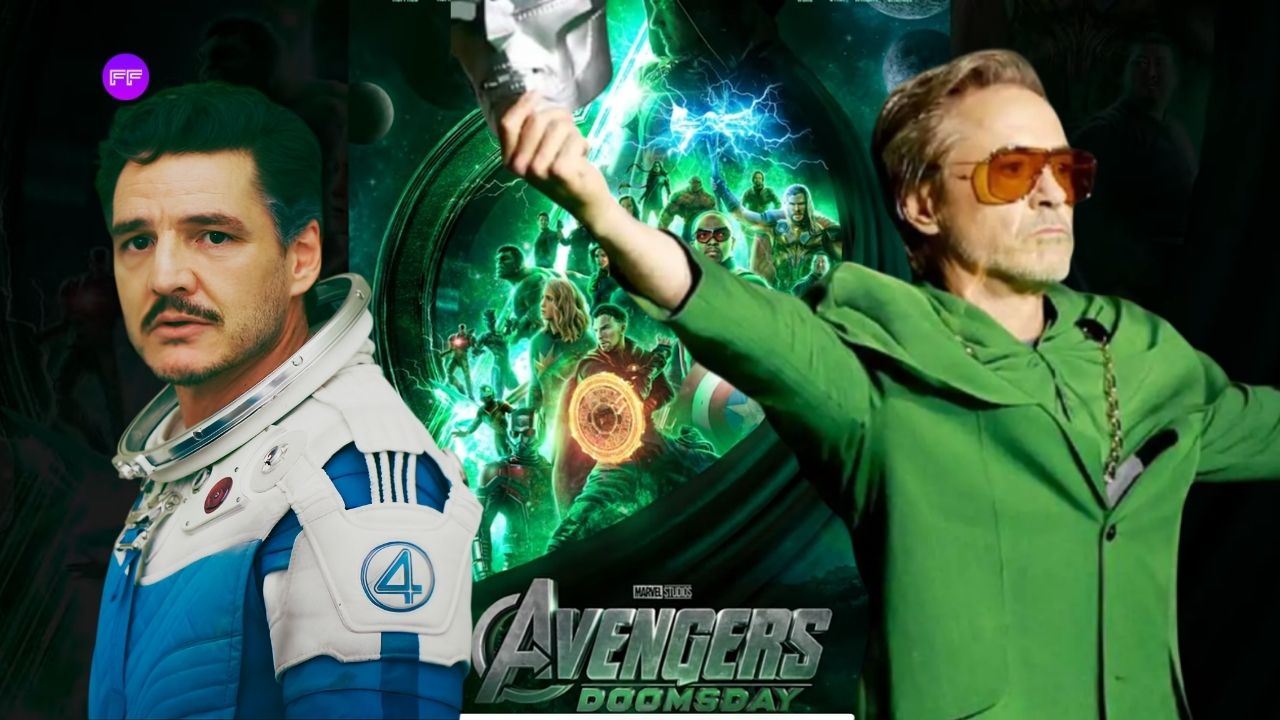
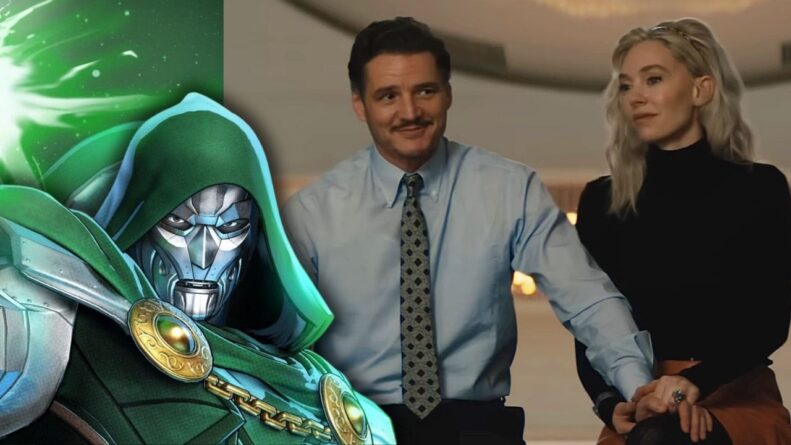
Nobody expects that Doctor Doom, about to threaten every universe in the multiverse in Avengers: Doomsday, isn’t a stranger to the Fantastic Four. He’s family friend material. Reed Richards and Victor von Doom go back decades in the comics, and it’s confirmed after official comments from insiders reveal that it’s the emotional spine of the entire movie. 

This isn’t the origin story where Doom shows up as a masked menace on day one. This is a slower, sadder kind of villain arc, and it’s exactly why Robert Downey Jr. signing on to play him made so much sense once you stopped picturing Iron Man and started picturing a man who lost everything and blames the people who once called him a friend.

Doctor Doom Was Never Just “The Villain Next Door”

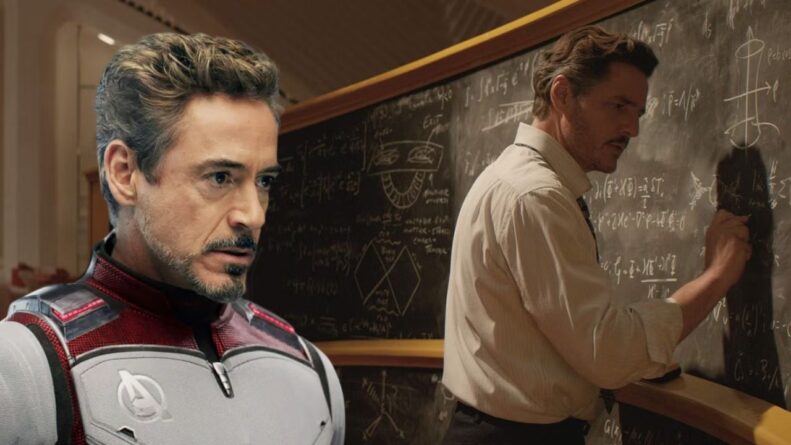
Long before he was ruling Latveria and building doombots by the thousand, Victor von Doom shared a dorm with Reed Richards at State University. They were rivals in the lab, not enemies in the field. 

The Villain Next Door

The accident that scarred Doom’s face and pushed him toward sorcery and tyranny is tangled up with Reed’s own guilt — Reed warned Victor his calculations were flawed, Victor ignored him, and the explosion that followed set both of their lives on separate, colliding paths.

Doctor Doom and Reed Richards Known Each Other Before They Gained Superpowers 

What makes their relationship genuinely unusual in Avengers: Doomsday is that it never fully curdled into simple hatred. Doctor Doom has, at various points, called a truce with the Fantastic Four to fight bigger cosmic threats. 

He’s shown up for moments on with Marvel’s first family. Most strikingly, in the comics, Doom personally delivered Reed and Sue’s daughter, Valeria, when a pregnancy complication threatened both mother and child and he later became her godfather. That’s not a footnote. That’s a writer deliberately keeping the door open between a hero and his greatest enemy, generation after generation.

Doctor Doom and Reed Richards

Why this matters for the movie: If the MCU is borrowing this dynamic, Doom isn’t being introduced as a stranger the Fantastic Four have to figure out. He’s someone Marvel’s first family already trusted. That’s a much heavier betrayal to write and a much heavier one to watch.

Fantastic Four: First Steps Post-Credit Scene

According to a widely circulated from industry leaker Daniel Richtman, the Fantastic Four’s Reed Richard and Doctor Doom are described as being on friendly terms heading into the film as people who have known each other for years rather than adversaries meeting for the first time. 

Fantastic Four

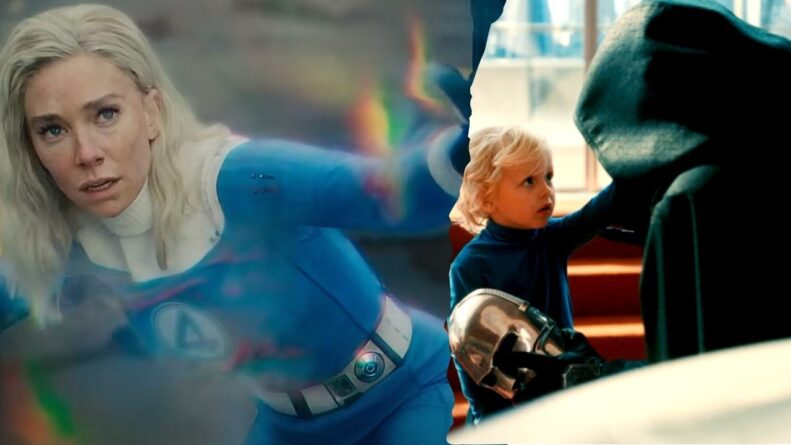
The same rumor claims the fallout that turns them into enemies is essentially the plot of the movie itself, with Doctor Doom reportedly seen playing with Franklin Richards in a post-credits scene of Fantastic Four: First Steps. Vanessa Kirby’s Sue Storm saw them and tried to prepare to use her power to protect her son but the scene ended. 

However, the scene made fans mind that Doom was an enemy, if he’s friendly then Sue may not see Doom as a threat and calm down. 

“Doctor Doom is just playing with Franklin, he mean no harm to the kid” — Ritchman Says

Marvel Studios hasn’t laid out the Reed-Doom relationship on record. But it lines up too neatly with six decades of comics history to dismiss, and directors Joe and Anthony Russo have publicly described Doom as one of the most complex characters in Marvel’s library — someone they wanted to explore with “complexities and vulnerabilities” rather than write as a straightforward conqueror.

“He’s not simply a villain; he’s one of the most complex Marvel characters. He’s always three moves ahead.” — Joe Russo, co-director, on Doctor Doom

Franklin Richards: The Wild Card Nobody’s Talking About Enough

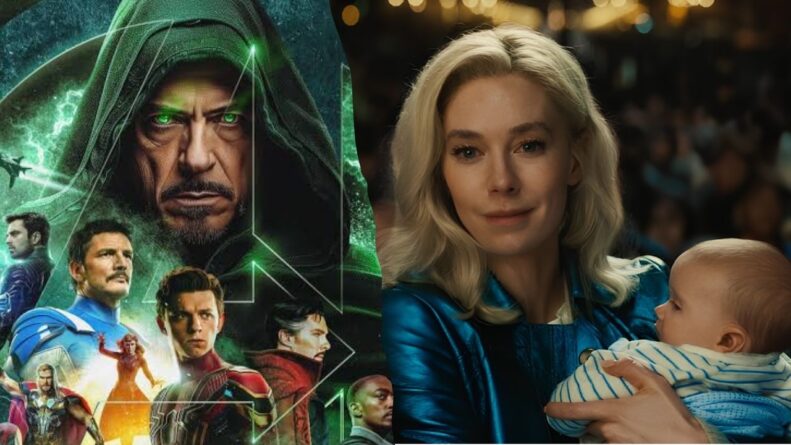
If there’s one thread connecting the comics history to the reported MCU plot, it’s Franklin Richards. In the comics, Franklin is regarded as one of the most powerful beings to ever exist — capable of warping reality, creating pocket universes, and reading minds before he can properly walk. The Fantastic Four: First Steps already introduced him as a baby who ages into a young child by the film’s end, and multiple reports suggest Doom’s interest in Franklin is central to why he moves against the family at all.

A godfather turning on the family he swore to protect, driven by what a child could become, that’s not comic book villainy for its own sake. That’s a tragedy with body count.

Read More 👉  Marvel’s Amazing Spider-Man #1000: What Fans Need to Know

Avengers: Doomsday Official Details Overview

Title Details
Title / Event Avengers: Secret Wars (follow-up: Avengers: Secret Wars — Part II noted as Dec 17, 2027)
Release date December 18, 2026
Follow-up installment Avengers: Secret Wars follows (sequel/next major MCU event) on December 17, 2027
Main villain Doctor Doom — played by Robert Downey Jr.; full costume unveiled at CinemaCon 2026
Returning lead cast Chris Evans (Steve Rogers), Chris Hemsworth (Thor), Pedro Pascal (Reed Richards), Vanessa Kirby (Sue Richards)
Fantastic Four presence Seven characters from First Steps confirmed to appear, including HERBIE (the robot)
Directors Anthony Russo and Joe Russo (returning to MCU since Avengers: Endgame)
Setting / premise Heroes from three separate universes — Earth-616, Earth-828 (Fantastic Four’s world), and Fox X-Men universe — converge to face Doctor Doom

The trailer shown at CinemaCon and in teasers has already leaned into Doom’s overwhelming power — a scene where he stops Thor’s Stormbreaker with one hand has become the moment fans keep replaying. 

But the same trailer reportedly closes on a much quieter, more devastating line from Doom: “One day you will forgive me.” That’s not the sentence of a conqueror talking to strangers. That’s the sentence of someone talking to people he actually cares whether they forgive.

Why This Angle Is the Smartest Thing Marvel Could Do

The MCU has struggled with villain motivation before — plenty of Phase Four and Five antagonists existed mainly to be defeated. Doom being a person the Fantastic Four actually liked, trusted, and maybe even loved solves that problem before it starts. They also don’t have to start from scratch in making us feel sympathetic for Doom; they get that from sixty years of history between Reed and Victor, and they get to spend their running time dismantling it on-screen rather than explaining it in exposition. 

Marvel Could Do

It also raises the stakes for everyone standing next to the Fantastic Four when Doctor Doom turns. If he’s willing to burn a friendship this old to get what he wants, nobody in Avengers: Doomsday is safe because they’re powerful. They’re at risk because they’re close to him.

Read More 👉  XMen 97 Season 2 Episodes 1-3: Who Really Sent the XMen Through Time?

Conclusion

Doctor Doom isn’t a fascinating Avengers: Doomsday antagonist simply because he’s the most powerful person present. He’s compelling because he’s introduced as someone Fantastic Four already know, trust, and consider part of their lives. That background makes every encounter not just a fight to save the multiverse, but the shattering of a friendship that once felt unshakable. 

If Marvel follows the emotional roadmap it set forth in the comics, “Avengers: Doomsday” won’t just establish Doom as the MCU’s next major villain. It’ll show how pride, grief, and unthinkable choices can turn a trusted friend into the deadliest enemy Marvel heroes have ever encountered. And now, with the multiverse at stake and Reed Richards facing the friend he couldn’t save, the conflict is far more tragic than your standard-oh-hero-versus-villain story. 

Dive into details of latest movies, series, and characters before watching it on Fandomfans

Comments

View comments and join the discussion

Alpana

Articles Published: 173

Alpana is Fandomfans Senior Editor across all genres of entertainment. She evolved in the media industry since a very long time, she manages the content strategy and editing of all the blogs. Her focus on story development, review analysis, and research is well-equipped that ensures every article meets the standards of accuracy and depth.

View Profile ↗

X-Men ’97 Season 2: Marvel’s Legendary Mutants Return

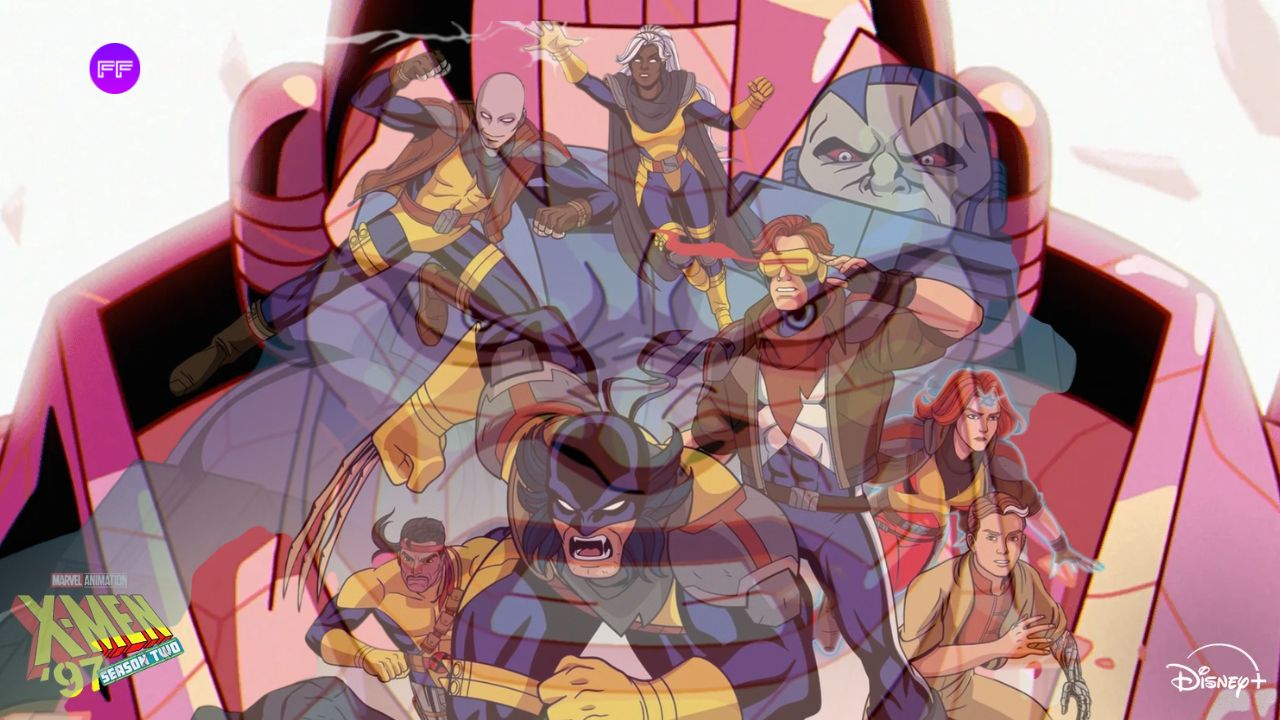
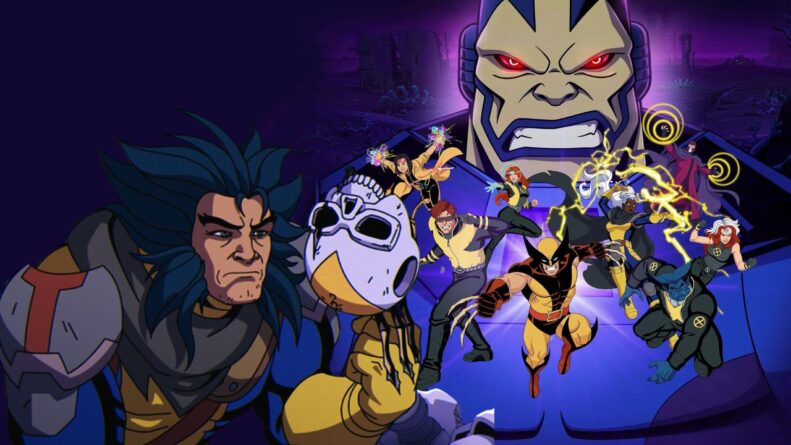
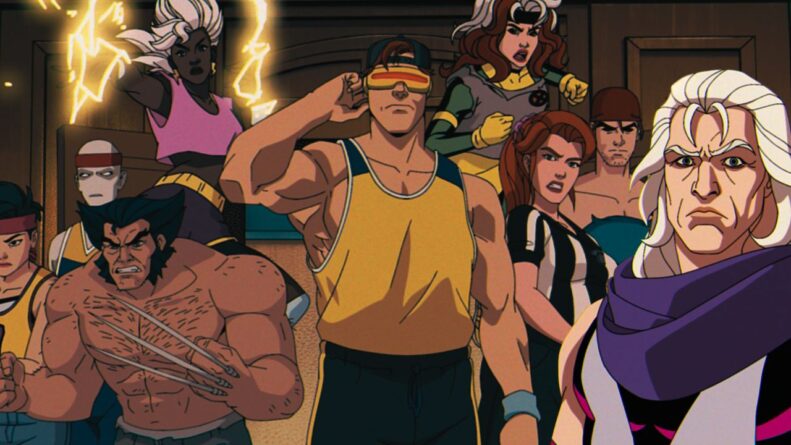
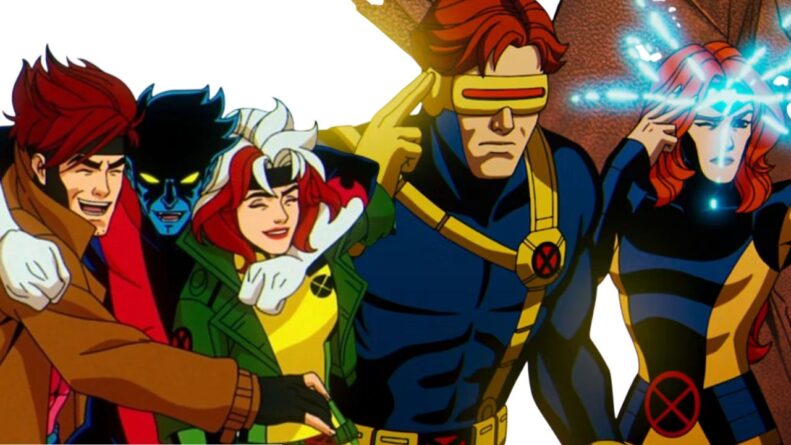
Marvel X-Men '97 Season 2 brings Marvel's iconic mutants back with new adventures, returning heroes, and fresh challenges on Disney+.

Published: Jun 2, 2026, 12:54 PM
Last Updated: Jun 4, 2026, 12:28 PM

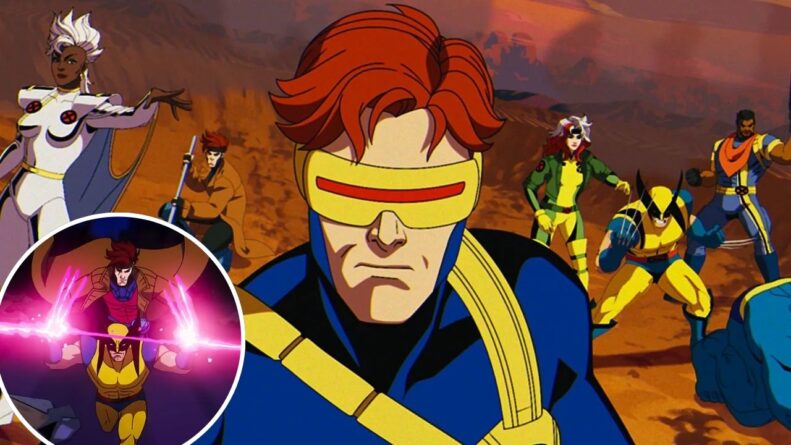
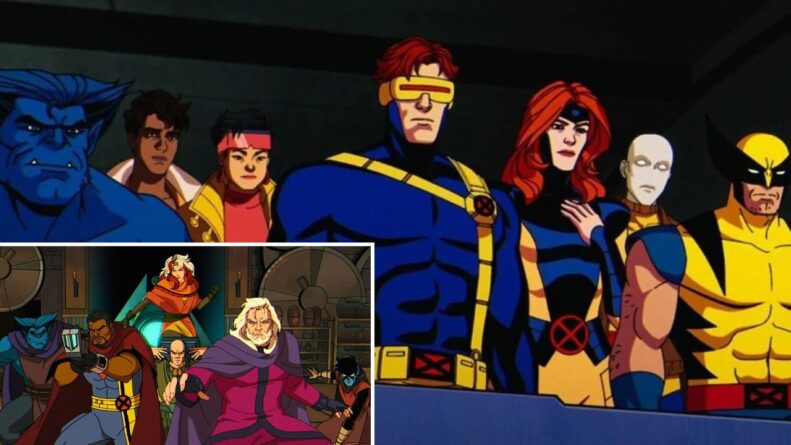
Marvel X-Men ’97 Season 1 success brings the next season on July 1, 2026. Marvel’s X-Men ’97 season 2 trailer hints at a very very dark plot and new characters joining with continuing the story after the season 1 finale with the most dangerous villain Apocalypse. 

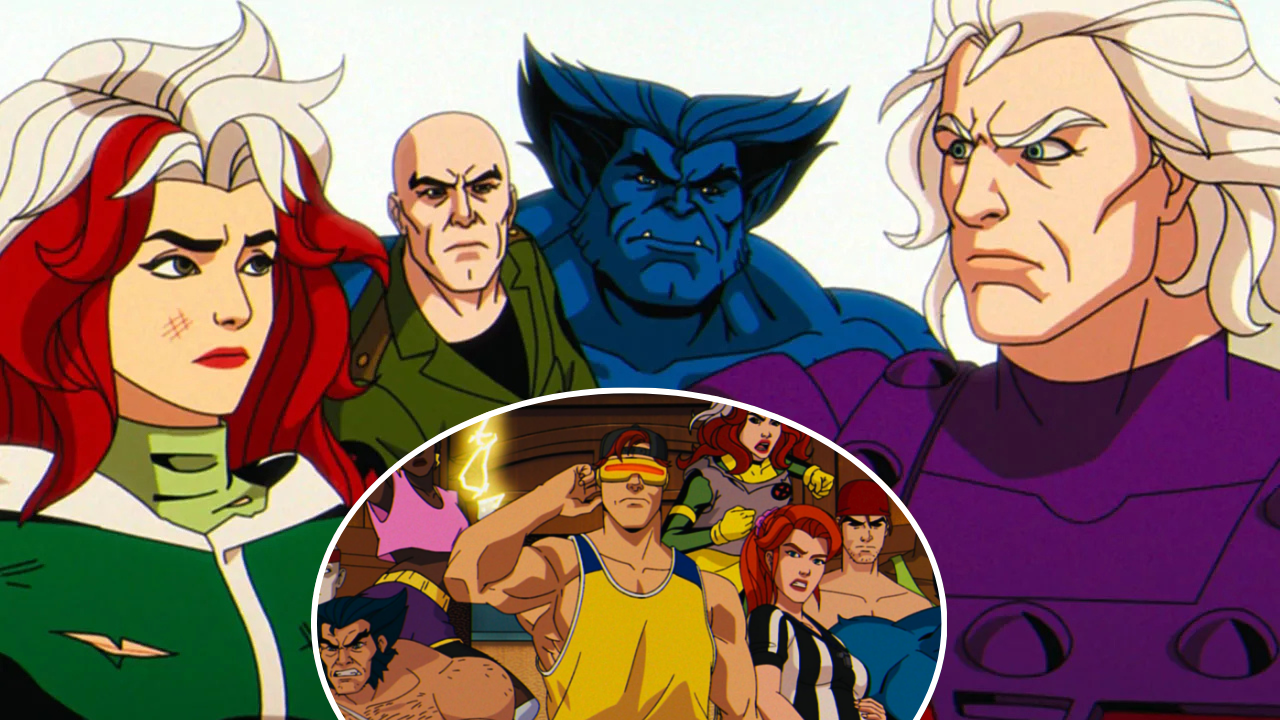
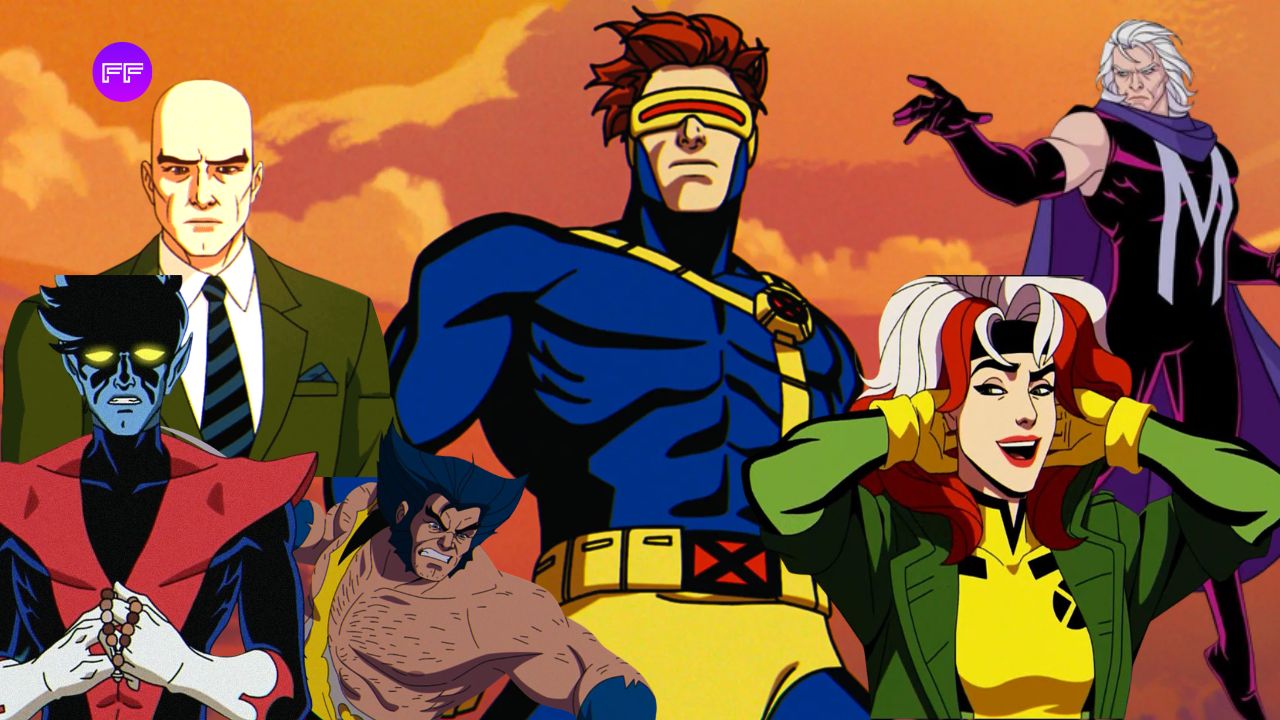
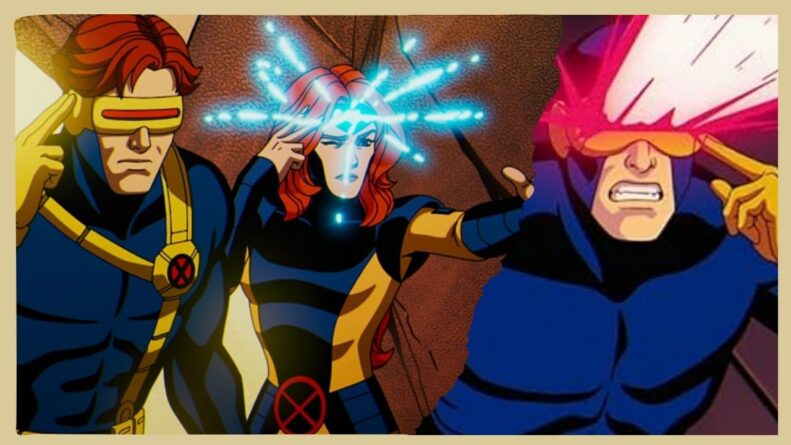
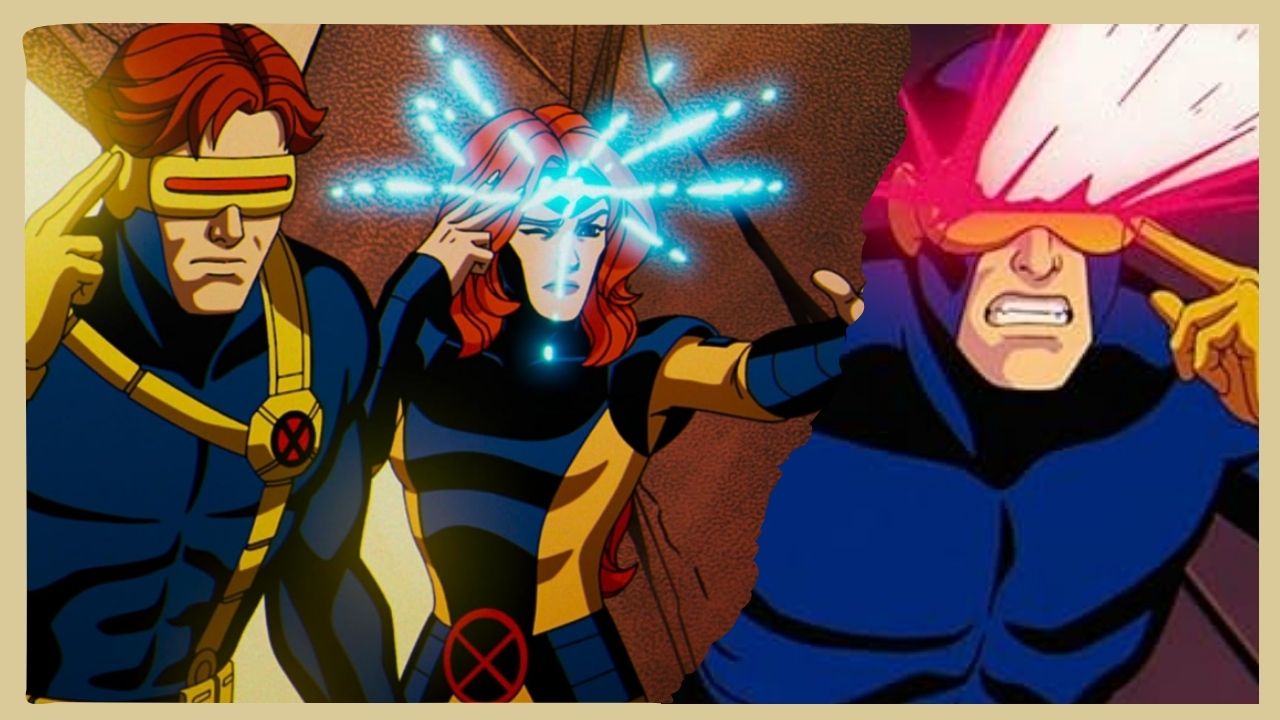
Season 1 ends with a timeline-shattering finale in May 2024, leaving a baggage of questions for fans. Everyone is end up in different time of period, Cyclops and Jean Grey were in 3960 A.D. and Rogue, Beast, Nightcrawler, Professor X, and Magneto found themselves in ancient Egypt, circa 3000 B.C., facing young En Sabah Nur who later become the worlds most dangerous person — Apocalypse. He also appeared in the gut-wrenching mid-credits scene and picked up Gambit’s charred playing card with a smile.

The wait is almost over. Marvel X-Men ’97 Season 2 is set to deliver on every promise — with a nine-episode run, a sprawling cast of new and returning mutants, and the most terrifying villain in X-Men history taking center stage.

Quick Facts At a Glance

Premiere Date July 1, 2026
Season 2
Episodes 9
RT Score S1 99%
Main Villain Apocalypse (En Sabah Nur)
Stakes All time

X-Men ’97 Season 1 Recap: Where We Left Off

Before watching Season 2, a recap of X-Men ’97 season 1 is crucial to understand the storyline. It picked up from the 1997 finale of X-Men: The Animated Series, it was one of the best superhero cartoons ever. The revival series is penned by Beau DeMayo who is head of Writers and produced by Marvel Studios Animation, the series premiered its first season on Disney+ in March 2024 and was widely praised by fans and critics. 

Marvel X-Men '97 Season 2

The Genosha Massacre

Marvel X-Men ’97 Season 1 episode 5 was the main emotional core of the whole season that genuinely shocked audiences by the attack of Sentinel on the mutant safe haven of Genosha. In order to protect others, Gambit sacrifices himself in that explosion which raises the stakes of “Remember It” as the most emotional episode. It was the kind of bold, unflinching storytelling rarely seen in animated television. 

Bastion and Operation: Zero Tolerance

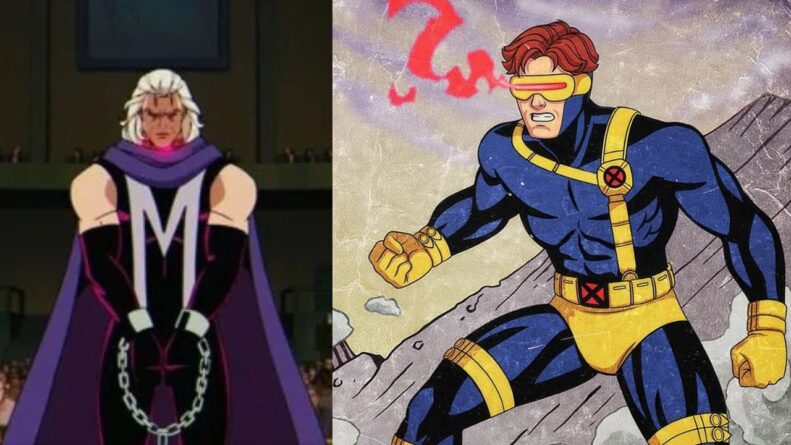
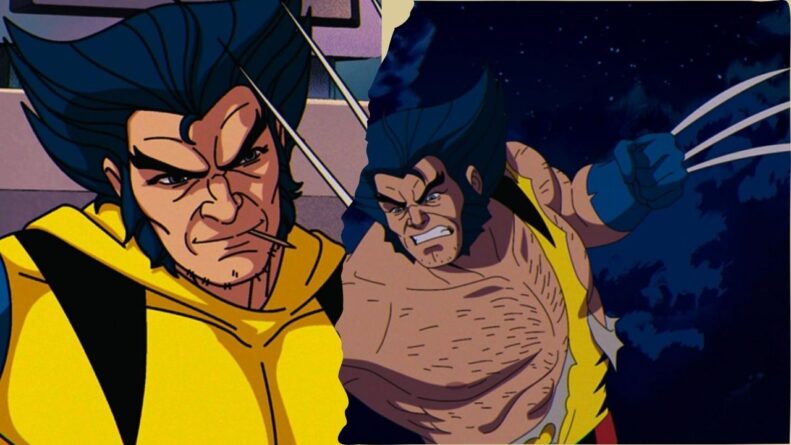
In the three-part finale “Tolerance Is Extinction” the real villain is revealed to be Bastion, a human-mutant-machine hybrid who became a representative of the next evolution in anti-mutant warfare. The X-Men won the fight at the end, but at a personal cost. During the conflict, Magneto, in-charge of the X-Men after Professor X created a blackout and tears the adamantium out of Wolverine’s body, leaving Logan in a catastrophic state.

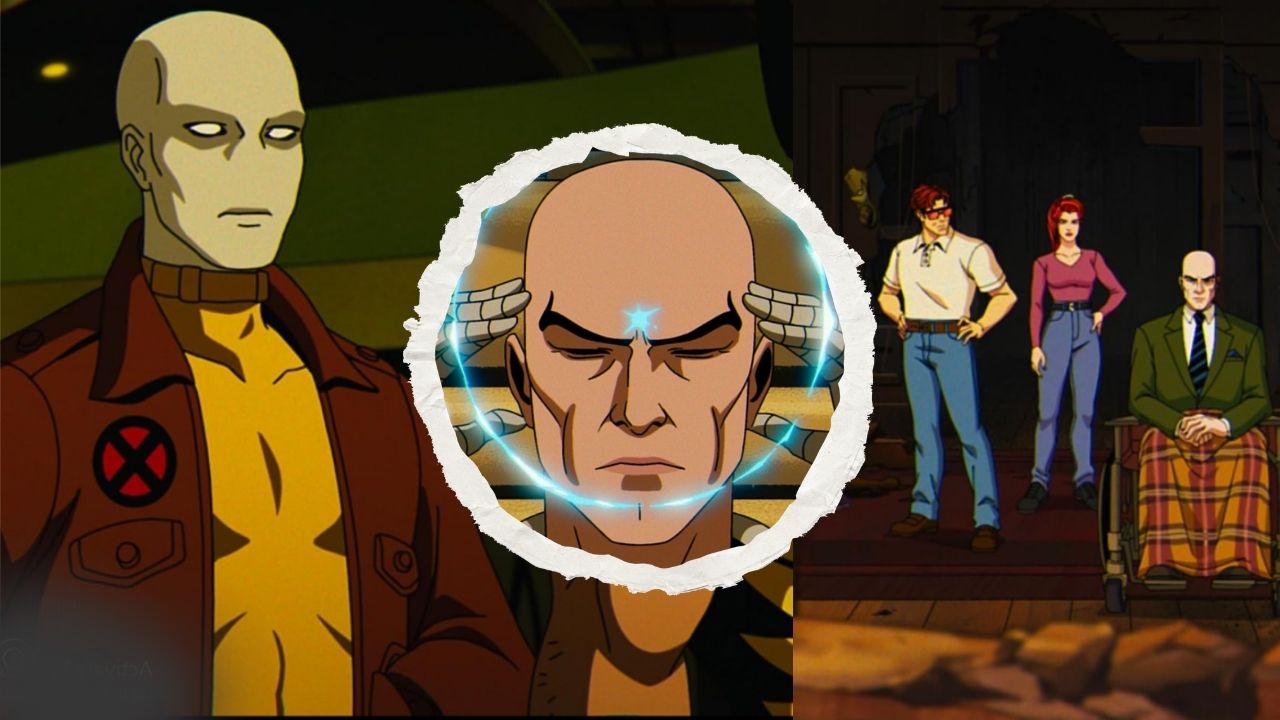
A key moment between Magneto and Professor X when he entered into Magneto’s mind with his Psychic power that nearly destroyed them. This causes a possibility of the terrifying entity born from the darkest corners of both psyches  – Onslaught which could become a major threat in future seasons. 

X-Men Scattered Through Time

In the end of season 1, the X-Men were flung across time. Cyclops and Jean Grey are separated and thrown from the rest of X-Men and end up in 3960 A.D. where they have adopted son Nathan (Cable). Magneto and Professor X are end up in 3000 B.C. in ancient Egypt along with Rogue, Beast, and Nightcrawler. In their timeline, Apocalypse was just a young child En Sabah Nur, who was outcast because of his mutant ability to the brutal tribe. In the mid-credits scene, Apocalypse visits Genosha and smiles while looking at Gambit’s playing card which means he has plans for him.

What’s The Plot of Marvel X-Men ‘97 Season 2?

According to Disney’s official synopsis, the X-Men are scattered across different eras in time and busy finding their way to come back home. Meanwhile, back in the 1990s, new enemies were rising in their absence who have strong hate against mutants.


Marvel X-Men ‘97 Season 2 trailer dropped in May 2026 and gathered million views. It featured Rogue mourning Gambit’s death with Nightcrawler then scenes shifts to X-Men across every era of history. The trailer ends with Apocalypse declaring war:

“I must strike them at their most vulnerable — the 1990s!” 

The one major subplot is confirmed that draws from the 1994 comic The Adventures of Cyclops and Phoenix. As the finale showed Scott and Jean, they will raise their adopted son Nathan (Cable) in the far future, while Apocalypse remains a growing threat. Meanwhile, back in the ancient past, Bishop and Forge are trying to fix the fractured timeline. Professor X actor Ross Marquand said:

“He was surprised the season was approved because it is so dark and many die.”

The Time-Travel Breakdown

Marvel X-Men ‘97 Season 2 showcases every character being separated and thrown in different centuries.

3960

A.D 

Cyclops & Jean Grey They end up in the far future when Apocalypse is already rising with power. It is based on The Adventures of Cyclops and Phoenix comic.
3000

B.C 

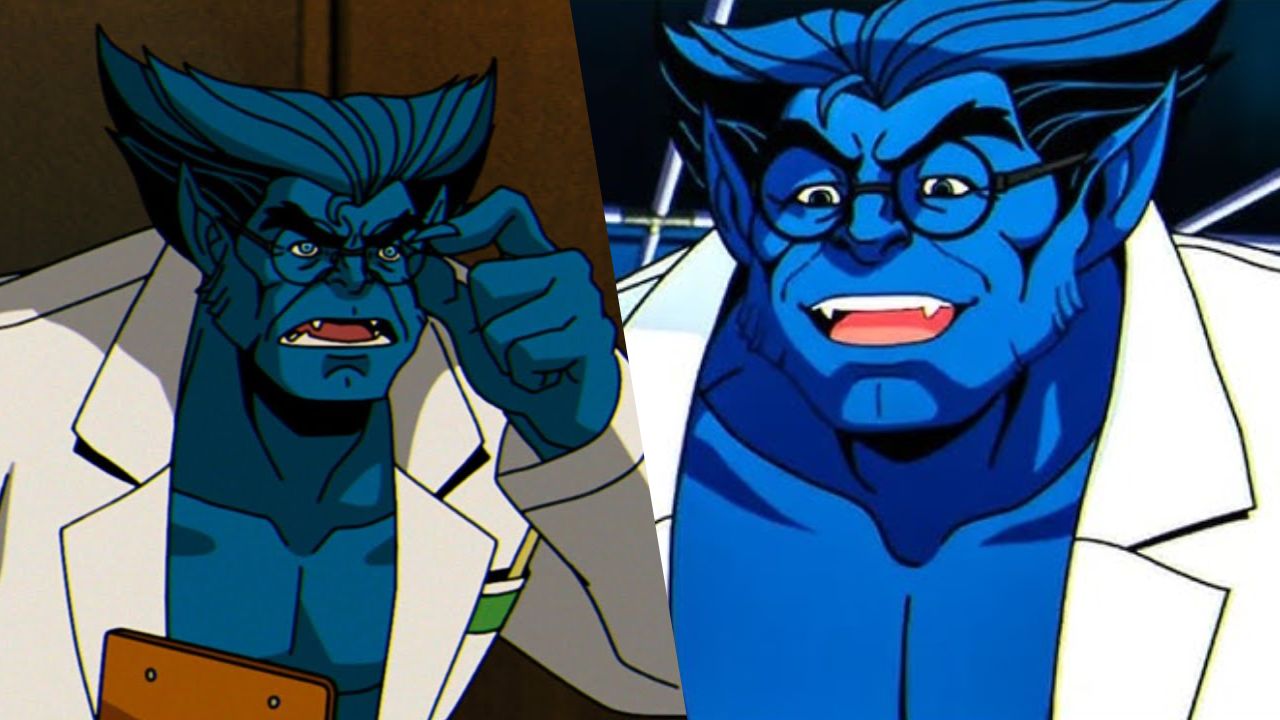
Rogue, Beast, Nightcrawler, Professor X & Magneto They end up in the past (ancient Egypt) where Apocalypse is young, a grey-skinned outcast with the Sandstormers tribe.
1990s

Present 

Wolverine, Bishop, Forge & Others Holding on to the present day while Apocalypse plans to strike on mutants at their weakest era.

Apocalypse: The Ultimate Villain Returns

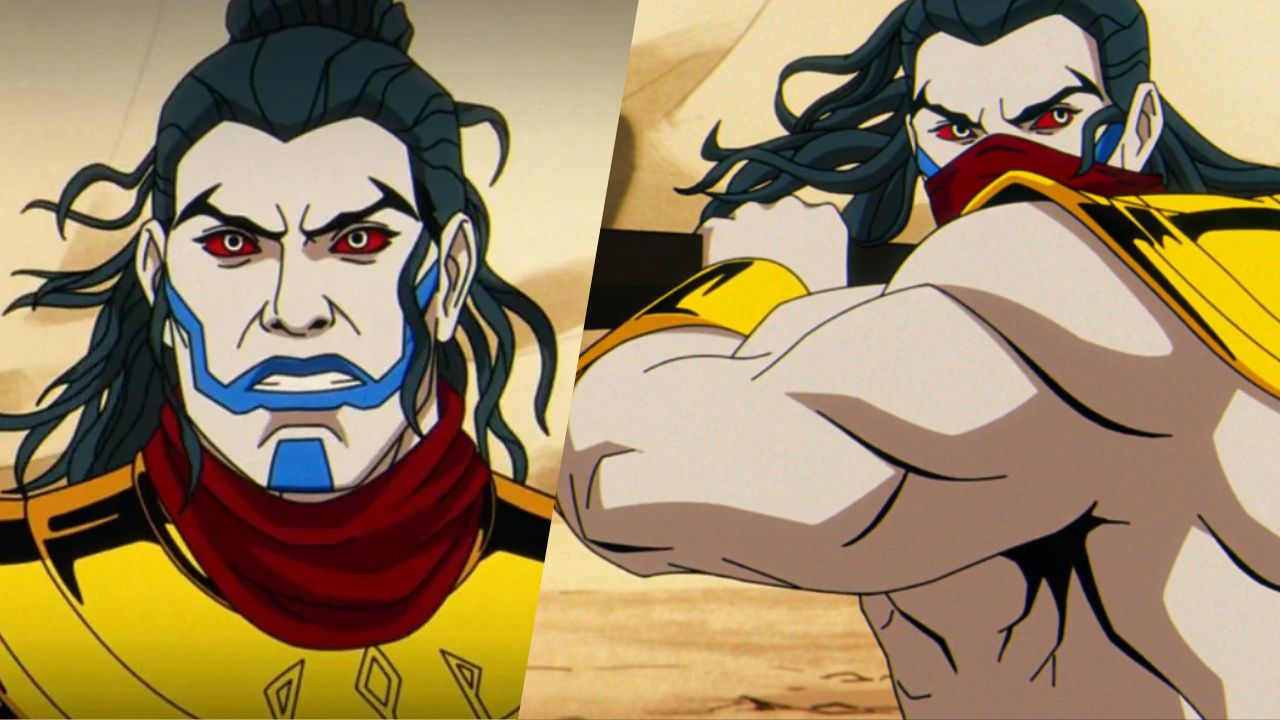
En Sabah Nur, born thousands of years ago in ancient Egypt where Rogue, Professor X and Magneto find him as a grey-skinned outcast, was taken in by a tribe called the Sandstormers, who brainwashed him with a brutal belief that only the strong one survive. And he enhanced his mutant abilities with celestial technology after growing up and created himself as the powerful judge to decide who was worthy to survive. 

We only watched his young version as En Sabah Nur in 3000 B.C. in the X-Men ’97 Season 1’s finale. But Marvel X-Men ‘97 Season 2 will showcase his past, present and future simultaneously. Whether it’s only a child or a dangerous villain he becomes, one thing is sure that he is too powerful. And he is planning to erase all mutants at their weakest time.   

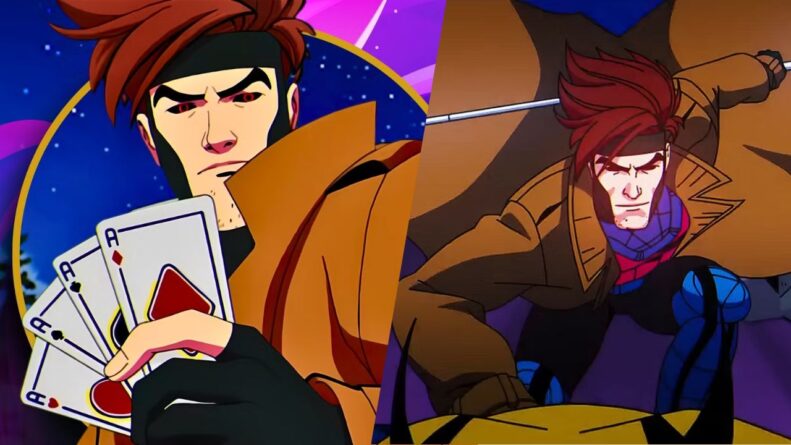
The Season 1 mid-credits scene strongly suggests that Apocalypse came to the ruins of Genosha to resurrect Gambit for making him a Death, one of his Four Horsemen. 

Returning & New Characters

Season 2 brings back the full core voice cast while introducing a significant roster of new mutants — many of them deeply meaningful to long-time comics readers.

  • Wolverine – Cal Dodd
  • Cyclops – Ray Chase
  • Jean Grey — Jennifer Hale
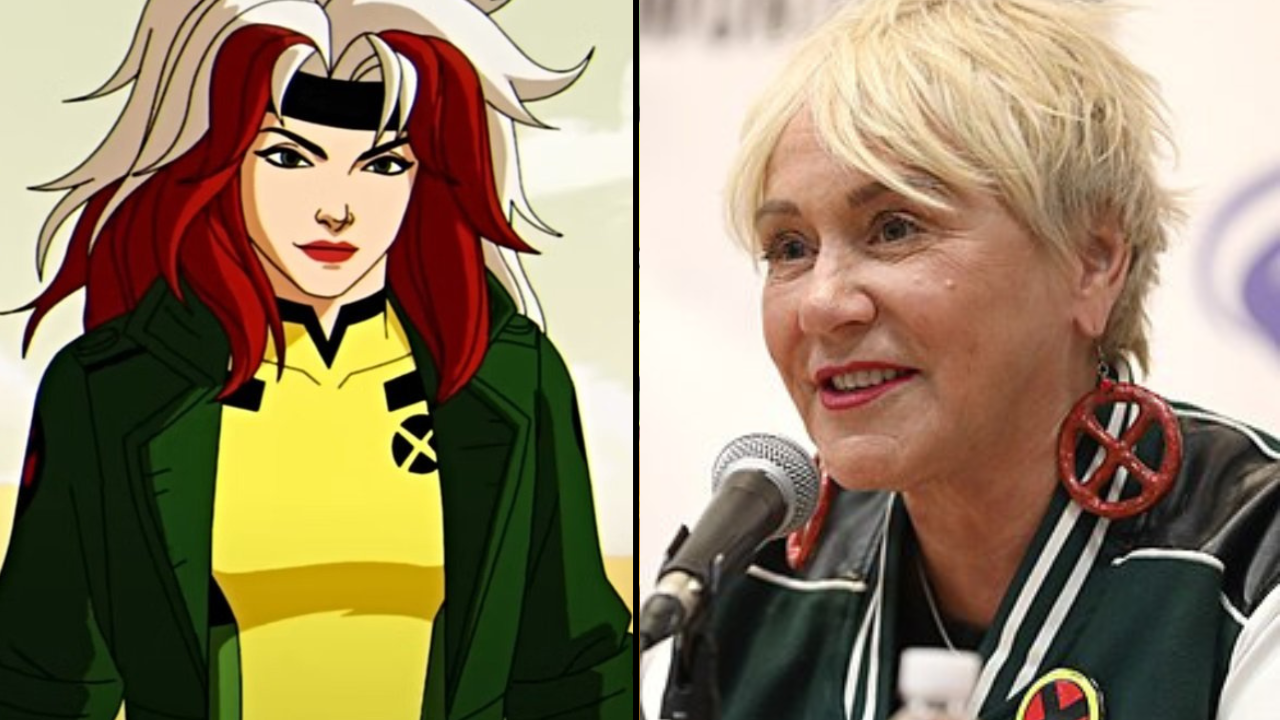
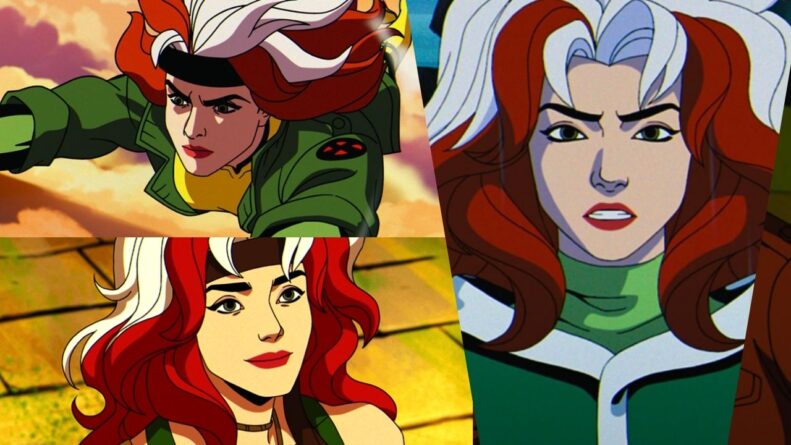
  • Rogue — Lenore Zann
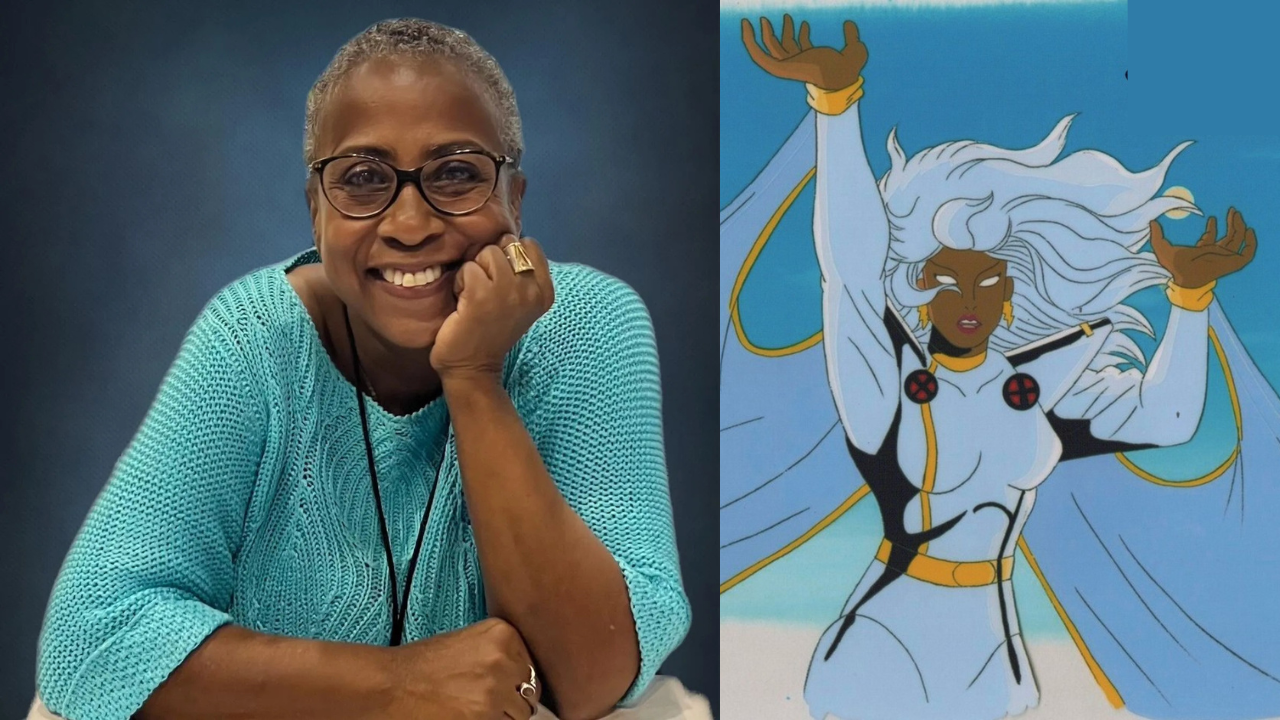
  • Storm — Alison Sealy-Smith
  • Professor X — Ross Marquand

Returning Characters

Wolverine – Cal Dodd

Somehow alive and fully functional after having his adamantium ripped out. How he recovered is one of Season 2’s central mysteries.

Cyclops – Ray Chase

Stranded in the far future of 3960 A.D. alongside Jean — facing Apocalypse at the height of his reign.

Jean Grey — Jennifer Hale

In the distant future with Scott — the Phoenix residue she carries may be crucial to their survival and escape

Rogue — Lenore Zann

Emotionally shattered by Gambit’s death. The trailer opens on her grief — and she’s trapped in ancient Egypt with Nightcrawler and Beast.

Storm — Alison Sealy-Smith

The weather goddess returns to the fray with her signature combination of power, grace, and moral authority.

Professor X — Ross Marquand

Caught in ancient Egypt, psychically weakened after his confrontation with Magneto. His survival is far from guaranteed.

Magneto — Matthew Waterson

Stranded in 3000 B.C., facing the man he helped create through the violent philosophy he once shared: En Sabah Nur.

Morph — J.P. Karliak

Gets the trailer’s most crowd-pleasing moment — briefly shapeshifting into Deadpool, sending social media into a frenzy.

New Characters in Season 2

Sabretooth — Wolverine’s Rival

Teased in the trailer’s final seconds with a claw reveal. Victor Creed’s appearance signals a brutal personal reckoning for Logan.

Psylocke — Psionic Warrior

Returns to the animated series with a storyline that reflects current comic continuity around Kwannon and identity.

Archangel — Warren Worthington

His dark metallic wings hint at a possible past as one of Apocalypse’s Horsemen — a deeply significant connection to the season’s villain.

Polaris — Lorna Dane

Magneto’s daughter makes her animated series debut — her complicated family legacy will matter enormously given the stakes of Season 2.

Read More 👉 What Marvel’s X-Men Lineup Could Look Like in the MCU

Colossus — Piotr Rasputin

The steel-skinned Russian mutant joins the fray, adding raw power to a team desperately in need of it across every timeline.

Lady Deathstrike — Yuriko Oyama

Adamantium claws and a vendetta against Wolverine — her arrival adds a personal, physical threat that Logan is in no shape to handle.

Danger  — The Danger Room

The living embodiment of the X-Men’s VR training facility — a deeply strange and compelling addition from Joss Whedon’s comics run.

Emma Frost — The White Queen

The telepathic powerhouse makes her Season 2 appearance — whether as ally or antagonist remains one of the season’s intriguing question marks.

How Did Wolverine Survive X-Men ‘97 Season 1?

When Magneto left Wolverine heavily injured and close to death in the last moment of finale, left fans wondering if he ever survived or not. The scene directly connected to the famous 1993 “Fatal Attractions” comic storyline. 

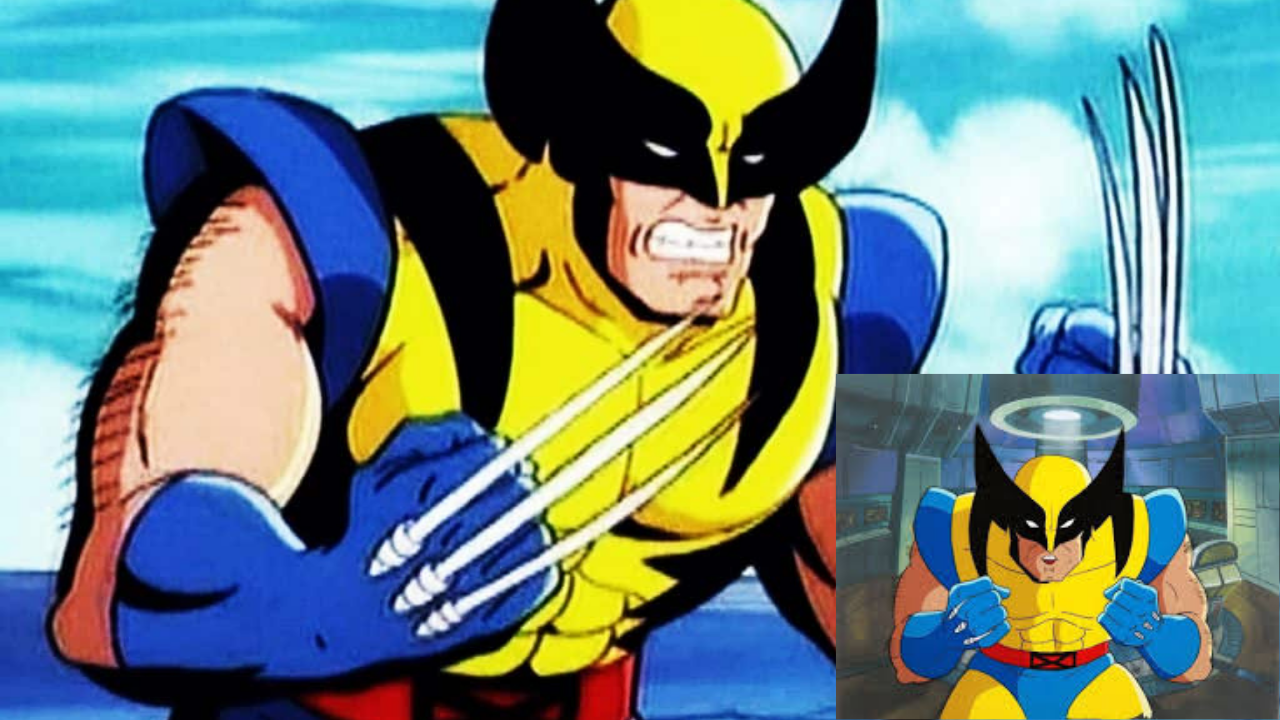
Marvel X-Men ’97 Season 2’s trailer answers one question that Logan is alive but leaves everyone wondering how he survived that state. He appears fully restored, adamantium claws and all. How? The show has not yet explained his recovery, which may be one of the central revelations of the new season. 

Marvel X-Men '97 Season 2

Theories range from the Weapon X programme, to a future/past intervention by time-displaced allies, to Apocalypse himself — who has been known in the comics to “enhance” mutants for his own purposes.

“The trailer shows a different situation. Wolverine appears alive and fully functional again — his adamantium claws restored. The trailer does not explain how.”

Is Gambit Coming Back in Marvel X-Men ‘97 Season 2? 

In episode 5 of season, Gambit died in order to protect everyone from the explosion to destroy an army of Sentinels and make its audience highly overwhelmed. Remy LeBeau — the Cajun reformed thief, the man who loved Rogue more than life itself — sacrificed himself which was magnificent and heartbreaking.

Marvel X-Men '97 Season 2

But in the X-Men comics, few deaths are permanent — and Gambit’s least of all. The Season 1 mid-credits scene indicates that Apocalypse plans to resurrect Remy as Death, one of his Four Horsemen. And this storyline directly adapted from the comics, adding more emotional core in the Season 2 of the series. Rogue is not drowning into grief only but the horrifying possibility of facing the man she loves turning into a monster which makes fans more excited. 

Nothing has been officially confirmed, but Ross Marquand’s comments about the season being “very, very dark” and featuring a significant body count suggest the show is not pulling its punches. A resurrected Death-Gambit would be the kind of devastating narrative Marvel X-Men ’97 Season 2 has proven itself fully capable of delivering.

X-Men ’97 Season 3 Is Already Confirmed

The long-term future of X-Men ’97 is looking extremely bright. At New York Comic Con in October 2025, Marvel officially confirmed that Season 3 has been greenlit — announced even before Season 2 had a release date. Brad Winderbaum, Marvel’s Head of Streaming, Television, and Animation, has made clear that the goal is for the series to run for the long haul.

Marvel X-Men '97 Season 2

Marvel X-Men ’97 Season 2 was written by a team that includes original showrunner Beau DeMayo — who completed work on both Season 1 and Season 2 scripts before departing the project. Matthew Chauncey has since stepped in as writer to carry the series forward into Season 3 and potentially beyond.

Conclusion

Marvel X-Men ’97 Season 2 arrives with nearly impossible expectations — and every sign suggests it intends to exceed them. With Apocalypse as a multi-era threat, a team fragmented across thousands of years, Wolverine’s mysterious recovery, the spectre of a resurrected Gambit, and an already-confirmed Season 3, Marvel Animation’s crown jewel is only getting started. Clear your Disney+ queue. The mutants are coming home.

Comments

View comments and join the discussion

Alpana

Articles Published: 173

Alpana is Fandomfans Senior Editor across all genres of entertainment. She evolved in the media industry since a very long time, she manages the content strategy and editing of all the blogs. Her focus on story development, review analysis, and research is well-equipped that ensures every article meets the standards of accuracy and depth.

View Profile ↗

Jon Bernthal’s Punisher Returns: A Gritty Comeback in ‘Spider-Man: Brand New Day’

Jon Bernthal is back as the Punisher in Spider-Man: Brand New Day. Check out his MCU debut, story information, trailer highlights, & how the character fits in.

Published: Mar 25, 2026, 11:09 AM
Last Updated: May 11, 2026, 5:47 AM

There’s a certain electricity in the air when an actor and a character align so perfectly that you can’t conceive of anyone else inhabiting the role. For Marvel fans, that axis tipped a long time ago in 2016, with the now-iconic Jon Bernthal’s initial outing as Frank Castle in Netflix’s Daredevil season 2. What started as a small part rapidly developed into something much greater, a cultural phenomenon that redefined what a comic book anti-hero could be on television. After nearly one decade Jon Bernthal sings his encore as The Punisher in Spider-Man: Brand New Day, which is hitting theaters on 31 July 2026.

Let’s break down the trailer release of Spiderman: Brand New Day showing The Punisher in action.

From the Streets of Hell’s Kitchen to the Silver Screen

When Jon Bernthal is first introduced with a white skull in a black tactical vest, Marvel Cinematic Universe marks him in a special position. The Netflix series had more realistic emotions and powerful action while carving out their own universe, instead of big screens.

Bernthal’s Punisher was a revelation, he was angry and broken, but also quietly human and shockingly vulnerable. He wasn’t a stand-in for your generic comic book superhero — instead he was a man who had been shattered by loss, transformed his grief into a merciless war on crime, and didn’t have any cash for a place to stay. 

the Streets of Hell's Kitchen

A spin-off of The Punisher series, which starred Bernthal as Frank Castle for two seasons and became the definitive version of the character, was greenlit by Netflix following the success of the Daredevil series. The axe then began to fall. The marvel universe on Netflix crumbled and fans started to question if they would ever see Bernthal’s Punisher again. Of course there was wishful thinking and speculation but nothing is ever guaranteed in the entertainment industry. 

Kevin Feige, head of Marvel Studio took a different route for the studio, he collected Netflix characters and reabsorbs them into the Main MCU which is a strategic move. See for yourself, Charlie Cox returned as Daredevil, and Bernthal did likewise with Daredevil: Born Again. Although even that seemed to be a foretelling of something bigger. Bernthal makes history as he leads his Punisher to his first ever appearance in a MCU theatrical release with Spider-Man: Brand New Day. 

The Punisher Making His Big-Screen Debut in a Spider-Man Film

There’s something poetic about The Punisher being introduced to the big screen in a Spider-Man movie. Purists will tell you that Frank Castle made his first appearance in The Amazing Spider-Man in 1974, written by Gerry Conway, with art by Ross Andru and John Romita Sr. He was introduced as a kind of antagonist – a vigilante who considered Spider-Man simply another criminal who needed to be wiped out. They’ve always had this great opposing dynamic: the bright quippy teen (or young adult) who believes everyone deserves a second chance, including criminals, vs. the battle-hardened veteran who believes some people can’t be saved. 

The Punisher Making

Tom Holland’s Peter Parker has been through the ringer. The world has turned its back on Spider-Man after the incident of Spider-Man: No Way Home. In a city that has no memory of him, he is anonymous and isolated, and he wonders where he belongs. It is perfect ground for the rise of a character like The Punisher. During production, Holland and Bernthal allegedly developed a fascinating “big brother/little brother rivalry” with their characters transitioning from antagonism to a fragile understanding. 

This matchup seemed so obvious, because at its core, it was really a battle of ideologies. All everyone deserves is a second chance, with great power comes great responsibility and Spider-Man is the symbol of hope. The Punisher is the hard truth that government machinery can and does grind to a halt, and when that happens, well, at least according to some, you fight fire with fire. To get these two in the same shot, is not only a fan’s dream, but a philosophical debate fought in fists and words. 

Can Punisher Work Without the Violence?

Now we’re getting somewhere. The Punisher of Bernthal has always been defined by its unrelenting cruelty. The Netflix series were never afraid to depict the toll Frank’s war took — blood, trauma, and moral compromise were the pronouns of those shows. 

Bernthal has gone on record to speak to these concerns and the answers should calm fans down. He did acknowledge the “level of violence” that fans are used to seeing, but offered a reassuring perspective.Around the time of the release of Spider-Man 4, Disney+ will release The Punisher: One Last Kill, a Special Presentation that Bernthal co-wrote and says will be the “high octane kind of Punisher you’ve ever seen.” 

Punisher Work Without the Violence

Bernthal also stressed that it was “really important to us” that he, director Destin Daniel Cretton, and Tom Holland that the version of the Punisher in Spider-Man be the “same character from the special.”I do believe that we achieved that,” he said, indicating that while the violence is likely toned down for the family-friendly rating, the heart of Frank Castle — his anger, his pain, his unflinching moral compass, is still there. 

It is crucial that Bernthal has always been “incredibly protective” of the character, and he has said that he’s “only interested in serving it right” and that the character needs to be respected in every version. He walked away from previous scripts of Daredevil: Born Again when he felt they were not respecting what The Punisher stands for. The fact that he’s locked in for this film, indicates Marvel figured out a way to do the character without “Disneyfying” him to death. 

Marvel’s Strategy to Give Fans the Best of Both Worlds

Marvel’s tactic here is actually pretty smart. In The Punisher: One Last Kill—a TV-MA special presentation—before Spider-Man: Brand New Day, you’re getting the best of both worlds. The special, which is directed by Reinaldo Marcus Green and co-written by Bernthal himself, will be the most “visceral, psychologically nuanced, merciless, no-holds-barred” iteration of the character. It has a release date of May 12, 2026, which gives audiences two months to enjoy getting their fill of hard-R Punisher adventure before catching him in the PG-13 Spider-Man movie. 

It’s a permitting Bernthal to delve into the full dark depths of Frank Castle in the special but with a slightly more accessible version on the big screen. And, Bernthal says, the two projects flow seamlessly into one another. The Punisher who staggers away from the set of Spider-Man is the same Punisher who makes an appearance in the special . 

What’s exciting in particular is that Bernthal hired real military consultants to make it real. Colton Hill, U.S. Marine Corps veteran, acted as weapons and tactics consultant for the special and served as military advisor for Spider-Man 4, confirmed that Frank Castle’s combat abilities and mentality is accurately represented for the character’s background. This is the level of detail that endears fans to Bernthal in this role — he gets that for a lot of vets, The Punisher is more than a comic book figure, he’s a reminder of the cost of war and how hard it is to come home. 

‘Brand New Day’ Recently Released Trailer Gave Us Our First Glimpse of Bernthal

A recently released trailer also gave us our first look at Bernthal, and it was indeed everything we could have hoped for. In a short but sweet snippet, we catch a glimpse of The Punisher plowing over Spider-Man in his iconic Battle Van, this is the first time we’ve seen this vehicle in a live-action adaptation. 

Brand New Day

Spider-Man franchise will take a new road which brings alpha and Gen Z generation altogether for its street-level fighting and more powerful characters. Destin Daniel Cretton directed this film who previously worked on Shang-Chi and the Legend of the Ten Rings. Kevin Feige has said this movie at last has Holland play a “real Spider-Man” fighting everyday crime on the streets of New York, rather than facing threats that could kill the planet, which is what the ending of No Way Home promised. 

The other casting members like Zendaya and Jacob Batalon are also joining, which makes fans more excited to watch them together with Holland and Bernthal alongside newcomer Sadie Sink. It’s not enough yet because Mark Ruffalo portrays Hulk and Michael Mando returns as Scorpion, which means it’s heading towards the larger MCU. 

The Legacy of a Perfect Casting

Jon Brenthal showcasing his physicality and emotional realism which makes The Punisher original and keeps his ranking up in a world of CGI-heavy superheroes. He isn’t acting the role of pain, he is pain. Every sneer, every scar, every moment of barely contained rage feels earned. 

Bernthal’s dedication is not limited to screen. He has openly talked about what the character represents to the military community and he has refused to waive on the darkness that defines Frank Castle. In a time when franchises seem increasingly focused-grouped to death, Bernthal’s Punisher is genuinely menacing, unpredictable and real. 

As we tick away to July 31, 2026, the excitement is palpable. And this is not ‘just another superhero team-up;’ it is the culmination of almost a decade of storytelling, the crossing of two Marvel eras, and the confirmation of a performance that has shaped an entire generation’s perception of who The Punisher really is. Jon Bernthal is back. The skull is back. And this summer, moviegoers will get to know there’s no other person who could play this part like Netflix fans have for years now. 

Read More:- How Daredevil: Born Again Season 2 Blurs the Line Between Fiction and Reality

Conclusion

Ultimately, Jon Bernthal’s comeback as the Punisher in Spider-Man: Brand New Day isn’t just a simple return, but rather a full-circle moment for the character and the audience. It began as a gritty down-and-dirty perspective on the shadows of Hell’s Kitchen, and now its big-screen event bridging two very different eras of Marvel storytelling. 

Dive into the Marvel Cinematic Universe to get detailed information on characters from Fandomfans.

Comments

View comments and join the discussion

Babita

Articles Published: 25

Babita is Fandomfans Editor, experience in managing content. Her focus in general movies and web series. She is having a deep interest in TV shows and 90s movies - particularly Lord of the Rings, Harry Potter, & Rom-Com. Babita also covers psychological thrillers and major releases in current time and concern with deep interest in them.

View Profile ↗

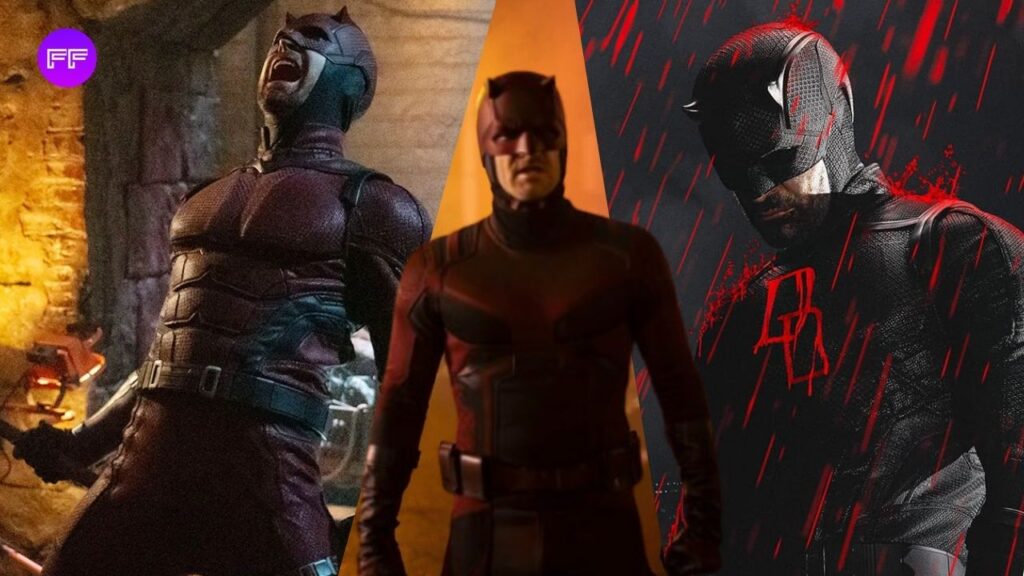
Daredevil Born Again Marks a New Era for Daredevil in the MCU

Daredevil Born Again returns Matt Murdock to the MCU. Check out crossovers, Kingpin’s ascension, courtroom showdowns and Daredevil’s new street-level legacy. 

Published: Mar 10, 2026, 6:06 AM
Last Updated: Apr 14, 2026, 11:59 AM

Matt Murdock’s ascent as the ultimate TV comeback tale with Daredevil Born Again. After his grim Netflix show was axed after three seasons in 2018, it seemed like the “Devil of Hell’s Kitchen” might be out of luck for good. Instead, Marvel pulled a master class in character rehabilitation.

Splitting him (and his arch-enemy, Kingpin) across four very distinct series — Spider-Man, She-Hulk, Hawkeye, and Echo — Marvel connected the dots between his grim, street-level beginnings and the bigger, flashier MCU. 

Daredevil Born Again neighborhood hero became more than that now. He’s been raised to the ethical and legal foundation of the whole franchise. It’s not just a Season 4; it’s a character study of a man caught between the law and the mask, searching for justice in a New York still grooving to the chaos of the Blip. 

How Four Marvel Crossovers Rebuilt Daredevil Before Born Again

The Road to Daredevil Born Again is a meticulously crafted “what-have-you-done-for-me-lately?” Marvel made four deliberate cameos to convince us that Matt Murdock could leave his first dark, solitary Netflix pocket and step out into the wider, stranger battlefield of the Avengers and then get his own show again. 

Behold what they remixed from the myth:

The Movie Star Moment (Spider-Man: No Way Home): This was the “official” handshake. Catching a brick and standing in for Peter Parker, Matt demonstrated that he and Marvel live in the same universe as the Avengers. It presented him as a “really good lawyer” who still had keen super-senses and was ready for the big leagues.

The Vibe Check (She-Hulk): That was our first time seeing Matt—cute, fun, and draped in a throwback yellow suit. It showed him as more than “a brooding guy in a hallway” but an experienced warrior who could square off against beings like “Hulk-level” villains and still maintain his composure.

Behold what they remixed from the myth

The Villain Upgrade (Hawkeye): This focused on Wilson Fisk. Raising the stakes Marvel elevated the stakes by making Kingpin durable against explosions and car crashes. Now he wasn’t just a mob boss he was a “global threat,” and his shadow stretched over the whole city.

The Final Link (Echo): Daredevil Born Again brought everything full circle. In a savage battle and an extended view into Fisk’s history, it served as a reminder that Matt didn’t stop fighting during the “Snap” years. It culminated with Fisk’s bid for Mayor, which paved the way nicely for the new series. 

Marvel Rebuilt Hell’s Kitchen Without Erasing the Netflix Past

For ages fans were fretting that Marvel was going to force a “reset button” on Daredevil Born Again, retconning everything that made the Netflix show great. But after a sweeping creative shakeup at the top, Marvel made a pivot that encompassed everything: they were going to look to the past instead of running away from it.

The “Hard Continuation” Victory: Although Daredevil Born Again was going to be a “soft reboot.” However, Marvel replaced the original creative team with a new showrunner to continue as a direct sequel to the original three seasons. Matt’s past – his scars, his faith, his feud with Fisk – still matters. We already are into the deep end of the main story where it originated. 

Matt survival from Thanos: It turns out that both Matt and Wilson Fisk survived Thanos’s Snap. With the Avengers either off-planet or mourning, Hell’s Kitchen was unraveling. This gap of five years is the “secret sauce” of the new story. It gave Fisk a chance to reestablish himself as a power in the collapsing world, turning his criminal empire upside down and presenting himself as a “savior” for a broken city.

A New Kind of Crisis: For Matt the Blip wasn’t just a simple logistical nightmare, it was a spiritual one. Daredevil Born Againcompounded his “crisis of faith.” If the laws of nature can just extinguish half the population, how is a blind lawyer supposed to believe in the “rule of law” on Earth? He’s starting this new chapter in his life with what has been the heaviest burden of a decade’s worth of ups and downs. 

The Political War Against Daredevil

Daredevil Born Again renders stark reality in its depiction of a disease-ridden, drug-addled Matt Murdock that no one could ever forget. He has laid down the brass knuckles and picked up the gavel in his election as mayor of New York City, and is now using the entire city government as a weapon against Matt Murdock. 

The “Kingpin Squeeze”: Fisk isn’t just dispatching thugs to Matt’s home anymore. He’s making being a hero illegal through the Anti-Vigilante Task Force (AVTF). By painting Daredevil as a public menace, he’s employed the “rule of law” to chase his nemesis with a badge and a siren.

the MCU’s Street-Level Leader

The Ultimate Strongman: Fisk’s ascent is a masterclass in manipulation. He preys on the anxieties of regular New Yorkers who feel the city has deserted them, not the Avengers. He presents himself as the only person who can restore order in a post-Blip world, and is taking advantage of “good optics” — even as he’s blackmailing the police commissioner and threatening martial law.

A Criminal “State-Within-a-State”: Behind the scenes of Daredevil Born Again, Fisk is working on the “Free Port,” in Red Hook. He’s attempting to establish a special-trade zone outside federal reach. If he pulls it off, he will have created a legal “black hole” through which the Five Families can move whatever they want without the law’s pesky interference. 

The Legal and Moral Crisis Matt Murdock Can No Longer Ignore

Matt Murdock is basically a man serving two masters, and Daredevil Born Again, that strain is at last beginning to break. He’s a lawyer who takes an oath to uphold the law by day, but at night, he’s a vigilante who violates just about every ethical rule in the book. This isn’t just a “cool secret identity” this is a deep professional and moral crisis.

Here is what the “legal nightmare” Matt is facing right now:

The Threat of Disbarment: If a Bar Association in the real world got wind of what Matt does by night, he would be disbarred immediately. Rule 4.2 prohibits Attorney from communicating with a “represented party” without the party’s attorney being present. Anytime he has a Daredevil pin a criminal and punch the truth out of them, Lawyer-Matt is making a huge ethical error. He is basically using his mask to violate the legal rights which he is obliged to honor.

The Conflict of Interest: Matt frequently represents clients not to aid them but to gather intelligence for his missions. This makes it a “material risk” that he isn’t acting in the best interests of his client — which is the worst thing you can do as a lawyer.

The Hector Ayala Meltdown: This firestorm touches off Matt’s meltdown. To exonerate Hector (the White Tiger) from a murder charge, Matt stakes everything: he unmasks Hector in court to prove his innocence. It works—they win the case but what’s the victory but a hollow victory. Hector is assassinated by a corrupt cop right after leaving the courtroom. 

Daredevil’s Closest Allies Are Changing in This New Chapter

The transition to the main MCU is not just a change of location; it’s a solidifying of Matt Murdock’s world. The people around him aren’t simply ”background characters”—they are the scars and the fuel for his new mission. 

Here’s how the inner circle has changed in this “older and harder” reality:

The Heartbreak: The Death of Foggy Nelson. Foggy wasn’t just Matt’s law partner; he was his moral anchor. His death at the hands of Bullseye (by order of Vanessa Fisk) is the ruthless “catalyst” for the series as a whole. It shatters the “Nelson, Murdock & Page” trinity forever, and sends Matt into a year-long tailspin. In fact, he temporarily retires the mask, worried that his rage might make him a murderer.

Daredevil’s Closest Allies

The Evolution: Karen Page as a Peer. Karen is a long way from, you know, the secretary. Daredevil Born Again she’s basically a lawyer in her own right, a professional equal who challenges Matt to be better. She’s the one who pulls him back into the fight, with her investigation skills, she digs to what was left by Foggy. “She Feeds Matt his Humour-Detecting BS and Then Keeps Him Human“: As far as who the true Page is in the gloves is concerned, that would be Karen Page.

The Dark Mirror: Frank Castle (The Punisher). The two used to spend all their time arguing about the “morality of killing.” Now they’re a “reluctant duo. The rupturing effect of Foggy’s death and the city’s decay soup on Matt is so palpable (NOT in the traditional sense!) that he is seriously considering Frank’s brutal approach. This is a heartbreaking indication of how much Matt has dropped, he cannot have a flawless sense of morality in a world that seems to be inherently rigged. 

Daredevil Born Again Is Becoming the MCU’s Street-Level Leader

Now that the MCU is blasting off to space and multiverse madness, Matt Murdock is becoming the man who keeps the franchise’s feet planted firmly on the ground. He’s gone from “that blind guy in Hell’s Kitchen” to a cornerstone of Phase 5 and 6—essentially the Captain America of the Streets. 

Here’s how Matt is assembling his “Street-Level Avengers”:

The Strategic Lead: The Avengers may deal with cosmic gods, but Matt makes the most sense to head up an organized opposition to Wilson Fisk. His legal brilliance, his “human lie detector” talent, and his tactical expertise make him the MCU’s connection from the city’s merciless truth to its sky-high heroics.

the MCU’s Street-Level Leader

Mentoring Spider-Man: This is the partnership that everyone is eager to see. Following their short encounter in No Way Home, Matt now has the perfect place to show Peter Parker that you can’t just win every war with webs. He is the mentor Peter needs to survive in a world where the bad guy (Fisk) has a law degree and a mayor’s office.

The “Grounded” Anchor: Amid a world of magic and aliens, Matt ensures the stakes stay Earth-bound. He lets us know that though the galaxy is locked down, the block still might be rotting from within. 

Matt Murdock isn’t just a supporting character now — he’s the head of a spin-off narrative arm that delves into corruption, systemic breakdown, and what it really means to be a “neighborhood” hero in a world buzzing with superheroes. 

Read more:- The Green Lantern’s Guy Gardner Became the Heart of James Gunn’s New DC Universe

Conclusion

Ultimately, Matt Murdock’s story is not just about a hero returning: it’s about him coming home as the MCU’s streets’ cornerstone. He’s graduated from being a “neighborhood outlier” on Netflix to the moral compass of the entire franchise.

  • Brain Over Brawn: Daredevil Born Again, Matt learns a bitter lesson: you can’t punch your way out of a political quagmire. With Wilson Fisk as Mayor crushing the city beneath his boot, Matt must make his way through a corrupt legal maze where his law degree is just as useful as his billy clubs.
  • The Broken Leader: Matt isn’t coming into this as a shiny, perfect hero. He’s a “broken man” who must rebuild himself – be “born again” – to trail-blaze a new generation of street-level heroes in the darkness.
  • The Last Line of Defense: He is now an official elite-level MCU. He now serves as the legal defense of the superpowered community and the only person between the soul of New York and Fisk’s complete corruption. 

The cameos were the warm-up, Daredevil Born Again is the headliner. It is a definitive declaration that the Man Without Fear is exactly where he belongs right in the middle of the battle for the soul of the Marvel Cinematic Universe. 

Dive deeper into the world of cinema with Fandomfans to get all the latest updates from movies, series, and celebrities.

Comments

View comments and join the discussion

Alpana

Articles Published: 173

Alpana is Fandomfans Senior Editor across all genres of entertainment. She evolved in the media industry since a very long time, she manages the content strategy and editing of all the blogs. Her focus on story development, review analysis, and research is well-equipped that ensures every article meets the standards of accuracy and depth.

View Profile ↗

Why X-Men ’97 Season 2 Could Be Marvel’s Biggest Animated Hit

Discover why X-Men '97 Season 2 could become Marvel's biggest animated hit, from its acclaimed storytelling and fan-favorite characters to expanding the ....

Published: Jun 3, 2026, 7:55 AM
Last Updated: Jun 3, 2026, 9:32 AM

Marvel Animation Studio confirmed to release X-Men ’97 Season 2 to continue the next chapter of the mutant saga on Disney+ on July 1, 2026. The time-shattering events of the first season left fans wondering about the storyline. After receiving a 99% Rotten Tomatoes score, an Emmy nomination, and widespread recognition as the best Marvel animated show in history. The wait is over, and the countdown begins for a darker and emotional packed season.

Why X-Men ’97 Season 2 Is So Popular

The overwhelming popularity of X-Men ‘97 Season 2 is continuously growing due to its retro charm and more darker narrative. The original 1990s cartoon laid down a solid foundation of X-Men but the revival managed to elevate the stakes with shifting its theme from cartoon to a heavy tragedy, political betrayal and systemic oppression series.  

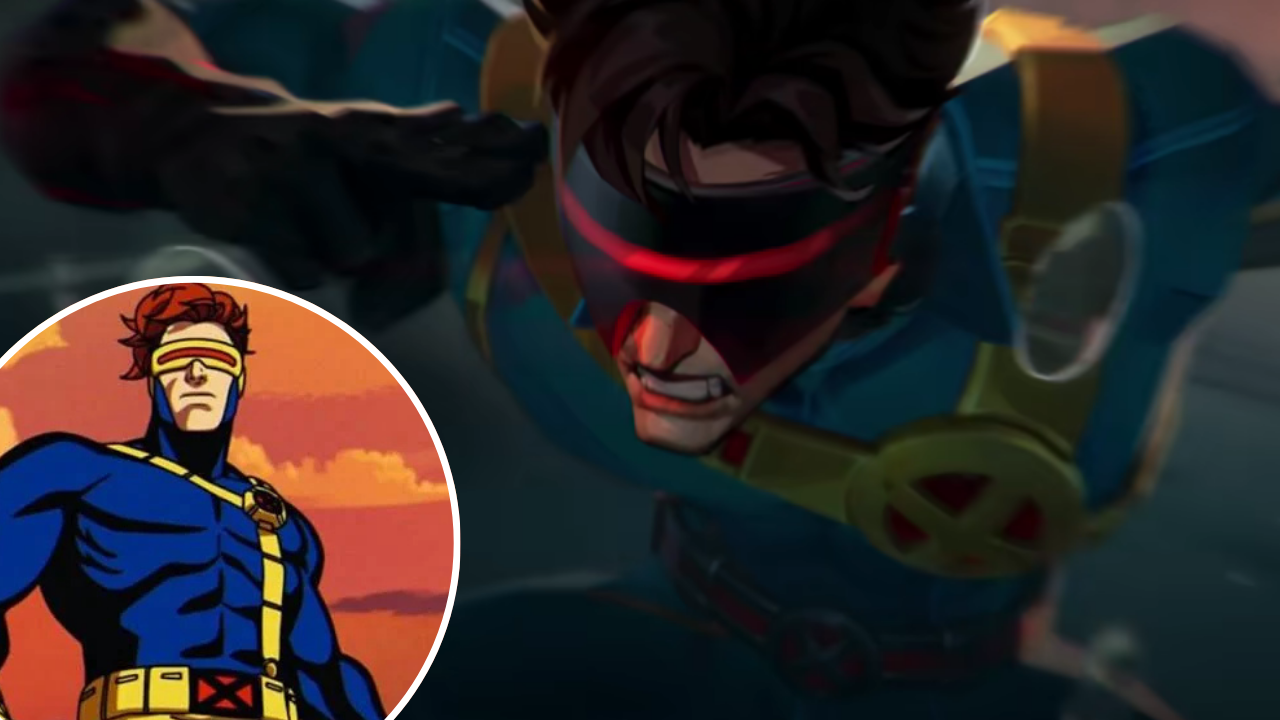
In the first season, The tragic destruction of the mutant haven Genosha raised the stakes and turned a narrative point, proving that the show was willing to go to devastatingly dark places. The visual is more intense with 3D action sequences that give battles a cinematic quality. Everything is so highlighted, even small details such as Cyclops’ optic beams reflecting off his visor to show emotion when his eyes are covered, that adds emotions and attention into the series. 

X-Men '97 Season 2

This isn’t just about visuals of the series, the soundtracks are equally matched with the scenes. Taylor Newton Stewart and John Andrew Grush, known as the Newton Brothers put a soul in a series with an energetic version of the iconic theme song, many fans chose not to skip the intro. 

Keeping the story moving while giving characters room to grow is a refreshing approach for fans who had seen the same approach in recent MCU series. With its highly-intense visuals, perfectly balanced soundtracks, emotional storytelling and heavy action has set the new standard for superhero adaptations.

Overall, the series premiered in May 2024 that it became so popular and made a huge fanbase. Now its second season is so popular because Marvel adds more exciting plot twists and emotional core to the series.

Production And Creative Transitions

Marvel brings original X-Men: The Animated Series writers Eric and Julia Lewald, alongside original director Larry Houston, to executive producers for X-Men ‘97 Season 2. To keep the core identity of the franchise and serve a stable storyline Chase Conley and Emmett Yonemura are also back as directors to preserve the creative DNA of the show remains intact. And DeMayo is still credited as an executive producer and writer for the upcoming season.

  • Larry Houston
  • writers Eric
  • X-Men ‘97 Season 2
  • X-Men ‘97
Marvel’s head of streaming, television, and animation, Brad Winderbaum also announces his long-term plan for the franchise by revealing scripts for a third season—penned by Chauncey, What If…? head writer. And actors like Lenore Zann (Rogue) are already recording lines.

The Three Eras of X-Men ‘97 Season 2 

The best Marvel animated show, X-Men ‘97 Season 2 narrative ends up after the fight against machine-hybrid Bastion and Operation: Zero Tolerance. But the team of X-Men are scattered across time in three distinct eras: 

Ancient Egypt (3000 BC): Where Rogue, Magneto, Beast, Charles Xavier, and Nightcrawler got stuck and found Apocalypse, but a younger version alongside the Sandstormers. The tribe adopts him after his exile due to his grey skin and instills in him the belief that only the strong survive. This setup is fit to explore the past, present and future of Apocalypse who is the main villain in Season 2 and showing there was once a redeemable mutant before he armored himself in celestial technology. 

The Desolate Future (3960 AD): Cyclops and Jean Grey reunite with their young son, Nathan Summers, who was sent forward in time to cure his techno-organic virus. Meanwhile Apocalypse is already growing with more power and supreme in this time. Mother Askani (who is actually an aged Rachel Summers from an alternate reality) trained Nathan along with Clan Askani. He was trained to control the virus which turning his flesh into organic steel, preparing him to become the temporal warrior Cable.

X-Men '97 Season 2

The Present Day (1990s): The team already gone away, anti-mutant threat is growing continuously. Bishop and Forge remain in the present, trying to figure out how to bring back everyone in a present timeline. Forge reorganizes a government-backed team of mutant protectors, in order to protect the world alongside remaining heroes like Jubilee and Sunspot. It also establishes a new lineup of X-Factor.

Era / Timeline Active Characters Primary Narrative Focus & Conflicts Comic Book Influence / Origin
3000 BC (Ancient Egypt) Rogue, Magneto, Beast, Xavier, Nightcrawler, En Sabah Nur Apocalypse’s origin; the Sandstormers’ influence; the ideological battle for young En Sabah Nur. Rise of Apocalypse & Ancient Egyptian Lore.
1990s (Present Day) Forge, Bishop, Jubilee, Sunspot, Polaris, X-Factor, Sabretooth Forge’s struggle to find the lost team; rise of anti-mutant sentiment; mobilizing X-Factor. X-Factor (Government-sponsored mutant team).
3960 AD (Distant Future) Cyclops, Jean Grey, Young Nathan, Mother Askani Summers family reunion; Cable’s training to control the techno-organic virus under Clan Askani. Clan Askani & Cable’s futuristic origins.

X-Men ’97 New Season Adapting a Dark Comic Lore

What makes the upcoming season of X-Men ’97 highly anticipated is its unapologetic adaptation of some of the darkest, most complex storylines in Marvel Comics history.

What Happened with Gambit?

X-Men '97 Season 2

The setup centers upon the return of Apocalypse who plans to assemble his notorious Four Horsemen. The trailer strongly suggests that Apocalypse will resurrect Gambit and make him one of the four horsemen of Death. This setup will force Rogue to face the monster who looks like the man she loved.

Is Wolverine Still Alive?

Wolverine’s arc follows the “Fatal Attractions” comic storyline, After Magneto ripped the adamantium from his skeleton in the Season 1 finale, Logan enters his “Bone Claws” phase. He is in no shape to fight with his enemies like Sabretooth and Lady Deathstrike without his metal claws and bones.

X-Men '97 Season 2

According to comics, whenever he loses his toxic metal, he also becomes more vulnerable, which makes him more wild and monstrous. Trailer shows his claws back with him suggesting he either makes a dark bargain with Apocalypse or receives the metal back as a remorseful gesture from Magneto.

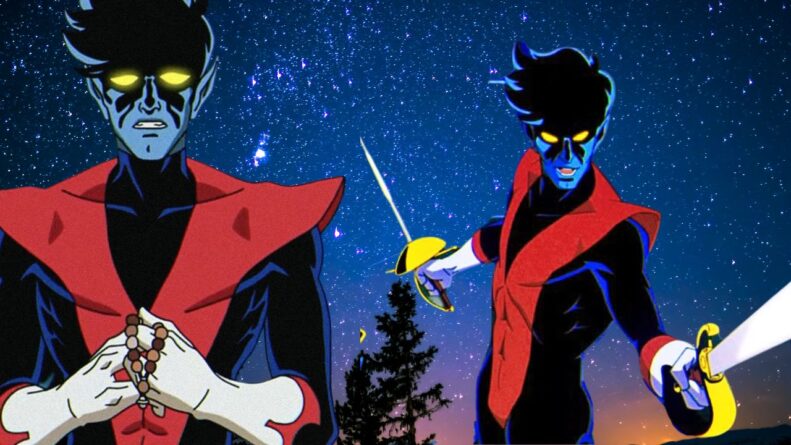
Nightcrawler as an Ordained Catholic Priest

The series connects to The Draco comic storyline which revealed Nightcrawler summoned powers from his biological father Azazel, an ancient mutant who inspired historical depictions of Satan. 

X-Men '97 Season 2

Xavier’s Danger Room 

The series will feature Xavier’s Danger Room as a powerful robotic being, which becomes a dangerous living machine for X-Men. She adds a morally grey conflict by targeting X-Men’s students and exposing their secrets which Xavier hides from everyone.

Prequel Comics and Premiere Campaigns That Created X-Men ’97 More Hype 

Marvel is running a major campaign to ensure the series dominates the cultural conversation well before its premiere. The main trailer revealing during Comic Con Ontario created a excitement and buzz online among fans for its reference to comic, updated costumes, and a recreation of Frank Miller’s famous Wolverine #1 (1982) cover. 

To directly bridge the narrative gap, Marvel Comics is releasing X-Men ’97: Season Two on June 3, 2026, the prequel reunites writer Steve Foxe, artist Salva Espin, and colorist Matt Milla. The comic expands the story by describing how the world is changing in X-Men disappearance and how Forge reorganizes the government-sponsored X-Factor with Bishop, Jubilee, and Sunspot to defend a world that “hunts and hates mutantkind”.

Read More 👉  X-Men ’97 Season 2: Marvel’s Legendary Mutants Return

Conclusion

X-Men ’97 Season 2 will continue the story which seems to have a tragic end in season one. The character’s arc will be more darker and emotional while facing a biggest threat that leads to too many deaths. It perfectly aligns with comic book lore. 

The storyline is focused on time-traveling epic challenges which sets the standard boundaries of mainstream animation. The production and creative team prepared this series using high quality visuals and soundtracks which became popular with intense action and emotional packed narrative that bridges the gap between comic books and television. 

If the series maintained its mainstream viewership for its season 2, it would not only solidify its reputation as the best Marvel animated show, but also redefine the approach for bringing back favorite mutant heroes in upcoming years.

Get updates on Fandomfans from upcoming movies & series, we also focus on delivering deeper details on characters and celebrities.

Comments

View comments and join the discussion

Mariyam

Articles Published: 87

Mariyam Khan is Fandomfans Content Writer and providing reports and reviews on Movie Celebrities, and Superheroes particularly Marvel & DC. She is covering across multiple genres from more than 4+ years, experience in delivering the timely updates.

View Profile ↗

XMen 97 Reading Guide: Every Marvel Comic You Need to Read

Discover every Marvel comic you need to read before and after XMen 97. Explore the essential storylines, characters, and iconic issues that inspired the series.

Published: Jul 8, 2026, 12:45 PM
Last Updated: Jul 8, 2026, 12:51 PM

If you are currently watching XMen 97 and want to go deeper as it doesn’t come from nowhere. The show’s most exciting moments borrow straight from the Marvel comics, some of them are truly amazing. Writers take a comic arc that ran for a year and compress it into twenty minutes making it the most iconic show ever.

If you want to understand where this version of the XMen actually comes from, follow the list and start reading important XMen 97 comics in order. Everything started to make sense, but you must have patience for that.

1. “Dark Phoenix Saga” — XMen: Dark Phoenix Saga (paperback) or Uncanny X-Men #129–137

This is the most essential comic that builds the character’s arc of Jean Grey, her transformation into the Phoenix that becomes the emotional backbone of the entire show. If you want to know which comic is still considered one of the greatest superheroes then pick Dark Phoenix Saga — Chris Claremont and John Byrne wrote this back in 1980. 

The show brings back this story as unfinished business since fans didn’t like the original ending. This is what makes people go crazy about the show so read this first to know what happened to Jean on the moon.

2. The early Claremont/Byrne run — XMen Epic Collection: Second Genesis

This XMen epic collection is already running and introduced modern XMen before Dark Phoenix Saga even happens. This 70’s comic is the origin of Wolverine, Storm, and the team dynamic arc. Once you read it, you will understand why in the show they talk like they are the real family. Every relationship, joke, and grudge in XMen 97 was built here first. 

3. “God Loves, Man Kills” — XMen: God Loves, Man Kills (standalone graphic novel)

God Loves, Man Kills is a short comic written by Claremont that actually gave the world the “mutants as a metaphor for prejudice” which every XMen adaptation follows and pulls back this tone and this one becomes a moral spine of the entire franchise from 1982.

XMen 97

XMen 97 pulls directly from this book’s tone whenever it deals with anti-mutant hysteria, and Magneto’s arc across the season only makes sense if you’ve read how his philosophy was originally built here.

4. The Genosha slavery arc — Uncanny XMen #235–238, sometimes collected as “Genosha”

The show’s early handling of Genosha as a haven for mutants, and everything that goes wrong there, has roots in a comic arc where the island nation was actually a slave state built on mutant labor. If you are watching the show then you should have been thinking that Genosha’s fate hit hard but if you read the comic the tone is darker. 

The massive destruction of thousands of mutants on that island was a heartbroken tragedy that the show didn’t even fully present yet.

Read More 👉 Read Before You Watch: The Official XMen 97 Season 2 Comics Guide

5. “Mutant Massacre” — XMen: Mutant Massacre 

Mister Sinister dispatches the Marauders to slaughter the Morlocks — a group of mutants living beneath the streets of New York City, resulting in one of the bloodiest massacres in XMen history. XMen 97 really doesn’t explain all the reasons why Mister Sinister is so scary. The storyline in this comic will tell you why. It reveals just how ruthless and dangerous he truly is rather than being a mysterious evil.

6. “X-Cutioner’s Song” — XMen: X-Cutioner’s Song 

Take a time for this one because it is the bigger storyline, originally spanning four different comic series. XMen 97 draws on several elements from this crossover, it will help you fully understand about the time travel and Summers family legacy.

XMen 97

This narrative helps explain one of the more bewildering aspects of XMen mythos. If you’re looking for answers on exactly how Cable, Stryfe, Cyclops are related, this book has them. The epic feud between Cable and Stryfe culminates, and the convoluted, time-travel riddled past of the Summers family is revealed. 

7. “Fatal Attractions” — XMen: Fatal Attractions 

This story arc shocks everyone because it turned the both character’s arc. Since XMen 97 places so much emphasis on Magneto’s redemption, this arc gives a clear understanding on how low their trust goes that any chance of reconciliation becomes impossible. The moment where Magneto tears the adamantium from Wolverine’s skeleton marks the history in the entire franchise of XMen. 

8. “Onslaught” — Onslaught Omnibus or Onslaught: X-Men

Based on how the first season of XMen 97 ends, everyone can guess that Onslaught will play a role in the future. The 1996 crossover event introduced Onslaught which created Xavier’s suppressed rage and trauma and became one of the most dangerous threats the XMen and Avengers have ever faced together.

XMen 97

If you want to understand how powerful Xavier’s psychology is, this one will surely help you. This is where the show is headed.

9. “Bishop’s Crossing” — Uncanny XMen #282–287

The entire essence of Bishop is that he has survived a mutant genocide in the future that hasn’t taken place yet and that fear is exactly what he brings to every encounter in the show. This is the arc where his history, as well as a fixation with stopping a specific kind of betrayal, are first described, and it puts a lot of his paranoia in the show into context. 

The Comic That Never Got Made: Morph’s History

A quick note for readers confused about Morph — the character barely existed in the comics under that name and role. Most of Morph’s presence in XMen 97 is original to the animated continuity, built from a character called Changeling who died early in Marvel history. There’s no single comic to point you to here, and that’s fine. Not every emotional gut-punch in the show has a comic-book receipt.

Read More 👉 A Knight of the Seven Kingdoms: The Story Fans Didn’t Know They Needed

Conclusion

The show is built to work without any comic knowledge at all. This guide is for viewers who finished an episode and wanted to go deeper, not a prerequisite. The most important comic is The Dark Phoenix Saga which is an absolute emotional and narrative center of the entire franchise. 

This XMen 97 Marvel Comics guide will help you understand the deeper narrative that already lived in comics. You can read them one-by-one and they are all available on Amazon.

Stay tuned to Fandomfans for more guides and updates from movies, series, celebrities.

Comments

View comments and join the discussion

Mariyam

Articles Published: 87

Mariyam Khan is Fandomfans Content Writer and providing reports and reviews on Movie Celebrities, and Superheroes particularly Marvel & DC. She is covering across multiple genres from more than 4+ years, experience in delivering the timely updates.

View Profile ↗

How Daredevil: Born Again Season 2 Blurs the Line Between Fiction and Reality

Delve into the way Daredevil: Born Again Season 2 blurs the lines of fiction & reality with its politics, Matt Murdock’s transformation, and Fisk’s ascension. 

There is a point in the narrative when the fiction becomes part of the real world and even the makers of the story are left breathless. And that’s exactly where Daredevil: Born Again is set to be as it gears up to debut for its highly anticipated second season on Disney+. What was once a meticulously planned storyline about Wilson Fisk’s rise to power in politics has evolved into something much more terrifying — a show that now seems to be chronicling current events, not just predicting them. 

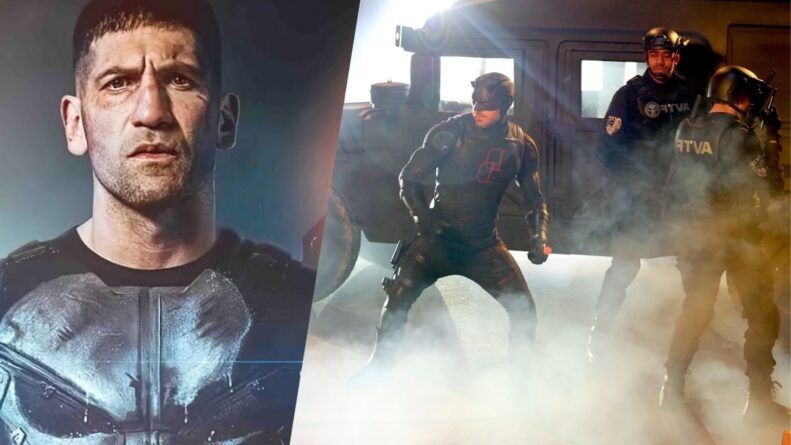
Recently, Dario Scardapane, the showrunner, had the chance to talk about scenes that were written and shot over a year ago and then watch near-identical scenes play out on the evening news. The Anti-Vigilante Task Force that Mayor Fisk unleashes in season 2 — all-black agents, nondescript vans, detention facilities looks and feels like the Immigration and Customs Enforcement (ICE) raids that have dominated headlines as of late. The resemblance is not by chance, and not by accident. Instead it is a creative team who went to the history books for inspiration and found , much to their mutual frustration, that history was about to do just that. 

“We were attempting to construct a narrative of a rise to power and a resistance, and it was less about the headlines and more about looking back in history, Now did we know that the imagery we captured would be on the news in two months? No. It’s humbling. It’s chilling. You derive no pleasure from that.” Scardapane said in a recent interview with USA Today.

That sense, both unsettling and humbling and strange unfulfillment creatively, are the perfect encapsulation of what it feels like to put out politically charged art in 2018. We live in an era when the distinction between fiction and reality seems more blurred than ever. It hasn’t seemed like the cast and crew of Born Again that they’ve been forecasting the future—more that they’ve been coming to terms, a little uncomfortably, with the fact that the modes of authoritarian control aren’t all that different, even across centuries. 

The ICE Parallels: Intentional or Inevitable?

As Marvel Television started working on the second season of Daredevil: Born Again, showrunners were intent on wrapping up the Mayor Fisk arc that kicked off in season one and carried over from the Echo series. Fisk’s martial law and he-war on vigilantes gave way to a classic resistance gestalt—albeit one with foundations that could be traced all the way back to the dawn of superhero genre storytelling. What they didn’t expect was how the aesthetic language of that resistance would connect with today’s audiences. 

Executive producer Sana Amanat has been open about the show’s political nature, describing the story as a study on how authoritarian leaders use institutional power to target marginalized communities. In a chat with Entertainment Weekly, Amanat and Scardapane admitted they knew people were going to “make comparisons” between the Anti-Vigilante Task Force and today’s immigration enforcement tactics. The black uniforms, the paramilitary-style raids, the rounding up of people with no due process — it all builds a visual lexicon that reads like it was plucked from recent news, even though it predates them by several months. 
The ICE Parallels

Scardapane has been especially vocal on the historical roots of the parallels. He doesn’t pretend to know what the future holds, only what the past has shown before, citing historical personages such as Nero, Pinochet and Franco as leaders who “follow a script” when they gain power. The series also includes nods to real history such as the 1974 Turkish invasion of Cyprus tying its fictional disputes to real-world, documented instances of authoritarianism. “You tend to get ‘History repeating itself,” noted the creative team, implying what feels topical is actually timeless — the same mechanisms of control and resistance playing out in different times and places. 

That’s a tightrope to balance for Marvel. The studio, on the other hand, has embraced the political implications of the source material, recognizing that superhero stories have always functioned as stand-ins for real-world wars. The X-Men were born out of the civil rights movement, Captain America was beating up Nazis in World War II, and the Black Panther books tackled colonialism and its fall-out. Daredevil: Born Again is part of that tradition, in depicting how the engines of power can be taken over by those who would rule, not serve. 

Conversely, there’s the danger of simplification of political complexities into a superhero pageantry. The ICE parallels, while powerful visually and emotionally, also risk compressing the particular lived experiences of immigrant communities into a generic “resistance” narrative. The show’s creative team appears to have a sense of this push and pull, with Scardapane stating that their object was never to make a statement on any particular current-day policies, but rather to look at the “timeless power dynamics — corruption, and the moral resistance.” 

The Evolution of Matt Murdock: From Lawyer to Full-Time Vigilante

The political climate of Season 2 isn’t just for show — it serves as a substantial catalyst for Matt Murdock’s journey. As of “Street” at the close of Season 1, Matt was still struggling to balance his two identities, still attempting to play by the rules even as the system was being used as a weapon against him. But for Season 2, he is in a very, very different place. 

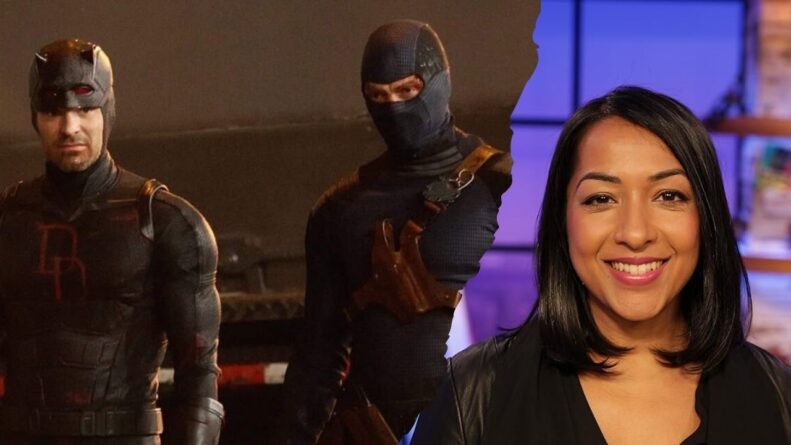
Matt is officially a “missing person” after his apartment is bombed, and he can no longer go about as an ordinary lawyer. The very identity he’d been desperately clinging to for much of the first season — Matt Murdock, blind attorney and crusader for justice — has been taken from him by circumstance. Now, he’s Daredevil full-time, a fugitive living in the shadows, hunted not only by Fisk’s Anti-Vigilante Task Force but by his friends. 

Charlie Cox, who has played Matt Murdock for more than ten years across the Netflix and now Disney+ version of the character, summed up this evolution with an oddly mundane comparison. “Does that come to mind for you when you were losing your baby teeth and there was one tooth that was wobbly for what felt like a decade and it just wouldn’t go?” Cox asked in a recent interview. “It was just a constant irritation and a pain in your mouth, and it wouldn’t go. That’s how Matt feels about Wilson Fisk. He’s inhabited this man, and he can’t get away from this person.” 
The Evolution of Matt Murdock

This aching body is a reflection of what Matt has actually become is the mind-shattering psychological reality of his new reality. Previously he had been able to go back to his law practice, to his friendships with Foggy Nelson and Karen Page, to the relative normalcy of Hell’s Kitchen living, but now there’s just the mission. The suit is more than just a costume, it is a second skin, which both characters wear in almost every scene – a practical challenge for Cox that results in an emotional weight for the role. 

One especially moving scene in season 2 captures this erosion of self. When Karen Page asks Matt if he ever misses “being Matt Murdock,” the query lands with the emotional power of the iconic final scene in The Graduate—that moment of lucidity following the adrenaline rush, when the leading man realizes that winning and losing are indistinct. “It’s a fun thing to be able to be the full Daredevil and almost forget who Matt Murdock is and what he is and how he operates,” Cox said, balancing both the freedom and tragedy of that evolution. 

This is the same arc in Fisk’s own story that we are seeing play out in this character evolution. Where Matt has been forced to lean into his darker identity, Fisk is now letting his real self as the Kingpin peel back the layers of Mayor Wilson Fisk. Vincent D’Onofrio who portrays a menacing yet pitiable Fisk has called the dynamic between the two characters symbiotically obsessive for “a piece of corn stuck in his teeth” which Fisk nervously picks at. 

Mentions to both heroes and villains are a constant in the show runner aana Amanat, who describes them as having “spent a lot of the first season in denial of who they were” before Season 2 where they are “finally wearing their suits” – both literally and figuratively. This symmetry throws into relief how the Daredevil/Kingpin battle has left straight hero/villain war behind: it is now a mirror-match, two men who have embraced their natures, both for good and evil. 

Grief as a Character

Daredevil: Born Again would be as empty as if not for Season 1: Foggy Nelson dies and presses this-jawbiting madness home. From the time the original Netflix show debuted in 2015, Elden Henson’s character has been Matt’s best friend, law partner, and his moral compass. His death in the first few minutes of the Disney + reboot makes clear right away that this is going to be a very different Daredevil tale — one that’s personal, permanent, and catastrophic. 

Season 2 picks up after that loss for Matt, who is now dealing with grief and PTSD that impact not only how he feels but also the tactical choices he makes on the battlefield, how he works with his team, and even how he suits up as Daredevil. “He will never be the same again,” Cox said emphatically. “There will be not a day in his life when he doesn’t think about him and think about what he did.” From an actor’s point of view it’s kind of a dream, because it just gives it so much texture.” 
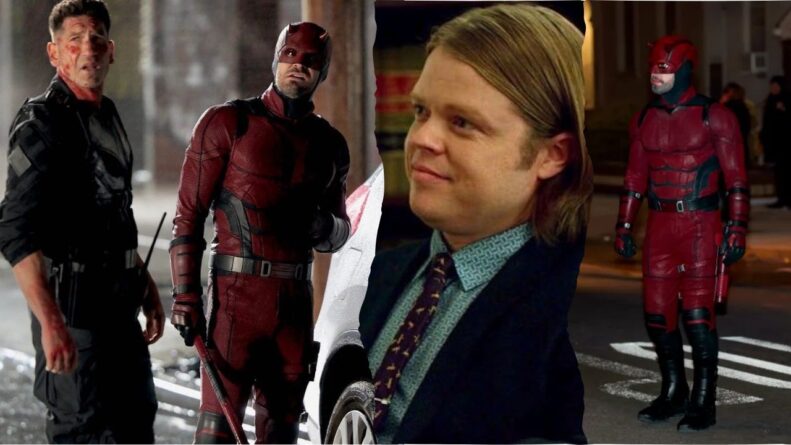
Grief as a Character

The reappearance of Foggy Nelson in Season 2 teased in trailers and confirmed by Henson’s inclusion in marketing materials opens up all sorts of questions about how the show will address this mourning. Flashbacks? Dream sequences? Or something more metaphysical? Against all odds what’s matters the most is Foggy is a presence that reminds Matt with other methods to what he’s lost and what he’s still fighting for. 

That emotional core is what grounds the political allegory of Season 2 in personal stakes. The crusade against Fisk is not an abstraction—it is about keeping people from losing their lives in the way that has defined Matt’s life. The Anti-Vigilante Task Force is not only a metaphor for institutional overreach, but also a real threat to the community Foggy risked everything to save. 

The Return of Jessica Jones and the Defenders Legacy

While the Season 2 political thriller has been dominating headlines, the season also serves as a send-off of Marvel Television’s Netflix legacy as Krysten Ritter returns as Jessica Jones. The hard-drinking, super-powered PI, who had three seasons on her own show, teams up with Matt in his fight against Fisk, bringing them together in a reunion fans have been longing for since the original Defenders miniseries.

Scardapane has been effusive about Ritter rejoining the fold, describing it as “top of the checklist” for the season. “I love the work that Melissa [Rosenberg] did in Jessica Jones,” he told GamesRadar+. “It’s one of the best genre television shows you’ll ever see. Krysten has created an amazing character,”I think she’s done an amazing job.” 
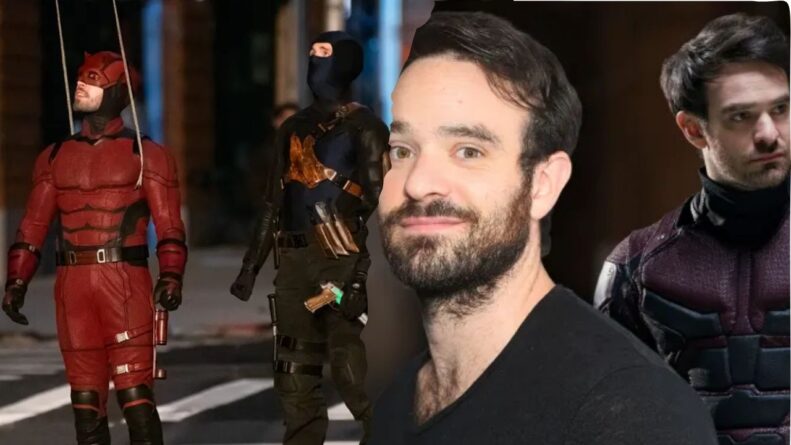
From Lawyer to Full-Time Vigilante

This comeback is a multipurpose one. It’s for those viewers who have been along for the ride through the Netflix Marvel universe, a confirmation of that continuity and a reward for their investment in these characters. In terms of the Born Again story, Jessica is a different kind of hero – a less burdened by catholic guilt and legal ethics, more pragmatic and self-preserving. Her interactions with Matt, who has wrestled with the ethics of vigilantism, will certainly give both of them some tension and unexpected camaraderie. 

Amanat emphasized that Jessica’s return was “a desire we’ve had right from the beginning,” suggesting that the creative team sees the Netflix characters not as orphaned IP, but rather as integral elements of the Marvel landscape. “It’s exciting to see where she is now many years later,” Amanat said, teasing how time and experience have altered the character since we last saw her. 

The End of Mayor Fisk and a Return to the Streets

Maybe the biggest among the recent Scardapane interviews is what it revealed not about S2, but what lies beyond it. The Mayor Fisk arc, which has been the spine of Born Again and its related series, will reach its “inevitable conclusion” at the end of the second season. This political phase of Daredevil’s life is drawing to a close, and the series has planted its feet to shift course for Season 3. 

“The playbook is pretty well established,” Scardapane told SFX Magazine. “So when we were writing this stuff we’re like, ‘This is what he does.’ The anti-vigilante taskforce is the comic book. And we built them and costumed them from the comics.” 

Yet, while the political thriller aspects have been fun to delve into, Scardapane has said she’d like to bring the character back to his roots. “Going into politics, New York politics, Game of Thrones back-stabbing, allying, and betraying behind the scenes. That’s a good bit of fun, but when it starts to become almost too topical, it feels like it’s moving away from the big, mythological genre stuff,” he observed. “So as we wind down the Mayor Fisk run in season 2, as that story arc comes to its inevitable end, what we’re doing going forward has definitely more of a [Frank] Miller-era comics feeling to it. So yeah, I had a good time playing in the world of politics, but I prefer something a little more street level, personally.” 

That is a very brazen artistic declaration. Frank Miller’s 1980s Daredevil is the definitive, dangedest, noirest, morally questionable version of the character we’ve seen more enmeshed in the world of Hell’s Kitchen organized crime than the political machinations at City Hall. Miller introduced Elektra, turned the Kingpin into a Daredevil rather than a Spider-Man villain, and established the visual and thematic lexicon that the Netflix series and now Born Again have borrowed from. 
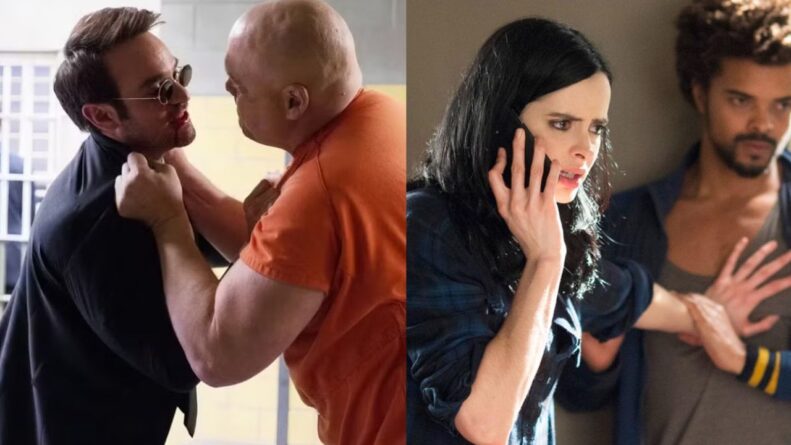
Mayor Fisk and a Return to the Streets

A return to Miller-era storytelling provides a number of intriguing options for season 3. The addition of Bullseye – Wilson Bethel’s Benjamin Poindexter made an appearance in the original Netflix series and is expected to return – would go hand in hand with this aesthetic. I would say that Elektra showing up is just as fitting and one could even see Elodie Yung return. And for what it’s worth, Scardapane hasn’t ruled anything out, and given the Miller era’s penchant for bold narrative gambits, that means there’s at least a chance that Foggy Nelson’s demise might not have been as final as it seemed. 

At its core, the change in tone is an admission that Daredevil is at his best when telling a street-level crime story, as opposed to a political thriller. The character’s powers — enhanced senses, martial arts expertise, legal understanding — are really best suited for smaller-scale skirmishes, rather than big political movements. The Netflix series got that, earning its reputation on grounded storytelling about crime, morality and the boundaries of what’s legal. Born Again has opened things up to city-wide politics, but Season 3 is set to bring the focus back down to the neighborhoods and the criminal organizations and personal vendettas that have always been the truest home for Daredevil. 

The Challenge of Topical Superhero Stories

The creative choices confronting Daredevil: Born Again are symptomatic of wider pressures within super hero storytelling in the 2020s. This is not to say these characters have not always been political—Superman took on corrupt landlords in his first ever stories, Captain America whose first cover appearance is punching Hitler, the X-Men function, since their very inception, as allegories for marginalized groups. To suggest that superhero narratives play out in a political void is to deny both their past, and their power. 

But there is storytelling wise a difference between timeless allegory and then and there commentary. When you tie superhero stories too closely to narrow, specific current events, they have a tendency to age poorly, alienate some of their audiences, and oversimplify complex political matters into good guy/bad guy dynamics. The ICE analogues in Born Again Season 2 straddle that line, quite literally by invoking historical patterns of authoritarian conduct while inevitably engaging with the present. 

Scardapane’s declared desire for “something a little more street level” reflects an understanding that Daredevil is at its best when the politics are implied rather than shouted when the narrative fixates on the human toll of corruption and violence over the nuts and bolts of political power. The Miller-era comics on which Season 3 will be based were undoubtedly political, but their politics was rooted in character and atmosphere rather than explicit statements on the politics of the day.

That doesn’t say Born Again will eschew its discussions of real-world concerns. The finest crime tales from the comics, movies or television always reveal something about the culture that spawned them. But, in retaking the streets of Hell’s Kitchen as its setting, the show can address those concerns in terms of character and community, rather than the spectacle of political confrontation. 

The Future of Daredevil

As Daredavil: Born Again Season 2 is coming out on 24 March, 2026, this series stands at a mid-point. The political thriller aspects that have defined this chapter of the character are coming to an end, making way for a return to the noir-tinged street-level stories that have always been Daredevil’s best meat and potatoes. The ICE analogs, which have become the focus of so much pre-release discussion, will give way to new antagonists maybe including Bullseye, Elektra, and the criminal underworld that has long been the true battlefield for Matt Murdock’s soul. 

What stays the same, though, is the core connection between Matt Murdock and Wilson Fisk, a feud that has now defined a decade of television narrative. Charlie Cox and Vincent D’Onofrio have matured in these roles, discovering new layers in a rivalry that could well have stale in lesser hands. The two actors still are able to mine new angles out of this dynamic — they compare it to wobbly teeth and corn kernels indicates there’s still life left in their antagonism even as the political storyline winds down. 
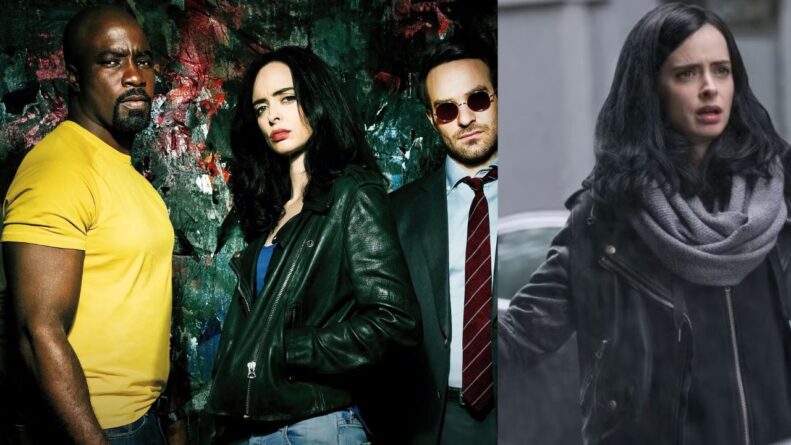
The Future of Daredevil

To the viewer, the promise of a Frank Miller-run Season 3 feels like the best possible compromise: political nuance that has ultimately defined Born Again-era Marvel and street-level grit that made the original Netflix run a must-watch. If Scardapane and his team can pull off this transition, they’ll have proven that Daredevil is still one of Marvel’s most flexible and enduring characters able to talk to the political moment and be grounded in the timeless themes of justice, corruption, and what it costs to fight for what’s right. 

That’s what superhero stories do best, in the end. They don’t so much forecast the future or provide direct comment on the present as remind us of the patterns that shape human experience — the ascent of authoritarianism, the resistance of the downtrodden, the personal toll of moral engagement. Daredevil: Born Again has serendipitously become a topical series, but its real power is in rising above those concerns to locate in its very particular Hell’s Kitchen disputes something universal about the battle between power and justice. 

Read More:-  The Sinister Six That Never Was: How a Cyberattack Killed Drew Goddard’s Spider-Man Dream

As the series leaves behind the Mayor Fisk era and returns to the streets, it has the heft of that political experiment — the acknowledgment that even when we take our cues from history, we’re confronted with the present. The Anti-Vigilante Task Force is a comic book invention, but the anxieties it embodies are real. And Daredevil’s superhuman will   improbable as it is   speaks to something just as real: the tenacious, unyielding belief that one man can take on the system, that the devil of Hell’s Kitchen can still make a dent in a world that more and more seems to be throwing up its hands. 

Fandomfans delivers deeper details from your favorite movies, series and characters directly to you.

Comments

View comments and join the discussion

Alpana

Articles Published: 173

Alpana is Fandomfans Senior Editor across all genres of entertainment. She evolved in the media industry since a very long time, she manages the content strategy and editing of all the blogs. Her focus on story development, review analysis, and research is well-equipped that ensures every article meets the standards of accuracy and depth.
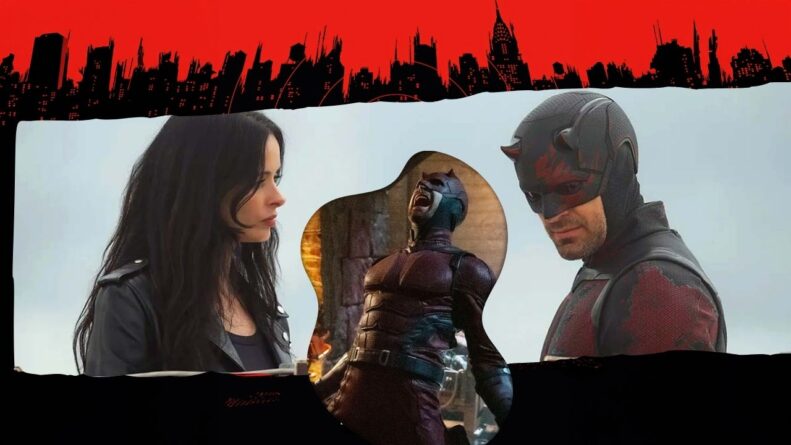
View Profile ↗

Everything You Missed From ‘Spider-Man: Brand New Day’ 

Discover everything you missed from Spider-Man: Brand New Day, including key details, hidden clues, major reveals, characters, and important moments you may have overlooked.

Spider-Man: Brand New Day crossed a billion dollars worldwide in under a week, which means a lot of people have already seen it once and are gearing up for round two. That’s usually where the real fun starts with a Marvel movie everything you missed from Spider-Man: Brand New Day will catch up in the second viewing, when you’re not white-knuckling the plot and can actually clock the comic-book cover recreations, the villain cameos buried in a three-minute montage, and the one line of dialogue that quietly rewrites everything you thought you knew about the film’s antagonist. 

Destin Daniel Cretton’s take on Peter Parker’s post-“No Way Home” life is stuffed with that kind of detail, and a lot of it moves fast enough that even attentive fans are catching up on second and third watches.

A Suit Built From Three Spider-Men

The most obvious change in Brand New Day is also the one with the deepest backstory. Tom Holland’s new red-and-blue costume ditches the Stark-tech panels and metallic trim that defined his earlier suits in favor of something closer to the comics’ classic look — bigger chest emblem, brighter colors, simpler webbing. That’s not a random redesign. 

Spider-Man: Brand New Day

Holland and Cretton have both said the suit was built as a deliberate blend of Tobey Maguire’s and Andrew Garfield’s costumes, since this version of Peter has now actually met both of those men. Holland described it as pulling from “Tobey’s and Andrew’s designs” to create something like a spider-child of all three suits. It’s a subtle way of saying the movie takes Peter’s multiversal reunion in “No Way Home” seriously — that meeting his older, wiser variants changed something in him, down to the way he dresses for work. 

The costume swap also lines up with a bigger story beat: Peter’s lost access to his old Stark-built tech entirely, so the downgrade in gadgets is baked into the visual downgrade in suit design.

Comic Panels Hidden in Plain Sight

Spider-Man: Brand New Day leans harder into direct comic-panel recreation than any prior Holland movie. The opening montage where Spider-Man carrying a thug echoes Amazing Fantasy #15, his first-ever appearance, and there’s a full recreation of the Spectacular Spider-Man #142 cover with Tombstone dangling him off a rooftop. 

Later shots pull from The Spectacular Spider-Man #1 and Amazing Spider-Man #221. None of this is background noise — the film frames the whole montage around a crime board in Peter’s apartment, “great power comes with great responsibility” pinned above case files on the criminals he’s been quietly working through, including Scorpion and Tombstone by name. 

It’s a nice visual shorthand for a Peter who’s been operating alone and methodically for years, treating crimefighting less like heroics and more like a caseload.

Read More 👉 Linkedin Games Answers Today (26 August 2026): All Puzzle Solutions

Villains Pulled Straight Off the Page

That opening montage is doing more legwork than it looks like on a first watch. Tombstone, played by Marvin Jones III, gets his few seconds of screen time as a nod to the character’s 1988 debut in Web of Spider-Man #36 — and Jones has actually played the role before, voicing Tombstone in “Into the Spider-Verse.” 

Boomerang and Tarantula also flash through the same sequence. The Hand shows up fighting Spider-Man early on too, which is a strange left turn for characters usually tied to Daredevil, until the film reveals Bill Metzger has since “rehabilitated” them into a security force working for the Department of Damage Control.

Villains Pulled Straight

Scorpion gets more to do here than he ever did in “Homecoming.” Michael Mando returns as Mac Gargan with two real fight sequences, the second of which — Scorpion under Jean Grey’s mind control, battling a Spider-Man losing his own grip on his unstable powers is one of the film’s better action beats. 

There’s also a smaller, deeper cut for comics readers: Frank Castle hiding out on a decommissioned boat is a direct pull from Spectacular Spider-Man #141, where the Punisher used a boat called the “Golden Girl” to stash weapons, in a Gerry Conway and Sal Buscema arc that also involved Tombstone.

The DODC is Quietly Setting Up The X-Men — Bill Metzger Isn’t Just a Bureaucrat

Tramell Tillman’s Department of Damage Control director looks like a fairly ordinary company-man role for most of the runtime, but his comic history says otherwise. Metzger led the Anti-Mutant Militia and fought the X-Men directly in the miniseries “X-Men: Children of the Atom.” 

The film changes his role considerably, but the anti-mutant thread is still there if you’re watching for it — and once Jean Grey’s identity is confirmed, his hostility toward her reads very differently on a second viewing. This is a deliberate setup for future mutant-focused storytelling rather than a coincidence, though neither Sony nor Marvel has confirmed anything beyond what’s on screen.

Read More 👉 Lanterns Episode 1 Sets Hidden Batman-Gotham Connection

The Jean Grey Reveal — A Mind Jumping Villain Introduced X-Men New Hero

The film keeps its central antagonist masked in mystery for roughly the first half, before confirming that Sadie Sink is playing Jean Grey — one of the original X-Men, here introduced as a mind-jumping villain rather than a hero. Her motivation, once it lands, is genuinely sympathetic: she’s searching for her sister Sara Grey, a fellow telepath who died in Damage Control custody, and the only thing Jean has left of her is a hair scrunchie. 

Cretton has said the film built Jean and Peter as mirrors of each other — both defined by traumatic loss, the difference being that Peter still has a community around him while Jean’s community was reduced to one person, then taken from her too.

It’s a genuinely strong character idea, and it’s part of why reviewers have singled Sink out as the best part of the movie. But the marketing-driven secrecy around her identity has also drawn real criticism. 

Post-Credits Scene

Some critics have argued the mystery-villain approach — withholding her name and powers for marketing purposes — actually drained tension rather than building it, comparing it to the much-derided “Star Trek Into Darkness” reveal. 

There’s also a fair critique that her body-count during the mind-control rampage sits awkwardly next to her eventual redemption arc, since several people are shown getting seriously hurt, if not killed, while she’s in control of them. Whether that tension gets addressed head-on in a future film or just quietly smoothed over is genuinely unclear right now.

Yelena Belova’s “Big Potato Stuff” Short Cameos Lead Another Path

Florence Pugh’s Yelena Belova shows up in a smaller but pointed scene, where she references the Red Room training program from “Black Widow” while comparing notes with Peter on mind control, and needles him by calling his caseload “small potatoes” next to what the New Avengers are currently handling — a fun bit of connective tissue for anyone keeping up with the post- “Thunderbolts” team. 

Street-Level Villains You Might Have Clocked in Passing

The film sends a mind-controlled Scorpion via helicopter to Bellevue Hospital, a location with a long history in Marvel comics stretching back through Daredevil and Thor stories. And in a much quieter callback, Peter spots a LEGO Chewbacca in Ned’s room during a party scene — presumably from the same Death Star set Ned was building back in “No Way Home.” 

If you’re rewatching specifically to hunt easter eggs, keep an eye on Bruce Banner’s scenes too; there’s an Empire State University detail tucked into the background that’s easy to miss on a first pass.

Read More 👉 Lanterns Episode 1 Ending Explained: Who Killed Hal Jordan?

The Post-Credits Scene Nobody Can Fully Explain

Unlike some recent Marvel entries, Spider-Man: Brand New Day saves its one bonus scene for after the full credits roll, and it’s deliberately sparse: no actors, just Ned’s homemade Spider-Man tracker app. The interface, styled like an old pixelated video game map, shows Spidey’s usual New York City location before glitching and zooming out — past the Moon, into deep space where the tracker pings him somewhere off-world. Marvel’s “Spider-Man will return” card follows, without naming the project.

The obvious read is that this sets up “Avengers: Doomsday,” releasing December 18, 2026. But that film’s multiversal conflict, as far as anyone knows, doesn’t take place in space, which has led some outlets to argue the scene is actually pointing toward the still-uncast “Secret Wars” instead — a film widely rumored, but not officially confirmed, to reunite Holland with Maguire and Garfield. 

Fan theories have also floated the idea that the off-world signal belongs to one of those other Peter Parkers rather than Holland’s own. Andrew Garfield was asked directly about it and gave a deliberately unhelpful non-answer, joking that it could just as easily be Miles Morales making his live-action debut. 

Given that Garfield spent years publicly denying his “No Way Home” cameo before it happened, fans aren’t exactly taking his denial at face value but as of now, nothing about the scene’s actual meaning has been confirmed by Sony or Marvel.

Spider-Man: Brand New Day Was Clearly Built to Rewatch For Catching Up Everything

Spider-Man: Brand New Day was clearly built to rewatch the crime board, the comic-cover restagings, and the Metzger foreshadowing all work better once you already know where Jean Grey’s story is headed. 

Spider-Man

If you’re going back in, skip past the obvious trailer easter eggs and watch for the smaller stuff instead: the scrunchie, the Empire State University signage, the “small potatoes” line. Whatever “Spider-Man will return” ends up meaning, this version of Peter Parker has earned enough goodwill and box office that Sony isn’t likely to let this be his last grounded outing before things go multiversal again.

Conclusion

Taken together, none of this reads as filler. The secondary mutation, the DODC’s anti-mutant undertones, Jean Grey’s introduction, and that final shot of Spider-Man drifting off into space are all pointing in the same direction: toward a much larger, more cosmic chapter of the MCU that’s already queued up with Avengers: Doomsday and Secret Wars. 

Spider-Man: Brand New Day works as a self-contained story about a guy trying to figure out who he is without anyone around to remind him — but it’s also very clearly laying track for what comes next, one Easter egg at a time.

Comments

View comments and join the discussion

Alpana

Articles Published: 173

Alpana is Fandomfans Senior Editor across all genres of entertainment. She evolved in the media industry since a very long time, she manages the content strategy and editing of all the blogs. Her focus on story development, review analysis, and research is well-equipped that ensures every article meets the standards of accuracy and depth.

View Profile ↗