Home > Movies > What Brings Colin Farrell Back to Matt Reeves’..
What Brings Colin Farrell Back to Matt Reeves’ Batman Universe
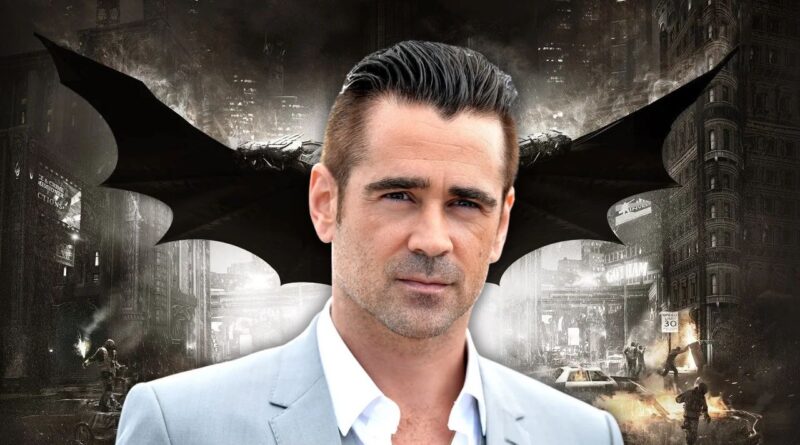
Colin Farrell returns to Matt Reeves' Batman universe as the Penguin in The Batman Part II, and shares the dark world of Gotham and his passion storytelling.
Colin Farrell has got us very excited to return to Gotham as The Penguin in The Batman Part II. Far from it being about getting action scenes right, or even stealing the show with the character’s arc. Farrel explained in a chat with Collider that what pulls him back are the people he gets to work with, and the “Matt Reeves immersive world that’s just very, very gritty.” There’s definitely a love for the vibe and the behind the scenes team it feels like. Farrell kept it real, he explained the camaraderie and new ways of working on set keep bringing him back, as he promotes the upcoming movie The Ballad of a Small Player releasing on 29 October 2025.
Colin Farrell delivered so many thoughts on his role in HBO’s massive hit The Penguin. So the experience evidently stuck with him for good. The series its eight-episodes run in late 2024. It garnered rave reviews, high ratings, and mentions for major awards like the Emmys and Golden Globes. Farrell really got to dive deep into the character, all of the intricate layers and psychological twists and turns that you can only explore in a long form series. Apparently the part allowed him to stretch his acting chops quite a bit, and fans seemed to get as much pleasure as he did. With all the buzz around the show, it is no surprise that The Penguin turned out to be one of HBO’s breakout hits.
The show ended up a huge success, attracting 5.3 million viewers across all platforms during its first weekend, marking the largest four-day debut for a tier one Max original since The Last of Us dusted off in January 2023. The show received rave reviews from critics with a 94% rating on Rotten Tomatoes, with many reviews referring to Colin Farrell’s performance as “transformative” and “a true tour de force.”
The Question is what brings Farrell back for The Batman Part II
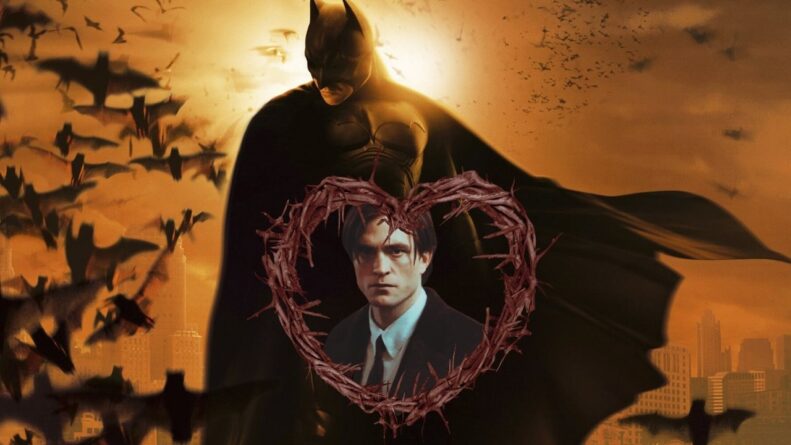
It’s not so much ‘What do I do with this?, but I just want to be in that world and be with Robert and be with Jeffrey again and be brought by Matt Reeves,’ said Farrell. After a deeper exploration of the HBO series character, Farrell returning to the movie sequel isn’t about further expanding the Penguin’s story, instead rejoining the talented ensemble.
Colin Farrell shared his happiness by saying “I’m really excited to be back in that world, to just be around it,” he said as he contemplated joining such an unparalleled group of creatives once more.
Reliving The Childhood Dream
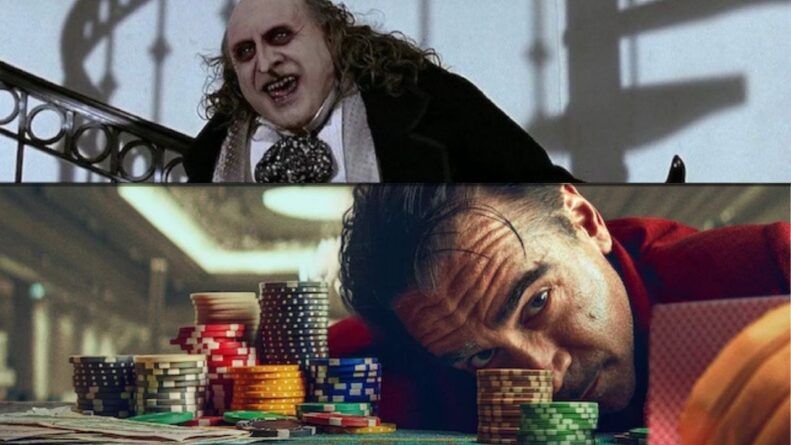
Farrell’s ties to the world of Batman are deeply embedded since he was a kid growing up in Dublin. He shared, he was raised watching Burgess Meredith’s legendary turn as the Penguin in the ‘60s Batman TV series when he was 5, and then Danny DeVito’s iconic performance in Tim Burton’s Batman Returns at around 11 or 12.
For the actor, the joy is a little simpler, just getting to play in a world “where a character called Bruce Wayne and Batman exist, is such a joy.” He admired how Reeves had “re-imagined a world that is unique enough and yet still honors the struggles of that city and the psychological struggles of the character of Bruce Wayne.”
Although Farrell has now confirmed that his part in The Batman Part II will be very small, a smaller appearance than in the first film. He has read the full script and described it as “extraordinary”. He hinted that THE BATMAN 2 is a much deeper plot, it means that Reeves is expected to be seen in scarier scenes and it will further keep the franchise as the stakes are bigger.
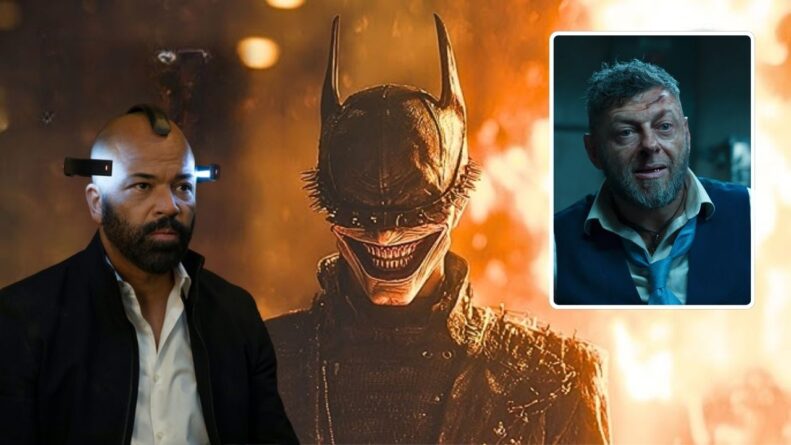
Filming for The Batman Part II is set to begin April 2026. Robert Pattinson, Jeffrey Wright, Andy Serkis and Colin Farrell are returning to their roles. Farrell seems doubtful about a second season of The Penguin. He said to Deadline, “I’ve heard some talk about it, but I don’t know if that’s a good idea. Part of me thinks we should just leave it as we got away with something special.”
Conclusion
For Farrell, being part of Matt Reeves’ Batman world is more than just another gig—it’s a dream come true from his childhood, and he’s surrounded by collaborators who are as passionate as he is about telling grounded, character-driven stories in the dark, complex reality of Gotham. The criminal underworld of Gotham City is once again ready to entertain their fans but Colin Farrell’s Penguin has made a permanent impact on the Batman mythos and his passion for this universe and the team behind it will keep him coming back for as long as they’ll have him.
Alpana
Articles Published :
156
Alpana is Fandomfans Senior Editor across all genres of entertainment. She evolved in the media industry since a very long time, she manages the content strategy and editing of all the blogs. Her focus on story development, review analysis, and research is well-equipped that ensures every article meets the standards of accuracy and depth.
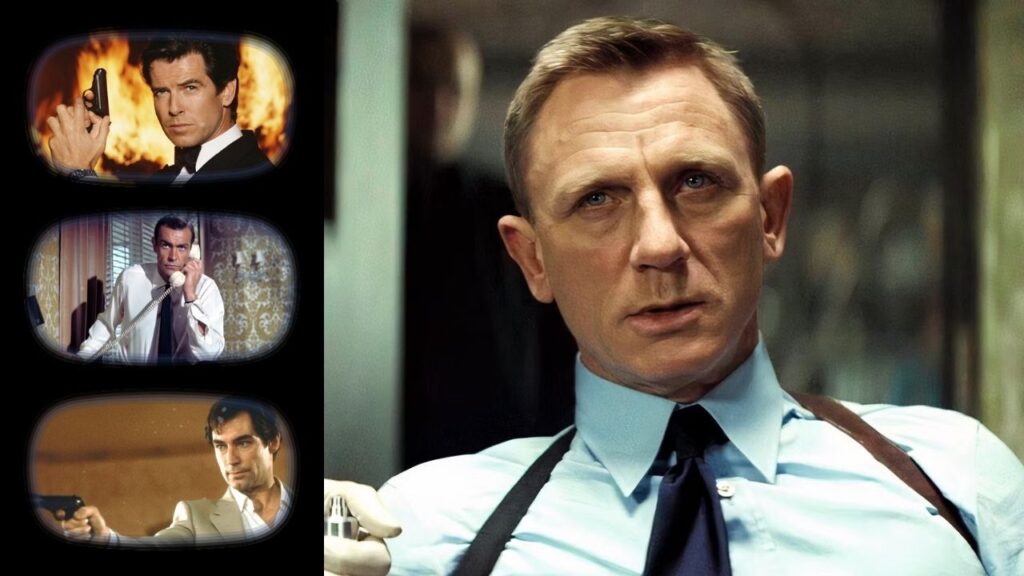
James Bond fighting is so much more than flashy action sequences. It is a six-decade journey through the evolution of fight choreography on film, changing global attitudes toward violence and the increasing complexity and artifice of stunt choreography in the movies. Ian Fleming once described Bond as a “blunt instrument” of the state—a man made to achieve results, not to be elegant while doing so.
It prefers its action to be muscled, aggressive, and violently blunt rather than graceful or theatrical. While Bond in Fleming’s novels was taught boxing and judo to mirror commando skills of the Second World War, cinematic 007 has evolved into more of a living painting, adapting to the martial philosophies, political climates and cultural sensibilities of the era.
Stairwell Battle: No Time to Die
The best fight scene in No Time to Die is the punishing stairwell brawl in Safin’s lair, where Bond is up against three armed adversaries in a narrow slab of concrete. Filmed in long, fluid shots, the scene is relentless and tiring, highlighting Craig’s older, injured Bond relying on instinct on the battlefield.
There’s a weight behind each punch, every gunshot is earned, and being in a tight space doesn’t bring with it any glitz. It’s Bond the hardened survivor, not the dazzling hero—pragmatic, efficient, and potently human. This moment perfectly embodies the movie’s themes of sacrifice, perseverance and the physical toll of being 007.
The Train Fight Homage: Spectre (2015)
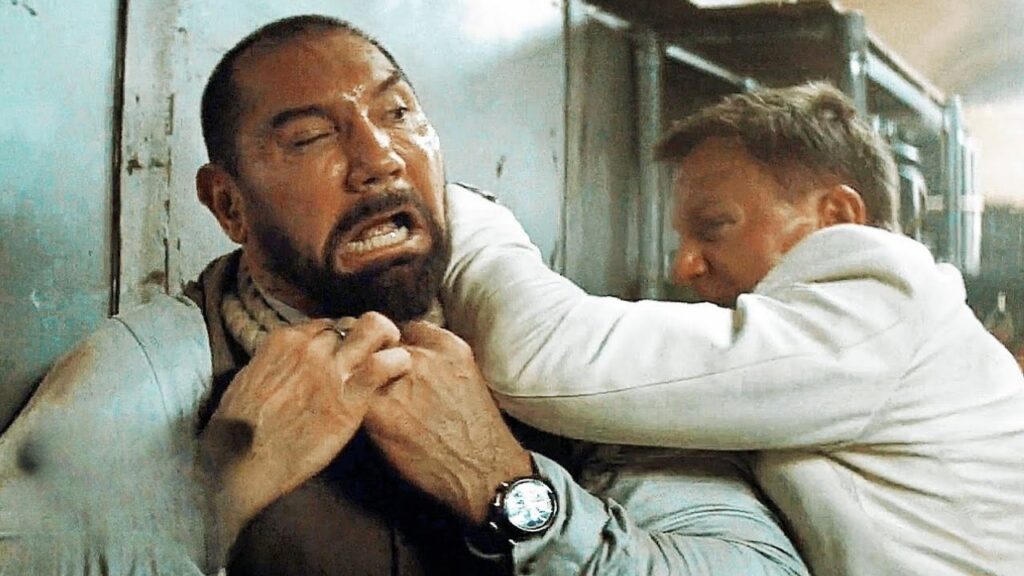
Spectre contains a loving nod to the From Russia With Love train fight, with Bond facing off against Mr. Hinx (Dave Bautista). It’s destructive, shattering several train cars. Bautista was starting to be “gentle,” but Craig told him to be more brutal.
Image credit: Youtube
Bautista complied, hurling Craig so violently that he left the actor with a serious knee injury (meniscus tear), forcing him to wear a brace for the rest of the shoot and ultimately having surgery. This fight, then, features real pain and injury from both players.
The Bathroom Fight: Casino Royale (2006)
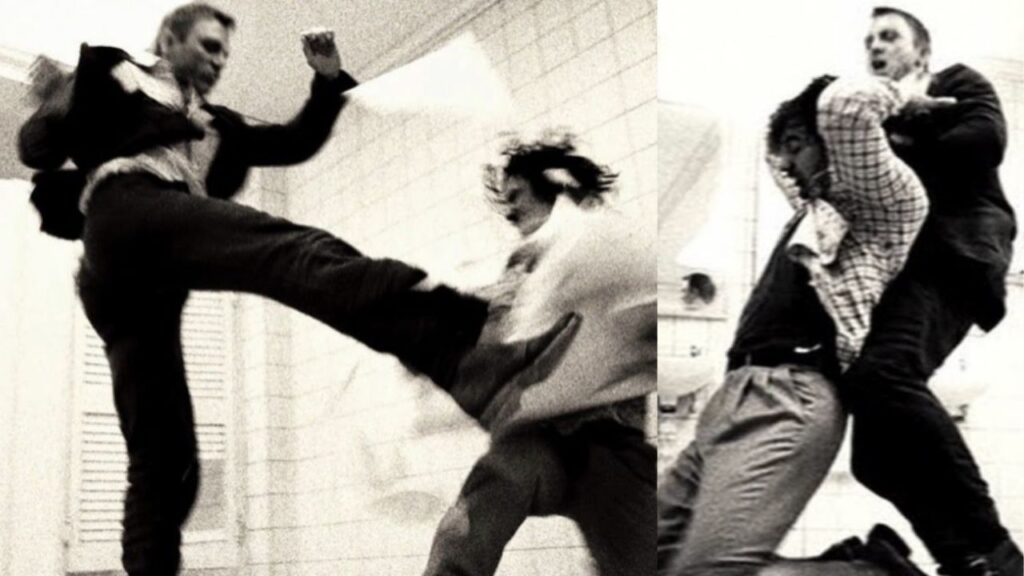
“Casino Royale” jolted the audience with its unsentimental brutality right from the start of the film. Shot in high-contrast grainy black & white the fight isn’t clean, it is chaotic and crude and Bond ends the fight bleeding. Bond attempts to drown his quarry, Fisher, in a sink, the quarry fights back. There is no elegance here.
Image Credit: Fandomfans
The cinematography is in keeping with Cold War noir and spy fare such as The Ipcress File while confirming that this Bond is a “blunt instrument” and implying that he’s still coming to terms with the emotional cost of killing. The scene was intentionally to feel unchoreographed, to ball the struggle and the fatigue of taking a life.
The Sword Fight: Die Another Day (2002)
Image Credit: Fandomfans
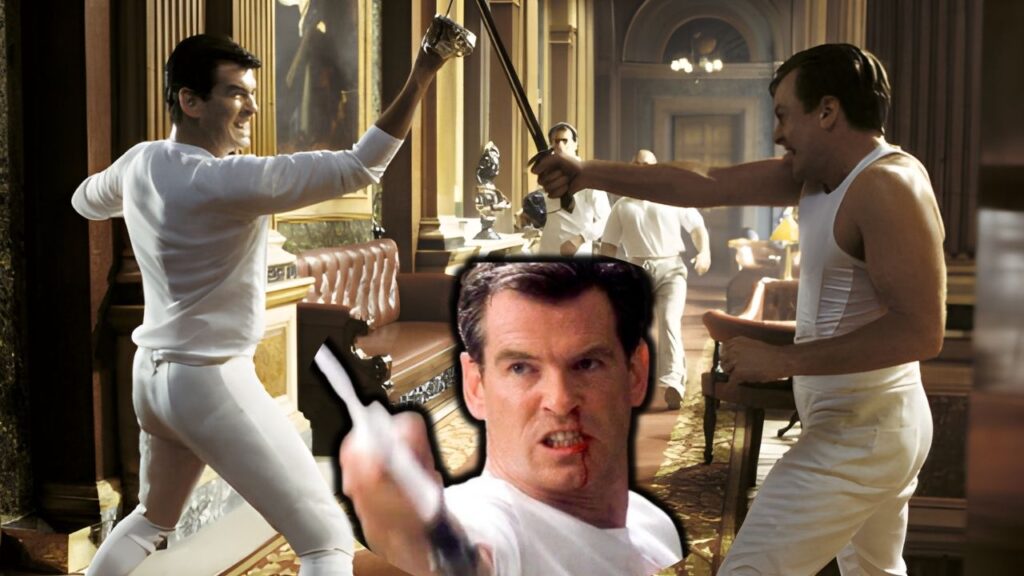
Die Another Day is widely derided for its use of terrible CGI (the invisible car, the tsunami surfing, etc.), but the fencing match between Bond and Gustav Graves (Toby Stephens) at the Blades Club is a rare moment of hands-on stunt work. It begins as a civilized fencing bout and ends with a full-on broadsword brawl, wrecking the club set.
Fratricide and Silence: GoldenEye (1995)
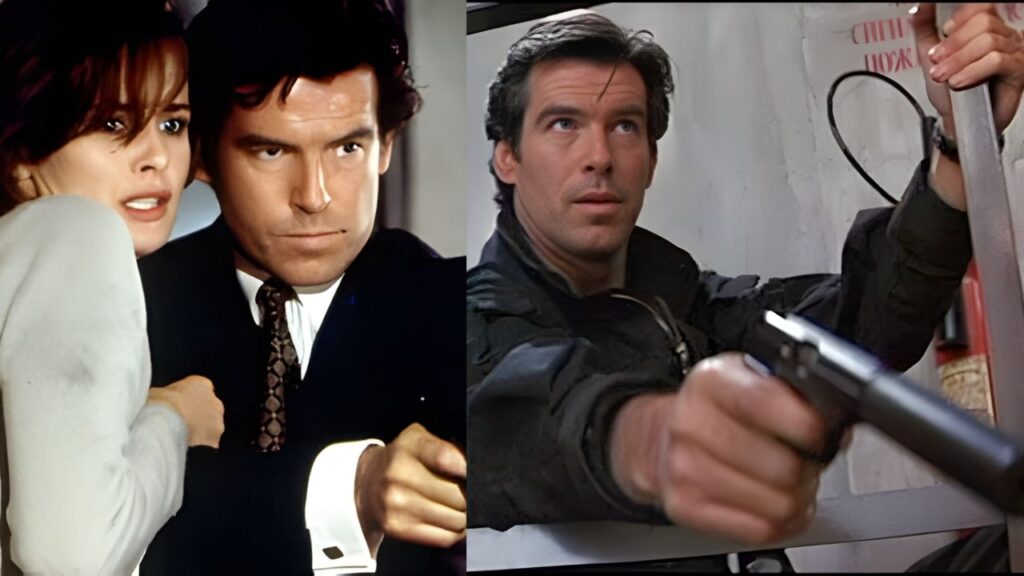
Trevelyan is Bond’s equal—a fellow “00” agent with the same training. The battle is a mirror match. Most importantly, the sequence mutes out the bombastic score and all we can hear is the metallic thuds, the heavy breaths and the wind. This sound design decision highlights the brutal intimacy of two friends attempting to kill each other.
Image Credit: Fandomfans
The fight is a combination of technical grappling and dirty fighting (headbutts, biting), Bond finally throwing Trevelyan to his death. The classic line “For me” in response to Bond’s “For England, James?” that he answers shortly after meeting Trevelyan, signals a personal change in Bond’s motivation.
The Cargo Net Fight: The Living Daylights (1987)
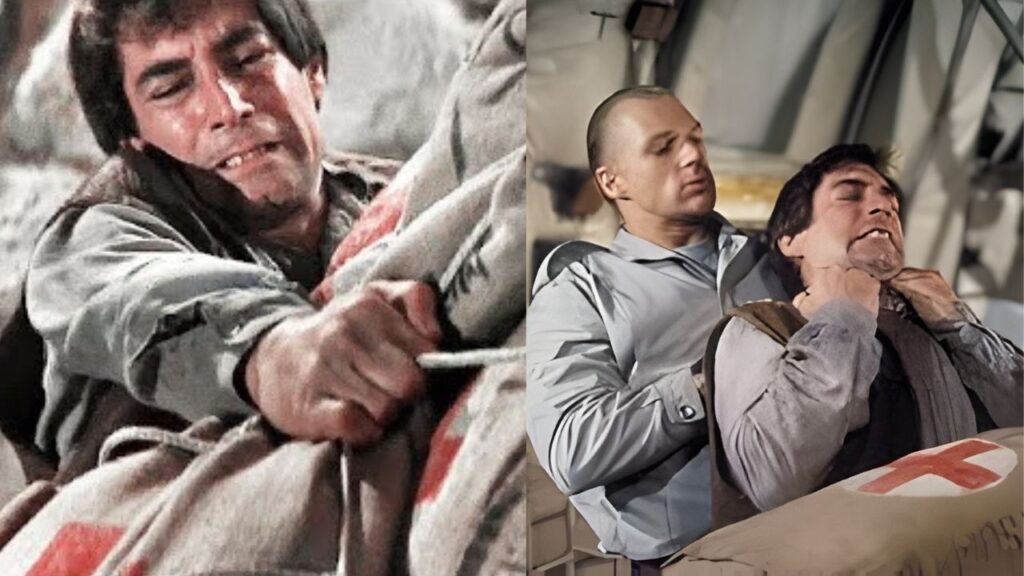
In The Living Daylights, the tussle between Bond and Necros clinging to the outside of a cargo plane is a marvel of aerial stunt work. Withstood the strain Unlike the green-screen-laden sequences of later times, this was shot with stuntmen (BJ Worth and others) actually hanging from a plane over the Mojave Desert.
Image Credit: Fandomfans
The physical struggle, as well as the roaring wind (sound design has a significant role in that), make it all very disorienting and high-risk. It’s a battle dominated by gravity, not martial arts moves.
The Bar Brawl: Licence to Kill (1989)
Image credit: IMDb
Licence to Kill is the bloodiest of the pre-Craig Bond films, and was the first to be given a 15 rating in the United Kingdom. The Bimini barrelhouse brawl is a highlight for its raw brutality. Bond isn’t trying to get away as he fights; He’s trying to do as much damage as possible. They refer to pool cues, broken bottles and a brawl that seems more at home in a western saloon than a spy movie.
The Train Fight Redux: The Spy Who Loved Me (1977)
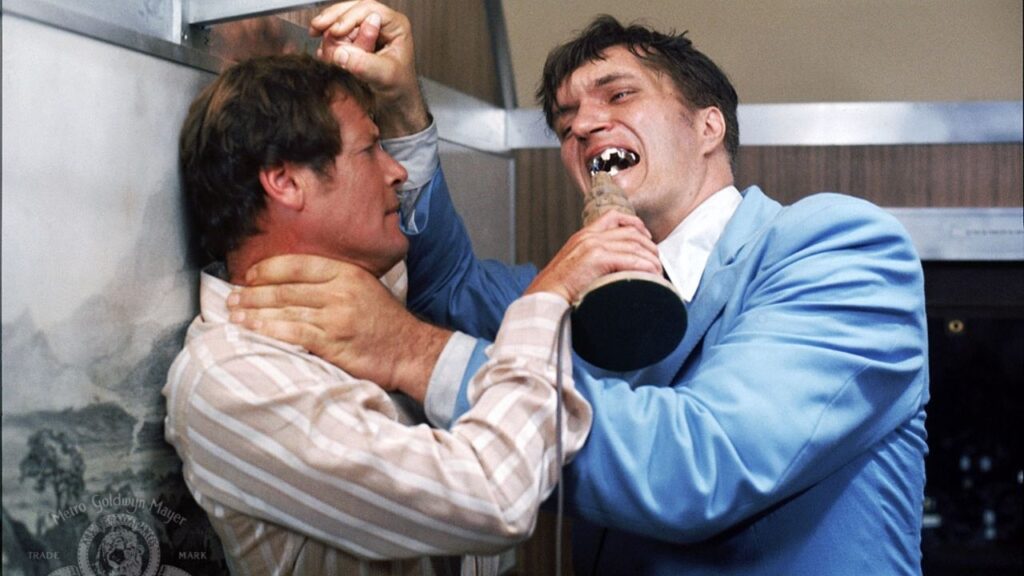
The scene is staged and lit to highlight the fearsome Jaws, playing with shadows (the train closet) and jump scares. Bond is completely physically impotent; he punches Jaws in the jaw and breaks his hand — a world away from Connery’s crushing blows to Grant’s neckline. This makes Jaws a supernatural entity.
The resolution Bond stabs Jaws with a jagged lamp, delivering an electric shock is a variation on the Oddjob demise that includes a comic bounce, as Jaws endures and then departs. The sequence was choreographed by Bob Simmons, maintaining the trilogy of train fight masterpieces.
The Beach Fight and Hotel Room Brawl On Her Majesty’s Secret Service (1969)
Image Credit: Fandomfans
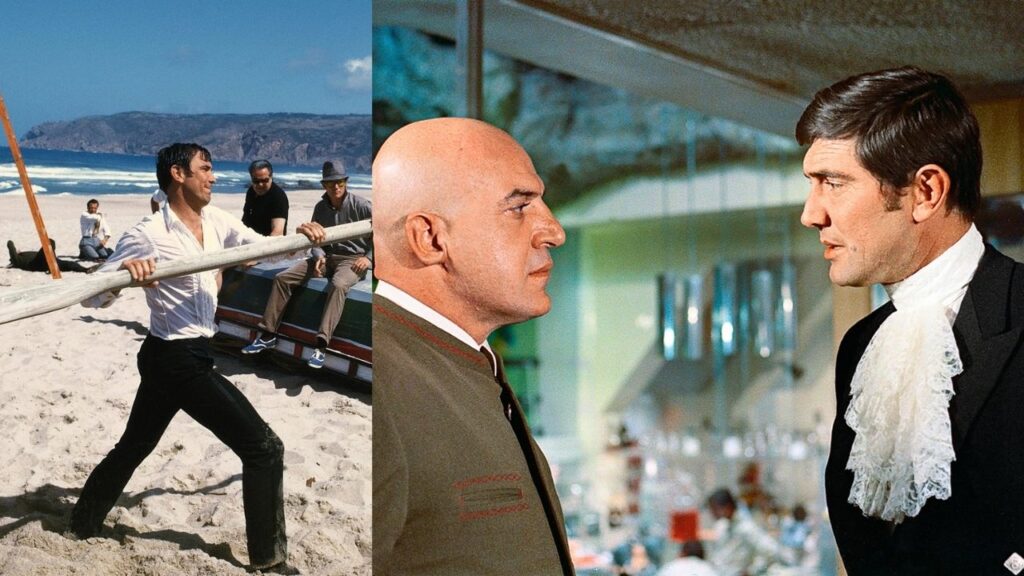
The beach fight and the hotel room brawl with Draco’s men reveal a new editing philosophy employed by director Peter Hunt. Hunt used quick cuts, jump cuts and a little bit of speeded up footage to make the fights more energetic. This gave the film a visceral, almost frenzied feel that anticipated the “shaky cam” mode of the Jason Bourne series by several decades.
Early Martial Arts Integration: You Only Live Twice (1967)
Image Credit: Fandomfans
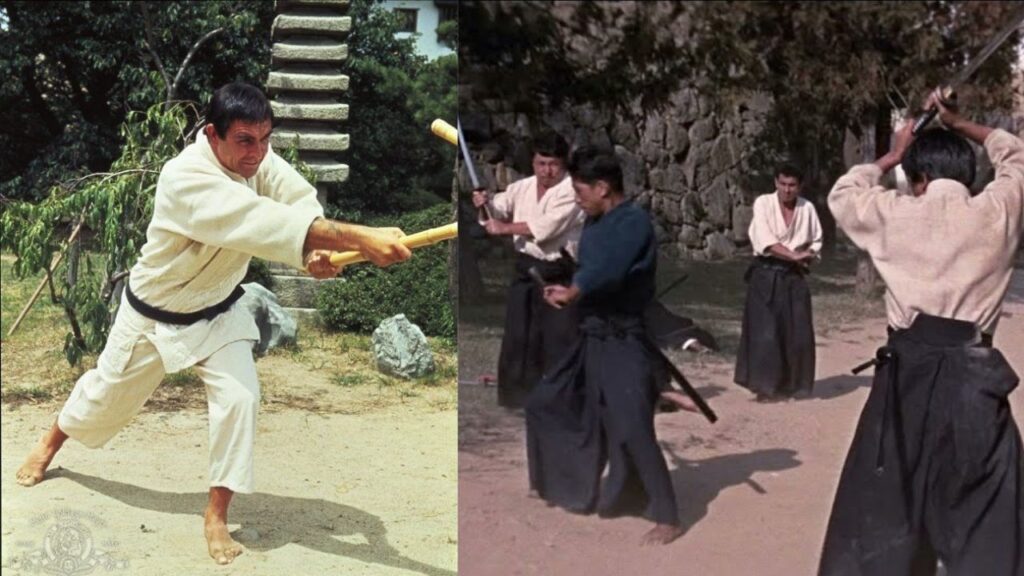
The brawling judo fight is a demonstration of this transition from the chaotic to the slightly more stylized fighting in Dr. No. Bond uses the environment, a sofa, and a large statue to fend off the sumo’s size, continuing the message that Bond has to change his fighting style to whatever culture he’s invading.
The Train Fight: From Russia With Love (1963)
Image Credit: Fandomfans
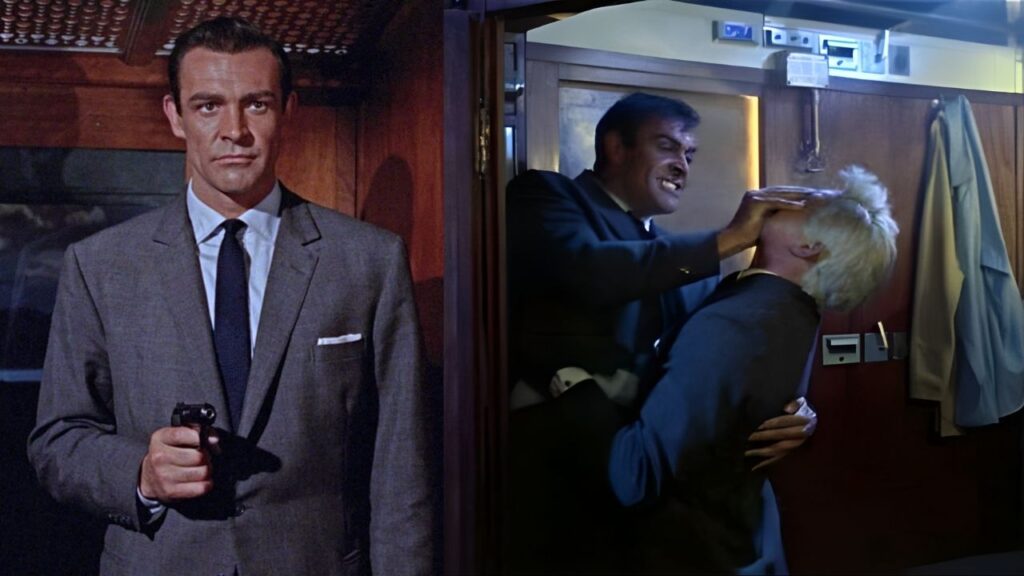
When you ask people who know what they are talking about when it comes to the Bond movie library what the best is, it’s almost always From Russia With Love that is named, the duel between Bond and Donald “Red” Grant (Robert Shaw) on the Orient Express stands as a cornerstone moment in action movie history. It took the genre away from the bloodless fisticuffs that defined 1950s action films to a more visceral, claustrophobic reality.
Conclusion
The development of James Bond’s style of fighting is indicative of a narrative that’s about more than just choreography or spectacle. Every punch, wrestle, and fight for life is a product of the time it was made, informed by global politics, shifting definitions of masculinity and what audiences want to see in it. From Connery’s primal, rough-and-tumble fights to Craig’s brutal, Krav Maga–inflected efficiency, Bond’s battles have always stripped away the suave disguise of the gentleman spy to expose the lethal truth beneath.
Fandomfans is focusing on delivering movie details from old to new, stay connected for more updates.
Mariyam
Articles Published :
76
Mariyam Khan is Fandomfans Content Writer and providing reports and reviews on Movie Celebrities, and Superheroes particularly Marvel & DC. She is covering across multiple genres from more than 4+ years, experience in delivering the timely updates.
There is no question that 1999 was a blockbuster year for movies, with countless groundbreaking films that have defined popular culture. Here is 90s Movies List from the mind-boggling visual effects and philosophical musings of The Matrix to the shattering shock and surprisingly heartfelt emotional payoff of The Sixth Sense and the ferocious, anarchic spirit of Fight Club, each movie redefined the genre it was working in and spoke to its own particular audience. It was also a year in which directors and producers took a few chances and the final fruits of their risky labors continue to be enjoyed more than 25 years later. Truly, 1999 set a high bar for what cinema could be.
Why 1999 Changed Everything
The last year of the last century was more than just a date on a calendar. It was a tectonic shift in Hollywood: the old guard of cinema collided with a new class of filmmakers who didn’t aren’t run the rulebook. Stanley Kubrick and Steven Spielberg still commanded respect (along with the likes of Francis Ford Coppola and Martin Scorsese), but a new generation was emerging — Spike Jonze, Sofia Coppola, M. Night Shyamalan, David Fincher, Paul Thomas Anderson — and rewriting what a movie could be. The year seemed like the zenith of everything the 1990s had been building toward — indie films gaining mainstream legitimacy, blockbusters getting smart, and moviegoers revved to engage with difficult, out-of-the-way tales.
And there was something else in the cultural air that year. The approaching millennium, and the year 2000, or Y2K, brought with it a sense of collective existential dread that many filmmakers sought to channel— albeit while celebrating the liberating spirit of the past. The upshot: it was a year that not only produced fine films, but fine films of, it seems, every possible genre and style.
Best 90s Movies List That Defined 1999
1. The Matrix
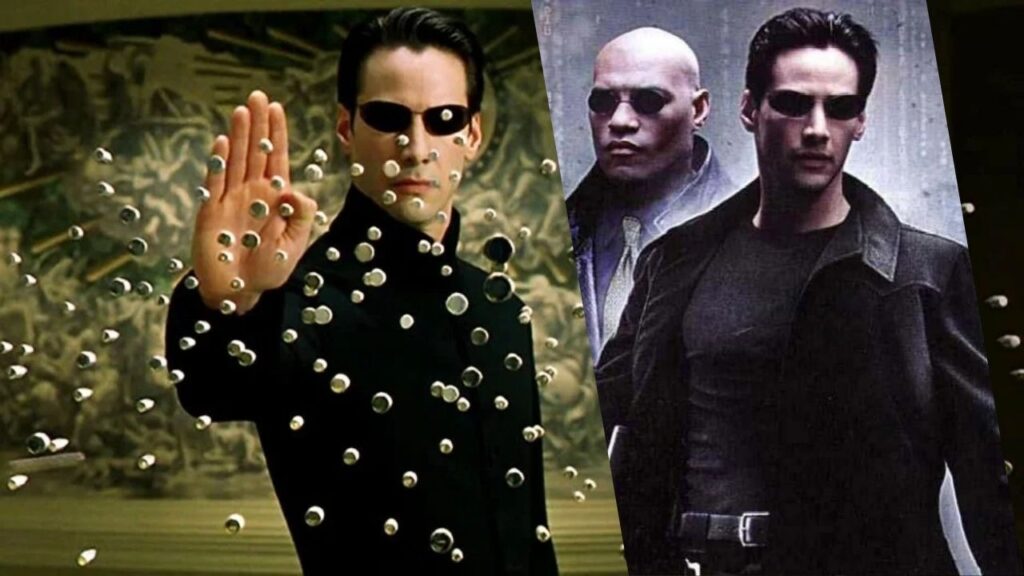
When the Wachowskis’ The Matrix opened in March, they hadn’t simply made a movie — they’d changed the language of action cinema forever. Featuring revolutionary “bullet-time” visual effects and questions about the nature of reality, kung fu, science-fiction, and existential philosophy, The Matrix was like nothing anyone had seen before.
Keanu Reeves’ quietly assured turn as Neo has become iconic, with Laurence Fishburne and Carrie-Anne Moss also excellent. The film made $466 million worldwide and continues to inspire filmmakers today. What was remarkable wasn’t just the new technology — it was how that new technology allowed for the expression of high-level ideas about free will and reality that were easy to grasp.
2. The Sixth Sense
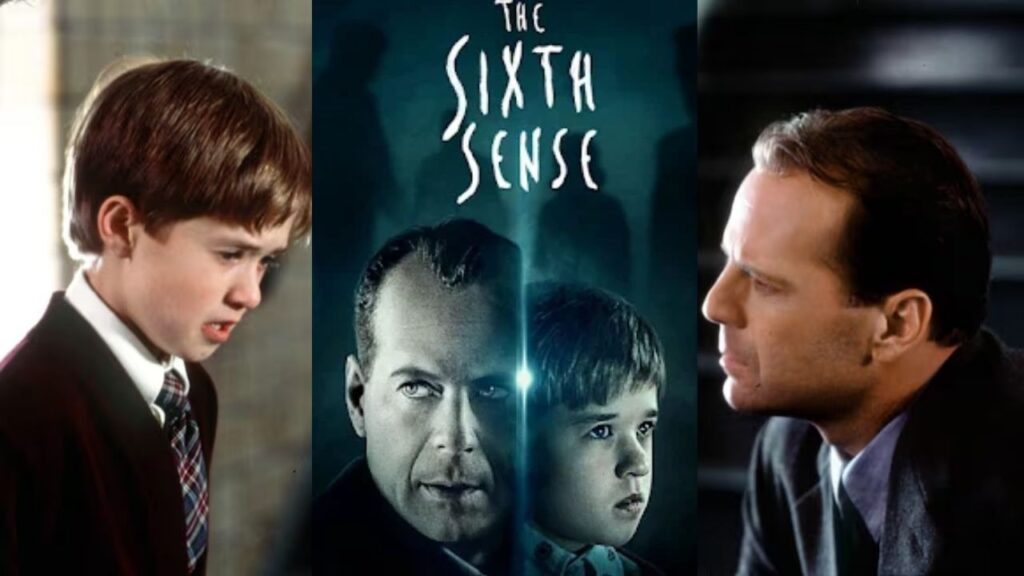
M. Night Shyamalan made a striking debut with a psychological thriller that turned into a cultural touchstone. Bruce Willis, making a bid for dramatic respectability, was a perfect match for nine-year-old Haley Joel Osment in a movie that was really just a series of linked ghost tales. The movie’s legendary twist is one of film’s best kept surprises — an ending that rereads everything you’ve seen.
But the most important thing about the twist is that it didn’t come off as a cheap trick – it is earned, powerfully, through carefully-crafted screenwriting and emotional veracity. The Sixth Sense grossed $672.8 million worldwide to be the second-highest grossing film of 1999, and it still holds up as a tender thriller that’s all in suggestion, not blood.
3. Fight Club
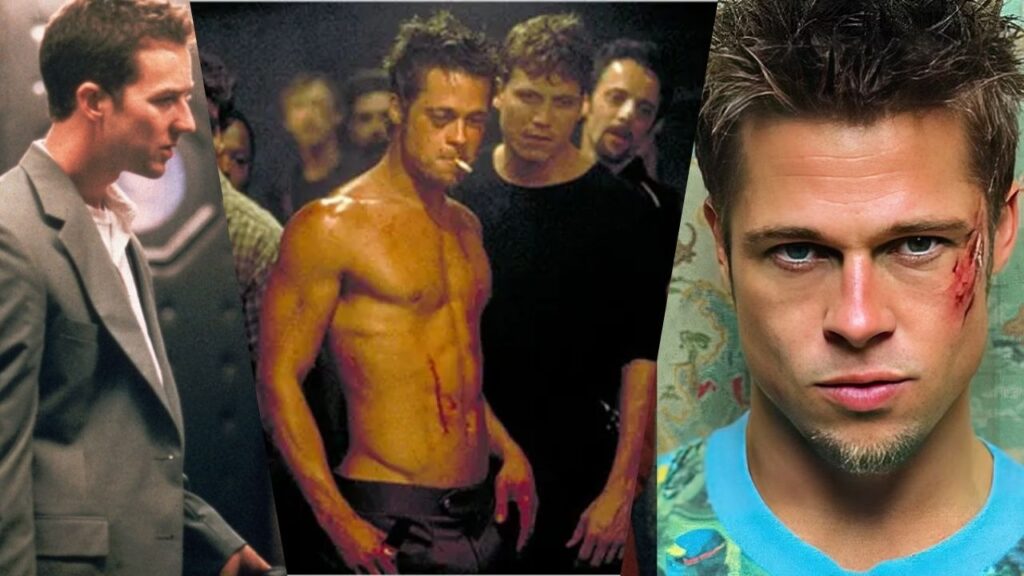
David Fincher’s adaptation of Chuck Palahniuk’s novel was not only one of the most violently thought-provoking movies of the year. It was, paradoxically, one of its most rewarding experiences. What is discomfiting at first becomes addictive at second, third, and even fourth viewings. As the insomniac, crumbling narrator Edward Norton struggles not to fall under the spell of charismatic Tyler Durden, Brad Pitt dive bombs into a ferocious satire of consumerism, fragmented masculinity, and contemporary rebellion.
That film’s twist is quieter and morally ambivalent, and works by revealing a narrator’s split mind. With an IMDb rating of 8.8, Fight Club has risen above the backlash that it received at its release and has been seen as a film of true artistic merit masquerading as mindless entertainment that causes conversations about meaning and social critique.
4. American Beauty
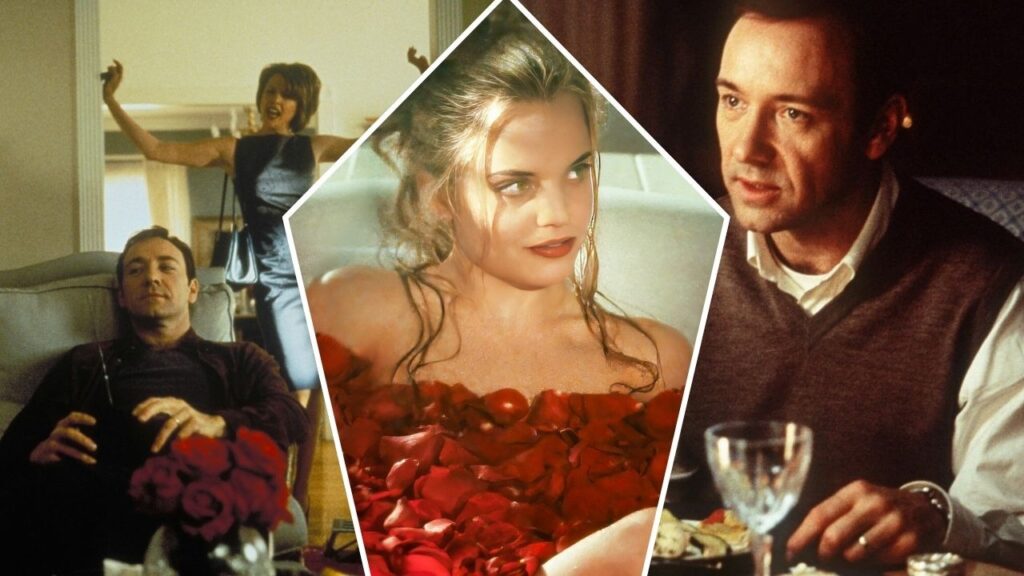
Mendes (Bond) debuted behind the camera on features with the year’s Oscar darling, taking home five Academy Awards, among them Best Picture and Best Actor for Kevin Spacey. Darkly satirical about suburban American culture, the trend was immediately established – Mendes and screenwriter Alan Ball were revealing the emptiness behind Middle America’s perfectly trimmed lawns.
It was one of the rarest of things in Hollywood: a critics hit that also became a box office giant, raking in more than $350 million on an unassuming $15 million budget. That’s not to say that the film’s reputation hasn’t been reconsidered in recent years, though its impact on cinema is certainly undeniable.
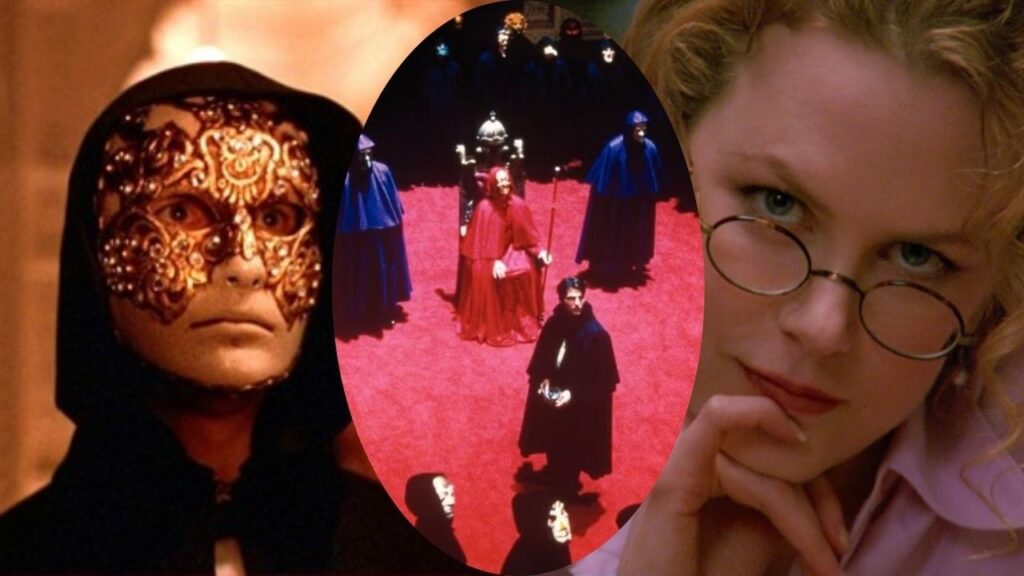
5. Eyes Wide Shut
The last film of Stanley Kubrick was meant to be his big comeback. What the viewers were offered was something much richer: a relationship drama hiding behind the trappings of a thriller, a farcical, sexual black comedy, and a reflective film on marriage and desire.
Tom Cruise and Nicole Kidman gave raw performances, and Kubrick’s obsessive direction turned a well-worn story line into something truly disturbing and thought-provoking .
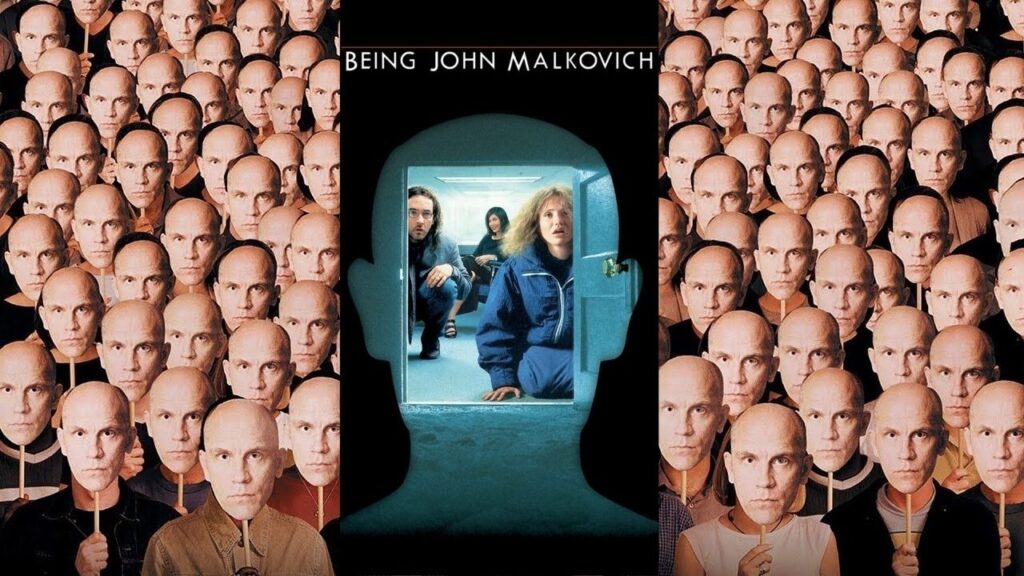
6. Being John Malkovich
Spike Jonze’s first feature film’s concept, a portal into the thoughts of actor John Malkovich might have been a novelty, but Jonze uses it to examine identity, obsession and the nature of consciousness itself. Cameron Diaz, John Cusack, and Catherine Keener give surprisingly profound performances in what easily could have been a straightforward comedy.
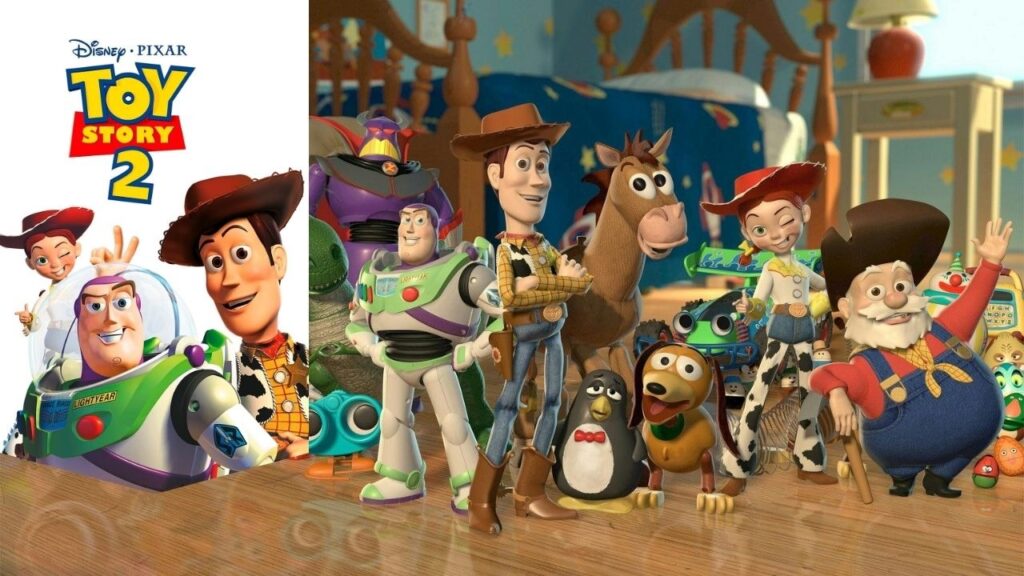
7. Toy Story 2
Toy Story 2 showed that animated sequels could say something artistically, rather than just being financial grabs. It helped establish Pixar as a studio that treats its adult intelligence and emotions—and it remains one of the most powerful films in Pixar’s entire library.
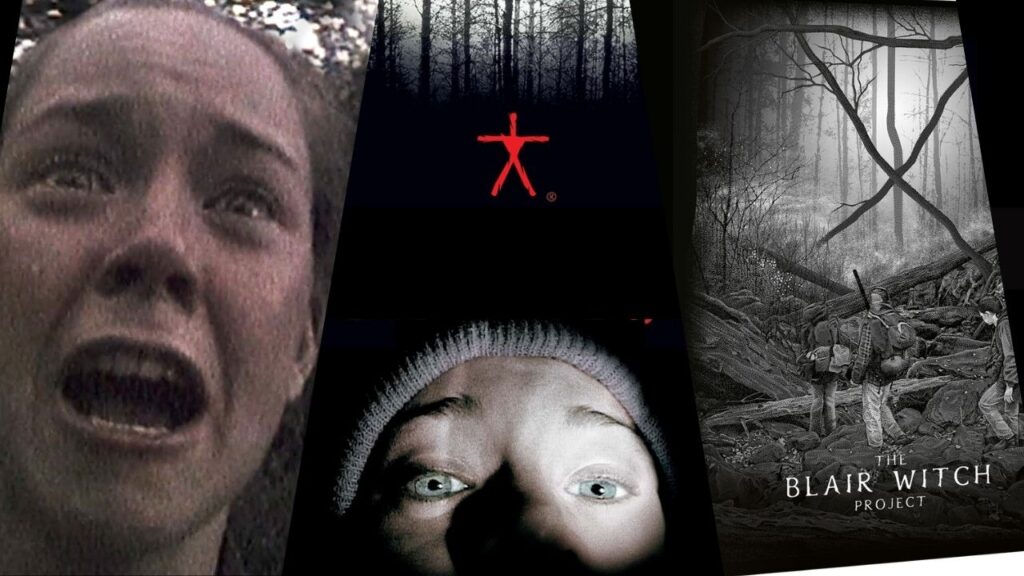
8. The Blair Witch Project
When it hit theaters in 1999, it revolutionized the horror genre with its use of found-footage style narration, minimal production costs, and a genius marketing strategy that obscured fact and fiction.
The Blair Witch Project become the excessive horror which success demonstrated that people could be entertained simply by a story and a mood, without elaborate special effects or movie stars.
9. Magnolia
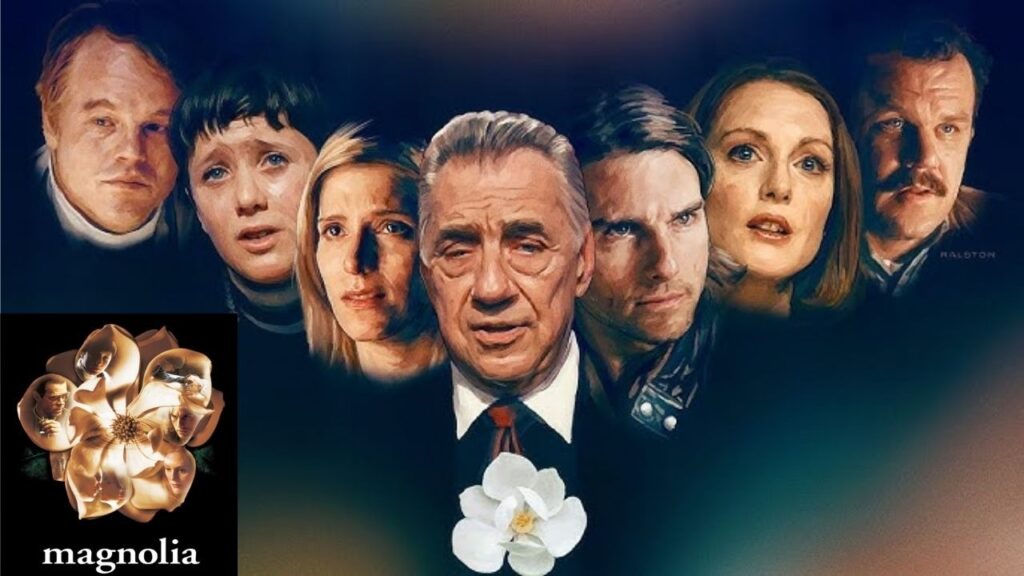
Magnolia interlaces a number of connected stories throughout the day and night. At its heart, the film is about guilt, forgiveness, regret, trauma, coincidence and connection between people. The various characters’ lives intersect in small (and occasionally stunning) ways, leading up to one of the most-discussed finales in contemporary film.
Magnolia is now considered a cult classic, and is often regarded as one of the best films of 1999 and one of the best ensemble films ever. It’s flawed and difficult, and so human — all of which is why it continues to provoke discussion more than twenty years on.
10. The Best Man
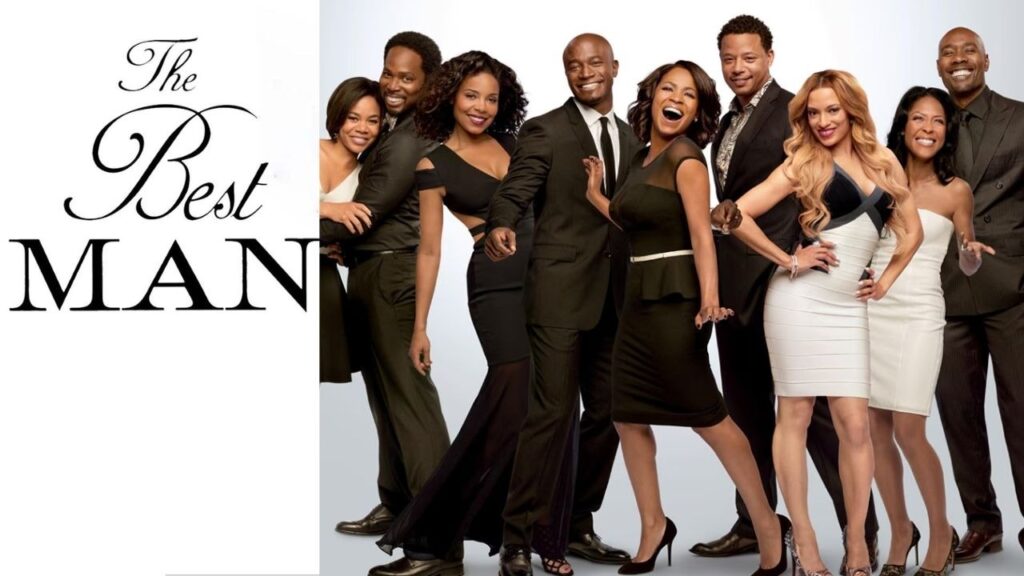
The “Best Man” (1999), directed by Malcolm D. Lee, is a romantic comedy that rode the wave of popularity of the genre back then. With a predominantly Black cast, the movie is about a group of college friends coming back together for a wedding. Taye Diggs is a rising novelist whose latest book causes trouble — it’s a roman à clef that draws on their own lives.
Warm, funny and sexy, the film was a box office hit and managed to distinguish itself without crass commercial exploitation or without being too blatantly positioned as a “milestone” in Black representation. Executive produced by Spike Lee, who is also the director’s cousin, “The Best Man” continues to hold a treasured place in the romcom canon.
What is interesting is that 1999 itself was not universally hailed as the best year in the 90s Movies List. American Beauty took the Oscar, but Being John Malkovich was more highly lauded. Fight Club divided opinions upon its release. It was a long time before audiences and critics as a whole realized what they had experienced that year: They’d been treated to something extraordinary—an entire year in which the movies seemed vital, even dangerous, and endlessly inventive.
In an era when blockbuster culture reigns and original concepts have a hard time securing funding, 1999 stands as a powerful testament to what can be achieved. It was the year that arthouse brains met Hollywood brawn, when first-time filmmakers could become auteurs overnight, and when a movie didn’t have to come from a known property to become culturally significant. Looking back, 1999 was not just a great year for movies — it was the year that movies proved that they still mattered.
Dive into the world of 90s movie list with Fandomfans and get every detail from your movies, series and celebrity.
Mariyam
Articles Published :
76
Mariyam Khan is Fandomfans Content Writer and providing reports and reviews on Movie Celebrities, and Superheroes particularly Marvel & DC. She is covering across multiple genres from more than 4+ years, experience in delivering the timely updates.