The oil fields in Texas aren’t the only things rumbling — Season 2 of Landman has arrived to a whirlwind of reactions. In a new interview with Collider’s Steve Weintraub, lead stars Demi Moore and Ali Larter discussing the high stakes of the new chapter and the controversy surrounding it. The audience score, however, is pretty brutal at just 35% on Rotten Tomatoes. But Moore and Larter insist that Season 2 “gets rid of Taylor Sheridan’s biggest criticism,” promising more character development at the center of the story.
Dispelling the Static Character Critique
A recurring criticism that is made about the “Sheridan-verse” is that its supporting characters, and specifically the women, are subject to stagnation.This was made a particular point of criticism in Landman Season 1 documentation, with Ali Larter’s Angela Norris—ex-wife of lead protagonist Tommy Norris (Billy Bob Thornton)—and her daughter Ainsley noted they changed (relatively) little despite upheavals.
“Larter and Moore have said that the first impression is a long game to have the biggest dramatic effect with it.”
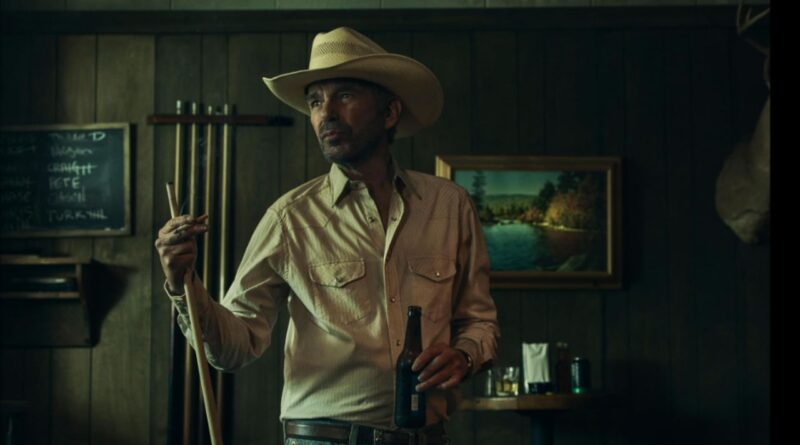
The characters, in particular Angela — who is back home on a more permanent basis are revealed at their most unstable, a creative decision that has occasionally turned off early viewers who let loose with uncontrollable reactions to certain scenes in the premiere. Co-star Michelle Randolph (Ainsley) on her character’s journey.
Image credit: IMDb
This arrangement frames initial disappointment as a purposeful narrative groundwork for subsequent, more satisfying development, suggesting the characters’ complexities are a slow burn that anticipates viewer buy-in.
“Then you’re able to watch 2 women who are fierce in different ways on the same show and that’s something I think that we love and kind of relate to.”
Most importantly, the show is quick to address what seemed like a waste of Demi Moore in the previous season. In Season 1, her recurring role as Cami Miller was minimal, which prompted “flak” from viewers. After a death, Cami assumes a powerful new post as co-head of M-Tex Oil with Tommy Norris, which gives Moore not only the spotlight but the professional freedom her character had never before enjoyed. The change of focus is a clear signal that it intends to grow the range of female leaders and complexity within the cutthroat Texas setting.
An Upcoming Emotional and Heartbreaking Journey
More to do with the structure-defense of the writing itself, but Moore and Larter did vow that the payoff for viewer patience would be well worth it. They echoed the sentiment that fans need to
“brace themselves for an extremely intense, heartbreaking journey ahead”.
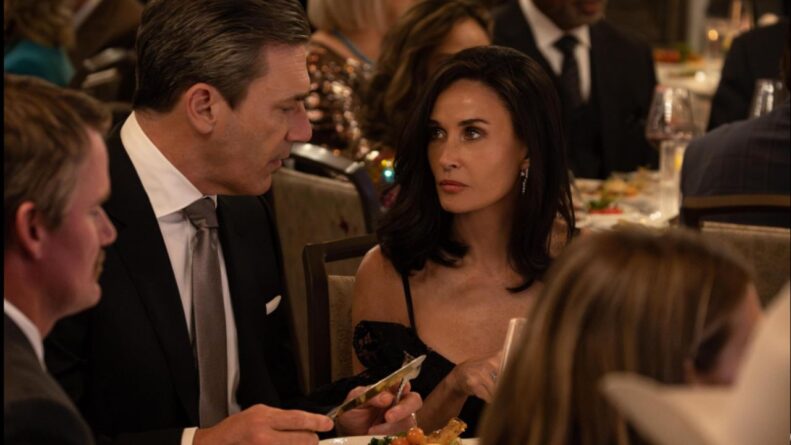
The story in Season 2 is largely a clash between the “high stakes competitive oil business” and a “fragile family dynamic.” Cami’s rise into corporate power and Angela’s fraught reunion with her familial unit are the central conflicts. In the boomtown economics of West Texas, where a single “gusher can build empires or shatter lives overnight,” the emotional toll is high.
Image credit: IMDb
By calling the season “heartbreaking,” the actors are signaling that the growth of the characters will be hard-fought and that the brutal realities of the business will be tied to personal upheaval for the protagonists.
Crossover Wishes and Career Foundations
In the interview, the stars also talked about their past and what they wanted for the future of the linked Taylor Sheridan world.Larter and Mooreprovided anecdotes about the “projects that changed them as actors and people” that they bring into their current Landman roles.
“that was such an interesting script in the way that he approached that world. It was raw, and it was edgy, and it was vulnerable. I’m going there.”
Moore’s Landman appearance comes on the heels of a career-defining moment, having received praise and an Oscar nod for her turn in the 2024 horror film The Substance. This outside affirmation serves to reinforce the dramatic heights she takesCami Miller to in the expansion of Season 2.
The discussion naturally came around to the possibility of crossovers with other Sheridan series. And although Billy Bob Thornton has previously expressed interest in a darker crossover with Mayor of Kingstown, co-creator Christian Wallace has expressed interest in bringing back 1883 stars Tim McGraw and Faith Hill with Thornton in Landman , illustrating the recirculating talent pool and how easily these stories cross paths.
The message Demi Moore and Ali Larter want to send is clear, Landman Season 2 is all about building on character. Though the initial audience score is low, the actors promise that the characters are not static, changing dolorously and dramatically through the season. The critical consensus, calling Season 2 “stronger than the first”, supports the expectation that emotional and developmental payoff for Cami and Angela’s high-stakes journey is around the corner. Fans who are patient enough to travel the difficult road from “point A” to “point Z” will find their patience rewarded.
Fandomfans love diving deep into the worlds that fans obsess over. We deliver breakdowns, character guides, reviews, and updates that help you stay ahead of the curve.
Alpana
Articles Published :
164
Alpana is Fandomfans Senior Editor across all genres of entertainment. She evolved in the media industry since a very long time, she manages the content strategy and editing of all the blogs. Her focus on story development, review analysis, and research is well-equipped that ensures every article meets the standards of accuracy and depth.
Lyonel Baratheon and Tyrion Lannister: How Westeros Repeats the Same Character
Lyonel Baratheon & Tyrion Lannister tienen muchos rasgos, corazón y humor en común demostrando que en Westeros se repite mucho sus más carismáticos personajes.
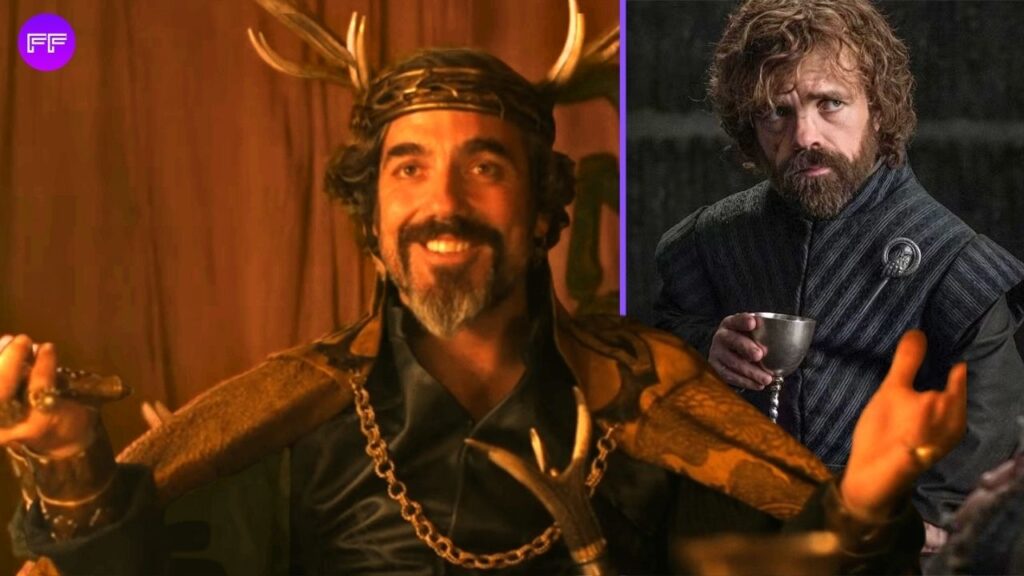
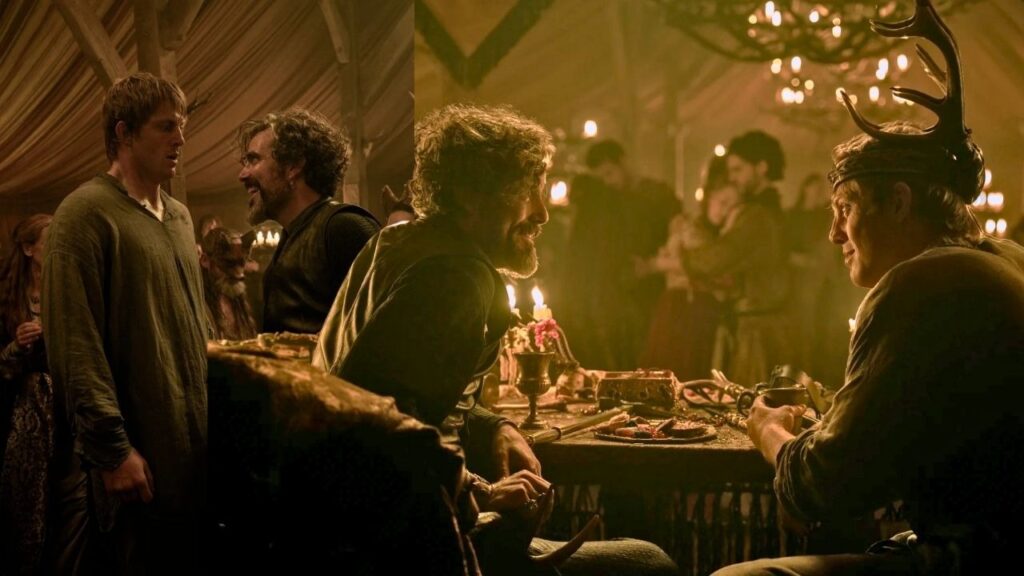
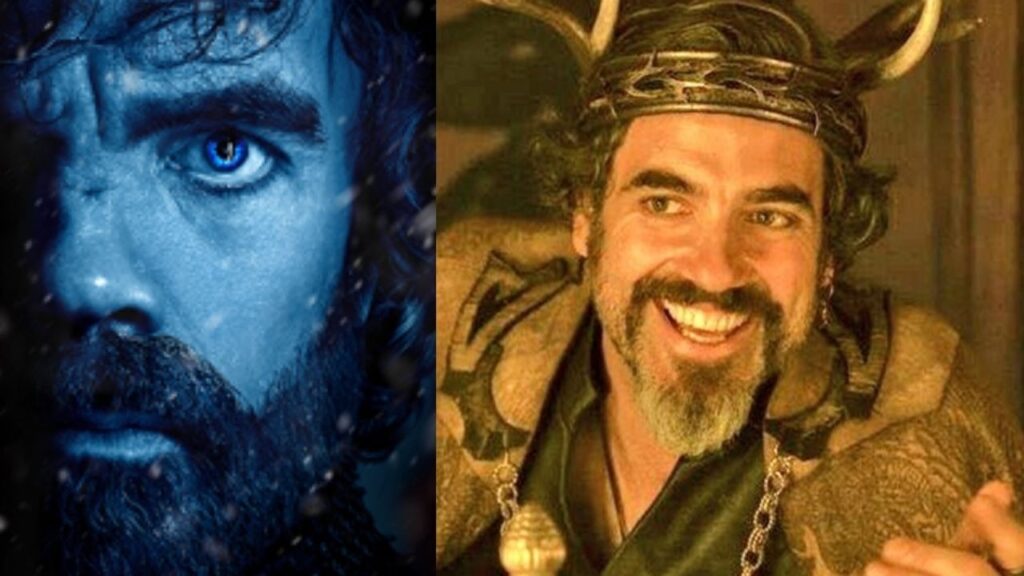
Ser Lyonel Baratheon (The Laughing Storm) and Tyrion Lannister (The Imp). Though separated by a hundred years and described as having wildly different physical builds, one a seven-foot giant, the other a dwarfed outcast—the Collider claims they amount to the same story character.
Both men have “performance” as a defense: Lyonel cackles maniacally in battle to rattle his foes, and Tyrion wittily mocks himself in advance. They’re defined by their “soft spot for cripples, bastards, and broken things,” and they serve as mentors to the series’ underdogs (Dunk and Jon Snow). In the end, it shows how both were molded by absent parents to rebel against the status quo — not because they wanted power, but respect.
Why Every Great Story Needs a Friendly Outlier
Westeros is generally quite a crap place to have a conversation. So there are the Starks, all gloomily honourable, the Lannisters, all ruthlessly cold, and the Targaryens, well, you know. But once in a while, George R.R. Martin does hand us someone who opts to look at the world and thinks if it’s going to be a dumpster fire I might as well bring the marshmallows.
Among the Dunk and Egg tales, it is Lyonel Baratheon. In Gal of Thrones, that would be Tyrion Lannister. They seem, on the face of it, to be nothing alike. Lyonel is a hulking, golden-armored giant who could probably bench a horse, Tyrion is a man whose greatest weapon is a library card. But once you strip away the layers, they’re basically the same coin.
1.The Mask of the Party Animal
WinterIsComing discuss their ”vices.” Lyonel and Tyrion are introduced as men who enjoy a good drink, a loud party, and not taking the “seriousness” of high-born life too seriously. But this is nothing new for happy hour fans. It’s psychological warfare.
Lyonel—for laughs because he literally laughs in the faces of those trying to kill him, making him The Laughing Storm. Imagine jousting a guy, hitting him with a wooden pole at 30 miles per hour, and he just starts giggling. It is frightening. It projects invulnerability.
Tyrion does the exact same thing with his tongue. The man’s an outcast, and so he masquerades as the “capering fool,” raffling away the power to mock him. If you’ve already dubbed yourself a “drunken little imp,” what’s an insult from Cersei going to do? For both men: comedy is the armor they put on so the world can’t get under their skin.
2.Mentors of the “Broken Things”
The best part about these two isn’t just the jokes—it’s their hearts. In a world where lords are expected to treat commoners like literal dirt, Lyonel and Tyrion emerge as “modernist nobles.” They don’t give a damn about your family tree, they want to know who you are.
Lyonel and Dunk: Where others looked at Ser Duncan the Tall and saw a “gutter knight” with no family name, Lyonel saw an honest core and bravery in the man. He didn’t only get Dunk a drink, he put his life on the line in a Trial of Seven for him.
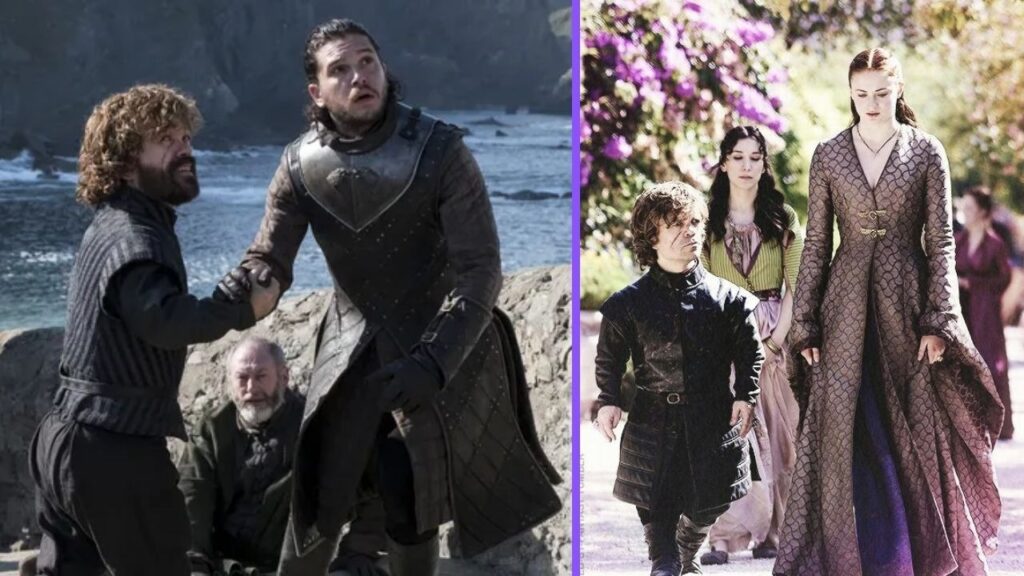
Tyrion and Jon Snow: How about when Tyrion told Jon “Wear your bastardy like armor”? That’s the Lyonel Baratheon spirit. He sees another outsider and, rather than punching down, he helps them up.
Both are positioned as a “fulcrum of balance” in the narrative. They serve as a reminder that even in a savage system of feudalism, there are those who value justice and human connection more than they do ancestral legitimacy.
3.The Rage Hidden Behind the Fun
Don’t be deceived by the laughter. These guys get offended, they burn the house down.
Lyonel had been a staunch loyalist to the Crown until the Prince reneged on a marriage pact with his daughter. To Lyonel, that was no mere scheduling conflict – it was a snub to the honor of House Baratheon. He immediately proclaimed himself “Storm King” and raised the sword.
Sound familiar? Throughout his life, Tyrion had tried to be a “loyal” Lannister, but a life of being viewed as a curse by his father eventually forced him to pick up a crossbow and flee to a ship heading to Daenerys Targaryen. Both men take up arms against the crown not because they desire it, but because they are sick and tired of being overlooked and underappreciated.
4.The Proto-Robert
For the Baratheon devotees, Lyonel is the “Golden Age” Robert Baratheon. He’s what Robert would have been if he’d never been made to sit upon that uncomfortable iron throne. He’s blunt, he’s loud, and he’s “confused when he is not at war.”
But Lyonel had a covering of empathy that Robert ultimately lost. By wedding a Targaryen princess to his family line to end his rebellion, Lyonel actually granted the “blood claim” that Robert would subsequently use to ascend the throne. Even in his defiance, Lyonel was shaping the future of the Seven Kingdoms.
In the end, characters like Lyonel and Tyrion are really important because they allow us to see the “human” in a show that’s so often about dragons and ice zombies. They teach us that the most lethal weapon in Westeros isn’t a Valyrian steel sword—it’s the capacity to stare down a bleak, authoritarian regime and chuckle at its absurdity.
Striking Lyonel hurls a rival’s helm into a thumping audience, and Tyrion uses his superior intellect to best his sister on the Small Council — such “friendly” outliers keep reminding us that as an outsider, you get a vantage point the “great lords” will never have. They are the heart of the story, even if the story does its damnedest to shatter them.
Fandomfans is a platform where you can get deep theories on characters of your favorite movies and series.
Babita
Articles Published :
25
Babita is Fandomfans Editor, experience in managing content. Her focus in general movies and web series. She is having a deep interest in TV shows and 90s movies - particularly Lord of the Rings, Harry Potter, & Rom-Com. Babita also covers psychological thrillers and major releases in current time and concern with deep interest in them.
The Aisle: Where West Wing Idealism Meets the Cruel Intentions of Gen Z –D.C.
Discover The Aisle, a Netflix political drama exploring Gen Z drive, pandemonium, and personal strife as idealism confronts the realities of D.C. bomb.
For a generation that grew up on the high idealism of rush-walking courtiers of The West Wing, the prospect of a new political drama — The Aisle is in making at Netflix, is enough to make any TV buff muster a moment of excitement. But this is more than just a nostalgic return to D.C. policy wonkery and impassioned monologues.
Netflix’s new series, guided by seasoned hand The West Wing’s Executive Producer John Wells along with the unique, contemporary sensibility of writer/showrunner Phoebe Fisher, is positioned to be something quite different. It promises to be a ruthless and stunning mash-up of political pedigree meets Gen Z disbelief and the show that could reinvent the D.C. drama for a new era.
Why This Story of D.C. Feels Different From Anything We’ve Seen
The central creative tension is the collision of these two powers. While the details exclusively comes from the Deadline, John Wells has the DNA of a romanticized Washington, with existential stakes and staffers (while flawed) usually believe in the system they work for. His participation confers upon The Aisle a legitimacy and framework based on the finest political fiction of the past 25 years.
Viewers have faith that he can bring them the intricate gears of government, the manic circuitry of the Oval Office’s sphere, and the pure brain power needed to nudge the legislative dial. But the world That The Aisle is meant to live in is not the world of the Bartlet administration.
Enter Phoebe Fisher who co-showruns the most recent Cruel Intentions series and has a background in snappy, character-driven YA writing, bringing in the vital, humanizing grit. The heart of The Aisle is more obviously the baby political operatives — the 20-somethings who are as obsessed with policy as they are crippled by ambition and lost in their personal lives.
The Young People at the Heart of The Aisle — Flawed, Driven, and Trying to Survive
The title, The Aisle, plays off the obvious political divide, but the real idea is the moral aisle that every young staffer has to hustle down. These characters aren’t policy wonks yet, they’re the assistants, interns, junior press secretaries burning out on caffeine and cutthroat drive. The sense of ethics, throw away relationships, and sometimes even your mind is what can be lost in the cost of entering this field is something they understand.
Fisher’s writing is also expected to infuse the necessary grittiness into this world of workplace intrigue, secret romances and savage rivalries that typically don’t survive the policy-centric episodes of traditional D.C. dramas.
The outcome, as reports have suggested, is a concoction being billed as “The West Wing meets HBO’s Industry.” Wells serves as the majestic backdrop and the six-day-a-week heartbeat of the Capitol, the soaring architecture of the Capitol and the rhythm of governance that Fisher populates that space with messy, human, and often heartbroken inhabitants. The snappy, walk-and-talk idealism descends to panic attacks in the bathrooms of congressional offices.
How Personal Messiness Becomes Part of the Political Game
The series will follow how a new generation born out of political cynicism has come of age and learned to navigate a capital city where power is the only real currency and exposing one’s self is a fatal weakness.
This split attention screen allows The Aisle to tackle two important contemporary political issues. Director Balint’s second narrative feature, The Aisle is a taut, darkly humorous thriller set in the Washington D.C.
First, the generational conflict but what takes place when Gen Z staffers motivated by social justice and climate doom comes to power in the same systems constructed by Boomers and Gen X?
Second, the merciless collision of the personal and the political: the relationship that ignites during a midnight rewrite session, the betrayal that costs a staff member both a romantic partner and a job, and the soul-crushing discovery that sometimes the best thing for one’s career is also the most ethical decision.
What Makes The Aisle Hit So Close to Home for Today’s Audience
The Aisle is not only about saving democracy, it’s about saving yourself from the machine. Combining Wells’s structural brilliance with Fisher’s unsparing gaze into the inner lives and emotional compromises of young professionals, the series could become the defining political drama for a world where idealism is more often a stepping stone to cutthroat ambition.
It’s a show about the grind, the glamour and the ethics-defying run of hell that is a job in the most powerful city in the world.
The Aisle works because it knows something that most political dramas forget: the people scurrying around Washington aren’t superheroes, they’re humans trying not to break apart. John Wells provides the framework and the classic D.C. storytelling heart, but Phoebe Fisher populates that world with real, chaotic, incredibly flawed young adults who are still trying to make sense of who they are while the nation looks on.
In a town where power means everything, the show lets us see what the pursuit of power, even its sacrifice, does to us, to our relationships, to our ideals, and in this case, to our very ideas of who we are. And that’s what makes The Aisle so honest. It’s more than just politics. It’s the emotional burnout of wanting to matter in a world that keeps demanding more.
Alpana
Articles Published :
164
Alpana is Fandomfans Senior Editor across all genres of entertainment. She evolved in the media industry since a very long time, she manages the content strategy and editing of all the blogs. Her focus on story development, review analysis, and research is well-equipped that ensures every article meets the standards of accuracy and depth.