Home > Movies > ‘Avatar: Fire and Ash’ World Premiere Introduces a..
‘Avatar: Fire and Ash’ World Premiere Introduces a Darker, Unpredictable Pandora
The Avatar: Fire and Ash world premiere reveals the Ash People, a violent new Na'vi tribe, and a dark, unpredictable Pandora. Releasing on 19th December 2025.
If you thought Pandora was just about bioluminescent forests and spiritual connections with whales, James Cameron is about to torch that image, literally. Hell, we’ve been falling in love with the Na’vi for more than a decade. They are the good guys, the protagonists, the noble-savage environmentalists who are being persecuted by evil, rapacious humans.
However, the Avatar: Fire and Ash World Premiere, this new film of the franchise is coming out on 19 December 2025, which is going to turn the whole series on its head. It’s not only all about “save the trees,” it’s a journey into the moral tangle of a world we thought we knew.
For the first time, the danger is not just falling from the sky, but arising from Pandora itself.
Introducing the Ash People – Pandora’s Most Dangerous Tribe Yet
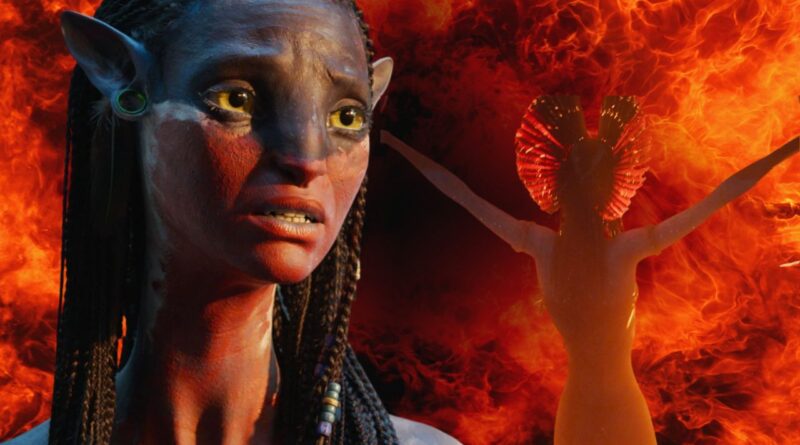
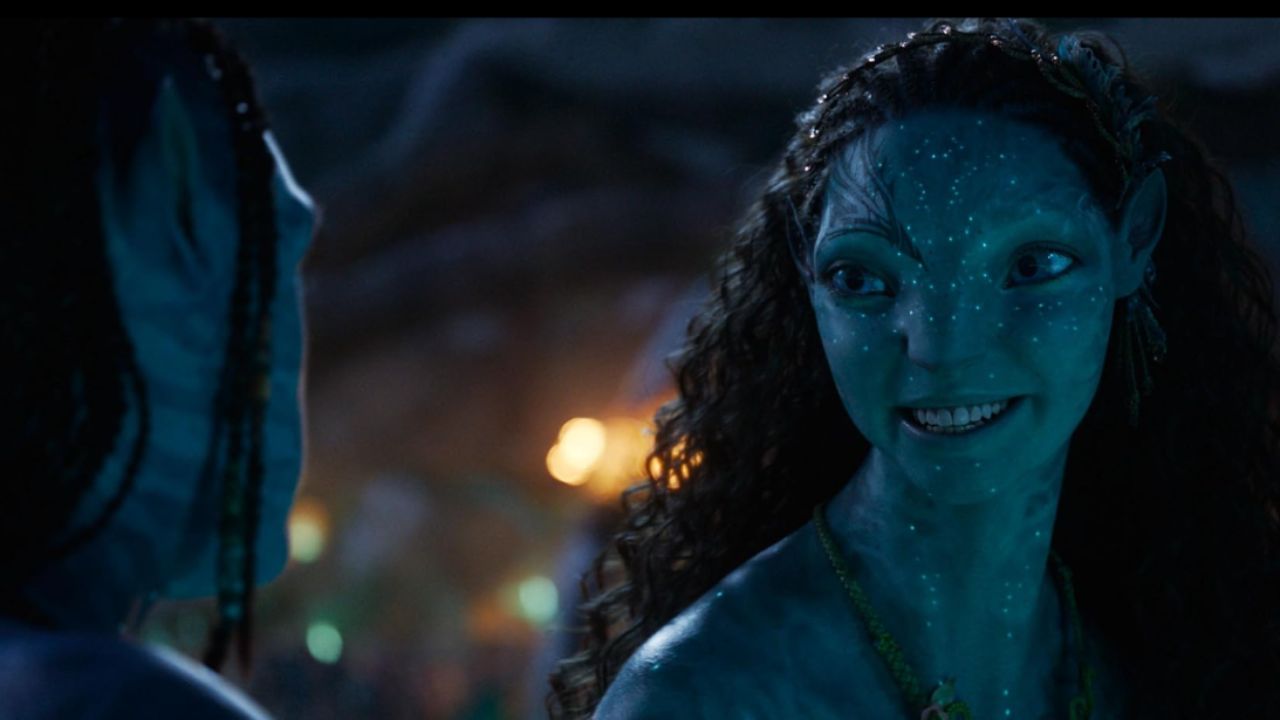
The biggest revelation at the world premiere of Avatar 3 events is the introduction of the Ash People. Residing in the volcanic wastelands of Pandora, this mysterious new tribe represents a total opposite to the Omatikaya, who live in the forests, and the Metkayina, who dwell on the ocean reefs.
Image credit: IMDb
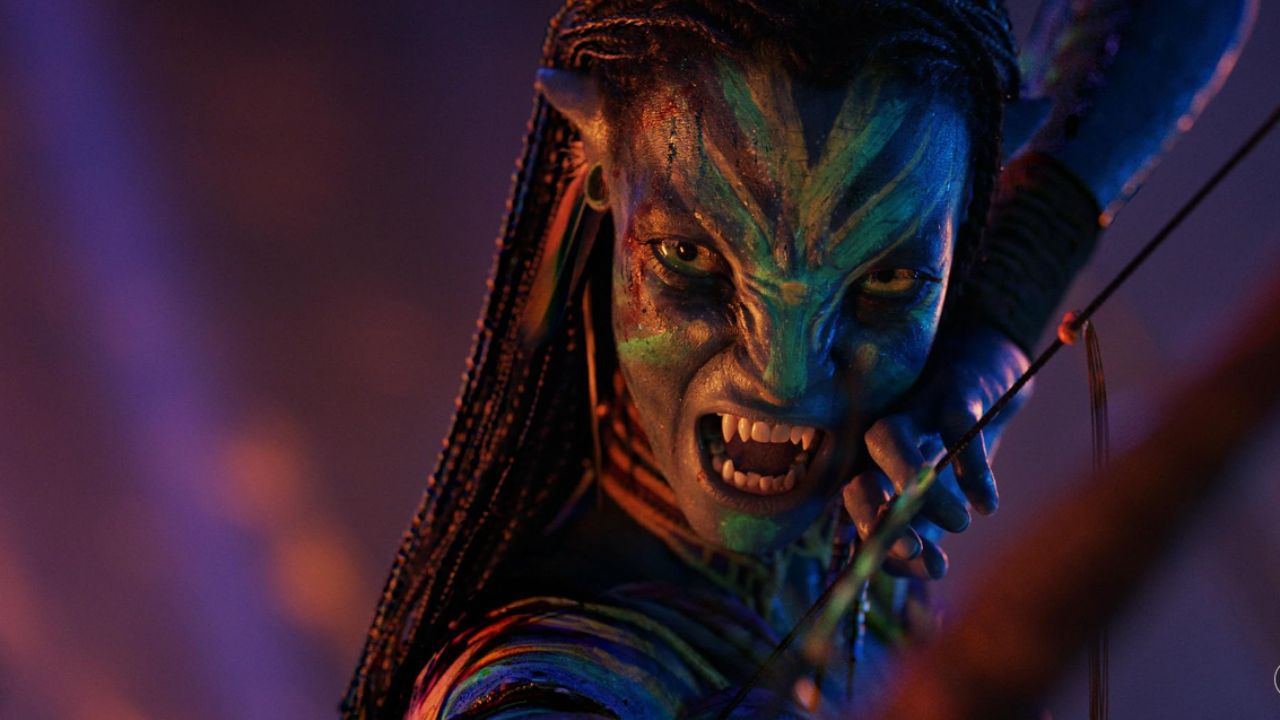
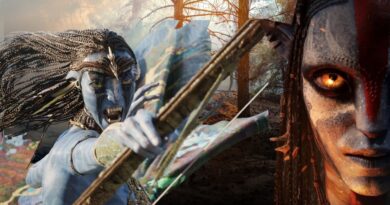
Under the leadership of the cruel Varang (Game of Thrones alum Oona Chaplin), the Ash People are fire incarnate. Cameron has been clear on what this means, if water symbolized adaptation and flow, fire symbolized rage, violence, and destruction. These are not the peaceful natives we’re accustomed to. They’re aggressive and territorial, and maybe most shockingly, they could be the antagonists of the story.
It’s a superb narrative turn. Cameron introduces us to a “bad” Na’vi clan, thus complicating the simple Nature vs Technology binary established in the first two films.
It raises the question, What if the native population is as divided and as flawed as the invaders?
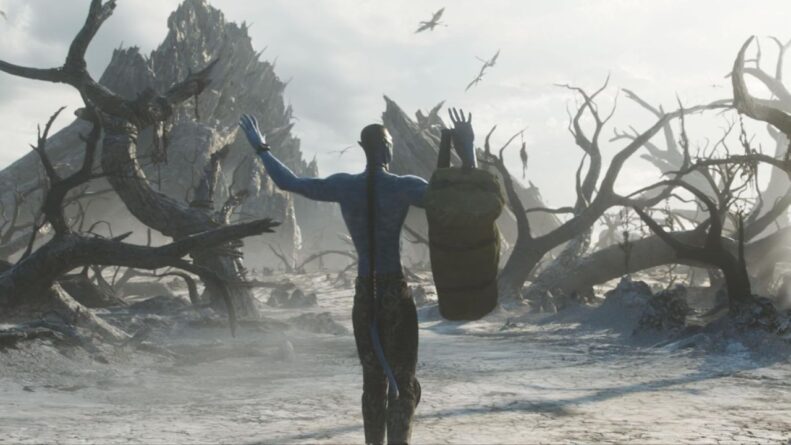
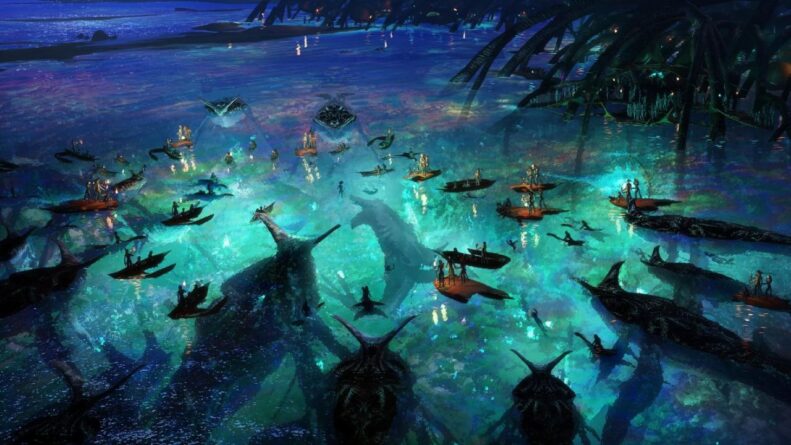
Visually, we’re in for a surprise. The cool blues and greens are historical. Concept art and trailer descriptions show a terrain covered with charcoal blacks, melting lavas, and blinding smoke. The Ash People themselves are said to have a unique appearance — ghostly, ash-covered skin, perhaps even physical mutations evolved for life in a volcanic environment.
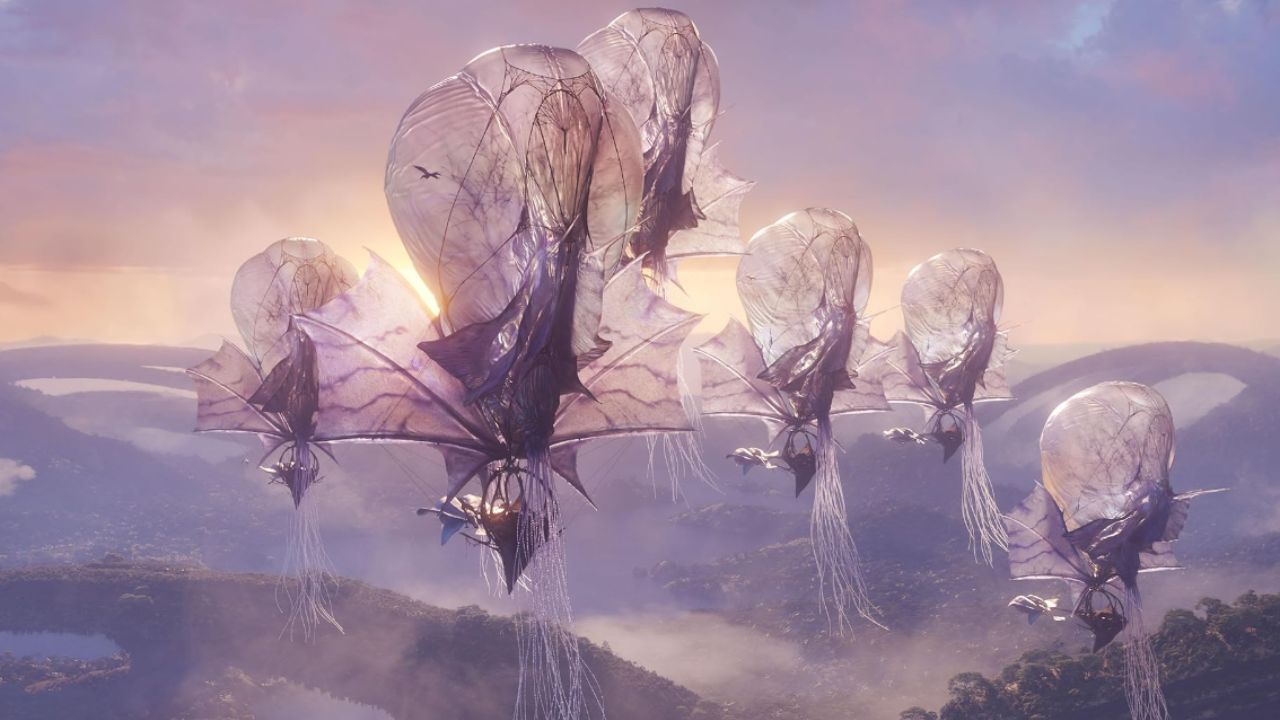
Volcanoes are not the full story. The film introduces the Wind Traders as well. This nomadic group traverses the air over Pandora. New zones range from oceans to molten mountains and open skies. Pandora makes for a real, profound world. Not just a plain movie backdrop.
Neteyam’s Death Still Haunts the Sully Family
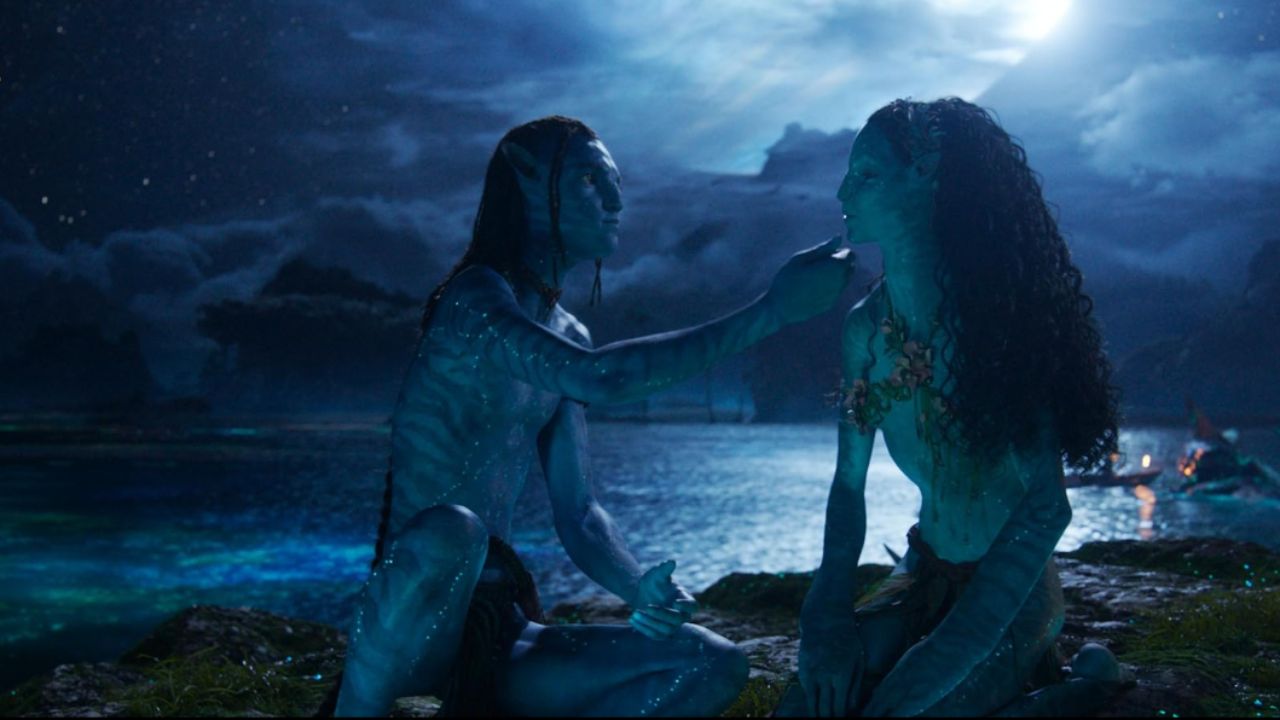
Let’s not lose track of that point. The Way of Water ends with an agonizing blow—the death of Neteyam. Fire and Ash now with Jake and Neytiri against the crushing weight of grief. The title itself hints at this theme, “Ash” is more than just volcanic debris, it’s what remains after a fire has burnt through. It’s like an intermission in grieving.
Image credit: Fandomfans
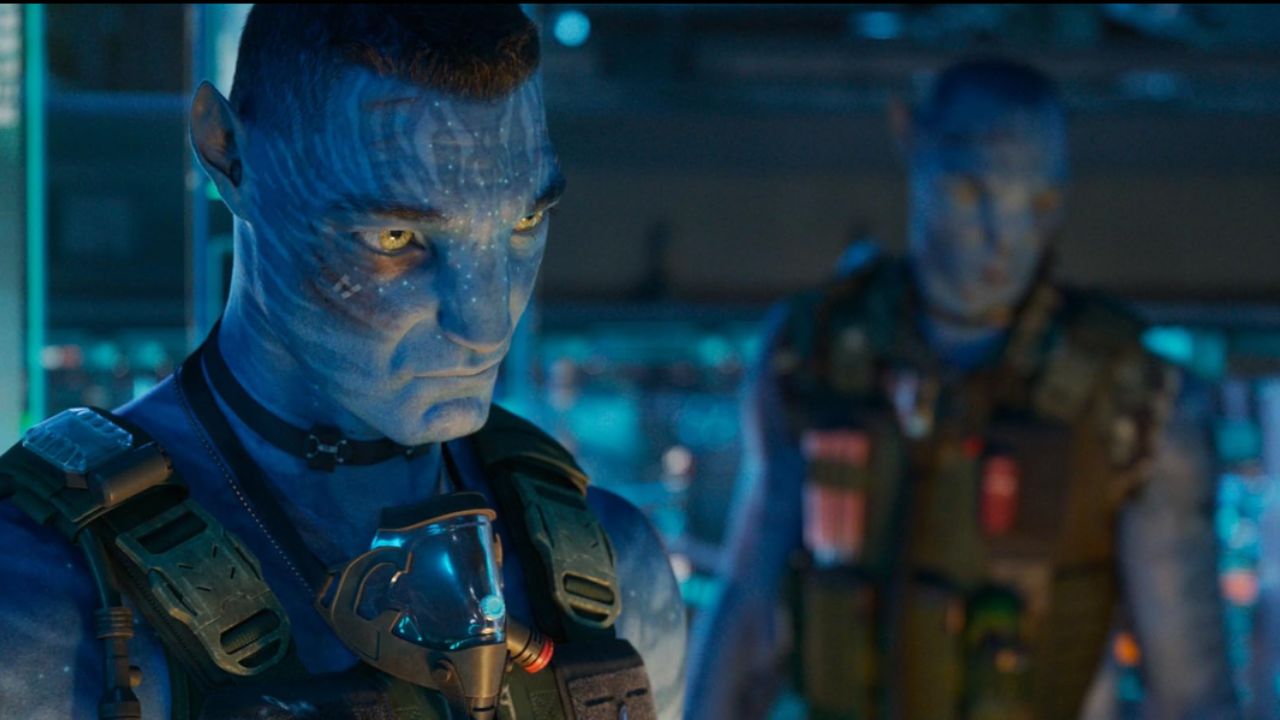
Rumors suggest this grief will drive a wedge in the Sully family, potentially pushing characters toward darker choices. And then there’s Colonel Quaritch. Now fully embedded in his Avatar body, he’s no longer just a soldier following orders.
He’s undergoing an identity crisis, and some theories suggest he might find a strange kinship with the aggressive philosophy of the Ash People. Could we see a team-up between the RDA and the Fire Clan? It’s a terrifying possibility.
Avatar 3 Feels Bigger, Darker, and More Exciting Than Other Two Films
James Cameron never plays it safe. He held off on the sequel for 13 years because the technology needed to catch up to his vision. Now, just three years after The Way of Water, he’s coming with Fire and Ash, suggesting an — no pun intended — fiery confidence in the story.
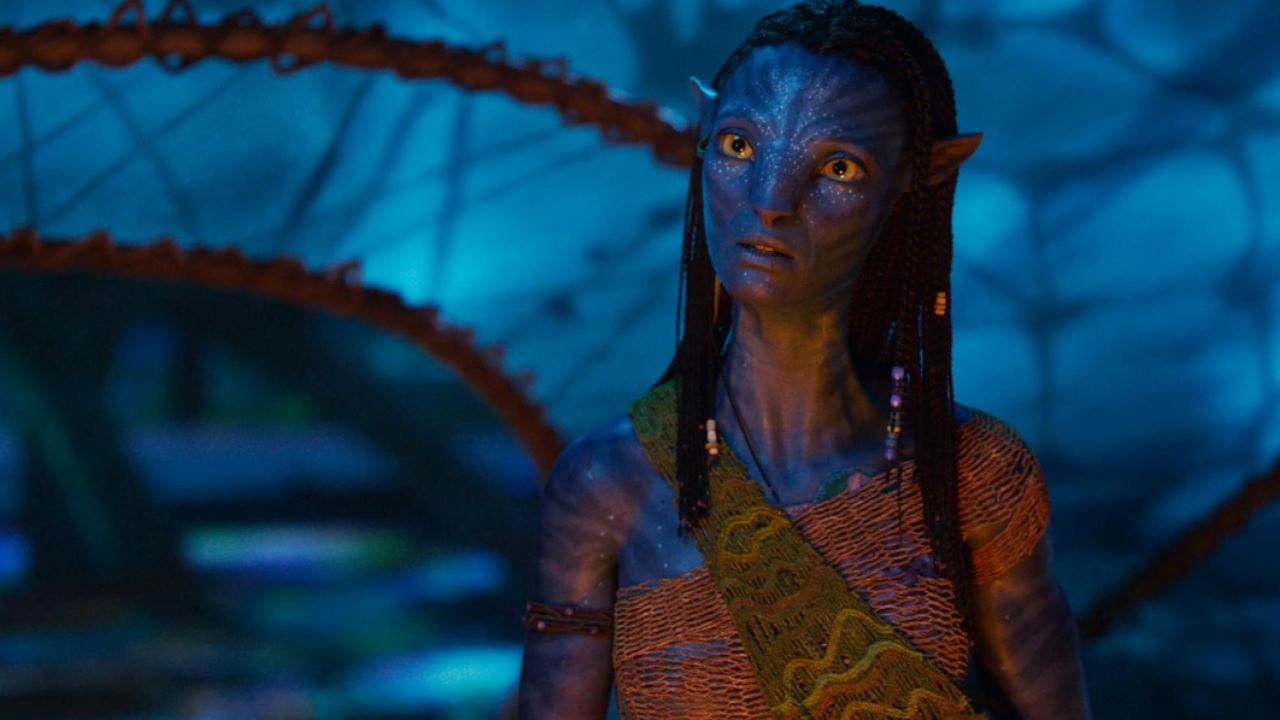
Image credit: Fandomfans
He has vowed to “break the mold” and reveal that Pandora, like Earth, is “both a place of stunning beauty and unimaginable savagery.” As we slowly begin our journey to December 2025 one thing is becoming clear that the war for Pandora is not black and white. It’s in shades of grey and red.
So you can pack your rebreathers and make it hot. Pandora is burning, and we get a front-row seat.
Conclusion
Avatar: Fire and Ash is more than just another sequel — it is a reimagining of Pandora. New tribes, darker feelings, volcano landscapes, and morally ambiguous conflicts, James Cameron is bringing the series to new levels. The bravest, most intense chapter of Avatar is set to deliver in December 2025.
Fandomfansbring you the latest updates on your favorite movies, breakdown analysis on premieres and trailers, and in a simple way to keep your mood joyful.
Babita
Articles Published :
25
Babita is Fandomfans Editor, experience in managing content. Her focus in general movies and web series. She is having a deep interest in TV shows and 90s movies - particularly Lord of the Rings, Harry Potter, & Rom-Com. Babita also covers psychological thrillers and major releases in current time and concern with deep interest in them.
Benedict Cumberbatch has an extraordinary double billing in Hollywood right now. He’s in, a cornerstone, really, of Marvel’s almighty cinematic universe (MCU). On the flip side, he has a solid independent film career, as evidenced by his upcoming film, The Thing With Feathers. That balance of blockbuster dominance and arty experimentation speaks to his versatility, and the power of his star.
Reports indicate that the MCU is the financial foundation and global visibility for Cumberbatch, but projects like The Thing With Feathers are vital to keep his critical worth alive. This file claims the actor is now carrying out a “legacy management” approach, wielding clout to influence the creative direction of his blockbuster commitments and demonstrated by his producing role and director selection preferences while also going back to his experimental, literary roots in adaptations.
The Thing With Feathers
The Thing With Feathers is a departure from the visual effects-laden projects that Benedict Cumberbatch has been attached to of late. From acclaimed novelist Max Porter’s bestselling novella Grief Is the Thing with Feathers, the film preserves the book’s idiosyncratic, poetic form and surreal atmosphere.
The plot revolves around an unnamed London father (Dad) and his two sons as they struggle to survive in the wake of the sudden death of their wife and mother. Into their mourning home comes Crow— a frenzied, mythic character who says he’ll remain until the family no longer requires his presence. Crow is the physical manifestation of grief, so for Jack, it’s the personification of losing his wife.
Image credit: Fandomfans
Helmed by Dylan Southern, it employs a dreamlike non-linear narrative to bring Porter’s emotional, stream of consciousness novel to life on the screen, mixing stark household realism with surreal horror.
Cast Highlights
Benedict Cumberbatch as Dad – a profoundly raw portrayal of mourning, more in line with his work in Patrick Melrose than Doctor Strange.
David Thewlis as Crow – a sinister but bright, guardian and bully.
Richard and Henry Boxall play the brothers, and this is the one that really did engage me emotionally.
The movie doesn’t treat grief as hushed sorrow, but as frenetic, cluttered, and terrifying. Crow becomes the father’s Jungian shadow, making him face feelings he seeks to escape – turning the tale into a psychological thriller where the real beast is internal suffering.
Early reviews For The Thing With Feathers
Image credit: Fandomfans
Cumberbatch’s acting is considered to be one of the best if not the best. Praise for him speaks of him being in “terrific shape” and turning in a performance that is “confidential and emotional”. The Guardian also notes that:
“While the attention is on the home drama the film is involving and
affecting.”
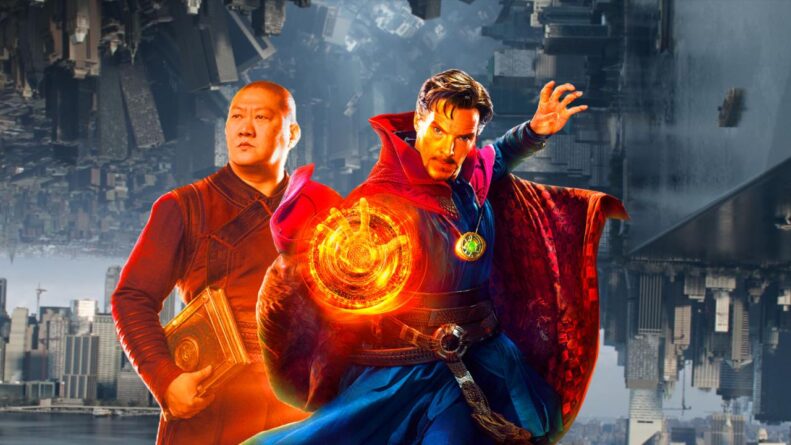
The creative leadership of Doctor Strange 3
Cumberbatch is reportedly taking a more “hands-on producerlike” role who will be able to handle the visual spectacle, with the film’s intellectual depth in the making of the film.
“very protective of the character and wants a director” —He said
The integration of Doctor Strange into the wider Avengers lineup
Cumberbatch gave an interview in early 2025 in the dance where she said she would not be appearing in Avengers: Doomsday (2026), sparking rumors that the character would be written out. However, in the The Thing With Feathers premiere at Sundance he flatly corrected reports.
“I got that wrong, I’m in the next one.” —Cumberbatch said and also joked to fans,
in reference to the tight Non-Disclosure Agreements (NDAs) and secrecy culture that Marvel instills, which frequently has its actors feed false information to the press to protect surprises.
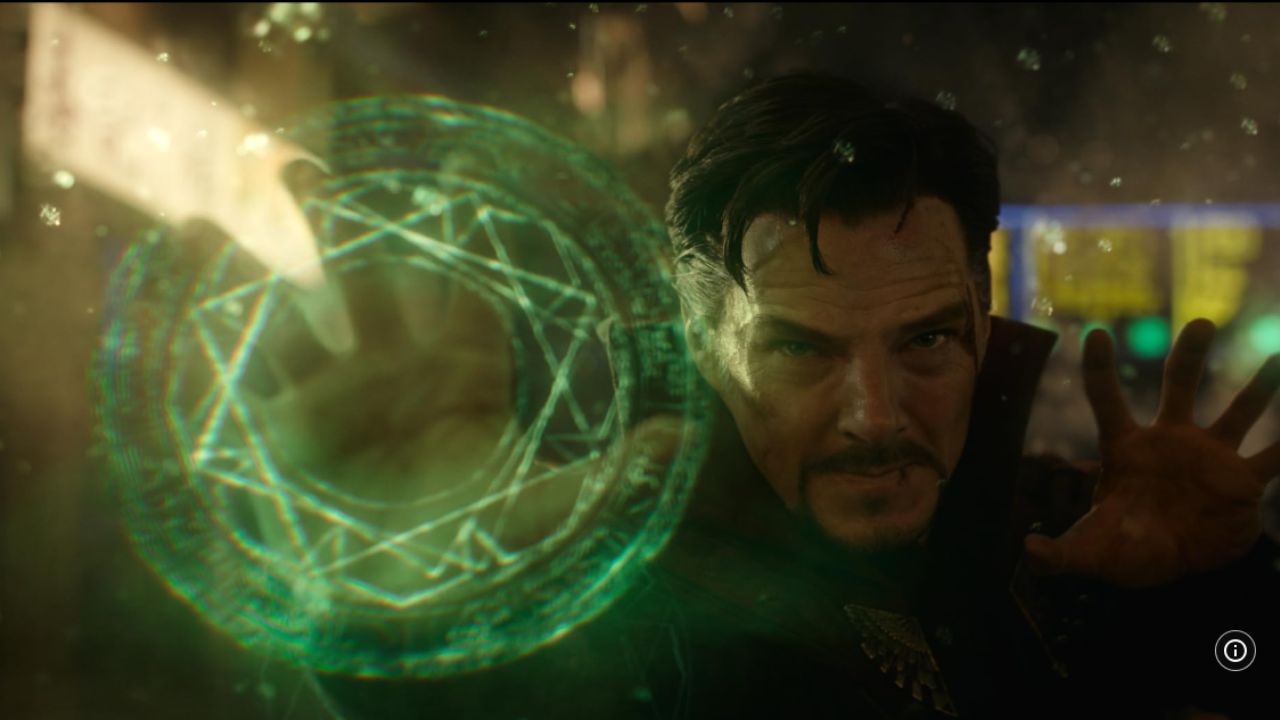
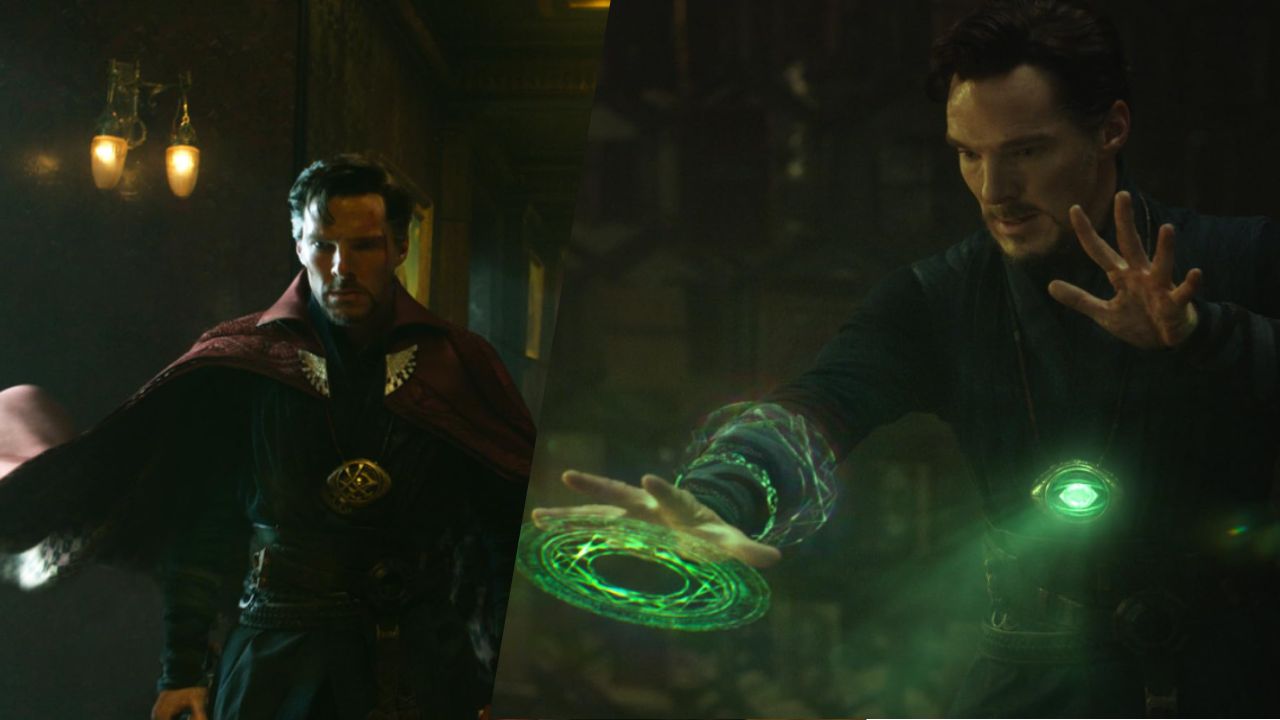
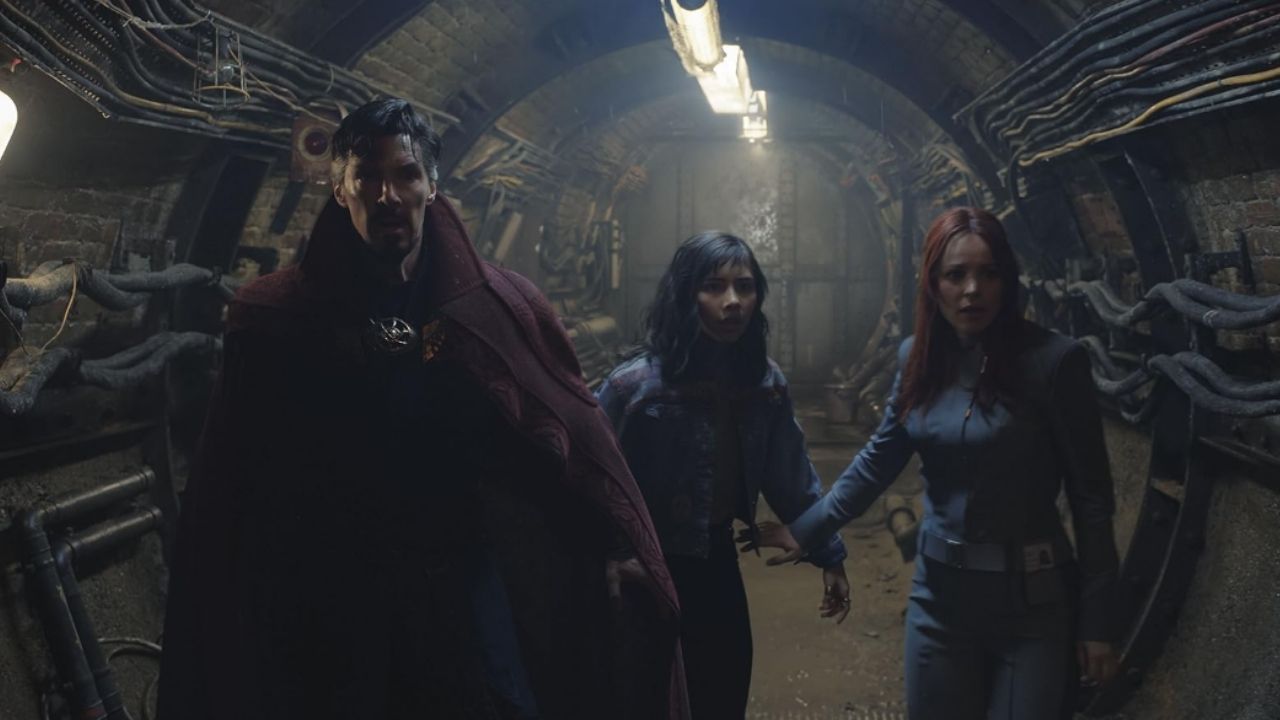
It is now confirmed that Doctor Strange will appear in Avengers: Doomsday (2026) and will have a “huge” role in Avengers: Secret Wars (2027).
Image credit: Fandomfans
Strange’s place in Secret Wars should be similar to his prominence in the comics, acting as second-in-command (“Sheriff of Agamotto”) to Doctor Doom, leader of the multiverse’s remains (Battleworld). Robert Downey Jr., reprising his role for the first time as Doctor Doom from the MCU, the dynamic between Cumberbatch and Downey Jr. (who also starred together as Sherlock Holmes and Iron Man, respectively) recently tops for the studio.
Conclusion
The next few years are crucial for Benedict Cumberbatch. In a London flat in “The Thing With Feathers” audiences will also get to see him unmasked and fighting a figurative crow. This part reconfirms his dramatic obama essay credentials and acts as a Salto dancer à la spectacle au lieu de suivant.
At the same time, the Marvel Cinematic Universe machine is turning toward him. The active development here is Doctor Strange 3, strongly based on the “Time Runs Out” storyline, and his already confirmed appearance in Avengers: Doomsday, marking him as the story lead of the Multiverse Saga’s concluding chapter. Bird-themed surrealist or multiversal terrors: on both, Benedict Cumberbatch is at the center of two vastly different though thematically connected cinematic universes.
Fandomfansis a platform to provide quick updates on entertainment, anime, reviews & celebrity news. Our goal is to bring you valuable and accurate information on your favorite entertainment buster.
Mariyam
Articles Published :
76
Mariyam Khan is Fandomfans Content Writer and providing reports and reviews on Movie Celebrities, and Superheroes particularly Marvel & DC. She is covering across multiple genres from more than 4+ years, experience in delivering the timely updates.
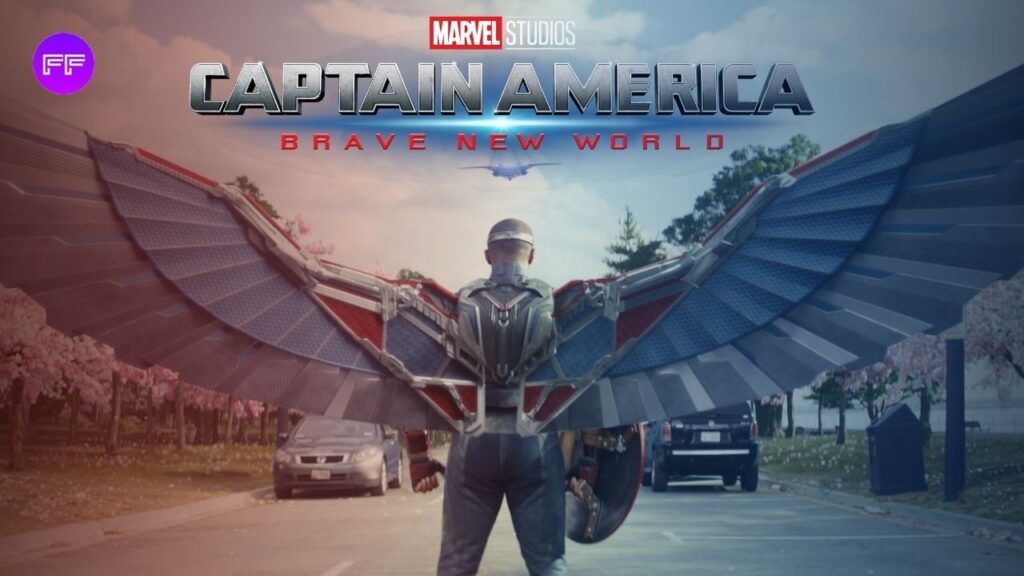
Everything About Marvel’s Captain America: Brave New World
Get ready for Captain America: Brave New World! Sam Wilson faces global crises, new threats, and the discovery of adamantium.
Written by:EmmaLast Updated: November 22, 2025, 7:58 am
Published: July 12, 2025, 6:07 am
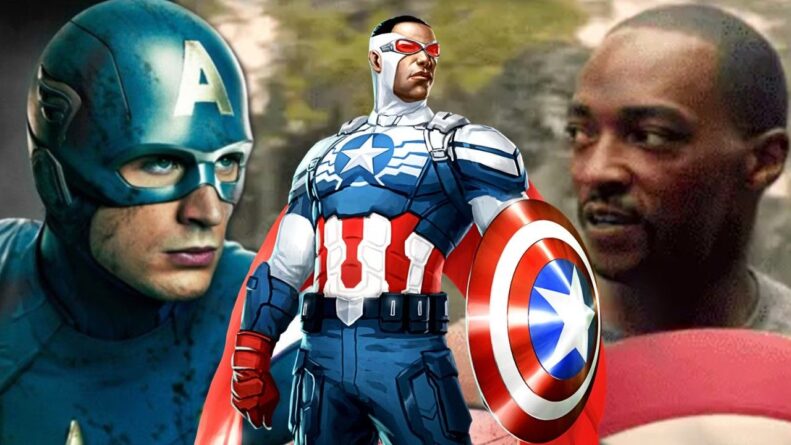
Marvel fans, brace yourselves! Captain America: Brave New World is on the way! This film will pick up where Sam Wilson left off as Captain America. It is set after The Falcon and the Winter Soldier TV show. When you see how new Captain Sam takes to the air!
It will be packed with action and political drama in the midst of global disputes. The world is evolving and new threats are on the rise. Sam needs to earn his stripes as Captain America.
Synopsis of Captain America: Brave New World
Sam Wilson is now Captain America. He replaced Steve Rogers in the role. Now he’s just trying to get used to the job. After a mission in Mexico with Joaquin Torres, he visits the White House. There he meets the new U.S. President, Thaddeus Ross.
Ross is seeking to reinstate the Avengers Initiative. But something happens to scupper the scheme: an assassination attempt. It really goes off the rails at a global summit. Sleeper cells, including Isaiah Bradley, strike at world leaders. Chaos breaks out. Sam realizes a deeper conspiracy is at play.
Ross is unimpressed, but Sam makes his move. He emerges to seek out the true masterminds. The road he must travel is perilous, but he is prepared. Captain America has to save the world again.
Cast and Characters of Captain America: Brave New World
Image Credit: 4K Wallpapers
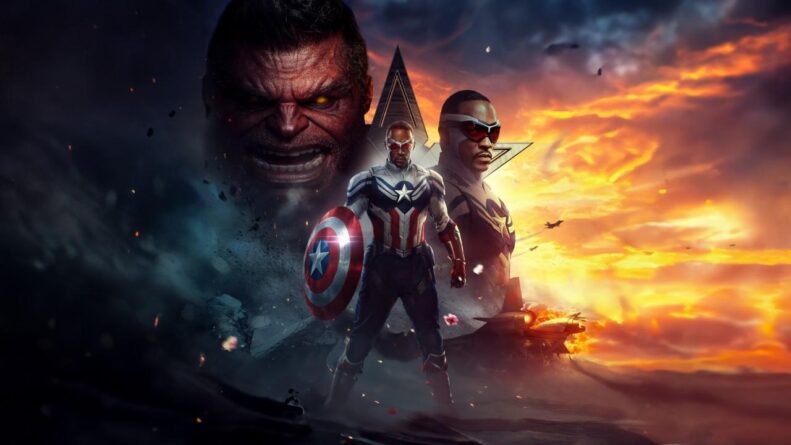
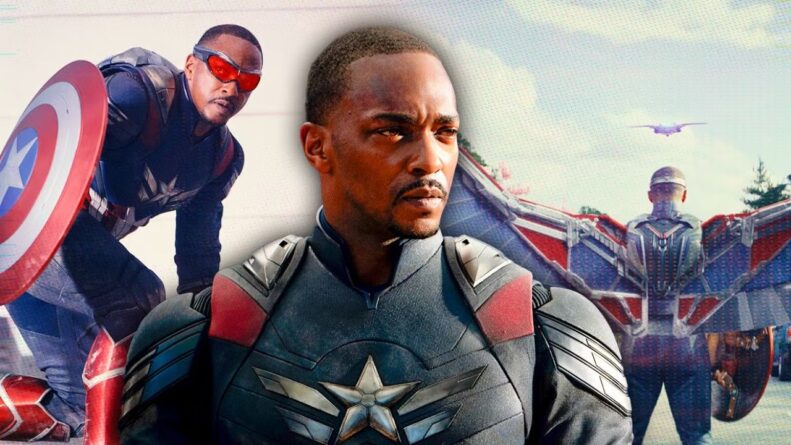
Anthony Mackie as Sam Wilson / Captain America: Sam Wilson is the new Captain America. He succeeded Steve Rogers in The Captain. He has to earn his stripes as a captain. He meets new perils and obligations. His quest will try his mettle.
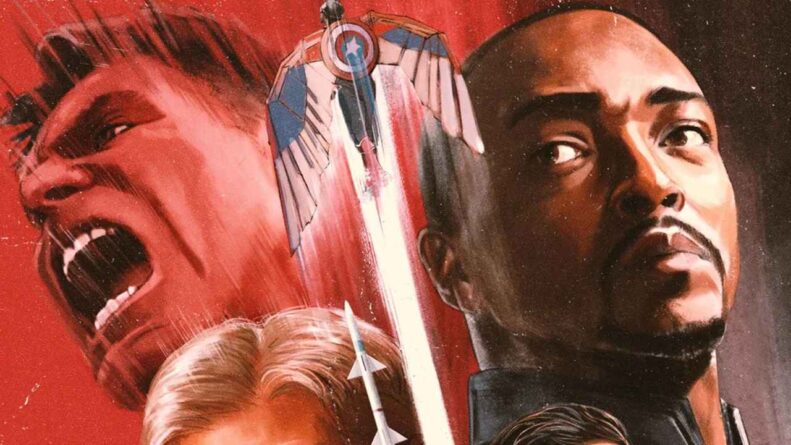
Harrison Ford as Thaddeus “Thunderbolt” Ross: Ross is now the U.S. President. He wishes to discuss international pact. The ties of his past cause him problems. He additionally combats a strong criminal organization. Here, he becomes the Red Hulk.”
Danny Ramirez as Joaquin Torres / Falcon: Joaquin Torres is the right-hand man of Sam Wilson. He reprises the role of Falcon. He’s with Sam on every job.
Carl Lumbly as Isaiah Bradley: Isaiah Bradley is a super-soldier. His secret history is revealed. This causes anarchy at a world meeting.
Shira Haas: Still unknown what the role is.
Tim Blake Nelson as Samuel Sterns / The Leader: Stern’s return from The Incredible Hulk (2008). He could be considered a pin in the wheel of the whole conspiracy.
Betty Ross is coming back to the MCU. She has a complicated relationship with her father, President Ross.
Giancarlo Esposito: They didn’t say who he was playing. But the inclusion of his character suggests a formidable new presence.
Xosha Roquemore: Unknown role.
Jóhannes Haukur Jóhannesson: Also unknown who he’s playing. Fans are excited to see his character.
One big breakthrough changes the equation. Scientists discover adamantium, a strong metal, on Celestial Island in the Indian Ocean. The insular landmass is the encased form of the Celestial Tiamut. President Ross dubs adamantium “the discovery of the millennium.”
He thinks it will shift the balance of world power for ever. Ross craves the adamantium. He intends to share it with the allies of America. He calls on world leaders to negotiate a treaty. But he’s a bit too ambitious for his taste. There are many nations to claim their share.
Others regard it as a danger. The criminal element quickly becomes interested. They desire adamantium for their own use. They know its power can alter the world. They’d do anything to have it. The battle for power starts.
Image Credit: blackxperience
Sam Wilson gets caught in the middle. He has to prevent deadly forces from obtaining adamantium. He also wonders if it is ethical to use such a potent material. Should one country have control over it? Can it be put to good use?
This fight is too big for one man. It’s about power, politics, and responsibility. Sam needs to make a choice as to what is right. He must battle to save the world. The stakes have never been higher. The world is watching.
Production and Development of Captain America: Brave New World
This is a Julius Onah queasy thriller, so hang on. Screenplay by Rob Edwards, Malcolm Spellman, Dalan Musson, Onah, and Peter Glanz. The film was produced by Kevin Feige and Nate Moore. Louis D’Esposito and Charles Newirth were the executive producers.
The title of the film was changed from New World Order to Brave New World partway through production. Reshoots took place between May and November 2024. Matthew Orton came on board to polish the script.
Themes and Expectations From Captain America: Brave New World
Image Credit: CBR
Captain America: Brave New World is anticipated to tackle the following big ideas:
The Burden of Leadership: Sam Wilson has the burden of being Captain America. his choices are difficult and hurdle him constantly. The world demands that he lead with strength and wisdom. Political agents seek to dictate what he can do.
Geopolitics: The world is volatile and fractured. Countries battle for influence and oil. Sam Wilson is taking over in what is already a complex political game. He needs to manage sensitive international relations. Leaders are hard-pressed to keep the peace.
Conspiracy and Distrust: Sam is up against a deadly web of deception. He is in search of the truth about the worldwide situation. Enemies look like friends. Friends are not even friends. Trust is a precious commodity. Betrayal is always looming. He has to trust his instincts.
Legacy and Identity: Sam Wilson is his own man as Captain America. The world has him compared to Steve Rogers. He encounters skepticism and opposition. He has to earn his place. He accepts the burden of the shield.
Connections to the Broader MCU
This film is a key pillar in the MCU’s Phase Five. It follows The Falcon and the Winter Soldier. Sam Wilson as Captain America Is Back. He must confront new enemies and new worlds.
The discovery of adamantium changes everything. This rare metal is very strong. Countries battle for it. Wolverine, adamantium and the X-Men. This could be the film that introduces them into the MCU.
Images Credit: Comic Book
Familiar characters turn up. Tim Blake Nelson is back as Samuel Sterns. His character is a tease for future stories. Liv Tyler is back as Betty Ross. Her character contributes to the political drama. This movie will define the MCU.”
What to Expect From Captain America: Brave New World?
Critics have shared positive reviews. Anthony Mackie’s performance as Captain America stands out. His portrayal of Sam Wilson impresses many. Herb Scribner from The Washington Post loved the film. He called it an “absolute blast.” He said it brings back the excitement of past MCU films.
Chris Gallardo agreed. He praised Mackie’s chemistry with Danny Ramirez. He also appreciated Harrison Ford’s strong performance as President Ross and Red Hulk. Jazz Tangcay highlighted the film’s blockbuster appeal. She described it as “entertaining” and a great addition to the MCU.
Viewers will get a combination of action and political intrigue. The movie deals with leadership and international tensions. The earth is on the brink of disorder. Adamantium is important in the story. The return of key MCU characters brings a buzz of excitement.
Fans can’t wait to get their hands on it. The film is scheduled to be released in theaters on February 14, 2025. It will define the future of the MCU. Sam Wilson’s path as Captain America continues. This picture has the potential to be a treat of action, drama and compelling storytelling.”
Fandomfanslove diving deep into the worlds that fans obsess over. We deliver breakdowns, character guides, reviews, and updates that help you stay ahead of the curve.
Emma
Articles Published :
36
Emma Miller is an entertainment enthusiast who is focusing on crafting storytelling blogs across all genres. Her special focus is build up around superheroes, thrillers, & historical dramas and movies. Her experience of delivering sharp review analysis and interview podcasts is helping fans to get transparency about their favorite cinema.