Home > Web Series > HBO Hard Launches 2026: Euphoria S3, House of..
HBO Hard Launches 2026: Euphoria S3, House of the Dragon S3, Dune: Prophecy & More
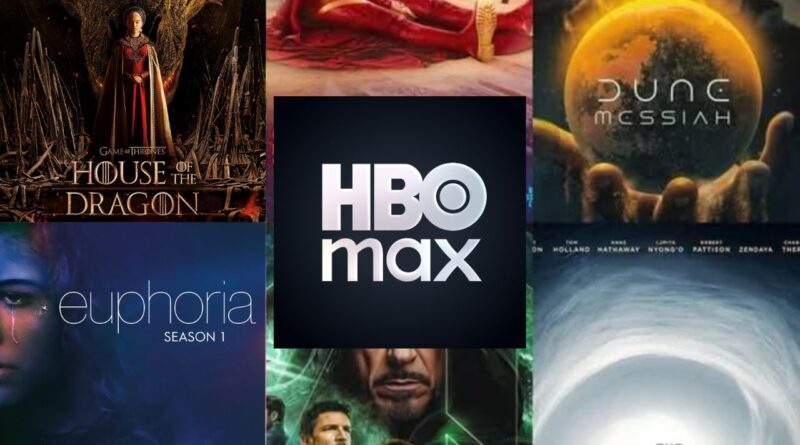
HBO Max Hard Launch 2026 with a hard launch featuring Euphoria Season 3, House of the Dragon S3, Dune: Prophecy and more event TV redefining streaming.
The worldwide streaming market is beginning to experience its most pronounced realignment since the emergence of direct-to-consumer services. The late 2025 acquisition of Warner Bros. Discovery for a mind-boggling $82.7 billion by Netflix practically brought an end to the so-called “Streaming Wars.” Amidst this wave of mergers and acquisitions, HBO Max—downgrading to the less intuitive “Max” branding stages a come-back in 2026 with its content slate. And this isn’t just a programming note. It’s a statement of who they are.
Image Credit: Fandomfans
Instead of pursuing scale, HBO Max is focusing on what it’s done best all along: event television series that rule cultural conversations, spark debate, and seem impossible to skip watching. Led by the return of Euphoria and House of the Dragon, and bolstered by ambitious franchises Lanterns and Dune, the 2026 slate aims to make HBO Max a must-have.
Consolidation Without Homogenization
Netflix–Warner Bros. Discovery combination raised immediate worries about creative dilution. Could HBO’s prestige DNA survive within the world’s largest algorithm-driven streamer? Early signals suggest yes.
Netflix executives have already committed to a federated platform model, so that HBO Max will exist as an independent, curated, prestige destination within the broader Netflix ecosystem. The logic is clear: Netflix delivers on scale and breadth, HBO Max is the home for high-value subscribers who seek auteur-driven storytelling. Rather than a battle with each other inside a siloed business, the two platforms are now a strategic “barbell” — mass appeal on one side, cultural authority on the other.
Restoring the HBO name in 2025 was not simply a cosmetic choice, but a corrective one. The previous “Max” branding watered down a name that is synonymous around the world with quality, trust and ambition. Senior executives were clear that audiences do not want more content, but better content.
Image Credit: Fandomfans
Formerly Warner Communications, it showed a similar myopia in 1984 in its bullying marketing for The Cotton Club. In a similar vein, HBO Max also took a more tongue-in-cheek approach on social media, emphasizing the confusion around its name and inviting viewers to laugh along with it. Instead of undermining trust, this openness eventually boosted it.
The 2026 Slate: Event Television by Design
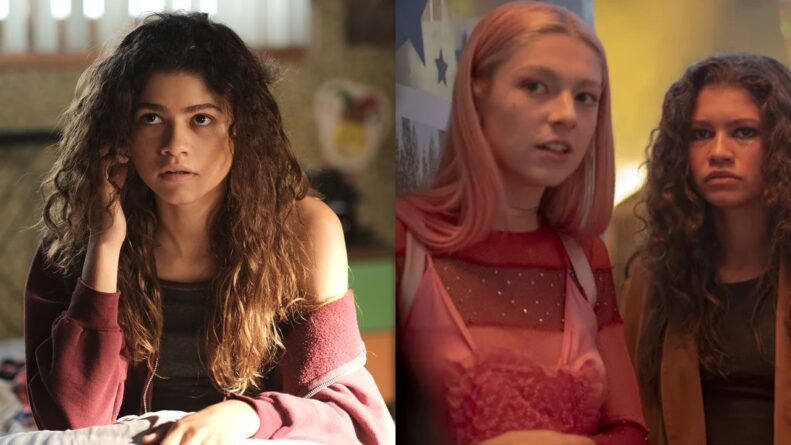
All the signs indicate a strong 2026 for HBO Max. New content will also create considerable disruption. The biggest attraction is Euphoria’s third season, returning after a long hiatus. It leaps forward five years, and dark noir style and twisty, grim plots are still very much in evidence. The show ditches teen drama roots for psych thriller vibes — and it’s a daring change. HBO is at its best when it bets big.
Image Credit: Fandomfans
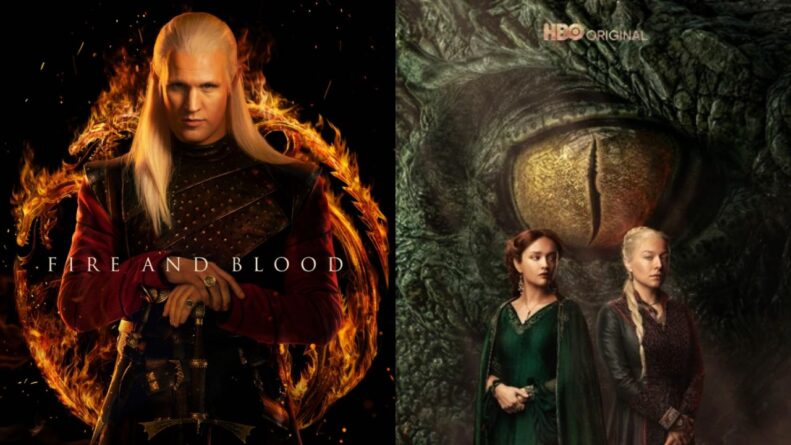
House of the Dragon Season 3 embraces full-scale war. Season 2 was criticized for being too slow, this one will include non-stop fighting, culminating in the technically gargantuan Battle of the Gullet. Every two years may feel like a long wait, but the scale does require it.
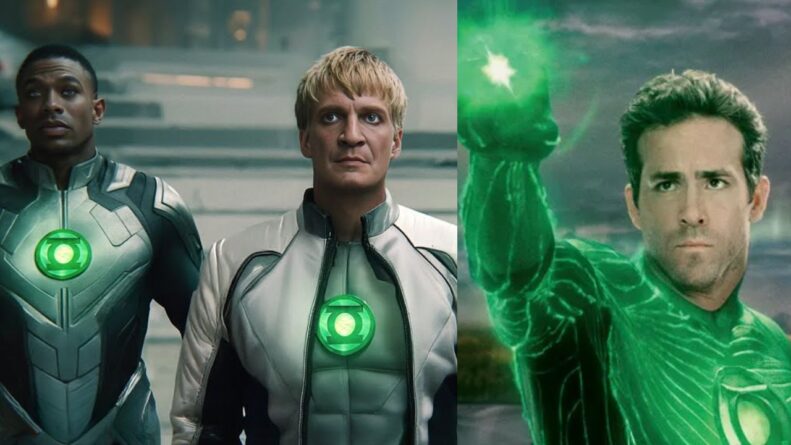
Lanterns marks a DC television genre shift. Designed after True Detective, the series roots cosmic mythology in a gritty rural murder case. It’s less about spectacle and more about tone, character, and atmosphere — an intentional break from superhero excess.
Image Credit: Fandomfans
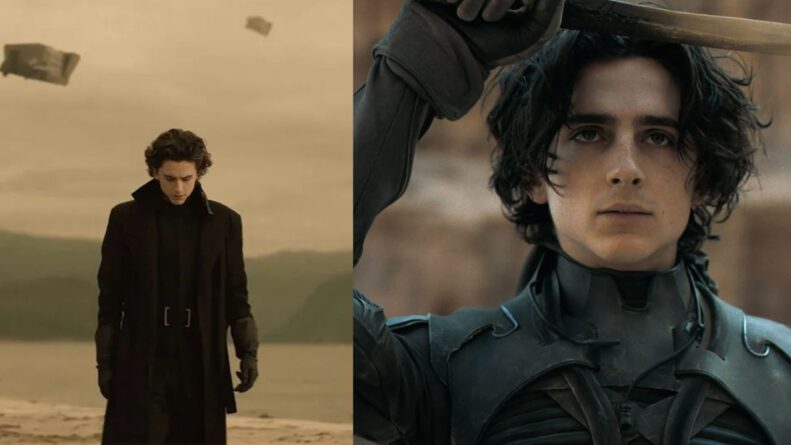
Dune: Prophecy Season 2 is perfectly timed to coordinate with the theatrical release of Dune: Part Three, offering a consolidated “Year of Dune.” This synergy allows HBO Max to ride the cultural momentum of the big screen while deepening franchise lore.
Retention, Rhythm, and Churn Control
Outside of prestige dramas, the 2026 lineup is wisely packed with comedies and procedurals to give subs a reason to keep watching all year. Revivals such as The Comeback, star-powered projects from Bill Lawrence and Larry David, and reliable procedurals like The Pit and Industry mean there are no “dead zones” in the release schedule.
That exact scheduling is a manifestation of what churn psychology—give the viewer a reason to be subscribed every month for your service.
Conclusion
HBO Max’s 2026 plan isn’t “to pour more and more stuff into the market.” It’s about owning attention.
Through its commitment to high-risk reinvention, cinematic scale and high concept/genre-bending storytelling — while also reinforcing the power and prestige of the HBO brand — the service is carving a space for itself as the best-b-value in the entertainment world, at a time when the business world has been consolidated. With competitors presenting their own massive suites of content, HBO Max is making a different promise: Not more. Better. And in the post-consolidation era, that distinction may matter more than ever.
Fandomfansis a platform where you can learn about the next movie and series seasons. Our goal is to deliver cinema reinvention fast and in an understanding way.
Mariyam
Articles Published :
76
Mariyam Khan is Fandomfans Content Writer and providing reports and reviews on Movie Celebrities, and Superheroes particularly Marvel & DC. She is covering across multiple genres from more than 4+ years, experience in delivering the timely updates.
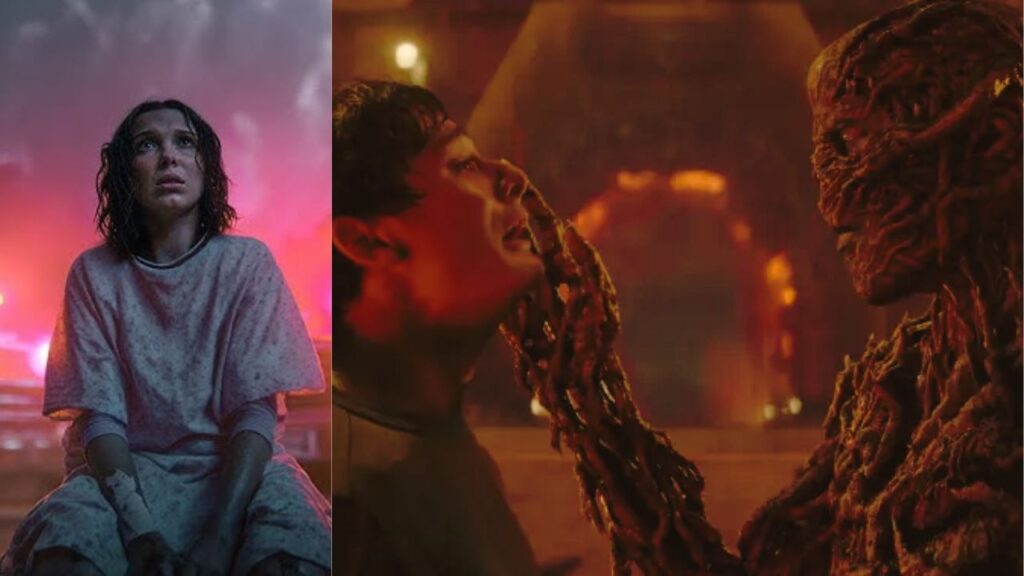
Late 2025 will mark the end for the cultural moment that is Stranger Things Spin-Off. But if you believe the Duffer Brothers are set to turn off the lights, think again. The conclusion of the Hawkins saga isn’t an ending, it is a strategic, high-risk pivot into a new era of franchise management.
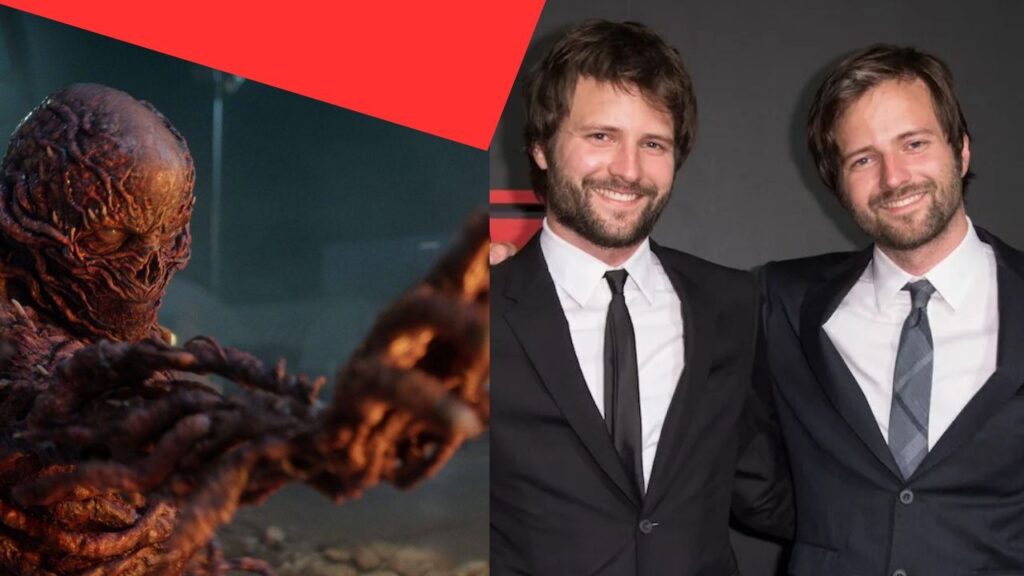
Matt and Ross Duffer, through their production company Upside Down Pictures, are doing something rare in the age of sequels: they are subverting the “nostalgia trap.” Rather than give us a Steve and Dustin road-trip show or an Eleven spinoff, they are going for a “clean slate.”
The Long Goodbye: Dominating the Holidays
First, let’s see how they wrap it up. The Duffers aren’t just dropping the season and letting us binge it over a weekend. They are orchestrating a holiday takeover to capture maximum engagement and control the massive VFX workload the 2023 strikes.
Season 5 Release Schedule:
Release Phase
Date
Content
Volume-1
26/Nov/2025
Episodes 1-4 (The Initial Incursion)
Volume 2
25/Dec/2025
Episodes 5-7 (The Escalation)
The Finale
31/Dec/2025
The Series Finale (The Definitive Conclusion)
In treating these episodes as “eight blockbuster movies,” Netflix sidesteps “churn” (where users subscribe for a month and then leave). It also means that Stranger Things is the dominant cultural talking point for all of Q4 2025.
The “Clean Slate” Strategy
The Duffer Brothers have revealed that their new spinoff will feature “a completely new” story, set in a “different location,” with a “completely new” cast (none of the original series actors). This ambitious leap implies that they want to take the universe to new and surprising places, while giving fans something different to enjoy.
Why ditch the characters we love?
The Budgetary Reality: The original cast are now global superstars with massively inflated market values. A new cast allows the budget to be manageable (Netflix is said to be spending $60 million per episode for Season 5).
Creative Freedom: The Duffers, as quoted, said they want to avoid getting bogged down in the “massive web of lore” that legacy characters have. A clean slate allows them to pass the baton to new creative teams without being chained to previous storylines.
The “Lightning in a Bottle” Effect: They want to recapture that feeling of discovering talent that no one knew about before, like they did in 2016.
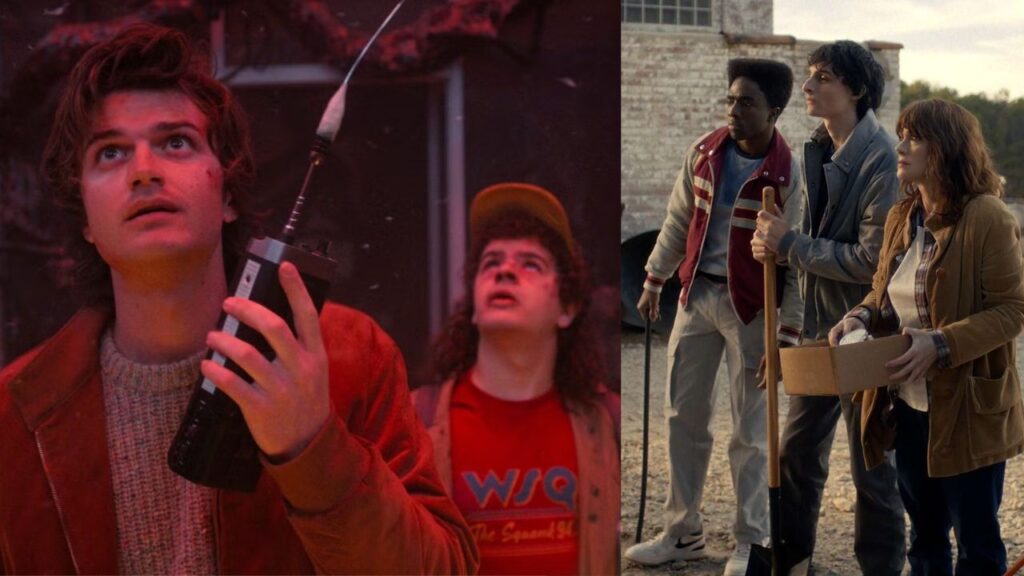
Oddly, Finn Wolfhard (Mike Wheeler) was the sole cast member who predicted this route years ago, which means, despite the rotating faces, the storytelling DNA is still very much intact.
Expanding the Mythology, Not the Town
Since the characters are dead, what connects the universe? The answer is cosmic horror.
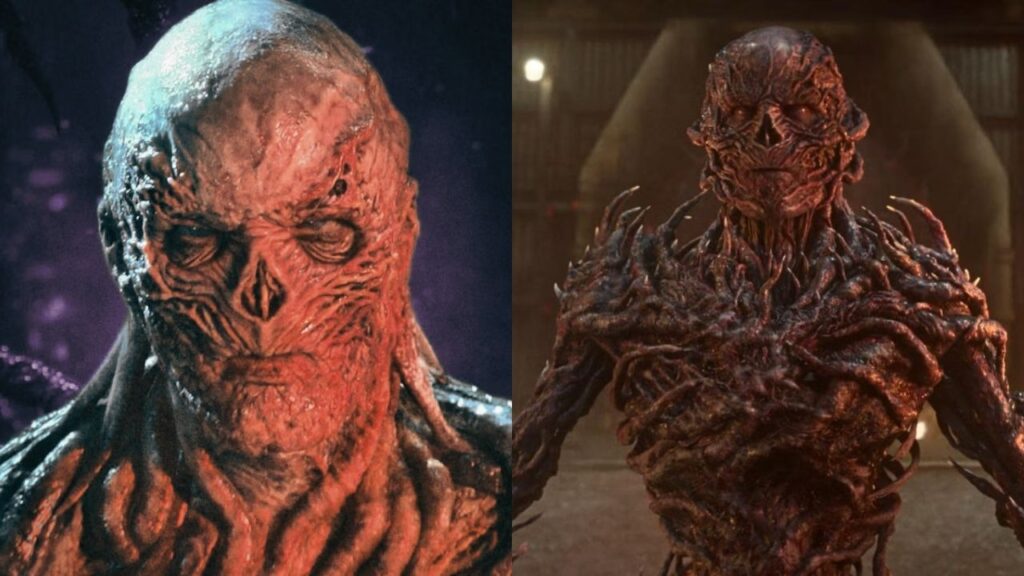
Through the stage play The First Shadow, the mythology has expanded beyond the Upside Down to include Dimension X (also known as “The Abyss”). This indicates that the Upside Down is not just a mirror of Hawkins, but a cosmic tunnel. This “Wormhole Theory” enables the spinoff to take place anywhere — Nevada, Russia, or even further — and still keep the signature “government conspiracy meets supernatural horror” feel.
Testing the Waters: Animation and Original IP
The Duffers are also spreading the portfolio to make sure the brand can survive without them in the director’s chair.
Stranger Things: Tales From ’85: Due out in 2026, this animated series is set to act as a bridge. Crucially, it has voice actors instead of using the live-action cast. It distances the characters from the actors, an important part of turning the IP evergreen.
The Boroughs: The new series is a barometer test. Starring legends Alfred Molina and Geena Davis, it swaps the “kids on bikes” trope for a retirement home under siege from a supernatural menace. It gauges whether audiences will follow the “Duffer Vibe” into a completely different story.
The leap from hit show to decades-long franchise is fraught with peril (just ask the Game of Thrones team). But in slamming shut the door on Hawkins, and refusing to dilute the original story with unnecessary sequels, the Duffer Brothers are safeguarding their legacy.
When we tune in on Dec. 31, 2025, we won’t be “just watching an ending.” We’ll be viewing a Stranger Things Spin-Off carefully crafted prelude to a time of unseen faces and untold stories. The magic isn’t in the town of Hawkins any more — it’s in the brand itself.”
Fandomfansis a platform for entertainment updates, stay connected for new stories behind your favorite series and movies.
Mariyam
Articles Published :
76
Mariyam Khan is Fandomfans Content Writer and providing reports and reviews on Movie Celebrities, and Superheroes particularly Marvel & DC. She is covering across multiple genres from more than 4+ years, experience in delivering the timely updates.
‘God of War’ Live-Action Series: Amazon’s Adaptation Could Be the Next Prestige TV Phenomenon
Amazon’s God of War live-action series looks to be TV’s next big epic with an A-list director attached a two-season plan and huge world-building ambitions.
We live in an era of unparalleled video game movie adaptation. A live-action God of War series a few years ago would have likely been met with skepticism. After the breakthrough success of HBO’s The Last of Us and Amazon’s very own Fallout, the format has been figured out: honor the source material like it’s a Pulitzer-winning novel.
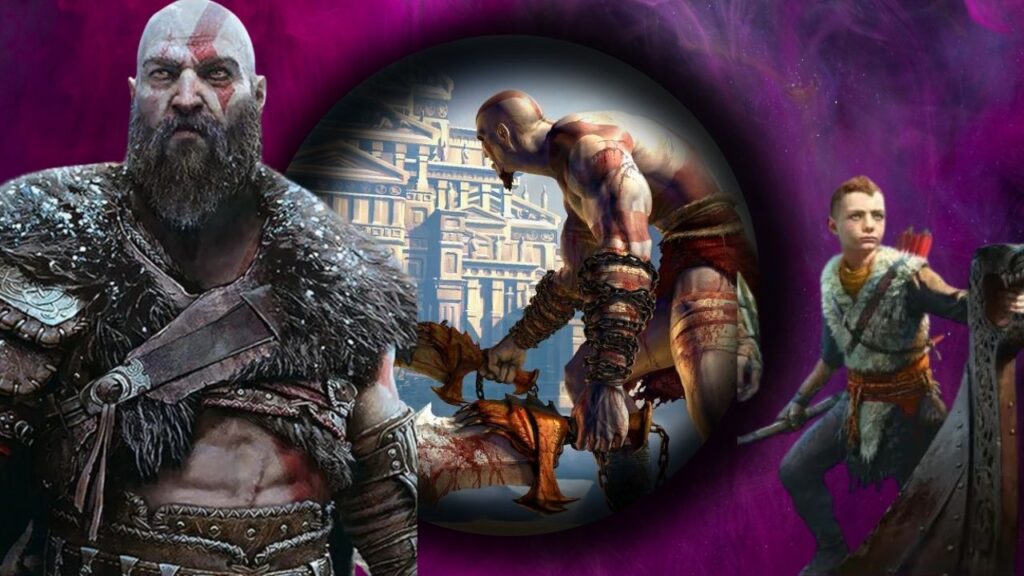
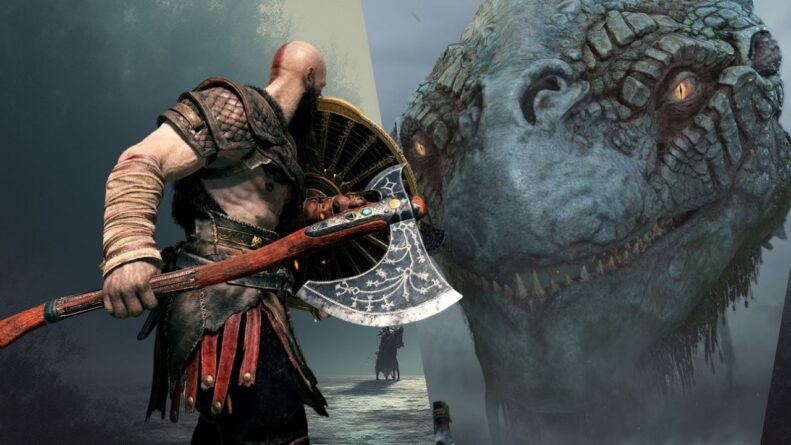
Now Amazon MGM Studios is grabbing the Leviathan Axe. The live-action adaptation of Kratos’ Norse saga has been greenlit for late 2025. And this is why the show, right now based on a close reading of the project’s stage, is poised to be the next big prestige TV event.
The “Shōgun” Connection
It’s the biggest news this week that director Frederick E.O. Toye will helm the first two episodes. Does that name ring any bells? He Platonically recently won an Emmy for directing the “Crimson Sky” episode of FX’s Shōgun.
Image credit: Fandomfans
This is a huge get. Shōgun showed Toye could manage the precise balance God of War demands and epic world-ending stakes interlaced with intimate, high-stakes drama. God of War (2018) isn’t just about killing dragons, it’s a chamber drama about a grieving father and son on a road trip. Toye’s work on The Boys and Fallout shows he has the chops when it comes to violence and “game logic,” but Shōgun proves he also has the soul.
The Narrative Architecture of dark political war drama
Perhaps the most interesting, controversial and surprising! The decision is the selection of Ronald D. Moore as showrunner. Moore is a sci-fi legend, the man who turned the cult ’70s Battlestar Galactica into a dark political war drama.
“I’m not a gamer. I knew the title but I didn’t really know what the story was, but I said, yeah, I’d love to do it.” —Moore chuckled.
Moore has admitted he isn’t a gamer. That may make armchair fans nervous, but it actually means he’s got one hell of an ear for that simple and stark it sounds to listen to, but the sonics of Vivec’s workshop managed to pierce saltwater-invoked Shellback ears.
Image credit: Fandomfans
We don’t want a showrunner who’s obsessed about making loot boxes or RPG mechanics. We need someone who understands the family of “broken” concept.
Moore’s (Outlander, For All Mankind) is a career defined by fractured families. He does not see God of War as a hack-and-slash but as a story for a widower becoming a dad. That is the right way to go.
The Two-Season Gamble
Amazon is placing a big bet. Reports confirm that there is a two-season commitment before cameras start rolling. This is unusual in the realm of streaming but it’s financially sound. Construction of the Nine Realms — including the frozen Wildwoods and fiery Muspelheim is really pricey.
They know they have two seasons, and so that gives them the ability to spread those costs out and more importantly spread the story out. It means they don’t have to cram the complicated Norse saga into mere eight hours.
Production is scheduled to start in Vancouver (which stands in for Midgard perfectly) in March 2026, and that gets us to the most important question—- Who is Kratos? The casting call for “Zion” ( which is the code name for Kratos) requests a physically imposing man who has dramatic skills. While fans want Christopher Judge (the game’s voice actor), the real-life toll of live-action TV—14-hour days and hard stunt work, makes casting a 60-year-old with a history of back surgeries a pretty big insurance risk.
Image credit: Fandomfans
Reported shortlists reportedly include the powerhouse Winston Duke, but Amazon appear to be trying to find that elusive combination of “action star physique” and “prestige drama acting.”
Even more telling is the casting for the part of Atreus. It is a One-Year Series Regular. This strongly suggests Amazon will do a time jump for Season 2, likely recasting Atreus with an older actor to match the aging process in Ragnarök, similar to how House of the Dragon handled its leads.
Release Date of God of War Amazon’s live-action series
Having said that, production on this series is scheduled to commence in the year 2026 and there will be quite a massive post-production period due to the VFX required, so we probably will not be seeing Kratos in live-action until late 2027, early 2028. It’s a long wait, but considering the talent involved and the scope of the production, Amazon isn’t just making a TV show, they’re attempting to create the next Game of Thrones.
Amazon’s live-action God of War series is more than just another video-game adaptation — it’s becoming a cinematic event. With a powerhouse director attached, an Emmy-winning showrunner, a two-season commitment, and massive world-building ambition, this is a project being developed for long-term storytelling. The wait until 2027-28 may be a bit long, but every new update indicates it’s going to be worth it.
Fandomfansbring you the latest updates about the movies, actors and directors. Keep connected to get every detail from the entertainment industries.
Babita
Articles Published :
25
Babita is Fandomfans Editor, experience in managing content. Her focus in general movies and web series. She is having a deep interest in TV shows and 90s movies - particularly Lord of the Rings, Harry Potter, & Rom-Com. Babita also covers psychological thrillers and major releases in current time and concern with deep interest in them.