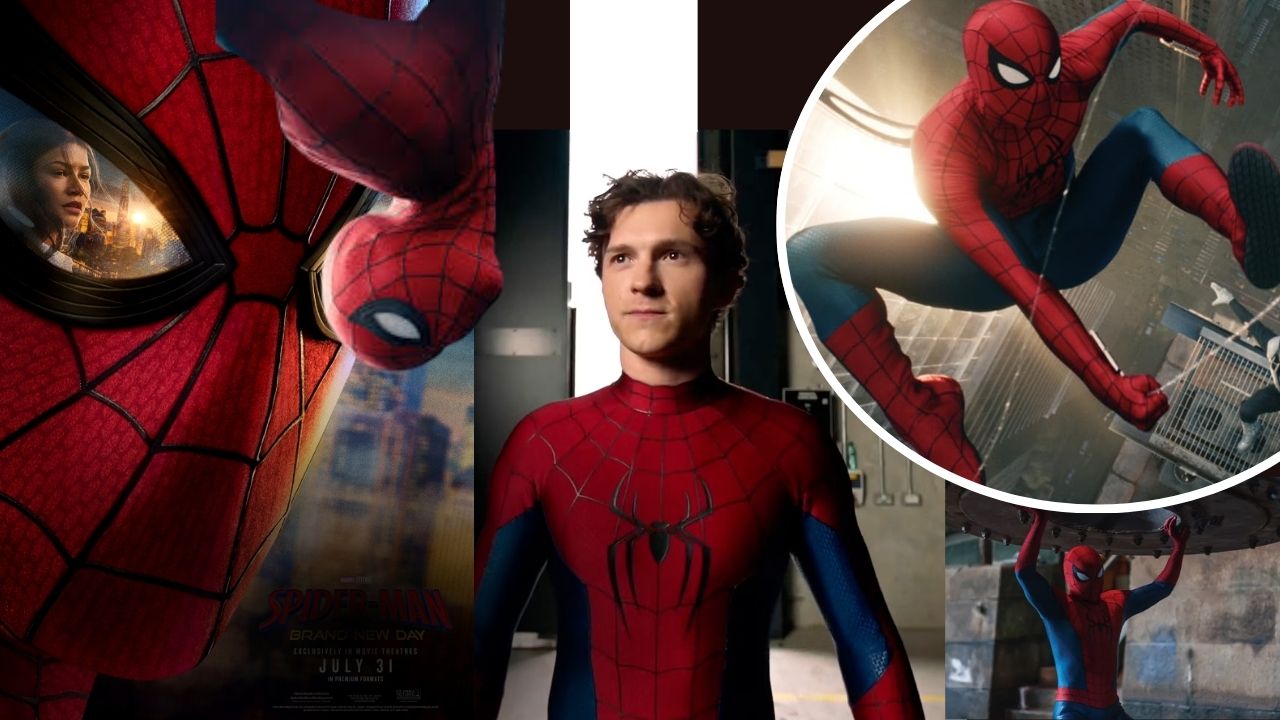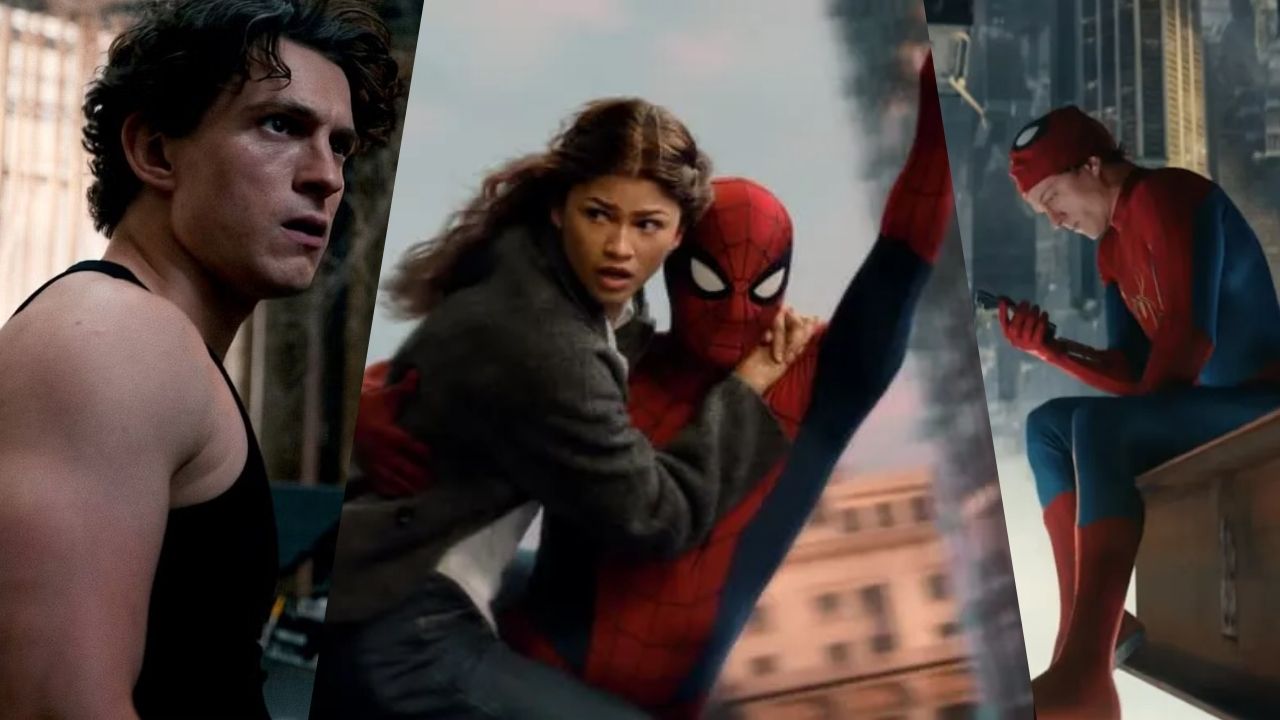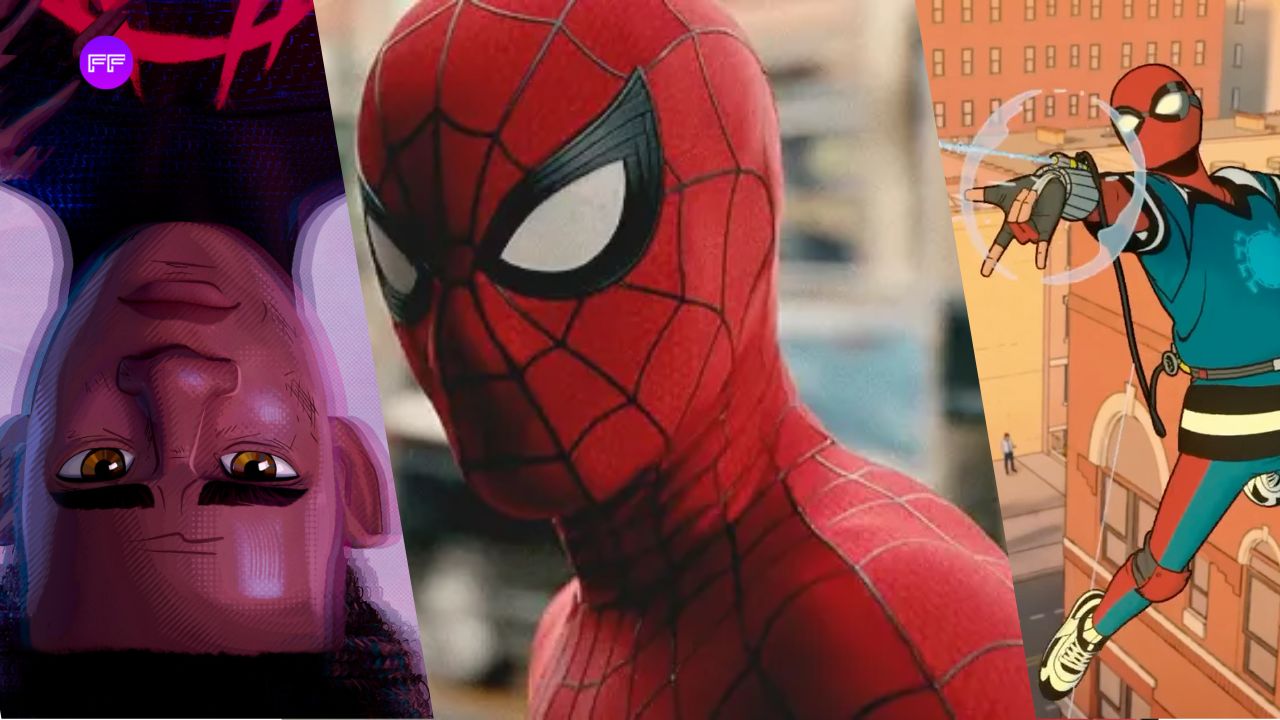

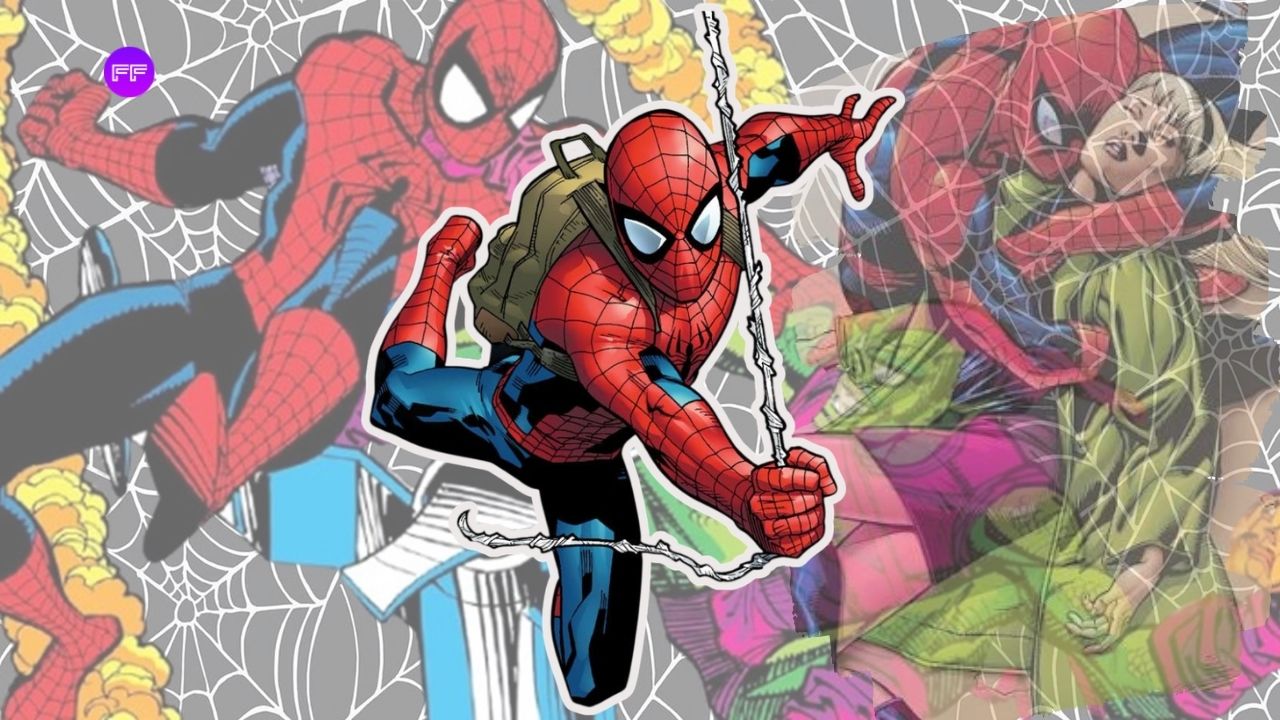
You just watched a Spider-Man movie in theaters and you’re hyped, now you open a Marvel website to find “Amazing Spider-Man #1,000-something” and other sections featuring dozens of series with “Spider” in the title. That’s the moment most people get confused and close the tab. Once you look at a clean list of best Spider-Man Marvel Comics which is especially good for new readers, you’ll definitely own them.
Spider-Man has been published continuously since 1963, which means there are literally thousands of issues, and no one is expecting you to read all of them. You need maybe six comics to actually understand why this character has outlasted every trend in pop culture for over sixty years.
This is a guide to Spider-Man Marvel comics built specifically for people who have never picked one up. No filler, no “if you really want to go deep” tangents into 1990s clone sagas. Just the stories that made the character, in an order that won’t burn you out in week one.
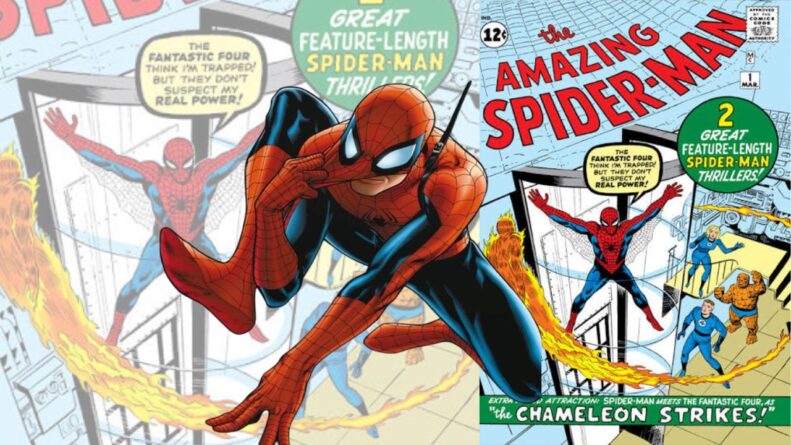
“The Amazing Spider-Man #1” 1963 Original Spider-Man Marvel Comic
The one where issues starts is The Amazing Spider-Man #1 from 1963, if you are a new reader then start with this comic. Because it is the oldest and still so valuable to the Spider-Man fans. It carries stiff dialogues, different storytelling reminiscing nostalgia, and the different version of Peter Parker from the one you know in the movies. Comic readers mostly recommend toward “the beginning,” but that advice mostly exists because it’s easy to give, not because it works.
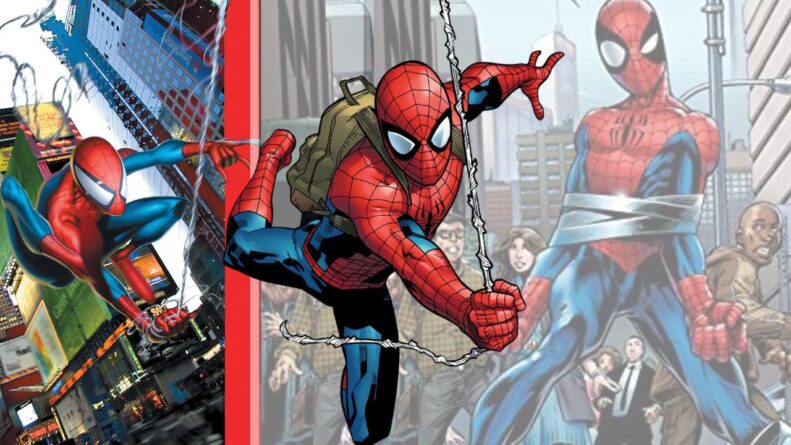
What actually works is starting with a story built to be an entry point — something written by people who knew a new generation of readers had zero patience for sixty years of backstory.
The Modern Reboot That Still Works Best: Ultimate Spider-Man (2000)
If you are still deciding whether you read or not then begin with Ultimate Spider-Man Vol. 1 which is written by Brian Michael Bendis, since it is a full retelling of Peter Parker’s origin from scratch. This isn’t any spin-off comic, it is prepared with art by Mark Bagley, stripped of decades of continuity Spider-Man introduction so it is best for readers who’d never touched a comic before.
Bendis and Bagley led this series for more than 100 issues in a row, which is a ridiculous, unheard of run length for two creators on one superhero book, and it’s part of why the world is so tightly built.
It hits the beats you already know — the radioactive spider bite, Uncle Ben, the “Great Responsibility comes with great power” lesson but it takes its time with Peter as an actual teenager dealing with actual teenage problems before the costume shows up. In movies, Peter Parker’s high-school version where he felt true to life —- the tone came from this book.
Read More 👉 Spider-Man: Brand New Day Latest Update: What’s Really Happening?
Two Short, Self-Contained Classics Worth Your Time
If you are new and scared to find more than 100 Marvel comics, don’t worry because you don’t need the full 1970s-1980s Spider-Man run. There are two main stories which you can read as a beginner and that’s worth your time.
The Death of Gwen Stacy — This is the point where most comic historians reference about Superheroes doesn’t always get to win. Amazing Spider-Man #121-122 (1973), written by Gerry Conway follows the story, Spider-Man fails to save the person he loves. If you have watched Andrew Garfield’s Spider-Man then you probably understand the specific kind of grief the movie showed. That emotional heartbreaking tone came from this version, you’ll know once you read.
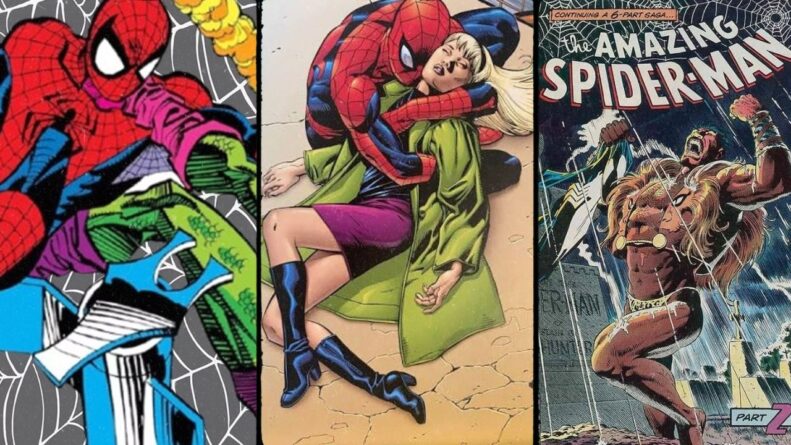
Kraven’s Last Hunt (1987) — J.M. DeMatteis and artist Mike Zeck crafted this six-issue saga, across three different Spider-Man titles of the era (Web of Spider-Man #31-32, Amazing Spider-Man #293-294, Spectacular Spider-Man #131-132). This is widely considered the single best Spider-Man story ever published, full stop. It’s dark, psychological, and doesn’t require you to know anything about Kraven the Hunter going in — the story tells you everything you need. Buried alive, replaced by his obsessive hunter, Spider-Man has to claw his way back to himself, literally and figuratively. It’s collected as one volume, so you’re not chasing three different comics.
If Peter Parker Isn’t the Spider-Man You Want: Miles Morales
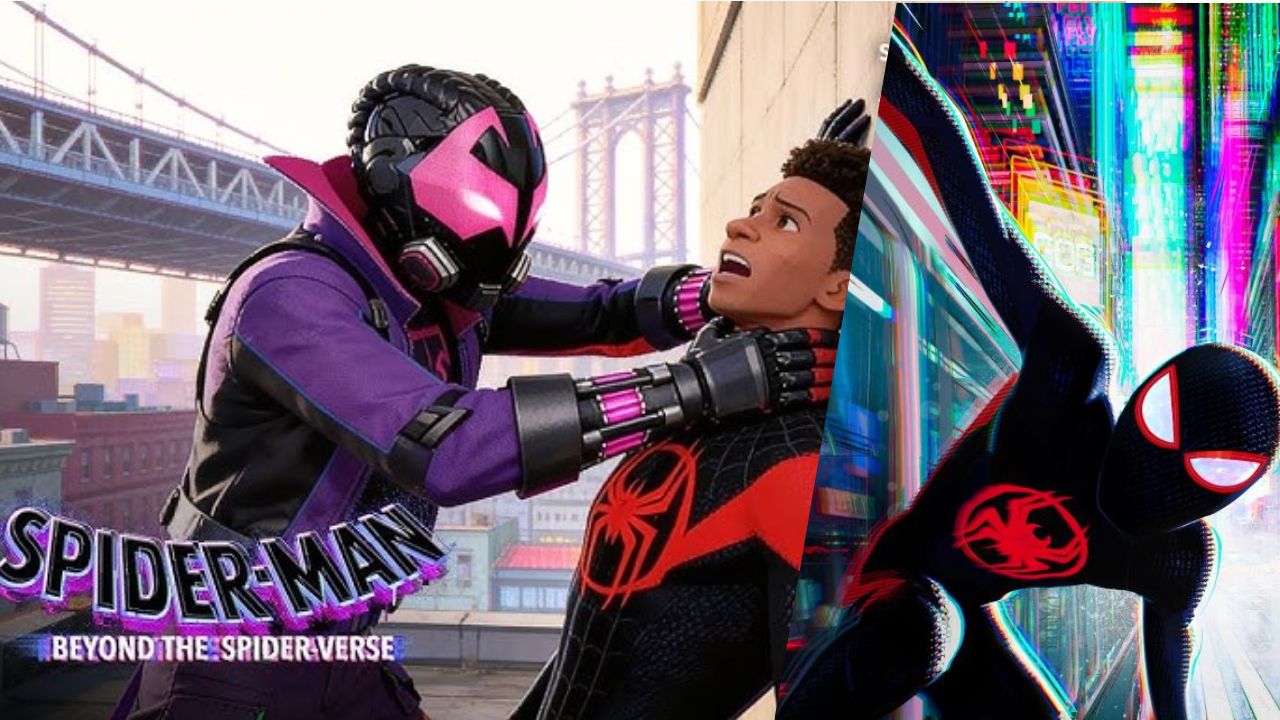
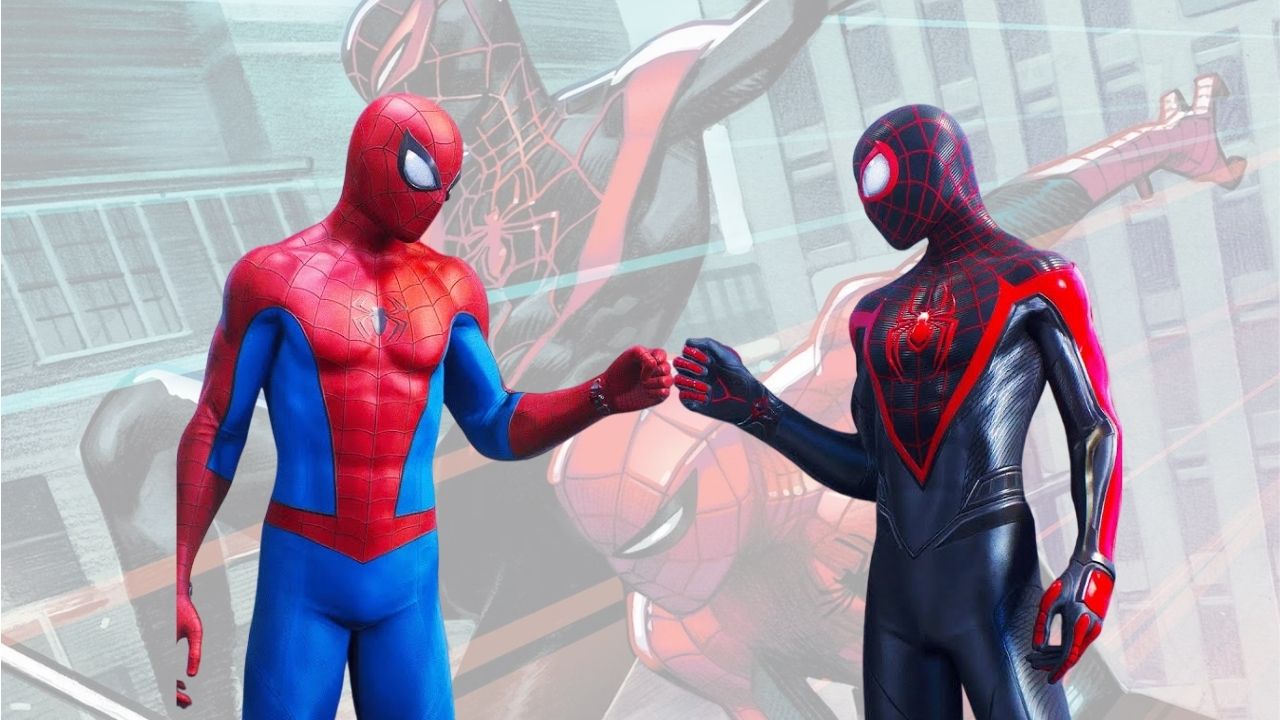
Miles Morales wasn’t just a temporary replacement of Spider-Man because Brian Michael Bendis introduced him as a fully new version of Peter Parker after killing off the Ultimate universe’s Peter Parker in 2011. And now this character is running on-screen as Miles Morales: Spider-Man series in the main Marvel Universe (Earth-616), that shows Miles become Marvel’s core heroes.
If you discovered Miles through the Spider-Verse films, and came to read comics then you land on the right place because you don’t need to read a single Peter Parker comic first. The Miles storyline built on its own and the comics is the original source of the films. Miles’s book has a completely different tone with its own villains, his own family drama with his parents, and a fresh perspective on living up to a legacy he never expected to inherit.
Read More 👉 Will There Be Another Spider-Man Movie? Here’s Everything Confirmed So Far
Where the Comics Actually Are in 2026
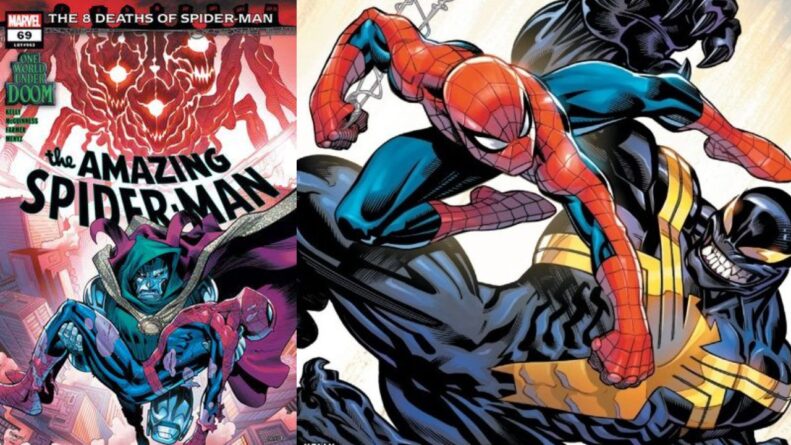
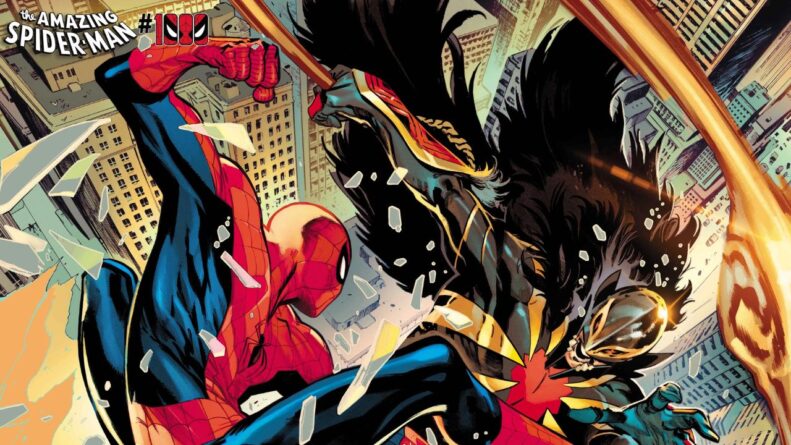
Right now, the newest Marvel Comic published is The Amazing Spider-Man which is now on its 7th volume that launched in April 2025. It is written by Joe Kelly. The series is currently in the middle of the “Death Spiral” crossover, featuring Spider-Man with Venom and Mary Jane Watson is hosting a symbiote, against a serial killer known as Torment. This storyline has a heavier tone, following a grittier crime-thriller than any Spider-Man story before. This is co-written by Joe Kelly and Al Ewing.
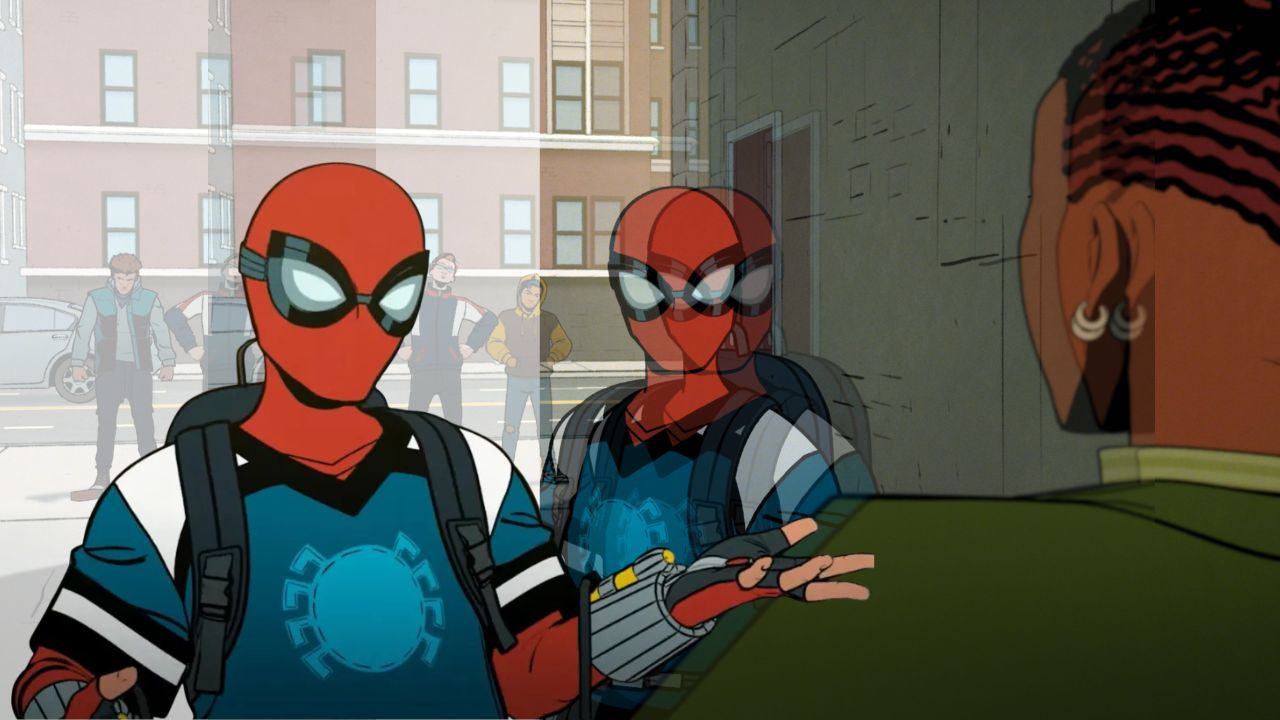
Otherwise, if it is a finished modern story you seek rather than an ongoing, Essential Ultimate Spider-Man (2024) by Jonathan Hickman and artist Marco Checchetto just wrapped up in February 2026 after 24 issues — and unlike most superhero runs, it makes an end. This is a what if scenario where Peter Parker is older, married with two kids and just now came out as Spider-Man, which turns the typical “teenager learns responsibility” formula upside down. While the title may be similar, this is genuinely a different take than Bendis’ version above, so don’t get the two confused.
A Reading Order That Won’t Burn You Out
If you’re the type who wants the best Spider-Man Marvel Comics checklist instead of prose, here’s the actual order to read these in:
- Ultimate Spider-Man Vol. 1 (2000), Bendis/Bagley — your entry point
- Amazing Spider-Man #121-122, “The Death of Gwen Stacy” (1973) — the emotional gut-punch
- Kraven’s Last Hunt (1987) — the best single Spider-Man story, full stop
- Miles Morales: Spider-Man (start with any recent trade) — if you want a different lead character
- Ultimate Spider-Man (2024) by Hickman/Checchetto — a complete, self-contained modern story
- The Amazing Spider-Man Vol. 7, current issues — if you want to follow what’s coming out monthly right now
That’s five to six books, not five hundred are best Spider-Man Marvel Comics. You’ll walk away understanding why Spider-Man has survived every reboot, every costume change, and every “is this character still relevant” think piece since Kennedy was in office — and you’ll have done it without touching a single clone saga.
If you only pick up one Spider-Man comic this weekend, make it Kraven’s Last Hunt. It’s a self-contained narrative that doesn’t depend on years of continuity or encyclopedic Marvel knowledge, yet it encompasses everything that makes Spider-Man such a timeless character.
Read More 👉 How Did Wolverine Get His Adamantium Skeleton in X-Men ’97? Explained
Conclusion
More than 30 years on, it is still one of the most emotionally resonant and psychologically complex superhero comics ever written—and the best Spider-Man Marvel Comics most likely to have even non-comics readers agreeing that Spider-Man is a bit more than a wisecracking guy who wears a red and blue suit.