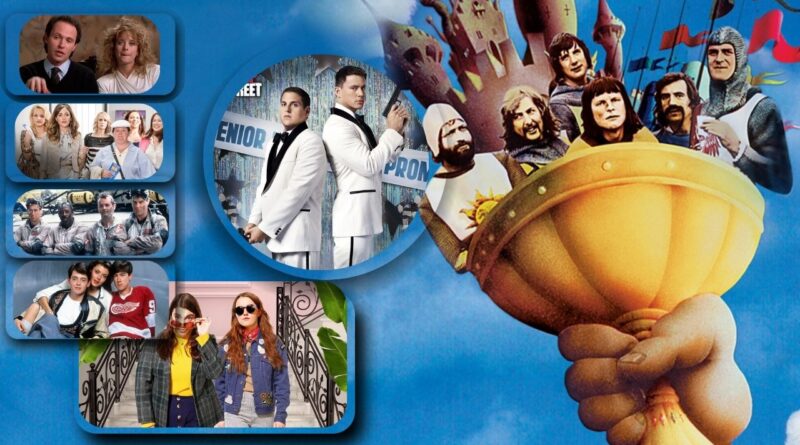
There’s a certain magic when you’re surrounded by your best friends, the lights dim and you press play on an actually hilarious movie. Synchronized gasps, booming laughters, inside jokes that come out – it’s an experience that seals friendships and makes unforgettable memories. In a life where you may feel things are a little too serious, a good Comedy Movies to Watch with Friends is the perfect antidote. It’s a call to throw caution to the wind, embrace the ridiculous and sample the pure, simple joy of laughter.
I’ve rounded up a selection of absolute gems – from all-time classics to modern wonders – that will secure a night of laughter until your sides hurt.
The Classic Comedy: Timeless Laughs That Never Get Old
The following are comedies which have been proven to stand the test of time, demonstrating that what is funny comes true in all generations. Share these with friends who may not have ever had the pleasure, or revisit them with your debutante debauchery partners for old-times-sake laughs.
Overview of Classic Comedies
Movie Title
Year
Key Comedic Style
Perfect For…
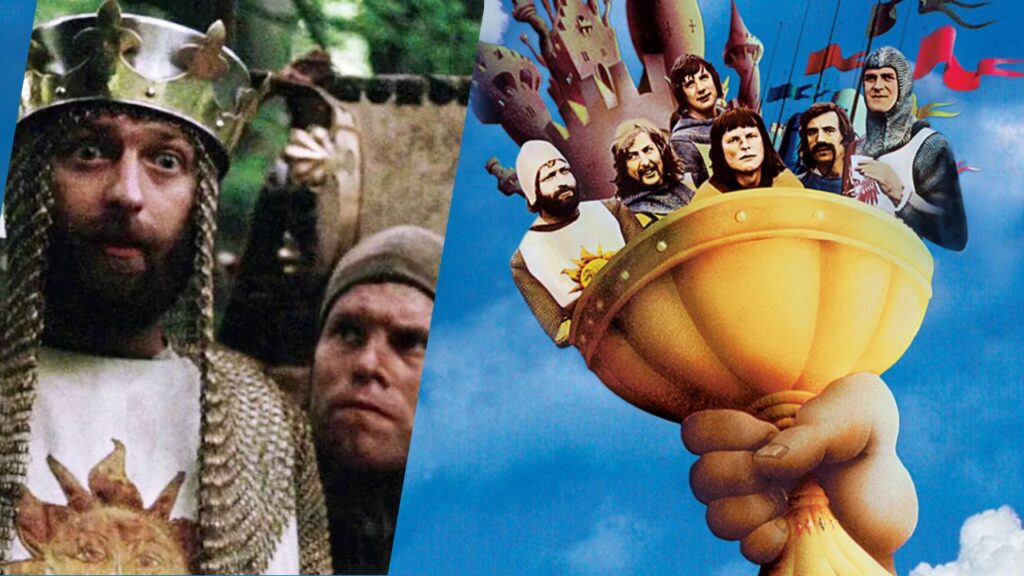
Monty Python and the Holy Grail
1975
Exaggerated Comedy, Playful, Visual Humor
Friends who appreciate random humor and tongue-in-cheek historical humor
Airplane!
1980
Fast-Paced Parody, Witty Dialogue
Lovers of rapid-fire jokes and good storyline.
When Harry Met Sally…
1989
Romantic-Comedy
Romantic story with good humour.
Ferris Bueller’s Day-Off
1986
Teen Comedy
Who are fantasizing about carefree rebellion and getting away with it.
Ghostbusters
1984
Supernatural Comedy, Ensemble
Witty & Perfect blend of sci-fi & horror
Monty Python & the Holy-Grail (92%)
Image Credit: Fandomfans
If you haven’t watched Monty Python & the Holy-Grail yet then drop everything and round up your friends now. This film is a great demonstration of the logic behind absurdist humor, constantly parodying King Arthur myth with infinitely memorable lines and scenes (the Black Knight!) and an absurdity level that is literally unmatched. You’ll be quoting it for weeks.
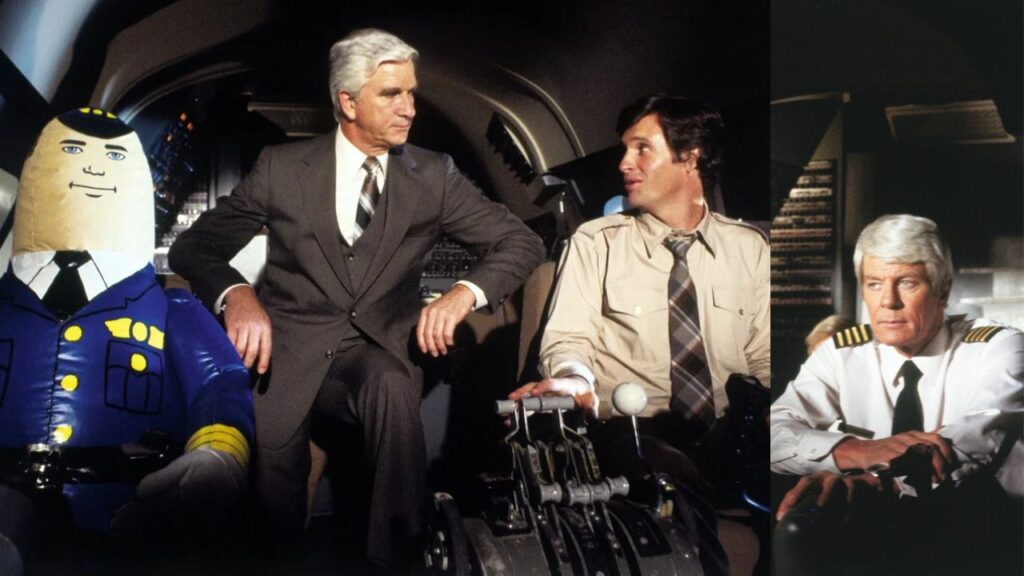
Airplane!
Image Credit: Fandomfans
Brace yourself for nonstop gags, puns and visual jokes. This film alone is what defined parody. Every frame is stuffed with something funny — from background shenanigans to deadpan delivery of the dumbest lines. It’s a comedy offensives, but in the best sense.
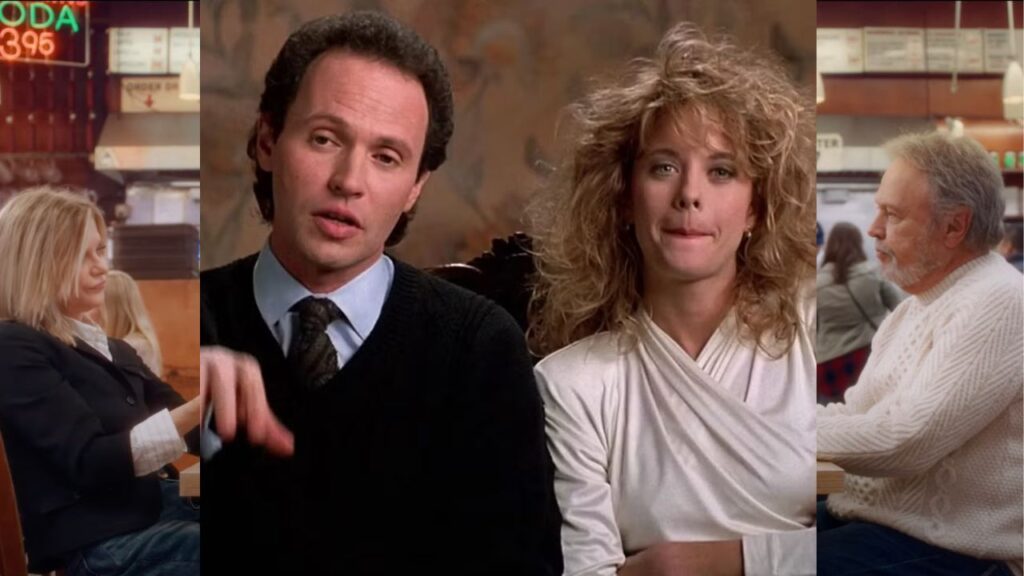
When Harry Met Sally…
Image Credit: Fandomfans
A romantic-comedy with some actual laughs, thanks to Nora Ephron’s witty script and the perfect chemistry of Billy Crystal and Meg Ryan. It’s a smart commentary on friendship, romantic love, and the age-old question of whether men and women can really be just “friends.” That diner scene alone is legendary.
Ferris Bueller’s Day–Off (Comedy & Drama)
Image Credit: Fandomfans
It’s the ultimate celebration of teen defiance and carpe diem. Ferris Bueller is the charming King Beaureaucrat we all wanted to be, gracefully gliding through a day of playing truant with confidence, charisma, and an endless array of slick schemes. It’s just pure joyous escapism.
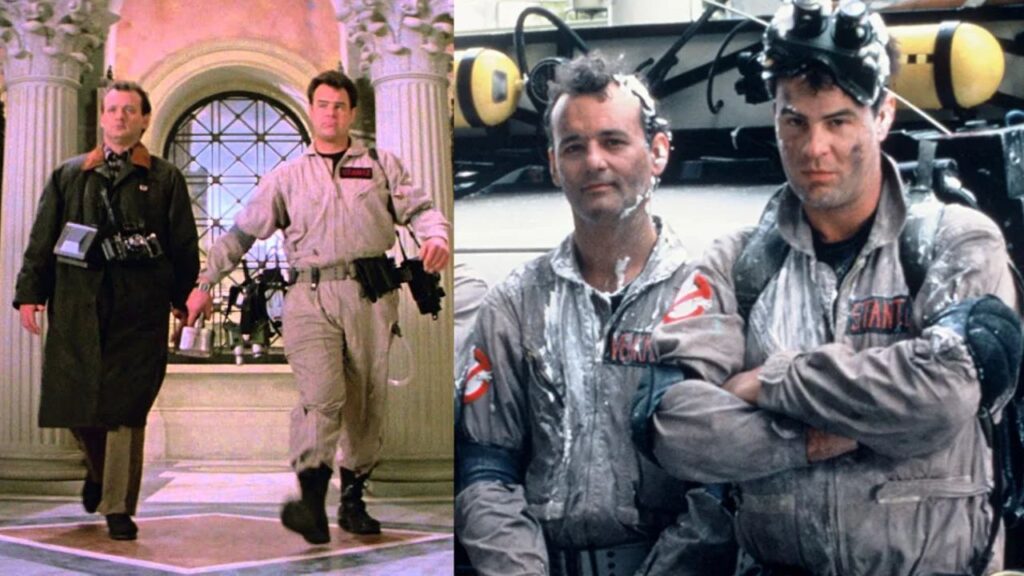
Ghostbusters
Image Credit: Fandomfans
The ultimate mix of ghostly terror and comedic brilliance. The brilliance between Bill Murray, Dan Aykroyd, Harold Ramis and Ernie Hudson is plain to see. It’s clever, eerie and completely hilarious – what more could you want from a slightly scary but mostly funny movie night?
Modern Comedy Movies That Hit Different
The last several decades have been a new wave of comedic talent and fresh perspectives. These movies regularly challenge norms, tap into relatable contemporary fears or just take advantage of styles of comedy that the current audience just happen to love.
Overview of Modern Comedies:
Movie Title
Year
Key Comedic Style
Perfect For…
Bridesmaids
2011
Ensemble, Gross-out, Rom-Com
Groups who appreciate strong female leads and cringe humor.
The Hangover
2009
R-rated, Buddy Comedy, Mystery
Friends who enjoy chaotic bachelor party gone wrong scenarios.
21 Jump Street
2012
Action-Comedy, Buddy Cop
Good Dialogues & Unpredictable humour
Anchorman
2004
Wild Humor, focused on character, Social Satire
Anyone who loves quotable lines and highly stylized humor.
Booksmart
2019
Teen Comedy
Center upon female friendships & sharp dialogues.
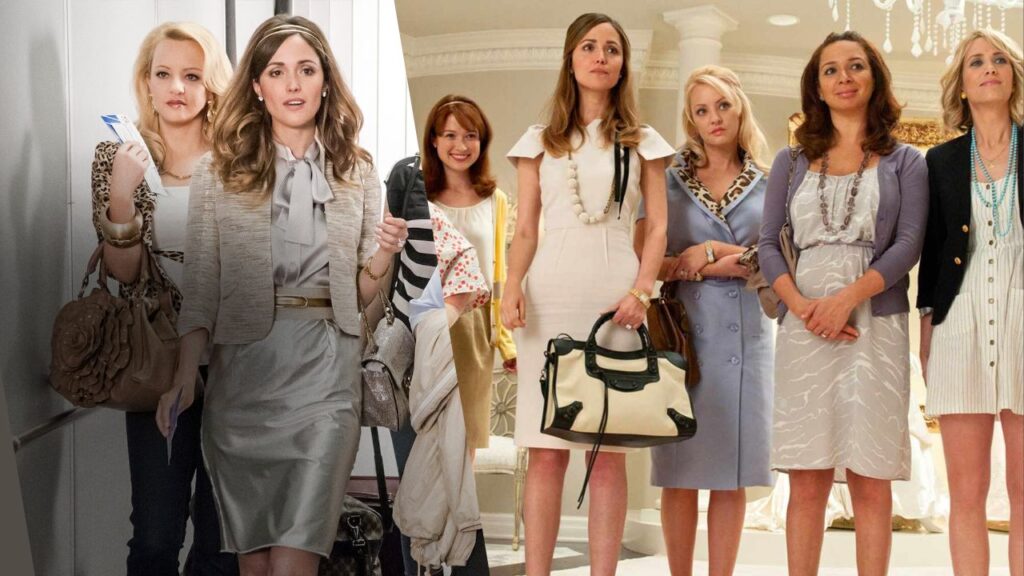
Bridesmaids
Image Credit: Fandomfans
A trailblazing movie that showed women could be at the helm of raunchy, side-splitting comedies as much, if not more, than men. Kristen Wiig, Melissa McCarthy, and the rest of the cast are perfectly pitched in a film that’s as hysterically gross as it is genuinely heartfelt.
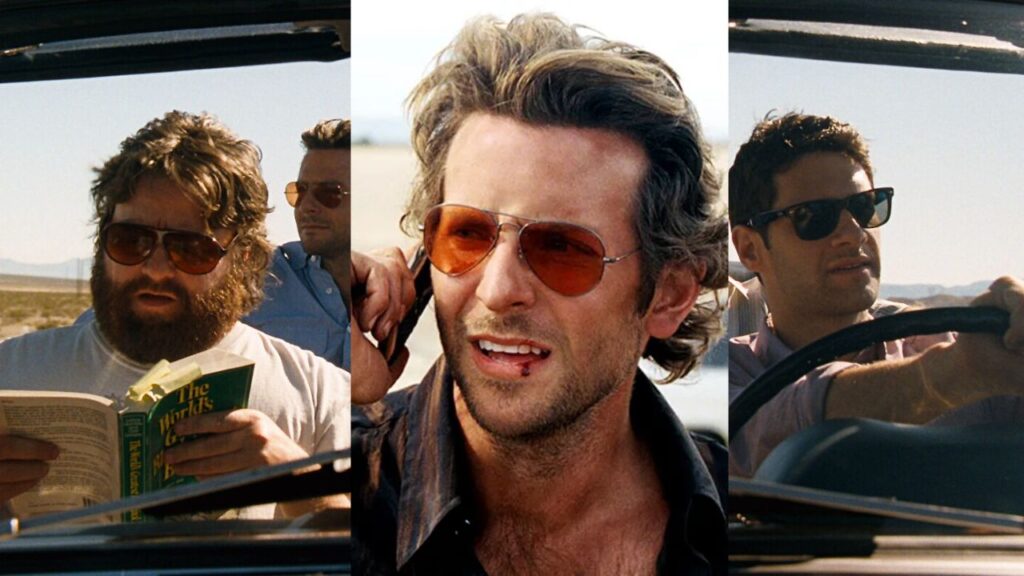
The Hangover
Image Credit: Fandomfans
There’s no better “what happened last night?” movie. This movie is a lesson in spiraling out of control, as four pals attempts to retrace their steps after a disastrous bachelor party in Vegas. The mystery, the absurd situations and the memorable characters turn it into a roller coaster from beginning to end.
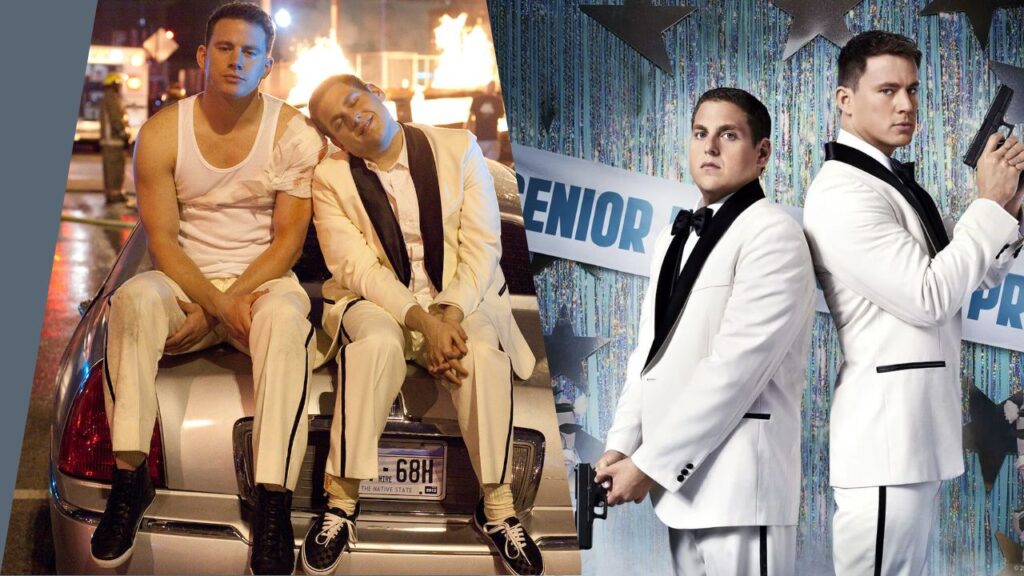
21 Jump Street
Image Credit: Fandomfans
Channing Tatum and Jonah Hill make an improbable but ultimately brilliant pairing in this very clever, very self-aware reboot. It’s an action-comedy that really knows how to get laughs at its cost, runs the premise a bit too seriously, and surprises you with character moments that are surprisingly strong and really rattle your cage.
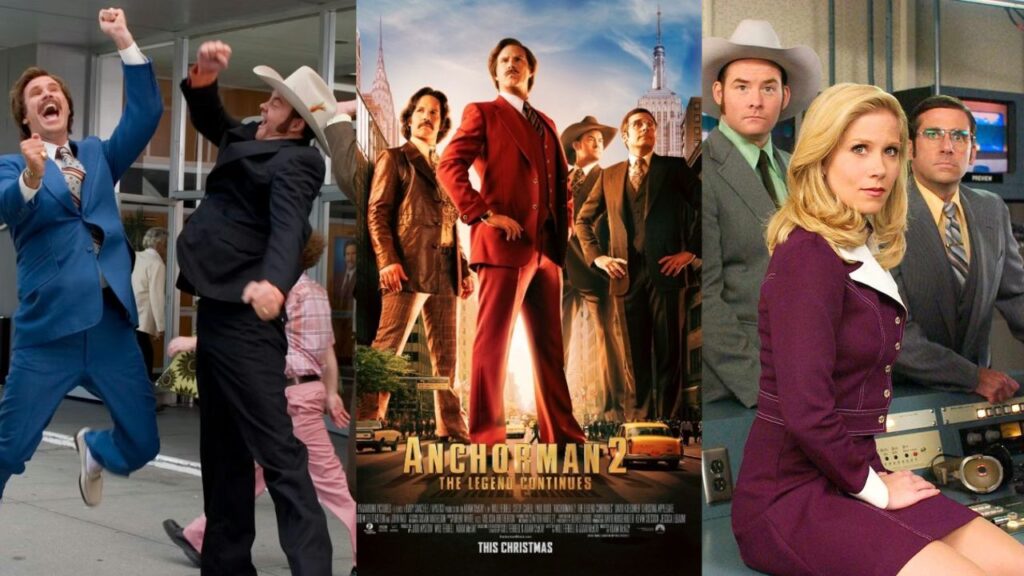
Anchorman: The Legend of Ron Burgundy
Image Credit: Fandomfans
Will Ferrell’s Ron Burgundy is a cultural icon and this film is packed with lines and scenes that you can shout and remember for all time. It’s a fantastic send-up of ’70s male chauvinism and news, climaxing in an environment so wildly surreal you can’t help but laugh.
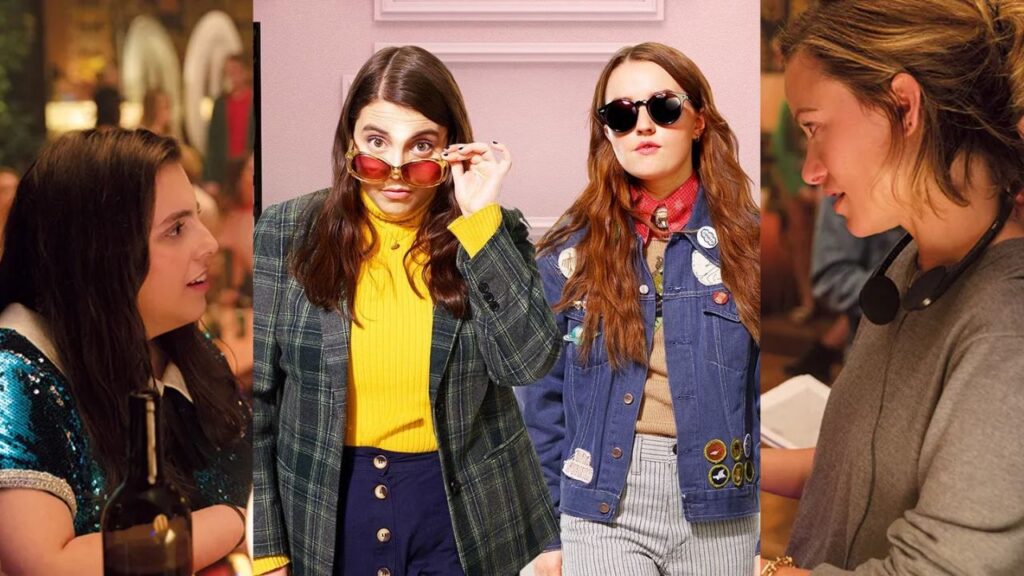
Booksmart
Image Credit: Fandomfans
A gut-bustingly hilarious and flat-out intelligent tell all about two nerds who find they’ve been so busy studying they forgot to do any of that high school stuff. It’s a to girl friendship film, with razor sharp dialogue, an array of relatable anxieties and a real heart which means it’s funny and emotional.
The best part of Comedy Movies to Watch with Friends after all isn’t just the writing or the performances—it’s the ambiance. It’s that shared roar of laughter that echoes in the room, the friendly arguments over who was the funniest character and how a single line from a movie can become an inside joke that lasts for years.
Laughter is one of the easiest and most accessible points of connection among humans. Whether you’re wincing collectively at a painfully awkward moment in Bridesmaids or racing to keep up with the lightning-fast wordplay in Airplane!, you’re forming a shared history.
Dive into the comedy genre with this movie list created by Fandomfans, our goal is to deliver details from movies & series.
Mariyam
Articles Published :
77
Mariyam Khan is Fandomfans Content Writer and providing reports and reviews on Movie Celebrities, and Superheroes particularly Marvel & DC. She is covering across multiple genres from more than 4+ years, experience in delivering the timely updates.
Buzz builds for Die My Love. This is mind-bending dark drama duo’s first pairing. It is directed by Lynne Ramsay. She got an Oscar nom for We Need to Talk About Kevin. Ramsay and playwright Enda Walsh, along with Alice Birch, co-wrote the screenplay. The narrative is adapted from the Argentinean novel by Ariana Harwicz Die, My Love. It follows Grace, played by Jennifer Lawrence. She writes and is a new mother. Her psychosis disintegrates when she and her husband Jackson (Robert Pattinson) move out of New York City to his childhood home in rural Montana. In the film, Grace suffers from postpartum blues and madness. These things begin to crack her marriage. There’s heat building in the desolate rural location, too. Reports by Mubi. The company describe it as Ramsay’s razor-sharp perspective on a woman consumed by love and wild thoughts.
Powerhouse Production Backed by Scorsese and Lawrence
Die My Love is a celebrity-powered indie. Besides starring, Jennifer Lawrence is producing through her banner Excellent Cadaver and Martin Scorsese is producing via his Sikelia company. Scorsese, in fact, backed the project after he read the book as part of a book club, he recommended it to Lawrence. The two even passed on adapting another classic book because it presented a tougher role. Lawrence fought for it despite Ramsay’s initial hesitation (she’d just done a similar motherhood movie). One version has it that Lawrence was determined to have a go at working on Die My Love as a team and talked Ramsay into turning it from a straightforward depression narrative into a “bonkers, crazy love story.”
Jennifer Lawrence and Robert Pattinson are headlining the film’s ensemble. Lawrence plays Grace, a mother and wife about to break. Pattinson is Jackson, her husband. LaKeith Stanfield has been cast as Grace’s forbidden love interest. Legendary actors Nick Nolte and Sissy Spacek star as Jackson’s parents. Grace and Jackson are said to be relishing their new beginning, via People. They have a good time with sex and crazy dances. But once the baby arrives, Grace’s isolation and mental illness strain their relationship.
This Lawrence–Pattinson chemistry is what makes this especially exciting to fans. Lawrence, an Oscar winner for Silver Linings Playbook, is known for dramatic as well as blockbuster roles Hunger Games, while Pattinson went from being a teen heartthrob Twilight to an indie darling Good Time, High Life, and now, Batman. The two actors have praised each other’s performances and Lawrence has joked in interviews that starring opposite Pattinson at last is total revenge after her failed Twilight audition.
They were reported to have gotten close off-screen during the film’s premiere in Cannes. Lawrence joked that having kids changes everything and Pattinson added that becoming a father has provided him with the biggest trove of energy and inspiration to work. (Lawrence has also said that playing Grace added another layer for her by drawing on her own difficult postpartum experience).
The excitement ran high as Die My Love made its Cannes Film Festival debut in 2025. The critical response was overwhelmingly positive. Lawrence’s acting received an “award-worthy” standing ovation for around nine minutes, according to People. The MUBI buyout campaign draws attention to this praise. Trailers show Lawrence in wild dance, fight and fierce growl sequences deep in emotion. It is this hard edge that Ramsay can do so well.
A Darkly Comic Love Story About Insanity
Ramsay, who refers to the film as a dark comedic love story about insanity, Pattinson joked some moments are “hilarious” in a twisted way, she said.
Die My Love is a relentless, unsettling drama — a peek at a marriage disintegrating under the pressure of new parenthood. Ramsay directs the film, with Walsh and Birch as co-writers, with major producers attached (including Lawrence and Scorsese). Jennifer Lawrence is Grace and also produces through Excellent Cadaver, while Robert Pattinson is her husband Jackson.
The film is slated to be released in U.S. cinemas on 7 November 2025 after premiering at Cannes on 17 May. This pairing of acting titans both heavy Oscar front-runners has the fans talking, in part because reports have them pushing one another on set. Ramsay calls the completed film a really dark love story that’s also funny, and Lawrence gives what some are already calling the most riveting performance of her career.
Conclusion
The unrated My Love is becoming one of the most awaited movies of 2025 — an unrefined, haunting, and passionate exploration of love, insanity, and motherhood. With Lynne Ramsay’s distinctive intensity leading the way and Jennifer Lawrence and Robert Pattinson delivering powerhouse performances, the film will no doubt be both visually breathtaking and psychologically enthralling. Lawrence’s performance as Grace has already earned early Oscar buzz, and Pattinson’s reserved yet multifaceted portrayal provides a tether for her spiraling descent.
Alpana
Articles Published :
164
Alpana is Fandomfans Senior Editor across all genres of entertainment. She evolved in the media industry since a very long time, she manages the content strategy and editing of all the blogs. Her focus on story development, review analysis, and research is well-equipped that ensures every article meets the standards of accuracy and depth.
Avatar Trilogy Changed Cinema: Each Avatar Film Redefined Modern Blockbusters
Learn how James Cameron's Avatar trilogy transformed blockbuster cinema through groundbreaking technology, emotional storytelling, and franchise evolution.
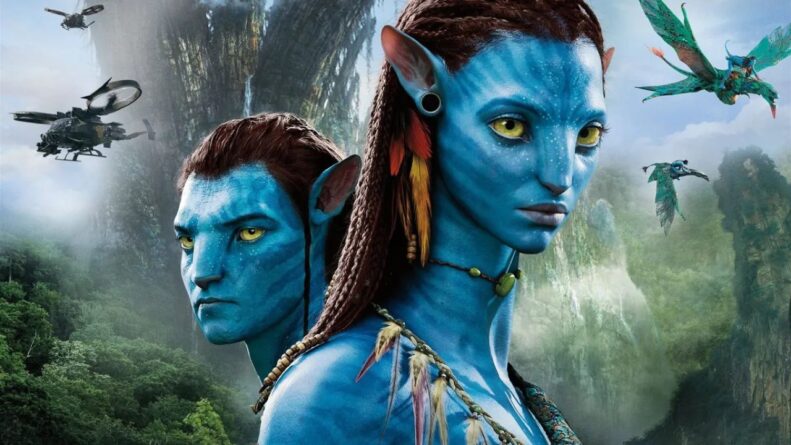
There are few film franchises that work on the kind of timescale James Cameron likes to work on. Hollywood rushes to quickly churn out sequels, spin-offs and streaming extensions, the Avatar saga moves at a geological pace — slow, meditative, technologically transformative every time it arrives. With Avatar (2009), Avatar: The Way of Water (2022) and the newly released Avatar: Fire and Ash (2025), Cameron hasn’t simply made movies; he’s built cinematic milestones that push the boundaries of what is possible with each return.
What makes these films so interesting to assess is that none of the entry is “just” a sequel — they’re landmarks —- technical, narrative, commercial and even cultural. And while the first Avatar transformed global exhibition forever and the second perfected underwater storytelling, early indications are that Fire and Ash may well be the most aesthetically complete and emotionally resilient installment yet.
Let’s analyze how this legendary trilogy has progressed.
Avatar (2009): First Movie of The Different World
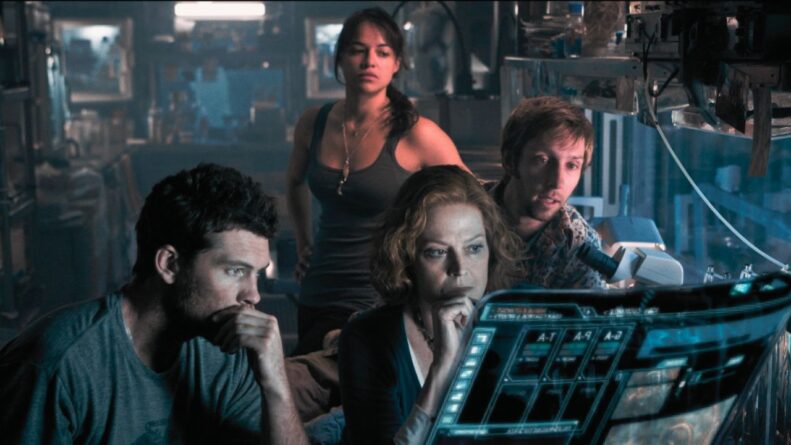
Avatar came out when cinema was about a different planet. 3D showings were scarce, digital projection was erratic, and a troupe of performance-captured aliens conveying real emotion seemed like far-off sci-fi. Cameron sat on the idea for more than a decade while waiting for technology to catch up and then invented the technology.
Image Credit: IMDb
A Technological Shockwave
The Fusion Camera System, full CGI real-time environments, and microexpression capture were not merely improvements, they were revolutions. Critics weren’t just reviewing the movie, they were reviewing the experience. Audiences were going to be able to walk into theaters and walk on to Pandora.
$2.92 billion worldwide, making it the highest-grossing film of all time.
An international release of 3D screens will follow.
A cultural phenomenon so powerful it caused the actual Earth to experience “Post-Avatar Depression” because Pandora seemed more alive than.
Image Credit: Fandomfans
Perfectly Executed Simple Storyline
Cameron deliberately employed a classical story structure, with clear stakes, emotional accessibility and mythic hero’s journey elements. It’s been criticized the screenplay for being predictable or pandering to “white savior” clichés, but it maintains that the film’s brilliance resides in its simplicity. You learn Pandora the way Jake learns it, which causes a rare emotional convergence between audience and protagonist.
Surprisingly, no cinematic “first contact” sequence has matched the wonder of that inaugural flight over the floating mountains.
Avatar: The Way of Water : Flowing With Reinvention
Now, 13 years on and many were asking if Avatar still mattered. Marvel was dominating the box office, streaming was messing with everything, and 3D was just a gimmick. Cameron defied every skepticism the way he always does: by reinventing cinema again.
Underwater Performance Capture: A New Frontier
From authentic underwater motion capture to sophisticated fluid dynamics, Cameron cracked one of the toughest problems in CGI: actual water. The visual result was stunning—critics described it as “hyper-real,” and audiences loved the immersion.
Image Credit: Fandomfans
A More Mature, Family-Driven Story
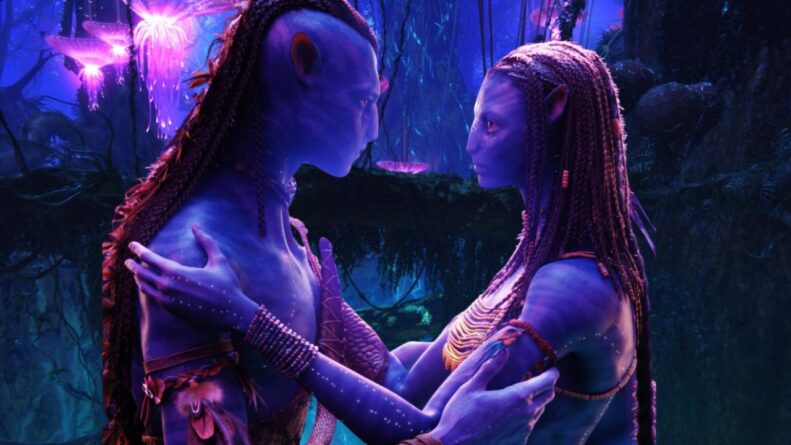
While the first movie was about discovery, the sequel was about consequence. Jake and Neytiri were no longer warriors—they were parents. Their children’s story arcs, particularly Lo’ak’s connection to Payakan, infused the narrative with emotional resonance that was absent from the first chapter.
Reviews were divided over the film’s running time and repetitive capture-rescue formula, but it was received with far greater enthusiasm by audiences, who bestowed a 90% audience score, even higher than the original.
Financially, the film made $2.32 billion, cementing its position as the third highest-grossing movie of all time.
Avatar: Fire and Ash (2025): The Beginning of the Saga’s Dark Age
Initial impressions of Fire and Ash indicate something that rarely occurs in franchise filmmaking: the third movie may be the best one.
A Bold Narrative Shift
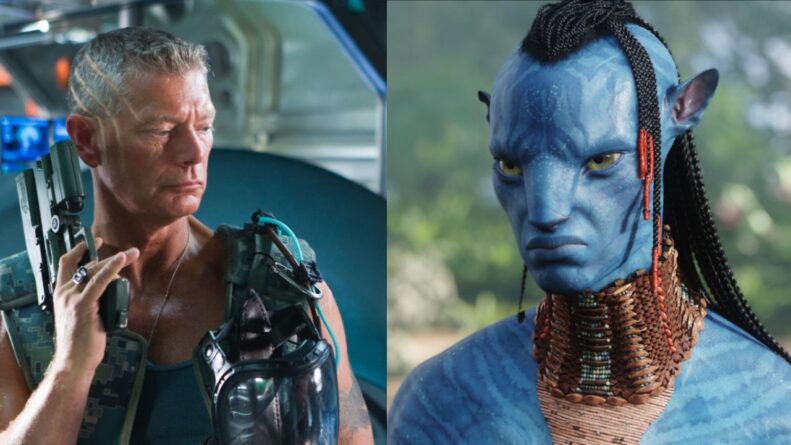
The advent of the Ash People, a Na’vi clan forged by disaster and spiritually disconnected from Eywa, represents the largest transformation the franchise has ever undergone. Their leader, Varang, portrayed by Oona Chaplin, comes into alignment with the RDA not for avarice but for grief and fury.
For the first time, Cameron’ s realm has a crisis of conscience within the Na’vi, which responds to a nagging criticism that Pandora’s politics were too clear-cut. Echoing comparisons include this tonal turn being similar to The Empire Strikes Back — darker, more complex and emotionally heavier.
Image Credit: Fandomfans
Aesthetic and Technical Leap
If The Way of Water achieved fluidity on rendering, then Fire and Ash is certainly on its way to mastering volatility are fire, smoke, ash, and ruin. New fire simulations and improved HFR transitions deliver a more atmospheric, perilous Pandora as never before.
For the innovations: Avatar (2009) still stands alone.
For technical perfection, the crown is the Way of Water (2022).
For story and emotional depth: Fire and Ash (2025) looks poised to take the top spot.
Should Fire and Ash live up to its promise, it could be the movie that at last brings critics and fans together — delivering not only beauty and spectacle, but moral intricacy and a shattering emotional pay-off befitting a saga this ambitious.
The Avatar saga isn’t merely a franchise—it’s a cinematic era that extends with each generation of technology and storytelling. Avatar (2009) revolutionised the way the world watches movies and The Way of Water pushed emotion and technical refinement to new heights, Avatar: Fire and Ash is set to become the most ambitious chapter in the trilogy.
Featuring darker themes, complex Na’vi politics, and revolutionary fire simulation, the third may be the one that finally brings critics, fans, and industry analysts into lockstep agreement — Cameron’s slow-burn storytelling was always driving here. If early reviews are anything to go by, Fire and Ash will not only reshape Pandora, but also redefine blockbuster filmmaking itself.
The aim of fandomfansis to help readers make sense of not only the movies they watch but the shifting power structures in strategies that will dictate the future of the movie industry.
Babita
Articles Published :
25
Babita is Fandomfans Editor, experience in managing content. Her focus in general movies and web series. She is having a deep interest in TV shows and 90s movies - particularly Lord of the Rings, Harry Potter, & Rom-Com. Babita also covers psychological thrillers and major releases in current time and concern with deep interest in them.