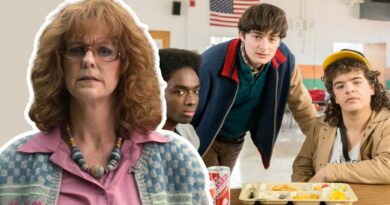
Home > Web Series > ‘The Hunting Party’ Returns for Season 2 With..
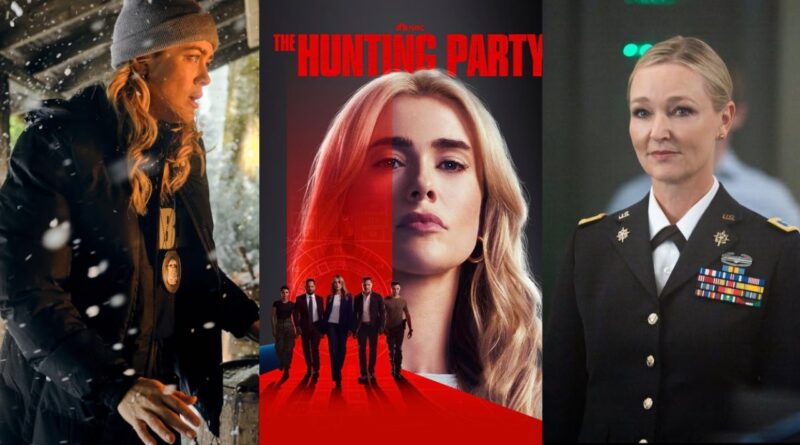
‘The Hunting Party’ Returns for Season 2 With Melissa Roxburgh
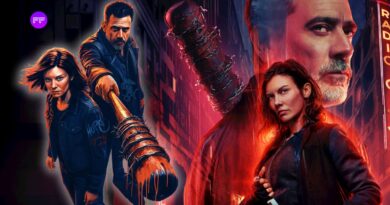
The Hunting Party Season 2: NBC’s The Hunting Party season 2 will come 2026 for the fans as Melissa Roxburgh responds to the reviews, Reddit opinions, more!
The Hunting Party Season 2: If you were on Reddit last year, you probably caught the headlines: NBC had a new thriller, and it was at a rare 0% on Rotten Tomatoes. For the majority of programmes, a score that is “perfectly bad” will mean the end. But The Hunting Party didn’t just survive—it thrived, amassing a devoted following that bolstered its ratings to the mid-4-million range and secured it a second season.
Now that the series is coming back to NBC (January 8, 2026), leading lady Melissa Roxburgh is at last addressing that bumpy beginning, and her perspective is refreshingly blunt.
Melissa Roxburgh on Critics: “It’s Not High Art”
In a recent sit-down with ScreenRant, Roxburgh (who plays FBI profiler Rebecca “Bex” Henderson) was unflinching about the critical planning. In fact, she laughed it off.
“Everything will get criticized, people are owners of opinions, But it’s “not like it’s high art.”
—-Roxburgh said.
Her philosophy shows that series stays “entertained” by serial killers and true crime genres. It’s a “spook before bed,” with killers who are, in her words, “weird as heck.”
In giving itself over to the campy, dark and often batshit crazy antics of its “super-predator” baddies, the show carved out a niche that professional reviewers initially overlooked.
Reddit’s Split Verdict — From Hate-Watching to Loyalty
The schism between the two camps could not be more clearly illustrated than here on r/television. Some users branded the first season “embarrassing” or a “bootleg version of Criminal Minds,” but as the season went on a small group of defenders began to coalesce.
Many fans said the series hits its stride around the fourth episode. On Reddit, popular threads on the show include:
The “So Bad It’s Good” Factor: Someone called it “Warehouse 13 but with serial killers,” pinning it as “dumb, but I like it.”
Stick with it for the first three episodes — that’s when the show finally finds its feet, and starts coming together.
The “Manifest” Vibes: Fans of Roxburgh’s previous hit, Manifest, have flocked to the series, defending her performance to detractors that labeled it “wooden.”
Season 2 Raises the Stakes With Stranger Killers and Bigger Mysteries
Season 1 concluded with the large question of what would happen to Oliver Odell (Nick Wechsler) and what exactly the Lazarus’ intentions were.
NBC has greenlit the second season of this drama with a larger episode order and production moving from Los Angeles to New York City. We can expect:
More ‘Odd’ Cases: Roxburgh teased that the killers are even more bizarre this season, noting
One case involves victims being “trapped in resin.”
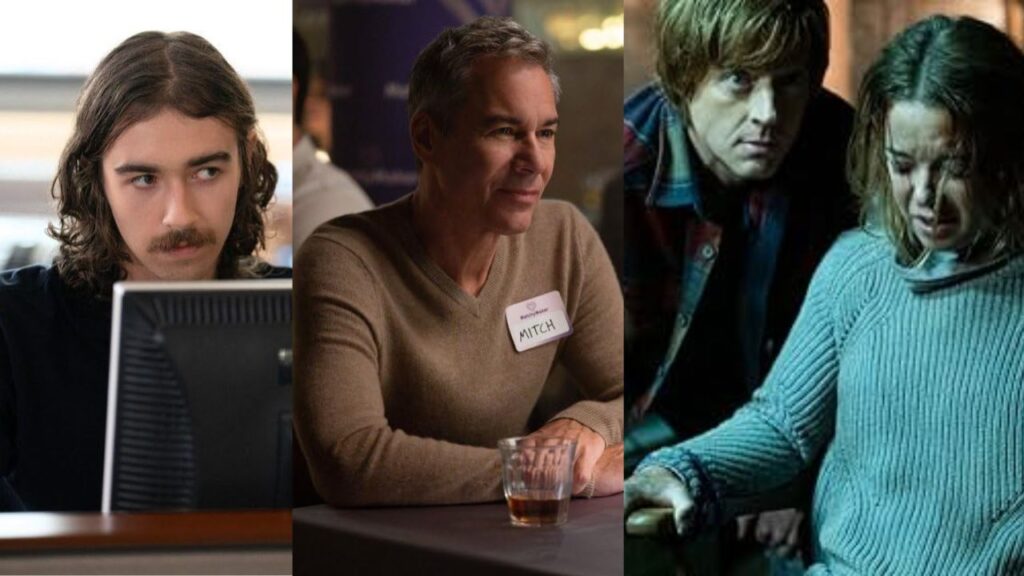
Star Power: Travelers and Will & Grace star Eric McCormack joins the cast as a serial killer who targets women seeking love.
The Mystery of “The Pit”: The would-be all out vigilante team is going more and more rogue to expose the secret prison that is at the heart of the government conspiracy.
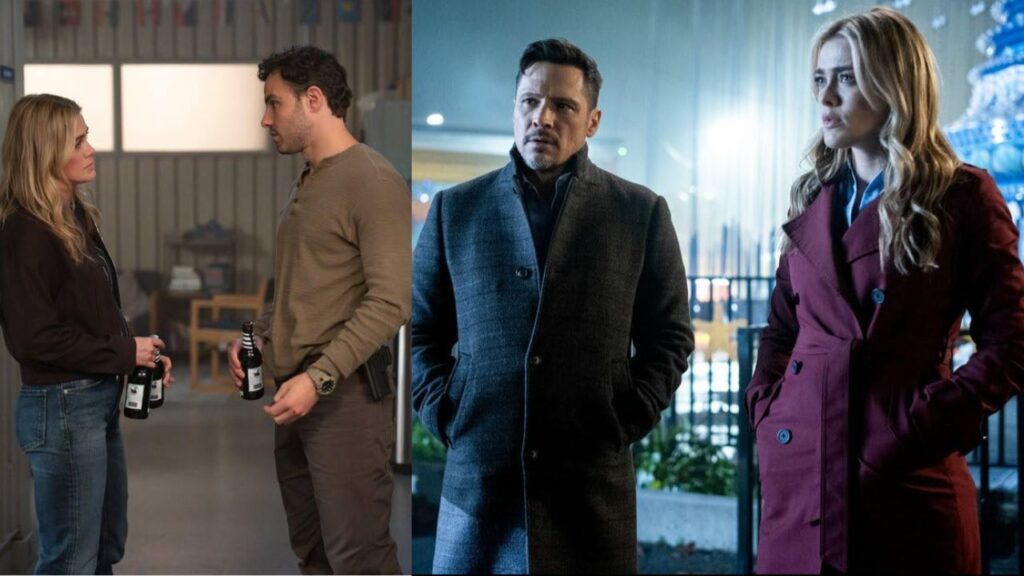
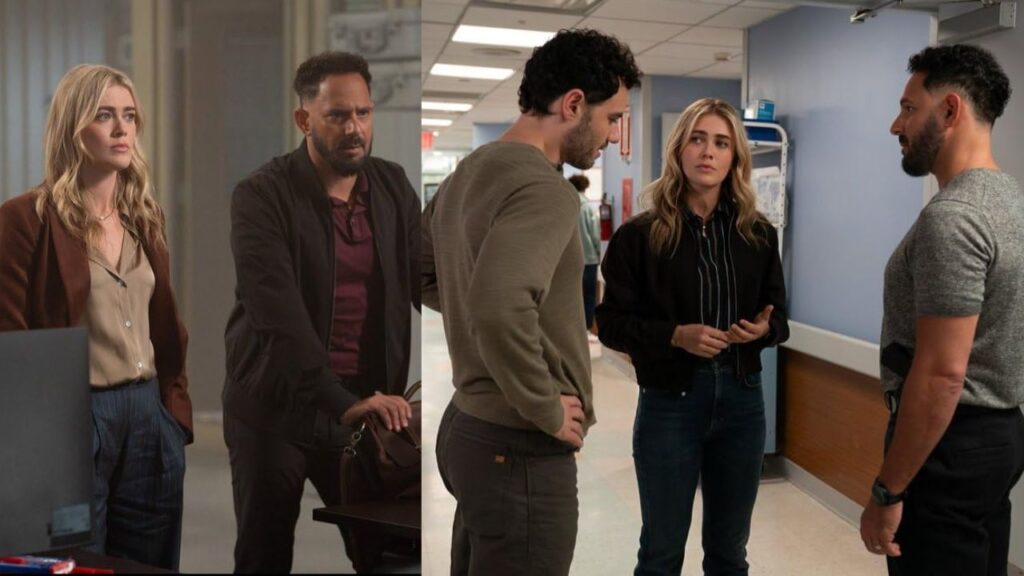
FBI Team in The Hunting Party
Whether The Hunting Party will ever win over the critics remains to be seen, but for the fans who love a good, creepy procedural, the hunt is just getting started.
Conclusion
The Hunting Party Season 2 would never be a darling among critics, but its survival and revival demonstrates audience connection means more than initial reviews. It found its audience by embracing its pulpy, true-crime-meets-camp identity and viewers were going to have to accept the show’s flaws and oddness. With an extended second season, weirder cases, and a further exploration of its central conspiracy, Season 2 can really cut what already works. For those who enjoy their dark procedurals with a bit of chaos on the side, the chase isn’t over — it’s just getting a little crazier.
Fandomfans provide all the latest updates from movies, series and celebrities directly to you.
Mariyam
Articles Published :
76
Mariyam Khan is Fandomfans Content Writer and providing reports and reviews on Movie Celebrities, and Superheroes particularly Marvel & DC. She is covering across multiple genres from more than 4+ years, experience in delivering the timely updates.
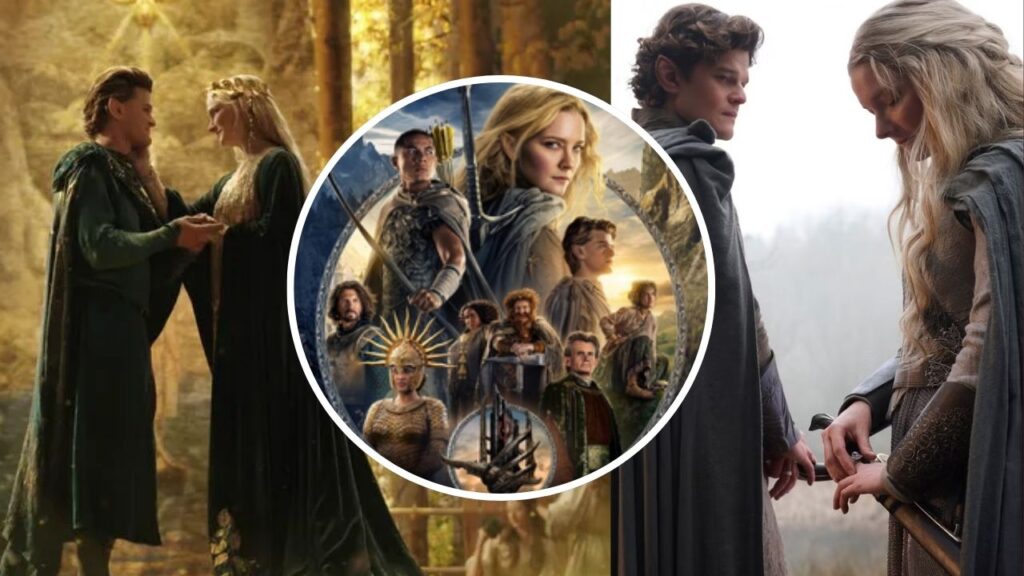
Rings of Power season 2 marks a turning point in the evolution of big-budget streaming TV.As the premier property for Amazon MGM Studios, the series bears a weight of expectation that is exponentially greater than narrative satisfaction. The season 2 narrative approach is a clear progression from its predecessor’s “mystery box” storytelling. Season 1 was built around the concealment of identity, particularly the identity of Halbrand as Sauron. Season 2 becomes a psychological thriller and a sweeping war drama.
The dramatic tension no longer comes from the question of who the characters are, but how the now thoroughly familiar antagonist, in plain sight under the identity of Annatar, leverages the desires and fears of the free peoples of Middle-earth.
Narrative Architecture and Character Dynamics
When Halbrand Became the Monster in the Room
Last season, he was the enigmatic drifter. This season Sauron is all stop pretending.
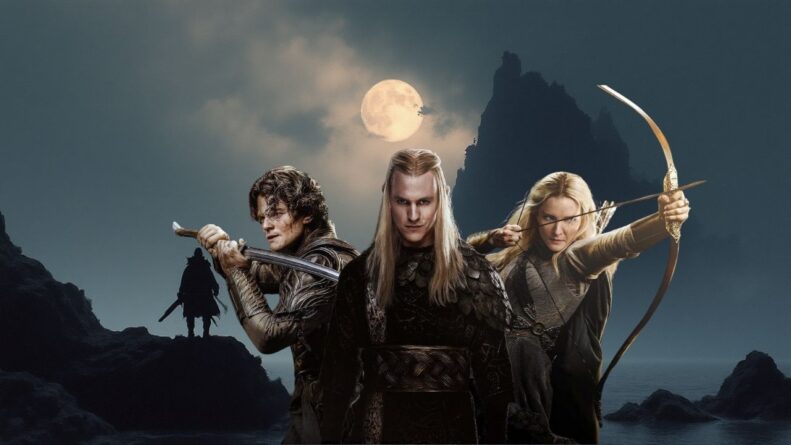
His transformation into Annatar, the “Lord of Gifts”, is not merely a disguise, but a tactical feint. In place of roaring armies, he offers compliments. In place of threats, he brings promises. And the one who falls hardest for this gentle poison is Celebrimbor, an artist who craves for immortal fame.
Their partnership turns the forge into something like a psychological trap. As Celebrimbor makes beauty, Annatar makes his ruin. By the time the truth is revealed, the Rings are not just forged— they are consequences.
Image Credit: Fandomfans
Galadriel Walks Alone
Galadriel starts this season as the one deceived. And Middle-earth treats her accordingly.
She bears Nenya now, a ring that heals while it isolates. Visions pull her in ways she can’t completely communicate, and each warning she gives only widens the gap between her and the people she fought for. Even Elrond, her closest friend, doubts whether rings forged in shadow can be wielded in the light.
Their dispute doesn’t erupt—it corrodes. A slow and agonizing separation between two characters who were once unbreakable.
Celebrimbor: The Artist Who Reached Too Far
If this season includes a tragic core, it’s him.
Celebrimbor does not hunger for power, he hunger for perfection. He wants them preserved, uncleaned, and permanent. Annatar just brushes up against this need, enough to corrupt it. As Celebrimbor creates more and more, he becomes more and more blind to real—until the city around him is as delicate as the metals he shapes.
He is, by the time the siege commences, the man who sees – but sees too late – that he has given his enemy the means to his own destruction.
Rings of Power season 2 Embracing the Characters
Season 2 takes on the art of reinterpreting Tolkien’s world through a new lens, combining known elements with new discoveries. It ventures into the Unseen World, investigating the origins of wraiths and the transformative impact of the rings. Classic figures such as Círdan, whose ancient wisdom is in his very being, and the secretive Tom Bombadil (now roaming the deserts of Rhûn) come alive with an intensity unavailable to them earlier.
Image Credit: Fandomfans
As night falls, the old powers are stirring—Barrow-wights and Ents are awakened, and an inviting voice calls the reluctant servant into a new and deadly adventure. The show takes the risk of reimagining Tolkien’s legendarium, and results in some interrogating and splitting fans at best, but its epic scale and love for the material is evident at every turn.
The Franchise Looks Ahead to Season 3
High-fantasy series need long post production periods for vfx rendering. Given the 20-month gap between Seasons 1 and 2, industry watchers are predicting a Season 3 release in late 2026 or early 2027.
If Season 2 was the flint that struck the fire, Season 3 is that fire burning Middle-earth to new shapes and forms. Following the trajectory of the Second Age and the momentum that’s been built up, the new chapter looks like it’s going to be the most dramatic one yet.
The Birth of the Master Ring
Now the minor rings are either already made or falling into the world, all that is left is one moment: Sauron’s return to Mordor. Season 3 will almost certainly take us to the heart of Orodruin, where he creates the Ring that governs every other ambition, alliance, and lie. This will undoubtedly be the visual and emotional centerpiece of the season.
Men Begin to Fade and Something Darker Rises
Season 2 sows the seeds of corruption in the leadership of Men. Season 3 sees those seeds potentially sprout into something terrifying. As the Nine Ring holders succumb to shadow and become the Nazgûl, their conversion could be one of the show’s most chilling narratives—part tragedy, part horror.
Image Credit: Fandomfans
Númenor Enters the War — but Not as Saviors
The history of the Elves turning back the Dark Lord isn’t a story in which they do so alone. The end result is then that Númenor comes raining down on Middle-earth with such force – but not because it is merciful. Season 3 might show Ar-Pharazôn bringing together the great fleet, not to save the Westlands, but to challenge Sauron. The fact that his “victory” leads to Sauron being taken and a far greater doom beginning— the corruption and eventual destruction of Númenor in seasons to come.
The First Stones of Rivendell
With the destruction of Eregion, Elrond has no ground to stand on. Season 3 is where he rounds up the survivors and hides away in a secret valley, which will become the heart of Elvish memory for generations to come. The establishment of Rivendell isn’t just a plot device, it’s the emotional reboot the Elves so desperately require.
The Lord of the Rings: The Rings of Power, Season 2 a definitive “correction” of where the series was heading. They gave up the mystery-box approach for some dramatic irony and inevitable tragedy, and in doing so the show now finds itself more in line with the spirit of Tolkien’s moodier writings. It still invites criticism for the quality of its dialogue and pacing, but its scale of ambition and its bringing to screen key lore events such as the Siege of Eregion and the forging of the Rings — has ensured it a place in the pantheon of modern fantasy television.
The season acts as a manual for how the powerful corrupt, demonstrating how good motives (Celebrimbor’s art, Galadriel’s vigilance, Durin’s duty) can be perverted by a dark mind. As the series advances toward the forging of the One Ring, the stakes will only elevate, promising a finale where the Shadow not only assumes a new form, but shrouds all the lands in darkness.
Fandomfansis a platform to provide a clear breakdown of the series Lord of the Rings season 2 to season 3 guide. Here, we analyse every detail of the series to the nearly speculation of the new season.
Babita
Articles Published :
25
Babita is Fandomfans Editor, experience in managing content. Her focus in general movies and web series. She is having a deep interest in TV shows and 90s movies - particularly Lord of the Rings, Harry Potter, & Rom-Com. Babita also covers psychological thrillers and major releases in current time and concern with deep interest in them.
The Hunting Wives, Netflix’s surprise thriller, is now making all the right headlines — with the announcement of auteurs to die for joining an already stellar cast in its second season which is hotly anticipated. Three well-established TV and film veterans are coming to stir things up in Maple Brook, Texas, and honestly, we could not be more excited about what that means for the show’s second season.
New Characters Enter Maple Brook
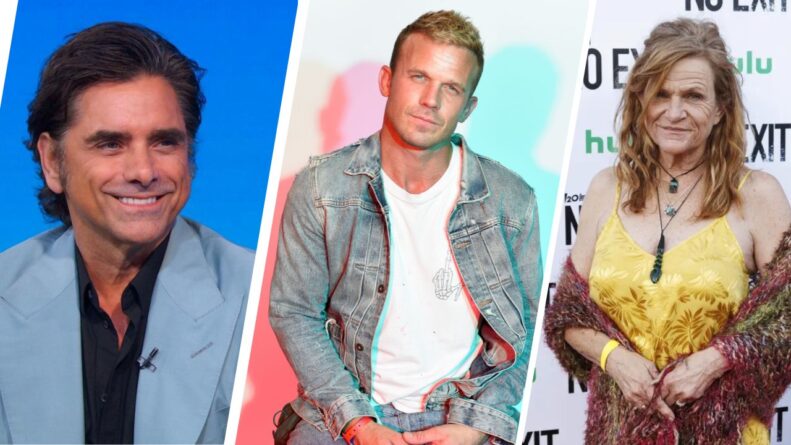
John Stamos is joined by Dale Dickey, who portrays Zelda Moffitt, and Cam Gigandet as Gentle John Moffitt. The Wrap hasn’t divulged any other information on their characters at this point, but the very announcement says that Season 2 is focused on taking things even further than where Season 1 left us hanging—literally, with Sophie running over Margo’s brother Kyle in that unforgettable cliffhanger.
John Stamos Steps Into Darker Territory
What stands out about the casting announcement is the quality of the stars Netflix has assembled. John Stamos – best known for playing the iconic role of Uncle Jesse on Full House (and its later Netflix revival Fuller House) — has been tactically expanding his resume over the years.
John Stamos and Dale Dickey and Cam Gigandet Image Credit: Fandomfans
His trips to darker, more intricate minds, such as his unforgettable recurring role as Dr. Nicky in Netflix’s You, prove that he’s fully capable of exploring the moral gray areas of The Hunting Wives. It’s very different from the family-friendly image that he once had, but that’s why this casting is so interesting.
Dale Dickey and Cam Gigandet Add Serious Depth
Dale Dickey offers her own no-nonsense presence to the proceedings. The actress, who broke out in indie cult classic Winter’s Bone with a bone-crushing performance as Merab, has built a career on playing big-character roles in well-regarded projects like HBO’s True Blood and the upcoming Fallout adaptation.
Her addition indicates that Season 2 will focus even more on character work. Meanwhile, Cam Gigandet, who rose to fame with his recurring role in The O.C. and later starred in movies such as Twilight, Burlesque and Violent Night, adds an appeal that could be either likable or intimidating or perhaps both in the twisted world of Maple Brook.
These castings are hugely important. The Hunting Wives Season 1 proved to be a breakout success for Netflix, premiering in July 2025 and soaring quickly into the top ranks of the platform. The production had a five-week run on the worldwide English Top 10 and garnered over 20 million views even though it was limited to the US. With figures like that, it’s easy to see why Netflix is focusing even more on star power.
Featuring familiar faces like Stamos attests to the platform’s faith in the series and underscores its potential for an even bigger cultural moment.
Story Clues and a Possible New Setting
The timing of this announcement also raises interesting questions about the direction the story is going. Showrunner Rebecca Cutter has previously dropped hints about Season 2 taking place in a new location, with the official synopsis stating that
“Sophie and Margo are at odds. But before too long, ancient secrets and new enemies unite them.”
And these three newcomers are likely to figure into whatever new mess the writers have dreamed up for our ethically challenged leads.
Episode Count, Showrunners, and Returning Cast
Currently in development, Season 2 will consist of eight episodes, following the same format as its popular first season. Executive producers Cutter and Leslie Greif will serve as showrunners, with Greif co-showrunning on Hightown and on this series from the outset, Cutter having recently come off on Hightown after delivering stellar results and Euphoria creator Sam Levinson.
Image Credit: Fandomfans
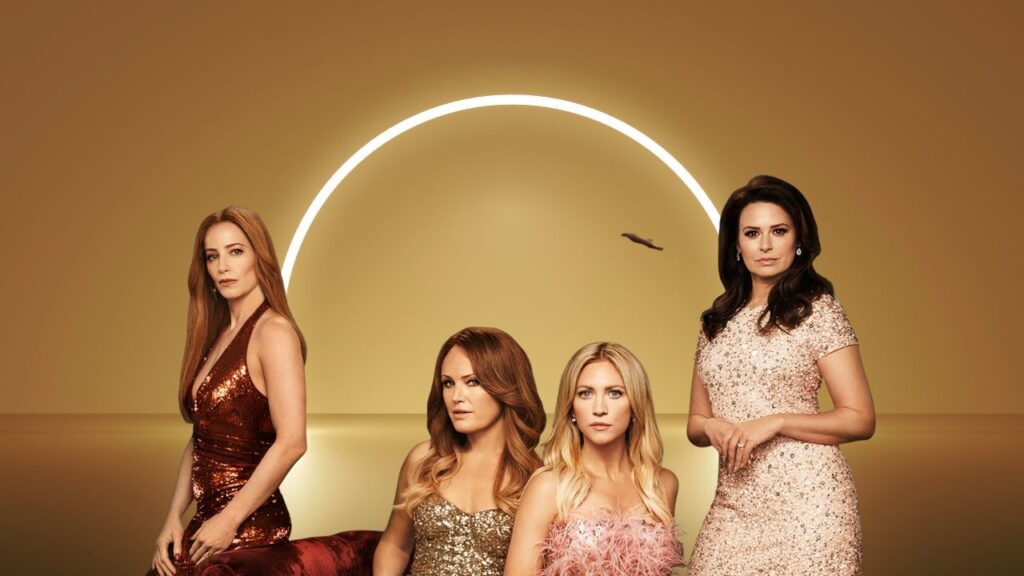
The main-line stars, Brittany Snow and Malin Akerman, will also be returning for Season 2 (as will these exciting new additions!) It’s looking to be quite the rollercoaster!
Conclusion
The Hunting Wives Season 2 is imminent and the excitement is palpable. Now Netflix hopes to up the ante by reviving the intense drama of season one with new energy and a fresh, powerful cast. If the secrets, obsession, and high-risk romance got you before, Season 2 is shaping up to give you even more.
Welcome to Fandomfans where you’ll get latest updates on entertainment, gaming, celebrities.
Mariyam
Articles Published :
76
Mariyam Khan is Fandomfans Content Writer and providing reports and reviews on Movie Celebrities, and Superheroes particularly Marvel & DC. She is covering across multiple genres from more than 4+ years, experience in delivering the timely updates.