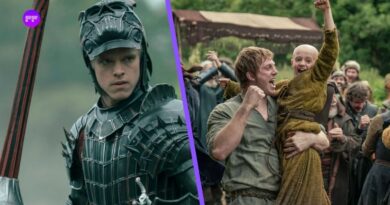
Lyonel Baratheon and Tyrion Lannister: How Westeros Repeats the Same Character
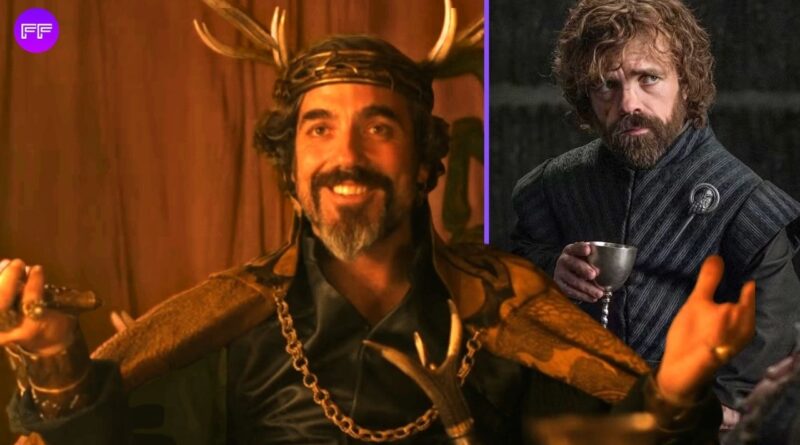
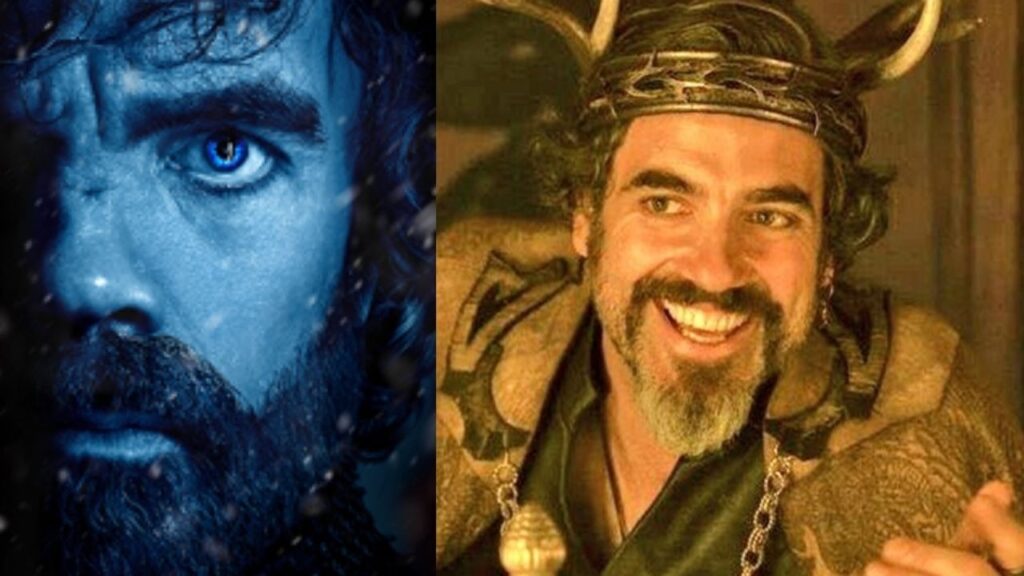
Lyonel Baratheon & Tyrion Lannister tienen muchos rasgos, corazón y humor en común demostrando que en Westeros se repite mucho sus más carismáticos personajes.
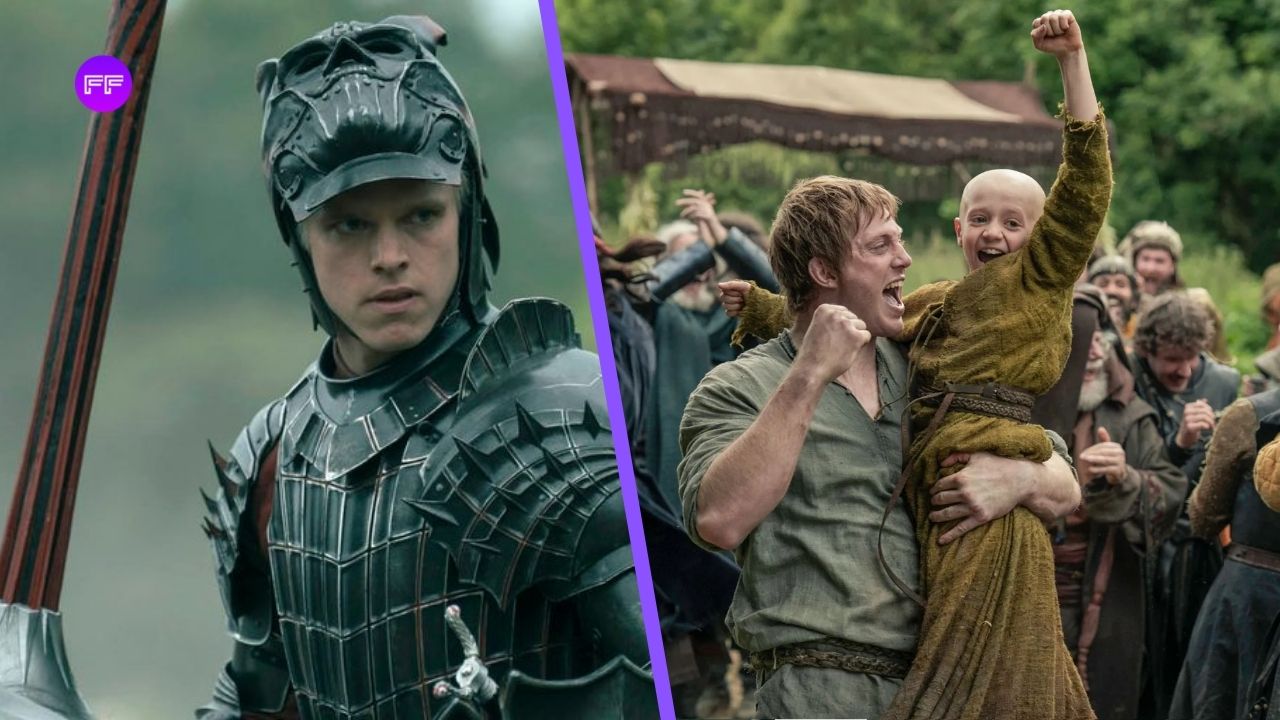
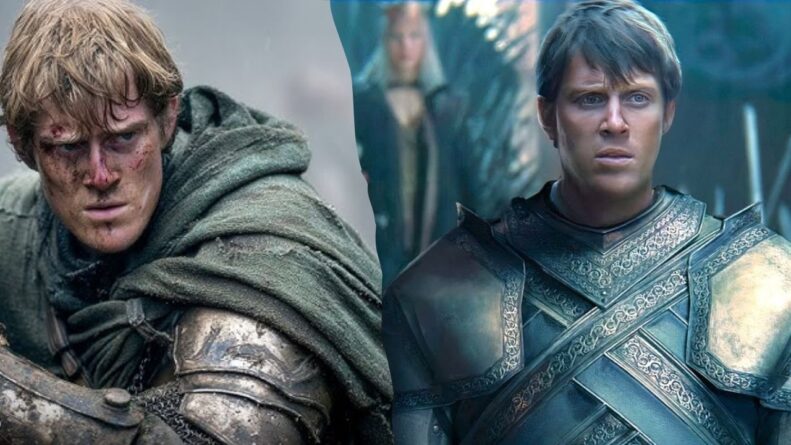
Ser Lyonel Baratheon (The Laughing Storm) and Tyrion Lannister (The Imp). Though separated by a hundred years and described as having wildly different physical builds, one a seven-foot giant, the other a dwarfed outcast—the Collider claims they amount to the same story character.
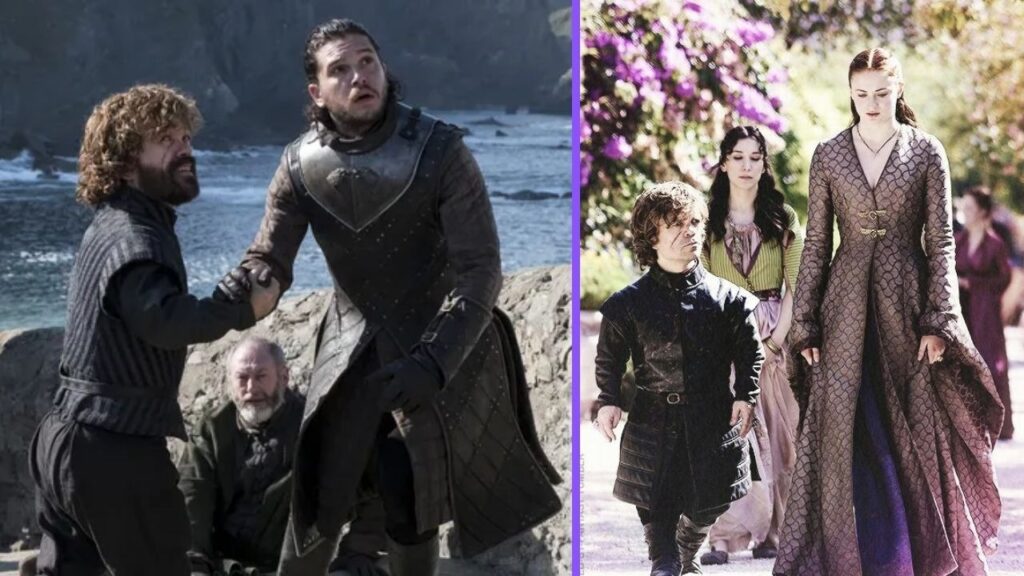
Both men have “performance” as a defense: Lyonel cackles maniacally in battle to rattle his foes, and Tyrion wittily mocks himself in advance. They’re defined by their “soft spot for cripples, bastards, and broken things,” and they serve as mentors to the series’ underdogs (Dunk and Jon Snow). In the end, it shows how both were molded by absent parents to rebel against the status quo — not because they wanted power, but respect.
Westeros is generally quite a crap place to have a conversation. So there are the Starks, all gloomily honourable, the Lannisters, all ruthlessly cold, and the Targaryens, well, you know. But once in a while, George R.R. Martin does hand us someone who opts to look at the world and thinks if it’s going to be a dumpster fire I might as well bring the marshmallows.

Among the Dunk and Egg tales, it is Lyonel Baratheon. In Gal of Thrones, that would be Tyrion Lannister. They seem, on the face of it, to be nothing alike. Lyonel is a hulking, golden-armored giant who could probably bench a horse, Tyrion is a man whose greatest weapon is a library card. But once you strip away the layers, they’re basically the same coin.
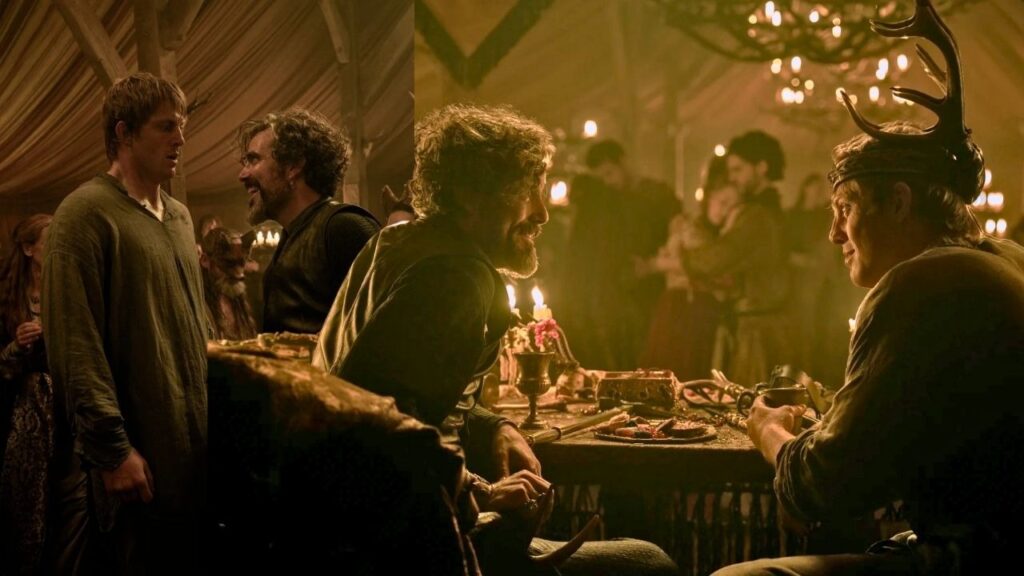
WinterIsComing discuss their ”vices.” Lyonel and Tyrion are introduced as men who enjoy a good drink, a loud party, and not taking the “seriousness” of high-born life too seriously. But this is nothing new for happy hour fans. It’s psychological warfare.
Lyonel—for laughs because he literally laughs in the faces of those trying to kill him, making him The Laughing Storm. Imagine jousting a guy, hitting him with a wooden pole at 30 miles per hour, and he just starts giggling. It is frightening. It projects invulnerability.
Tyrion does the exact same thing with his tongue. The man’s an outcast, and so he masquerades as the “capering fool,” raffling away the power to mock him. If you’ve already dubbed yourself a “drunken little imp,” what’s an insult from Cersei going to do? For both men: comedy is the armor they put on so the world can’t get under their skin.
The best part about these two isn’t just the jokes—it’s their hearts. In a world where lords are expected to treat commoners like literal dirt, Lyonel and Tyrion emerge as “modernist nobles.” They don’t give a damn about your family tree, they want to know who you are.

Both are positioned as a “fulcrum of balance” in the narrative. They serve as a reminder that even in a savage system of feudalism, there are those who value justice and human connection more than they do ancestral legitimacy.
Don’t be deceived by the laughter. These guys get offended, they burn the house down.
Lyonel had been a staunch loyalist to the Crown until the Prince reneged on a marriage pact with his daughter. To Lyonel, that was no mere scheduling conflict – it was a snub to the honor of House Baratheon. He immediately proclaimed himself “Storm King” and raised the sword.

Sound familiar? Throughout his life, Tyrion had tried to be a “loyal” Lannister, but a life of being viewed as a curse by his father eventually forced him to pick up a crossbow and flee to a ship heading to Daenerys Targaryen. Both men take up arms against the crown not because they desire it, but because they are sick and tired of being overlooked and underappreciated.
For the Baratheon devotees, Lyonel is the “Golden Age” Robert Baratheon. He’s what Robert would have been if he’d never been made to sit upon that uncomfortable iron throne. He’s blunt, he’s loud, and he’s “confused when he is not at war.”
But Lyonel had a covering of empathy that Robert ultimately lost. By wedding a Targaryen princess to his family line to end his rebellion, Lyonel actually granted the “blood claim” that Robert would subsequently use to ascend the throne. Even in his defiance, Lyonel was shaping the future of the Seven Kingdoms.
Read More:- Netflix February 2026 Releases: Full Movies & Series List
In the end, characters like Lyonel and Tyrion are really important because they allow us to see the “human” in a show that’s so often about dragons and ice zombies. They teach us that the most lethal weapon in Westeros isn’t a Valyrian steel sword—it’s the capacity to stare down a bleak, authoritarian regime and chuckle at its absurdity.
Striking Lyonel hurls a rival’s helm into a thumping audience, and Tyrion uses his superior intellect to best his sister on the Small Council — such “friendly” outliers keep reminding us that as an outsider, you get a vantage point the “great lords” will never have. They are the heart of the story, even if the story does its damnedest to shatter them.
Fandomfans is a platform where you can get deep theories on characters of your favorite movies and series.
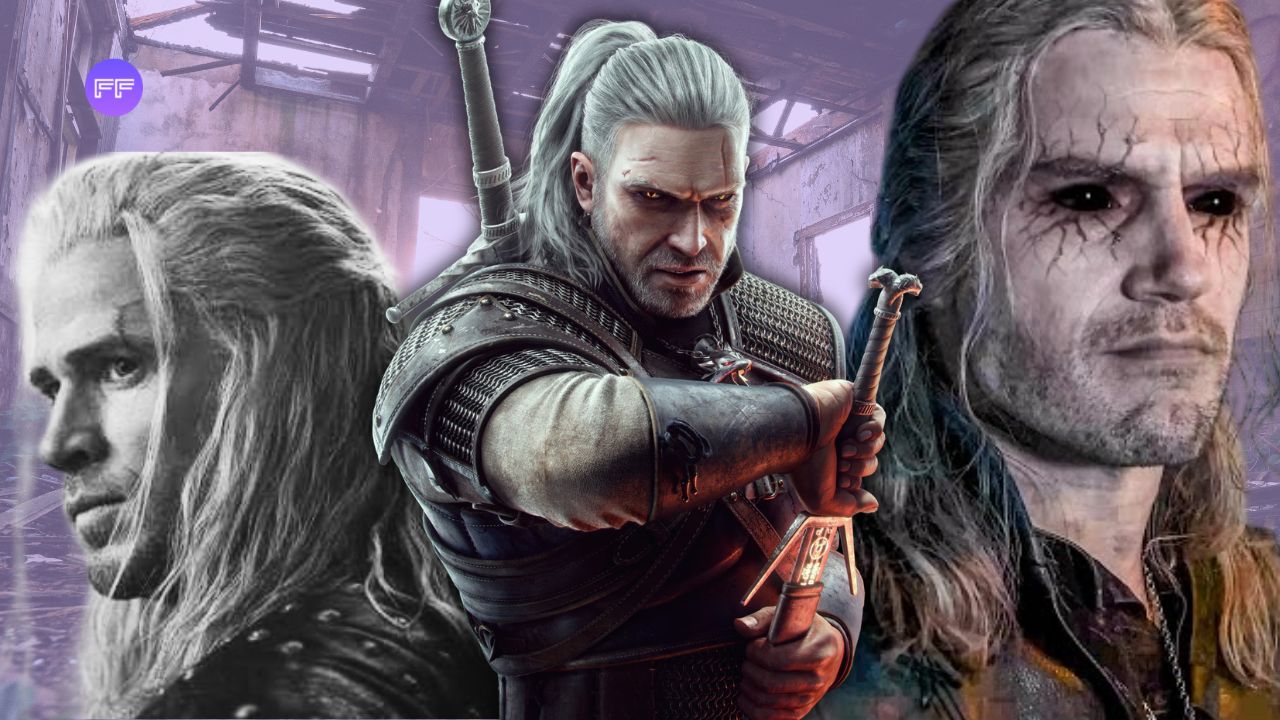
Greatest lines of Geralt of Rivia in The Witcher 3 reminding everyone the highest stakes and emotional weight of the story after eleven years.

Eleven years after CD Projekt Red first sent Geralt of Rivia stumbling into White Orchard, the internet is once again arguing about the one thing it never actually settled: what his single best line in the entire game is. Not “top ten quotes” listicle territory — the one line, the mic-drop, the sentence people still bring up at parties nobody invited them to speak at.
Ask two different corners of the gaming press this week and you’ll get two completely different answers, and neither side seems to know the other exists. Some consider it merely a joke, and some treat it as a life philosophy. Surprisingly, both views hold water.
The case for comedy goes like this. About halfway through the main story, with Ciri’s trail going cold and the stakes about as high as they get, Geralt and his fellow witcher Lambert are crossing a lake by boat to reach the Circle of Elements. Fog rolls in. Tension should be building. Instead, Geralt — a man who has, up to this point, said maybe four sentences per hour of gameplay decides this is the moment to share a limerick he’s apparently been workshopping.
It shouldn’t work. It works anyway. That’s the whole argument for why this is the best line in the game: it’s not clever because of what it says, it’s clever because of who’s saying it. This is a character built entirely on the economy of words.
The voice acting that Doug Cockle gives in just the three games prepares you to expect silence from Geralt, so when he at last speaks, and what that is a limerick on a ship during a rescue mission, it gets played as a bona fide character moment rather than a throwaway joke. The Witcher 3 makes its emotional weight matter because it knows just when to knock it off.
The other side isn’t interested in jokes. Their pick is heavier, and it shows up when Geralt lays out — flatly, without any of his usual dry wit — how he actually sees the world:
“Evil is evil, Stregobor. Lesser, greater, middling — makes no difference. The degree is arbitrary. The definition’s blurred. If I’m to choose between one evil and another, I’d rather not choose at all.” — Geralt of Rivia
This isn’t a throwaway line buried in a side quest nobody finishes. It’s Geralt’s actual worldview, stated out loud, and CD Projekt Red clearly agreed it mattered, they reused it almost word for word in the “Killing Monsters” launch trailer, which means this was the line the studio chose to sell the entire game on. When a developer picks one piece of dialogue to represent thousands of lines of writing, that’s not a small endorsement.
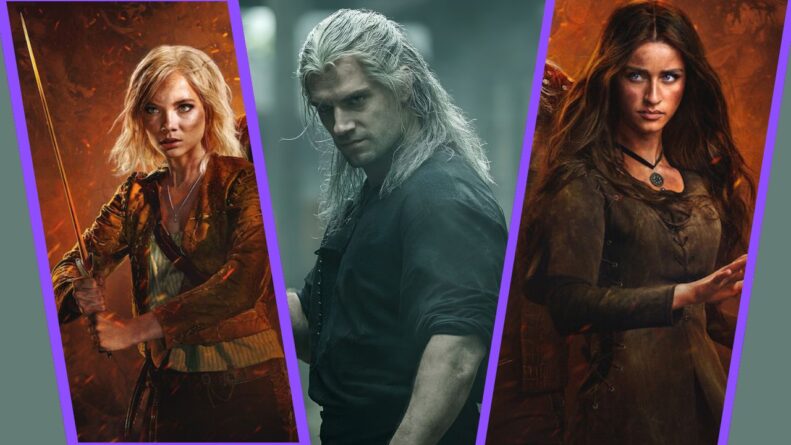
Where the limerick works because it’s a break from Geralt’s character, this line works because it is his character. It’s the thesis statement for a man who spent two prior games and a pile of short stories getting burned by people who were sure they knew the difference between right and wrong.
Read More 👉 Westeros Is Not Done Yet: A Knight of the Seven Kingdoms Brings a New Legacy
Honestly, that depends on which version of Geralt you fell for. If what hooked you was the deadpan humor buried under the White Wolf routine, the limerick wins every time — it’s proof there’s a person under the mutations and monster contracts. If what hooked you was the moral weight, the constant refusal to pretend the world is simple, then the Stregobor line isn’t just his best line, it’s the one sentence that explains every choice he makes for the rest of the game.
Neither side is wrong. They’re just answering a different question about who Geralt actually is.
Honorable Mentions, Because The Bar Is Genuinely This High
“Lambert, Lambert, what a prick.”
— Not deep. Not trying to be. Still gets quoted more than most games manage in their entire script.
“No witcher’s ever died in his bed.”
— Said almost in passing, and somehow one of the saddest lines in the game.
The invisible hand of the market line is a Proof that Geralt would’ve survived an economics seminar just fine.
What’s actually interesting, more than a decade out, is that a game can still generate this kind of disagreement. Most RPGs get remembered for one big speech or one viral meme line and that’s the whole conversation.
The Witcher 3 has enough good writing scattered across sixty-plus hours that fans are still split on which piece of it mattered most and with Ciri stepping into the lead for The Witcher 4, there’s a real chance Geralt’s best line ever already happened, and we just can’t agree on which one it was.
So, limerick or lesser evil? Pick a side.
Video game writing gets thrown away constantly. Most dialogue exists to move you to the next objective marker, and players forget it the second the quest log updates. What makes both of these lines — the limerick and the Stregobor speech — worth arguing about eleven years later is that neither one is doing that job. They’re not exposition. They’re not filler between combat encounters. They’re the writers using a fifteen-second window to tell you who this man actually is, and trusting you to notice.
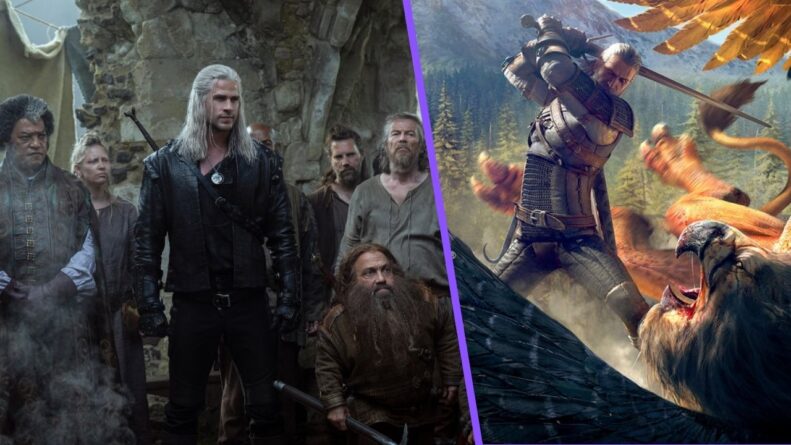
That’s rarer than it sounds. A game can have great combat, a sprawling map, and a hundred hours of content, and still forget to make its protagonist say anything worth repeating. The Witcher 3 didn’t forget. It built two completely different sides of Geralt — the deadpan joker and the reluctant philosopher — and let players pick their own entry point into the character. That’s not an accident of good voice acting. That’s writing with intent.
The next chapter doesn’t belong to Geralt at all — it belongs to Ciri, and that’s exactly what makes the wait interesting instead of frustrating. CD Projekt Red has confirmed The Witcher 4 as the first installment of a new trilogy, with Ciri stepping in as the playable character instead of Geralt. The studio has been explicit about why it made that choice, and it’s not a small swap — it’s a generational handoff for the entire series.
Don’t expect an early release of this game, CD Projekt Red has confirmed that it will launch in 2027. CFO Piotr Nielubowicz refused to give a more definitive date. However, the studio suggests that the team working on The Witcher 4 has expanded to several hundred developers, and CDPR said it wants to release the full Ciri trilogy within a six-year span — a much tighter turnaround between entries than fans saw the last time.
Read More 👉 Euphoria Season 3 Episode 3 Recap: “The Ballad of Paladin” Turns Out a Bloody Wedding
Handing the story to Ciri changes the entire question the series is asking. Geralt’s arc was about a man who’d already decided who he was and kept getting tested on it — hence lines like the Stregobor speech, a worldview stated once and defended for two more games. Ciri doesn’t have that settled worldview yet. She’s still becoming whoever she’s going to be, which means the writers get to build her defining lines from scratch instead of paying off ones we already know.
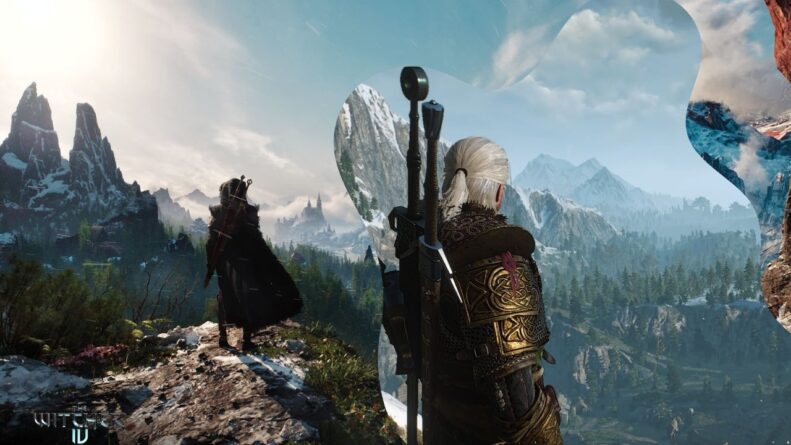
That’s the real reason this debate over Geralt’s best line isn’t just nostalgia. It’s a preview of the exact question fans will start asking about Ciri the moment The Witcher 4 lands: which line is hers? The joke that reveals the person under the training, or the flat, unshakeable statement of what she believes? CD Projekt Red already knows this game works. Now they just have to write it twice.
This debate is probably never going to have a definitive winner, and that’s fun. Geralt’s best line depends on which side of him catches your heart at first, but both are amazing for different readers. Fans are simply celebrating different parts of the same character. That’s what happens when a script is good enough to support two contradictory readings of the same character and have both hold up.
What’s worth sitting with is that eleven years on, a game can still generate this kind of argument without a remaster, a re-release, or a marketing push forcing the conversation. That’s the actual measure of writing that worked, not that everyone agreed on the best line, but that there were enough good ones in contention that the argument never had a clean winner.
And with Ciri picking up the mantle next, the debate isn’t closing. It’s resetting. Somewhere in The Witcher 4, there’s already a line — a joke on a boat, or a worldview stated flat and cold that fans will be arguing about in 2037. We just don’t know which one yet.
Get latest theories and updates from movies and series on Fandomfans, stay tuned for more details on your favorite franchise.

Discover how A Knight of the Seven Kingdoms keeps the world of Westeros alive with new characters, rich storytelling, and a legacy that bridges the past and future.

For a franchise that ended one story by burning half a continent to ash, Westeros has an odd talent for making you care about small things again. That is exactly what A Knight of the Seven Kingdoms pulls off. After Game of Thrones gave us prophecy and mass destruction, and House of the Dragon gave us a family tearing itself apart over a chair, HBO’s newest entry in George R.R. Martin’s world does slow down and give us a dynamic.
There is no war council plotting the fate of nations here. Instead, the story follows a hedge knight with more honor than money, a young squire whose identity is hidden from everyone that could change everything if it is revealed. And a path leading them into conflict again and again which neither of them asked for. Let’s dive into the deeper details of the quieter tale of the Game of Thrones franchise.
A Knight of the Seven Kingdoms is adapted from Martin’s Tales of Dunk and Egg, a set of novellas he began writing decades ago, long before Fire & Blood or House of the Dragon existed as ideas anyone outside his head could see. The show picks up roughly a century before the events of the original series and about 77 years after the House of the Dragon timeline closes, when the Targaryens still sit the Iron Throne and dragons have only just vanished from living memory.
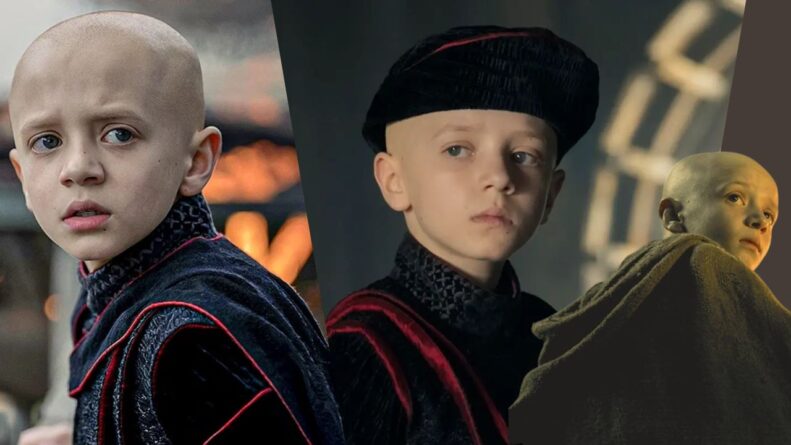
Ser Duncan the Tall, played by Peter Claffey, is a hedge knight in the truest sense of the word — landless, largely broke, and defined less by his birth than by the code he refuses to abandon. His friend, Egg, a character played by Dexter Sol Ansell disguises himself as a clever, bald young boy who is actually a Prince Aegon Targaryen on a journey through the seven kingdoms. Rather than the Game of Thrones-style storyline involving deception and the pursuit of power, A Knight of the Seven Kingdoms finds its drama between two friends trying to defend to do the right thing in a world that rarely favors honor.
Read More👉 A Knight of the Seven Kingdoms: The Rise of a New Legend in Westeros
HBO could have easily tried to recreate the big spectacle that made Game of Thrones a worldwide phenomenon. But showrunner Ira Parker went with a more low-key, character-driven tact that paid off. Its six episodes in the first season is a refreshing change of pace — they’re around 30 to 40 minutes instead of the feature-length episodes fans have come to expect. Parker has spoken about how freeing that structure was, saying it meant the writers did not have to stretch a story that was never built for ten episodes in the first place. Rather than stretch a fairly compact story out into a long season.

That discipline shows in the storytelling. Tournaments, taverns and dust roads are envied by dragon war and politics room. The stakes are personal, not civilizational that somehow makes them hit the land harder. When Dunk defends a stranger for whom he stands to gain nothing, it matters because the show has made you believe he really has nothing to gain.
A Knight of the Seven Kingdoms caught the lost audience of GOT and silently reached their hearts after a few days of its release in January. The series received critical appreciation for its intimate storytelling and outstanding performance of actors that received a 94% approval rating on Rotten Tomatoes based on over 170 reviews. The scale suggests that returning to Westeros through a more gentle, emotional, character-driven narrative is better rather than high-stakes drama on kings landing.
A few days post-release, HBO announced millions of U.S. viewers, and as the season reached its finale, the show was averaging around 14 million viewers per episode domestically and approximately 26 million globally, making it one of the most successful series premieres in HBO Max’s history. For a story about a hedge knight with no land and a squire nobody was supposed to notice, that is a significant statement.
What makes the title of this piece more than just a clever hook is that Westeros genuinely is not finished expanding. The series was renewed by HBO for a second season prior to the premiere of the first, with the next chapter to adapt The Sworn Sword and to be expected in 2027. Martin has also stated that he provided the show’s producers outlines for 12 unpublished Dunk and Egg stories, well beyond the three novellas that have been officially released. The plan, at least as it stands, is big, complicated, and at least for the moment ambitious: The published material first, then using that as a base to expand the saga over the next 20 years.

That’s a lot of runway from a show that came out of the gate asking its audiences to care about a knight that no one else in his own world seemed to care about. It is also further confirmation that the franchise doesn’t require dragons flying in the sky or armies battling at the eye of the gate to capture an audience. A decent man just trying to keep his word is sometimes enough.
A Knight of the Seven Kingdoms does not try to replace what came before it. It simply reminds you why Westeros was worth returning to in the first place.
A Knight of the Seven Kingdoms showed us a different side of Westeros where dragons, wars, or the Iron Throne doesn’t define it. Instead, the story follows the two companions Dunk and Egg —- their choices, their flaws, and the values they cling to when the odds are stacked against them.
HBO has been able to come up with a new way to grow the franchise and keep the series going with a second season. As A Knight of the Seven Kingdoms Season 2 reminds us that in a kingdom plagued by fixation on its crowns and conquests, the most memorable champions are oftentimes the ones simply opting to do the right thing.
Dive deeper into the details of movies, series, and celebrities with Fandomfans to get the latest updates and theories.