Best Superhero Books and Superhero Comics Books to Read
Discover the best Superhero Books and superhero comics to read, featuring iconic heroes, thrilling stories, powerful villains, and must-read adventures for every fan.
Walk into a comic shop right now and you’ll notice something that hasn’t happened in over a decade: DC and Marvel are both mid-reinvention at the same time. DC blew up its own continuity with 2024’s Absolute Power event and rebuilt half its roster from the ground up in a new line called the Absolute Universe. Marvel did something similar on its side, resetting the Ultimate Universe and letting Jonathan Hickman rewrite Spider-Man’s entire life before issue one even hits shelves.
If you’ve been searching for superhero books that are worth your dollars and your minutes, this is one of the best jumping on points we’ve had in years and every single superhero comic on this list either began or ended in the past two years, so don’t expect to find anything ancient in the boxes here.
Every pick below is either a currently-running series with a strong first volume or a maxiseries that’s already finished. Prices reflect standard trade paperback pricing at time of writing; flag anything below as unconfirmed and double-check at checkout, since comics pricing shifts with printings.
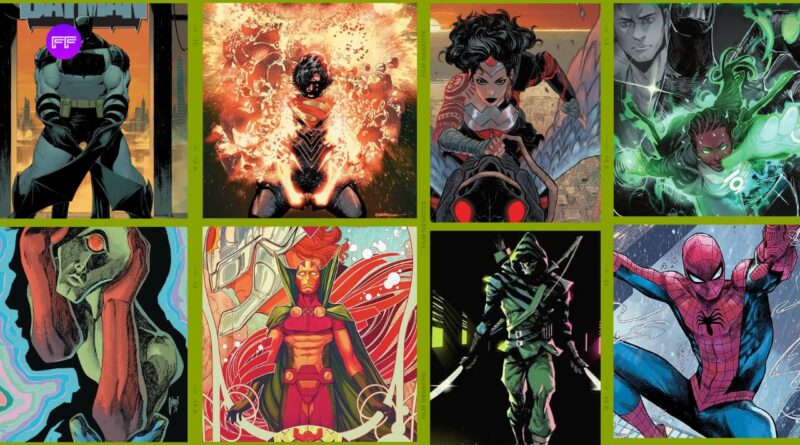
Writer: Scott Snyder | Artist: Nick Dragotta | Publisher: DC Comics | Collects Absolute Batman #1–6 | Price: ~$17.99 paperback (standard Absolute-line price; confirm at your retailer) | Best for: readers who want the flagship title everyone’s talking about
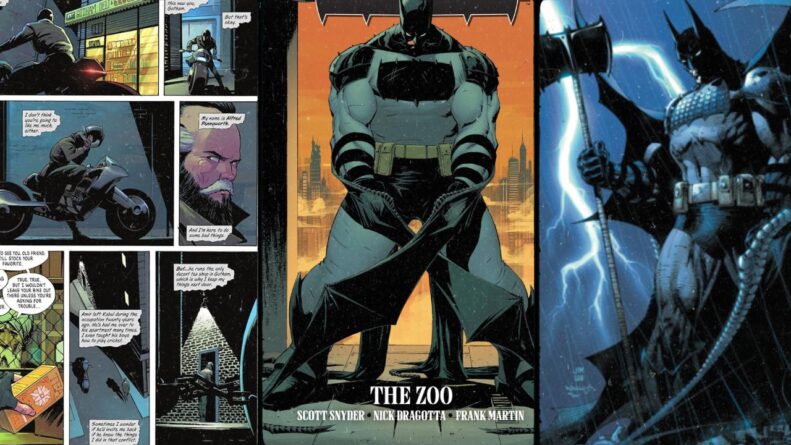
This is the book that kicked off DC’s Absolute Universe in October 2024, and it’s still the line’s biggest seller. Bruce Wayne here isn’t a billionaire — he’s a civil engineer with no manor, no Alfred, and a much rougher relationship with Gotham’s underworld. Snyder and Dragotta play that blue-collar card strong and it makes the character truly feel like something you haven’t read before. However, it’s a build-up, not a payoff like the marketing suggests, and if you’re expecting classic Batman gadgetry, the first half a dozen issues are more about building the world than throwing punches.
Writer: Jason Aaron | Artist: Rafa Sandoval | Publisher: DC Comics | Collects Absolute Superman #1–6 | Price: $17.99 paperback | Best for: readers who want Superman with real stakes and no safety net
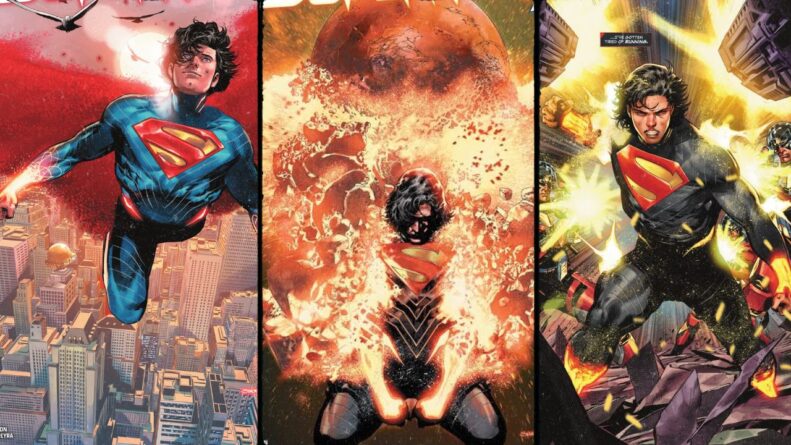
Aaron strips away everything comfortable about Clark Kent — no Fortress of Solitude, no found family waiting at home — and drops him into conflict with a shady multinational corporation almost immediately. It’s a more streamlined and aggressive version of the character but it still keeps his decency intact. There is a limit to this as whiplash is felt: certain readers feel the corporate-conspiratorial plot is a step down from ambition compared to Snyder’s Batman – even if Sandoval’s art is ever-consistent.
Writer: Kelly Thompson | Artist: Hayden Sherman | Publisher: DC Comics | Collects Absolute Wonder Woman #1–7 | Price: $17.99 paperback, published August 2025 | Best for: readers who want horror and dark fantasy in their superhero comics
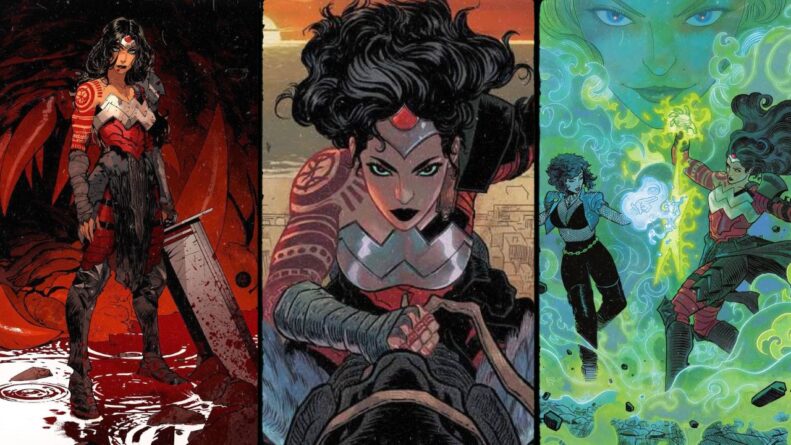
Thompson takes Diana’s known Themysciran childhood and turns it on its head by raising her in the underground with Circe rather than among the Amazons. The result is less a classic superhero origin story and more one of supernatural terror. Sherman’s art is just as eye-catching, with sharp linework and disquieting colors that lend the entire book a unique visual voice.
The only negative is that this is not the Wonder Woman that most casual fans know. For a more standard Themyscira-centric origin story, Wonder Woman: Year One is the superior place to begin.
Writer: Al Ewing · Artist: Jahnoy Lindsay | Publisher: DC Comics | Collects Absolute Green Lantern #1–6 | Price: $17.99 paperback, published December 2025 | Best for: readers who want cosmic sci-fi over street-level stakes
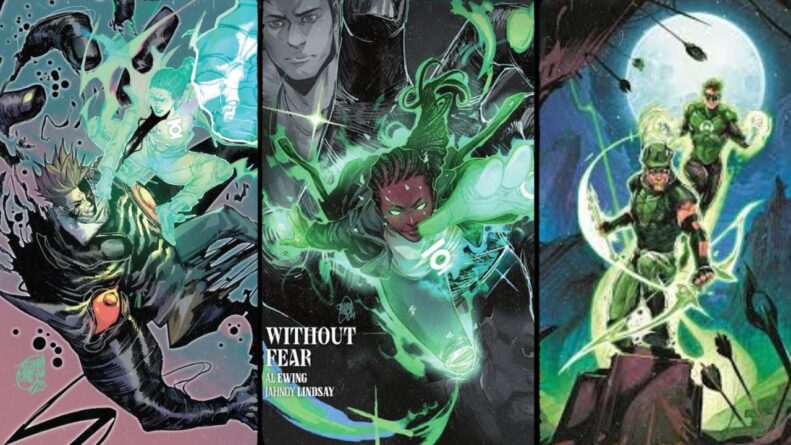
Ewing shakes up Green Lantern mythology with an alien monolith that arrives in a remote Nevada town and starts judging its citizens. Hal Jordan, Guy Gardner, John Stewart, and Jo Mullein are all dragged into the fray, but they come out of the gate as ordinary people and not Corps members.
It’s an ambitious, high-concept set up, perfect for Ewing’s gift for weird, cosmic storytelling. The downside is that having four future Lanterns to balance means the first volume is a lot of world building before any one character really takes the stage.
Read More 👉 Best Spider-Man Marvel Comics for New Readers
Writer: Deniz Camp | Artist: Javier Rodríguez | Publisher: DC Comics | Collects Absolute Martian Manhunter #1–6 | Price: $17.99 paperback, published November 2025 | Best for: readers who want something genuinely strange
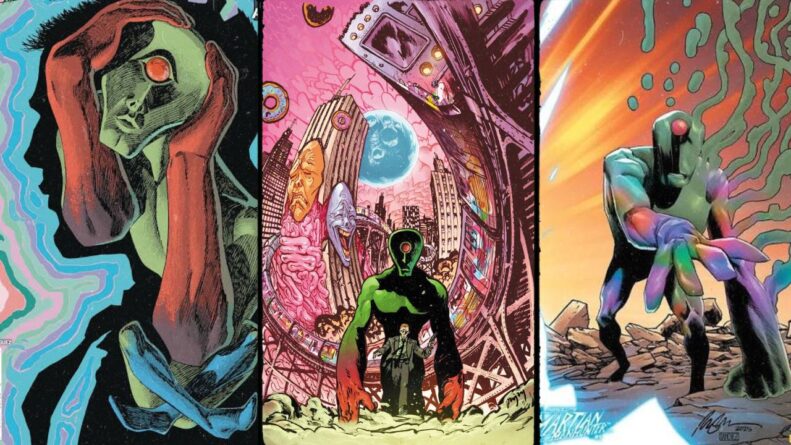
This is the trippiest book on the list. FBI agent John Jones gets his mind overwritten by an alien consciousness that perceives reality in ways the human brain can barely process, and Camp and Rodríguez lean fully into that disorientation rather than softening it for accessibility. It’s one of the more purely inventive superhero comics being published right now. The limitation is exactly what makes it interesting — the fractured, psychedelic structure asks more of a first-time reader than any other book on this list.
Writer: Ram V | Artist: Evan Cagle | Publisher: DC Comics | Collects The New Gods #1–12 (complete maxiseries) | Price: $17.99 paperback per volume (unconfirmed — verify at checkout) | Best for: readers who want a complete story, not an ongoing commitment
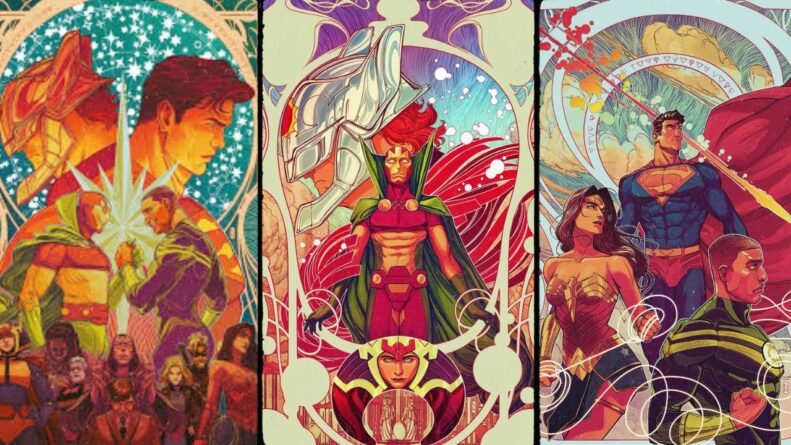
It is the one selection on this list you can consume all at once with no cliffhangers, as the entire 12-issue story arc was published from February 2025 to January 2026 and ended as a complete and very satisfying epic. Ram V reinvents Jack Kirby’s Fourth World mythos as Scott Free and Big Barda make their way through the jungle of new parents while an astral prophecy is poised to rip New Genesis and Apokolips asunder.
It’s honestly one of the best-reviewed superhero books in the past year. The catch: Ram V takes for granted, if not outright expects, that readers already know who the New Gods are, so it isn’t the softest introduction to characters like Darkseid, Orion, and Mister Miracle.
Writer: Pornsak Pichetshote | Artist: Rafael Albuquerque | Publisher: DC Comics | Single issue only — no trade collection yet | Price: standard single-issue price, likely $4.99–$5.99 (unconfirmed) | Best for: readers who want to get in on day one of a new series
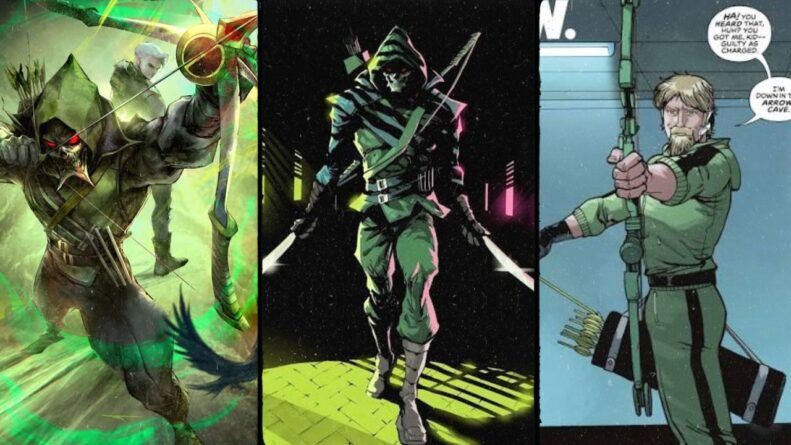
This is the freshest book on the list — issue #1 hit shelves in May 2026 and sold well enough to warrant a second printing within weeks. Oliver Queen is murdered before the story even starts, and the mystery of who’s using his old Green Arrow gimmick to hunt down corrupt billionaires is told largely through Dinah Lance’s eyes rather than Oliver’s. It’s a sharper, more mystery-driven angle than past Green Arrow runs. The obvious limitation: there’s no collected edition yet, so you’re buying single issues or waiting, and it’s still unclear whether this becomes an ongoing series or stays a miniseries.
Writer: Jonathan Hickman | Artist: Marco Checchetto | Publisher: Marvel Comics | Collects Ultimate Spider-Man (2024) #1–6 | Price: $17.99–$19.99 depending on retailer | Best for: readers who want Marvel’s version of a no-baggage relaunch
Hickman brings Spider-Man to a startlingly new place: Peter Parker wasn’t bitten by a radioactive spider. Rather, he was raised, married MJ, had children, and he lived a normal life – until Iron Man comes calling and gives him the powers he never had as a kid.
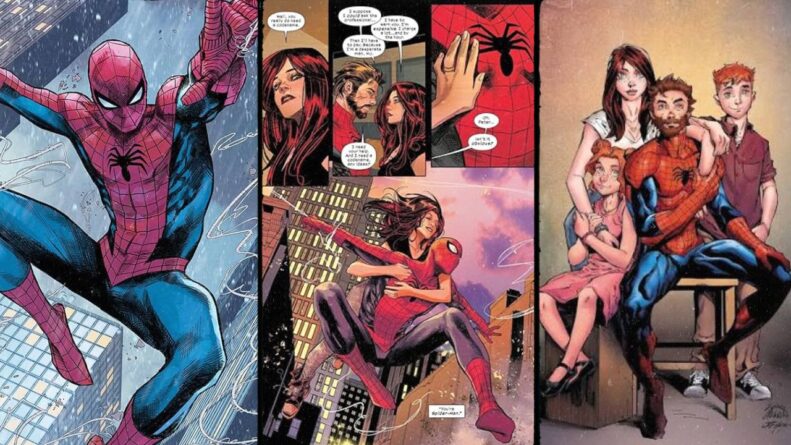
The series was named Best Marvel Comic of 2024 by The Hollywood Reporter, and the 24-issue run is ending in February 2026, allowing new readers to experience the whole story without having to pause for the next issue. This is a much more down-to-earth, family-focused Spider-Man than the one most fans think of as the wall-crawler. This is not the quintessential teenage Peter Parker story, if that’s what you want.
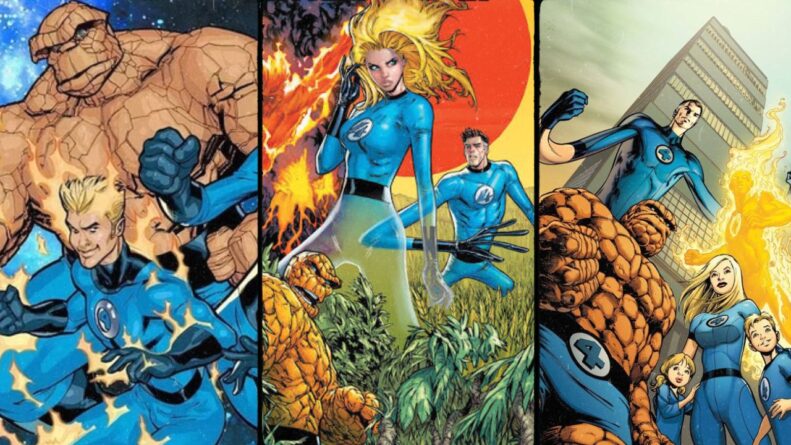
Writer: Ryan North | Artist: not fully confirmed at time of writing — check current solicitation | Publisher: Marvel Comics | Collects Fantastic Four (2025) #1–5 plus the Free Comic Book Day 2025 Fantastic Four story | Price: unconfirmed, expect the standard $15.99–$17.99 Marvel trade range | Best for: readers who want smart, structurally clever superhero comics
Ryan North’s Fantastic Four run has developed into one of Marvel’s most consistently acclaimed ongoing books, and this 2025 volume is the latest jumping-on point after the team’s Doctor Doom arc. North’s scripts lean on clever high-concept plotting — time loops, killer Doombots, alternate worlds without losing the family dynamic that makes the FF work. But north’s take is dialogue-heavy and idea-dense, which some readers love and others find slows the pacing compared to a more action-first book like Absolute Batman.
Read More 👉 Will There Be Another Spider-Man Movie? Here’s Everything Confirmed So Far
Writer: Deniz Camp, with Jonathan Hickman | Artist: Juan Frigeri | Publisher: Marvel Comics | Collects Ultimates (2024) #1–6 and Ultimate Universe (2023) #1 | Price: unconfirmed, expect standard $17.99 Marvel trade pricing | Best for: readers who want Marvel’s Avengers-level team book without 60 years of continuity
Camp writes this as the flagship team book of Marvel’s rebuilt Ultimate Universe, with a search for answers eventually pulling in a reimagined She-Hulk. It’s been one of the better-reviewed launches in the Ultimate line, praised for treating its ensemble cast with real weight instead of just cameos.
Because it’s tied so closely into the wider Ultimate Universe relaunch, it reads best after — or at least alongside — Ultimate Spider-Man, rather than as a fully standalone entry point.
Don’t route all your buying through one retailer. Trade paperbacks on this list should be available through Barnes & Noble, Amazon, Books-A-Million, and Target, and if they’re not on your local comic shop’s shelves, they can most likely special-order them for you.
With respect to individual issues, primarily Absolute Green Arrow#1, which has no collected edition as of yet — your local shop or a site such as the regional comic shop locator will in general provide you with a copy sooner than you’d get it from a restock of a big box retailer. Digital readers can find nearly everything here through Marvel Unlimited or DC’s digital storefront the same day it hits print.
If you’ve never read a superhero comic and want the safest, most talked-about entry point, start with Absolute Batman Vol. 1: The Zoo — it’s the best-selling book on this list for a reason. If you want a complete story with no waiting, go with The New Gods or Ultimate Spider-Man by Jonathan Hickman, since both are already finished.
If budget matters and you only want to try one book before committing further, skip the newest single issue (Absolute Green Arrow) until a trade collection exists, and pick up one of the $17.99 Absolute Universe volumes instead — they’re consistently the best per-dollar entry point on this list. Whichever you choose, all ten of these are proof that 2026 is a genuinely good year to start reading superhero comics again.
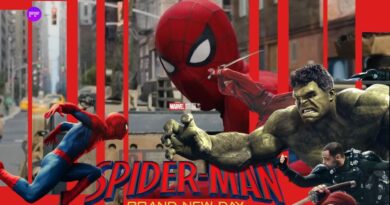
Read More 👉 Why Spider-Man: Brand New Day Just Changed Everything for the MCU
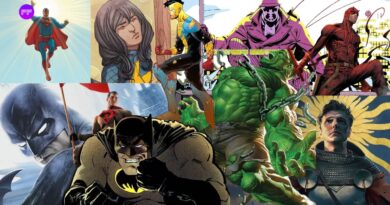
Superhero comics are going through a surprisingly great moment for new readers this very moment. DC’s Absolute Universe and Marvel’s reconstructed Ultimate Universe both provide new starting points that don’t demand decades of continuity, and complete stories like The New Gods and Ultimate Spider-Man let you read from cover to cover without waiting for the next issue.
If you want the safest first pick, Absolute Batman Vol. 1: The Zoo is the obvious choice, while Ultimate Spider-Man is best for fans of a more down-to-earth, family-themed version of Peter Parker. For something weirder and more sinister or cosmic, there’s Absolute Wonder Woman, Absolute Martian Manhunter, and Absolute Green Lantern, all very different rides. Since all ten books provide fairly new entry points, 2026 is a great year to jump into superhero comics.

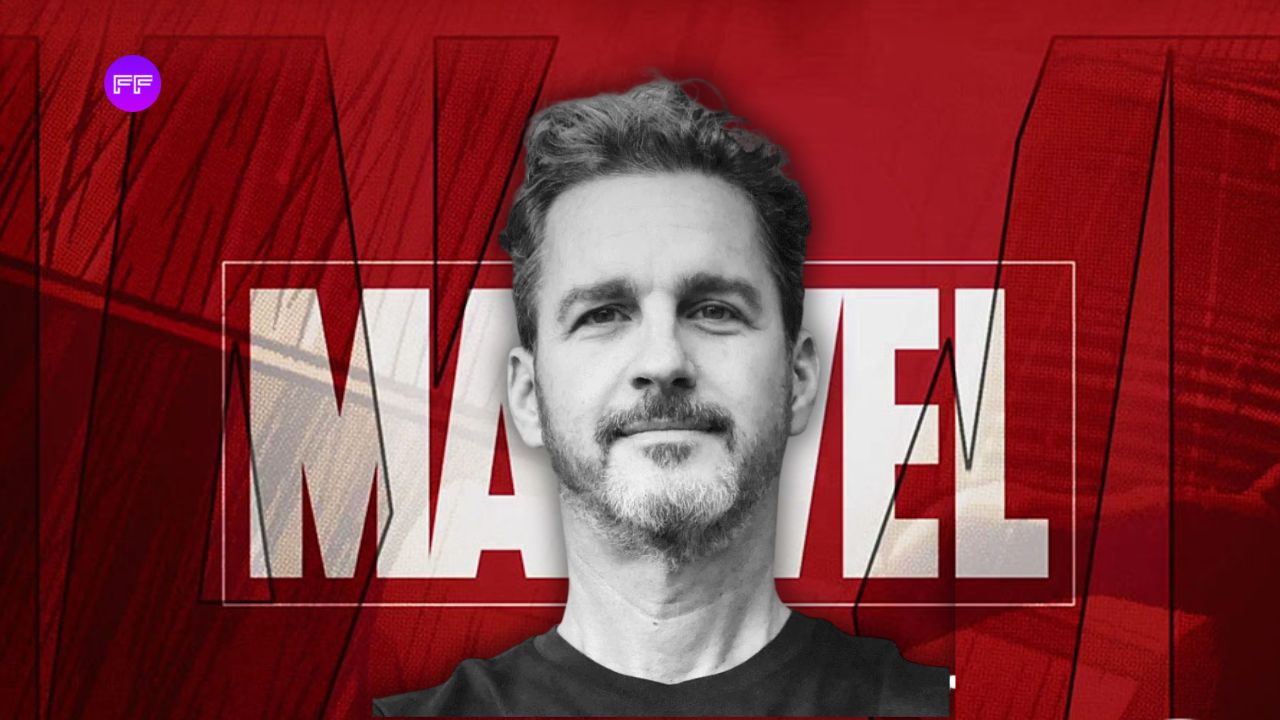
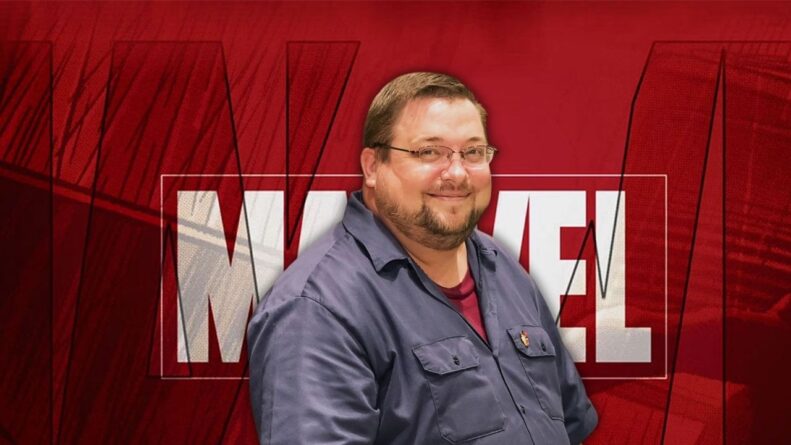
Stephen Wacker is the new Editor-in-Chief of Marvel Comics. Learn about his career, achievements, and vision for Marvel's next chapter.

Marvel announced Stephen Wacker Marvel Comics Editor-in-Chief recently who previously worked on successful projects including Spider-Man, Hawkeye, and Ms. Marvel. This recent development created a lot of buzz among Marvel fandom and Marvel Comics is packing up its nearly nine-decade-old New York operation and moving to Burbank, California, right next to Marvel Studios.
However, taking a deeper look at what piece of work he brings along with him and the future of Marvel comics after Stephen Wacker officially becomes editor-in-chief.
The announcement about Stephen “Steve” Wacker becoming new Editor-in-Chief came before San Diego Comic-Con. He takes over from C.B. Cebulski. Brad Winderbaum, who now oversees Marvel’s Television, Animation, Comics, and Franchise operations, made the call, and Wacker will report directly to him. That reporting line alone tells you something — Marvel’s publishing arm now formally sits under the same umbrella as its screen and franchise business, rather than running as its own separate division.
Wacker isn’t a new name to anyone who’s followed Marvel’s output since the mid-2000s. He started out on the DC side of the industry before crossing over to Marvel, where he spent well over fifteen years in various roles — editor, then eventually VP of Creative & Content — before stepping away to run other ventures.
He’s the kind of editor whose name shows up in the letters pages and back-matter of some genuinely beloved runs, which is a big part of why this appointment landed as a “welcome home” moment rather than a surprising outsider hire.
Wacker already spent years at DC Comics editing before joining Marvel, he also got titles like JLA, JSA, Legion of Super-Heroes, Jonah Hex, Villains United, and the critically praised weekly title 52 at DC. That experience running a high-output weekly book turned out to be good training for what came next. He joined Marvel as an editor in 2006 and spent about seven years steering some of the publisher’s most divisive and most celebrated stories at once — proof that a single editor can be both praised and criticized loudly by the same fandom in the same year.

Around 2013–2014, his career shifted toward Marvel’s television and animation side, and by 2019 he’d risen to VP of Creative & Content. He eventually left Marvel altogether to become Editor-in-Chief of 3W3M, Jonathan Hickman’s independent worldbuilding project, before co-founding the entertainment studio Stone Kite, where he served as SVP of Media. Now, he’s back at the company where he built his reputation — this time running the whole show.
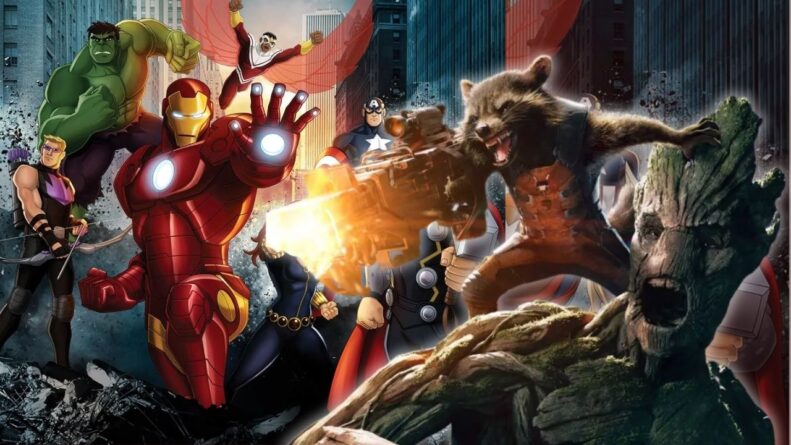
During his first run at Marvel, Wacker wore two very different hats. As a senior editor, he oversaw the comics side — the Spider-Man office, plus a run of acclaimed creator-driven books. Wacker later expanded into Marvel’s animation and digital media projects after working in comics, he co-producing the Emmy-nominated Rocket & Groot shorts.

He proved his outstanding work which takes him in co-executive producer’s position for Avengers Assemble, Ultimate Spider-Man, and Guardians of the Galaxy. And expanded to the Marvel’s Wastelanders audio drama series.
Wacker’s overall cross-format experience by working comics-to-screen in Marvel before leaving is what actually Marvel comics need right now.
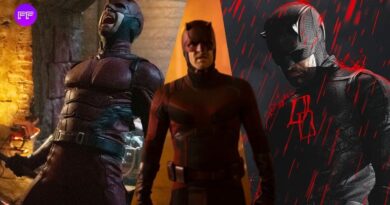
The entire work journey of Stephen Wacker is a breakthrough, as the editor of Amazing Spider-Man, he guided major storylines like One More Day, Brand New Day, and Superior Spider-Man for which he got huge appreciation. That’s not enough, he fluently edited on other fan-favorite projects like Hawkeye and Daredevil, both got praised by critics and readers.

Wacker also helped in the launch of Kamala Khan (Ms. Marvel), who is one of the most important Marvel superheroes and developed alongside Sana Amanat. Captain Marvel and some Venom storylines were edited by Wacker, so it is proved that he can handle both blockbusters, superheroes and character-driver stories.
Winderbaum’s own framing gives away most of the reasoning: he called Wacker someone who understands that Marvel Comics is “the source code” of the entire Marvel enterprise. Translation — the company wants an EIC who treats the comics not as a standalone print business, but as the idea factory feeding movies, shows, and games.
Wacker’s mixed background in both comics editing and screen production makes him an unusually good fit for that framing, especially with publishing now folded into Winderbaum’s TV, animation, and franchise division rather than operating independently. It’s less “we found the best pure editor” and more “we found someone fluent in both languages.”
Read More 👉 Official Spiderman Brand New Day Merchandise | Shop Marvel Spidey Must-Haves
Former editor-in-chief of Marvel comics isn’t fired but C.B. Cebulski served his role since November 2017 which makes him the 3rd longest-serving Editor-in-Chief. Cebulski is simply stepping into a new role: Editor at Asia Originals. He relocated to Tokyo where he will lead Marvel’s original manga and graphic fiction across the region with Japanese creators and publishers as his relations are good over there.

It’s a notable full-circle assignment given his own complicated history with Japanese comics — years before becoming EIC, he’d written Marvel comics under the pseudonym “Akira Yoshida,” posing as a Japanese writer, a story he only confirmed publicly in 2017. Cebulski and Wacker talked about the transition and both spoke warmly about their new positions.
Wacker shows his excitement and nostalgia through his statement.
it “a full-circle moment,” —Wacker
He also shared his first thing which sparked his love for comics — reading an issue of Marvel Two-in-One as a kid. It seems that his return is meaningful.

Wacker’s own statement leaned nostalgic and ambitious at once. He said returning to Marvel felt like “a full-circle moment,” recalling that picking up a Marvel Two-in-One issue as a kid is what turned him into a comics fan in the first place. He’s framed his goals around building on the work of Marvel’s founding generation while insisting the publisher’s best stories are still ahead of it — his words were about wanting to add “new floors to the House of Ideas.”
It’s early, so specifics haven’t been laid out yet, but the tone suggests a mix of respect for legacy runs and appetite for new creator-driven swings, not unlike the mix he championed the first time he held an editorial chair at Marvel.
This appointment doesn’t exist in a vacuum. It’s the latest move in a publishing shake-up that’s been building since spring 2026, when longtime publisher Dan Buckley exited and Disney Music Group’s David Abdo came over as general manager of comics and franchise. That period also saw layoffs that removed sales chief David Gabriel and several Marvel editors, alongside cuts to the Studios side’s in-house visual development team.
Combine that with the physical relocation of Marvel Comics from Manhattan to Burbank over the next year, and the direction seems clear: Marvel wants its comics division sitting physically and organizationally closer to its film, TV, and franchise machinery.
Whether that tightens creative coordination between comics and screen projects, or just streamlines corporate overhead, will likely become clearer once the move is complete and Wacker’s first slate of editorial decisions starts rolling out.
Wacker already worked with many creators and they all expressed their overwhelmingly warm excitement. Writer Zac Thompson called him one of the best editors in the business, while Declan Shalvey praised his taste and editorial vision.
Chris Cross, who’s worked with him at both DC and Marvel, described him as consistently fair and sharp. G. Willow Wilson, who co-created Kamala Khan alongside Wacker, joked on social media about the upside of Marvel’s move to the West Coast — no more brutal 2 p.m. East Coast deadlines.
Deniz Camp, Eisner-nominated writer endorse Wacker for this role as he is one of the finest editors in Marvel history. After the announcement, comic outlets dug Wacker’s old forum posts and poked jokes on daily challenges at being an Editor-in-Chief. While industry professionals are sharing positive excitement with enthusiasm rather than skepticism.
Since this is a fresh appointment, Marvel hasn’t detailed a specific slate of titles or storylines tied directly to Wacker yet — his editorial priorities as EIC will likely become clearer once the Burbank relocation is underway and San Diego Comic-Con conversations settle. What’s reasonable to expect, based on his track record, is a continued mix of flagship Spider-Man storytelling alongside space for smaller, creator-owned-feeling books in the Hawkeye or It’s Jeff! mold.
Anyone hoping for an early announcement will want to keep an eye on Marvel’s Comic-Con panels and press notes over the coming months rather than assuming anything is locked in yet.
Read More 👉 Marvel First Family & Doctor Doom Are Friends Until Doomsday
Stephen Wacker’s return to Marvel as Editor-in-Chief closes a loop that started with a kid buying a Marvel Two-in-One issue off a spinner rack. It also opens a new one — a Marvel Comics division physically relocating to Burbank, reporting into the same leadership as the studios, with an editor at the helm who’s spent time on both sides of that divide.
Cebulski’s move to Tokyo isn’t an ending so much as a reassignment, and the broader restructuring around this appointment suggests Marvel is betting on tighter integration between its comics and its screen output. Whether that pays off in the actual books on shelves is the part fans will be watching for next.
Dive deeper into the details of movies, comics and series with Fandomfans to get the latest updates.
Discover every Marvel comic you need to read before and after XMen 97. Explore the essential storylines, characters, and iconic issues that inspired the series.

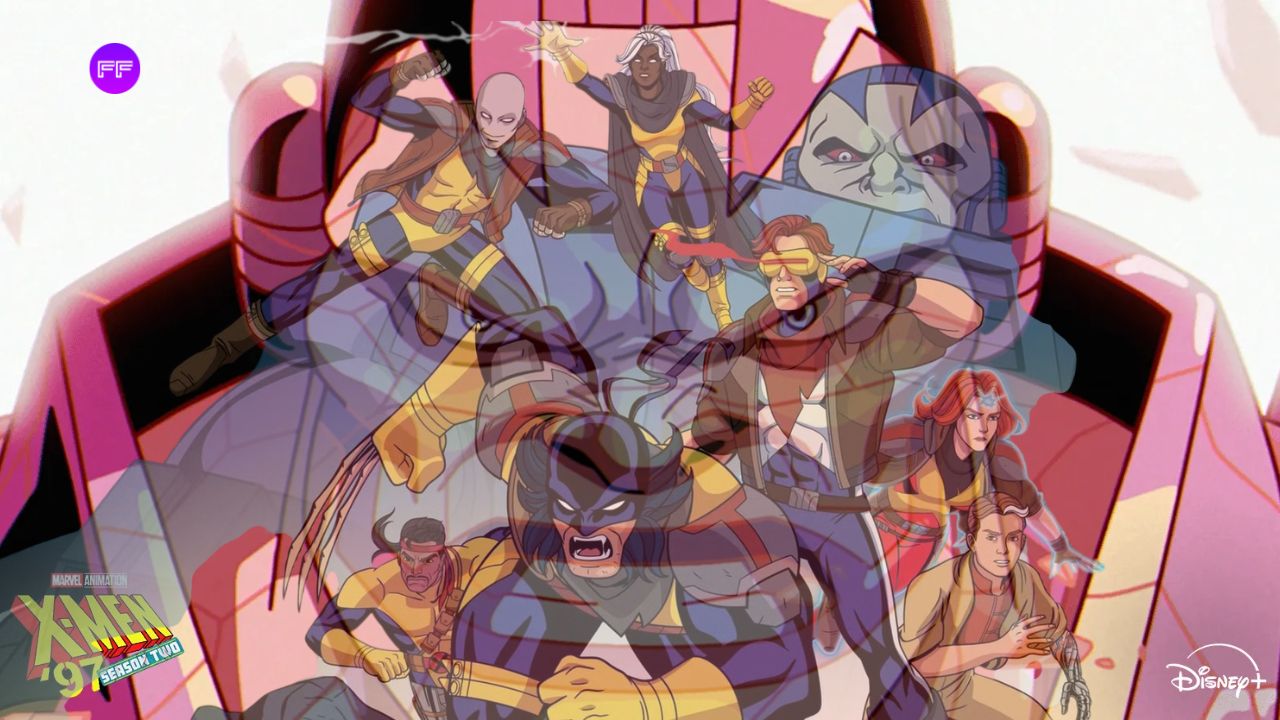
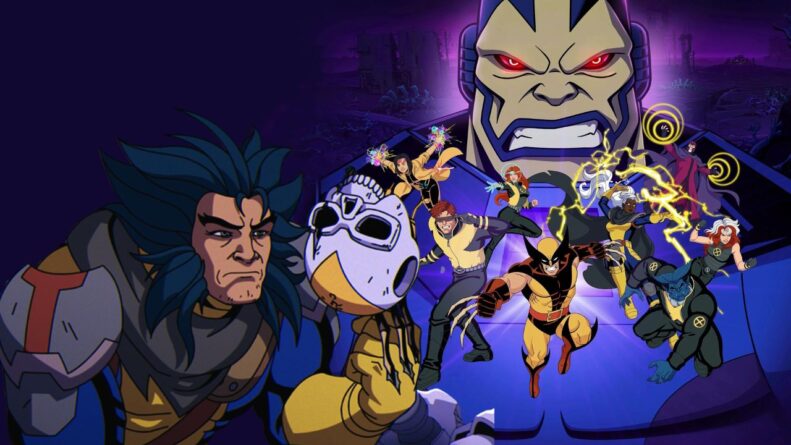
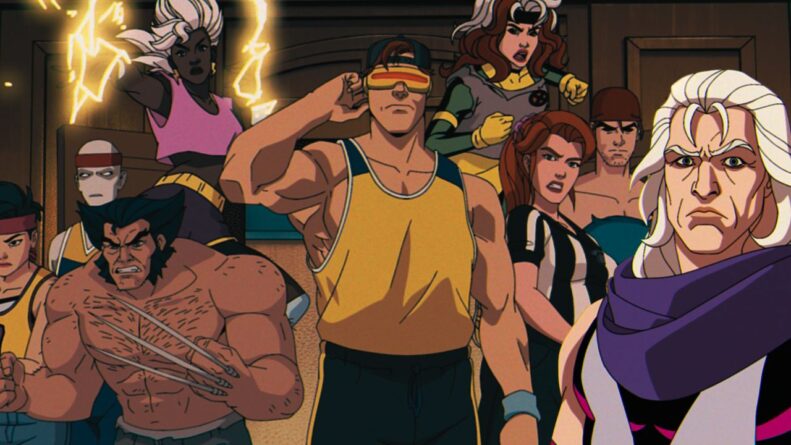
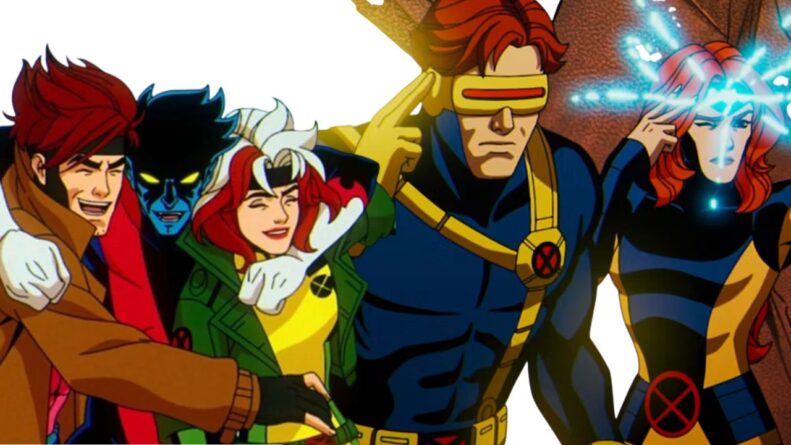
If you are currently watching XMen 97 and want to go deeper as it doesn’t come from nowhere. The show’s most exciting moments borrow straight from the Marvel comics, some of them are truly amazing. Writers take a comic arc that ran for a year and compress it into twenty minutes making it the most iconic show ever.
If you want to understand where this version of the XMen actually comes from, follow the list and start reading important XMen 97 comics in order. Everything started to make sense, but you must have patience for that.
This is the most essential comic that builds the character’s arc of Jean Grey, her transformation into the Phoenix that becomes the emotional backbone of the entire show. If you want to know which comic is still considered one of the greatest superheroes then pick Dark Phoenix Saga — Chris Claremont and John Byrne wrote this back in 1980.
The show brings back this story as unfinished business since fans didn’t like the original ending. This is what makes people go crazy about the show so read this first to know what happened to Jean on the moon.
This XMen epic collection is already running and introduced modern XMen before Dark Phoenix Saga even happens. This 70’s comic is the origin of Wolverine, Storm, and the team dynamic arc. Once you read it, you will understand why in the show they talk like they are the real family. Every relationship, joke, and grudge in XMen 97 was built here first.
God Loves, Man Kills is a short comic written by Claremont that actually gave the world the “mutants as a metaphor for prejudice” which every XMen adaptation follows and pulls back this tone and this one becomes a moral spine of the entire franchise from 1982.

XMen 97 pulls directly from this book’s tone whenever it deals with anti-mutant hysteria, and Magneto’s arc across the season only makes sense if you’ve read how his philosophy was originally built here.
The show’s early handling of Genosha as a haven for mutants, and everything that goes wrong there, has roots in a comic arc where the island nation was actually a slave state built on mutant labor. If you are watching the show then you should have been thinking that Genosha’s fate hit hard but if you read the comic the tone is darker.
The massive destruction of thousands of mutants on that island was a heartbroken tragedy that the show didn’t even fully present yet.
Read More 👉 Read Before You Watch: The Official XMen 97 Season 2 Comics Guide
Mister Sinister dispatches the Marauders to slaughter the Morlocks — a group of mutants living beneath the streets of New York City, resulting in one of the bloodiest massacres in XMen history. XMen 97 really doesn’t explain all the reasons why Mister Sinister is so scary. The storyline in this comic will tell you why. It reveals just how ruthless and dangerous he truly is rather than being a mysterious evil.
Take a time for this one because it is the bigger storyline, originally spanning four different comic series. XMen 97 draws on several elements from this crossover, it will help you fully understand about the time travel and Summers family legacy.

This narrative helps explain one of the more bewildering aspects of XMen mythos. If you’re looking for answers on exactly how Cable, Stryfe, Cyclops are related, this book has them. The epic feud between Cable and Stryfe culminates, and the convoluted, time-travel riddled past of the Summers family is revealed.
This story arc shocks everyone because it turned the both character’s arc. Since XMen 97 places so much emphasis on Magneto’s redemption, this arc gives a clear understanding on how low their trust goes that any chance of reconciliation becomes impossible. The moment where Magneto tears the adamantium from Wolverine’s skeleton marks the history in the entire franchise of XMen.
Based on how the first season of XMen 97 ends, everyone can guess that Onslaught will play a role in the future. The 1996 crossover event introduced Onslaught which created Xavier’s suppressed rage and trauma and became one of the most dangerous threats the XMen and Avengers have ever faced together.

If you want to understand how powerful Xavier’s psychology is, this one will surely help you. This is where the show is headed.
The entire essence of Bishop is that he has survived a mutant genocide in the future that hasn’t taken place yet and that fear is exactly what he brings to every encounter in the show. This is the arc where his history, as well as a fixation with stopping a specific kind of betrayal, are first described, and it puts a lot of his paranoia in the show into context.
A quick note for readers confused about Morph — the character barely existed in the comics under that name and role. Most of Morph’s presence in XMen 97 is original to the animated continuity, built from a character called Changeling who died early in Marvel history. There’s no single comic to point you to here, and that’s fine. Not every emotional gut-punch in the show has a comic-book receipt.
Read More 👉 A Knight of the Seven Kingdoms: The Story Fans Didn’t Know They Needed
The show is built to work without any comic knowledge at all. This guide is for viewers who finished an episode and wanted to go deeper, not a prerequisite. The most important comic is The Dark Phoenix Saga which is an absolute emotional and narrative center of the entire franchise.
This XMen 97 Marvel Comics guide will help you understand the deeper narrative that already lived in comics. You can read them one-by-one and they are all available on Amazon.
Stay tuned to Fandomfans for more guides and updates from movies, series, celebrities.