Gen V Season 2: A Triumphant College Reunion That Sets the Stage for Epic Battles

Gen V Season 2 delivers thrilling action, emotional depth and powerful performances as Marie Morrow leads the next generation of heroes in The Boys universe.

Published: Oct 28, 2025, 7:21 AM
Last Updated: May 11, 2026, 6:11 AM

If you thought the rollercoaster of superhero college drama had ended, it certainly hasn’t. Gen V is back for its explosive second season and the hype for Amazon Prime’s The Boys’ hit spinoff has never been higher. Fresh on the heels of its season finale that was released on October 22, 2025, fans would love to know the next step for Marie Moreau and her motley crew of young supes. 

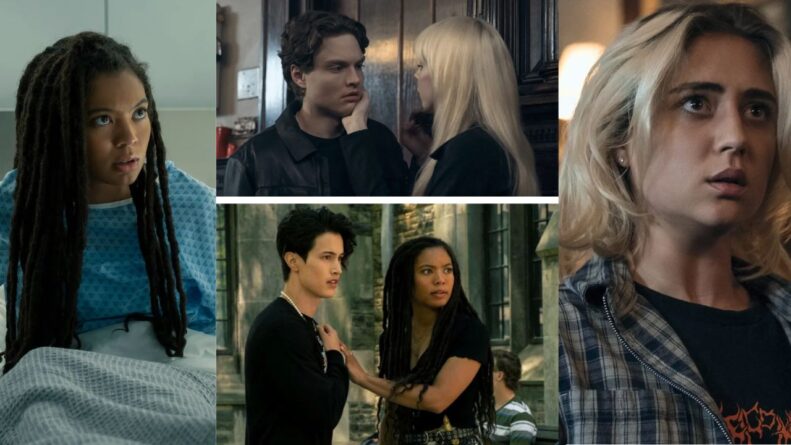
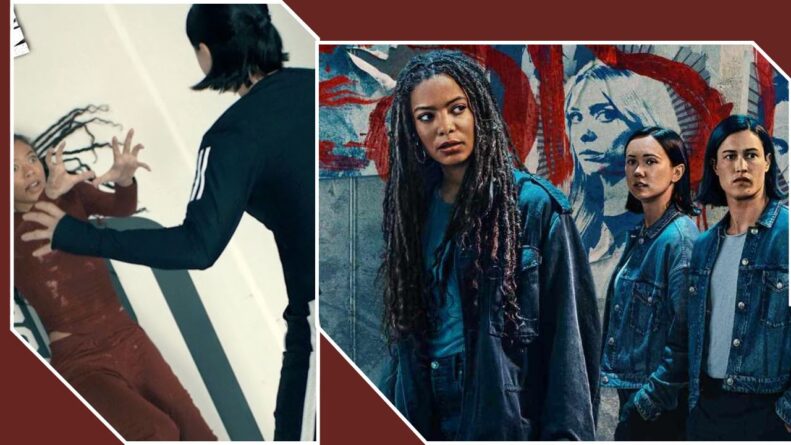
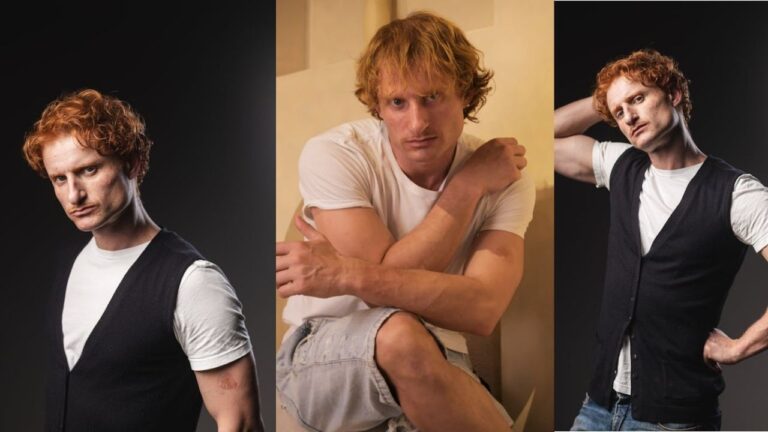
Reports says, the season ended with a bang literally. But Marie (Danielle Brooks) finally got a handle on her blood powers and took out the imposingly tall Thomas Godolkin (Wicked star Ethan Slater) in a showdown that proved she may truly be powerful enough to go up against heck, maybe even best Homelander himself. Starlight and A-Train then came through in the finale to pick the Guardians of Godolkin itself to join the resistance movement. That’s the kind of recruiting drive that would put any college career fair to shame. 

The Stellar Performances That Made This Season Shine

While the series focuses on a group of superpowered college students vying for a place in The Seven, it is the performances that truly made Season 2 one of this year’s best TV offerings. Both critics and audiences have been praising Hamish Linklater’s mesmerizing performance as Dean Cipher – he was not what appeared at first glance. His dual role as a shrewd manipulator and a marionette for the true antagonist, Thomas Godolkin, shown off a versatility that rendered him the breakout star of the season. 

Jaz Sinclair remained the backbone of the series with her layered portrayal of Marie navigating grief, guilt, and burgeoning power all with equal measures of vulnerability and strength. The rest of the ensemble – Lizze Broadway as Emma, London Thor and Derek Luh as Jordan, Maddie Phillips as Cate and Asa Germann as Sam – were equally impressive, finding chemistry that made their college antics feel real. 

A Heartfelt Tribute That Honored a Lost Friend

CBR suggests, The very real-life tragedy of the season 1 star Chance Perdomo is maybe the most difficult part about Season 2 to watch (he played Andre Anderson). Instead of recasting or pretending the character doesn’t exist, the writers made the brave decision to write Andre out, giving him a heroic death off-screen. But his presence loomed over every episode. 

A Heartfelt Tribute That Honored a Lost Friend

Showrunner Michele Fazekas said Perdomo’s death changed the ending of the season “dramatically.” She was very clear that there would be no other deaths among the main cast in the finale, telling “We’ve already had someone actually die in real life, and a character in the show die.I was very adamant that we’re not going to kill anybody else, because it just feels so trivial and inconsequential next to what actually happened.” 

The tribute extended beyond narrative choices. Broadway wore Andre’s gray sweatshirt all season long as a way to honor their fallen friend, making sure Perdomo’s memory “runs through every scene”. In the finale there were two especially emotional beats during which Doug and Polarity honor Andre’s fearlessness and heroism, doubling as an in-world farewell and an actual send off to Perdomo. 

Gen V Dominates Streaming Charts

The Wrap mentioned, Season 2 was the confirmation that lightning could strike twice. The premiere episodes were also the show’s highest Nielsen streaming win ever.

Gen V Dominates Streaming Charts

They raked in a massive 424 million viewing minutes for the week of Sept. 15. That surge stranded Gen V at No. 8 in the hottest streaming originals list. It took on heavyweights such as Only Murders in the Building, and won near top place.  

What’s Next for the Godolkin Gang?

Though Amazon has not yet officially ordered Season 3 of The Boys, creator Eric Kripke has said the team is already ahead of the game.” We have a plan for Gen V Season 3, and we are very excited about where it will take us, but we need a sufficient number of viewers to watch Season 2 in order to warrant a third season, Kripke told TheWrap. 

All signs are pointing to a renewal. With a season-over-season growing audience, consistently strong chart figures and The Boys concluding at Season 5, Gen V is set to be the flagship series within this growing universe. Kripke himself teased the exciting post, when he said, “I actually think the universe post, The Boys Season 5 is such an interesting universe, there’s a lot to do.” 

Read More :- Lambert Wilson Steps Into the Magical World as Nicolas Flamel in HBO’s Harry Potter Series

Why Gen V Matters Beyond The Boys

What sets Gen V apart is more than just its ties to The Boys, it’s in the themes the Gen V explores that The Boys can’t. The show delves into issues of identity crises, indoctrination, body dysmorphia, mental health, and what it means to be a hero when the system is stacked against you.

Gen V Matters Beyond The Boys

It’s a mix of coming-of-age storytelling and super-satirical superhero action that manages to feel new, even in a genre that’s been overpopulated with ideas. 

Conclusion

The series showed that you could pay respect to tragedy with dignity, make compelling villains who could stand alongside those from the main series, and assemble a team of heroes that was worth rooting for all while managing to deliver the dark humor and mouth-agape violence that fans expect from this universe. As the series looks to the future, one thing is clear: Gen V has solidified its position, and these young supes are ready to save the world on their own terms. 

Comments

Leave a Comment

Your email address will not be published.

Alpana

Articles Published: 173

Alpana is Fandomfans Senior Editor across all genres of entertainment. She evolved in the media industry since a very long time, she manages the content strategy and editing of all the blogs. Her focus on story development, review analysis, and research is well-equipped that ensures every article meets the standards of accuracy and depth.

View Profile ↗

‘The Boys’ Season 5: “Scorched Earth” is Coming in 2026, and We’re Not Ready

The Boys season 5 titled "Scorched Earth" arrives in 2026 with an explosive final battle, dark twists and high stakes as Butcher and Homelander face off.

Published: Dec 7, 2025, 6:05 AM
Last Updated: Dec 7, 2025, 8:30 AM

After all the years of being spectators to the cruelest, perhaps least moral superhero drama on any screen, small or big, we’re at last coming to an ending we didn’t know we desperately wanted. “The Boys” Season 5 (tentatively titled “Scorched Earth”) lands in 2026, and honestly, it’s never going to be the same for the world of superheroes. 

Let’s be honest, Season 4 ravaged us. According to Tomsguide, Billy Butcher has lost all humanity and is now a literal monster, who wants to kill every supe – bad or good, guilty or not. He’s stolen a virus that can kill superheros, and he’s embraced the darkest path possible. Meanwhile, Homelander has basically taken over the US government via martial law (and the majority of The Boys are in jail), and Homelander. What about all that positivity we latched onto in the earlier seasons? Gone. Obliterated. “Scorched Earth.” 

When ‘The Boys’ Season 5 Release

When The Boys Season 5 Release
Image Credit: Fandomfans

According to Deadline, Showrunner Eric Kripke has perfectly set the stage for a fluid final act. We don’t have a day for it just yet, but filming is complete and the team is halfway through post-production, which will consist of visual effects and color grading. Season 5 promises eight more episodes of pure, unadulterated chaos. 

Why “Scorched Earth” Is the Perfect Title for the Final Season

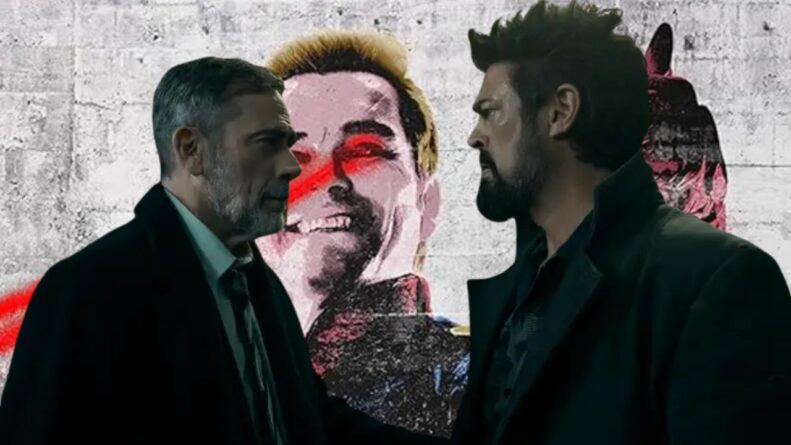
What makes Scorched Earth such a perfect title is that its meaning encapsulates the desperation that every character is feeling as they head into this finale. According to The Direct, Scarred and broken because of what he has been through, Butcher embodies the ‘scorched earth’ – wipe everything out, consequences be damned. 

Scorched Earth
Karl Urban & Jeffrey Dean in The Boys |Image Credit: Fandomfans

Homelander, wielding even more power than before, is the authoritarian government that blossoms in the ashes. And The Boys? They’re smack-dab between two immovable objects and just trying to survive, not win. 

Character Arcs of The Boys Season 5

The thematic arc of The Boys has always been about: how power corrupts, how vengeance devours, and how even those heroes become the villains. According to IGN, Billy Butcher’s arc in particular is tragic, as we’ve seen him slowly strip away his humanity, the one thing his wife Becca made him vow to hold on to. 

Character Arcs of The Boys Season 5
Character Arcs of The Boys Season 5 | Image Credit: Fandomfans

Kripke has teased that Hughie will “learn what it really means to be human” in season 5 and he also suggested Hughie might find redemption where Butcher has none. 

What’s at Stake in Season 5

There are no higher stakes. Ryan appears to have sided with his father Homelander, which destroyed Butcher’s final hope. Sister Sage was the architect behind Homelander’s ascension with ruthless efficiency. Starlight got away from the cops and is the only member of THE BOYS still at large. Ashley actually got superpowers. And somewhere, amid all this warped terrain, maybe, there’s still a super virus that could do everything. 

Read More 👉 Avatar Trilogy Changed Cinema: Each Avatar Film Redefined Modern Blockbusters

Conclusion

What we’re most looking forward to about ”Scorched Earth” isn’t just the prospect of an explosive final battle between Butcher and Homelander. It’s that anyone can come out on top with their humanity intact. In a series that has taken five seasons to delve deep into the darkness that lies within all of us, the final season might finally answer the question that’s been on our minds the entire time —- Can we be redeemed, or are we all just fated to burn? 

Fandomfans keep eyeing every update about movies, films and industry decisions, to provide you with the fastest conclusion on the reports.

Comments

View comments and join the discussion

Alpana

Articles Published: 173

Alpana is Fandomfans Senior Editor across all genres of entertainment. She evolved in the media industry since a very long time, she manages the content strategy and editing of all the blogs. Her focus on story development, review analysis, and research is well-equipped that ensures every article meets the standards of accuracy and depth.

View Profile ↗

Lambert Wilson Steps Into the Magical World as Nicolas Flamel in HBO’s Harry Potter Series

HBO expands the Harry Potter universe with Lambert Wilson as Nicolas Flamel. Learn how this new casting brings new depth and magic to the magical world.

Published: Oct 27, 2025, 6:50 AM
Last Updated: May 11, 2026, 5:51 AM

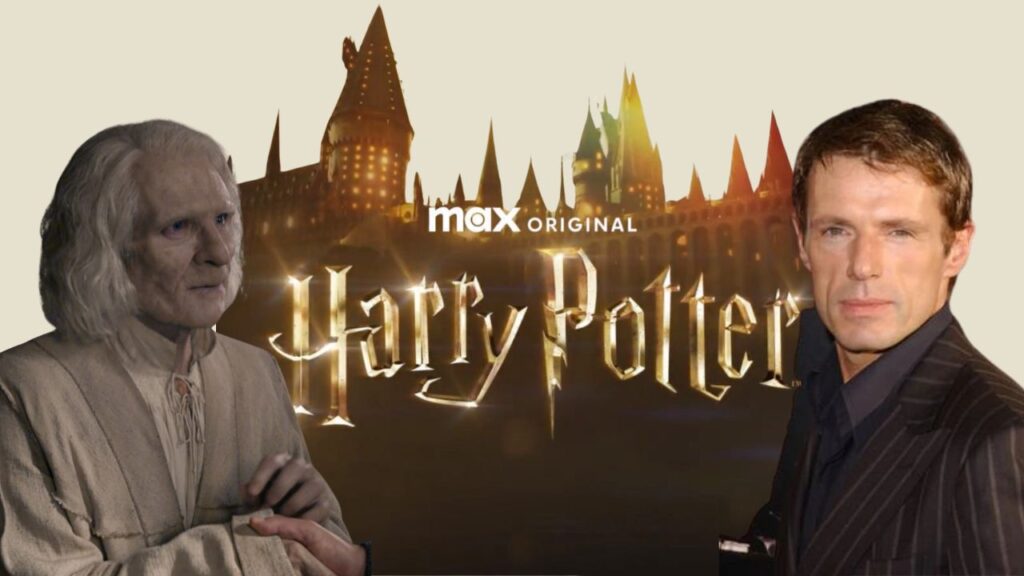
The Harry Potter universe is growing in exciting new directions, and the most recent casting information for HBO’s very hot Harry Potter series is exciting fans. The French actor Lambert Wilson, known for his iconic role as The Merovingian in The Matrix dystopian films, will play the legendary alchemist Nicolas Flamel. This news is a huge change from the original film series, which never actually had Flamel on screen, even though he was very important to the plot of the first book. 

Collider reported, Wilson was recently seen shooting at the breathtaking Kynance Cove, Cornwall, England, with long white hair and a beard that captures the look of the ancient wizard in that cove of ageless looking black and white images. Also joining him is the renowned Swiss actress Marthe Keller as Flamel’s wife Perenelle, a role previously not seen from screen adaptations. The two were shot with John Lithgow (who portrays Hogwarts headmaster Albus Dumbledore) in what looks to be a powerful beach scene not included in J.K. Rowling’s original novel. 

Why Wilson Is the Perfect Nicolas Flamel

Reports say Wilson, 67, has very impressive international credentials for the role. In addition to iconic Matrix performances, he’s known in French film for, among other acclaimed work, the award-winning Of Gods And Men. His casting is a testament to HBO’s dedication to authenticity — the real-life Nicolas Flamel was a French alchemist who lived from 1330 to 1418, and so Wilson’s native French roots make him a natural fit for the role. 

Read More:-  ‘Breaking Bad’ Creator Vince Gilligan’s Release a New Sci-Fi Series ‘PLURIBUS’ Trailer

Expanded Vision for Flamel In The Harry Potter

What makes this casting especially exciting is the expanded arc for the Flamels that HBO is developing. Instead of the original movies, where Flamel was only referenced as the maker of the Philosopher’s Stone, the new show will delve into his wider ties to the wizarding world, such as his close friendship with Dumbledore and the bond he shared with Perenelle.Fans have speculated that the scenes at Cornwall may show Dumbledore telling the two about the choice to obliterate the Philosopher’s Stone, which would lend some emotional heft to the story’s ending. 

Expanded Vision for Flamel In The Harry Potter

The only earlier depiction of Flamel was by Brontis Jodorowsky in Fantastic Beasts: The Crimes of Grindelwald where he appeared as a frail elderly man. Jodorowsky kindly shared his thoughts on casting Wilson, comparing it to a baton race where you pass characters from one actor to another. He did say, however, that Harry Potter will always be Daniel Radcliffe to him. 

HBO’s Bold New Take on the Wizarding World

HBO’s Bold New Take on the Wizarding World

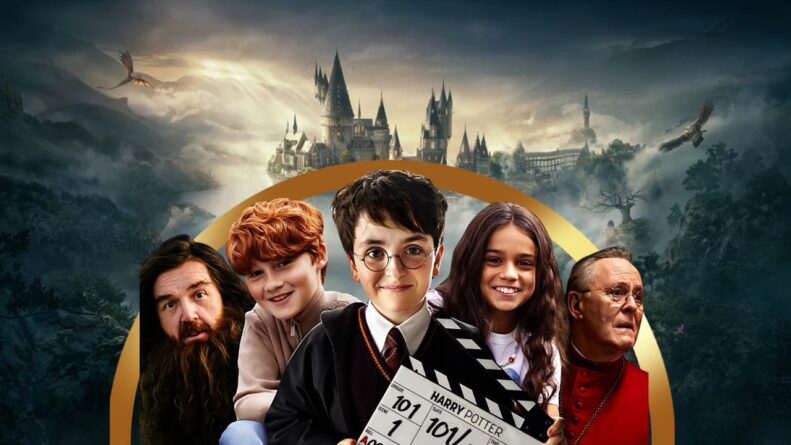
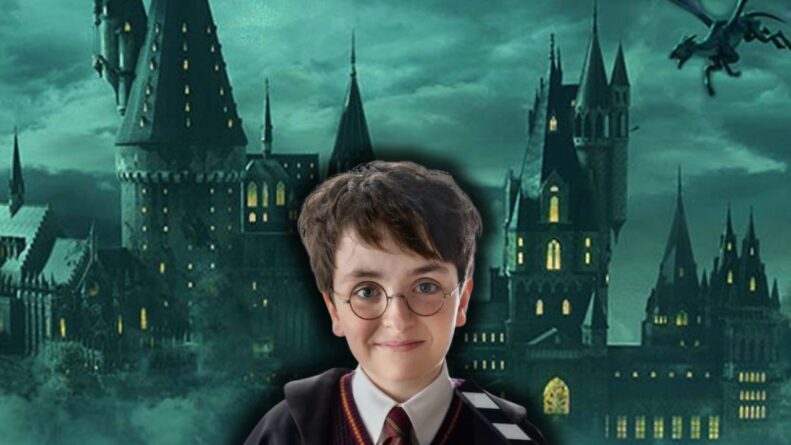
HBO is now adapting Harry Potter into a series, suggesting the thought that it will be more than just a faithful retelling of the beloved books. Co-creators and showrunners Francesca Gardiner and successor director Mark Mylod both Emmy-winning powerhouse talent from Succession, helming the creative direction, the series is said to explore the lush mythology that the films could never fully realize in limited time. 

Conclusion

With Lambert Wilson as Nicolas Flamel, HBO’s Harry Potter series is shaping up to combine the magic of nostalgia with new storytelling depth. The fans of the franchise can expect a more in-depth look into lost knowledge, nuanced characters, and the emotional core that made the series timeless. If the rumors are true, this series may not just return to the wizarding world — it may redefine it for a brand new era of viewers. 

Comments

View comments and join the discussion

Alpana

Articles Published: 173

Alpana is Fandomfans Senior Editor across all genres of entertainment. She evolved in the media industry since a very long time, she manages the content strategy and editing of all the blogs. Her focus on story development, review analysis, and research is well-equipped that ensures every article meets the standards of accuracy and depth.

View Profile ↗

28 Years Later: How Danny Boyle and Alex Garland Redefined Horror for 2026

Danny Boyle and Alex Garland revive the 28 Days Later universe, redefining modern horror with biology, politics, and raw realism in 2026.

Published: Jan 14, 2026, 1:05 PM
Last Updated: Apr 15, 2026, 12:13 PM

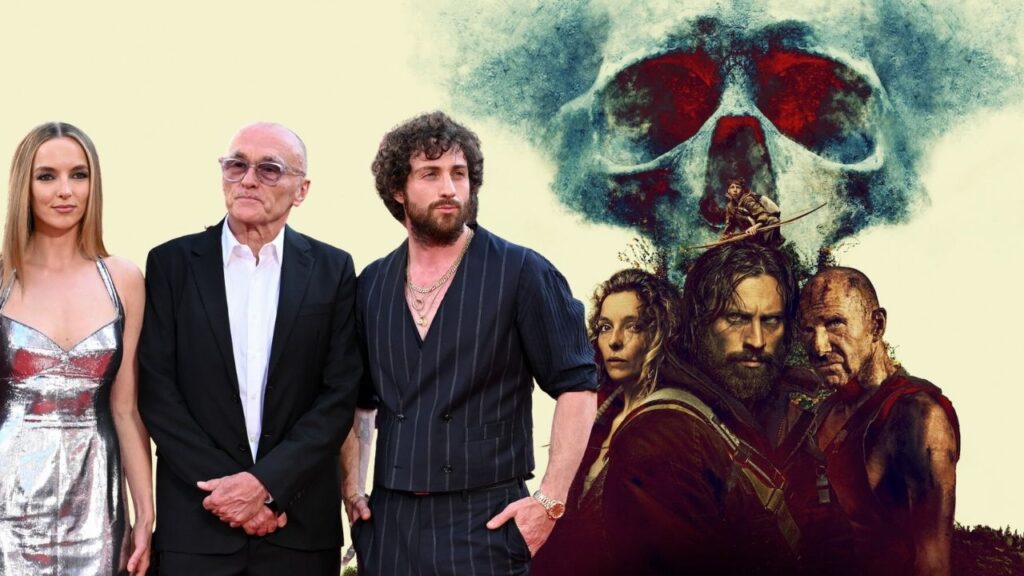
The overall cinematic output for 2026 seems an entirely new prospect. Ender’s game trailer We have gone beyond the generation of the predictable jump-scare and established ourselves in a more cerebral place of “high horror,” a change led by the long overdue revival of the 28 Days Later universe. With 28 Years Later releasing in June 2025, and its direct sequel, 28 Years Later: The Bone Temple, releasing in January 2026, the creative team of Danny Boyle and Alex Garland has not merely brought a franchise back to life – they have redefined how horror can speak to what it means to be human. 

A Legacy Born from “Development Hell”

For almost 20 years, fans speculated about 28 Months Later. It turned into a development hell myth, held up by rights issues and creative changes. The wait, though, served a purpose.

Skipping ahead almost three decades, the filmmakers leave behind the panic of a viral outbreak and delve into “post-progressive” societal decay. In this new world, the end of the world isn’t a tragic event—it’s the only reality the current generation has ever known. 

The Technical Radicalism of the iPhone 15 Pro Max

Perhaps what has most people talking about the 2026 comeback is the technical decision to shoot mostly on the iPhone 15 Pro Max. This wasn’t a gimmick. Boyle took the Canon XL1 and turned it into a grainy, digital realism. In 2026, he adapted this “guerrilla” style on a new scale with multi-camera megasuites.

By placing iPhones into “Beastgrip” cages with professional-grade cinema lenses, the team captured a high-shutter-speed energy. This technical decision removed the infected from ‘cinematic motion blur’ and as a consequence their movements look staccato, hyperactive, and terrifyingly real. 

Evolutionary Biology: The Mutations of Rage

The “high horror” tag derives from the trilogy’s immersion in evolutionary biology. Rage Virus is not a static disease; it took biological forms:

The Slow-Lows: Fat and bloated dead, in this case terminal stage creatures that are aftermath survivors of the original outbreak.

The Alphas: They are intelligent, sentient hunters on a higher plane of thinking and do possess some form of strategic thought albeit intermittent and social hierarchy.

This change re-centers the horror from the mindless zombies to a more understanding-if-distorted on the human experience of pain and suffering. The infected are depicted as martyrs to an “unthinkable fate,” rendering the films to “tone poems” that are profane yet emotionally stirring. 

Socio-Political Echoes and “The Bone Temple”

While the 2025 film was set among the isolationist society of Holy Island (Lindisfarne), the 2026 sequel, The Bone Temple, directed by Nia DaCosta, turns its gaze to human cruelty. The addition of “The Jimmies” — a cult based on the more shadowy recesses of British cultural history conjures a society sliding back into nostalgic myth and “strategic derangement.”

Ralph Fiennes turns in a career-defining performance as Dr. Ian Kelson, a man running a mausoleum to the fallen human. His viral “death-metal dance” to Iron Maiden is already the defining meme of early 2026, embodying the trilogy’s mash-up of high art and visceral madness. 

Read More:- James Cameron’s Titanic is Greatest of All Time Movie Amid Avatar Record Break

The New Standard for Horror

As 2026 begins to approach, the 28 Years Later trilogy is the narrative equivalent of looking up in awe. It has demonstrated that horror can be a serious instrument for social commentary, addressing anxieties of the Brexit era and the “denial of death” through the prism of the Rage Virus. 

Conclusion

The arrival of 28 universe is more than just nostalgic it’s a cultural recalibration of what modern horror could be. With 28 Years Later and The Bone Temple, Danny Boyle and Alex Garland have re-imagined the once–genre-defining zombie blast as a philosophical rumination on survival, memory, and generation trauma. 

The trilogy, which can be seen as a response to fulfilling and confronting socio-political anxieties brewing in a crumbling Britain, alongside utter terror grounded in evolutionary biology and filmmaking radicalism, transforms horror into something far more intimate and unsettlingly human. 

If 2026 is any indication, these films are testimony to the fact that fear doesn’t need to resort to cheap shocks to survive, but can instead find nourishment in ideas, mood, and the quiet recognition that the real horror isn’t the end of the world — it’s learning to live after it. 

Dive deeper into the world of cinema with Fandomfans to get the latest update from your favorite movie, shows, and celebrity.

Comments

View comments and join the discussion

Babita

Articles Published: 25

Babita is Fandomfans Editor, experience in managing content. Her focus in general movies and web series. She is having a deep interest in TV shows and 90s movies - particularly Lord of the Rings, Harry Potter, & Rom-Com. Babita also covers psychological thrillers and major releases in current time and concern with deep interest in them.

View Profile ↗

The Aisle: Where West Wing Idealism Meets the Cruel Intentions of Gen Z –D.C.

Discover The Aisle, a Netflix political drama exploring Gen Z drive, pandemonium, and personal strife as idealism confronts the realities of D.C. bomb.

Published: Nov 19, 2025, 6:11 AM
Last Updated: Apr 25, 2026, 12:47 PM

For a generation that grew up on the high idealism of rush-walking courtiers of The West Wing, the prospect of a new political drama — The Aisle is in making at Netflix, is enough to make any TV buff muster a moment of excitement. But this is more than just a nostalgic return to D.C. policy wonkery and impassioned monologues. 

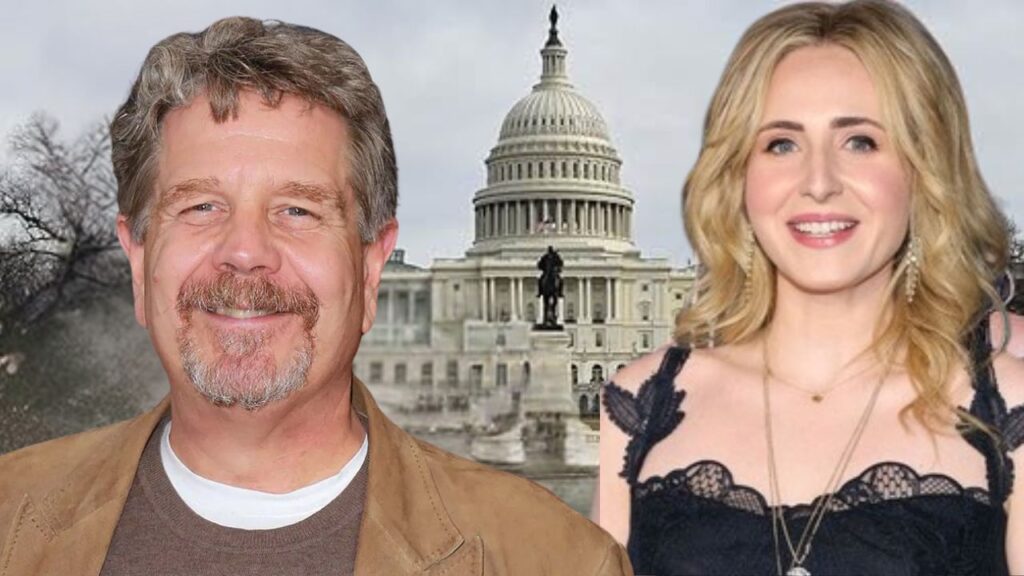
Netflix’s new series, guided by seasoned hand The West Wing’s Executive Producer John Wells along with the unique, contemporary sensibility of writer/showrunner Phoebe Fisher, is positioned to be something quite different. It promises to be a ruthless and stunning mash-up of political pedigree meets Gen Z disbelief and the show that could reinvent the D.C. drama for a new era. 

Why This Story of D.C. Feels Different From Anything We’ve Seen

The central creative tension is the collision of these two powers. While the details exclusively comes from the Deadline, John Wells has the DNA of a romanticized Washington, with existential stakes and staffers (while flawed) usually believe in the system they work for. His participation confers upon The Aisle a legitimacy and framework based on the finest political fiction of the past 25 years. 

This Story of D.C. Feels

Viewers have faith that he can bring them the intricate gears of government, the manic circuitry of the Oval Office’s sphere, and the pure brain power needed to nudge the legislative dial. But the world That The Aisle is meant to live in is not the world of the Bartlet administration. 

Enter Phoebe Fisher who co-showruns the most recent Cruel Intentions series and has a background in snappy, character-driven YA writing, bringing in the vital, humanizing grit. The heart of The Aisle is more obviously the baby political operatives — the 20-somethings who are as obsessed with policy as they are crippled by ambition and lost in their personal lives. 

The Young People at the Heart of The Aisle — Flawed, Driven, and Trying to Survive

The title, The Aisle, plays off the obvious political divide, but the real idea is the moral aisle that every young staffer has to hustle down. These characters aren’t policy wonks yet, they’re the assistants, interns, junior press secretaries burning out on caffeine and cutthroat drive. The sense of ethics, throw away relationships, and sometimes even your mind is what can be lost in the cost of entering this field is something they understand. 

Flawed, Driven, and Trying to Survive

Fisher’s writing is also expected to infuse the necessary grittiness into this world of workplace intrigue, secret romances and savage rivalries that typically don’t survive the policy-centric episodes of traditional D.C. dramas. 

The outcome, as reports have suggested, is a concoction being billed as “The West Wing meets HBO’s Industry.” Wells serves as the majestic backdrop and the six-day-a-week heartbeat of the Capitol, the soaring architecture of the Capitol and the rhythm of governance that Fisher populates that space with messy, human, and often heartbroken inhabitants. The snappy, walk-and-talk idealism descends to panic attacks in the bathrooms of congressional offices. 

How Personal Messiness Becomes Part of the Political Game

The series will follow how a new generation born out of political cynicism has come of age and learned to navigate a capital city where power is the only real currency and exposing one’s self is a fatal weakness. 

This split attention screen allows The Aisle to tackle two important contemporary political issues. Director Balint’s second narrative feature, The Aisle is a taut, darkly humorous thriller set in the Washington D.C. 

First, the generational conflict but what takes place when Gen Z staffers motivated by social justice and climate doom comes to power in the same systems constructed by Boomers and Gen X? 

Second, the merciless collision of the personal and the political: the relationship that ignites during a midnight rewrite session, the betrayal that costs a staff member both a romantic partner and a job, and the soul-crushing discovery that sometimes the best thing for one’s career is also the most ethical decision. 

What Makes The Aisle Hit So Close to Home for Today’s Audience

The Aisle is not only about saving democracy, it’s about saving yourself from the machine. Combining Wells’s structural brilliance with Fisher’s unsparing gaze into the inner lives and emotional compromises of young professionals, the series could become the defining political drama for a world where idealism is more often a stepping stone to cutthroat ambition.

 It’s a show about the grind, the glamour and the ethics-defying run of hell that is a job in the most powerful city in the world. 

Read More 👉  Leonardo DiCaprio and Christian Bale in Heat 2 is the Must-See Crime Epic of the Decade

Conclusion

The Aisle works because it knows something that most political dramas forget: the people scurrying around Washington aren’t superheroes, they’re humans trying not to break apart. John Wells provides the framework and the classic D.C. storytelling heart, but Phoebe Fisher populates that world with real, chaotic, incredibly flawed young adults who are still trying to make sense of who they are while the nation looks on. 

In a town where power means everything, the show lets us see what the pursuit of power, even its sacrifice, does to us, to our relationships, to our ideals, and in this case, to our very ideas of who we are. And that’s what makes The Aisle so honest. It’s more than just politics. It’s the emotional burnout of wanting to matter in a world that keeps demanding more. 

Comments

View comments and join the discussion

Alpana

Articles Published: 173

Alpana is Fandomfans Senior Editor across all genres of entertainment. She evolved in the media industry since a very long time, she manages the content strategy and editing of all the blogs. Her focus on story development, review analysis, and research is well-equipped that ensures every article meets the standards of accuracy and depth.

View Profile ↗

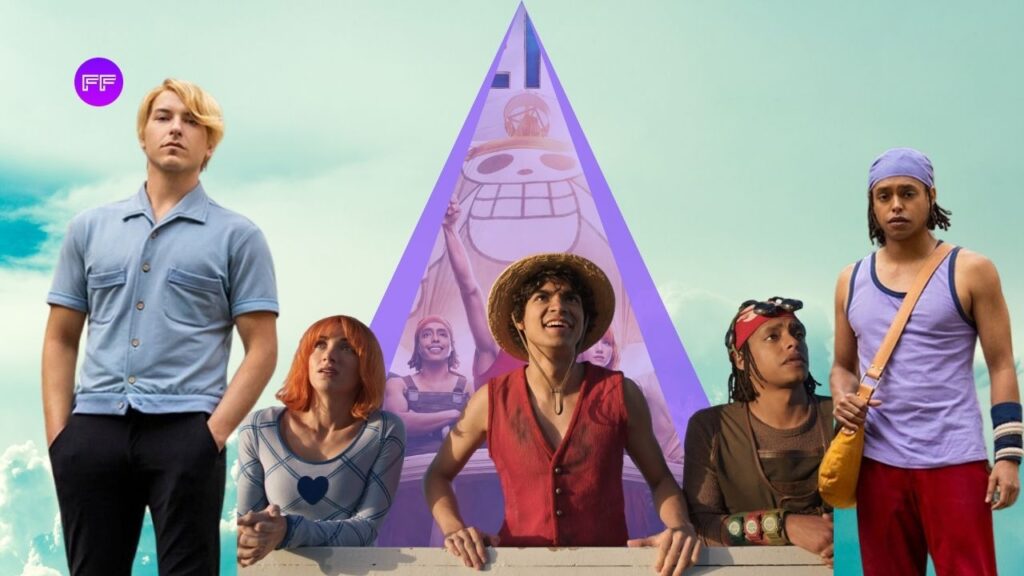
Netflix’s One Piece Season 2 Introduced Early Cameo From Original Manga by Eiichiro Oda 

Netflix One Piece Season 2 teases fans with early appearances of Sabo, Brook, and Bartolomeo. Learn how Eiichiro Oda sanctioned the timeline twist.  Read more!

Published: Mar 16, 2026, 12:18 PM
Last Updated: Apr 14, 2026, 11:53 AM

The team of One Piece Season 2 has stated that the quick-paced cameos of multiple characters were far more difficult to animate than fans would think. Sabo, Brook, Bartolomeo, and Yorki make brief appearances in Season 2. These characters make their actual appearance much later in the original manga, though the show used them early on in cameo roles.

From editor Eric Litman Such a jump of characters into the story early on was a lot of planning. The writers, producers and directors collaborated closely to ensure that these events embraced the narrative and would not contradict the source material written by Eiichiro Oda. 

For a long time, adapting manga and anime into Western live action was essentially a Disaster Waiting to Happen. Fans and critics even referred to it as a “curse.” Between the absolute disaster of Dragonball Evolution and the lukewarm reception of Cowboy Bebop, it just wasn’t in the industry’s stars. 

The problem, as usual, was that the executives wanted to “Westernize” the narratives, purging the strange, amazing soul of the originals so they could feel more “mainstream” like Netflix’s One Piece. 

By embracing the complete ridiculousness of Eiichiro Oda’s world instead of apologizing for it, the show changed everything. “Into the Grand Line,” the second season, proves the series wasn’t just a one-hit-wonder. It did the unthinkable, lived in a world where physics and logic didn’t exist — fleshing out a universe based on characters who were little more than sticks of gum. 

The Secret Sauce One Piece Season 2 Foreshadowing

One of the things that makes One Piece Season 2 so good is the way it goes about building its world. The showrunners rolled out a huge (but fantastic) gamble in unveiling characters like Sabo, Brook, Bartolomeo and Captain Yorki well in advance of their introduction in the original story. 
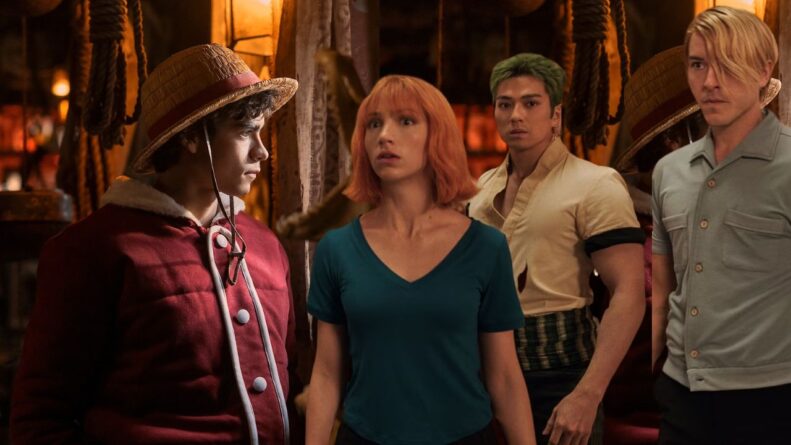
The Secret Sauce One Piece Season 2

These fan favorites never appeared in the manga for years. By incorporating them into the narrative now the show is accomplishing two things:

  • Rewarding Long-Time Fans: It gives the “die-hards” those “Leonardo DiCaprio pointing” moments of excitement.
  • Fixing the Timeline: It lets (hide) the world feel from connected and alive day one, rather than just introducing random people 50 episodes later.

This approach not only “corrects” the narrative, it respects Oda’s original vision by applying hindsight to make the live-action adaptation seem like a unified, epic jigsaw. 

How the Show Actually Works

The reasoning behind One Piece Season 2’s success can be attributed to a straightforward yet fortuitous  and probably unrepeatable  alignment between the showrunners and the original creator. In order to make those early character cameos work without shattering the story, all departments needed to be aligned perfectly. 

The Showrunner Vibe: “Stay Weird”

Co-showrunners Matt Owens and Joe Tracz have a few things to say about the old Hollywood way of doing things. Typically when a studio adapts a manga, the question is: “How do we make this less weird for our Western audience?”

Owens and Tracz went in the opposite direction. Their rule? Don’t change a thing. They made no apologies for the giant campy telepathic snails (Transponder Snails). 

  • They didn’t attempt to make the talking animals look “real” or gritty.
  • They had faith that if they were faithful to the internal logic of the world, the audience would be with them.

Since they embraced the absurdity, they could shove characters like Sabo or Brook into the background early on. To someone seeing it for the first time, these characters just feel like cogs in a huge, living world. But to the fan for years, they are massive “Easter eggs” that indicate the writers know exactly where the story is going. 

Eiichiro Oda: The Creative “Guard Dog”

One cannot discuss this series without discussing Eiichiro Oda, the man behind the One Piece Season 2 creator. Unlike the vast majority of authors who simply sign a contract and then get out of the way, Oda is the ultimate gatekeeper on this project.

Netflix and the studios established a “veto” policy: Nothing is released without approval from Oda. 

  • Canon Control: He ensures that making a character debut earlier linear don’t ruin the story ten seasons down the road.
  • Visual Accuracy: The producers take his original manga pages as the “bible” for how frames should look.
  • The “Vibe” Check: He has to approve the editing on Oda. If a sequence is too relaxed, or isn’t ticking with that frenzy manga adrenaline vibe, he orders them to reshoot it. 
Leader Role The Contribution
Eiichiro Oda The Creator The ultimate authority. He ensured to keep the story true to the manga.
Matt Owens Co-Showrunner The long-time superfan who fought to get this made and keeps the long-term story on track.
Joe Tracz Co-Showrunner The Season 2 addition who pushed the “unapologetic” philosophy—no censoring or watering down the fantasy.

Behind the Scenes Netflix’s One Piece Season 2

Most of the success of One Piece Season 2 was actually a product of the editing room, in large part thanks to Eric Litman. If you’re wondering who he is, he’s worked on big things including Marvel’s Agents of S.H.I.E.L.D. and the pirate drama Black Sails.
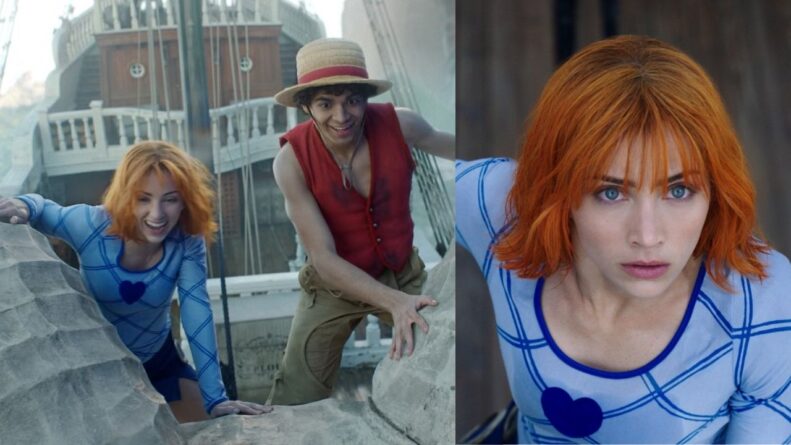
the Scenes Netflix’s One Piece Season 2

It was his expertise that helped the show find its footing, mixing heartfelt character moments with the big action and craziness that fans of One Piece are used to. 

Building the World Before the Cameras Roll

Since One Piece Season 2 relies so much on special effects, the editors couldn’t just wait for the footage to come in. They utilized something called Pre-Visualization (Previs) in essence a 3D animated storyboard to map out each scene well in advance.

This was huge for those “early cameos” we talked about. For instance, during the Loguetown scenes, Litman and the VFX crew had to work out how to hide characters such as Sabo or Bartolomeo in the background. 

  • They charted where Sabo could peek out of a doorway.
  • They calculated the exact moment when Bartolomeo would come into contact with Nami.
  • And the most important thing is that they made all this happen so it felt like a normal part of the world, as opposed to a jarring “Hey, look at me!” moment that distracted from Luffy. 

The “Giant” Problem: Scaling Up the Grand Line

Netflix’s One Piece Season 2’s biggest technical nightmare? The Giants. Episode 4 introduces Dorry and Brogy, two gigantic warriors from the island of Elbaph. If the proportions were ever skewed for a split second, the whole production would start looking like a cheap B-movie. Litman and his team had to become obsessed with “forced perspective” to ensure the math worked out:

  • When a human looks up at a giant, the eye contact has to be perfect.
  • The pace of the dialogue has to take into account that a minuscule person is talking to a 70-foot-tall warrior.

If the group can get you to believe in 70-foot Vikings, then a talking skeleton or a time-traveling revolutionary will be easy sells down the road. The technical triumph of the giants actually facilitates accepting the strangest parts of the tale. 

The Show is Playing The Long Game” by Moving Plot Twists

The showrunner of One Piece Season 2 understood that manga readers can wait a decade for a payoff, but television audiences have to have stakes now. To remedy that, they’ve moved the narrative from a “linear” timeline to a “layered” one. They brought in huge fan favorite characters like Bartolomeo and Sabo years before they were supposed to. This not only rewards the fans, it makes the world seem like one giant interconnected puzzle beginning with the first episode. 

Why These Cameos Matter

Bartolomeo: From Background Extra to Best Friend

In the original, Bartolomeo was just a random fan who witnessed Luffy survive an execution and rose to become his #1 fan. In One Piece Season 2, however, they made him a real character we actually care about.
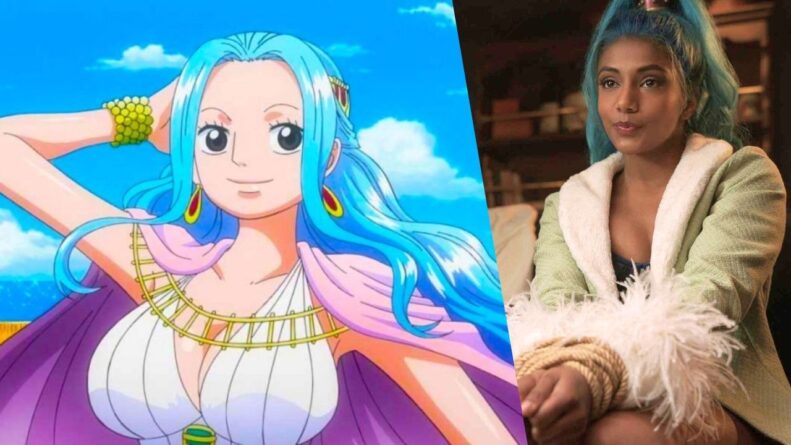
These Cameos Matter

He begins life as a street rat who tries to pickpocket Nami. When the villains capture Luffy, Bartolomeo has to watch the six-pack execution from the front row. But now he really knows Luffy, so when the lightning blasts him and saves him, that miracle isn’t just some cool thing to happen in the world — it’s a soul-shaping event. He even picks up Luffy’s discarded hat in awe. 

Sabo: Finally Solving an Old Mystery

There has almost been a One Piece fan upheaval the size of Marineford following the appearance of a small silhouette that was in one single manga panel in the year of 1999. Many thought it might be Luffy’s supposedly “dead” brother Sabo, quietly watching from the shadows. That minor detail would lead to years of theories and speculation among the fan community. 
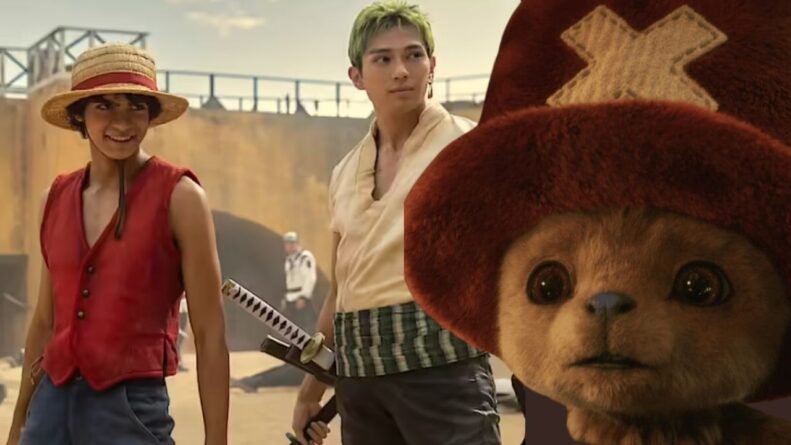
Finally Solving an Old Mystery

The Reveal: The series eventually confirmed it. In One Piece Season 2, a man in a top hat and goggles appears with Dragon.

Hunting for that twist: Fans know the story is going to end tragically at some point. He is literally standing there watching his brother escape, but he has no idea who Luffy is. 

Brook and the Ghost of Laboon

The show also connects with the story about Laboon, the giant whale that wait at the doorway of the Grand Line. We don’t learn who Laboon is waiting for in the manga until much later. In teasing the Rumbar Pirates and their skeleton musician Brook now, the series is making the world feel lived in and heartbreakingly real right from the jump. 

Aspect Original Manga Canon Netflix Adaptation Output
Initial Debut Chapter 705 (Dressrosa Arc) Season 2, Episode 1 (Loguetown) Narrative Establishes early season to grab interest 
Relationship to Luffy Passive spectator at the execution; retroactive “fanboy” Active participant; personal interaction prior to the execution. Deepens the emotional weight of his eventual loyalty; makes his motivation character-driven rather than coincidental.
Execution Scene Role Distant crowd member Forced to watch by Buggy from the “front seat”. Highlights the contrast between Luffy’s optimism and true villainy.
Symbolic Resolution Witnessed the lightning strike Picks up Luffy’s straw hat in awe. Provides a visual, cinematic anchor to his transition into piracy.

Eric Litman Receives Critical Appreciation for his Logic Twist

The silent cameos in One Piece Season 2 serves as an excellent payoff for longtime fans that reward Oda’s detailed pre-planning, and it doesn’t require any dialogue or context that might alienate curious non-fans. Some critics noted that in an era when movies are increasingly laden with heavy-handed cinematic universe cross-promotion, Sabo’s is a welcome bit of underplaying. 

It’s not a nod to the camera curt instructing the audience to know how important he is, to a new viewer, he’s just “some other weirdo in the background” of a bustling pirate city. For the fandom though it is a ground shaking event that spans decades of theorizing. 
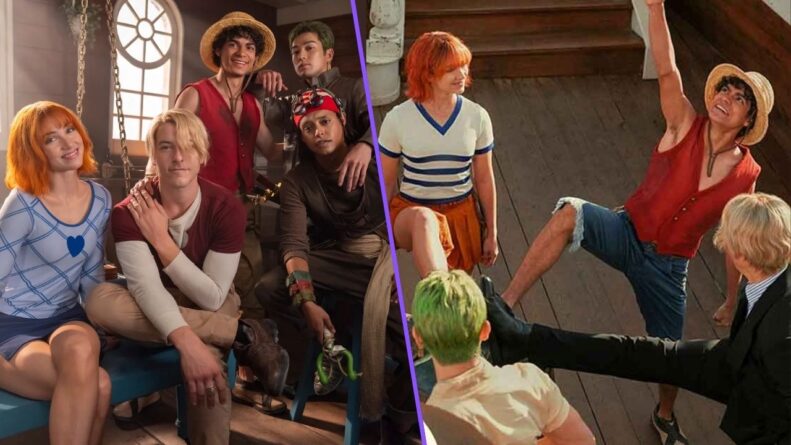
Eric Litman Receives Critical Appreciation

Editor Eric Litman and the showrunners acknowledged that bringing in Brook sooner was essential to selling the emotional weight behind Laboon’s story. By turning the vague “lost crew” concept into concrete, highly sympathetic characters, the adaptation instantly elevates the emotional stakes. 

Most likely Oda when writing the Reverse Mountain arc back in the late 1990s did not have Brook or the Rumbar Pirates fully made up yet. The live-action series benefits from hindsight, and is able to integrate those elements from the beginning. 

One Piece Season 2 Hit The Streaming 

  • The Gender Split: The audience is 69% male.
  • The Age Gap: Actually most viewers are on the older side with 63% are aged 30 and up.

This indicates that the series had a very strong start, especially among the readers who were already familiar with the manga since 1997. Still, the audience can be drawn in by more complicated concepts of teamwork, leadership, and what it means to have a “found family,” instead of just keeping an eye out for punches and kicks. 

On the other hand, Two years later, on March 10, 2026, One Piece Season 2 was also a massive success. It regained the top spot in about 50 countries within a few days after release, including key markets such as Germany, Brazil, and Japan. Early reports indicate the viewership numbers are rising around 30% faster than they did in Season 1. 

The Critical Score

One Piece Season 2 is declared as a masterclass by critics because of its outstanding timeline twist. Season 2 received 9/5 Critics (so far), its high as Season 1 get 86% from Critics and 90% from the Audience.

The highest praise? The show “accidentally” manages to be a dense fantasy epic without turning your brain to mush. You don’t need to have watched a single episode of the anime to enjoy the show as a blockbuster. 

The Fan Debate

Even having all this success it seems that the hardcore community is split into two camps when it comes to those early character cameos.

The Hype Camp (The Majority)

Most fans with long memories are about to have a collective aneurysm. Spotting Sabo’s top hat or hearing Brook’s laugh for the first time were huge rewards for years of loyalty.

  • The Logic: These fans say that a 1:1 adaptation of the manga is not achievable for TV.
  • The “Oda” factor: Since the creator, Eiichiro Oda, approved of the changes, most fans trust the process. They’d rather have a world that feels “full” and connected right now. 

The Purist Camp (The Minority)

On the flip side, there are some purists who are a tad nervous. Their concerns are mostly pragmatic:

  • The “Reveal” Impact: Some argue that seeing Sabo or Bartolomeo now cheapens the impact they had when revealed in the original story years later.
  • Character Developments: In the manga, Bartolomeo is initially an utter jerk before we learn he’s a fanboy. The show makes him likable from the start, which some argue misses out on a neat character arc.
  • The “Aging” Issue: Will the actors still look the part if the series presents Brook or Sabo in 2026 But doesn’t require them for the “main” story until 2030?
  • The Cut Material: Some fans were rather attached to the wackier scenes— such as the doctor living inside a whale’s stomach—that the series removed in order to make the story a bit more “grounded.” 

At a Glance: Season 2 Reception

Metric Result Why?
Viewership 30% Growth High retention of old fans + new “mainstream” interest.
Critical Score 100% Flawless integration of complicated lore.
Main Audience 69% Male / 63% 30+ Taps into nostalgia and mature themes of leadership.
Fan Sentiment Mostly Positive “Easter eggs” are winning over the “purist” complaints.

Strategy to Save One Piece Season 2

The early appearance of characters like Bartolomeo, Sabo, Brook and Yorki isn’t just shallow pandering to the fans, it’s a deliberate structural engineering move. 

With guidance from executive producers showrunners Matt Owens and Joe Tracz and under the ultimate authority and blessing of Oda, through the painstaking editorial management of Eric Litman—these cameos serve to deepen the theme of the current story while setting up future sagas in an elegant fashion. 

Read More:- Monarch Season 2 Twist Explained: What It Means for the Monsterverse

Conclusion

The One Piece Season 2 is evidence that those surprise cameos weren’t just some random fan service. Characters such as Sabo, Brook, and Bartolomeo, were deliberately seeded earlier in the narrative to connect different story arcs and to expand the world.While collaborating closely with the manga written and illustrated by Eiichiro Oda, the production team was able to keep the adaptation faithful, yet still generate excitement for later seasons. 

Stay connected with Fandomfans to get the latest updates from movies, series and celebrities.

Comments

View comments and join the discussion

Mariyam

Articles Published: 87

Mariyam Khan is Fandomfans Content Writer and providing reports and reviews on Movie Celebrities, and Superheroes particularly Marvel & DC. She is covering across multiple genres from more than 4+ years, experience in delivering the timely updates.

View Profile ↗

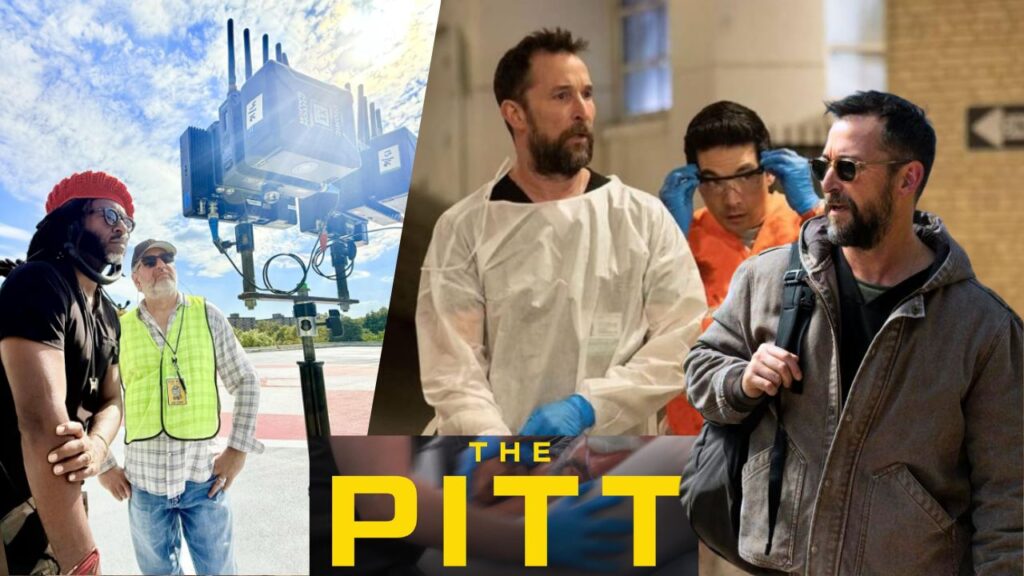
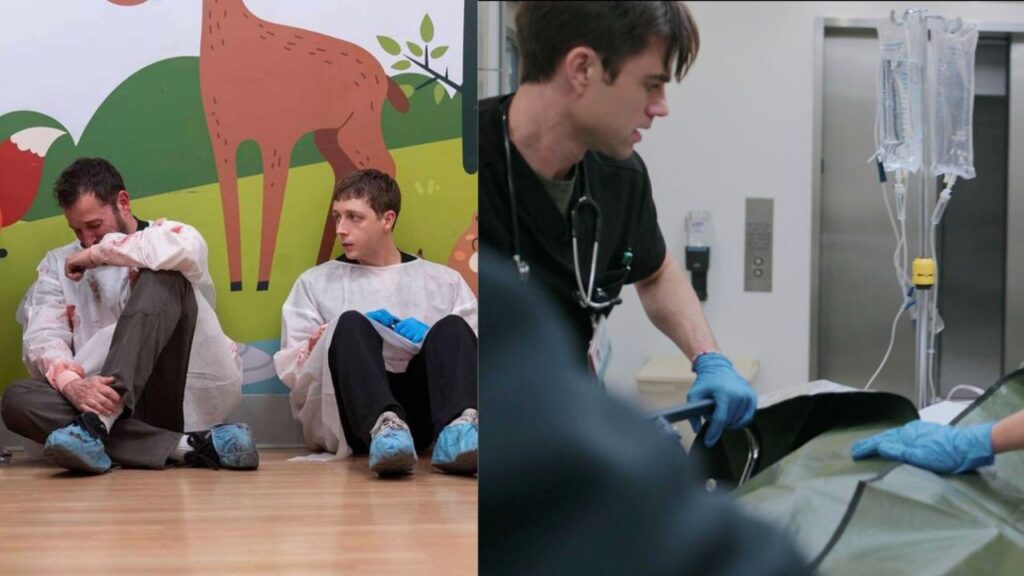
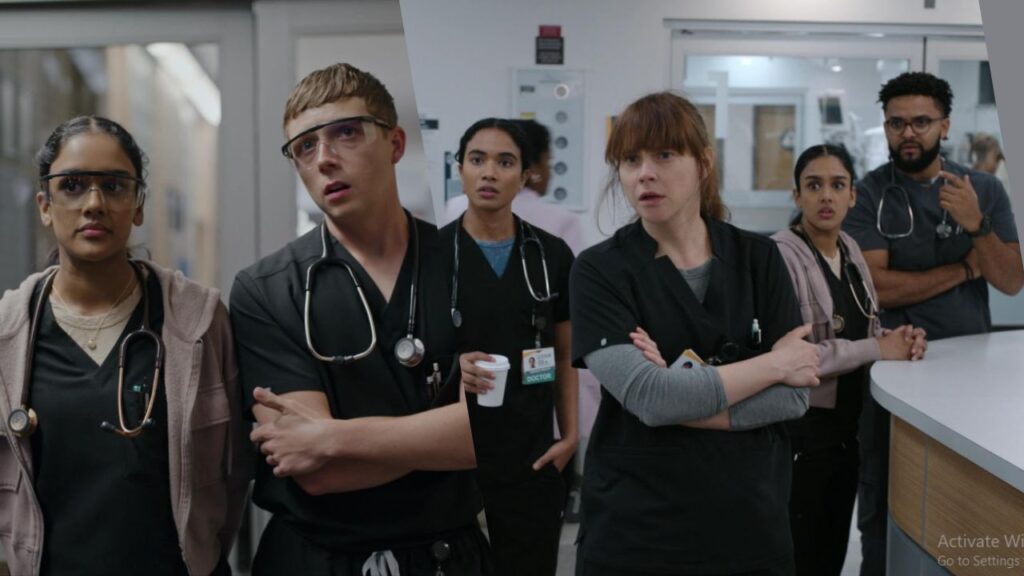
HBO Max’s ‘The Pitt’ Real-Time Medical Drama Renowned For Season 3 

HBO Max’s ‘The Pitt’ real-time medical drama earns Season 3 renewal. Explore how its nonstop ER format delivers unmatched realism and emotional impact.

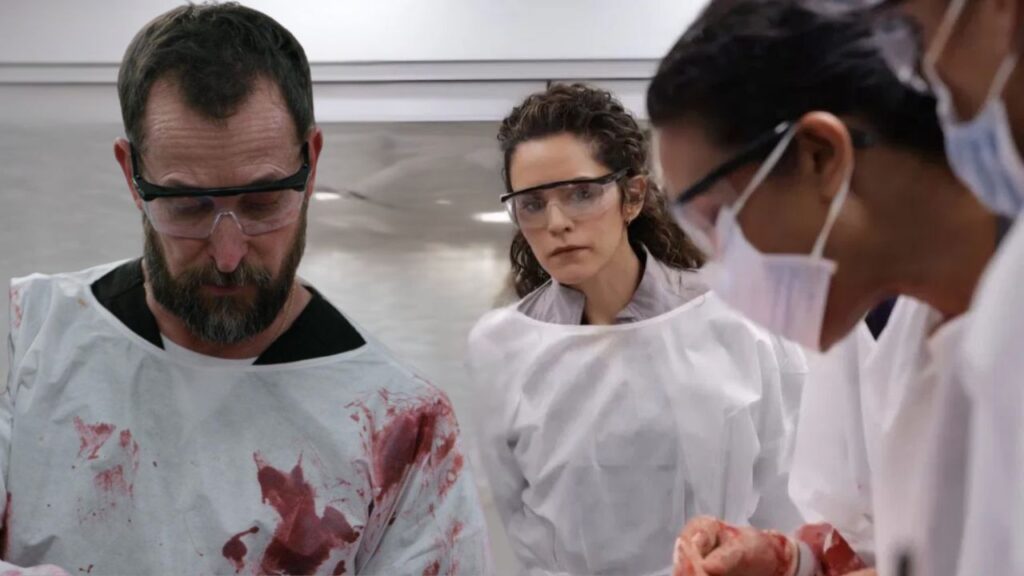
Medical dramas tend to get their mentality out of the emotional highs and neat resolutions. A disaster occurs, people cry, and by the following week it’s as if nothing ever happened. HBO Max’s The Pitt, is nothing if not a complete shatter of that formula. Taking place in a nonstop shift over a single day (and in real time), the series makes you feel as pressured, fatigued, and emotionally burdened as the doctors themselves without any relief.  

Why Real-Time Storytelling Hits So Hard

In classic fare such as Grey’s Anatomy or The Good Doctor, audiences are always given a break; a surgeon might die at the end of an episode, but come the next episode, they will have presumably slept, showered, and reset for a “new” week. According to Collider, This safety net is removed by The Pitt. 

When it adopted a real-time format with each season covering one season of a single, nonstop 24-hour period, the show wasn’t simply using a gimmick similar to 24. It’s running a harsh test on its audience. In The Pit, time is not a storytelling device – the characters and the audience are buried by it. 

The Emotional Cost of Never Slowing Down

The genius of The Pitt is in what it withholds: the narrative ellipsis. In film theory, this is the cut ahead (lookaway) to the boring or painful parts. But in today’s emergency room, the “boring” parts are the soul obliterating truth. 

The Emotional Cost of Never Slowing Down

And as none of this is interrupted by time jumps, we get to be stuck in the “emotional residue” of each tragedy.

  • If a patient dies in Hour 3, the doctor doesn’t get to go home and think about it over a glass of wine.
  • They have to walk into the next room in Hour 4, haunted by that failure, to treat a stubbed toe or a gunshot wound.

This architecture mimics the particular “commanded urgency” that contributes to physician burnout; it simulates a pressure-cooker where the tension is not only coming from life-or-death surgery, but from an accumulation of minor, never-ending stressors. 

Read More:- Disney’s Live-Action ‘Tangled’: Teagan Croft and Milo Manheim Lead a Major Franchise Push

The Healthcare System as the Real Villain

What makes The Pitt feel like “stressful television” isn’t just the blood and guts, it’s also the red tape.

The Healthcare System as the Real Villain

The real-time format reveals “the ontological truth” of American healthcare: 

  • Boarding: We observe patients waiting in hallways for hours because there are no beds.
  • The Insurance Barrier: We listen to doctors bickering over billing codes as they try to save lives.
  • Tech Failures: We witness the “promise” of AI devolve into a headache as fatigued employees proofread.

The show makes the case that the bad guy isn’t a disease — it’s the system. 

Realism That Pushes Boundaries

The scope of realism is staggering. Background actors aren’t just scenery, they are monitored on a “Risk” style map, holding hospital beds for the duration of the 15-hour shoot to physically maintain continuity.  Leading actors such as Noah Wyle learned to do procedures without stunt doubles, so they could speak while physically performing.

Realism That Pushes Boundaries

But the show is not immune from criticism. Doctors have criticized the “erasure of the interdisciplinary team,” arguing that the show fantasizes that doctors do everything and ignores the nurses and respiratory therapists who day-to-day are running the ER. And the compressions have been ripped as “weak sauce” — a nod to actor safety that momentarily takes pros out of the experience. 

‘The Pitt’ Renewed for Season 3

HBO Max’s The Pitt season 3 is going into production soon. The president of HBO Casey Bloys made the announcement at the Season 2 premiere in Los Angeles on January 7.

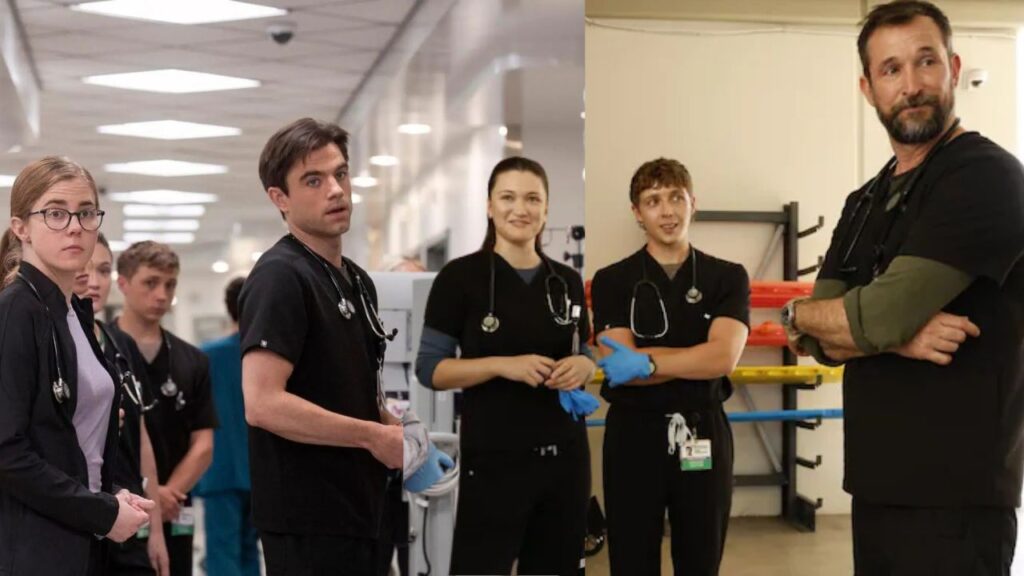
Developed by R. Scott Gemmill the series stars Noah Wyle and centers around doctors and nurses who work one chaotic shift in a Pittsburgh ER, with every episode taking place in real time. The series premiered in 2025.

‘The Pitt’ Renewed for Season 3

The series was hailed in its first season, garnering 13 Emmy nominations with five wins, including Best Drama. Excellent reviews for season 2 also garnering it major nominations.

Other cast members include Noah Wyle, Katherine LaNasa, Shawn Hatosy and more, with Sepideh Moafi as series regular joining in Season 2. 

Read More:- Game of Thrones Star Sophie Turner Says Sansa Stark Got a Perfect Ending

Conclusion

HBO Max’s The Pitt is painful to watch and that’s the whole point. In not turning away from fatigue, defeat, and the bureaucracy of it all, the show becomes perhaps the most visceral (and truthful) medical drama on TV. The third season renewal is a confirmation that viewers want a narrative that doesn’t comfort, but confront reality. 

Fandomfans is a platform where you can find deeper details from your movies, series, and celebrities.
Comments

View comments and join the discussion

Mariyam

Articles Published: 87

Mariyam Khan is Fandomfans Content Writer and providing reports and reviews on Movie Celebrities, and Superheroes particularly Marvel & DC. She is covering across multiple genres from more than 4+ years, experience in delivering the timely updates.

View Profile ↗

Welcome to Derry : Makes the Same Horror Mistake That Nearly Killed the Franchise

Derry Review assesses IT Chapter Two, in which CGI fright tactics supplant the psychological terror that rendered Pennywise so haunting and memorable.

Published: Dec 31, 2025, 4:54 AM
Last Updated: May 11, 2026, 7:53 AM

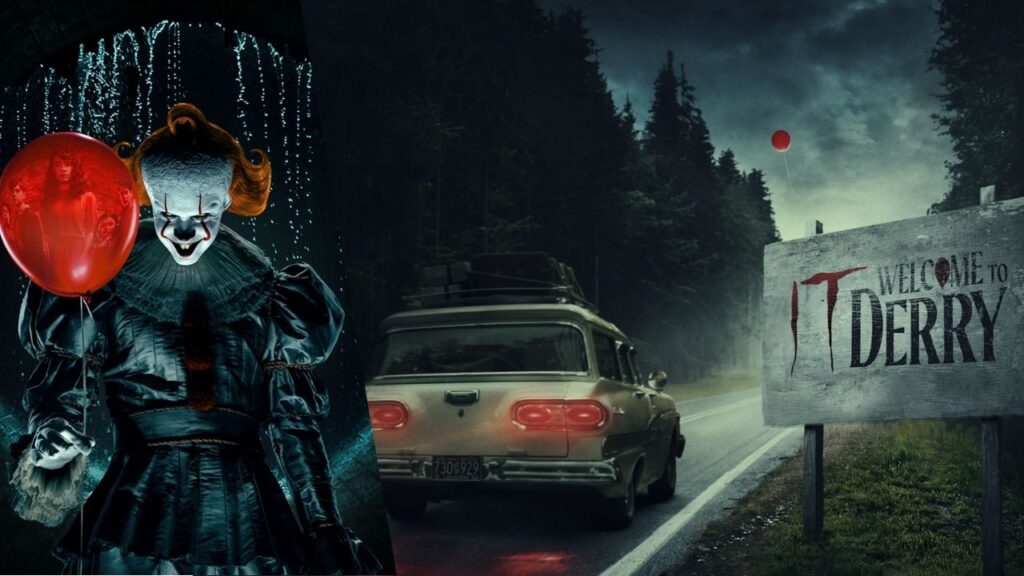
When IT: Welcome to Derry aired on HBO at the end of 2024, fans of the genre thought it was going to be a new version of Stephen King’s horrifying world. But in its opening episode, the series offered something else — a very familiar (and not in a good way) experience. The very thing that made IT (2017) a triumph is what turns the prequel’s opening moments into a warning: the misapplication of horror principles that plagued IT: Chapter Two. And if you’re wondering where things went haywire, strap in — because it’s a lesson the franchise should have gotten the first time around. 

The Opening That Should’ve Been Iconic

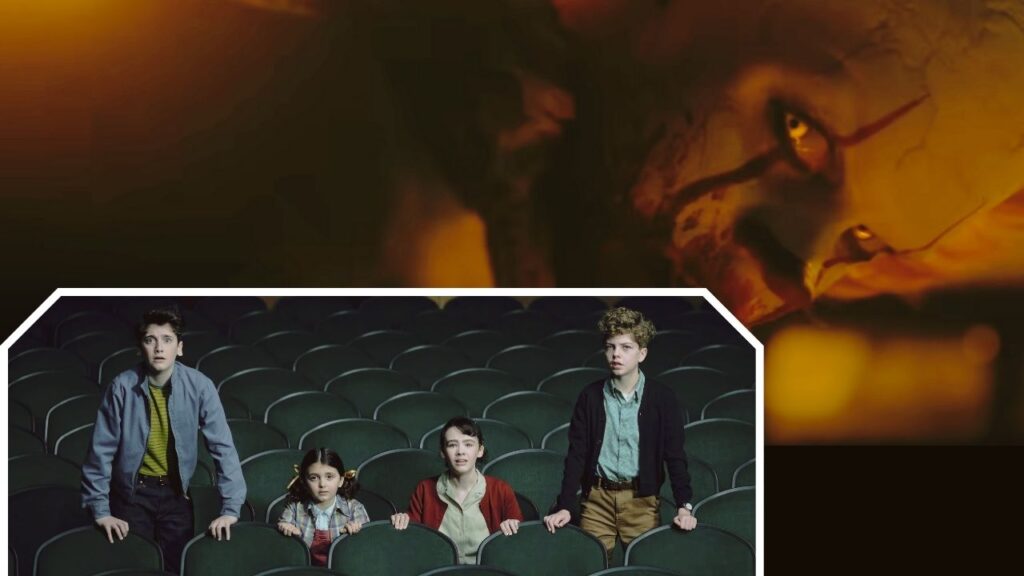
“Young Matty Clements” The Original Story begins on the night of a snowstorm, a boy called Matty Clements running from his abusive father with nothing else but hope, young Matty Clements. He is taken in by a seemingly warm family, and for a fleeting moment the audience experiences genuine relief for him. Then everything goes horribly wrong. A grotesque, computer generated, winged thing explodes out of the car in a welter of blood. It’s supposed to echo Georgie’s death in the original movie — a chilling first taste of Pennywise’s real form. But here is the problem: it couldn’t be more wrong.
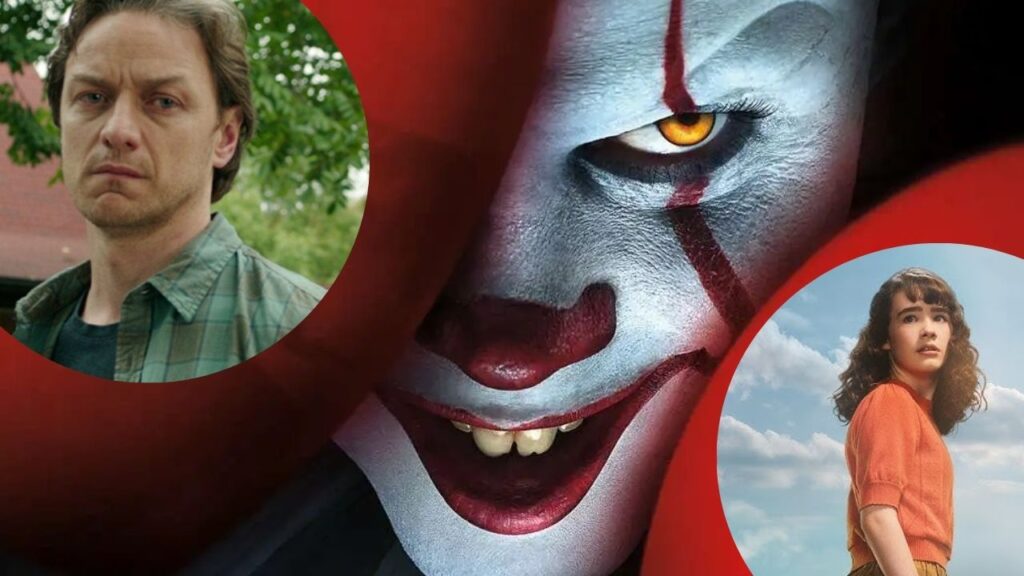
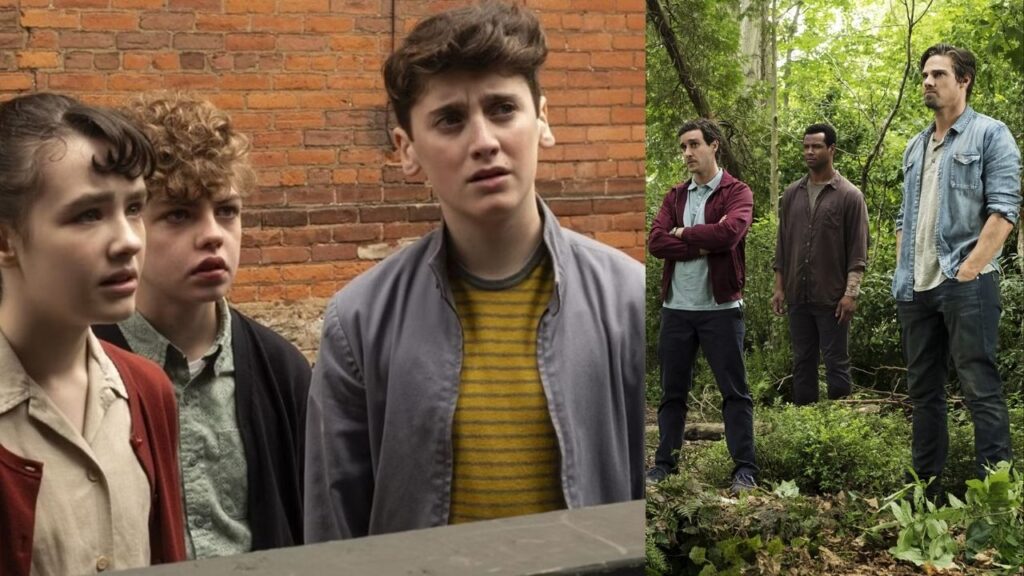
The Opening That Should've Been Iconic
Image Credit: Fandomfans

Compare with Georgie’s’s iconic death in IT (2017). Director Andy Muschietti choreographed that scene with surgical precision. Bill Skarsgård’s Pennywise was this chillingly intimate, yet threateningly expansive. The Georgie and clown talk gained genuine dread through conversation and psychology rather than spectacle. Every second seemed well-earned, every shock felt intimate. Pennywise took advantage of Georgie’s particular weakness — his faith in strangers, his wish to get back his boat. That’s efficient terror.” 

The IT: Chapter Two Mistake We Should Have Seen Coming

That’s when it gets frustrating. IT: Chapter Two (2019) in particular was derided for eschewing the psychological horror that made the 1990 version so effective. The sequel padded itself out with a two-hour-and-forty-nine-minute running time, repetitive solo missions for every Loser Club member, and most damningly a dependence on cartoonish CGI monster moments. Critics were not shy about it—the attack on the Paul Bunyan statue, the grotesquerie creature designs, the visual spectacle that is not actually scary. It was like someone told the filmmakers: Bigger means better, and they darted off blindly downhill.

Two Mistake We Should Have Seen Coming
Image Credit: Fandomfans

Chapter Two’s Rotten Tomatoes rating fell 23 points from the original. Box office receipts plummeted by more than $230 million. The message from the crowd was plain: we don’t want spectacle, we want atmosphere. 

So what Welcome to Derry accomplishes in its first few minutes? It’s the exact same error. That demon baby on the fly, that horrific beast bursting out of the family vehicle, the extended gore set piece — it’s all Chapter Two’s playbook, dusted off and amazon prime-ready. The scene goes on uncomfortably long, giving up slow-building suspense for cheap scares.The winged creature reappears at the end of the episode and that moment works better narratively, though it can still not come close to the real terror of the opening of the original film. 

Read More 👉 Fallout Season 2 Episode 2 Breakdown: Shady Sands’ Death & the Mojave’s Brutal New Rules

Why This Matters Beyond the Opening

This isn’t just one badly staged scene. It’s a matter of philosophy.” IT worked because it knew something fundamental: Pennywise is scariest when horror feels close and personal. The warped Judith painting that plagues Stan, the leper that represents Eddie’s hypochondria, Georgie’s guilt-induced visions — these are mental terrors sculpted around each character’s unique fears.

This Matters Beyond the Opening
Image Credit: Fandomfans

Welcome to Derry had the formula for greatness. It was allowed to roam in the characters, new traumas, and the societal canvas of ’60s Derry, free from the constraints of a single Stephen King novel. It got a chance to fix Chapter Two’s mistakes. Instead, it fell all over itself, hurrying for a big monster moment without cultivating the mood of dread that makes Pennywise really scary. 

The Silver Lining

Welcome to Derry has already made beats of learning this lesson in later episodes. Hallucination sequences customized to characters’ fears, atmosphere-building scenes using lighting and suspense, and sequences that prey on mental fragility have far outperformed those big CGI set pieces.

The Silver Lining
Image Credit: Fandomfans

If the show continues on this path – sacrificing spectacle to pummel us with character-specific horror – maybe it’ll break its cycle for once. Because the big lesson isn’t that bigger is better. It’s that personal psychological terror will always stand the test of time over a computer-generated creature, no matter how cool it looks on screen. 

Conclusion

IT: Welcome to Derry doesn’t come up short for lack of concepts, it wavers because it abandons what made IT so terrifying to begin with. The franchise was at its weakest when Pennywise ballooned into giant CGI monstrosities; it was at its best when fear tiptoed in silently, cloaked in guilt, trauma, and anxieties so personal they couldn’t be named. Instead of building suspense, the series starts with spectacle in what briefly amounts to the exact mistake that undermined IT: Chapter Two.

That’s not to say the show is irredeemable. Its succeeding episodes point to a more comprehensive approach to psychological horror derived from building atmosphere, character-based dread and the gradual disintegration of safety. If Welcome to Derry keeps playing to those strengths, it can still do right by Stephen King’s legacy instead of watering it down. Because Pennywise, at the end of the day, does not need wings, or blood sprays, or extra run time in order to be frightening — he just needs to get close enough to whisper. 

Dive deeper into the cinematic world with Fandomfans to get all the details from your favorite genre.

Comments

View comments and join the discussion

Mariyam

Articles Published: 87

Mariyam Khan is Fandomfans Content Writer and providing reports and reviews on Movie Celebrities, and Superheroes particularly Marvel & DC. She is covering across multiple genres from more than 4+ years, experience in delivering the timely updates.

View Profile ↗

An Exhaustive Strategic and Narrative Analysis of Eva Green’s Casting in ‘Wednesday’ Season 3

Eva Green is set to portray Aunt Ophelia Frump in Wednesday Season 3, bringing dark psychology and mystery to the award-winning series series in 2027.

Published: Nov 27, 2025, 8:32 AM
Last Updated: Apr 25, 2026, 12:53 PM

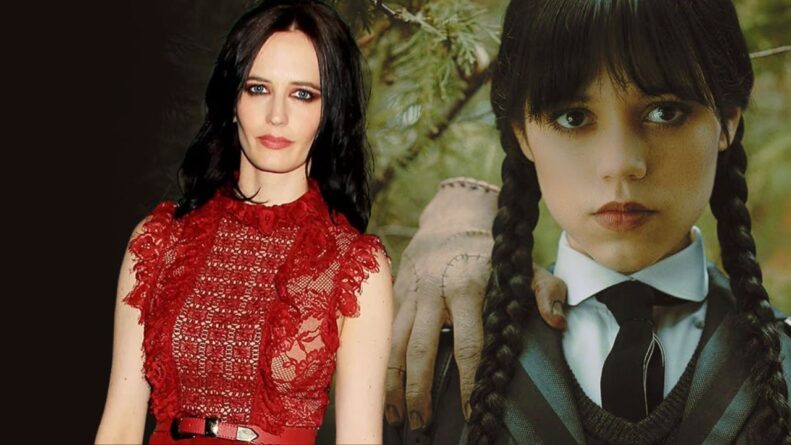
The fact that Eva Green has been cast as Aunt Ophelia Frump in season three of Netflix’s Wednesday is a huge win in the streaming giant’s content strategy and the growing creative evolution of the Addams Family franchise. The announcement was made official on 25 November 2025 through The Hollywood Reporter, putting an end to months of rampant speculation following the Season 2 cliffhanger. 

Green’s addition isn’t just a casting coup, it is a clear shift towards high-stakes psychological horror given her natural and proven working relationship with executive producer Tim Burton and his gothic storytelling roots. It’s about how the popular “Lady Gaga” fan theories are being debunked, the production logistics that indicate a Summer 2027 release, and the deep lore of “Raven” psychics that implies Series 3 will be the franchise’s most intellectually daring outing yet. 

The Creative Vision Of Showmaker & Eva Green’s Alignment

The decision to cast Green was accompanied by strong endorsements from the show’s creative leadership. Al Gough and Miles Millar, the creators and showrunners, issued a statement to Tudum that focused on what it is that Green brings to the role — attributes that fit with the show’s developing look and feel. 

“Eva Green has always brought an exhilarating, singular presence to the screen — elegant, haunting and beautifully unpredictable, making her the perfect choice for Aunt Ophelia.”
—Al Gough and Miles Millar stated

This is the key quote for understanding what Ophelia is supposed to do. The adjectives “haunting” and “unpredictable” suggest that the character will generate real narrative tension and perhaps menace rather than simply being a quirky relative. 

The Creative Vision Of Showmaker & Eva Green’s Alignment
Image credit: Fandomfans

The collaboration marks a reunion between Green and executive producer Tim Burton.Their earlier collaborations on Dark Shadows (2012), Miss Peregrine’s Home for Peculiar Children (2016) and Dumbo (2019) made Green the definitive “Burton Muse,” who could capture the director’s unique juxtaposition of the macabre and the sympathetic. 

Green’s statement on being cast in the role showed a great understanding of the particular tone of the Wednesday universe—a mix of horror and satire.

“I’m excited to be a part of the haplessly warped world of ”Wednesday” as Aunt Ophelia. This is such a wonderfully dark and funny world, I am so excited to add my particular brand of cuckooness to the Addams family.”
—Eva Green said

It suggests a performance that will oscillate between the comedic eccentricity traditional to the Addams Family and the “dark and twisty” depth Green is famous for.

The Evolution of Ophelia Frump

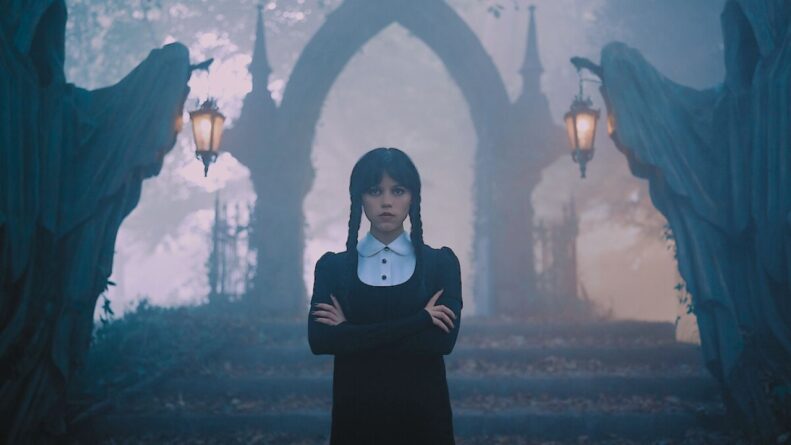
The Wednesday series has dramatically reframed Ophelia, removing all the sitcom levity for gothic tragedy. 

The show draws a line between the types of psychic powers: “Doves” (such as Morticia) are gifted with positive, helpful visions, while “Davens” (such as Wednesday) are plagued by violent, bleak and isolating ones.

Ophelia is a confirmed Raven, just like her niece. And this designation is key, meaning that Ophelia’s “madness” is caused by the very same burden that Wednesday is carrying. She is a “Ghost of Christmas Future” for Wednesday—a cautionary tale of what occurs when a Raven goes “to the limit and beyond” with her gifts.

Unlike the 1964 version, Netflix’s Ophelia endured a traumatic past in and out of institutions. The story discloses that she was lobotomized at Willow Hill Psychiatric Hospital by her mother, Hester Frump (Joanna Lumley). 

The Season 2 Cliffhanger: “Wednesday Must Die”

The trigger of Ophelia’s return is her journal, in possession of Wednesday, whom Morticia entrusts with it as a sign of trust. That object acts as a device, and the two women, aunt and niece (Wednesday) across time while having a vision.

According to Movieweb, The need to cast Green is so urgent because of the explosive final moments of Season 2, Ophelia (back view) in a red dress, committing “Wednesday must die” in her own blood on the cell wall. The iconic image of the finale—and the teaser for Season 3.

Read More:- Rings of Power Season 2 : New Era, New Legends in Middle-earth

The “Wednesday Must Die” Prophecy

According to Collider, Ophelia’s statement that “Wednesday must die” makes her an immediate danger. However, given the “Raven” aspect of her abilities, she could be seeing a future in which Wednesday turns into a means to an end for potential global destruction, and her trying to kill him is a very warped form of heroism. Or, she could be affected by the madness brought on by her captivity. 

The Wednesday Must Die Prophecy
Image credit: Netflix

Ophelia is more than a psychic threat, “blood on the wall” evokes a bodily threat and Wednesday has never been confronted by a relative in such a fashion. 

The typical post-production schedule of 12 to 14 months for a show that relies heavily on VFX (with werewolves, hydes, and disembodied hands), Season 3’s estimated release is Summer 2027. 

The Matriarchal Conflict

Hester (Joanna Lumley) is unmasked as a cold-blooded pragmatist who locked up her own child. In Season 3, Morticia (Catherine Zeta-Jones) and Wednesday face off with Hester, contesting the family pecking order. 

The Matriarchal Conflict
Image credit: Fandomfans

Morticia is the “Dove” that survived by assimilating (somewhat), Ophelia is the “Raven” that was shattered. Green and Zeta-Jones together on screen is one hell of a clash of acting titans as they interrogate the guilt Morticia feels over her sister’s fate. 

Conclusion

The choice of Eva Green to play Wednesday op indicates a clear rise in Wednesday’s franchise potential. In signing an actress of Green’s calibre – who is very much a face for the ‘gothic prestige’ genre – Netflix is making sure that season three has the dramatic heft to match the global phenomenon that the first two seasons have become. 

Find your favorite celebrity news on Fandomfans as we are here providing breakdown of every story and casting characters with deep analysis. 

Comments

View comments and join the discussion

Alpana

Articles Published: 173

Alpana is Fandomfans Senior Editor across all genres of entertainment. She evolved in the media industry since a very long time, she manages the content strategy and editing of all the blogs. Her focus on story development, review analysis, and research is well-equipped that ensures every article meets the standards of accuracy and depth.

View Profile ↗