The Witcher 3: Nobody Can Agree on Geralt’s Greatest Line
Greatest lines of Geralt of Rivia in The Witcher 3 reminding everyone the highest stakes and emotional weight of the story after eleven years.
Published: July 14, 2026, 10:03 am
Greatest lines of Geralt of Rivia in The Witcher 3 reminding everyone the highest stakes and emotional weight of the story after eleven years.
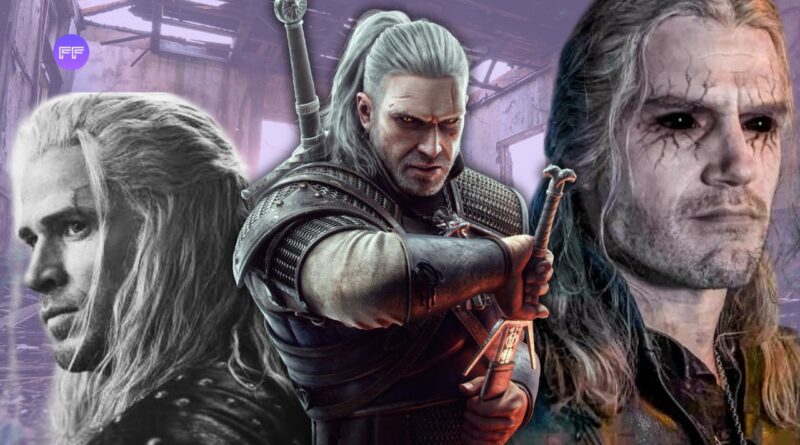
Eleven years after CD Projekt Red first sent Geralt of Rivia stumbling into White Orchard, the internet is once again arguing about the one thing it never actually settled: what his single best line in the entire game is. Not “top ten quotes” listicle territory — the one line, the mic-drop, the sentence people still bring up at parties nobody invited them to speak at.
Ask two different corners of the gaming press this week and you’ll get two completely different answers, and neither side seems to know the other exists. Some consider it merely a joke, and some treat it as a life philosophy. Surprisingly, both views hold water.
The case for comedy goes like this. About halfway through the main story, with Ciri’s trail going cold and the stakes about as high as they get, Geralt and his fellow witcher Lambert are crossing a lake by boat to reach the Circle of Elements. Fog rolls in. Tension should be building. Instead, Geralt — a man who has, up to this point, said maybe four sentences per hour of gameplay decides this is the moment to share a limerick he’s apparently been workshopping.
It shouldn’t work. It works anyway. That’s the whole argument for why this is the best line in the game: it’s not clever because of what it says, it’s clever because of who’s saying it. This is a character built entirely on the economy of words.
The voice acting that Doug Cockle gives in just the three games prepares you to expect silence from Geralt, so when he at last speaks, and what that is a limerick on a ship during a rescue mission, it gets played as a bona fide character moment rather than a throwaway joke. The Witcher 3 makes its emotional weight matter because it knows just when to knock it off.
The other side isn’t interested in jokes. Their pick is heavier, and it shows up when Geralt lays out — flatly, without any of his usual dry wit — how he actually sees the world:
“Evil is evil, Stregobor. Lesser, greater, middling — makes no difference. The degree is arbitrary. The definition’s blurred. If I’m to choose between one evil and another, I’d rather not choose at all.” — Geralt of Rivia
This isn’t a throwaway line buried in a side quest nobody finishes. It’s Geralt’s actual worldview, stated out loud, and CD Projekt Red clearly agreed it mattered, they reused it almost word for word in the “Killing Monsters” launch trailer, which means this was the line the studio chose to sell the entire game on. When a developer picks one piece of dialogue to represent thousands of lines of writing, that’s not a small endorsement.

Where the limerick works because it’s a break from Geralt’s character, this line works because it is his character. It’s the thesis statement for a man who spent two prior games and a pile of short stories getting burned by people who were sure they knew the difference between right and wrong.
Read More 👉 Westeros Is Not Done Yet: A Knight of the Seven Kingdoms Brings a New Legacy
Honestly, that depends on which version of Geralt you fell for. If what hooked you was the deadpan humor buried under the White Wolf routine, the limerick wins every time — it’s proof there’s a person under the mutations and monster contracts. If what hooked you was the moral weight, the constant refusal to pretend the world is simple, then the Stregobor line isn’t just his best line, it’s the one sentence that explains every choice he makes for the rest of the game.
Neither side is wrong. They’re just answering a different question about who Geralt actually is.
Honorable Mentions, Because The Bar Is Genuinely This High
“Lambert, Lambert, what a prick.”
— Not deep. Not trying to be. Still gets quoted more than most games manage in their entire script.
“No witcher’s ever died in his bed.”
— Said almost in passing, and somehow one of the saddest lines in the game.
The invisible hand of the market line is a Proof that Geralt would’ve survived an economics seminar just fine.
What’s actually interesting, more than a decade out, is that a game can still generate this kind of disagreement. Most RPGs get remembered for one big speech or one viral meme line and that’s the whole conversation.
The Witcher 3 has enough good writing scattered across sixty-plus hours that fans are still split on which piece of it mattered most and with Ciri stepping into the lead for The Witcher 4, there’s a real chance Geralt’s best line ever already happened, and we just can’t agree on which one it was.
So, limerick or lesser evil? Pick a side.
Video game writing gets thrown away constantly. Most dialogue exists to move you to the next objective marker, and players forget it the second the quest log updates. What makes both of these lines — the limerick and the Stregobor speech — worth arguing about eleven years later is that neither one is doing that job. They’re not exposition. They’re not filler between combat encounters. They’re the writers using a fifteen-second window to tell you who this man actually is, and trusting you to notice.
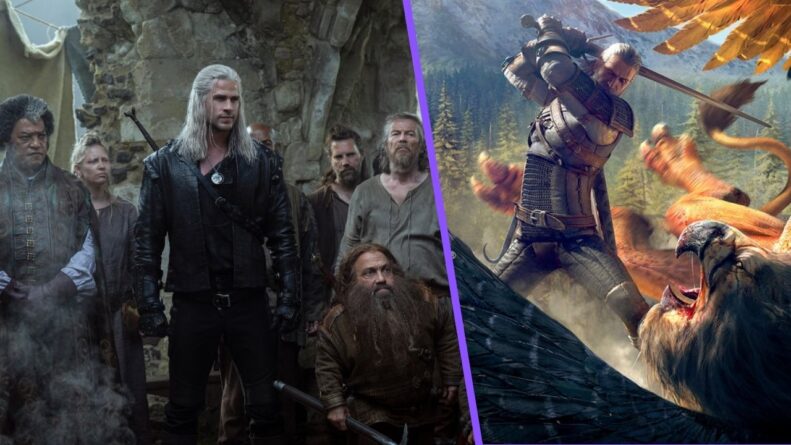
That’s rarer than it sounds. A game can have great combat, a sprawling map, and a hundred hours of content, and still forget to make its protagonist say anything worth repeating. The Witcher 3 didn’t forget. It built two completely different sides of Geralt — the deadpan joker and the reluctant philosopher — and let players pick their own entry point into the character. That’s not an accident of good voice acting. That’s writing with intent.
The next chapter doesn’t belong to Geralt at all — it belongs to Ciri, and that’s exactly what makes the wait interesting instead of frustrating. CD Projekt Red has confirmed The Witcher 4 as the first installment of a new trilogy, with Ciri stepping in as the playable character instead of Geralt. The studio has been explicit about why it made that choice, and it’s not a small swap — it’s a generational handoff for the entire series.
Don’t expect an early release of this game, CD Projekt Red has confirmed that it will launch in 2027. CFO Piotr Nielubowicz refused to give a more definitive date. However, the studio suggests that the team working on The Witcher 4 has expanded to several hundred developers, and CDPR said it wants to release the full Ciri trilogy within a six-year span — a much tighter turnaround between entries than fans saw the last time.
Read More 👉 Euphoria Season 3 Episode 3 Recap: “The Ballad of Paladin” Turns Out a Bloody Wedding
Handing the story to Ciri changes the entire question the series is asking. Geralt’s arc was about a man who’d already decided who he was and kept getting tested on it — hence lines like the Stregobor speech, a worldview stated once and defended for two more games. Ciri doesn’t have that settled worldview yet. She’s still becoming whoever she’s going to be, which means the writers get to build her defining lines from scratch instead of paying off ones we already know.
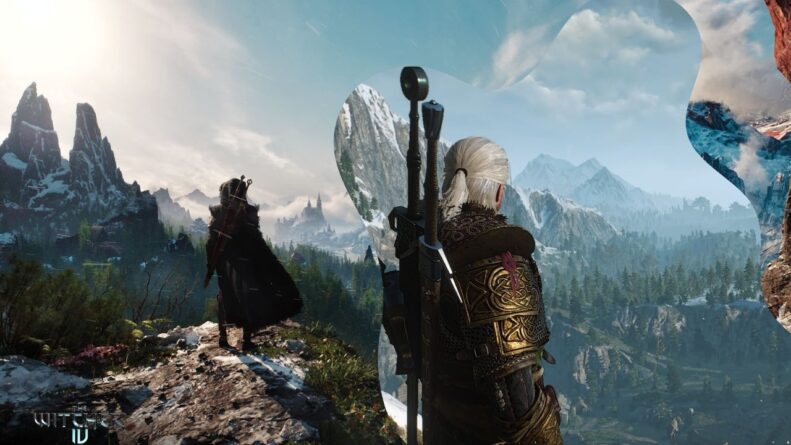
That’s the real reason this debate over Geralt’s best line isn’t just nostalgia. It’s a preview of the exact question fans will start asking about Ciri the moment The Witcher 4 lands: which line is hers? The joke that reveals the person under the training, or the flat, unshakeable statement of what she believes? CD Projekt Red already knows this game works. Now they just have to write it twice.
This debate is probably never going to have a definitive winner, and that’s fun. Geralt’s best line depends on which side of him catches your heart at first, but both are amazing for different readers. Fans are simply celebrating different parts of the same character. That’s what happens when a script is good enough to support two contradictory readings of the same character and have both hold up.
What’s worth sitting with is that eleven years on, a game can still generate this kind of argument without a remaster, a re-release, or a marketing push forcing the conversation. That’s the actual measure of writing that worked, not that everyone agreed on the best line, but that there were enough good ones in contention that the argument never had a clean winner.
And with Ciri picking up the mantle next, the debate isn’t closing. It’s resetting. Somewhere in The Witcher 4, there’s already a line — a joke on a boat, or a worldview stated flat and cold that fans will be arguing about in 2037. We just don’t know which one yet.
Get latest theories and updates from movies and series on Fandomfans, stay tuned for more details on your favorite franchise.

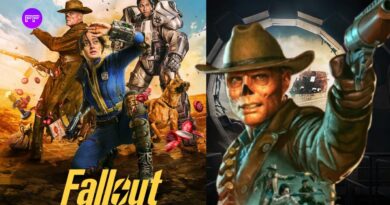
Find out why Fallout is still dominating the global streaming charts with record viewership, growing fan excitement, and massive impact ahead of Season 2.
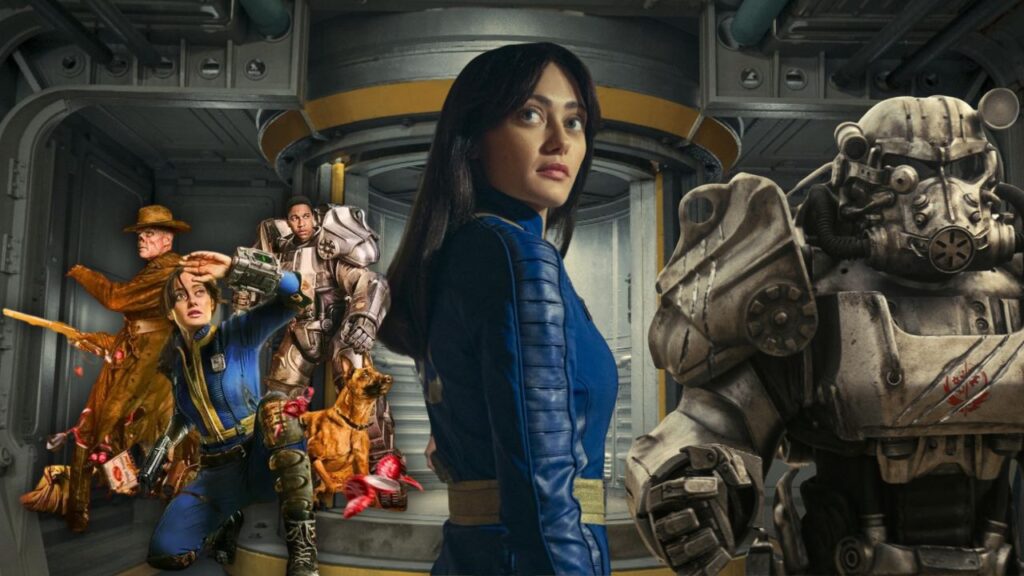
Amazon Prime Video’s Fallout, developed by Graham Wagner and Geneva Robertson-Dworet, not only became a streaming sensation — it burst into a cultural and commercial powerhouse. It is six months since the series first aired, and it still rules the global charts as record-breaking and redefining what a video-game adaptation can be. What many saw as a dangerous experiment has turned into a model success narrative, bringing in millions of new audiences, breathing fresh life into a 27-year-old gaming franchise, and proving that the much ballyhooed “video-game adaptation curse” can be broken with the right vision.
Half a year after Amazon Prime Video released all eight episodes of Fallout, the series isn’t just eking out a living in the streaming wasteland, it’s flourishing. It’s not just another post-apocalyptic show, it’s a global phenomenon and one of the biggest hits the platform has ever had. The question about Fallout isn’t whether the game was popular, but why it stayed as a chart staple so long after the initial binge had ended.
The figures show an explosive story. Prime Video has confirmed that the series, worldwide, has now been seen by over 100 million viewers. Fallout is now in the same rarefied air as Amazon’s biggest fantasy property, The Lord of the Rings: The Rings of Power, if that helps put things into perspective. So it wasn’t just eyeballs that were being counted, we were seeing engagement.
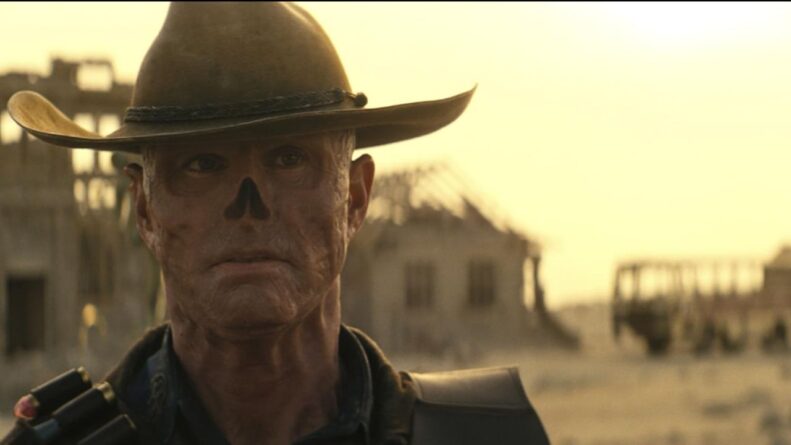
The series is the first non Netflix series ever to break 2 billion minutes viewed for two weeks in a row according to Collider. This high rate of consumption confirms that Amazon’s risky decision to greenlight the show was a commercial success, and that the show had an extraordinary ability to get viewers to binge, particularly in the highly sought-after 18-34 demographic.
Most importantly for the platform itself, the show contributed to an 8% increase in Prime Video average daily viewership during its debut month and says a lot about the show if it drove a jump in average daily viewership, Fallout not only held the attention of existing subscribers, it attracted new users and growing platform engagement.
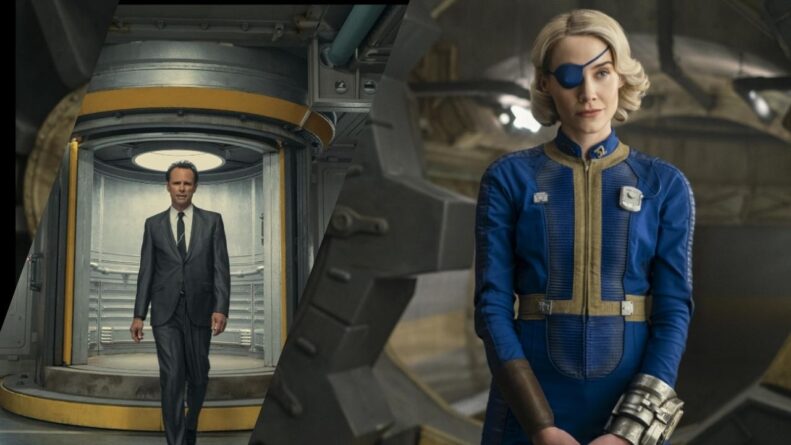
It struck just the right balance between creative fidelity and narrative inventiveness. The show perfectly encapsulated the series’ distinctive retro-futurist style and darkly satirical humour, garnering an outstanding 93% Certified Fresh rating from critics. But instead of retelling the story of a beloved game, showrunners Graham Wagner and Geneva Robertson-Dworet write an all-new, canonical adventure, centering on Lucy MacLean, Maximus, and the gloriously scenery-chewing Ghoul (Walton Goggins). This ground-up approach, taking advantage of the larger world rather than a specific storyline, appealed to long-time players, while welcoming new players to the franchise.
And the best demonstration of its transmedia potency is the very real gold rush it inspired in games. The show became a massive, $80 million marketing bonanza for Bethesda. Player counts for the Fallout back catalogue, meanwhile, doubled overnight following the debut on platforms such as Steam. Even the 14-year-old classic New Vegas saw its concurrent players spike to 20,000. This amazing bonanza showed how an excellent adaptation can prolong the money-making lifecycle of an entire IP catalog forever.
Read More :- Landman Season 2: Demi Moore & Ali Larter Explain How They Silence Taylor Sheridan’s Most Persistent Criticisms
Now, it’s all about Season 2, and the buzz on forums like Reddit is palpable. The first season ended with our trio en route to New Vegas, one of the series’ most iconic locales. Fans are speculating about lively Deathclaw encounters as well as the return of the New California Republic (NCR). But the real stakes drama is that Justin Theroux is playing Mr. House. Reddit is already talking about the intense canonical tension this introduces, and whether the show will stay true to House’s character – a calculating isolationist who was obsessed with preventing the Great War or turn him into a Vault-Tec henchman.
IGN reports, To make sure that excitement endures, Amazon is going with a strategic shift: the Season 2 premiere will arrive on December 17, 2025, then the series will release weekly until the finale on February 4, 2026. This shift away from the Season 1 binge in its entirety is intended to drag discussion and retention along over weeks, and take advantage of the massive, proven global audience.
Fallout is now more than just a popular show — it’s a multi-platform phenomenon that’s changing how studios consider adaptations, fan loyalty, and long-term engagement. From blistering ratings to the reinvigoration of a whole gaming franchise, the series speaks to the idea that staying true to a franchise’s heart while telling bold new stories can create historic success. And with much-anticipated Season 2 to be released weekly from December 17, 2025, the wasteland will soon be going wilder! One thing is for sure: Fallout is not going away from the charts anytime soon, it’s building an empire.
Fandomfans love diving deep into the worlds that fans obsess over. We deliver breakdowns, character guides, reviews, and updates that help you stay ahead of the curve.

High Potential Season 2 shatters broadcast records with smart storytelling. Check out plot arcs, cast updates, release dates, and streaming dominance.
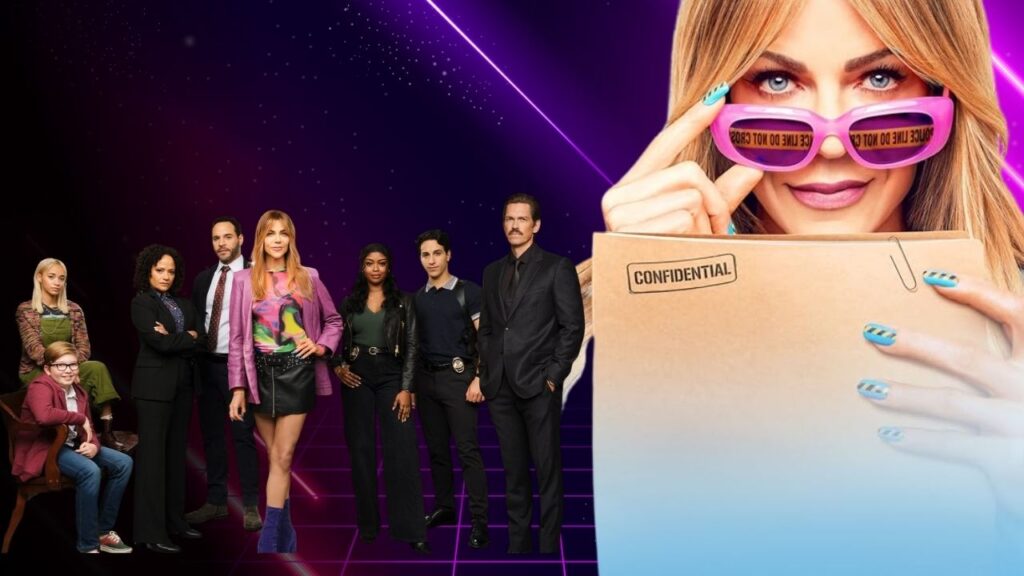
The TV landscape seems to constantly be at war over “gritty” reboots and bleak dramas, but once in a while, a show cuts through by just being smart, bright, and relatable. High Potential Season 2 has achieved that. What began as an Americanization of the French success HPI has grown into a ratings juggernaut for ABC and Disney+, demonstrating that viewers are craving “Blue Skies” fare — series that jettison high-stakes mystery for humor and heart.
| Category | Key Details |
| Network / Stream | ABC (Live) |
| Lead Cast | Kaitlin Olson (Morgan) & Daniel Sunjata (Karadec) |
| Main Conflict | The “Game Maker” arc & Roman’s disappearance mystery |
| New Addition | Captain Nick Wagner (Steve Howey) as a political rival |
| Setting | Fully moved to Los Angeles for authentic “Blue Skies” vibes |
| Key Metric | No. 1 Broadcast Drama in the 18-49 demographic |
| Visual Hook | “Thought Overlays” showing Morgan’s rapid deduction process |
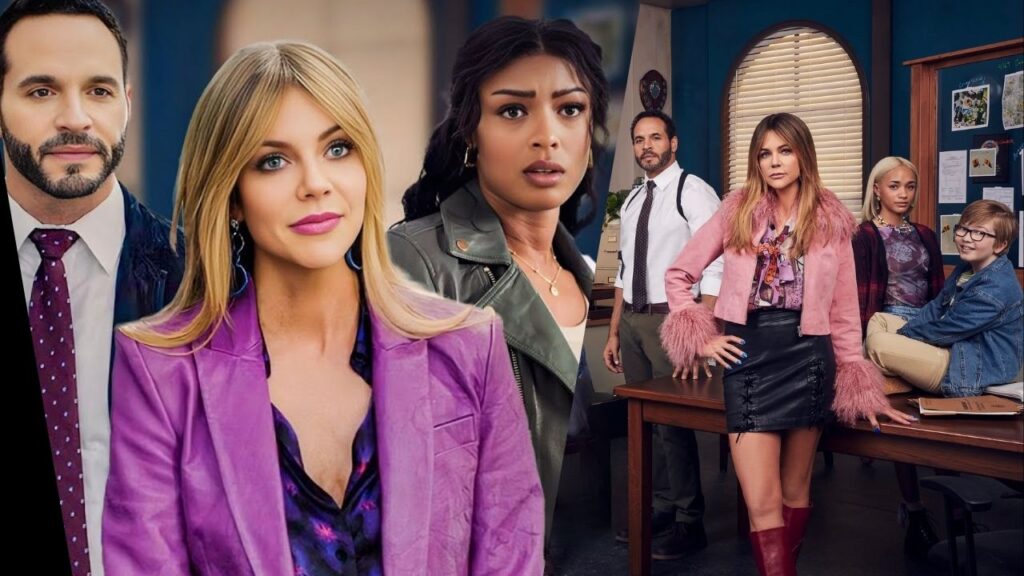
High Potential’s success as a building block of modern broadcast television is indicative of a certain kind of international IP translation and the reinvigoration of the character-driven procedural. The series is about Morgan Gillory, a single mother with an IQ of 160. Her unorthodox thinking enables her to see things and patterns that conventional law enforcement agents cannot.
The second season, premiering in late 2025, is this premise taken to the next level. As it turns out, there’s a bit more to Morgan’s “cleaning-lady-turned-consultant” origin story than just that. With a “supersized” 18-episode order, the network is showing great faith that the series can lead prime-time lineups and help drive engagement on Hulu and Disney+.
High Potential Season 2’s release schedule was a lesson in narrative tension-building. It made its world premiere on-line on Tuesday, September 16, 2025, via ABC. Following a short vacation break to realign the production schedule, the series returned on January 6, 2026, with a big promotion: moving up later to 9:00 p.m. ET. Moving up to an earlier hour is a direct result of the show’s huge audience.
| Episode Number | Title | Air Date | Time Slot (ET) |
| S2 Ep. 1 | “Pawns” | 16/Sept/2025 | 10:00 PM |
| S2 Ep. 7 | “The One That Got Away” | 28/Oct/2025 | 10:00 PM |
| S2 Ep. 8 | “The One That Got Away: Part Two” | 06/Jan/2026 | 9:00 PM |
| S2 Ep. 11 | “NPC” | 27/Jan/2026 | 9:00 PM |
Season 2 of High Potential cannot be fully described in one word. It exists in a hybrid genre world—part crime drama, part family comedy, part psychological thriller.
Filming for season 2 began in Los Angeles, adding a layer of atmospheric authenticity. From the Hollywood Hills to the historic Victorian neighborhoods, L.A. is a living, breathing character that serves as a foil for Morgan’s (and his) often chaotic internal landscape.
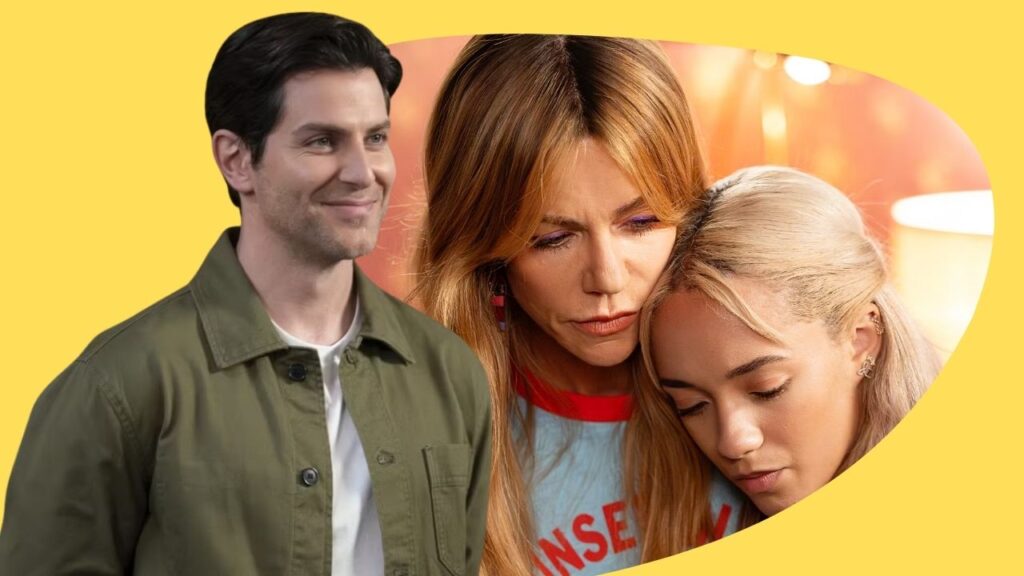
The series is executive produced by a “dream team” of procedural veterans. Developed by Drew Goddard (The Martian, The Good Place) and showrunner Todd Harthan (Psych), the series walks a fine line between narrative density and levity.
Season 2’s story arc is determined by two main arcs.
The Game Maker: A “Sherlock and Moriarty” type dynamic in which Morgan is pitted against a serial killer who sees crime as an intellectual game.
The Enigma of Roman: The lingering mystery of what happened to Morgan’s first husband, Roman, becomes central. The retrieval of his backpack takes the team deep into a perilous underworld of crime, hinting that Roman didn’t just disappear—he was driven out.
In a crucial mid-season shakeup, Morgan ends up at the Detective Training Academy (DTA). This “grounding” storyline has her working in a classroom, but her brilliance can’t substitute for protocol.
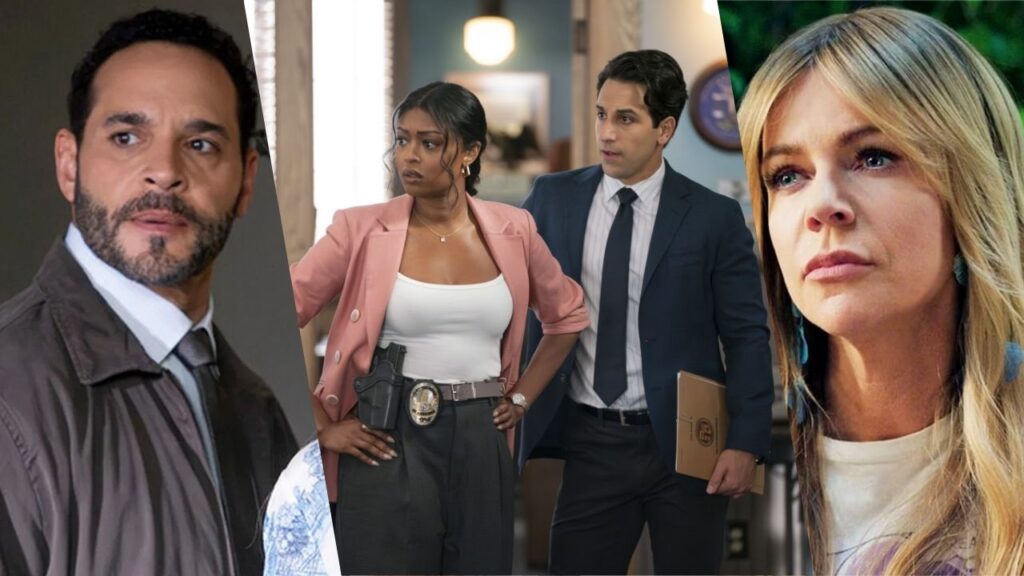
Season 2 is a big operation that’s run by 20th Television. They shot to L.A. so they could have “Blue Skies” attitudes—bright, sharp photography that looks contemporary and friendly.
| Metric | Value | Comparison |
| Multi-Platform Viewership | 17.23 Million | +17% vs. Season 1 |
| Same-Day Audience | 4.34 Million | 300% growth after 35 days |
| 18-49 Demo Rating | 2.42 | No. 1 original broadcast series |
The show’s success is an exercise in “platform synergy.” Though it airs on ABC, almost 40% of its audience comes from streaming platforms such as Hulu and Disney+. This “long-tail” viewing has made it the most-streamed broadcast original of 2025.
Fan communities are abuzz with theories. Is Roman still alive? Will Morgan and Karadec ever get together? But when can we expect to hear about Season 3? Based on being the No.1 drama on all of broadcast, a renewal is pretty much a sure thing.
High Potential Season 2 doesn’t fall prey to “second season syndrome,” and elevates both the stakes and the scale of her world. Centering on the psychological and emotional pressures confronting a neurodivergent woman operating within a rigid system, the series is more than a novelty—it’s a nuanced exploration of genius under duress.
Looking ahead to 2026-2027, High Potential is the key asset for Disney and ABC, right at the crossroads of traditional broadcast and the digital future of television.