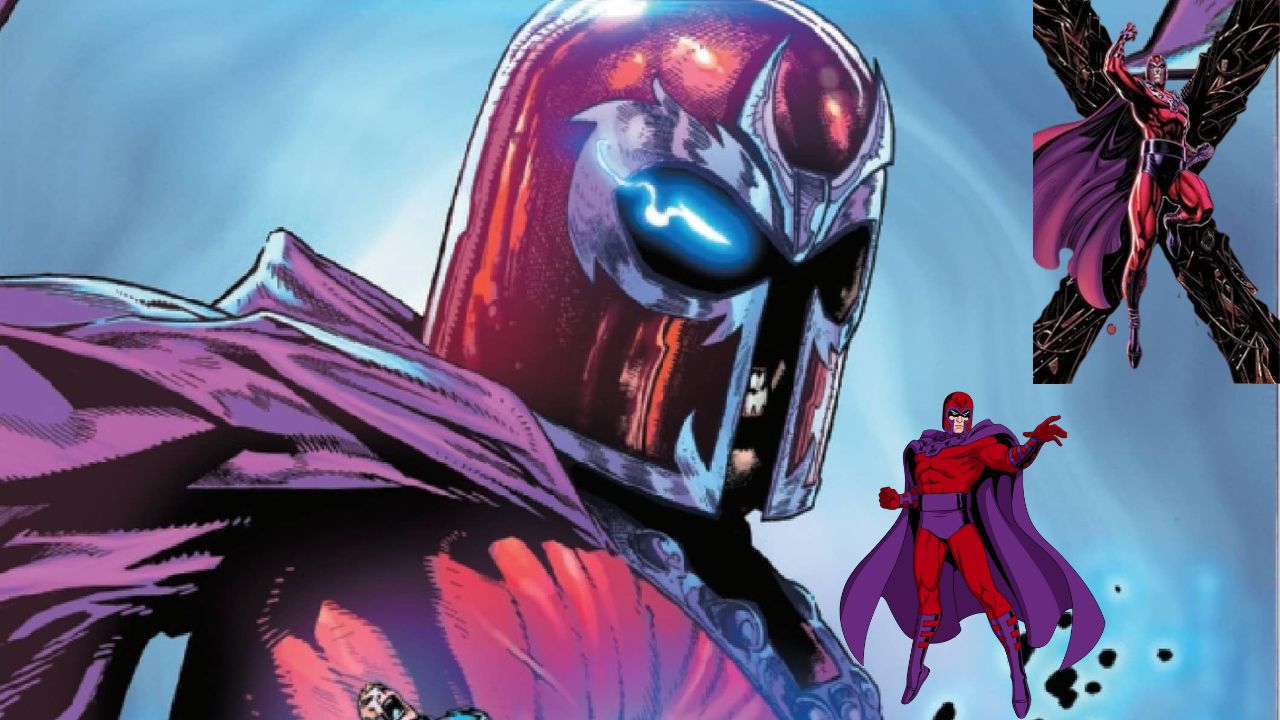

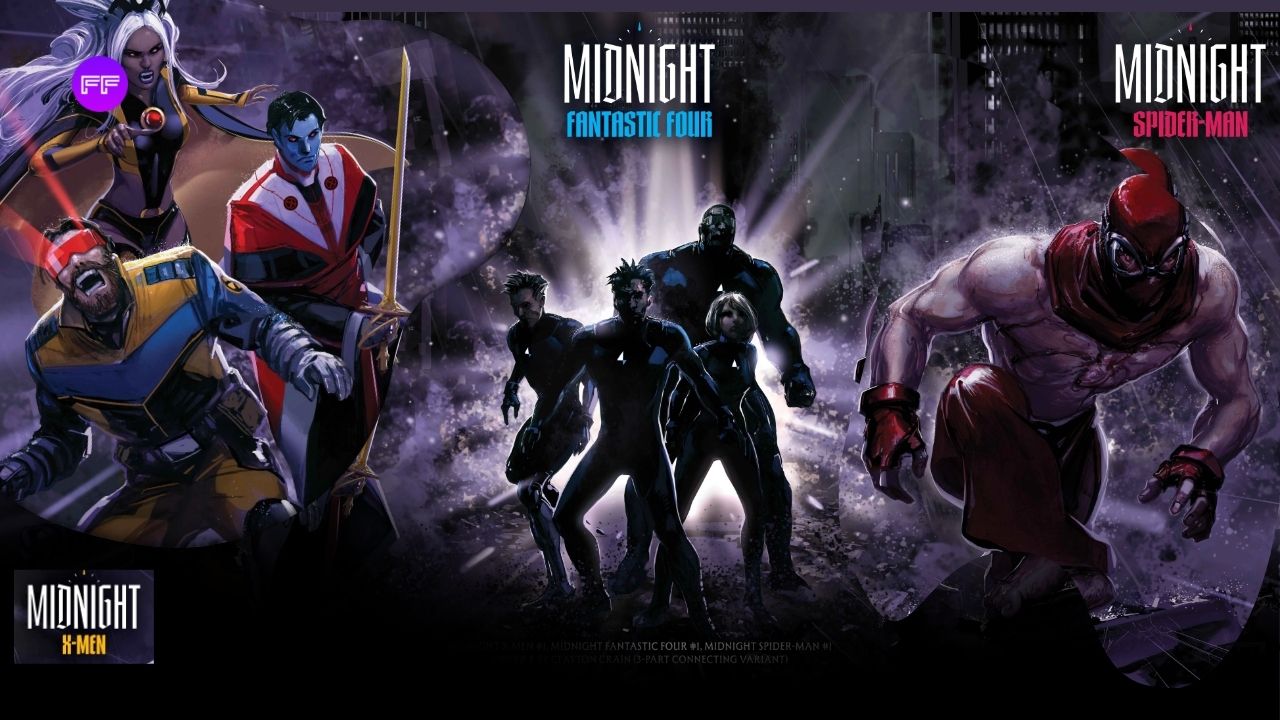
Walk into the comic shop on October 7 and ask for a copy of Midnight X-Men #1. The clerk isn’t going to just hand you one. They’re going to ask which one — because Marvel built it that way on purpose. The Marvel Comics Midnight Universe Variant Cover Program locks in five recurring covers, labeled A through E, on every issue of the publisher’s new horror imprint, and it’s the most structured collector play Marvel has run in years.
If you’ve ever walked out of a shop annoyed that your favorite artist’s variant sold out before you got there, this is Marvel’s attempt to fix that — or, depending on how you look at it, to make sure you’re buying five books instead of one.
What Is the Marvel Comics Midnight Universe Variant Cover Program?
Marvel announced the program in mid-July, ahead of the Midnight line’s October 7 launch, and it applies across all three debut titles: Midnight Spider-Man, Midnight Fantastic Four, and Midnight X-Men. Instead of one-off variant covers that show up whenever a shop feels like ordering them, every issue in the line gets the same five-cover structure, month after month:
- Cover A – Regular: the standard cover, wrapped in the “Cloaked Midnight” trade dress that gives the whole line its unified look.
- Cover B – Midnight Bloodbath Variant: blood-soaked art built around the horror side of the line.
- Cover C – Midnight Special Variant: spotlight covers reimagining classic Marvel heroes, old and new, through the Midnight lens.
- Cover D – Midnight Horror Homage Variant: covers styled after iconic horror imagery — think classic slasher and creature-feature poster homages.
- Cover E – Midnight Gallery Variant: prestige, painted covers meant to look like gallery pieces rather than newsstand art.
On top of the A-through-E system, Marvel is also running three-part connecting variant covers by artist Clayton Crain across the launch titles, and a “Cloaked Cover” gimmick that hides the actual art until a shop unwraps or scans it — a wrinkle aimed squarely at people who like the mystery-box side of collecting.
The stated goal, according to Marvel’s own announcement of Marvel Midnight Universe Variant Cover Program, is consistency: shops can predict what their regulars want every month instead of guessing at one-off variants, and readers know exactly what they’re getting into before they walk in. That’s a real, practical retail problem Marvel is solving here — variant cover chaos has been a running complaint from shop owners for years, and a fixed A-E system is a genuine attempt to standardize ordering across an entire imprint rather than issue by issue.
The same-day release piece matters more than it sounds like on paper. Ordering three separate books on three separate schedules, each with its own one-off variant lineup, means a shop’s owner is juggling three different sets of Diamond or Lunar order forms with three different deadlines and three different guesses about demand.
Collapsing that into one October 7 launch, with one shared cover structure across all three titles, turns three separate ordering headaches into one. That’s the kind of unglamorous back-office fix that never makes a splashy press release on its own — which is probably why Marvel bundled it with a horror-flavored variant program dramatic enough to actually get written up.
Marvel isn’t inventing the concept of a themed variant program from scratch — publishers have run alphabet-labeled variant systems before, usually tied to a single event or anniversary. What’s different here is duration and scope. This isn’t a six-week promotional push around one crossover; it’s the permanent cover architecture for three separate ongoing titles, meant to stay in place issue after issue rather than fade out once the launch hype dies down.
That’s a bigger commitment than most variant programs make, and it’s also a bigger bet — if sales dip by issue #4 or #5, Marvel has locked itself into printing five covers a month for books nobody’s talking about anymore.
Read More 👉 How Did Wolverine Get His Adamantium Skeleton in X-Men ’97? Explained
Marvel’s New Era Begins With These Three Books
The Marvel Midnight Universe Variant Cover Program only matters if the books underneath it are worth chasing, so here’s what’s actually launching on October 7.
Midnight X-Men: Vampires vs. Mutants
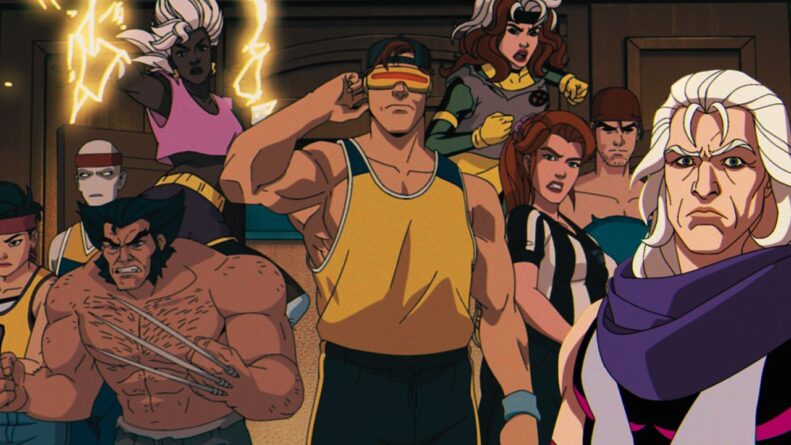
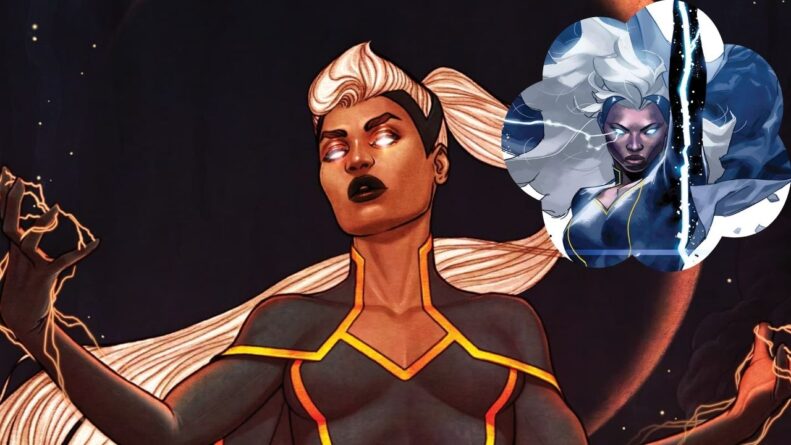
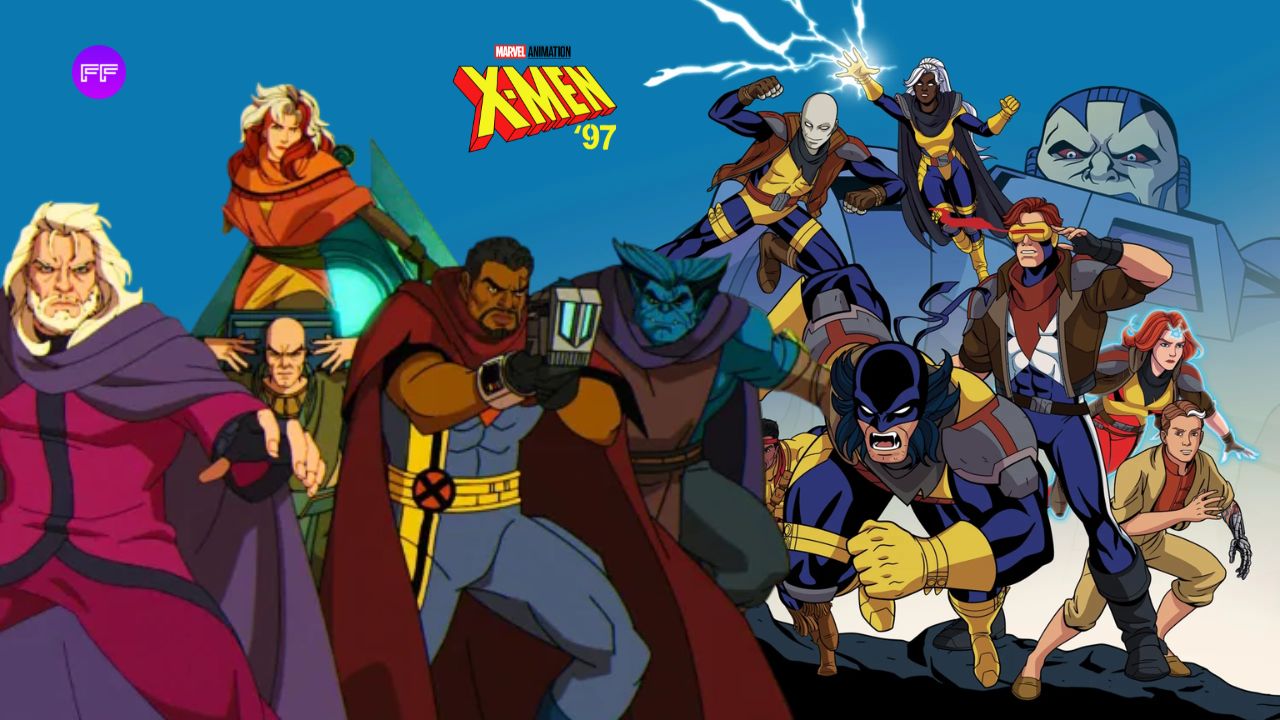
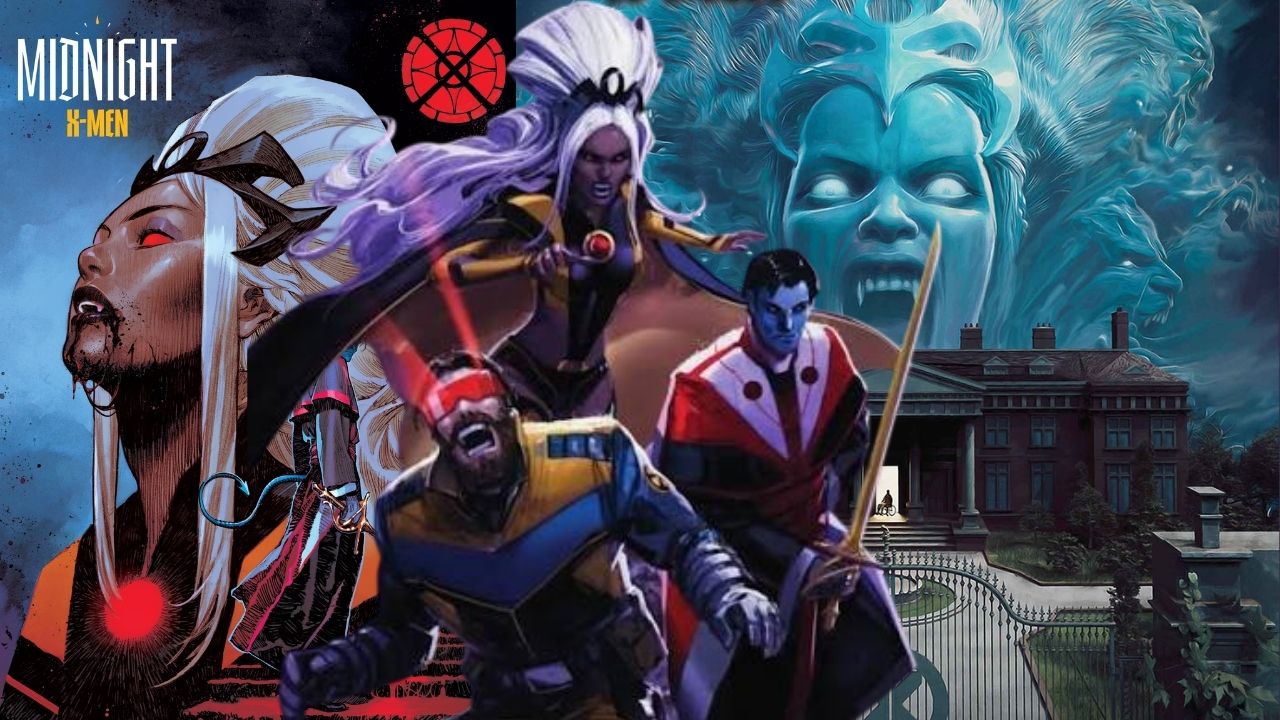
Written by Jonathan Hickman with art by Matteo Della Fonte, Midnight X-Men reimagines New York as contested ground between vampires and what Marvel is calling “mutant empires.” The two factions are holding an uneasy peace that’s already cracking by issue #1 — early previews show Storm and Nightcrawler apparently turned into vampires themselves, which tells you how fast that peace is falling apart.
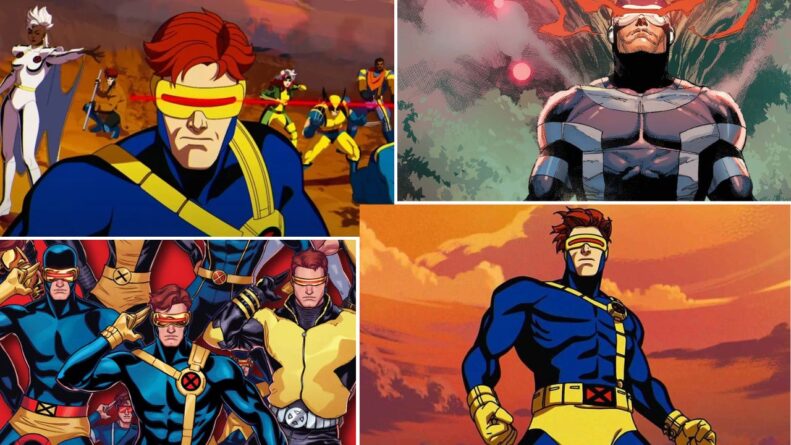
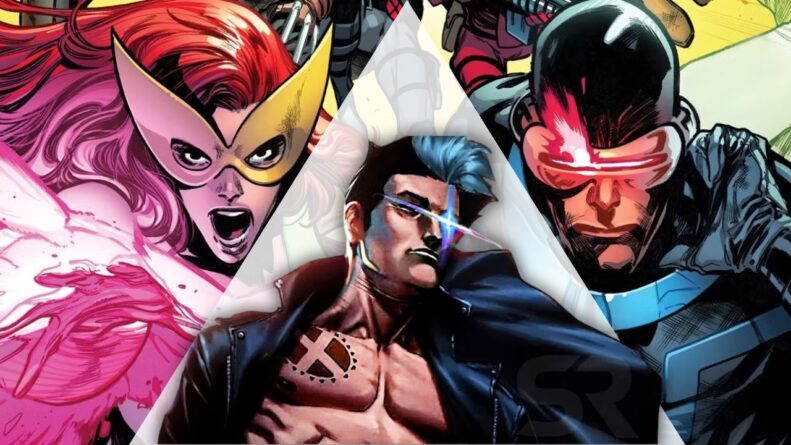
Hickman has been vocal about how much he’s enjoying the project, saying at one point that it’s the most excited he’s been about a book in years. Issue #2, already solicited for November, puts Cyclops front and center as a vampire hunter, which suggests Marvel has real long-term plans for this book rather than a one-and-done horror gimmick.
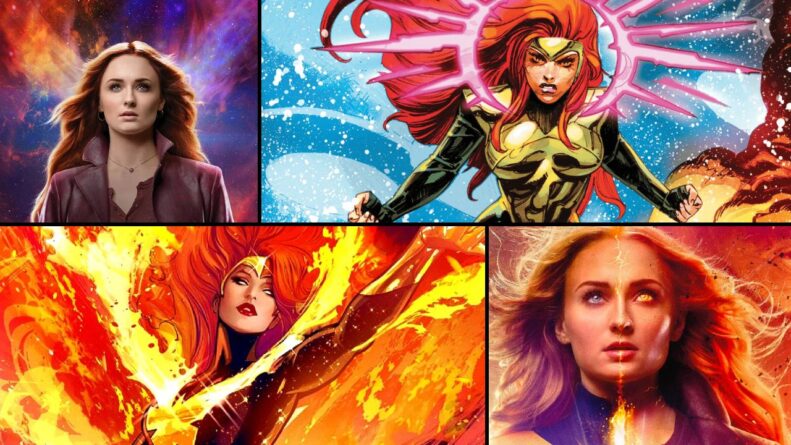
For a franchise that’s spent the better part of a decade on Krakoa-era politics and mutant nation-building, dropping the X-Men into a straight-up vampire war is a genuine tonal swing. Della Fonte, whose prior Marvel work includes Nova: Centurion, is drawing a book that leans hard into gore and body horror rather than the sleek sci-fi look X-Men readers got used to under the Krakoa banner — early preview pages already show Storm feasting on Phoenix, which tells you Marvel isn’t holding back to protect anyone’s sacred cows.
Midnight Fantastic Four: Cosmic Body Horror
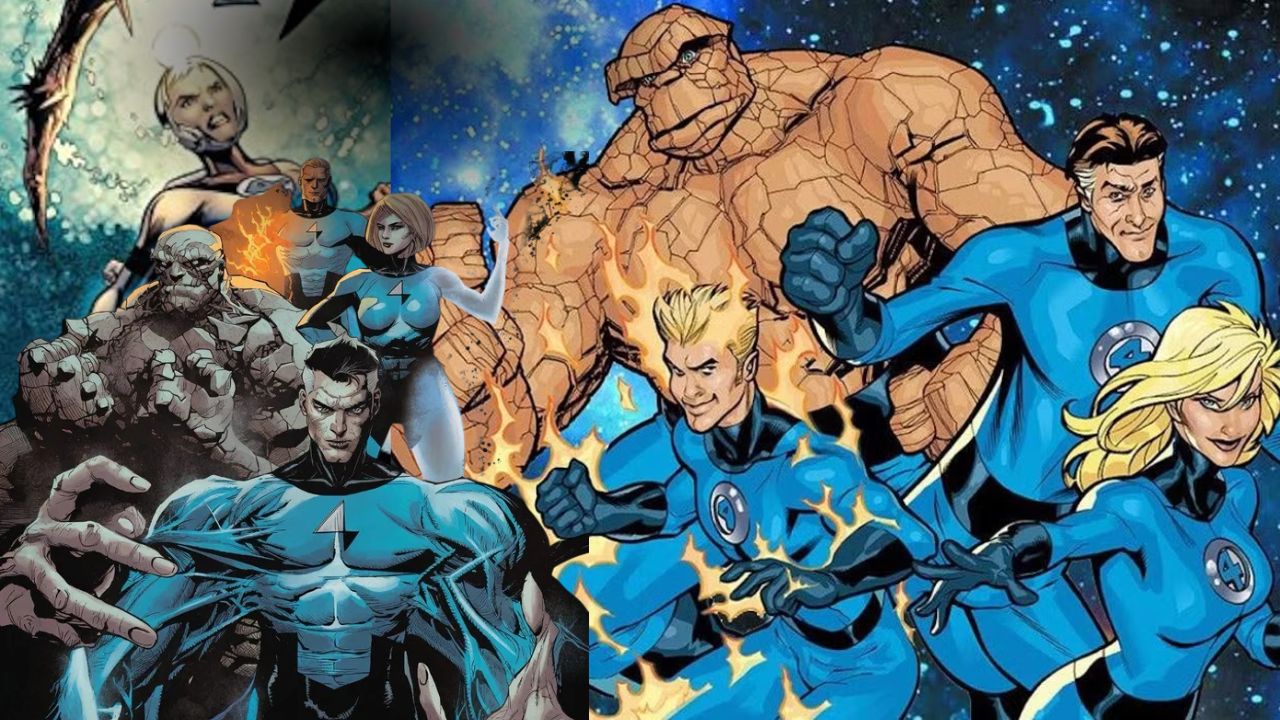
Benjamin Percy writes, with Kev Walker on art. Marvel’s own synopsis describes a scientist’s curiosity accidentally unleashing ancient terrors on the world while transforming himself and three others in “strange and horrifying ways” which is about as close as you can get to a body-horror take on the FF’s classic origin without spelling it out panel by panel.
Percy has built a career on horror-adjacent Marvel work — Wolverine and X-Force runs that leaned into body horror and paranoia long before Midnight existed so this pairing tracks. Walker’s art has the kind of jagged, unsettling linework that suits cosmic horror better than a straight superhero book, which matters here since the FF’s power set is getting rewritten around dread rather than wonder.
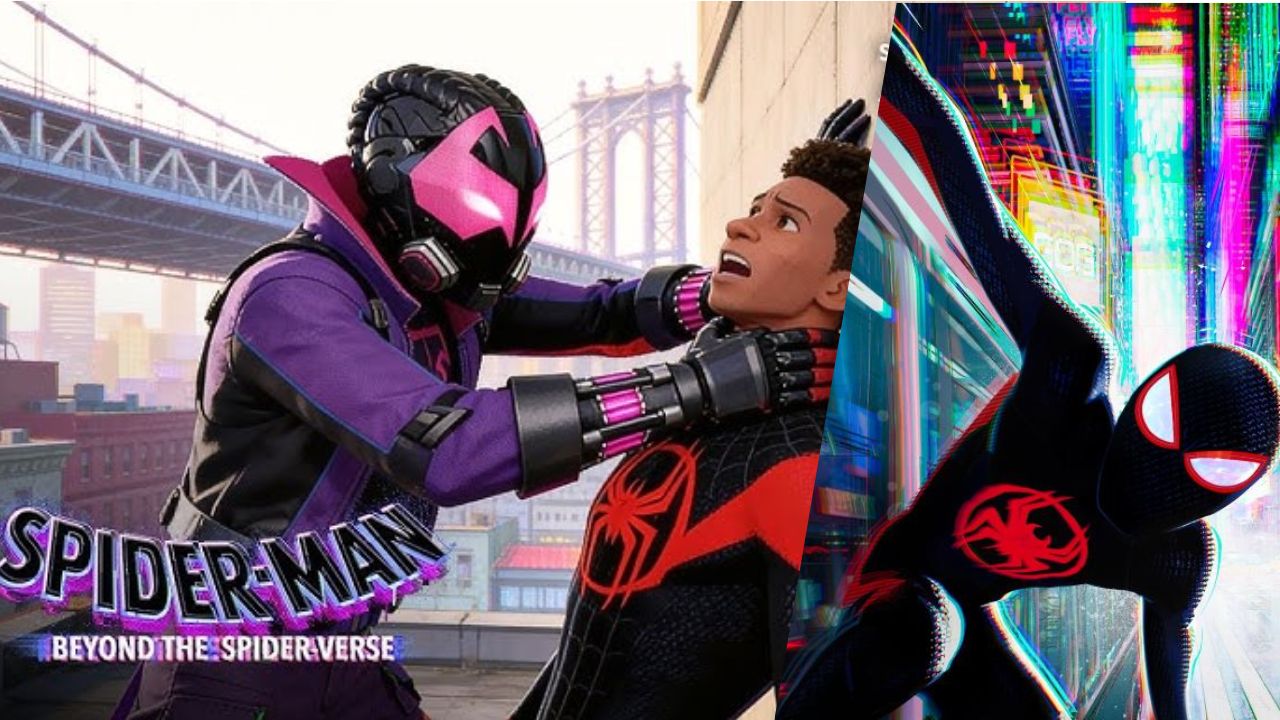
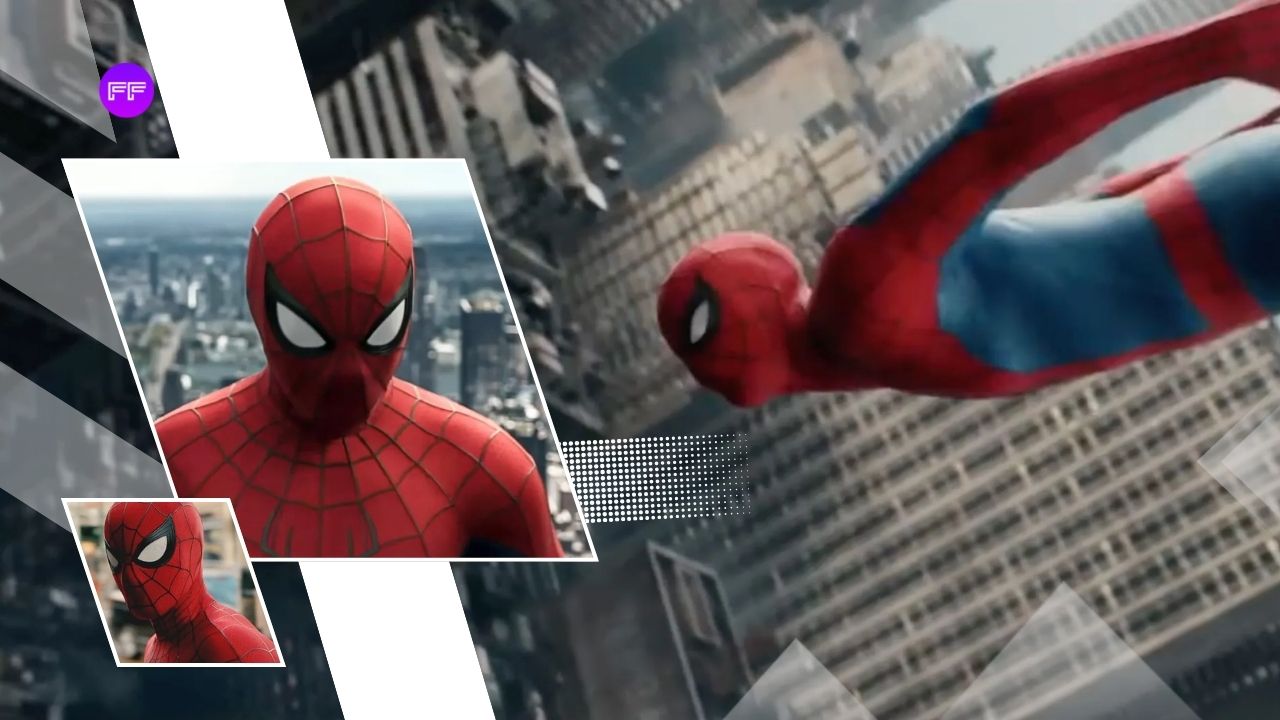
Midnight Spider-Man: Something Monstrous
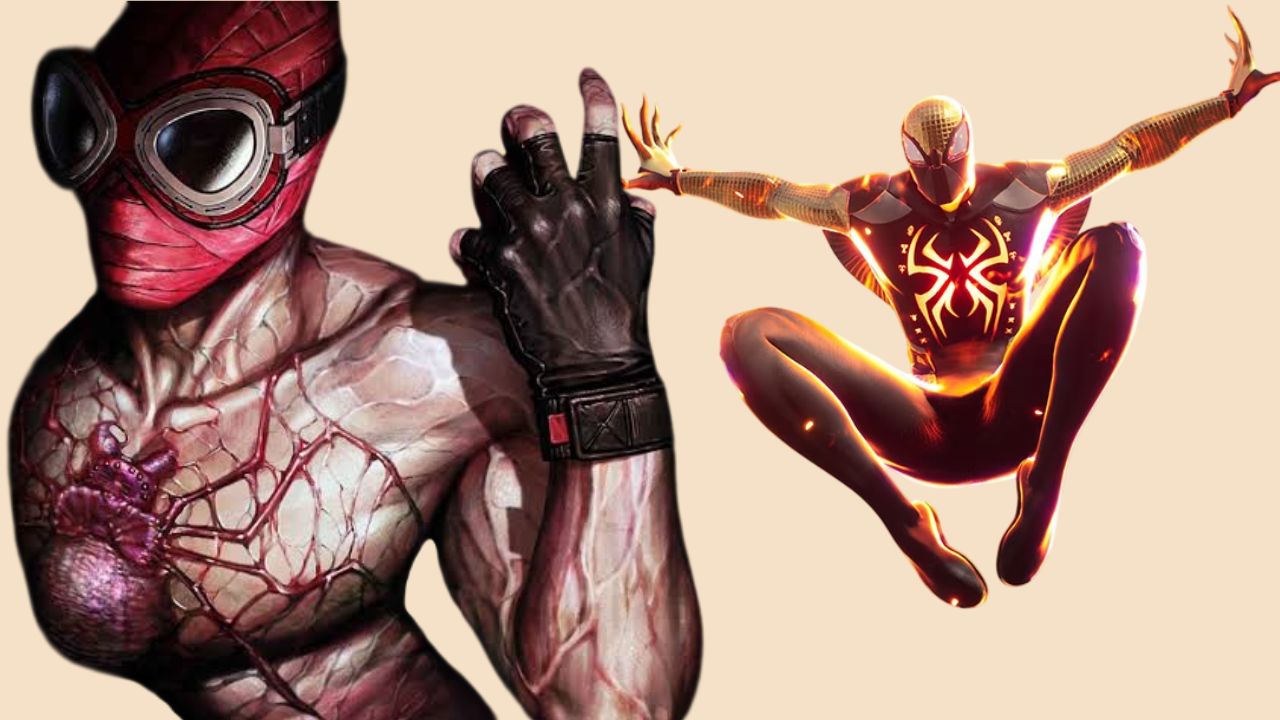
Phillip Kennedy Johnson writes, with ScieTronc on art. Marvel’s official line teases that Spider-Man discovers “with great power… comes something monstrous” — intentionally vague, and Marvel hasn’t confirmed specifics beyond that. You’ll see some outlets already floating a specific transformation tied to Oscorp; treat that as speculation until Marvel or the creative team confirms it directly, because it hasn’t shown up in any official synopsis yet.
What Marvel has confirmed is the pairing itself — Johnson coming off high-profile Marvel writing work, paired with ScieTronc’s art, on the book carrying the line’s most recognizable face. Of the three launch titles, Midnight Spider-Man is the one Marvel has said the least about, which either means they’re holding the twist close or that it’s still being locked down this close to release. Worth watching for a fuller synopsis as October gets closer.
Why Marvel Is Launching This Initiative Now
The first question — why does this specific Marvel Midnight Universe Variant Cover Program exist has a confirmed answer: Marvel wants predictable, line-wide ordering for retailers and a same-day release for all three titles instead of a staggered rollout. In fact, Marvel had originally planned to stagger the three books starting in August, then restructured the whole thing into a single mega-launch on October 7 so all three debut together. The variant program is part of that same restructuring — one unified system instead of three separate ordering headaches.
The second question — why is Marvel launching an entire horror-themed alternate universe in the first place does not have an officially confirmed answer, no matter how many outlets frame it that way. What’s actually happened is that DC’s Absolute Universe line, which launched in October 2024 with Absolute Batman and built out from there, has had a genuinely strong critical and commercial run, and a wide swath of comics press — Screen Rant, Den of Geek, Bleeding Cool, Inverse, and others has openly speculated that Midnight is Marvel’s answer to it.
That’s a reasonable read given the timing and the tonal overlap: both lines take a “darker, altered reality” approach to flagship characters. But Marvel itself has never said “we built this because of DC,” and treating that connection as confirmed fact rather than industry analysis is the kind of thing that gets an article fact-checked into embarrassment later. It’s a fair theory. It’s not a quote.
Read More 👉 Who Is the New Editor-in-Chief of Marvel Comics? Stephen Wacker Explained
Is the Variant Program Actually Good for Collectors?
Depends which side of the shop counter you’re on. For retailers, this is close to a win across the board — a fixed five-cover system across three ongoing titles is dramatically easier to order for and stock than the usual scattershot of surprise variants that show up whenever an artist has a slow week. For readers who like completing a set, it’s also genuinely appealing: you know exactly what you’re chasing every single month, across all three books, instead of finding out after the fact that a shop got one copy of the cover you wanted and it’s long gone.
The catch is the math. Five official covers times three ongoing monthly titles is fifteen covers a month if you’re a completionist, before you even factor in the Clayton Crain connecting covers or any one-off exclusives Marvel layers on top later. The Cloaked Cover gimmick is fun the first time and expensive the tenth time, especially if you’re the kind of reader who wants to know what you’re buying before you buy it rather than treating every issue like a scratch ticket. Consistency is good for planning your spending. It doesn’t automatically mean you’ll spend less.
There’s also a longer-term collector risk worth naming plainly: alphabet-labeled variant systems only hold their value if the underlying books keep selling. If Midnight Fantastic Four or Midnight Spider-Man cools off by the fall while Midnight X-Men carries the line on Hickman’s name alone, expect Cover E gallery pieces on the weaker titles to become easy back-issue-bin finds within a year, no matter how nice the paint job is. A five-cover system doesn’t create demand by itself — it just makes it easier to see exactly how much demand exists, issue by issue, once the initial launch rush wears off.
Conclusion
If you’re picking up Midnight X-Men, Midnight Fantastic Four, or Midnight Spider-Man on October 7, decide your cover strategy before you walk in, not at the register. Cover A alone gets you the story and the “Cloaked Midnight” trade dress that’s meant to define the whole line’s identity — that’s the same baseline if you’re budget-conscious.
If you’re chasing art specifically, Cover E’s painted gallery style is the one most likely to hold value as a standalone piece, since prestige painted covers tend to age better than gimmick Marvel Midnight Universe Variant Cover Program once the initial hype cools off.
Dive into the deeper details with Fandomfans based on the latest updates from movies, series, and celebrities.