‘The Housemaid’ (2025) Movie Box Office Record Hit With Powerful Star Cast 

The Housemaid (2025) psychological thriller starring Sydney Sweeney breaks box office records. Full cast, plot twists, budget and success explained.

Published: Jan 19, 2026, 10:58 AM
Last Updated: May 11, 2026, 8:23 AM

Psychological thriller The Housemaid, to be released late in 2025, is already set to define the theatrical look. Directed by Paul Feig from the 2022 literary phenomenon by Freida McFadden, the movie is a significant moment of convergence for digital-age literary culture and traditional Hollywood production values. Originating from the “BookTok” culture, where McFadden’s writing thrilled millions, the movie had to find a way to visualise internal psychological conflict.

The resulting film, produced by Hidden Pictures and released by Lionsgate, grossed an astonishing $247 million worldwide on a modest $35 million production budget, making it one of the rare R-rated thrillers to achieve major commercial success. 

The Housemaid Movie Overview

Feature Details
Director Paul Feig
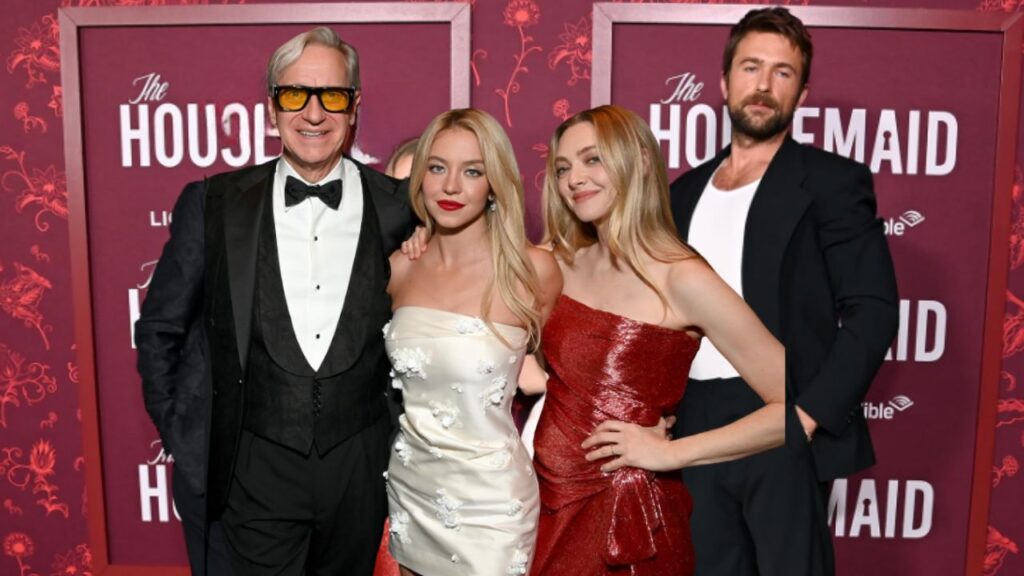
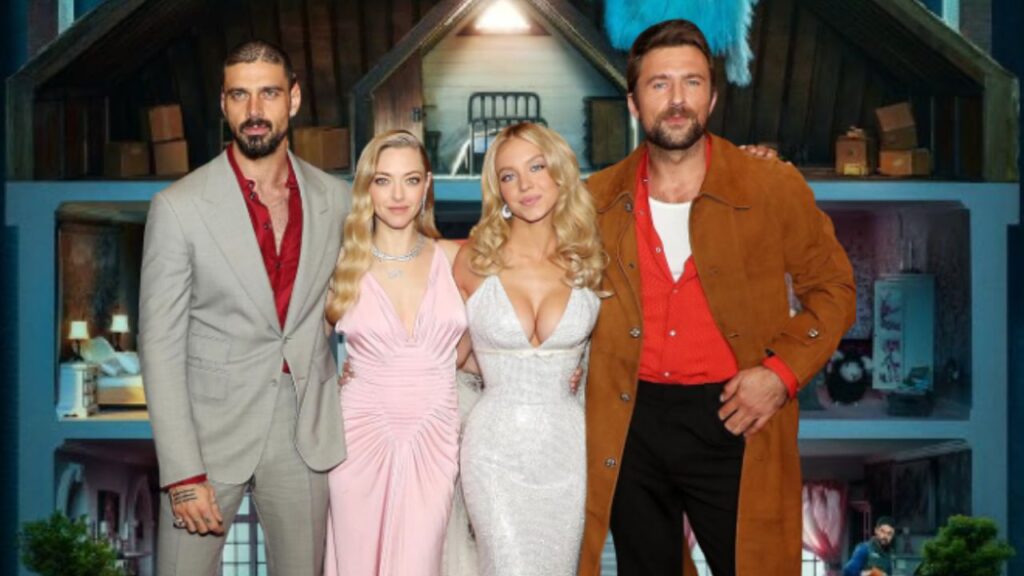
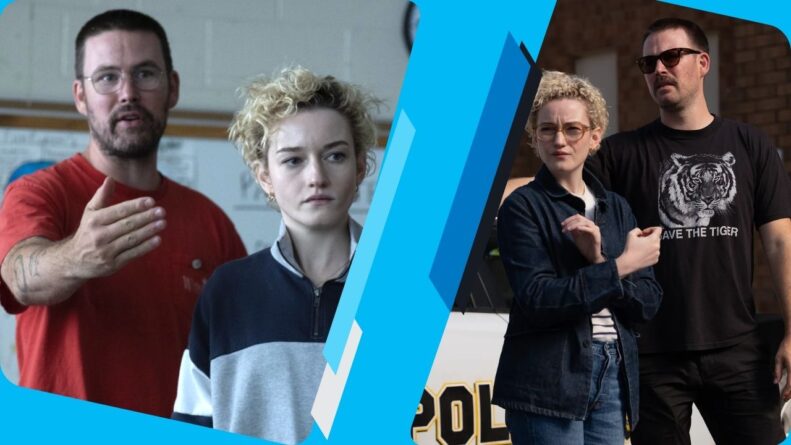
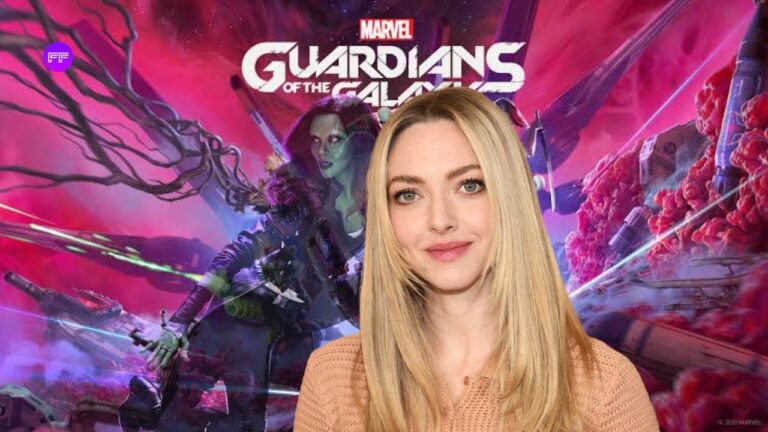
Lead Cast Sydney Sweeney as Millie, Amanda Seyfried as Nina, & Brandon Sklenar (Andrew)
Based On 2022 Novel by Freida McFadden
Genre Erotic Psychological Thriller
Production Budget $35 Million (Filming cost approx. $46M)
Box Office Collection $247 Million Worldwide
Release Date 19/December/2025 
Key Themes Class Warfare, Psychological Manipulation, Domesticity
Primary Location Great Neck, Long Island (Filmed in New Jersey)
Production Houses Hidden Pictures & Lionsgate

The Housemaid is an American erotic psychological thriller that doubles as a layered examination of class, power, and the performative suburban domesticity. With her eyes on the prize her daughter, Millie Calloway (Sydney Sweeney), a girl with a criminal record trying to keep her life together under the threat of parole conditions, is at the center of the story. Her path to the orbit of the extravagant Winchester family in Great Neck, Long Island, prompts a tale that methodically tears down the front of the “perfect” American home.

The Housemaid Movie Overview

Director Paul Feig, best known for comedies such as Bridesmaids, gave the film a different tone, calling it a “Nancy Meyers movie that goes horribly wrong.” The treatment was influenced by luxury home imagery — a spotless, “all-Pantone-white” house followed by a turn into psychological horror. 

Release Date & Availability

Release Milestone Date Platform/Location
World Premiere 2/December/2025 Axa Equitable Center, NYC
U.S. Theatrical Release 19/December/2025 Nationwide 
Digital/PVOD Release Jan 13 – 20, 2026 Apple TV, Prime Video, YouTube
Physical Media 17/March/2026 Blu-ray / 4K Retail
Subscription Streaming April/2026 STARZ

Genre, Theme & Setting: The Gothic Subverted

The movie sits at an unusual crux of suburban horror and mystery. Located in Great Neck–a region known for historical American wealth–the film establishes a contemporary “Gothic” space where upper class seclusion permits the unrestrained wielding of power.

  • Class Warfare: Parolee Millie’s very existence makes her rare prey, and the Winchesters prey on this by way of psychological manipulation.
  • The Attic Symbolism: The room Millie occupies turns out to have a door that locks from the outside, she is a hidden trauma behind the “all-white” interior of the house.
  • The “Nancy Meyers” Look: Production designer Elizabeth Jones turned a New Jersey mansion into a “perfect white place,” which the movie gradually tarnishes, tracking the moral decay of the characters. 

The Creative Powerhouse

Paul Feig’s move from comedy to thriller tapped into a “darker, mind-bending type of story telling.” He was joined by screenwriter Rebecca Sonnenshine who made the book even more shocking for the screen.

The Creative Powerhouse

Key Creative Impact:

  • Paul Feig (Director) brought “wicked fun” and camp to the thriller.
  • Freida McFadden (author/executive producer) – A global bestseller, the novel gets a true-to-source adaptation.
  • John Schwartzman (Cinematography) Employing much of “90s movie lighting,” he achieved a dark, glossy effect.
  • Theodore Shapiro (Music) Composed a score that mixes suspenseful music with contemporary motifs of psychology. 

Plot Overview: A Masterclass in the Twist

The storyline is built around a series of reversals. It opens with Millie finding live-in maid work for Nina (Amanda Seyfried) and Andrew Winchester (Brandon Sklenar).

 A Masterclass in the Twist

The Descent and the Revelation

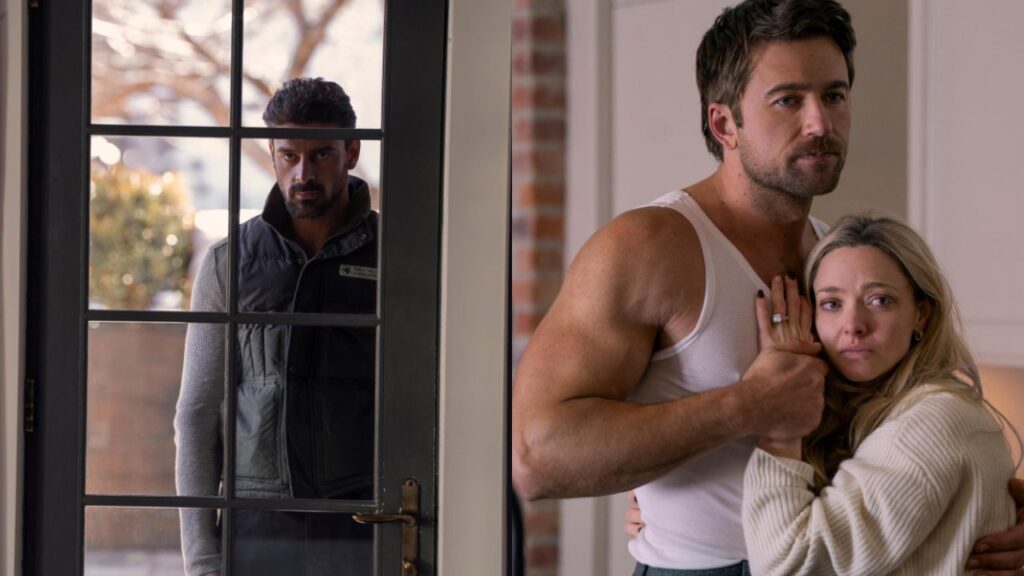
Millie, witnessing Nina become more unhinged, starts seeing the apparently perpetually put-upon Andrew. But the midpoint reveal flips the script: Andrew is the real predator. The attic suite had been built to hold women captive, and Nina wielded her “madness” as a kind of psychological armor. 

In a chilling climax, Andrew tries to coerce Millie into self-mutilation. Nina comes home to save her, and eventually Millie knocks Andrew over a spiral staircase. The film closes on a cynical but uplifting note: Millie takes on yet another maid gig, this time as a silent protector for other abused wives. 

Read More:- Landman Season 3: Who’s Back in the West Texas Oil Wars?

Cast & Characters

The film works because its leads are playing characters whose real selves are concealed until the last act.

  • Sydney Sweeney (Millie): Instills a “panic and fear” into Millie as she transforms from a brittle survivor into a dynamic, vengeful powerhouse.
  • Amanda Seyfried (Nina) : This is the most positive critical reception to the film for her ‘unhinged’ turn, perfecting a “mean girl smile” to conceal her tactical mind.
  • Brandon Sklenar (Andrew): Tap into his imposing physical stature to genuinely make you fear this Mr. Rochester–type antagonist. 

Production & Budget of The Housemaid

The series filmed around $46 million in New Jersey and used locations including the Madison Mansion and Rutt’s Hut to anchor the film in a familiar suburban reality.

Production & Budget of The Housemaid

Market Performance 

The film’s opening weekend was $19 million via Lionsgate, however it demonstrated surprising “legs,” with a second weekend drop of just 19%. With a 7.0x return on investment (ROI), it became one of the most profitable releases of the year. 

Platform Rating/Score
Rotten Tomatoes (Audience) 92%
Rotten Tomatoes (Critics) 75%
CinemaScore B
PostTrak 84% Positive

Conclusion

The Housemaid (2025) is a victorious updating of the erotic thriller. It was a cross between TikTok-inspired literary successes and “lurid” 90s cinematic style. With a follow-up, The Housemaid’s Secret, in the works, the home-front deception formula continues to prove a fruitful cinematic arena. 

Fandomfans is a platform where you can find every detail from the blockbuster hits of your favorite stars.

Comments

Leave a Comment

Your email address will not be published.

Babita

Articles Published: 25

Babita is Fandomfans Editor, experience in managing content. Her focus in general movies and web series. She is having a deep interest in TV shows and 90s movies - particularly Lord of the Rings, Harry Potter, & Rom-Com. Babita also covers psychological thrillers and major releases in current time and concern with deep interest in them.

View Profile ↗

Zach Cregger’s Weapons Redefines Modern Horror

Weapons Redefines Modern Horror brings a fresh wave to modern horror with methodical tension, psychological depth and bold storytelling mastery.

Published: Oct 30, 2025, 11:21 AM
Last Updated: Nov 4, 2025, 7:23 AM

Zach Cregger’s Weapons Redefines Modern Horror, writer-director of the excellent first solo feature The Package, proves himself once again with Weapons in that it is one essential element that separates this film from the majority of horror movies and that is methodical, merciless dread building leading up to the shock moment. The critical consensus largely agrees that none of the film’s intensity is down to any cheap, jarring jump scares, but rather lies in the bravura skill of maintaining such high levels of tension for so long – a style that packs a real punch on screen. 

The Jump Scare as a Thematic Release

Zach Cregger’s Weapons Redefines Modern Horror ability to slowly ratchet up tension has garnered him much acclaim. It’s psychological manipulation by way of infrastructure, rather than merely a stylistic maneuver. The jump scare, a device that’s often dismissed as cliche, is intentionally employed in Weapons. A “release of all the tension that has been ratcheted up to this point” is how analysis characterises shock, which is experienced as an earned narrative climax and not a cheap jolt. This careful timing makes the scare seem inevitable, thematically significant, and according to him forever tied to the technique of building up tension. 

The film’s critical acclaim becoming evident in its high scores including a 96% rating from the critics on Rotten Tomatoes is naturally associated with the way such a cliché like the jump scare has been converted into an intellectual and emotional climax. The shock is completely justified because you need a long, often five-minute buildup before the scare, and that builds its thematic punch way beyond its passing visceral wallop. 

Weapons owes much of its place in the vanguard of contemporary genre criticism to this method. This is a wildly satisfying antidote to the last 10 years of horror movies about grief and trauma, critics have lauded. Cregger channels the genre toward an externalized terror that is viscerally immediate and relevant in today’s world by focusing its horror apparatus on urgent, collective, and existential thematic drama, as opposed to simply resting on metaphorical grief. 

The Mechanics of the Five-Minute Fear

Zach Cregger’s Weapons Redefines Modern Horror buildup is a deliberate act of mind games, using tools meant to train the audience to expect something non-stop. The director takes advantage of multiple fakeouts before the real scares, which are described as the warm up. 

The Mechanics of the Five-Minute Fear

Zach Cregger’s Weapons Redefines Modern Horror, in particular, parallels the characters’ emotional vulnerability with this physical immersion. The camerawork emphasizes the isolation and paranoia of Justine. Following a harrowing and emotional monologue in which he is sorry for his failings as a dad, Archer then gets a jump scare. In this way, the camera work upholds the movie as a cerebral, meticulously rendered drama in which technical fear serves thematic purposes by mutating the shock of a conventional fright into a highly personal violation of an aspect of the character’s internal struggle. 

The Thematic Weight of Weapons

The horror works because it stems from a mass psychological unraveling, which also offers an explanation for the movie’s endless sense of dread. Cregger’s eye is on the resulting disintegration and decay of the social order, how the town breaks apart and goes on witch hunts against suspects, including the teacher Justine Gandy. The complete isolation endured by Justine, with no community to back her up, offers a powerful exemplification of the film’s main thesis: isolation can drive people mad, and the communal response to trauma is where a second round of horror arises. 

The Thematic Weight of Weapons

By frequently changing perspectives and depicting the menace as having an impact on several, diverse individuals, Cregger maintains the audience’s engagement with the trauma experienced by the town as a whole, allowing tension to be drawn out during the length of the movie. Terror is thus understood as a society-wide infectious disease, which is far more disconcerting than a regional monster. 

Narrative Function of the Villain

The origin of the supernatural horror is none other than Aunt Gladys (Amy Madigan), who orchestrates the weaponization of the children. Amy Madigan’s performance has garnered critical acclaim, with some critics lobbying for award recognition. That’s partly because her performance is so effective that the villain isn’t just a monster, but a searing, shockingly tangible instrument for psychological torment. 

Read More:- What Brings Colin Farrell Back to Matt Reeves’ Batman Universe

Conclusion

Domestic terror Weapons gets an even better kind of shock because Zach Cregger purposefully creates and maintains an intense sense of dread until he wields the jump scare like a precision instrument. The film’s scare factor is born of its method, not its madness. 

Weapons confirms Zach Cregger’s Weapons Redefines Modern Horror as a powerhouse voice in horror whose brilliance comes from his dedication to inserting deeply emotional relationships into terrifying survival and mystery narratives that makes the genre feel both immediate and intelligent. The film’s strong business and critical success, as a big-budget, original outing by a major studio, demonstrates that this intellectual, meticulously paced brand of horror is not only sustainable, but perhaps a major new template for top-notch, high-budget event horror pics going forward. 

Comments

View comments and join the discussion

Alpana

Articles Published: 173

Alpana is Fandomfans Senior Editor across all genres of entertainment. She evolved in the media industry since a very long time, she manages the content strategy and editing of all the blogs. Her focus on story development, review analysis, and research is well-equipped that ensures every article meets the standards of accuracy and depth.

View Profile ↗

‘The Mandalorian and Grogu characters’: Mandoverse Steps Into Cinema Differently with Mercenary Guard Droid

The Mandalorian and Grogu characters introduces the Mandoverse to the big screen with the Mercenary Guard Droid, Rotta the Hutt & stakes that shift the galaxy.

Published: Feb 18, 2026, 7:55 AM
Last Updated: Feb 18, 2026, 7:57 AM

The Mercenary Guard Droid is foreshadowed as a primary catalyst and menace in the next Star Wars film recently revealed in merchandise at Toy Fair 2026. The May 22, 2026 theatrical debut of ‘The Mandalorian and Grogu characters’ is not just another ‘Star Wars’ release date – it’s a turning point. Yet it will shortly be the first time since The ‘Rise of Skywalker’ wrapped the Skywalker Saga in 2019 that Lucasfilm has brought Star Wars back to the big screen. The pressure on this movie is immense.

The Mandalorian and Grogu characters is not just a movie but a test. A test to see if a streaming-churned universe, neatly constructed on Disney+, can be extended to the wider cinematic space. “Mandoverse” has thrived in episodic form, but said the big screen requires more: scale, spectacle and emotional weight. And all the signs out of this project indicate that the move to theaters is being considered a strategic progression, not just a format change. 

Cinema, Not Streaming: A Different Kind of Storytelling

Jon Favreau, the director, has been clear that transitioning from series television to film is more than just a matter of larger screens. It applies to the size of the language, visual and narrative.

A Different Kind of Storytelling

The tightly controlled environments of StageCraft (“the Volume”) that have come to define the series are now being replaced with IMAX-scale compositions, vast landscapes, and cinematic movement. This is Star Wars turning back into spectacle.

Star Wars Strategic Storytelling Transformation

The marketing distilled that dichotomy perfectly. The playful Super Bowl spot stole the show, but a more serious teaser featuring X-Wings, an R2 unit and the gritty Razor Crest refocused expectations. It was a very nuanced but clear signal: The Mandalorian and Grogu characters is not a parody of Star Wars. That’s the western-in-space motif, tuned up for the movies. 

The Rise of a New Kind of Enemy

One of the more intriguing revelations didn’t come from trailers, it came from toys. Toy Fair 2026 brought us a “Mercenary Guard Droid” character. And while most background droids are generic, this one was differentiated by special packaging, multiple versions and exclusive collectibles. In Star Wars-speak merchandising, that means “important.

Why is the Mercenary Guard Droid so Important?

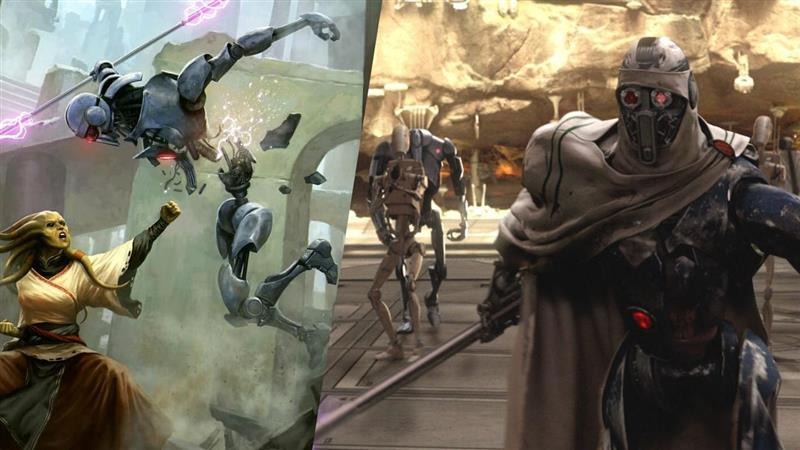
 Mercenary Guard Droid is not a robot with a mind of its own. It’s a survivor. Developed using Clone Wars-era technology, its form is reminiscent of B1 and BX-Commando Droid models were droids crafted en masse for warfare. But take the word mercenary and put it front and center. This droid isn’t following orders. It’s deciding. 

And this is hugely devastating – psychologically for Din Djarin.

The “Perfect Rival” Theory

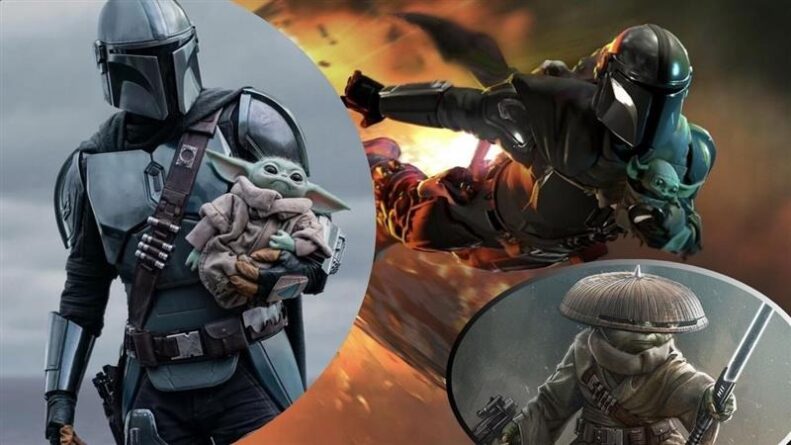
Din is a child of the Clone Wars. He was scarred by trauma starting when battle droids bombed his home and slaughtered his family. For years he despised droids—not as tools, but as monsters. The things he experienced later softened that hatred, but the scar remains. And now he’s up against a sentient droid antagonist who bears the physical legacy of the very machines that made him an orphan. This droid isn’t just some physical link to his past, but its malevolent consciousness and warmaking decisions make the emotional stakes even higher. 

  • Din is a man in armor.
  • The droid is a machine about life.
  • A human encased in metal and an emulated human in metal. 

So even the combat design borrows from that. The droid’s combination with a STAP (Single Trooper Aerial Platform) establishes vertical fighting parity with Din’s jetpack—making the skies a battleground. This isn’t merely narrative conflict. It’s Binford Choreography, a big screen spectacle. 

Embo: The Professional Threat

Along with the psychological antagonist lurked another kind of threat: Embo.

The Kyuzo bounty hunter, familiar in animated canon, is the definition of professional. No armor. No Mandalorian tech. It’s precision, discipline, and lethal skill. His iconic hat, his bowcaster, and his stature make him a walking antithesis to Din Djarin’s encased presence.

The presence of Dave Filoni, Embo’s original voice makes his live action debut all the more real. Filoni has been known to bring animated characters into live canon and Embo is just that. 

Embo and the droid represent opposing energies, their each unique facet of discord. Embo is the embodiment of calculated precision and lethal professionalism, and the droid is burdened with psychological depth and the ghost of what has passed. 

Their upcoming battles with Din represent an age-old battle: brawn versus brains, crude technology versus refined technique. This play of light and shadow right here evokes the spirit of the samurai film, which is at the core of Star Wars’ storytelling DNA. 

Rotta the Hutt: The Story Catalyst

Rotta the Hutt has gone through an amazing evolution from the weak infant dubbed “Stinky” to a sinister gladiator. Scarred from his battles and now armed and physically menacing, this Rotta played by Jeremy Allen White represents not only personal growth but a shift in who holds the power.

As Jabba’s heir, Rotta’s very existence is a major political threat. In a galaxy filled with chaos and uncertainty, he represents the promise of uniting the scattered Hutt Cartel. This accumulation of power is alarming, but also brings about enemies who want to stand in his rise. 

Each Character Related to Rotta

The Mandalorian and Grogu characters structure serves to emphasize the function of each character, all of whom revolve around Rotta, in which the plot revolves around a single mission. Din Djarin assumes the mantle of protector, shielding Rotta from danger. Rotta itself is the linchpin, the center-piece of the mission stakes. Embo becomes the merciless predator, hunting Rotta to the ends of the earth. 

The droid, on the other hand, the personal nightmare becomes an element of fear and nerve-racking suspense. All of this is focused on one try: the attempt to control, protect, or eliminate Rotta, driving the story forward with purpose and intensity.

Order vs Chaos: The New Republic and the Remnant

Among the underworld intrigue is the New Republic, headed by Colonel Ward (Sigourney Weaver), and its bureaucracy that must confront reality. Her part mirrors a classic conflict: bureaucracy against reality. The New Republic craves stability but does not have the stomach for it — so it employs the likes of Din Djarin to carry out what it cannot put on any official paperwork.

Below them is the Imperial Remnant — warlords, walkers, and regimented militarized entities for the unfinished business of the Empire. AT-ATs, snow troopers, and mechanized units tell you this isn’t just bounty hunting anymore but it’s war-scale fighting. 

The Emotional Core of the Film

The Mandalorian and Grogu characters is at the heart of the narrative and embodies hope, purity, and the promise of a brighter future. His very existence, however, is a direct antithesis in opposition to Din Djarin’s past filled with trauma and hardship. The emotional core they share allows the story to transcend the action and explore deeper themes of maturation, connection and fear of loss. 

Pedro Pascal anchors this emotional journey as Din Djarin — Din’s evolution from a solitary fighter to a wryly devoted but still reluctant father is a sweeping tale of redemption, where the odds they face not only forge them together, but transform their very fate. 

Read More 👉  Outlander Star Rosie Day Directing One Hundred and Fifty-Two Days with The Night Manager star Alistair Petrie

Mandoverse Stepping Into Mythic Scale Storytelling

The Mandalorian and Grogu characters is a pivotal chapter that takes its story to a place far beyond a simple episodic journey. It accepts a deep change, and provides a cinematic view that combines symbolism and politics with mythic storytelling and stakes that are highly personal.

Legacy at Its Stake

Now, instead of just enemies, the antagonists are themes unto themselves. The stakes are not just survival, but also legacy and power. It’s all grandiose action, but the emotional core is petite and potent.

The Mandalorian and Grogu characters story is both introspective and far-reaching. The Mandalorian and Grogu characters is more than a foundling, and Din Djarin is more than a lone bounty hunter. They carried fate and memory and history together. Their enemies are now echoes of trauma and survival, not shadows to be scrubbed clean. 

Star Wars Narrative Transformation

The Mandalorian and Grogu characters isn’t simply a matter of surviving hardships — it’s about seeing what there is to see after survival. It’s about the decisions, the consequences, the transformations that craft what it means to safeguard, guide, and mend. The Mandoverse boldly carves out a territory where screen size matches not just visual scale but narrative ambition.

Conclusion

‘The Mandalorian and Grogu characters’ is more than the Mandoverse making its theatrical debut, it’s Mandoverse birthed into true cinematic myth. Symbolic antagonists, greater emotional stakes, and a plot rooted in legacy rather than spectacle for the sake of spectacle transform the film’s Star Wars from episodic adventure to mythic storytelling.

Din Djarin and Grogu are at the center, but they’re not just survivors, they’re protectors of a future defined by memory, responsibility, and purpose.

No, this time it’s not just Star Wars coming back to the big screen, it is Star Wars ushering in a new age. 

Fandomfans deliver updates and theories from movies and series, and catch up to get interesting stories.

Comments

View comments and join the discussion

Mariyam

Articles Published: 87

Mariyam Khan is Fandomfans Content Writer and providing reports and reviews on Movie Celebrities, and Superheroes particularly Marvel & DC. She is covering across multiple genres from more than 4+ years, experience in delivering the timely updates.

View Profile ↗

Ryan Gosling Boards the Galaxy: ‘Star Wars: Starfighter’ Promises Fresh Heroes, Not Legacy Reboots

Ryan Gosling leads Star Wars: Starfighter, a fresh post-Skywalker film. Releasing May 2027, with new heroes, new worlds, and no legacy reboots.

Published: Sep 19, 2025, 1:10 PM
Last Updated: Sep 19, 2025, 1:14 PM

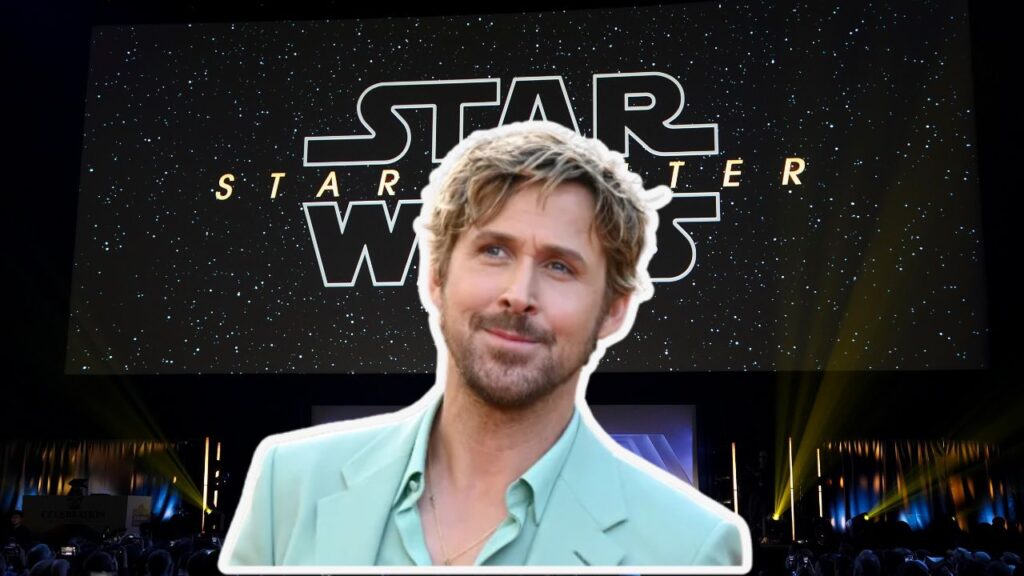
Star Wars new movie production starts in August 2025, first look of Ryan Gosling at Star Wars: Starfighter has sent shockwaves through the fandom, that visual represents a clean break from the past and a leap into unexplored space. Filmmaker Shawn Levy also confirmed at EW that the Film franchise continues but not with a prequel or sequel. It’s entirely a fresh chapter of Star Wars that is set in a period of time that we haven’t explored yet. 

It is set to hit theatres in May 2027, the first big-screen Star Wars film since 2019’s The Rise of Skywalker. The storyline is kept a secret while the buzz is circling around the fans but it’s not tied to Skywalker era. 

A New Kind of Star Wars Adventure

Levy stated that it’s not a prequel or sequel but a refreshing story, describing ‘the profound sense of excitement and honor as we begin production on Star Wars: Starfighter.’ He realizes about the fact how characters and cinematic moments can live with us forever. To join this storytelling galaxy with such brilliant collaborators on screen and off, is the thrill of a lifetime.”

Gosling is showing that same energy with what the filmmakers said, “The script is good, It has such a great story with great and original characters.”

Image Credit: indiatimes

He pointed out the point from the original characters, there is no connection to old characters including Han, Leia or Luke. This new chapter of Star Wars: Starfighter will take to another universe, creating a new spark in the global franchise.

The first look reveals Gosling (in a leading role) and his nephew Gray dressed in rugged, middle of a sea hanged around somewhere in the universe. 

They are expecting to join other cast members including Amy Adams, Mia Goth, Aaron Pierre, Matt Smith, Simon Bird, and Jamael Westman.

Is Gosling the “New Han Solo”? The Truth Behind the Buzz

There is no indication that Ryan Gosling is playing any legacy character or Han Solo. From the Levy statement it is clear that this Star War: Starfighter comes with new faces, new story. 

But the speculation made from Han Solo’s legendary dialogue “Never tell me the odds.” Which maybe let the fans get confused. While it’s just Gosling’s hat with this dialogue written on it. 

The visual of the rogue-ish look is echoing Solo’s spirit but that’s about the tone, not identity. Lucasfilm president Kathleen Kennedy also confirmed that it can’t happen, “we can’t do that”, making it abundantly clear.

Read More 👉  Where to Watch Dancing With the Stars 2025 Live: Cast, Premiere, Voting & Streaming Guide

What This Means for Star Wars

Starfighter isn’t trying to relive the past. It’s carving out a future. Gosling as lead star making it possible to drive both his and Star Wars fans crazy. Lucasfilm is focused on the post-Skywalker era which gives the franchise a fresh start with original characters and new worlds.

Conclusion 

Get ready for the new chapter of Star Wars: Starfighter comes May 2027. The long-awaited film series heated the fans’ excitement with its first look. It represents the storyline moved on to the next chapter — no strings attached to Skywalker saga

Comments

View comments and join the discussion

Alpana

Articles Published: 173

Alpana is Fandomfans Senior Editor across all genres of entertainment. She evolved in the media industry since a very long time, she manages the content strategy and editing of all the blogs. Her focus on story development, review analysis, and research is well-equipped that ensures every article meets the standards of accuracy and depth.

View Profile ↗

Kiss of the Spider Woman: A Dazzling Tale of Love Create a Buzz

Explore Kiss of the Spider Woman starring Jennifer Lopez, Diego Luna and Tonatiuh. A musical drama of love, freedom and survival behind prison walls.

Published: Oct 17, 2025, 6:05 AM
Last Updated: May 11, 2026, 7:07 AM

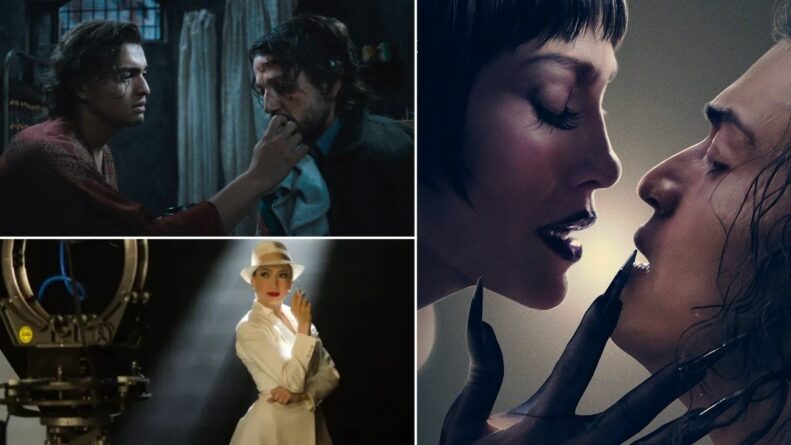
In the middle of all the superhero sequels and shadow-future tales in movies this year, Kiss of the Spider Woman  lands as almost unbearably real and human. Bill Condon’s new direction wins the audience over with breathtaking visuals, emotional potential in the storyline and a new way to see how art can heal wounded souls. Jennifer Lopez shines bright here. Diego Luna and Tonatiuh both give great performances. The film is a love story. It also shouts for freedom.

A Story Behind Prison Walls

To the framework of Argentina’s savage “Dirty War” in the ’70s and ’80s, according to LAtimes the film adds two men caught up in very different ways by the conflict. Valentín (Diego Luna) is a hardened political revolutionary, and Luis Molina (Tonatiuh) is an extravagant window dresser convicted of indecency due to his sexuality. In the beginning, their cell feels like a cage separating two different realities – worldview vs. imagination. But slowly, with shared stories and dreams, it becomes a place of transformation. 

According to Rollingstone, Molina finds an escape from his bleak reality through colorful reenactments of his favourite movie scenes – especially those from the story told in Kiss of the Spider Woman, featuring Jennifer Lopez as the glamorous actress Ingrid Luna. Within these invented scenarios, Lopez is both the blindingly bright film actor and the legendary Spider Woman — a creature whose kiss delivers death, but can also liberation. Molina’s dreams empower him to see through illusions; illusions that allow him to find humanity in both men. 

A Musical That Feels Like a Dream

Bill Condon (best known for Dreamgirls) makes the heartrending story of this year’s Oscar-nominated best picture into a dazzling visual and musical feast. The numbers of Lopez, in particular, sparkle with the spirit of the golden age of MGM - with sweeping camera moves and glittering costumes. Every dance, from the sultry cabaret routines to the chilling final duet, conveys desire and freedom. 

A Musical That Feels Like a Dream

Critics have noted how these musical interludes stand in stark contrast to the grim reality of the jail. The cuts are clean — we hear the clanging of prison gates; then we’re whisked into a world of color, sequins and song. It’s old hat in terms of story structure, yes, but intentionally so. The musical style is not simply an aesthetic choice, it is an analogy for survival. In a society where repression mutes uniqueness, art is both a weapon and a sanctuary. 

Performances That Illuminate

Jennifer Lopez’s turn as Ingrid Luna/Spider Woman is easily the most thrilling thing she’s done in years. Dressed in sequined gowns, blonde waves and bold red lipstick, she is the image of a woman whose beauty conceals a tragic life. Her show isn’t only a look to behold — it’s emotionally infused, making us feel the pain behind the glitz. Critics have described her musical sequences as “transcendent,” highlighting her growth not only as a performer, but as a storyteller. 

Diego Luna adds a softer depth to Valentín, portraying a man caught between idealism and fragility. Meanwhile, in a breakout performance, Tonatiuh is brilliant as Molina — warm, comical, and devastatingly courageous. Their chemistry anchors the film, turning it from a tale about two inmates to a ballad for acceptance, bravery, and love. 

Read More:- Understand A Knight Of The Seven Kingdoms’ Targaryen Family Tree

Kiss of the Spider Woman Themes That Resonate

The film confidently tackles issues of identity, gender and desire and yet remains emotionally truthful. This theme set an absolute new era in cinema history which shows Kiss of the Spider Woman escapism not as denial but escapism as resistance to reality.

Kiss of the Spider Woman Themes That Resonate

It offers a challenge to the spectators, asking how much reality is within fantasy. For Molina, narrating is a means of survival in a system that would rather not see him. For Valentín, fantasy is a newly discovered language of empathy. As a result, they learn from each other that to imagine is to be alive — even in a cell. 

Why the Buzz Feels Earned

This film created excitement well in advance of its release, and with good reason. Its Sundance premiere resulted in standing ovations, and each and every screening since has left audiences buzzing. Some of the excitement comes from Lopez’s much-anticipated comeback to musical film, but beyond star wattage is the film’s emotional scope. 

John Kander and Fred Ebb’s score is full of sweeping dramatic crescendos and heartfelt melodies that express the desires of the characters. The blend of Tobias Schliessler’s rich cinematography to Condon’s empathetic direction gives Kiss of the Spider Woman new turn that makes it more than just a movie.

Conclusion

Ultimately, Jennifer Lopez’s new movie Kiss of the Spider Woman just created a hype among the fans and received critics praise for its achievement of delivering an iconic and unique storyline to audiences. It just proved beauty and suffering go side-by-side. Jennifer Lopez shines as the spirit and specter. Diego Luna and Tonatiuh bring heart and truth, and the three of them forge something hauntingly unforgettable. 

Comments

View comments and join the discussion

Alpana

Articles Published: 173

Alpana is Fandomfans Senior Editor across all genres of entertainment. She evolved in the media industry since a very long time, she manages the content strategy and editing of all the blogs. Her focus on story development, review analysis, and research is well-equipped that ensures every article meets the standards of accuracy and depth.

View Profile ↗

Godzilla vs Kong: Hollow Earth and Axis Mundi of MonsterVerse Explained

Godzilla vs Kong delves into Hollow Earth, Axis Mundi, and Titan ancestries. Find out how the MonsterVerse fuses ancient myth with contemporary science. 

Published: Feb 27, 2026, 11:50 AM
Last Updated: May 11, 2026, 5:06 AM

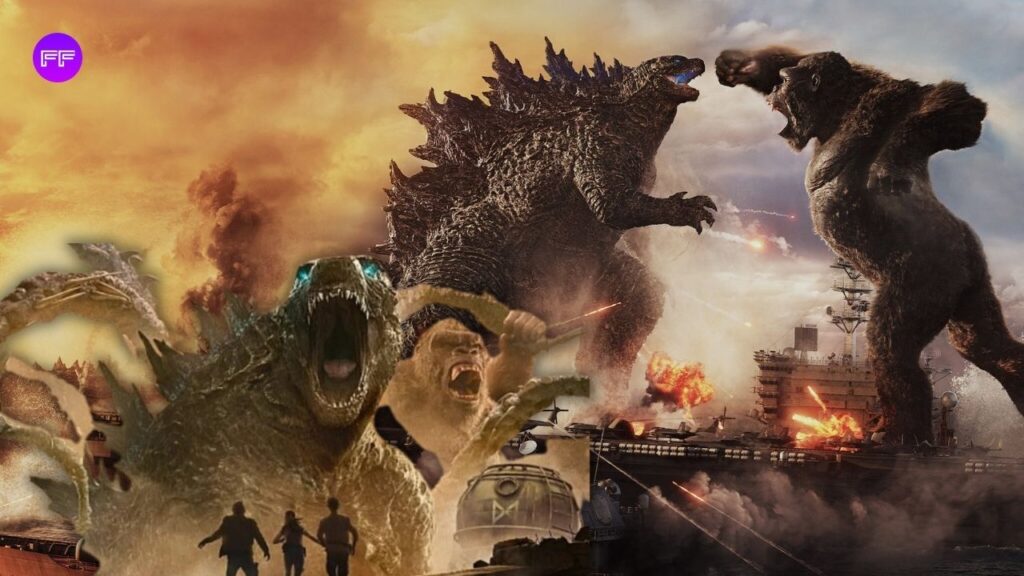
Think falling down a spiral of blue, where gravity inverts and ancient titans wander through an upside down world pulled from myth — welcome to the MonsterVerse’s Hollow Earth, first revealed in Godzilla vs Kong. This subterranean world combines ancient myths like Agartha with modern science, making Godzilla vs Kong epic clash into the equivalent of doorways for deep lore. Dive in to see how this secret universe reshapes the franchise’s mythology. 

The MonsterVerse — the hugely profitable shared universe developed by Legendary Pictures and Warner Bros. has found a genuinely smart way to work its mythology. It combined two concepts that have captivated human thought for ages, the Hollow Earth idea and the notion of the Axis Mundi, and molded them into the axis of its narrative. But it didn’t just take these ideas wholesale for the story. It turned them into something different.

MonsterVerse’s Myth-to-Science Fusion

In older lore, hollow or subterranean worlds are spiritual ones meaning they’re afterlives, secret havens for the truly enlightened, or mystical planes along the lines of the fabled Agartha where timeless wisdom is maintained. 

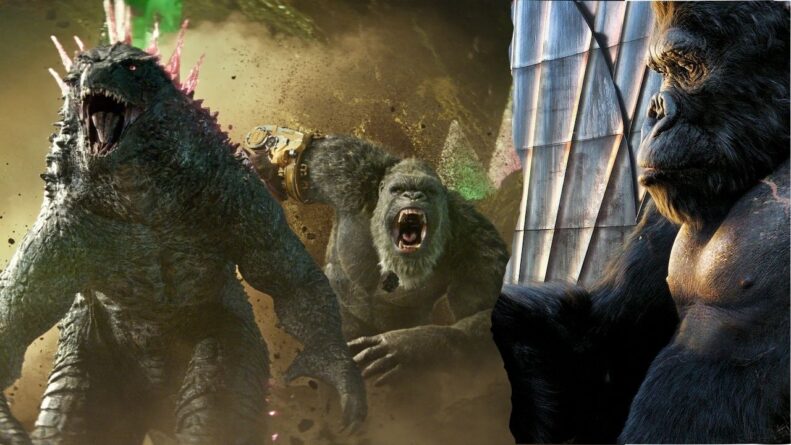
The MonsterVerse takes out the theology and puts in biology. Its subterranean world is not a souls’ destination after death, or a place where secret masters find quiet meditation. It’s a living, breathing, wildly energetic system — the original home of the Titans, those massive beasts like Godzilla vs Kong that dwarf skyscrapers and carve coastlines simply by walking across them. 
MonsterVerse's Myth-to-Science Fusion

Within the franchise’s own internal logic, this subterranean world is more than just the monsters’ home territory. Kabbalistic perceptions describe being as layers or levels of planes of existence. The MonsterVerse does the same thing, but replaces divine judgment and mystical energy with speculative science, evolutionary biology and astrophysics. 

Three-Layered Structure of the MonsterVerse Underground World

The subterranean landscape of the MonsterVerse isn’t just one giant cavern. It’s some very specific portions of the United States divided into three zones, each with its character and function.

The Global Tunnel Network (The Caverns)

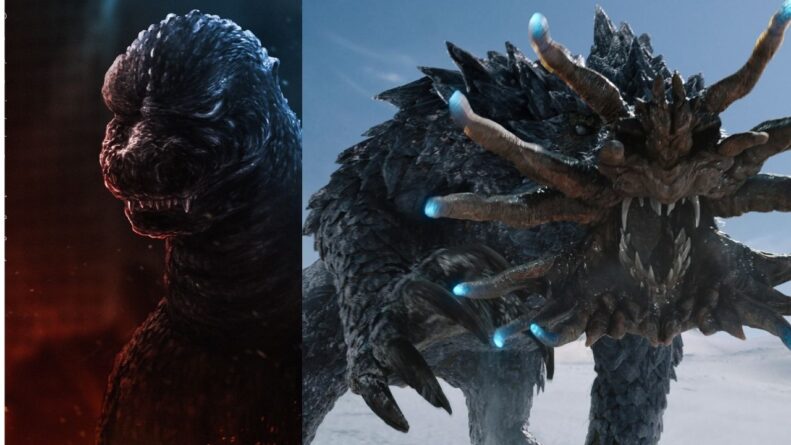
It starts with the caverns — the vast, global system of tunnels hollowed out of the Earth’s crust. In a technical sense, you could go from the surface down through these tunnels all the way to the lower regions, but it would take a very long time and push any traveler to his or her limit. They’re more like connective tissue than a thoroughfare. 

The Axis Mundi Zone 

The second layer is what Monarch: Legacy of Monsters calls the Axis Mundi and now we’re off the rails. Consider it a no-man’s-land, in between the world of the surface and the world of the true underground beneath. Gravity isn’t doing what it’s supposed to do here.
The Global Tunnel Network

Physics is contorting in ways that they shouldn’t. Time is slithering and bending all around us. It’s a volatile limbo, not really one world, not really the other, and crossing it requires that you have either special equipment or a willingness to emerge the other side quite rattled. 

Hollow Earth Core (The Titan Homeland)

The third and final layer is the Hollow Earth core itself, where the franchise takes its imagination into overdrive. It’s a reverse landscape of terrifying scope — a world upside down, with its own weather, its own ancient forests and oceans, its own prehistoric creatures, and at its core, a radiant energy source that acts like a mini sun. It’s where the Titans were born, where their ancient civilizations rose and fell, and where the deepest roots of the MonsterVerse’s world lie hidden and waiting. 

How Titans Travel Through the Planet

Travelling from the surface to the depths of the Hollow Earth is not simply a matter of excavating. The distances are immense, and the geology between is basically toxic to anything attempting to make its way through. So how do Titans the size of mountains go under the ocean and come up on the other side of the world? The MonsterVerse’s solution is simple: they don’t go through the rock. They Go Around It.

What Are Vile Vortices?

There are natural spatial rifts scattered across the earth, which the franchise terms Vile Vortices, places where spacetime itself doubles in on itself, allowing one to traverse thousands of miles in just seconds. These are not tunnels or caves. They are worm holes, geological in creation but functioning more like holes in the fabric of space. In that regard, they are the MonsterVerse’s most straightforward representation of the Axis Mundi. 

Where Eliade conceived the Axis Mundi as a spiritual pathway, a channel through which shamans can travel through time and space in trance states, the Vile Vortices take that journey literal and physical. The revered track between the worlds turns into a quantifiable, trackable, scientific classified event. 

How it Connects to Real World Geography

What makes these portal locations in particular brilliant from a narrative perspective is simply where the writers decided to locate them. Instead of creating fictional geography, the MonsterVerse embeds its gateways within real locations that have already grabbed the human imagination, if for very different reasons. 

Real-World Portal Locations in Godzilla vs Kong Lore

Bermuda Triangle — The Vortex Cluster

The Bermuda Triangle, a geographical mystery best known in pop culture, is in the MonsterVerse a region with the highest accumulation of Vile Vortices — which explains a few decades of folklore about ships and planes vanishing into thin air. 

Antarctica — Humanity’s Gateway to Hollow Earth

Antarctica, which has been linked with conspiracy theories about polar access to inner Earth and Cold War conspiracies for ages, is the primary gateway in Godzilla vs Kong that the humans first cross that line and go down to the core. 

Mariana Trench — Godzilla’s Personal Transit Route

The Mariana Trench, the deepest part of any ocean, and a location that even now feels alien to most of the people who look at it, is Godzilla vs Kong personal transit hub — the underwater gate he crosses to reach his ancient temple deep below. 
Real-World Portal Locations in Godzilla vs Kong Lore

Skull Island and Area 51 — Monarch’s Hidden Watchpost

Skull Island, which anchors Kong’s origin story, lies at the center of a web of vortices that had already begun to destabilize when the films took place. Area 51, that longstanding nexus of governmental conspiracy mythology, has been recast not as a secret hangar for alien spacecraft but as a Monarch observation post, monitoring Titan activity underground. Infant Island retains its significance from the original Toho films, effectively keeping Mothra’s mythological home intact from the original continuity within the new one. 

Global Portal Network

Egypt, Kazakhstan and Japan are added to the portal scattering across the globe, reinforcing the idea this subterranean line runs worldwide – under ancient civilizations and modern cities, alike.

The motif here is intentional. By basing its fictional geography on place people have preexisting fears of or find weird, the Monster Verse establishes a reality it seems like has just been under the surface of the real world all along. 

Axis Mundi — The Most Terrifying Place in Monarch: Legacy of Monsters

In most myths the term Axis Mundi is used to refer to a giant cosmic tree or pillar which connects various levels of the universe as a central point for the organization of the cosmos. The Apple TV+ show Monarch: Legacy of Monsters does something different. It’s using that term to designate a unique and horrible place in the Monster Verse’s subterranean landscape. In so doing, Monarch: Legacy of Monsters pulls off one of the franchise’s most intellectually daring aims: it synthesizes ancient cosmological symbolism with the actual mathematics of Einstein’s theory of relativity.
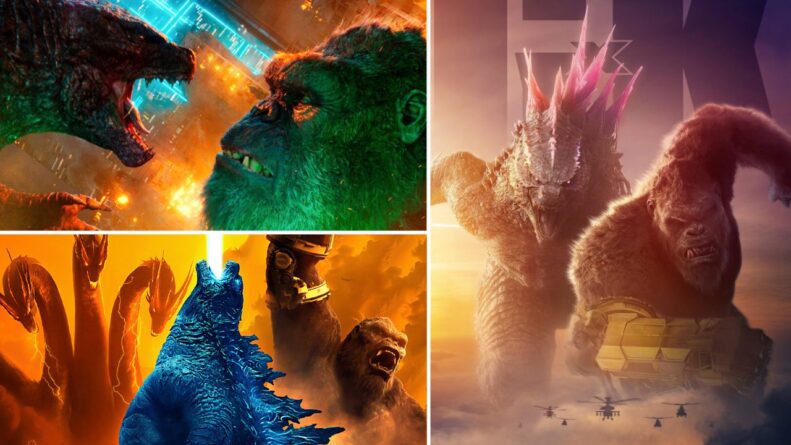
The Most Terrifying

In Monarch, the Axis Mundi, well, it’s not the luxurious, panoramic underground world reminiscent of Godzilla vs Kong. That place is the central core of Hollow Earth, with its inverted terrain and miniature sun that is a whole other ball of place, much deeper and far more stable. 

How Titans Pass Through it

The Axis Mundi is what lies between. It is a shadowy, unpredictable spate of underground pockets trapped between the surface world above and the core beneath in a gravitational standoff. Godzilla vs Kong-sized Titans consistently and seamlessly pass through it as if it were just an airport that everyone must go through like a requisite checkpoint on the journey to somewhere. But for them, that does not become a mere transit stop, it becomes much worse. 

How Beings Get Trapped in Axis Mundi

No one who goes to the Axis Mundi does so intentionally. It is what goes wrong when crossing a Vile Vortex. “The mechanics of these things, as explained by the show, are just trajectory,” to navigate a vortex successfully, you must keep moving constantly downward through the gravitational inversion at its Heart. This sustained direction is what takes you through to the other side, into the Hollow Earth core. 

But if that trajectory is disrupted, the traveler doesn’t bounce back its origin or stop, which means they are stuck there forever. They don’t come out the way they went in. Instead they get ejected sideways, spat out through a horizontal portal into the Axis Mundi instead. It’s not like there’s a dramatic warning. One second you’re plummeting down toward the core. Then all of a sudden you’re someplace else entirely, and getting out isn’t exactly straightforward.

It’s a brilliant piece of spatial storytelling. The difference between making it out safely or being trapped for all eternity is basically just a question of angle. 

Time Has No Meaning in the Axis Mundi

The worst thing about the Axis Mundi isn’t the dark or the shaking. It is what it does to time.

Since the plane is located at the center of conflicting gravitation fields of the surface Earth and the Hollow Earth core, there is a great deal of spacetime warping in that place. This is where Monarch: Legacy of Monsters plucks real physics for its scares. 
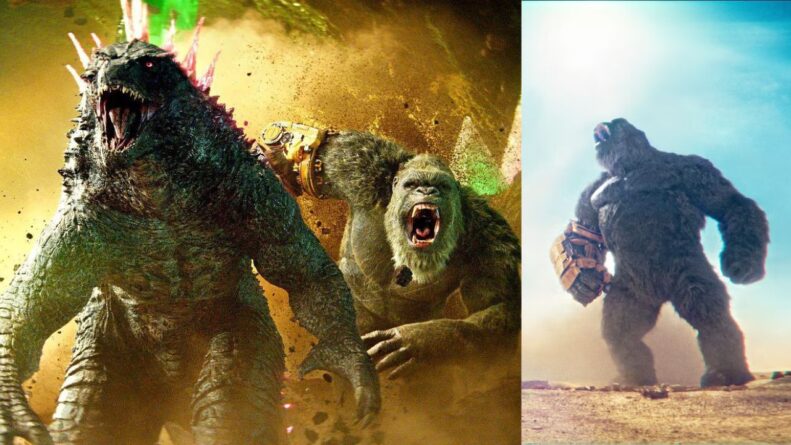
Time Has No Meaning in the Axis Mundi

Einstein’s general theory of relativity also tells us that time runs more slowly in stronger gravitational fields — the deeper you are in a gravity well, the more slowly your clock runs relative to someone in weaker gravity. The Axis Mundi takes that principle and turns it into a human tragedy.

Time within the Axis Mundi moves at a pace close to non-existence compared with the surface world. 

Time Dilation in Monster Verse Logic

The series Monarch: Legacy of Monsters actually makes this concrete with two characters whose narratives are involuntarily shattering when you discern what really is happening to them. Dr. Keiko Miura is Fallen into the Axis Mundi in 1959 on a mission that goes disastrously wrong. When she is finally located by the series’ contemporary other leads, she remains unaged. From her point of view, only a handful of weeks have elapsed. From the view of the world, almost sixty years have passed. 

They’re all old or dead. She had her era and it had moved on without her. She is physically unaltered and temporally marooned, living in the wrong era through no fault of her own.

Lee Shaw has a similar experience, believing he’s briefly visited the realm, only to reemerge to find that two decades have been wrenched from his life, transforming everything he’d left behind without his input. 

Read More:- Avengers The Kang Dynasty Not Only Changes Its Title But Also Superheroes Powers

Why Hollow Earth Doesn’t Cause Time Distortion

What makes the whole thing feel scientifically sound rather than arbitrary is that the main Hollow Earth core doesn’t do that. In Godzilla vs Kong the characters take time to explore that world for hours and come back to the surface with no temporal disturbance at all. The reason is that within the universe’s logic, gravity in the core has equalized. Encased within the Earth’s mantle on all sides, the pull of gravity cancels out and time runs at a normal rate compared to the surface.

But the Axis Mundi has no such balance. That is the uneasy midpoint, pinned between the attraction of two huge gravitational forces, and this formless tension is just what makes it so dangerous. 

Myth Meets Physics: The Old Legend of Agartha

To the effects that time dilation creates has an even mythological resonance. A place where people cease to age, where centuries pass outside as moments pass inside is the old legend of Agartha, the subterranean world where ancient, enlightened beings reside exempt from the flow of time on the surface above. 
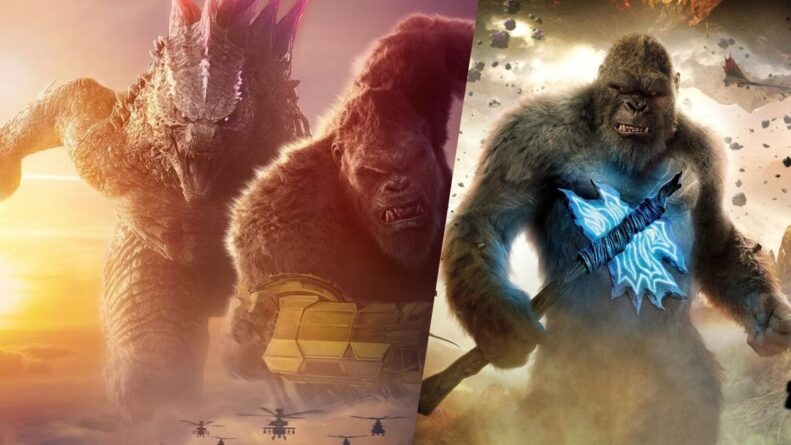
The Old Legend of Agartha

The Monster Verse reaches that same figure through physics rather than allowed Mysticism, that’s exactly the kind of translation that makes its world-building seem genuinely layered. Godzilla vs Kong translates myth into physics. 

Conclusion

It’s a film about two giant monsters fighting it out on neon lit city streets at a quick glance. But if you look at what the Monster Verse has been quietly constructing under all the spectacle, there’s something much bigger going on here. 

Godzilla vs Kong film is what ancient myth would look like if you rebuilt it using the language of science. It’s spiritual cosmology redrawn with physics. It takes the oldest stories humanity has ever told — stories about gods, underworlds, sacred centers of the universe and reimagines them in a world where those things are real, just not in the way any religion ever told stories about them. The fantasy is still there but it’s been anchored in something that feels almost believable, a kind of speculative realism that makes the world feel simultaneously primitive and futuristic. 

What the Monster Verse has created isn’t fantasy — it’s a parallel cosmogony. Gods are made biological, myths become historical, and divinity converts to energy. The so-called “monsters” were never invaders but they were the planet’s first rulers, shaping Earth for years before humanity came into being.

And that changes everything. The difference is that the true battle in Godzilla vs Kong isn’t Godzilla and Kong — it’s humanity and the reality of who really owns this world. 

Dive into the world of the monster verse with Fandomfans to get the latest updates on theories, characters and facts from movies and series.

Comments

View comments and join the discussion

Mariyam

Articles Published: 87

Mariyam Khan is Fandomfans Content Writer and providing reports and reviews on Movie Celebrities, and Superheroes particularly Marvel & DC. She is covering across multiple genres from more than 4+ years, experience in delivering the timely updates.

View Profile ↗

Galactus and Lady Death: The Collision That Could Redefine the MCU Forever

Learn how Galactus and Lady Death could reshape the MCU with a cosmic Gothic era leading to Secret Wars, redefining Marvel's future beyond traditional villains.

Published: Dec 1, 2025, 10:51 AM
Last Updated: Dec 1, 2025, 10:52 AM

If you feel the Marvel Cinematic Universe (MCU) was a bit all over the place lately, well, you’re not alone. With multiverse shenanigans, quantum realms and whatnot, things have become a bit messy. But there’s a pattern if you look at the Phase Six schedule along with Fantastic Four: First Steps and the latest spoilers in Agatha All Along. Marvel is turning its back on political thrillers and sci-fi brawls to focus on high-concept metaphysics and passion plays. 

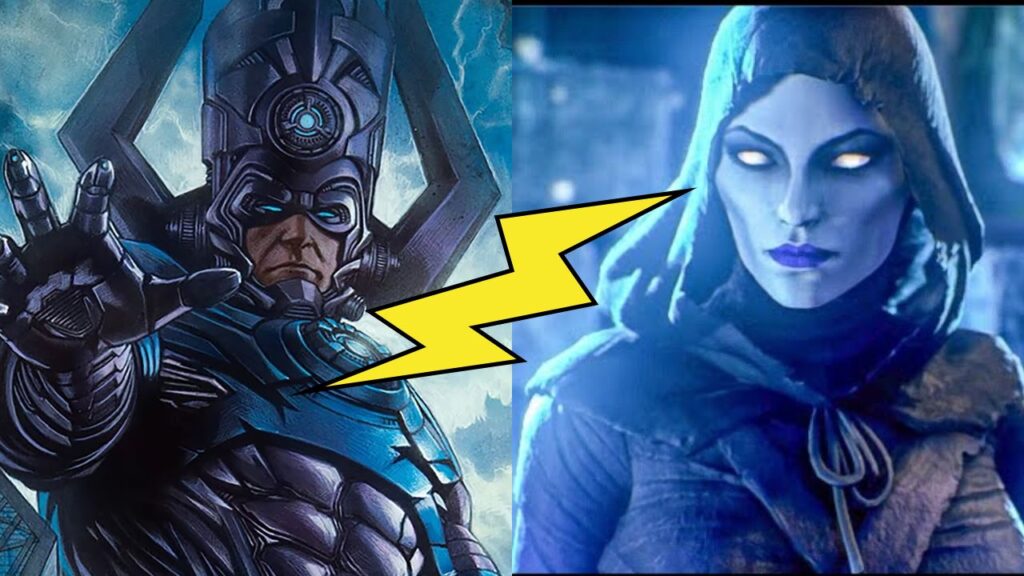
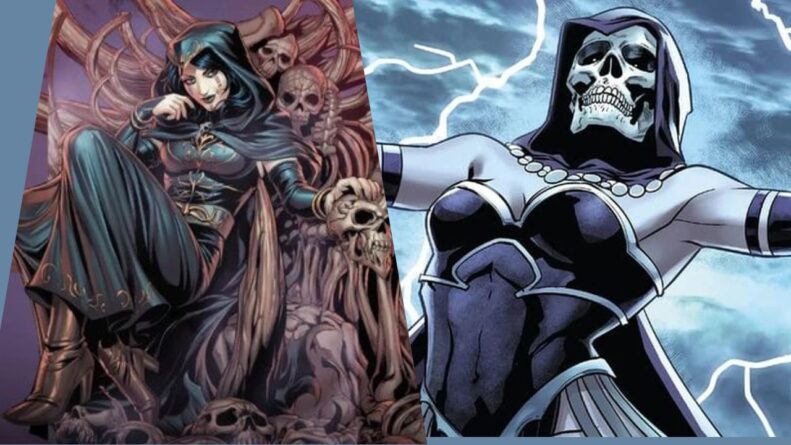
The two players at the center of this shift? Galactus, the Devourer of Worlds, and Mistress Death, now unveiled as the fierce and compelling Rio Vidal. 

Casual fans might view them as two separate “Big Bads” (the first a sci-fi giant, the second a supernatural weird witch), but comic history and deep lore reports tell us they are really the “parents” of the next cosmic saga. If you want to know why their eventual encounter is going to change everything, read on! 

Galactus & Death is More Than Just Villains

In order to understand why this matters, we need to examine the source material. Comics-wise, particularly the legendary Fantastic Four — the relationship of Galactus and Death is described in terms that boggle the mind. 

Death refers to Galactus as her “husband and father, brother and son.”

It seems like a contradiction, but it’s a statement of cosmic truth. They’re not enemies; they’re symbiotic. Galactus is the “Great Filter” of the universe. He isn’t randomly demolishing worlds because he’s malevolent; he’s doing it to tend the cosmic garden, so that life does not turn into a cancer on the face of existence. 

Galactus & Death is More Than Just Villains
Image credit: Fandomfans

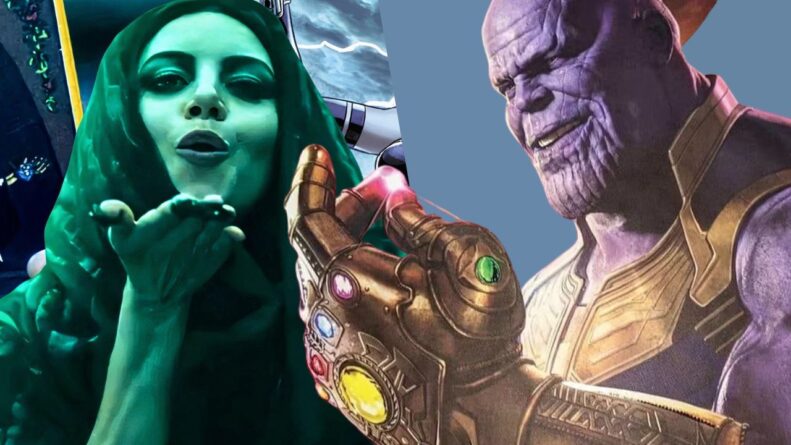
He makes the nutrition that feeds Death’s being. In an eternal, symbiotic dance, his job is to create and hers is to eat. They form a deep, quasi-sacred union, vastly more complex and profound than Thanos’s adolescent crush on Death that can best be described as a momentary juvenile fantasy.  

The “Cosmic Gothic” Aesthetic

The MCU seems to be aiming for a particular aesthetic in this union: “Cosmic Gothic.” For one, we’ve got Ralph Ineson cast as Galactus. Known for his bone-chilling, folk horror work in The Witch, Ineson lends a weight that implies that Galactus will be more of an Old Testament god than a mechanical antagonist.

The Cosmic Gothic Aesthetic
Image credit: Fandomfans

Then there’s Aubrey Plaza’s Rio Vidal. Rather than being the quiet skeleton featured in the comics, Plaza’s Death is loquacious, possessive, and chaotic. She is rooted in “Green Witch” tradition, seeing death as a natural return to the earth. When you combine Ineson’s golden, high-tech horror and Plaza’s rotting, totemic witchcraft, you end up with a cinematic mood we’ve never seen in Marvel. 

The Franklin Richards Sparks This Theory 

So how do they come together? The latest rumors about The Fantastic Four: First Steps suggest a particular catalyst: Franklin Richards.

Galactus is arriving on Earth not for a bite but to enslave the reality-warping son of Reed and Sue Richards as a long-term power source, according to leaks. The speculation is that Sue Storm dies to stop Galactus and then that Franklin uses his god-like powers to bring her back to life. 

The Franklin Richards Sparks This Theory
Image credit: Youtube

This is where Rio Vidal enters the chat. As established in Agatha All Along, Rio hates when people cheat death. If Franklin tears a soul back from her domain, he is an enemy of nature. So you’ve got a really interesting three-way battle forming here: Galactus wants the boy for energy, Death wants the boy stopped for violating her rules, and the Fantastic Four are in the middle. 

From Fantastic Four To Secret Wars

In the end, the union of Galactus and Death is what leads to Avengers: Secret Wars. As the multiverse shatters through “incursions,” the universe requires a means by which to cull expiring timelines in order to preserve others. Galactus and Death are more than villains to beat up, they’re the cosmic immune system.

We’re beyond the age when heroes battled to save a city. We are now living in a time of modern mythmaking where the basic drivers of reality, Hunger and Entropy have faces, names and story lines. When Ralph Ineson’s Galactus and Aubrey Plaza’s Death at last share the screen, it won’t just be a crossover, it will be the pulse of the new Marvel Universe.

Read More  👉 Everything we know about The White Lotus Season 4 — Cast Details And Expected Storyline Updates

Conclusion

Lady Death and Galactus are far from just two scary forces – they are the core of what Marvel’s next cosmic era is going to be. Their clash lays the groundwork for a deeper, darker and more mythic MCU, one in which the fabric of reality bends, souls are traded, and the heroes we know go toe-to-toe with adversaries older than time itself. If Marvel honestly commits to this “Cosmic Gothic” era, the MCU could finally begin telling the ambitious, cohesive stories fans have been clamoring for. 

Fandomfans keep your energy exciting with your favorite movie characters’ breakdowns of the biggest moments in movies, TV, and pop culture.

Comments

View comments and join the discussion

Mariyam

Articles Published: 87

Mariyam Khan is Fandomfans Content Writer and providing reports and reviews on Movie Celebrities, and Superheroes particularly Marvel & DC. She is covering across multiple genres from more than 4+ years, experience in delivering the timely updates.

View Profile ↗

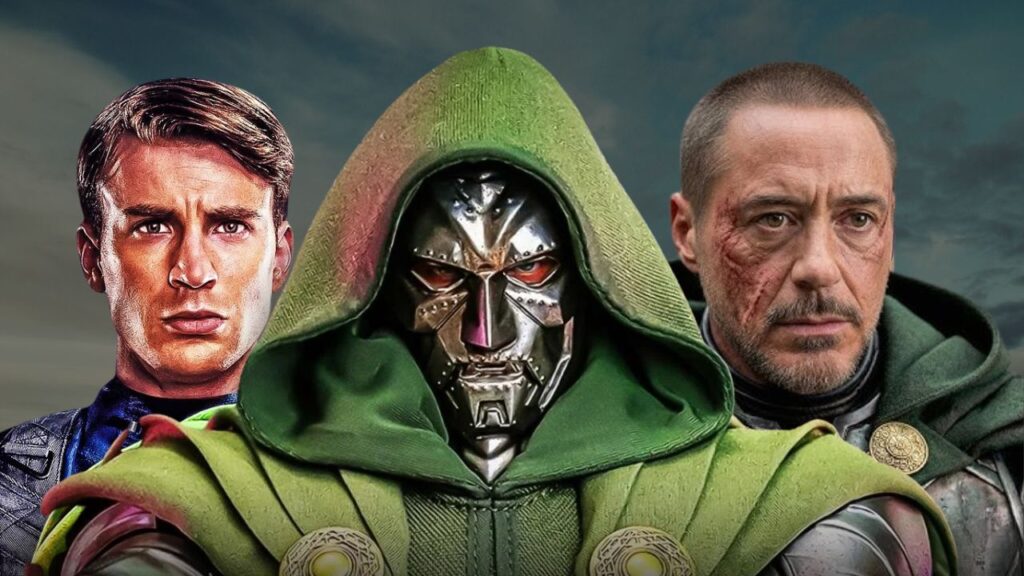
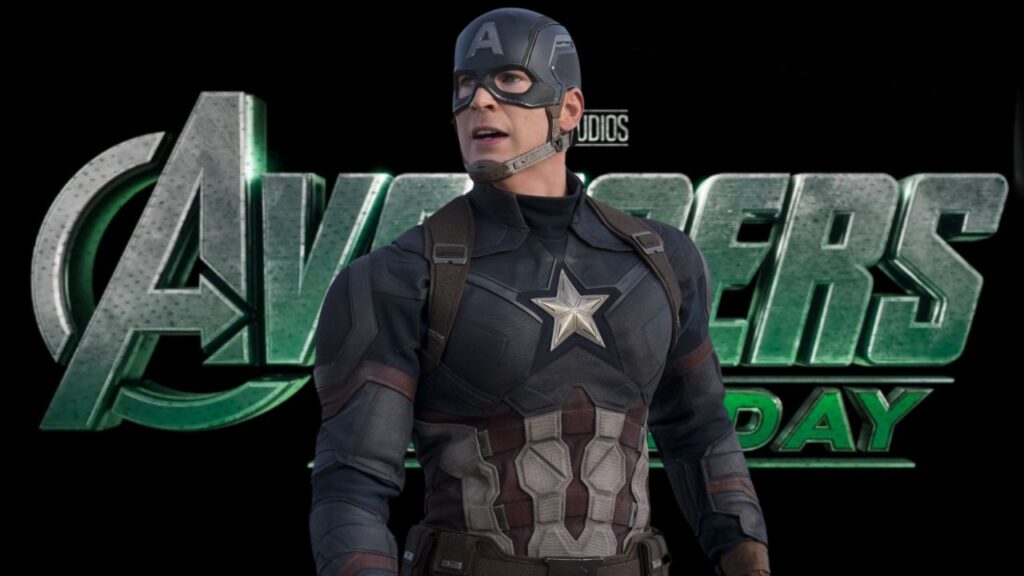
Avengers: Doomsday Re-anchoring the MCU With Unexpected Return of Chris Evans

Avengers: Doomsday signals a major MCU reset with the return of Chris Evans and Robert Downey Jr. as Doctor Doom. The whole story and theory.

Published: Dec 20, 2025, 5:06 AM
Last Updated: Dec 19, 2025, 12:07 PM

The Marvel Cinematic Universe (MCU) is now experiencing fundamental change at the executive level. What was once considered to be a steady industry growing is now pivoting into a “hail mary” to bring back the cultural and financial peak from the Infinity Saga. Changing the subtitle for the fifth Avengers movie from The Kang Dynasty to Avengers: Doomsday is not just a branding adjustment, it represents a complete overhaul of the franchise’s core narrative.

By recasting Robert Downey Jr. (RDJ) as Victor Von Doom and Chris Evans as Steve Rogers, Marvel is gambling $1.5 billion that the foundations of the past will hold the weight of the future. 

A Pivot Born of Necessity

The shift to “Doomsday” comes out of an era of unparalleled chaos. Post Avengers: Endgame, Marvel has had trouble keeping a lid on its sprawling Multiverse Saga. The disappointment of Ant-Man and the Wasp: Quantumania confirmed that Kang the Conqueror despite Jonathan Majors’ performance wasn’t gelling as a Thanos-tier menace.

A Pivot Born of Necessity

Marvel brass feared even before Majors’ legal troubles that Kang “wasn’t big enough,” according to IGN. Among the new additions is the return of the Russo Brothers and writer Stephen McFeely—the “old guard” responsible for the MCU’s biggest hits—to guide the way to Doctor Doom. 

Strategic ComponentOriginal Multiverse PlanThe Doomsday Realignment
Primary AntagonistKang the ConquerorDoctor Doom (RDJ)
Main AnchorNew Generational HeroesLegacy “Anchor Beings”
Creative LeadershipFluctuating DirectorsThe Russo Brothers

The Robert Downey Jr Enigma: Hero, Sovereign, or Variant?

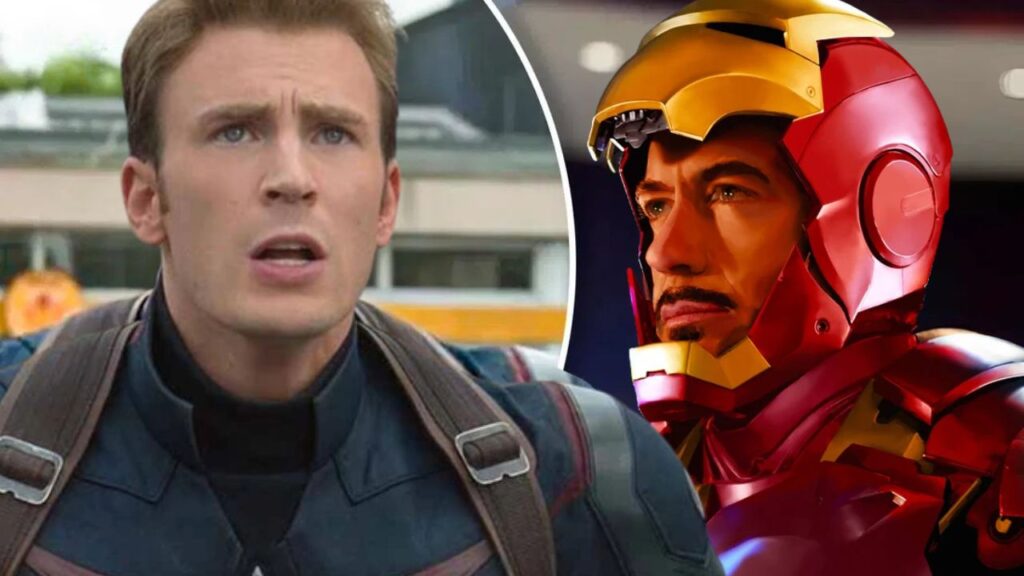
The news that Robert Downey Jr would be returning as Victor Von Doom rocked the fandom. He’s playing Doom, after all, but the narrative implications of the face are impossible to ignore. This has given rise to the “Anchor Being” theory based on Stark’s death in Endgame earth-616 has been “deteriorating”, the multiverse may be supplying an “dark mirror” alternative.

Robert Downey Jr

Screenrant suggests a 1970 Retcon. “In Endgame, when Tony goes to 1970, the timing of Maria Stark’s pregnancy seems a bit wonky.” The buzz is that the “real” Tony Stark was actually an adopted Von Doom. In this case, RDJ is not playing a variant of Tony, but instead playing the man Tony was always meant to be before he was a Stark. 

The Return of Steve Rogers

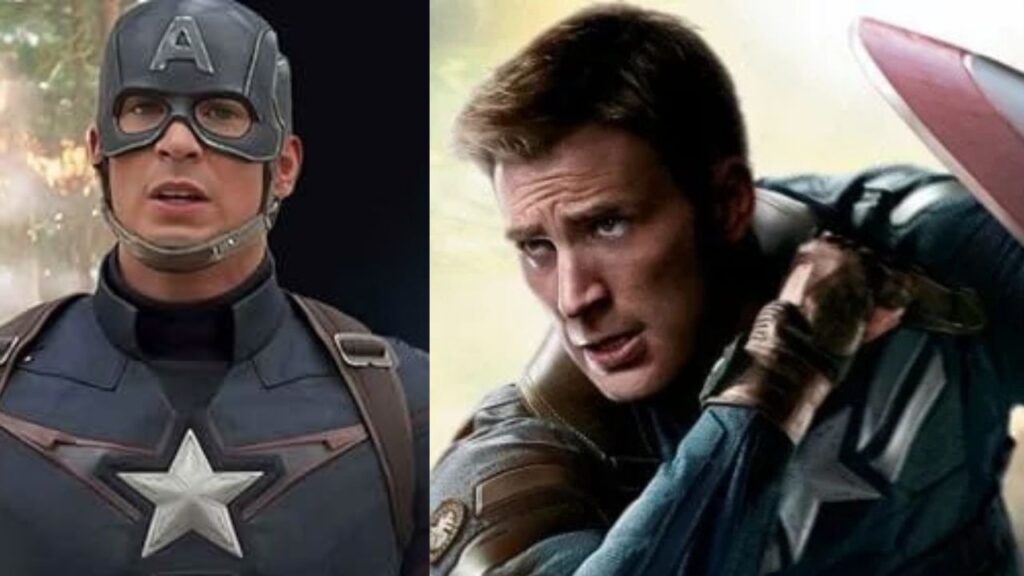
Doomsday (presumably appearing next to Avatar: Fire and Ash) teasers were leaked that confirmed that Chris Evans is back. But this isn’t the Captain America we know. In the footage, Rogers is seen in a domestic situation that looks like the 1950s and he’s a father, presumably retired, living with Peggy Carter.

This “Nomad” paradigm is a creative challenge. So how does Marvel get Steve Rogers back without undercutting Anthony Mackie’s Sam Wilson?

The Return of Steve Rogers

The Sacrifice Play: Comicbookmovie that Rogers is going to get the “Loki treatment” — dying early in Doomsday to drive home how dangerous Doom is.

The Mentor Role: Rogers could be cast as an inter-dimensional tactician, with Sam Wilson holding on to the shield and the mantle of Captain America. 

Was This Always the Plan?

The most contentious issue is whether this was “planned all along.” While the Kang-to-Doom shift was brought forward by outside influences, the breadcrumbs are there. In Age of Ultron, Tony’s vision of the fallen Avengers brought Steve Rogers saying, 

“You could have saved us. Why didn’t you do more?”

In Doomsday, a Stark-faced Doom could be the man who ultimately takes the leap and decides to “do more” out of a genuine desire to save not just his world but all realities alike. Kevin Feige’s revelation that he talked through the Doom idea with RDJ long before the Kang story stalled suggests that Marvel always kept this “In Case of Emergency” glass box ready to break. 

Read More 👉 Johnny Depp Returns to Hollywood With a Dark Gothic Comeback

Conclusion

Avengers: Doomsday is an admission that the post-Endgame approach should be abolished. By casting the man who began the MCU to be the man who might end it, Marvel has ensured Doomsday will be the most scrutinized superhero film in history.

With the release in 2026 looming, the MCU finds itself in a bit of a crossroads. It has to show that it can borrow nostalgia to tell a new, deep story, or be remembered as a franchise that ran away into its own shadow because it was too scared of a murky future. 

Fandomfansis delivering detailed theories on celebrity joining the blockbuster films. We are focusing on Marvel, DC, and big hits to give you the latest updates.

Comments

View comments and join the discussion

Alpana

Articles Published: 173

Alpana is Fandomfans Senior Editor across all genres of entertainment. She evolved in the media industry since a very long time, she manages the content strategy and editing of all the blogs. Her focus on story development, review analysis, and research is well-equipped that ensures every article meets the standards of accuracy and depth.

View Profile ↗

Eddie Munson Won’t Return in Stranger Things Season 5: Matt Duffer Confirms

Stranger Things creator Matt Duffer confirms Season 5 won’t bring back Eddie Munson. Find out why his story ended in Season 4. Read more visit website...!

Published: Oct 23, 2025, 9:31 AM
Last Updated: Jan 24, 2026, 11:20 AM

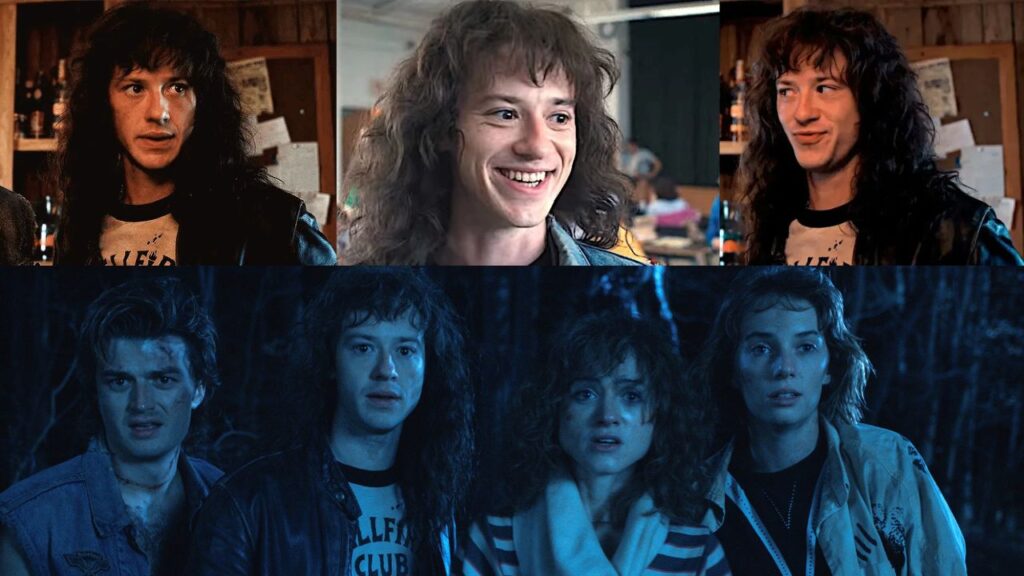
Eddie Munson (played by Joseph Quinn) is not returning for season 5, which is the final season of the series. People confirmed that, In a recent chat with Empire magazine, co-creator Matt Duffer squashed once and for all rumors that beloved character could return. 
The creators (Duffer Brothers) of Stranger Things have officially confirmed, “I love that Joe Quinn is just playing with fans! But he’s dead,” he described Eddie’s fate in the interview. “Joe is so busy anyway, the world should know he’s not coming back,” he added. He’s been shot like five movies since! When the hell does he get the time to come and shoot Stranger Things? No, unfortunately, RIP. “He’s fully under that ground.” 

The statement follows months of speculation stoked by Quinn himself, who at times teased fans at events about returning. At a fan con in Belgium and asked if he would reprise his role, Quinn enigmatically replied, “I do know, but I’m not telling,” fueling even more hype. After a while, Duffer brothers have publicly shared that the story of Eddie Munson was finished in Season 4. 

Fans Will Remember Eddie Munson’s Heroic Sacrifice

Eddie Munson debuted in Stranger Things season 4, projecting the charm of an outcast metalhead leader at the same time as he was ruggedly told that the Dungeons & Dragons game was Just Not Cool. His arc was all the more emotional when he died in the Upside Down to protect his friends Dustin, Steve, Nancy, and Robin. 

In a standout Season 4 moment, Eddie delivered a triumphant performance of Metallica’s “Master of Puppets” on guitar, drawing the demobats away from Vecna’s lair. Sadly, he didn’t make it out alive, sacrificing himself in a blaze of glory to save Hawkins – the same town that had turned its back on him. 

Read More 👉  Tron: Ares’ Box Office Failure Marks a Turning Point in Jared Leto’s Career

Joseph Quinn’s Reason For Leaving Stranger Things

Since leaving Stranger Things, Joseph Quinn’s star has risen exponentially. The 31-year-old British actor has joined a number of major film franchises, so a return to the Netflix series now seems all but impossible from a scheduling standpoint.

Joseph Quinn's Reason For Leaving Stranger Things

Quinn has appeared in several blockbuster projects including, A Quiet Place: Day One, Gladiator II, Warfare, The Fantastic Four: First Steps, and his upcoming project Beatles biopic where he plays a role of George Harrison.

This packed schedule, coupled with the fact that his character is dead, means Eddie’s comeback is out of the question. 

Stranger Things Season 5 Release 

The final season of the Stranger Things will be split into three parts during the holiday season: Volume 1 contains 4 episodes which will release on November 26, 2025, Volume 2 of 3 episodes: December 25, 2025, and Final Episode is going to air on December 31, 2025. 

Stranger Things Season 5 Release

Who Will Return in Season 5?

Eddie may not be coming back, but at least everyone’s favorite characters will be making their appearances for the latest look at the end-of-the-world finale. The cast is filled with familiar faces such as Millie Bobby Brown as Eleven, Finn Wolfhard as Mike, Noah Schnapp as Will, Gaten Matarazzo as Dustin, and Caleb McLaughlin as Lucas. Sadie Sink returns as Max, as does Winona Ryder as Joyce, and David Harbour as Hopper. Natalia Dyer, Charlie Heaton, Joe Keery also return as Nancy, Jonathan and Steve respectively. Maya Hawke returns as Robin, Priah Ferguson returns as Erica.. Brett Gelman returns as Murray, Jamie Campbell Bower as Vecna, Cara Buono as Karen, and Amybeth McNulty as Vickie. It’s shaping up to be an intense reunion with plenty of drama and action. There will be a void certainly for Eddie, but this cast of stars is sure to give us an ending to the story that we’ve all been addicted to. One last ride in Hawkins!
Conclusion

While it’s disappointing that Eddie Munson but his amazing character is firmly cemented in Stranger Things history. His heroic sacrifice at the end of Season 4 provided a great send off for his character. With the end of the series in sight, viewers can now turn their attention to that big showdown — and the return of characters they have loved for almost 10 years. A fight with Vecna and the secret of the Upside Down are set to come to a thrilling end, bringing the Hawkins saga to a close this holiday season. 

Comments

View comments and join the discussion

Alpana

Articles Published: 173

Alpana is Fandomfans Senior Editor across all genres of entertainment. She evolved in the media industry since a very long time, she manages the content strategy and editing of all the blogs. Her focus on story development, review analysis, and research is well-equipped that ensures every article meets the standards of accuracy and depth.

View Profile ↗